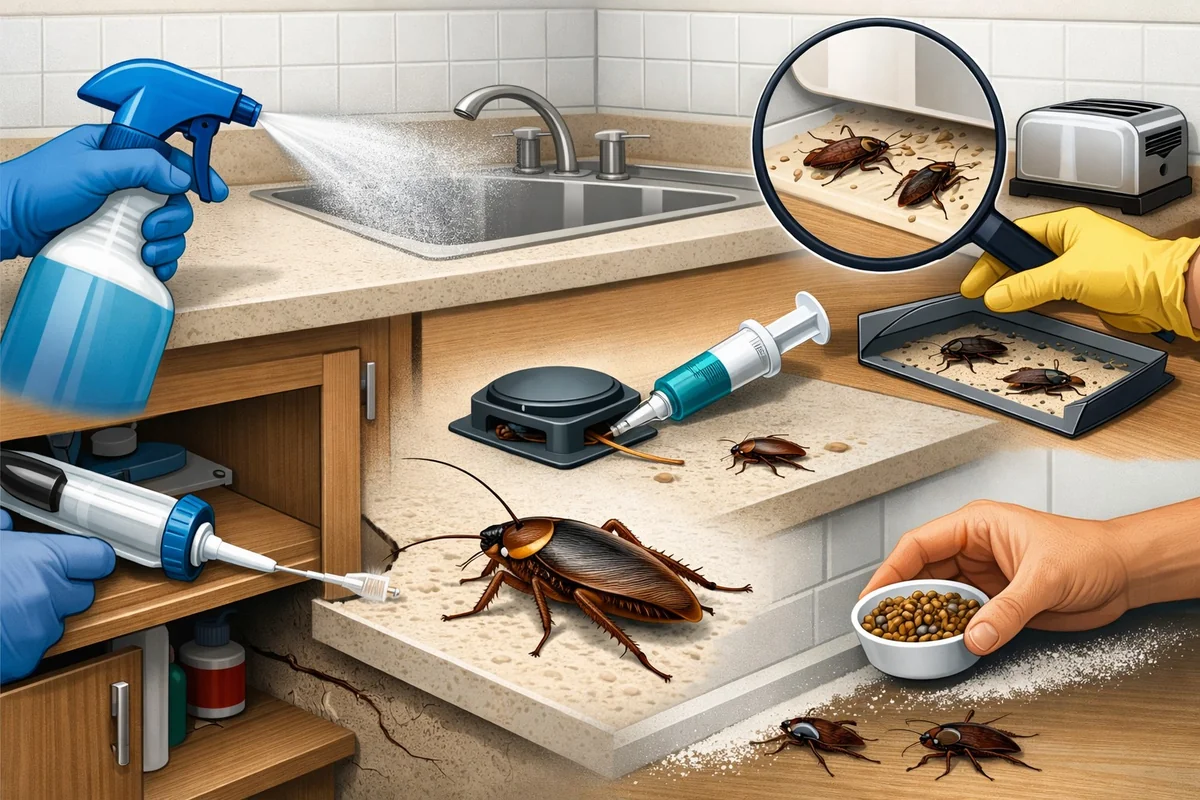

How to Get Rid of Cockroaches: Step-by-Step Guide (Fast, Safe, and Proven Methods)
Learn how to get rid of cockroaches quickly and safely with this step-by-step DIY guide. Discover proven methods, essential tools, and expert tips to eliminate roaches and prevent reinfestation in your home - no professional needed in 2026.
How Cockroach Infestations Start
Most cockroach infestations begin with a few opportunistic roaches slipping inside through tiny gaps. Cracks in walls, loose-fitting doors, and unsealed windows are all open invitations. Even the smallest opening - just 1/16 inch - is enough for a roach to squeeze through.
Kitchens and bathrooms are especially vulnerable. Plumbing and utility lines often leave gaps where walls meet floors or behind appliances. Basements get overlooked, but any spot with water pipes or drains is a risk.
Once inside, roaches thrive because homes offer everything they need: warmth, moisture, and a constant supply of food crumbs or grease. They’re drawn to leaks, spills, and cluttered areas where they can hide undisturbed. Reproduction happens fast - one female can lay dozens of eggs in a single month - so a minor problem grows quickly if ignored.
For a broader look at roach behavior, see our Cockroach Control overview for detailed prevention tips and identification photos.
Identifying Signs of a Cockroach Problem
Early detection is half the battle. Roaches rarely show themselves unless an infestation is already advanced, so look for indirect clues first.
Recognizing Cockroach Droppings and Smears
Roach droppings look like black pepper or coffee grounds - tiny, dark specks scattered along baseboards, under sinks, inside cabinets, or behind appliances. Larger species leave small cylindrical pellets, about 2 mm long. Smear marks may show up in damp or high-traffic areas, especially near water sources.
If you spot droppings, you’ve found an active pathway. Mark these areas for treatment - they’re prime real estate for bait placement.
Unusual Odors and Egg Cases
A strong, musty, oily smell signals a large or long-standing infestation. It’s not subtle - the odor lingers even after cleaning.
Egg cases (oothecae) are brown, capsule-shaped, and usually hidden in crevices, behind drawers, or under appliances. Spotting just one means breeding is happening somewhere nearby. Act fast - these cases hatch 15-40 nymphs each, and numbers multiply quickly.
Daytime Sightings and What They Mean
Roaches are nocturnal by nature. If you see them in daylight, it’s a red flag: they’re either overcrowded or desperate for food and water, so hiding spots are maxed out.
Daytime activity is your cue to escalate. Surface sprays won’t cut it - targeted, multi-pronged treatment is needed.
Essential Tools and Supplies for Cockroach Extermination
Choosing the right products saves you time and frustration. Not all cockroach killers work equally well, and the method matters just as much as the formula.
Choosing Between Gels, Baits, and Sprays
Gel baits are the best choice for most households. They work slowly, allowing roaches to carry poison back to their nest and wipe out the colony over 1-2 weeks. Syringe applicators let you target cracks and crevices directly.
Sprays are tempting because they deliver fast results on visible bugs, but they won’t reach hidden nests. Bait stations are a safer bet for homes with pets or children - they’re enclosed, mess-free, and minimize accidental contact, though they may take a bit longer to show results.
For a ranked breakdown of the most effective products, see our Best Cockroach Killers for Home 2026 guide for detailed recommendations and safety notes.
Natural vs Chemical Solutions: What Works Best?
Boric acid and diatomaceous earth are top natural picks - they kill by damaging a roach’s exoskeleton rather than the nervous system, so resistance is less likely. Essential oils like peppermint or cedar can repel roaches, but rarely eliminate an established infestation on their own.
Chemical baits and sprays tend to act faster and are easier to apply thoroughly, though you need to be careful about exposure - especially if you have allergies, asthma, or young kids at home.
Tools for Safe and Effective Application
- Syringe applicators for precision gel bait placement in cracks
- Disposable gloves and masks to limit contact with dusts or sprays
- Flashlights and mirrors to check behind appliances and inside cabinets
Plan on a mix of these tools for best results. A little preparation pays off with fewer missed spots - and fewer return visits from unwanted guests.
Step-by-Step Guide: How to Get Rid of Cockroaches
Effective cockroach extermination is more about process than brute force. Rushing in with a spray can drive roaches deeper into hiding or scatter them to new areas. Here’s the workflow that actually delivers results.
Preparing Your Home for Treatment
- Remove all food debris from counters, floors, and under appliances
- Vacuum thoroughly and empty trash cans before applying any product
- Store food in airtight containers - pantry, fridge, and pet food areas included
- Fix any leaky pipes and wipe up standing water to cut off moisture sources
- Move appliances and furniture to reach hidden roach hotspots behind and underneath
Preparation is key. Skipping this step means baits compete with food scraps, lowering your odds of success.
Step-by-Step Guide
Effectively eliminate cockroaches from your home with these fast, safe, and proven removal methods. Follow each step to ensure thorough pest control and prevent future infestations.
Total Time
1 hour 20 minutes
Difficulty
Beginner
Inspect and Identify Infested Areas
Start by thoroughly inspecting your home for cockroach activity. Focus on kitchens, bathrooms, and dark corners where moisture and food are present. Identifying hotspots allows you to target your efforts for maximum effectiveness.
Pro Tips:
- Use a flashlight to check behind appliances and under sinks.
- Look for droppings, egg cases, and shed skins as evidence.
- Note any musty odors, a common sign of larger infestations.
Important Warnings:
- Common mistake: Skipping hidden areas like inside cabinets can allow cockroaches to survive and repopulate.
Required Tools:
- Bright flashlight
- Disposable gloves
- Notepad or phone for notes
Clean and Remove Food Sources
Deep clean all infested areas to eliminate crumbs, spills, and accessible food. Wipe counters, sweep floors, and empty trash cans daily. Removing food sources makes baiting more effective and discourages cockroach activity.
Pro Tips:
- Store food in airtight containers, especially overnight.
- Clean up pet food and water dishes before bed.
- Vacuum under appliances to remove hidden debris.
Important Warnings:
- Leaving out food or dirty dishes overnight can quickly attract more cockroaches.
Required Tools:
- Disinfectant cleaner
- Scrub brushes or sponges
- Sealable food containers
- Vacuum cleaner
Apply Cockroach Bait and Gel
Place commercial cockroach bait stations or gel in areas with high activity. Position bait near cracks, under sinks, and behind appliances. Bait attracts cockroaches, which then spread the poison to the colony, reducing populations within one week.
Pro Tips:
- Use multiple bait stations for larger areas (one per 10 square feet).
- Replace baits every 2-3 weeks or when depleted.
- Avoid placing baits near strong-smelling cleaners or sprays.
Important Warnings:
- Do not use bait and spray insecticides together—sprays can repel cockroaches from baits, reducing effectiveness.
- Keep bait out of reach of children and pets.
Required Tools:
- Cockroach bait stations or gel (EPA-approved)
- Disposable gloves
Seal Entry Points and Cracks
Seal gaps, crevices, and holes around baseboards, pipes, and windows using caulk or steel wool. Blocking entry points prevents new cockroaches from entering and disrupts existing hiding places.
Pro Tips:
- Focus on areas where utility pipes enter walls.
- Check for gaps under doors and around window frames.
- Use silicone-based caulk for long-lasting seals.
Important Warnings:
- Incomplete sealing can allow cockroaches to return; double-check all possible entry points.
Required Tools:
- Silicone caulk or expanding foam
- Caulking gun
- Steel wool
- Utility knife
Monitor and Repeat as Needed
Check bait stations and previously infested areas every 3-5 days. Reapply bait or gel if depleted, and continue deep cleaning. Persistent monitoring ensures complete elimination and helps catch early reinfestations.
Pro Tips:
- Set calendar reminders to check traps regularly.
- Keep records of sightings and bait replacements.
- If cockroaches persist after two weeks, consider professional pest control.
Important Warnings:
- Stopping monitoring too soon can allow surviving cockroaches to repopulate the area.
Required Tools:
- Replacement bait or gel
- Flashlight
- Notepad or tracking app
Applying Baits and Gels Effectively
Use tiny dots (pea-sized) of gel bait along cracks, corners, behind sinks, and inside cabinets - wherever you’ve seen droppings or roach activity. Don’t smear or over-apply; less is more here.
Keep cleaning sprays, bleach, and other chemicals away from bait placements. They can make baits unpalatable and drive roaches elsewhere. Once placed, leave baits undisturbed for 5-7 days so roaches have time to feed and spread the poison.
Using Dusts and Powders Safely
Apply a very thin layer of boric acid or diatomaceous earth along baseboards, under appliances, and inside wall voids. You want a barely visible coating - not piles of powder - so roaches walk through and pick it up on their legs.
Too much powder can actually repel roaches, so go easy. Always keep dusts away from food prep areas, and make sure kids and pets can’t reach treated spots.
When to Use Sprays and Traps
Sprays are best reserved for direct contact with visible roaches or as a quick perimeter treatment. Don’t rely on them to solve hidden infestations - they rarely reach deep enough.
Sticky traps don’t eliminate colonies, but they’re helpful for monitoring infestation levels and mapping out high-traffic routes. Place them along walls, behind appliances, and under sinks to check progress over time.
Preventing Reinfestation After Treatment
Getting rid of roaches is only half the battle. Unless you address what let them in, you’ll be fighting them again in a few months.
Sealing Entry Points for Long-Term Control
Inspect your home for cracks, gaps, and holes around baseboards, windows, and pipe entries. Use silicone caulk to seal these openings - don’t forget under sinks and behind appliances. Weatherstripping doors and windows adds another layer of protection against outdoor invaders.
Make it a habit to check these spots every few months, especially after heavy rains or home repairs. New gaps appear over time, and roaches are quick to exploit them.
Maintaining a Roach-Unfriendly Environment
- Always store food in sealed containers - pantry pests love open cereal boxes and sugar bags
- Clean up spills, crumbs, and grease splatters immediately
- Fix plumbing leaks and use dehumidifiers or exhaust fans to reduce indoor humidity
- Declutter storage areas to eliminate hiding spots
Roaches are survivors, but they prefer easy targets. Make your home inhospitable and they’ll move on.
Common Mistakes in DIY Cockroach Control
Most failed DIY attempts come down to three things: overusing sprays, ignoring hidden areas, and not giving baits enough time to work.
Overuse of Sprays and Immediate Clean-Up
Spraying over bait placements ruins the bait - roaches won’t touch anything that smells of chemicals. Cleaning up baits too soon removes the only thing attracting them out of hiding.
Sprays kill what you see, but leave nests untouched. Use sprays for spot treatment only. Rely on baits and targeted dusting for lasting results.
Ignoring Hidden Harborage Areas
Roaches hide in wall voids, behind appliances, and inside cabinets. Surface treatments alone won’t reach them. Use mirrors and flashlights to find all potential hiding spots and treat them directly.
Missed harborage points are the main reason infestations return - even after an initial die-off.
Inconsistent Application or Switching Methods Too Soon
Impatience is the enemy here. If you swap products or clean up baits before they’ve had a chance to work, you disrupt the process and risk breeding resistance.
Stick with one approach for 2-3 weeks before reassessing. Results build over time - don’t expect overnight miracles.
Safe Cockroach Control in Homes with Kids or Pets
Safety matters, especially with young children or animals around. Many professional-grade sprays and powders can pose risks if not handled carefully.
Choosing Low-Toxicity Solutions
Gel baits and enclosed bait stations are your best bet for minimizing risk. They keep the active ingredient contained and are hard for curious hands or paws to access.
Boric acid and diatomaceous earth are less toxic than most chemical sprays, but they still need to be kept away from kids and pets. Essential oil repellents are safer for mild infestations, but don’t expect them to solve a major problem alone.
Placement Strategies to Prevent Accidental Contact
- Apply baits and dusts only in cracks, crevices, or behind heavy appliances where kids and pets can’t reach
- Use tamper-resistant bait stations in open areas or near pet food bowls
- Monitor for accidental ingestion - know the first-aid steps for products you use (check the packaging or manufacturer’s website)
Frequently Asked Questions About Cockroach Removal
❓ Frequently Asked Questions
What is the fastest way to get rid of cockroaches?
What is the fastest way to get rid of cockroaches?
The fastest way to get rid of cockroaches is to combine thorough cleaning, targeted bait placement, and sealing entry points. Remove food and water sources, set gel baits in high-traffic areas, and use insect growth regulators to disrupt breeding. Most users report noticeable reduction within 1-2 weeks with this integrated approach.
How do I safely eliminate cockroaches at home?
How do I safely eliminate cockroaches at home?
To safely eliminate cockroaches at home:
- Clean thoroughly, removing crumbs and standing water.
- Apply gel baits in cracks and behind appliances.
- Use boric acid or diatomaceous earth in hard-to-reach areas.
- Seal entry points.
Wear gloves when applying powders. Avoid sprays in food areas. Reapply as needed for best results.
What should I look for when choosing a cockroach bait?
What should I look for when choosing a cockroach bait?
When choosing a cockroach bait, consider:
- Active ingredient: Fipronil or hydramethylnon are widely effective.
- Attractant strength: High-quality baits lure more roaches.
- Gel vs. station: Gels fit narrow spaces; stations are child-safe.
- User reviews: Look for proven long-term results.
Rotate baits every few months to prevent resistance.
How often should I reapply cockroach treatments?
How often should I reapply cockroach treatments?
Reapply cockroach gel baits or powders every 2-4 weeks, or sooner if you notice reduced effectiveness. Most users find that consistent application over 6-8 weeks achieves best results. Regularly monitor for activity and refresh baits after deep cleaning or if signs of infestation persist.
What is the difference between cockroach sprays and gel baits?
What is the difference between cockroach sprays and gel baits?
Cockroach sprays kill on contact but rarely eliminate entire colonies, while gel baits attract cockroaches to ingest poison and spread it to others. Most experts recommend gel baits for long-term control, as they target hidden nests, but sprays can help with immediate visible problems. Use both methods for comprehensive coverage.
Why do cockroaches keep coming back after treatment?
Why do cockroaches keep coming back after treatment?
Cockroaches often return if food, water, or shelter remain available, or if entry points are not sealed. Eggs can hatch weeks after initial treatment, requiring repeated applications. Most users see lasting results only after addressing sanitation, entry gaps, and using both baits and insect growth regulators to disrupt breeding cycles.
When is the best time to apply cockroach control products?
When is the best time to apply cockroach control products?
The best time to apply cockroach control products is in the evening, as cockroaches are most active at night. Apply gel baits and powders after thorough cleaning for maximum effectiveness. Regular application every 2-4 weeks at night increases contact and speeds up population reduction.
Key Takeaways for Effective Cockroach Elimination
DIY cockroach extermination works for most household infestations - but only if you follow a system and stick with it. If you’re still seeing roaches after 3-4 weeks of consistent treatment, it’s time to call in a professional.
Multi-unit buildings and homes with severe structural gaps are tricky to treat yourself. Pros have access to stronger products and advanced monitoring tools that can break the cycle when DIY methods stall.
Once you’ve cleared the infestation, regular monitoring is your best defense. Seasonal shifts, new leaks, or a missed entry point can bring roaches back - so stay vigilant and repeat prevention steps as needed. Keep a record of what worked for future reference - it’ll make the process easier if you ever face this problem again.
Related Articles
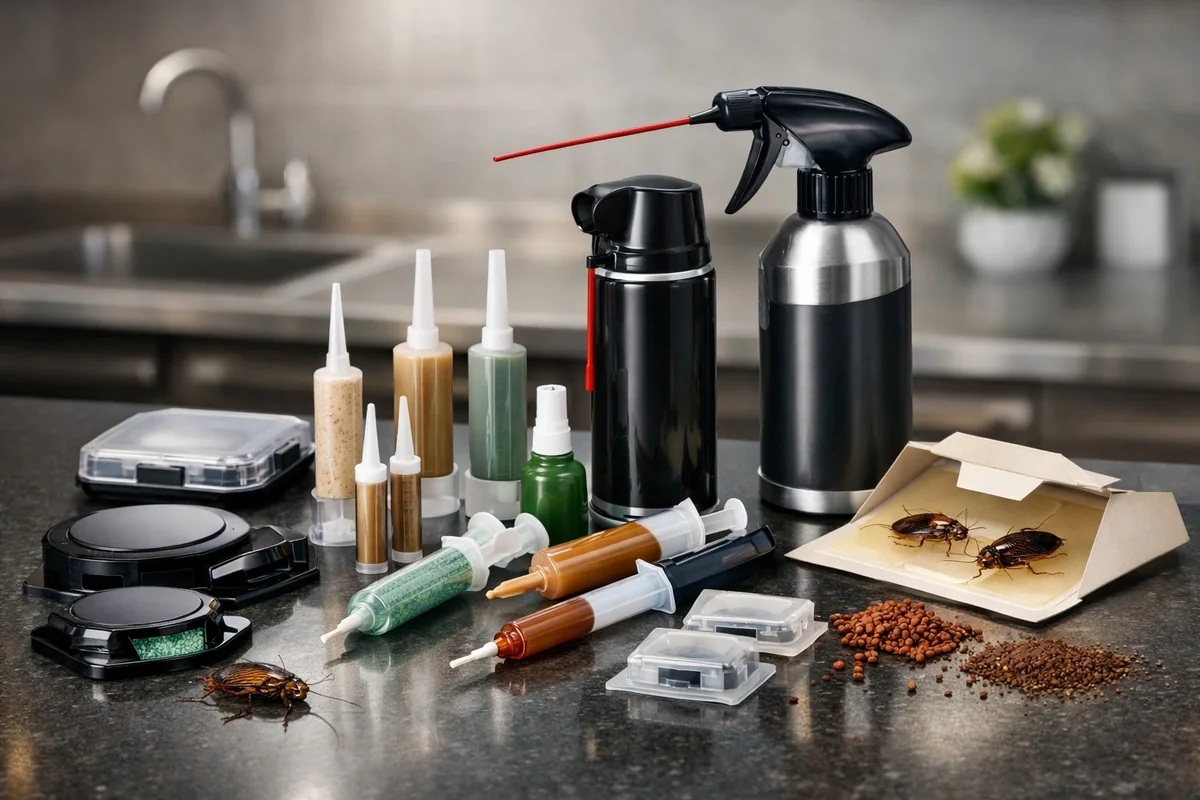
Best Cockroach Killers for Home 2026: Gels, Baits, Sprays & More
Find the best cockroach killers for home in 2026. Compare top gel baits, sprays, traps, and natural options for effective, safe, and budget-friendly cockroach removal - plus tips for choosing the right product for your needs.
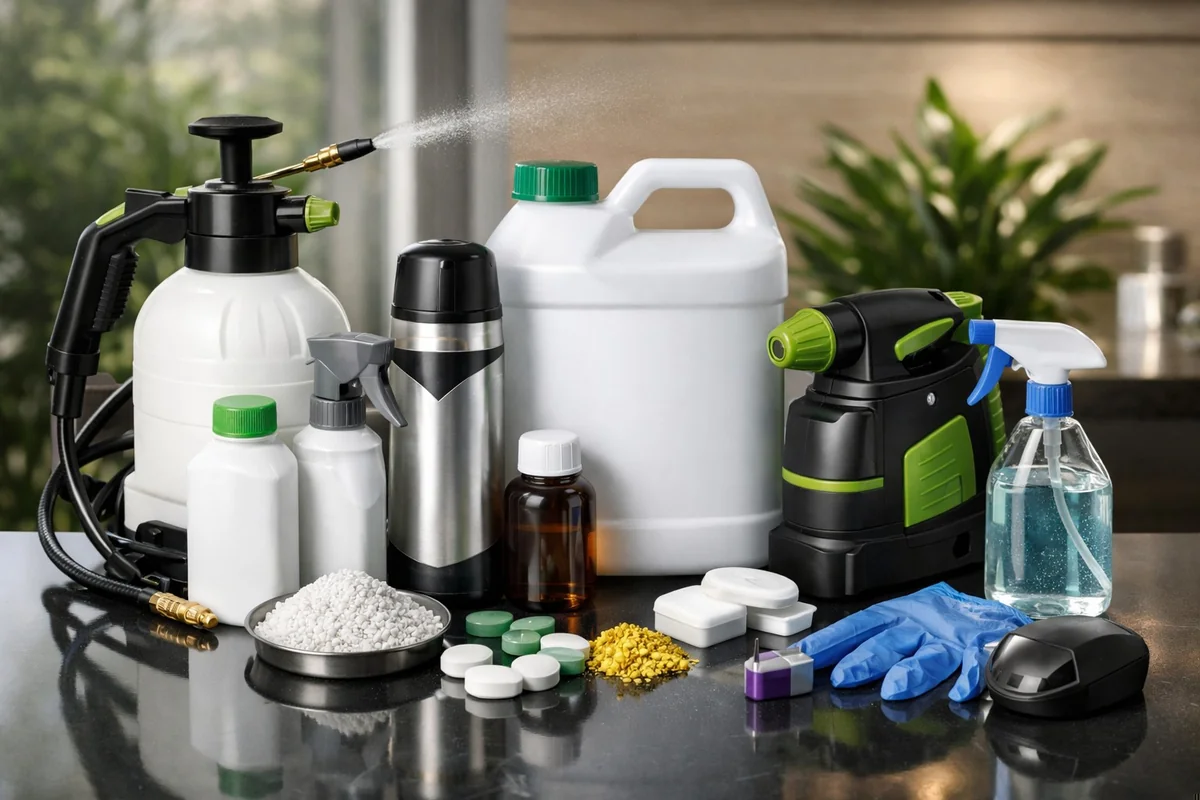
Best Chemical Pesticides for Home Use 2026: Safe, Effective, and Affordable Options
Discover the best chemical pesticides for home use in 2026. Compare top-rated baits, sprays, gels, and natural options for ants, roaches, fleas, and more. Find safe, effective, and budget-friendly pest control solutions for every room.

Best Natural and Organic Pest Control Products 2026: Safe, Eco-Friendly Solutions for Every Home
Find the best natural and organic pest control products for 2026. Safe, eco-friendly solutions for ants, roaches, rodents, and more - ideal for families and pet owners.