Termite and Wood Pest Control: Products and Strategies 2026
Learn how to control termites, carpenter ants, and wood borers. Get expert guidance on products, prevention, and proven removal strategies to protect your home.
Browse Termite & Wood Pest Control
Explore our expert reviews and guides organized by topic
Termite Control
Baits, treatments, and prevention for termites in structures and wood.
- Best Termite Treatments and Baits 2026: Expert Picks for DIY Control
- Top 7 Termite Sprays for Homeowners (2026): Expert Reviews & Picks
- How to Get Rid of Termites: Step-by-Step Guide (2026)
- How Long Do Termite Treatments Last? Duration & Control Timeline 2026
Carpenter Ant, Beetle & Wood Borer Control
Prevention and removal for carpenter ants, powderpost beetles, and wood borers.
- Top 5 Wood Borer Sprays for Furniture and Structures (2026)
- Bora-Care Wood Treatment Review: Is It Effective? (2026 Update)
- Carpenter Ants vs Termites: How to Tell the Difference (2026)
- How to Prevent Wood Borers in Furniture and Homes (2026 Guide)
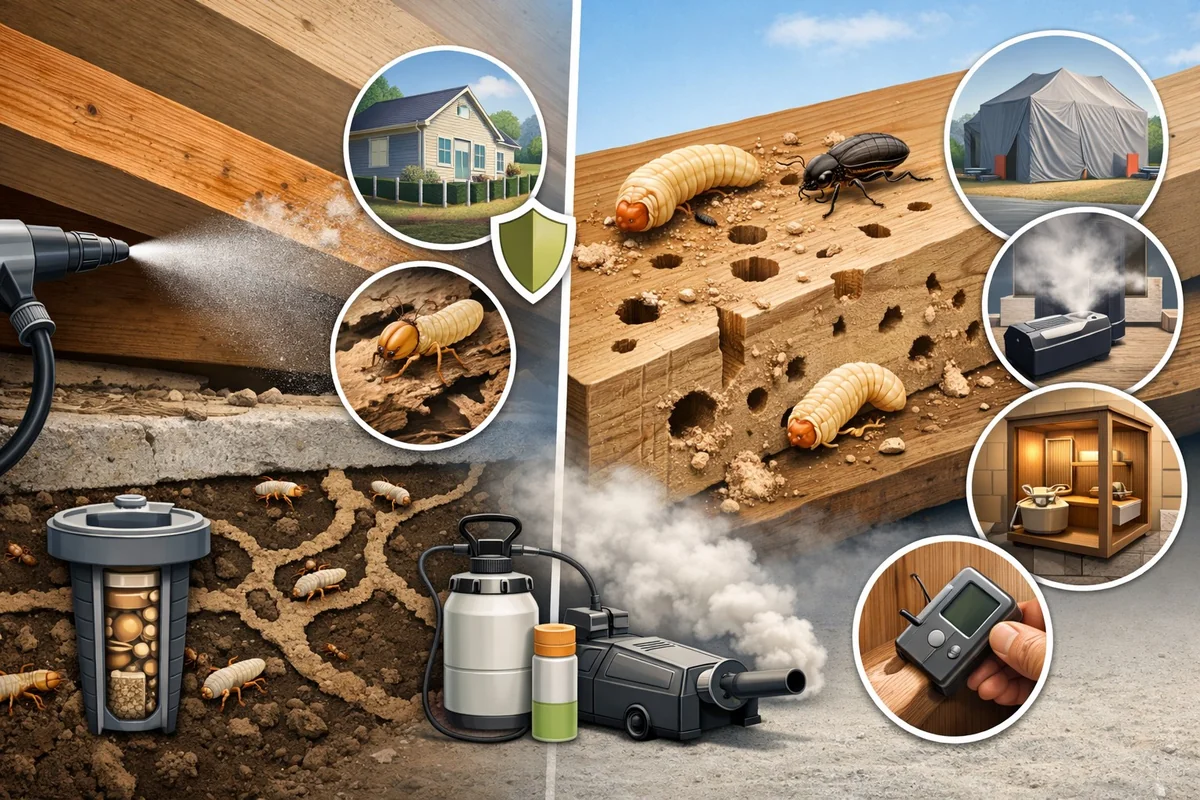
Termite and wood pest control involves specialized methods and products to eliminate insects that damage wood in homes. From termites to carpenter ants and beetles, these pests threaten both structure and safety. Effective control matters for anyone wanting to prevent costly repairs or reclaim peace of mind after an infestation.
Understanding Termite and Wood Pest Control
Termites, carpenter ants, powderpost beetles, and wood borers are the main culprits when it comes to structural wood damage in homes. Each pest has its own habits, life cycle, and preferred attack points. Termites often go undetected until they've caused significant harm, while carpenter ants and wood borers may leave visible signs like frass (wood dust), hollow-sounding timber, or exit holes in wood surfaces.
Most homeowners first notice the problem during renovations or when doors and windows start sticking. Early intervention is crucial - waiting too long can mean higher repair bills and tougher eradication. That's why understanding the biology and behavior of these pests is the first step to getting ahead of an infestation.
Effective termite control and wood pest removal requires a mix of monitoring, targeted treatments, and ongoing prevention. It’s not just about killing what you see - it’s about breaking the pest’s life cycle, treating hidden areas, and locking down future entry points. Chemical barriers, baits, sprays, and physical exclusion work together for lasting results. But not every product or method is right for every pest or structure.
Choosing the right approach means considering safety, cost, and the type of infestation. DIY methods can be effective for many situations, especially if you know what to look for and how to apply solutions properly. For most homeowners, a mix of proven products and practical strategies solves the problem without the expense of professional services.
With that in mind, let’s break down the main areas of focus in termite and wood pest control - and guide you to the resources that address your specific needs.
Termite Control
This section is for anyone dealing with subterranean, drywood, or dampwood termites - whether you’ve seen mud tubes, swarmer wings, or just suspect activity. Termite control is about more than spraying visible bugs; it’s about eliminating the colony and preventing reinfestation.
You'll find in-depth guides on baits, barrier treatments, and prevention strategies. Look for practical comparisons of the best termite treatments and baits for 2026, as well as step-by-step guidance for homeowners tackling termites on their own. Topics include product selection, safe application, and long-term monitoring.
For detailed guides and reviews, see Termite Control.
Carpenter Ant, Beetle & Wood Borer Control
If you’re seeing frass piles, small holes in wood, or hear rustling inside beams, you may be dealing with carpenter ants, powderpost beetles, or wood borers. These pests attack both structural timber and wood furniture, often from the inside out.
This category covers the full spectrum of prevention and removal methods for non-termite wood pests. Expect targeted advice on identifying the culprit, choosing the right insecticides or baits, and protecting vulnerable wood. Specific articles address the best carpenter ant and wood borer treatments for 2026 and how to safeguard furniture and structures from further damage.
Explore Carpenter Ant, Beetle & Wood Borer Control for detailed guides and reviews.
How to Use This Guide
If you’re not sure which pest you’re facing, start by reading about the visible signs and symptoms in each subcategory. Homeowners who know they have termites should focus on the termite control section for product comparisons and step-by-step elimination strategies.
Those dealing with ants, beetles, or borers in woodwork or furniture will find specialized advice in the carpenter ant, beetle, and wood borer control area. Each subcategory links to focused articles on products, application methods, and prevention tips - so you can address your specific issue quickly and confidently.
Whether you’re planning a full DIY treatment or just want to prevent future infestations, the resources here are organized to get you the answers you need, fast.
Frequently Asked Questions About Termite and Wood Pest Control
❓ Frequently Asked Questions
What is termite and wood pest control?
What is termite and wood pest control?
Termite and wood pest control refers to methods and products designed to prevent, detect, and eliminate insects that damage wood, such as termites, carpenter ants, and wood-boring beetles. Effective control protects property value and prevents costly structural repairs. Liquid termiticides and bait systems are common examples.
How do I choose the best termite control product for my home?
How do I choose the best termite control product for my home?
When choosing a termite control product, consider these factors:
- Type: Liquid, bait, or foam - each suits different infestations
- Active ingredient: Look for EPA-registered chemicals
- Application method: DIY vs. professional use
- Residual effect: Longer-lasting products provide extended protection
Check product reviews and consult a licensed professional for severe cases.
How often should I inspect my home for termites?
How often should I inspect my home for termites?
Industry standards recommend inspecting your home for termites at least once per year. Homes in high-risk areas or with a history of infestations may need checks every 6 months. Regular inspections help detect activity early, reducing potential damage and treatment costs.
What is the difference between liquid termiticides and bait systems?
What is the difference between liquid termiticides and bait systems?
Liquid termiticides create a treated barrier in soil to repel or kill termites on contact. Bait systems use stations with attractants that termites carry back to the colony, eliminating it over time. Liquid treatments often act faster, while baits target the entire colony but may take several weeks.
How do I use a termite baiting system effectively?
How do I use a termite baiting system effectively?
To use a termite baiting system effectively:
- Install bait stations around your home's perimeter, spacing them 10–20 feet apart
- Regularly monitor and refill baits as instructed
- Replace stations if damaged or depleted
- Check for termite activity every 2–3 months
For best results, follow manufacturer guidelines and keep the area clear of debris.
What should I look for when hiring a professional pest control service?
What should I look for when hiring a professional pest control service?
When hiring a pest control service, focus on:
- Licensing: Ensure technicians are state-certified
- Experience: Companies with proven track records handle complex infestations better
- Treatment options: Ask about available products and safety
- Warranty: Look for services offering at least a 1-year guarantee
Request references and compare 2–3 local providers before deciding.
Why is ongoing wood pest prevention important?
Why is ongoing wood pest prevention important?
Ongoing wood pest prevention stops infestations before they cause significant structural damage. Most users find routine maintenance and early intervention can save thousands in repair costs. Preventive treatments, such as soil barriers or wood preservatives, are especially important in humid or termite-prone regions.
Key Takeaways
Termite and wood pest control is about much more than killing visible insects - it’s about lasting protection for your home. Understanding which pest you have, and why, is the first step to choosing the right solution. Most infestations can be managed with targeted products and consistent prevention.
Use this hub to identify your pest, compare the best DIY solutions, and learn proven strategies for safe, effective treatment. Acting early saves money and prevents serious structural damage.
Ready to tackle your pest problem? Head to the relevant subcategory for practical guides, unbiased product reviews, and step-by-step instructions tailored to your situation.