Insect Pest Control: Products, Solutions, and Advice 2026
Get expert advice on insect pest control. Learn practical solutions, product options, and proven strategies for ants, roaches, bed bugs, mosquitoes, and flies.
Browse Insect Pest Control
Explore our expert reviews and guides organized by topic
Ant Control
Products and strategies for eliminating ants and preventing infestations.
- Ant Traps vs Ant Sprays: Which Works Better in 2026?
- How Long Does Ant Bait Take to Work? Ant Bait Timeline Explained
- Best Ant Killers for Home Use 2026: Top Baits, Sprays, and Natural Options Compared
- How to Get Rid of Ants: Step-by-Step Guide for Homeowners
Cockroach Control
Solutions and products for eliminating cockroaches in residential and commercial spaces.
- Signs of a Cockroach Infestation: What to Look For (2026)
- Best Natural Cockroach Repellents for Home (2026)
- Best Cockroach Killers for Home 2026: Gels, Baits, Sprays & More
- Raid Ant & Roach Killer Review 2026: Pros and Cons
Bed Bug Control
Products and tips for identifying and removing bed bugs in homes and hotels.
- How to Get Rid of Bed Bugs: Complete Process (2026)
- Best Bed Bug Sprays and Foggers 2026: Top DIY Removal Products Reviewed
- Best Natural Bed Bug Solutions for Sensitive Households (2026)
- EcoRaider Bed Bug Killer Review 2026: Does It Deliver?
Mosquito Control
Strategies, repellents, and devices for keeping mosquitoes away indoors and outdoors.
- Top 7 Mosquito Traps and Zappers for Yards (2026)
- Thermacell Mosquito Repellent Review 2026: Is It Worth It?
- How to Get Rid of Mosquitoes Indoors and Outdoors: Complete Mosquito Removal Guide 2026
- Mosquito Repellent Sprays vs Lotions: Pros and Cons (2026 Comparison)
Fly Control
Fly traps, repellents, and tips for keeping flies out of indoor and outdoor spaces.
- Top 7 Fly Sprays for Indoor and Outdoor Use (2026)
- How to Get Rid of Flies: Step-by-Step Guide for Homeowners
- Fly Traps vs Fly Sprays: What Works Best? (2026 Comparison)
- Best Natural Fly Repellents for Kitchens and Patios 2026
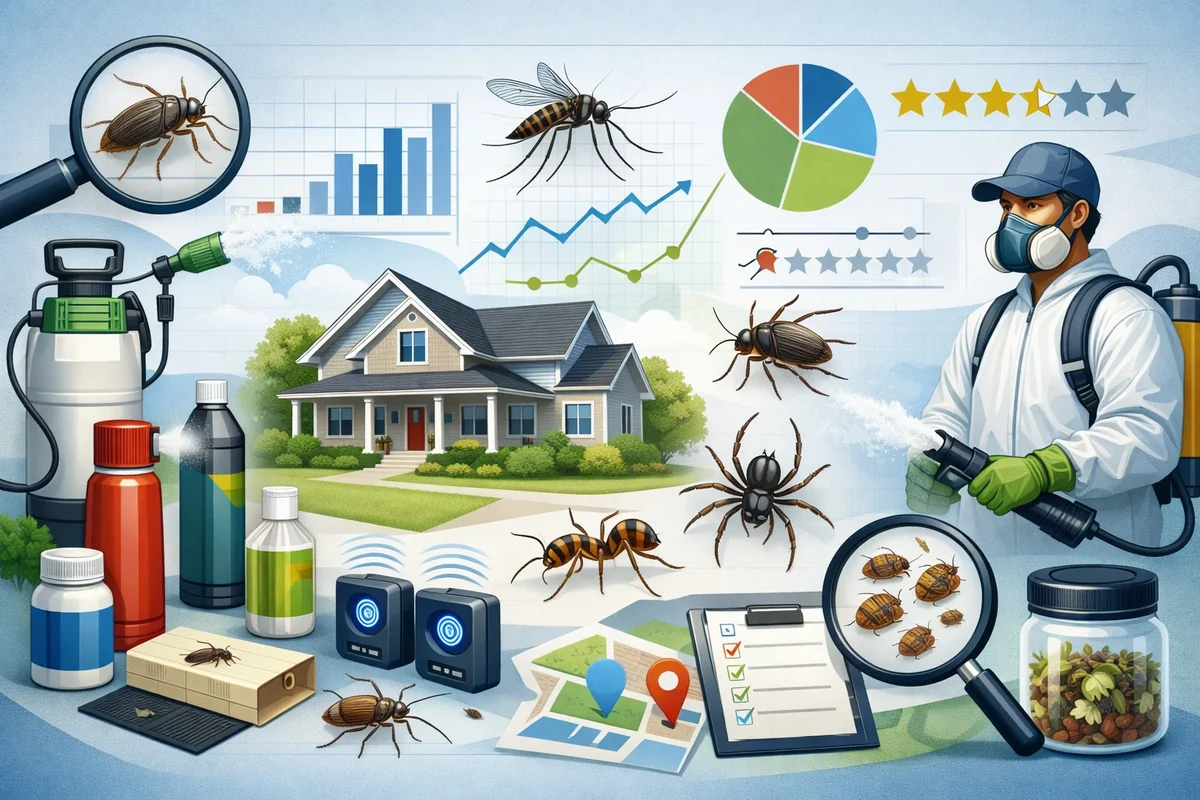
Insect pest control means removing and preventing bugs like ants, cockroaches, bed bugs, mosquitoes, and flies from your living space. The most reliable approaches combine targeted products with smart prevention. If you’re a homeowner or renter frustrated by persistent insects, this hub will help you make sense of your options and take effective action.
How Insect Pest Control Works and Why It Matters
Insect pests aren’t just a nuisance - they can contaminate food, damage property, and impact health. Whether you’re dealing with a few stray ants or a full-on cockroach infestation, the challenge is more than cosmetic. Effective insect pest control is about understanding pest behavior, breaking breeding cycles, and choosing the right products for your situation.
People often underestimate how quickly an infestation can grow. For instance, a single cockroach can lay up to 50 eggs at once. Just a handful of surviving bugs can restart the problem within weeks. That’s why controlling insects isn’t just about killing what you see - it’s about eliminating the source and preventing their return.
There’s no universal fix. The right solution depends on the species, the size of the problem, and even the layout of your home. Some pests, like ants, are best tackled with slow-acting baits that reach the colony.
Others, like bed bugs, require direct contact sprays and physical removal. Prevention is just as important: sealing entry points, managing moisture, and removing attractants are non-negotiable steps for long-term success.
In 2026, consumer demand for safer and more eco-friendly pest control products continues to rise. But not every “natural” or DIY method works. Our goal is to help you cut through hype and focus on practical, proven solutions.
The sections below break down targeted advice and product types for every major household insect pest.
Ant Control: Stop Infestations Before They Spread
Ant control focuses on eliminating ant colonies and blocking their routes into your home. This category is for anyone spotting ant trails in kitchens, bathrooms, or around the foundation - especially when surface sprays just aren’t enough.
You’ll find step-by-step guides for identifying ant entry points, choosing between gel baits and bait stations, and preventing future invasions. We cover topics like how ant baits actually work, what makes a killer effective, and mistakes that let colonies rebound.
Ant Control includes detailed guides and reviews for every ant problem, from pavement ants to stubborn carpenter ant infestations.
Cockroach Control: Eliminate Roaches and Keep Them Gone
Cockroach control addresses one of the most frustrating home pest problems. If you’re seeing roaches in the kitchen, bathroom, or even the garage, this section is for you. Roaches multiply fast and resist many standard sprays, so a strategic approach is essential.
Inside, you’ll get practical advice on choosing between gels, baits, traps, and residual sprays - plus where and how to place them for best results. We also dig into what makes a product “residual”, why sanitation matters, and how to make your home less attractive to roaches in the first place.
For in-depth solutions, see Cockroach Control for step-by-step instructions and product reviews tailored to real-world infestations.
Bed Bug Control: Identify and Remove Hidden Pests
Bed bug control is all about finding, treating, and preventing one of the toughest pests to eliminate. If you’re waking up with bites or notice tiny blood spots on sheets, you need focused strategies - bed bugs hide in cracks, behind baseboards, and inside mattresses.
This section covers identification tips, the differences between sprays and foggers, and why encasements matter. We explain heat treatments versus chemical options, and how to avoid re-infestation during and after treatment. Don’t overlook the importance of regular inspections - missing just a few bugs can restart the cycle.
Dive into Bed Bug Control for comprehensive guides, reviews, and actionable steps for both home and travel scenarios.
Mosquito Control: Protect Indoor and Outdoor Spaces
Mosquito control isn’t just about comfort - it’s about health. These pests transmit diseases and can make outdoor living miserable. If you’re battling mosquitoes in your backyard, on patios, or even indoors, you’ll want targeted repellents, traps, and preventative measures.
We break down the pros and cons of sprays, wearable repellents, zappers, and CO2 traps. Learn which solutions work best for small patios versus large yards, and how to reduce breeding sites around your property. Plus, we cover safety tips for families and pets using repellents or foggers.
Visit Mosquito Control for in-depth advice, product comparisons, and strategies for all environments.
Fly Control: Keep Flies Out for Good
Fly control tackles both nuisance and health risks - flies spread bacteria and can infest food prep areas quickly. If you’re dealing with houseflies, fruit flies, or even outdoor swarms, this section helps you pinpoint what works and what doesn’t.
Find breakdowns of trap types (sticky, UV, baited), the right time to use sprays, and best practices for fly-proofing doors and windows. We also cover sanitation steps that make a bigger difference than most realize, especially in kitchens and trash areas.
See Fly Control for product reviews, setup tips, and prevention methods that actually stick.
How to Use This Guide
If you already know your pest - ants, roaches, bed bugs, mosquitoes, or flies - jump straight to the subcategory for focused advice and the latest product strategies. If you’re facing multiple pests or aren’t sure what’s causing the problem, start with the overview articles for tips on identification and prevention fundamentals.
Each section links to step-by-step guides, in-depth product breakdowns, and practical troubleshooting. Whether you’re a DIY beginner or want advanced solutions for stubborn infestations, you’ll find clear, actionable information without hype or filler.
Frequently Asked Questions About Insect Pest Control
❓ Frequently Asked Questions
What is insect pest control?
What is insect pest control?
Insect pest control refers to methods and products used to manage or eliminate unwanted insects from homes, gardens, or businesses. Effective pest control reduces health risks and property damage. Common examples include sprays, traps, and integrated pest management techniques.
How do I choose the best insect pest control product for my home?
How do I choose the best insect pest control product for my home?
When selecting an insect pest control product, consider these factors:
- Target pest: Choose a solution specific to the insect type
- Safety: Look for EPA registration and check toxicity for pets or children
- Application method: Sprays, baits, or traps
- Residual effect: Duration of protection
Compare reviews and consult product labels before buying.
What is the difference between chemical and natural pest control solutions?
What is the difference between chemical and natural pest control solutions?
Chemical pest control uses synthetic pesticides to kill or repel insects, often offering rapid results but with potential toxicity concerns. Natural solutions rely on plant-based or biological agents, which are generally safer for humans and pets but may require repeated applications. However, effectiveness varies depending on the pest and severity.
How do I safely apply insecticides indoors?
How do I safely apply insecticides indoors?
To apply insecticides safely indoors:
- Read and follow all label instructions;
- Ensure proper ventilation by opening windows;
- Remove pets and cover food items;
- Wear gloves and avoid direct skin contact;
- After application, wait the recommended time before re-entering.
Always store products out of reach of children. Ventilate thoroughly after use.
How often should I reapply insect pest control treatments?
How often should I reapply insect pest control treatments?
Frequency depends on product type and infestation level. Most sprays and baits require reapplication every 2-4 weeks, while some residual products last up to 3 months. Outdoor treatments may need more frequent use after rain. Always follow the manufacturer’s recommended schedule for best results.
When is the best time to apply pest control products?
When is the best time to apply pest control products?
The best time to apply pest control products is early morning or late evening when insects are most active and temperatures are moderate. For outdoor applications, avoid spraying before rain to prevent wash-off. Applying during calm, dry weather maximizes product effectiveness and minimizes drift.
What should I do if pest control products are not working?
What should I do if pest control products are not working?
If pest control products are ineffective, first verify correct application and dosage. Next, try rotating to a different active ingredient to prevent resistance. Check for hidden breeding sites or entry points. For persistent infestations, consult a licensed pest professional who can assess and treat the problem using specialized methods.
Key Takeaways
Insect pest control starts with knowing your enemy - each species requires tailored tactics and products. Consistent prevention, targeted treatments, and a willingness to adapt make the difference between a short-term fix and lasting results.
When choosing solutions, focus on approaches that address both immediate removal and long-term prevention. Pay attention to placement, timing, and the specific behaviors of your target pest for best results.
If you’re not seeing results or the problem feels overwhelming, revisit the subcategory guides above for expert troubleshooting and step-by-step plans. Effective, safe, and budget-friendly pest control is possible - get started now.