Pest Control by Room: Tailored Strategies for Every Space
Room pest control made simple. Get expert tips for kitchens, bedrooms, basements, and gardens, with safe, cost-effective solutions for every space.
Browse Pest Control for Specific Spaces
Explore our expert reviews and guides organized by topic
Kitchen & Pantry Pest Control
Prevent and remove pests in kitchens, pantries, and food storage areas.
- Best Natural Pest Solutions for Kitchens (2026)
- Best Kitchen Pest Control Products 2026: Ant, Roach, Moth & Fly Solutions
- How to Prevent Pests in the Pantry: Food Storage Tips for 2026
Bedroom & Living Room Pest Control
Keep sleeping and living areas pest-free and comfortable.
- How to Prevent Bed Bugs in Bedrooms: Step-by-Step Guide for 2026
- Best Natural Pest Solutions for Living Rooms (2026)
- Best Bedroom Pest Control Products 2026: Safe, Effective Picks for Every Home
Garage, Basement & Attic Pest Control
Specialized solutions for storage spaces, crawl spaces, and unfinished areas.
- How to Prevent Rodents in Garages and Basements (2026 Guide)
- Best Pest Control Products for Garages and Basements 2026: Top Sprays, Baits & Solutions
- Best Natural Pest Solutions for Attics (2026): Safe, Organic & Non-Toxic Picks
Outdoor & Garden Pest Control
Yard, patio, and garden pest management and prevention.
- How to Prevent Pests in Outdoor Spaces: Yard and Garden Pest Tips
- Best Natural Pest Solutions for Gardens (2026): Safe, Organic & Non-Toxic Picks
- Best Garden Pest Control Products for Yards and Gardens 2026
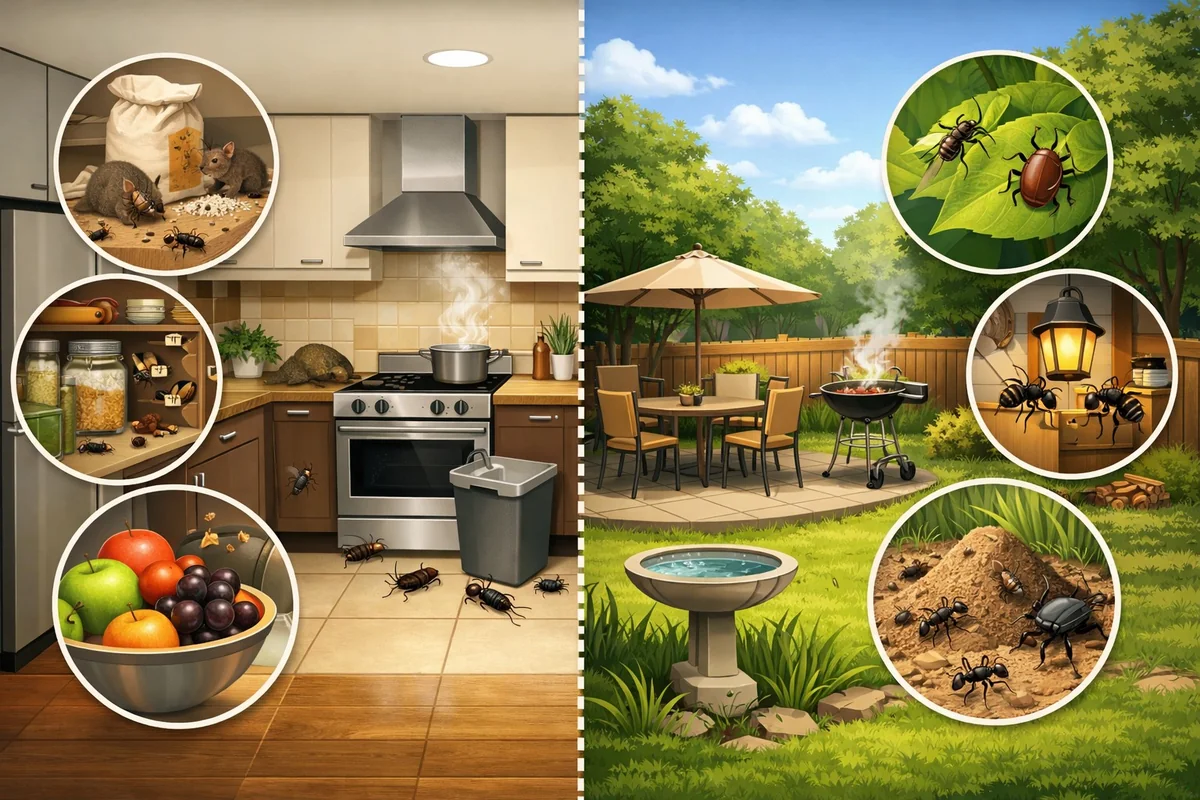
Room pest control means using targeted methods for each area of your home, from kitchens to garages. Different spaces attract different pests, so one-size-fits-all rarely works. This hub guides homeowners and renters to the right strategies for each room, helping you stay pest-free without unnecessary expense or risk.
Why Room-Specific Pest Control Matters
Pests exploit the unique conditions of each room - food in the kitchen, clutter in the garage, moisture in the basement. That’s why effective pest control isn’t just about choosing a product; it’s about understanding how pests behave in each environment and matching your approach to their habits.
For example, cockroaches and pantry moths thrive where food is stored, while rodents look for nesting spots in garages and attics. Bed bugs target bedrooms, but won’t care about your shed. Mosquitoes love standing water outside, but not your living room. Using the wrong control method for the room wastes money and time, and can even make problems worse by scattering pests or exposing your family to unnecessary chemicals.
Our approach breaks down pest solutions by space. This lets you focus on the real threats, use less pesticide, and get quicker results. Whether you’re battling ants in the kitchen or mice in the garage, you’ll find step-by-step advice that fits how you actually live.
Kitchen & Pantry Pest Control
Kitchens and pantries are the main battlegrounds for most homeowners. Food attracts everything from ants to cockroaches to pantry moths, and even a few crumbs can start a problem. This section is for anyone dealing with pests where food is stored or prepared.
Here you’ll find practical ways to prevent infestations, clean up crumbs that attract pests, and spot early signs of trouble. We cover both traditional and “natural” solutions, plus how to keep food safe without overusing harsh chemicals. See our in-depth reviews and prevention tips for kitchens and pantries.
Kitchen & Pantry Pest Control offers detailed guides and product breakdowns tailored to these sensitive spaces.
Bedroom & Living Room Pest Control
Pests in sleeping and living areas are more than annoying - they can disrupt your rest and peace of mind. Bed bugs, fleas, and carpet beetles are common here, and their control requires different tactics than in the kitchen or garage. If you’re finding bites or seeing bugs in these spaces, you’re not alone.
This section explains how to spot early warning signs, treat soft furnishings, and prevent reinfestation. Topics include the best ways to keep bed bugs at bay, safe options for families and pets, and how to combine chemical and non-chemical approaches. Get advice for bedrooms, sofas, carpets, and more.
Explore Bedroom & Living Room Pest Control for focused guides and natural options that protect where you relax and sleep.
Garage, Basement & Attic Pest Control
Garages, basements, and attics are magnets for rodents, spiders, and insects that love dark, undisturbed spaces. These areas often get less attention, so infestations can go unnoticed until they’re serious. If you have storage boxes, insulation, or stacked goods, you’re at higher risk.
This section walks you through sealing entry points, removing attractants, and choosing the right baits and traps for unfinished or cluttered spaces. You’ll also find advice on moisture control, which is key to preventing mold and insects in basements. Natural deterrents for attics are included too.
Visit Garage, Basement & Attic Pest Control for specialized solutions that target pests where they hide, not just where you notice them.
Outdoor & Garden Pest Control
Yards, patios, and gardens need a different approach than indoor spaces. Outdoor pests include mosquitoes, ticks, grubs, and more, some of which can invade your home if left unchecked. This section is for anyone wanting to protect their lawn, vegetable patch, or outdoor living area.
We cover safe, effective yard treatments, how to prevent pests from entering your home, and ways to protect pollinators and pets. Find step-by-step prevention, eco-friendly treatments, and tips for keeping pests out of play areas and gardens without harming your plants.
Outdoor & Garden Pest Control breaks down outdoor-specific challenges with solutions that actually work for real yards and gardens.
How to Use This Guide
If you’re facing a pest problem in a specific room, start with the section that matches your space. Each area has unique threats and requires different products and prevention steps. For whole-home issues, pick the area where pests are most active first; this often stops the spread before it gets worse.
Renters should pay special attention to bedroom and kitchen sections, since these are the most common problem spots in apartments. Homeowners with basements or attics should check those sections for advice on rodents and hidden infestations. For outdoor issues, focus on yard and garden guides before moving inside.
Still have questions on room pest control? See our answers below.
Frequently Asked Questions About Room Pest Control
❓ Frequently Asked Questions
What is room-specific pest control?
What is room-specific pest control?
Room-specific pest control involves tailoring removal and prevention strategies to the unique pests and conditions of each area, such as kitchens or bedrooms. This approach increases effectiveness; for example, kitchens often require ant and cockroach baits, while bedrooms may need bed bug treatments.
How do I control pests in the kitchen?
How do I control pests in the kitchen?
To control kitchen pests effectively:
- Store food in airtight containers to prevent access
- Clean crumbs and spills daily
- Seal cracks around sinks and appliances
- Use targeted baits for ants and cockroaches
- Take out trash regularly
Most users find that maintaining strict hygiene is the most reliable way to reduce infestations.
Which pest control method is best for bedrooms?
Which pest control method is best for bedrooms?
The best pest control methods for bedrooms focus on bed bugs and dust mites:
- Use mattress encasements: prevents bed bug hiding
- Wash bedding weekly in hot water: reduces allergens
- Apply targeted sprays only on cracks or bed frames
Most users report that regular cleaning and encasements significantly cut pest problems.
How often should I check each room for pests?
How often should I check each room for pests?
Check each room for pests at least once a month, focusing on kitchens and bathrooms where infestations are most common. High-risk areas, such as basements or attics, may need inspections every two weeks. Early detection helps prevent widespread problems and makes treatments more effective.
What should I look for when choosing pest control products for different rooms?
What should I look for when choosing pest control products for different rooms?
When choosing pest control products for each room, consider:
- Target pest: choose formulations for ants, roaches, or bed bugs
- Application method: sprays for cracks, baits for kitchens
- Safety: low-toxicity options for bedrooms or pet areas
- Residual effect: longer-lasting for hard-to-reach spots
Select products with clear labeling and verified user reviews.
Why do different rooms need tailored pest control strategies?
Why do different rooms need tailored pest control strategies?
Different rooms attract specific pests due to unique conditions - kitchens have food sources for ants and cockroaches, while bathrooms may attract silverfish. Tailored strategies use targeted products and methods, increasing effectiveness and reducing unnecessary chemical use. Industry standards recommend customizing control to the room’s risks and use patterns.
How can I prevent pests in storage areas like basements or attics?
How can I prevent pests in storage areas like basements or attics?
To prevent pests in storage areas:
- Keep spaces dry with dehumidifiers
- Store items in sealed plastic bins
- Inspect for cracks or entry points quarterly
- Remove clutter regularly
Most users find that moisture control and clutter reduction are the most effective ways to deter rodents, spiders, and insects in these rooms.
Key Takeaways
Room pest control is about matching your strategy to each space - because pests exploit specific conditions in every part of your home. The right approach means faster results, less chemical use, and better peace of mind. Whether you’re tackling ants in the pantry or mice in the garage, targeted solutions save time and money.
The main takeaway: don’t treat pest control as a one-size-fits-all task. Use the guides linked above to address the real risks in each room, and you’ll see better, longer-lasting outcomes. Most infestations can be handled safely and affordably when you use the right method for the space.
Ready to tackle your pest problem? Start with the section that matches your trouble spot, or check the FAQ for quick answers. Taking action now keeps problems small - and your home comfortable.