Pest Control Tips and Guides: Maintenance, Prevention, and Safety
Learn proven pest control tips, maintenance strategies, and safety protocols. Get expert guides on prevention, identification, and when to call professionals.
Browse Tips & Guides
Explore our expert reviews and guides organized by topic
General Pest Prevention
Foundational strategies for preventing all types of pests.
- Complete Guide to Pest Prevention in Homes: Stop Pests in 2026
- How to Identify Entry Points for Pests: Step-by-Step Home Guide (2026)
- 10 Common Pest Prevention Mistakes to Avoid in 2026
Professional Pest Control Advice
When to call a pro, how to choose a service, and what to expect from specialists.
- How to Choose a Licensed Pest Control Company (2026 Guide)
- DIY Pest Control vs Professional Services: Pros, Cons & Best Options 2026
- Guide to Hiring a Professional Pest Control Service: What to Know in 2026
Pest Control Maintenance & Safety
Upkeep tips and safety protocols for ongoing pest management.
- Complete Guide to Pest Control Maintenance: Upkeep Tips & Ongoing Management 2026
- How to Store and Handle Pest Control Chemicals Safely (2026 Guide)
- What to Do After Professional Pest Treatments: Post-Treatment Steps for a Pest-Free Home
Pest Identification
How to identify common household pests and signs of infestation.
- How to Distinguish Between Insect and Rodent Damage (2026 Guide)
- Common Signs of Pest Infestations at Home: How to Detect and Respond in 2026
- Guide to Identifying Household Pests: Spot, Compare, and Act on Common Pest Signs in 2026
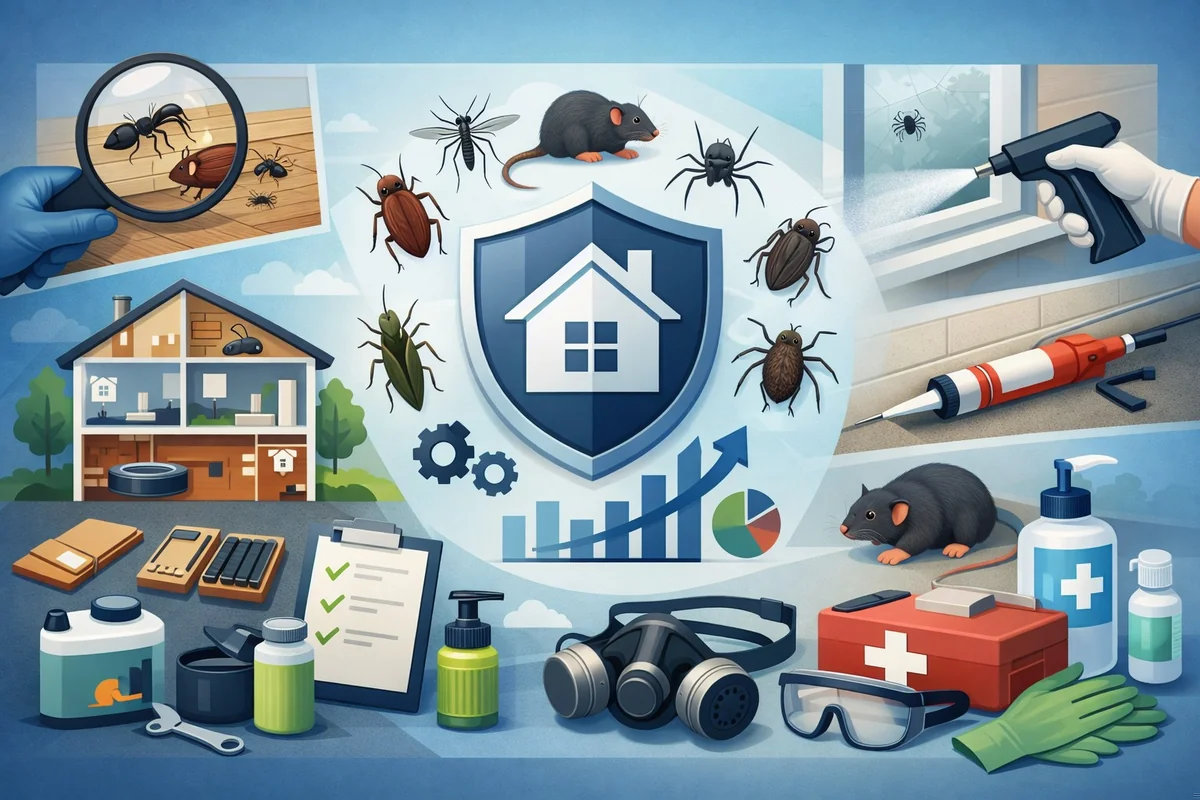
Pest control tips help homeowners and renters keep unwanted pests out of living spaces safely and affordably. Effective pest guides combine prevention, identification, and proper maintenance to stop infestations before they get out of hand. This hub collects practical, step-by-step resources for anyone aiming to solve pest problems without expensive professional help.
Why Pest Control Tips and Guides Matter
Pest problems are more than a nuisance - they can damage property, threaten health, and cost real money when left unchecked. The right information helps you act fast, choose safe solutions, and keep your home protected year-round. But with so many products and techniques out there, it’s easy to feel overwhelmed or make mistakes that only make things worse.
Effective pest management isn’t a one-time fix. It means combining prevention, smart identification, regular maintenance, and, when needed, knowing when to call in professionals. Each aspect plays its own role, and gaps in any area let infestations take root. The right guide saves you weeks of frustration and hundreds of dollars by giving you the tools to act decisively and safely.
This category brings together proven strategies, up-to-date expert advice, and research-based safety protocols for anyone serious about reclaiming their home from pests. Whether you’re facing ants in the kitchen, rodents in the attic, or just want to keep your home pest-free in 2026, you’ll find a clear path forward here.
General Pest Prevention
General Pest Prevention covers the foundational strategies every homeowner or renter should know to keep pests out in the first place. This section is for anyone who wants to avoid infestations rather than react to them, regardless of pest type or home layout.
Here, you’ll find step-by-step guides on sealing entry points, managing food and water sources, and understanding what attracts pests in the first place. Articles include the Complete Guide to Pest Prevention in Homes and practical tips like How to Identify Entry Points for Pests.
Explore General Pest Prevention for detailed guides and real-world tips that work in apartments, single-family homes, and shared living spaces.
Professional Pest Control Advice
Sometimes, DIY methods aren’t enough - especially with severe or recurring infestations. This subcategory is for those wondering when to call a professional, how to choose a reputable service, and what to expect when a specialist steps in.
The articles here explain the red flags that mean it’s time for expert help, walk you through licensing and certification checks, and compare the pros and cons of DIY pest control versus hiring a professional. Key resources include the Guide to Hiring a Professional Pest Control Service and How to Choose a Licensed Pest Control Company.
If you’re unsure about going it alone or want to understand your options, start with Professional Pest Control Advice.
Pest Control Maintenance & Safety
Pest control isn’t set-and-forget. Ongoing maintenance and safety protocols keep treatments effective and protect your household from chemical risks. This section is for anyone applying products themselves or maintaining treatments after hiring a pro.
You’ll find practical schedules for reapplying barriers, tips for safe storage and handling of chemicals, and what to do after professional treatments to keep your home safe. Articles like Complete Guide to Pest Control Maintenance and How to Store and Handle Pest Control Chemicals Safely offer actionable steps you can use immediately.
See Pest Control Maintenance & Safety for ongoing upkeep and safety guidance.
Pest Identification
Pest Identification helps you figure out exactly what you’re dealing with before you act. Proper ID is crucial - using the wrong treatment on the wrong pest wastes time and can even make infestations worse. This subcategory is for anyone unsure about signs or species.
Resources here include illustrated guides to common household pests, how to tell insect from rodent damage, and key warning signs that signal an infestation is brewing. The Guide to Identifying Household Pests and Common Signs of Pest Infestations at Home are good starting points.
Visit Pest Identification for clear, visual breakdowns to help you act with confidence.
How to Use These Pest Control Guides
If pests are already inside, combine quick identification with targeted maintenance and safety steps. For ongoing peace of mind, start with General Pest Prevention and keep up with maintenance tips. If you’re facing a stubborn or large-scale problem, check Professional Pest Control Advice to weigh your options.
Each section links to in-depth articles and actionable checklists. Whether you’re a first-time renter, longtime homeowner, or somewhere in between, use the guides here to build a reliable pest control plan tailored to your needs.
Frequently Asked Questions About Pest Control Tips and Guides
❓ Frequently Asked Questions
What is pest control maintenance?
What is pest control maintenance?
Pest control maintenance is the ongoing process of regularly inspecting and treating your property to prevent pest infestations. This proactive approach reduces the risk of recurring problems, saving homeowners money and stress. For example, scheduled quarterly treatments can help keep ants and cockroaches at bay.
How do I prevent pests from entering my home?
How do I prevent pests from entering my home?
To prevent pests from entering your home:
- Seal cracks and gaps around doors, windows, and foundations
- Keep food stored in airtight containers
- Remove standing water and fix leaks promptly
- Clean up crumbs and spills daily
- Trim shrubs and trees away from exterior walls
Regular inspections help catch vulnerabilities early.
What should I look for when choosing a pest removal service?
What should I look for when choosing a pest removal service?
When choosing a pest removal service, consider these factors:
- Licensing: ensure technicians are certified and licensed
- Treatment methods: ask about eco-friendly or low-toxicity options
- Experience: established providers handle complex infestations better
- Guarantee: look for a clear service warranty
Compare at least three providers and read verified reviews before deciding.
How often should I schedule professional pest control treatments?
How often should I schedule professional pest control treatments?
Most experts recommend scheduling professional pest control treatments every three to four months for typical homes. However, homes with a history of severe infestations or located in high-risk areas may need bi-monthly visits. Regular treatments help interrupt pest breeding cycles and maintain a healthy environment.
What safety precautions should I take during pest control treatments?
What safety precautions should I take during pest control treatments?
During pest control treatments:
- Remove pets and cover aquariums
- Store food and utensils away from treated areas
- Ventilate rooms after treatment if instructed
- Follow the technician's safety guidelines carefully
Most modern products are low in toxicity, but extra care protects sensitive individuals and pets.
What is the difference between chemical and natural pest control methods?
What is the difference between chemical and natural pest control methods?
Chemical pest control uses synthetic pesticides to eliminate pests quickly, but may pose risks to people, pets, and the environment. Natural methods rely on traps, essential oils, or biological controls, offering lower toxicity and safer options for homes with children or pets. Effectiveness varies by pest type and infestation severity.
How do I safely dispose of leftover pest control products?
How do I safely dispose of leftover pest control products?
To safely dispose of leftover pest control products:
- Read and follow the disposal instructions on the label
- Never pour chemicals down drains or into the yard
- Take unused products to a local hazardous waste facility
- Keep products in original containers until disposal
Proper handling prevents environmental contamination and accidental poisoning.
Key Takeaways
Pest control requires more than just reacting to bugs or rodents as they appear. The most effective approach combines prevention, proper identification, regular maintenance, and knowing when to call for expert help. Acting early saves money, reduces stress, and protects your home in the long run.
Use the guides linked above to address current problems, prevent future infestations, and keep your family safe around pest control chemicals. The right knowledge and habits give you real control over your environment - no matter your experience level or home type.
Ready to get started? Pick the section that matches your current situation, follow the practical steps, and check back for updated pest control tips as new best practices emerge.