Pest Control Equipment and Tools: Reviews and Guides 2026
Learn about pest control equipment and tools. Compare sprayers, traps, monitors, and protective gear to choose the right solutions for your needs.
Browse Pest Control Equipment & Tools
Explore our expert reviews and guides organized by topic
Sprayers & Foggers
Electric, manual, and ULV sprayers and foggers for pest control chemicals.
- Smith Performance Sprayer Review: Worth the Price? (2026 Analysis)
- Top 7 ULV Foggers for Home and Commercial Use (2026)
- Best Pest Control Sprayers and Foggers 2026: Reviews & Buying Guide
- Best Budget Pest Control Sprayers Under $50 (2026)
Traps & Monitors
Mechanical, electronic, and monitoring devices for tracking and catching pests.
- Mechanical vs Electronic Pest Traps: Which Is Better? (2026 Comparison)
- Best Pest Traps and Monitors 2026: Top Reviews for Every Pest Problem
- Catchmaster Pest Monitor Review 2026: Is It Effective for DIY Pest Control?
- How to Use Pest Monitors for Early Detection: DIY Monitoring Guide
Protective Gear & Safety Equipment
Masks, gloves, suits, and safety gear for safe pest control.
- Best Protective Gear for Pest Control 2026 [Expert Reviews]
- Top 5 Pest Control Suits for Professionals and DIYers (2026)
- Disposable vs Reusable Pest Control Suits: Pros and Cons (2026)
- How to Choose Pest Control Protective Gear: Safety Guide for 2026
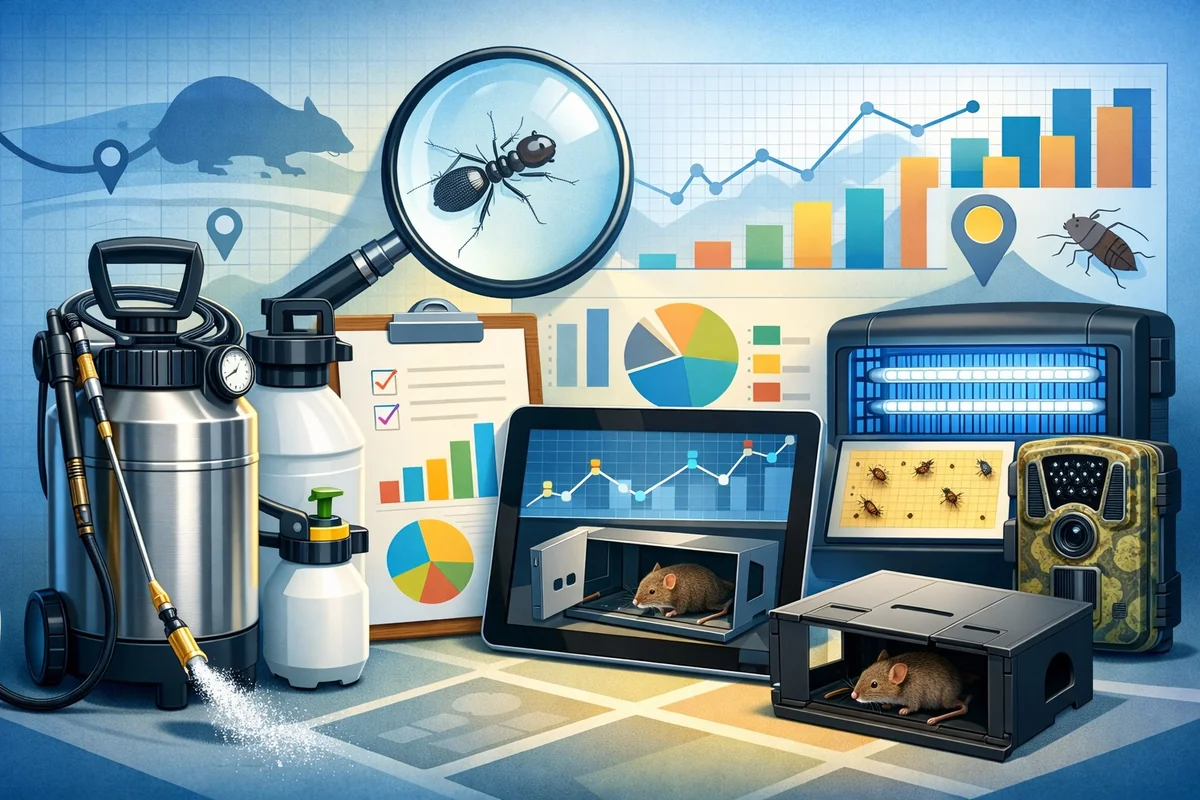
Pest control equipment includes the specialized tools and gear used to manage, monitor, and eliminate pests in residential and rental properties. Effective use of the right equipment improves safety, saves money, and helps homeowners and renters tackle infestations directly. Understanding these tools is essential for anyone serious about DIY pest control.
What Pest Control Equipment Includes and Why It Matters
Pest control equipment covers a broad range of devices - everything from handheld sprayers for applying chemicals, to electronic monitors that alert you to activity, to the protective gear that keeps you safe during application. Each type serves a clear purpose, and the right combination can make a big difference in effectiveness and safety.
For most people, the process starts with identifying the problem: are you dealing with crawling insects, flying pests, rodents, or something else? Different pests require different tools. For example, bed bugs are often best handled with ULV foggers, while rodents demand mechanical traps and bait stations. Skipping protective gear is a common mistake - skin exposure or inhalation of certain chemicals can cause harm, even with over-the-counter solutions.
In 2026, more options exist than ever before, including smart electronic monitors and battery-powered sprayers that provide more control than manual models. That said, not every shiny new tool is right for every job. The equipment you choose should match your specific pest problem, the size of your property, and your comfort with handling chemicals or live traps. Understanding the basics will help you select the right gear and avoid wasting money on products that won't solve your problem.
Sprayers & Foggers: Application Tools for Pest Control
Sprayers and foggers are essential for applying liquid or aerosol pest control products. They're used by anyone needing to treat large areas, hard-to-reach spaces, or specific infestation sites - especially when pests are hidden inside walls, flooring, or crawlspaces. This subcategory is for homeowners and renters who want the flexibility to use professional-grade pesticides safely at home.
Inside the Sprayers & Foggers section, you'll find guides comparing electric, manual, and ultra-low volume (ULV) foggers. There are articles on selecting the best option for your needs - such as battery life, droplet size, and tank capacity - as well as step-by-step instructions for proper use. The focus is on performance based on customer reviews, safety, and how to avoid common mistakes that lead to poor results or chemical overuse.
Sprayers & Foggers offers detailed guides and reviews for every major application method.
Traps & Monitors: Devices for Catching and Tracking Pests
Traps and monitors help you both catch pests and track their activity. This equipment is for people who need to confirm a pest problem, monitor for early signs, or reduce populations without chemicals. They're especially popular for rodents, cockroaches, and bed bugs, but also apply to ants and flying insects.
In the Traps & Monitors section, you'll find comparisons of mechanical and electronic traps, as well as smart monitors that send alerts when activity is detected. Guides cover how to use sticky traps, where to place electronic monitors, and how to interpret the data these tools provide. Early detection is a key theme here - addressing issues before they become unmanageable.
Explore Traps & Monitors for practical advice on choosing and using monitoring tools.
Protective Gear & Safety Equipment: Staying Safe During Treatment
Protective gear and safety equipment are non-negotiable for anyone applying pest control chemicals or handling infested materials. This subcategory covers masks, gloves, coveralls, and other personal protective equipment (PPE) designed to shield skin, eyes, and lungs from harmful exposure during pest removal.
You'll find side-by-side reviews of safety suits, recommendations for the best gloves and respirators, and guidance on how to choose PPE that matches the product being used. Articles break down which materials protect against specific chemicals, and when disposable gear is sufficient versus when to invest in reusable equipment. This is especially important for those treating larger areas or using concentrated formulas.
See Protective Gear & Safety Equipment for in-depth safety tips and product reviews.
How to Use This Guide Effectively
This hub is structured so you can quickly zero in on the equipment that matches your situation. If you're not sure where to start, consider what stage you're at: identifying pests, treating active infestations, or maintaining a pest-free environment. Each section addresses a specific need, with practical advice and links to more detailed articles.
For those just starting out, read the overview sections in each category. If you already know you need a sprayer or a set of traps, jump straight to the relevant subcategory for buying guides and user tips. Safety-conscious users should always review the protective gear section, even if you're only treating a small area.
Frequently Asked Questions About Pest Control Equipment and Tools
❓ Frequently Asked Questions
What is pest control equipment?
What is pest control equipment?
Pest control equipment includes specialized tools and devices designed to remove or manage pests in homes and businesses. These tools improve safety and efficiency during pest removal. Examples include sprayers for insecticides, bait stations for rodents, and electronic repellents for insects and rodents.
How do I safely use pest control sprayers?
How do I safely use pest control sprayers?
To use a pest control sprayer safely:
- Wear gloves and protective eyewear to prevent chemical exposure
- Mix pesticides according to the label instructions
- Apply only to targeted areas, avoiding food preparation surfaces
- Clean the sprayer thoroughly after each use
Always ventilate the area and store chemicals securely away from children and pets.
What should I look for when choosing pest control equipment?
What should I look for when choosing pest control equipment?
When choosing pest control equipment, focus on:
- Durability: metal or reinforced plastic lasts longer
- Compatibility: ensure it supports your preferred chemicals
- Ease of cleaning: reduces residue buildup
- Safety features: look for lockable nozzles or shields
Review verified user ratings and choose products with replaceable parts for long-term use.
What is the difference between manual and electric pest removal tools?
What is the difference between manual and electric pest removal tools?
Manual pest removal tools, like hand sprayers and traps, require physical effort and are often preferred for small jobs or sensitive areas. Electric tools, such as foggers or ultrasonic repellents, automate the process and cover larger spaces more quickly. Electric options may need regular charging or batteries.
How do I maintain my pest control equipment?
How do I maintain my pest control equipment?
To maintain pest control equipment:
- Rinse tanks and nozzles after each use to prevent residue buildup
- Inspect hoses and seals monthly for leaks or cracks
- Store equipment in a dry, cool place away from direct sunlight
- Lubricate moving parts as recommended by the manufacturer
Regular upkeep extends equipment life and ensures consistent performance.
How often should I replace pest control tool parts?
How often should I replace pest control tool parts?
Replace pest control tool parts such as seals, hoses, and nozzles every 6-12 months, or sooner if you notice wear, leaks, or reduced performance. Most users find that routine inspection every 2-3 months helps catch issues early. High-use tools may require more frequent part replacement.
Which pest control tool is best for home use?
Which pest control tool is best for home use?
For most home pest control tasks, pump sprayers and bait stations are effective and easy to operate. Pump sprayers allow precise application of liquid treatments, while bait stations target rodents and insects safely. Choose models with adjustable nozzles and clear instructions for best results indoors.
Key Takeaways
Pest control equipment ranges from basic mechanical traps to advanced electronic monitors and sprayers, each serving a specific role in the DIY pest management process. Choosing the right tools increases your odds of success, prevents wasted effort, and reduces health risks.
The best approach combines accurate identification, targeted application, and appropriate safety measures. No single piece of equipment does it all; matching the right tool to your situation is the most reliable path to a pest-free home.
Ready to take control? Start by identifying your top pest problem, visit the relevant subcategory for step-by-step guides, and equip yourself with the right gear for safe, effective pest management.