 Pest Pro Reviews Editorial Team • • 20 min read •
 Best Natural Pest Solutions for Gardens (2026): Safe, Organic & Non-Toxic Picks
Find the best natural garden pest solutions for 2026 - safe, organic, and non-toxic options. Compare top-rated products and protect your garden without harsh chemicals.
The best natural garden pest solutions are Safer Brand Insect Killing Soap, Garden Safe Neem Oil, Harris Food Grade Diatomaceous Earth, Monterey BT, Sluggo Plus, Bonide Captain Jack’s Deadbug Brew, and Agfabric Garden Netting. We compared effectiveness, safety, and ease of use for each option. This guide helps gardeners find organic, non-toxic methods that really work.
- Neem oil and insecticidal soap are highly effective for most soft-bodied insects, but require careful application to avoid harming beneficial bugs.
- Physical barriers like netting prevent pest outbreaks entirely - zero chemical exposure for pollinators or pets.
- Some natural powders and sprays need frequent reapplication, especially after rain or watering - plan for ongoing effort, not one-and-done fixes.
How Natural Garden Pest Solutions Work
Natural pest control in gardens relies on ingredients and methods that target pests without leaving harmful residues. These solutions focus on disrupting pest life cycles, creating barriers, or using naturally derived substances that are generally safer for people, pets, and pollinators.
Identify your needs and get personalized recommendations
Learning about natural pest solutions and seeking easy, safe options to start.
Wants to understand what matters most and try a reliable, beginner-friendly product.
Compares features, effectiveness, and reviews to pick the most capable solution.
Wants a balance of price, performance, and reliability for ongoing use.
Ready to buy and looking for the best available deal or most trusted option.
Prioritizes advanced features, environmental safety, and proven long-term results.
Understanding Common Garden Pests
Most home garden damage comes from a short list: aphids, caterpillars, beetles, slugs, and snails. Correctly identifying which pest is present is crucial - using the wrong method wastes time and often makes things worse.
Look at the type of damage: chewed leaves with ragged edges usually point to caterpillars or beetles. Tiny holes or skeletonized leaves are often flea beetles. Sticky residue and curled leaves suggest aphids or whiteflies. Large, irregular holes on low leaves, especially after rain, are almost always slugs or snails.
Matching the pest to the right solution matters. Soap sprays work on soft-bodied insects like aphids but won’t faze adult beetles. Netting keeps flying bugs and birds off crops, but won’t help with soil-dwelling pests.
Misidentification usually leads to poor results and wasted effort.
How Natural Ingredients Target Pests
Natural garden pest solutions work by disrupting insects’ feeding, reproduction, or even their ability to breathe. Neem oil, for example, interferes with the hormones insects need to grow and reproduce, making it a strong all-purpose option for many soft-bodied and chewing pests.
These ingredients typically break down fast - often within a week - so there’s less residue to harm bees, butterflies, or soil microbes. The downside? Most require direct contact or repeated applications, making them less effective for pests that hide under leaves or move quickly between plants.
Some solutions, like diatomaceous earth, work only on crawling insects by damaging their exoskeletons. Others, like biological sprays, specifically target caterpillars and leave pollinators unharmed. The trick is knowing which natural method fits your pest and your garden style.
For more context on outdoor solutions and how these fit into a broader strategy, see our Outdoor & Garden Pest Control guide.
How We Selected These Products
Our selection process focused on products that are proven to work against the most common garden pests, are safe for edible crops, and pose minimal risk to pollinators and pets. We prioritized options with clear ingredient lists, straightforward application instructions, and certifications like OMRI (Organic Materials Review Institute) where available.
We reviewed scientific research, university extension service recommendations, and aggregated user reviews to verify each product’s claims. Only products with a track record of consistent results and wide availability in 2026 were included. We excluded options that required special equipment, had unclear safety data, or were not practical for home gardeners.
Where a product had trade-offs - like occasional risk to beneficial insects - we included clear guidance on how to minimize that risk. Our goal: focus on effectiveness, safety, and ease of use so you can choose confidently for your garden.
With those criteria set, here are the products that consistently outperformed the rest - starting with the one that tackles the most frustrating pests for home gardeners.
Safer Brand Insect Killing Soap: Best for Soft-Bodied Insects
If aphids, whiteflies, mealybugs, or spider mites are your main headache, Safer Brand Insect Killing Soap is the fastest, most budget-friendly organic solution. This ready-to-use spray uses potassium salts (derived from fatty acids) to break down the protective outer layer of soft-bodied pests, killing them on contact without leaving harmful residues.
- Works on direct contact - kills visible pests within minutes
- Safe for use on vegetables, herbs, fruit, and ornamental plants
- Leaves no harmful residues - edibles can be washed and eaten after spraying
- Will not harm bees or butterflies if allowed to dry before pollinators arrive
- Requires thorough coverage and repeated applications for persistent infestations
- Not effective for beetles, caterpillars, or pests protected by shells or waxy coatings
Best for gardeners who want quick knockdown of aphids and similar pests without waiting days for results. The main trade-off is the need for repeated, careful application - missed bugs survive, and new arrivals need another round.
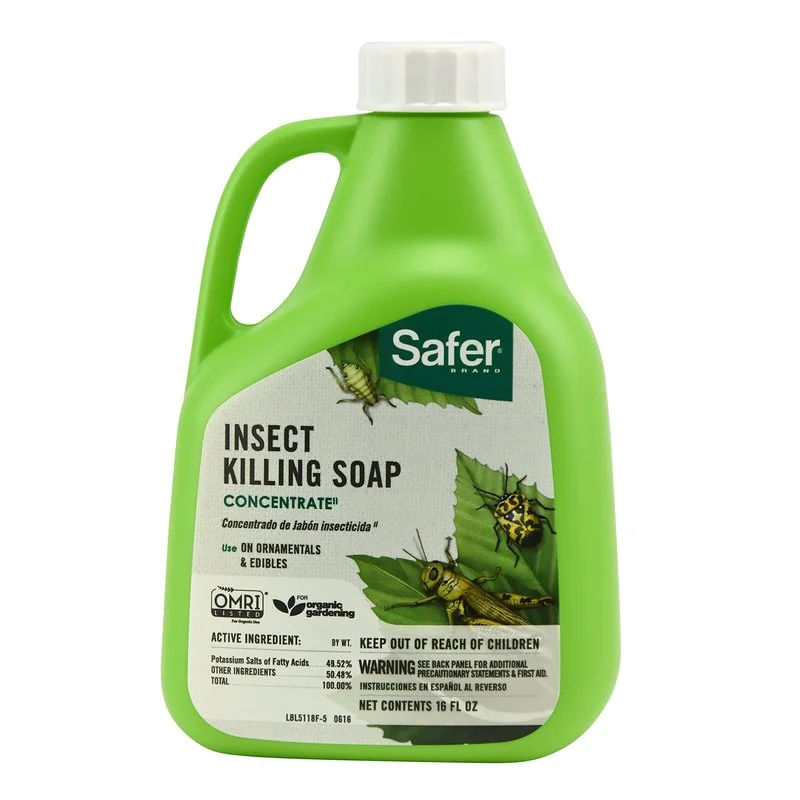
Insect Killing Soap
Safer Brand Insect Killing Soap quickly controls soft-bodied garden pests like aphids, whiteflies, mealybugs, and spider mites with a potassium salt-based formula proven safe for use on vegetables, fruits, and ornamentals. The ready-to-use spray acts on contact to eliminate infestations without leaving harmful residues, making it ideal for organic gardening. Its non-toxic formulation is OMRI Listed for organic use and recommended for edible crops in home gardens.
Why We Recommend This
We recommend Safer Brand Insect Killing Soap as the top choice for gardeners needing an effective, organic-approved solution for soft-bodied insect pests. Its proven potassium salt formula is both fast-acting and safe for edible crops, making it especially valuable for those prioritizing food safety and pollinator-friendly practices. Compared to harsher chemical sprays, it offers reliable control without compromising garden health.
vs Competitors: Compared to neem oil or diatomaceous earth, this soap delivers faster visible results on aphids and mites but requires direct contact and repeat application for heavy infestations.
Best For:
Organic gardeners, home growers, and anyone seeking a non-toxic, plant-safe solution for soft-bodied insect pests.
- Treating outbreaks of aphids, spider mites, and mealybugs on vegetable gardens and fruit crops
- Safe spot treatment for edible plants where chemical sprays are not desired
- Potassium salts of fatty acids (1.0%) target soft-bodied insects on contact
- Ready-to-use spray with no mixing required
- Provides fast knockdown of aphids, mites, and whiteflies without harsh chemicals
- Safe for edible plants and approved for organic production
- Must contact pests directly for effectiveness; may require thorough coverage
- Ineffective against hard-bodied insects or established pest eggs
Neem Oil by Garden Safe: Best All-Purpose Organic Spray
Neem Oil Extract Concentrate by Garden Safe is the go-to organic spray for a wide range of garden pests and fungal diseases. Neem works by disrupting insect hormone systems, stopping feeding and preventing larvae and eggs from maturing. It’s highly versatile, making it a staple for organic gardeners dealing with mixed infestations.
- Controls aphids, whiteflies, spider mites, scale, thrips, and more
- Also prevents and controls powdery mildew, black spot, and rust on plants
- Breaks down quickly - residues typically degrade in 3-5 days
- OMRI-listed - safe for organic food gardens when used as directed
- Requires mixing and careful application to avoid leaf burn on sensitive plants
- Repeated applications needed for persistent or hidden pests
This is ideal if you want a single, versatile spray for both insects and common garden diseases. The catch? Some plants, like tomatoes, can be sensitive - always test on one leaf first and avoid spraying in full sun.
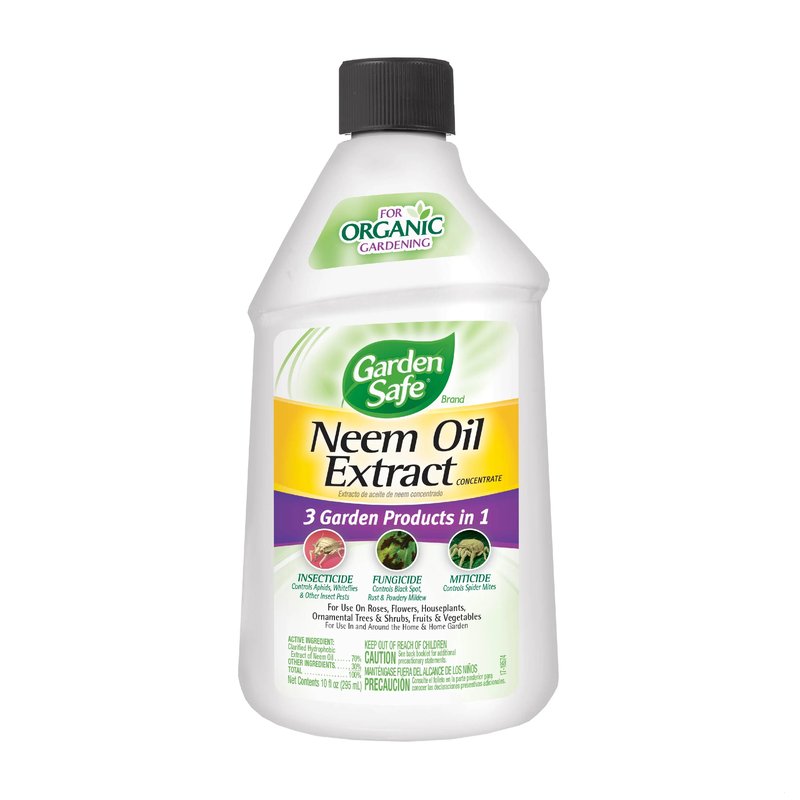
Neem Oil Extract Concentrate
Neem Oil Extract Concentrate by Garden Safe delivers targeted pest and disease control for organic gardens, effectively disrupting insect hormone cycles and halting fungal spread. The 16 fl oz concentrate covers up to 1,600 sq ft, making it ideal for gardeners managing mixed infestations or recurring problems. OMRI Listed for organic use, it’s safe for use on vegetables, fruits, and ornamentals throughout the growing season.
Why We Recommend This
We recommend Neem Oil Extract Concentrate by Garden Safe as the most reliable all-purpose organic spray for tackling both insect pests and fungal diseases in home gardens. Its proven efficacy, OMRI certification, and versatility across edible and ornamental plants make it our top choice for gardeners who prioritize safe, science-backed pest control. The concentrate format also offers excellent coverage for larger gardens.
vs Competitors: Compared to pyrethrin-based sprays, neem oil offers safer, longer-lasting protection and is less disruptive to beneficial insects. While other organic options may target only specific pests, Garden Safe’s neem formula covers a wider range of issues in a single product.
Best For:
Organic gardeners, home growers, and environmentally conscious individuals seeking safe, non-synthetic pest and disease control methods.
- Treating aphids, spider mites, and whiteflies on tomatoes and roses
- Preventing powdery mildew outbreaks on squash and cucumbers
- Contains 70% cold-pressed neem oil (active ingredient: azadirachtin)
- Covers up to 1,600 sq ft per 16 fl oz concentrate
- Effective against a broad range of pests and fungal issues
- Suitable for regular use in organic-certified gardens
- Requires dilution and thorough mixing before use
- May cause leaf burn if applied during peak sunlight or without proper dilution
Is Neem Oil Safe for Bees and Pollinators?
Neem oil is generally low risk for bees and other pollinators - if you spray at dusk or dawn when bees aren’t active, residues will usually dry before they visit. Never spray open blooms directly, as even organic oils can harm foraging insects if they come in direct contact with wet residues.
Neem degrades fast, but some beneficial insects like lacewings and ladybugs are sensitive if directly sprayed. To minimize risk, focus on treating the undersides of leaves and skip flowers entirely. Strategic timing and spot treatment go a long way toward keeping your garden ecosystem balanced.
Diatomaceous Earth Food Grade: Best Non-Toxic Powder for Crawling Insects
Food Grade Diatomaceous Earth by Harris is a non-toxic, mineral-based powder that kills crawling insects by dehydrating them. Made from fossilized algae, it’s safe for use around pets and edible plants - provided you use the food-grade version, not the pool-grade type.
- Effective against ants, earwigs, slugs, beetle larvae, and even some flea beetles
- Works mechanically - insects must crawl through a visible layer of powder
- No chemical residues - safe for vegetable beds and chicken coops
- Can be dusted onto soil, plant stems, or used in cracks and crevices
- Washes away with rain or watering - frequent reapplication is needed
- Can cause skin and eye irritation - wear gloves and avoid inhaling dust
Great for organic gardeners who want a pet- and kid-safe solution for crawling pests, especially where baits or sprays aren’t an option. The primary trade-off is that it loses effectiveness when wet and needs frequent touch-ups in rainy or humid climates.
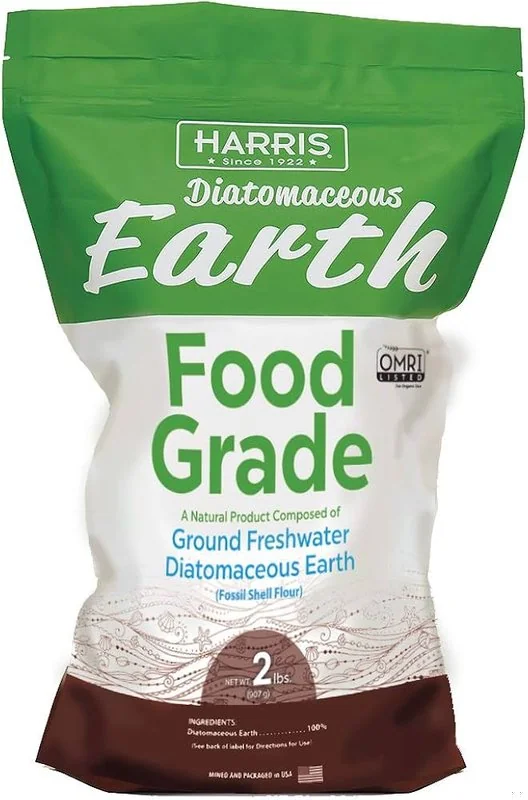
Food Grade Diatomaceous Earth
Harris Food Grade Diatomaceous Earth provides a natural, non-toxic way to control crawling insects in gardens by dehydrating pests on contact. This ultra-fine powder is OMRI-listed for organic use and safe for vegetables, fruits, and ornamental plants when applied as directed. Its physical action targets ants, earwigs, and beetles without harming beneficial insects or pets.
Why We Recommend This
We recommend Harris Food Grade Diatomaceous Earth for gardeners who want a proven, organic pest control option that minimizes risk to people and pollinators. Its OMRI-listed status and physical mode of action set it apart from chemical alternatives, making it our top pick for safe, natural pest management in edible gardens.
vs Competitors: Compared to liquid sprays like neem oil or insecticidal soap, diatomaceous earth offers a residue-free, dry powder solution that won't harm beneficial insects when applied directly to soil and affected areas.
Best For:
Gardeners seeking an organic, chemical-free pest control method that is safe for edible plants, children, and pets.
- Dusting soil and plant bases to control ants, earwigs, slugs, and beetles in vegetable gardens
- Applying inside greenhouses or around garden beds to create a physical barrier against pests
- OMRI Listed for organic gardening compliance
- Composed of 100% freshwater diatomaceous earth (no additives)
- Effective against a wide range of crawling insects without chemicals
- Non-toxic and safe for use in vegetable gardens and near pets
- Requires reapplication after heavy rain or watering
- Can cause minor dust when applying, so protective mask is recommended
Monterey BT: Best for Caterpillar and Worm Control
Monterey BT Biological Insecticide uses Bacillus thuringiensis, a naturally occurring soil bacterium, to target caterpillars and worm pests on vegetables and ornamentals. When caterpillars eat treated leaves, BT disrupts their digestion, causing them to stop feeding and die within a few days.
- Highly specific - only affects caterpillars and worm larvae, not bees or beneficial insects
- Safe for all edible crops - used widely in certified organic farming
- Leaves no toxic residues - harvest intervals are often zero days
- Must be ingested to work - apply to leaves where caterpillars are feeding
- Requires reapplication after heavy rain or irrigation
- Not effective against adult moths, beetles, or sap-sucking pests
Best for gardeners battling cabbage worms, tomato hornworms, or loopers - especially on leafy greens, tomatoes, and brassicas. The main trade-off is that it won’t help with beetles or aphids, so you may need a multi-pronged approach.
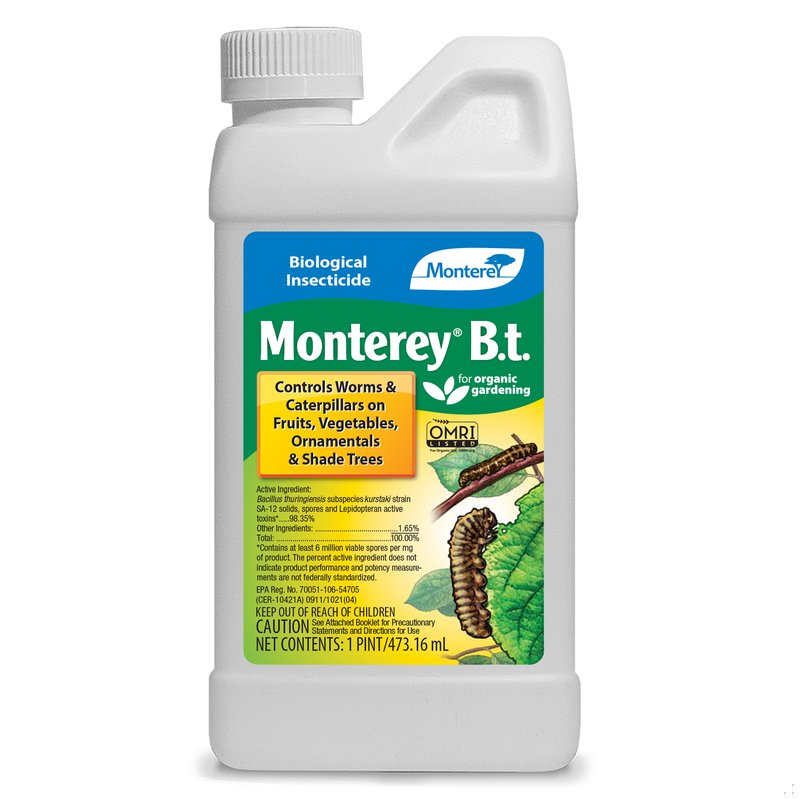
Monterey BT Biological Insecticide
Monterey BT Biological Insecticide provides targeted, natural control of caterpillars and worm pests on vegetables, fruits, and ornamental plants. The liquid concentrate uses Bacillus thuringiensis kurstaki (BT), a soil-derived bacterium, to disrupt pest digestion, stopping feeding within hours and eliminating larvae in 2-3 days. Suitable for organic gardening, it leaves beneficial insects unharmed and is OMRI Listed for certified organic use.
Why We Recommend This
We recommend Monterey BT Biological Insecticide for gardeners who need reliable, organic-approved control of caterpillars and worm pests. Its targeted action preserves pollinators and beneficial insects, making it a top choice for eco-conscious gardeners. Compared to broad-spectrum pesticides, it offers safer, more sustainable pest management for both home and community gardens.
vs Competitors: Monterey BT outperforms many chemical insecticides by targeting only caterpillars, reducing risk to bees and beneficial insects. While brands like Safer Caterpillar Killer use similar BT technology, Monterey’s higher concentration and OMRI listing provide added confidence for organic growers.
Best For:
Home gardeners and organic growers seeking a safe, targeted solution for caterpillar and worm infestations on edible and ornamental plants.
- Protecting tomato and brassica crops from cabbage loopers and tomato hornworms in home vegetable gardens
- Controlling leaf-eating caterpillars on ornamental shrubs and flowering plants in landscape beds
- Contains Bacillus thuringiensis kurstaki (BT) at 32,000 International Units/mg
- OMRI Listed for organic gardening compliance
- Highly effective against caterpillars and worm pests without harming pollinators or beneficial insects
- Easy-to-mix liquid concentrate for flexible application rates
- Not effective against non-caterpillar pests such as aphids or beetles
- Requires thorough leaf coverage and repeat applications for ongoing infestations
Sluggo Plus: Best for Slugs, Snails, and Soil-Dwelling Pests
Sluggo Plus Slug & Snail Bait combines iron phosphate (safe for pets and wildlife) with spinosad (a naturally derived insecticide) to tackle slugs, snails, earwigs, and cutworms. The pellet format makes it easy to scatter around vulnerable plants and garden beds.
- Attracts and kills slugs and snails within 24-48 hours
- Effective on cutworms, earwigs, sowbugs, and pillbugs
- Safe for use around edible crops, pets, and wildlife - iron phosphate is a naturally occurring mineral
- Pellets remain effective after light rain, but heavy rainfall may require reapplication
- Will not affect bees, butterflies, or birds when used as directed
- Can be less effective in very dry weather - slugs and snails need moisture to feed
This is the best solution for gardeners who struggle with slimy, nocturnal pests that destroy seedlings and leafy greens overnight. The main limitation is it won’t control above-ground insects - use in combination with other methods for a complete approach.
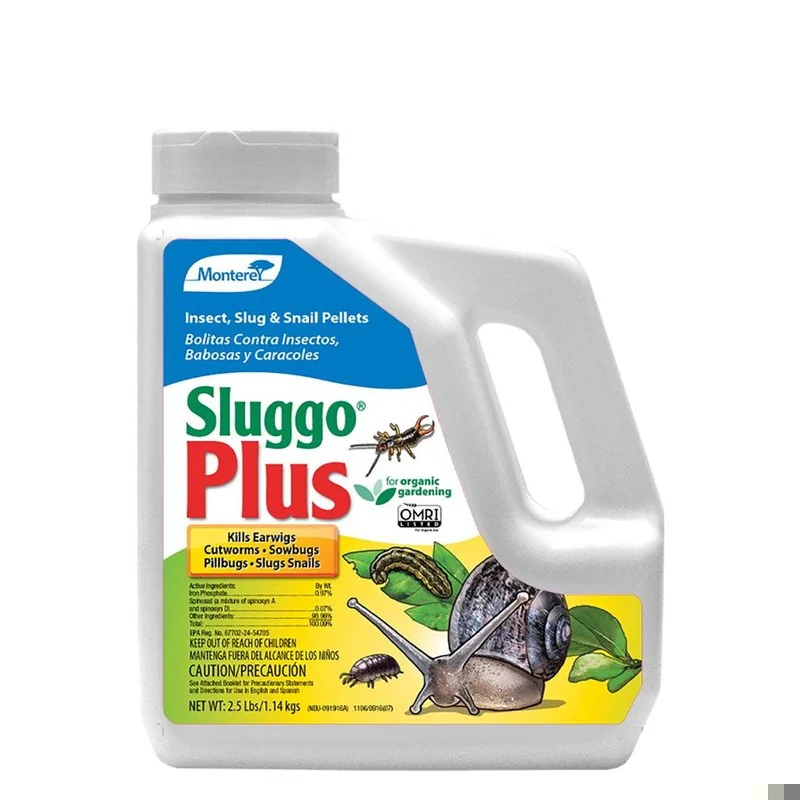
Sluggo Plus Slug & Snail Bait
Effectively controls slugs, snails, cutworms, and earwigs with a blend of iron phosphate and naturally derived spinosad, providing targeted protection for vegetable and flower gardens. The easy-to-apply pellet formula is safe for pets and wildlife when used as directed, making it a practical choice for eco-conscious gardeners. Ideal for scattering around vulnerable plants to prevent soil-dwelling pest damage.
Why We Recommend This
We recommend Sluggo Plus for its proven effectiveness against both slugs and soil-dwelling pests while remaining safe for pets and wildlife. Its OMRI certification and user-friendly pellet format make it a standout choice for organic gardeners. If you need reliable pest control without compromising environmental safety, this is our top pick.
vs Competitors: Compared to standard iron phosphate baits, Sluggo Plus adds spinosad for broader pest coverage, making it more effective against cutworms and earwigs without increasing toxicity risk.
Best For:
Home gardeners seeking a natural, pet-safe solution for controlling slugs, snails, and soil-dwelling pests in edible and ornamental garden beds.
- Protecting tender seedlings and leafy greens from slug and snail damage in vegetable beds
- Reducing cutworm and earwig infestations in ornamental flower gardens without harming pollinators
- Contains 1% iron phosphate and 0.07% spinosad for broad-spectrum pest control
- OMRI Listed for organic gardening use
- Dual-action formula effectively targets both mollusks and soil-dwelling insects
- Pet- and wildlife-safe active ingredients support eco-friendly gardening
- May require reapplication after heavy rainfall to maintain effectiveness
- Not suitable for controlling above-ground flying insects or pests outside listed spectrum
Bonide Captain Jack’s Deadbug Brew: Best for Difficult Chewing Pests
Captain Jack’s Deadbug Brew by Bonide uses spinosad, a bacterial fermentation product, to control hard-to-kill chewing pests like thrips, leafminers, and certain beetles. It’s broad-spectrum, but still considered organic and safe for most beneficial insects when used properly.
- Kills chewing insects within 1-2 days of contact or ingestion
- Effective against thrips, leafminers, caterpillars, and some beetles
- OMRI-listed - suitable for organic fruit, vegetable, and ornamental gardens
- Less harmful to bees and pollinators if applied in late evening or early morning
- May cause leaf burn on sensitive plants - test before full application
- Repeated applications needed for ongoing infestations
Ideal for gardeners facing persistent chewing pest issues that other solutions can’t touch. Not the best choice if you want a single solution for a mixed infestation - combine with soap or neem for full coverage.
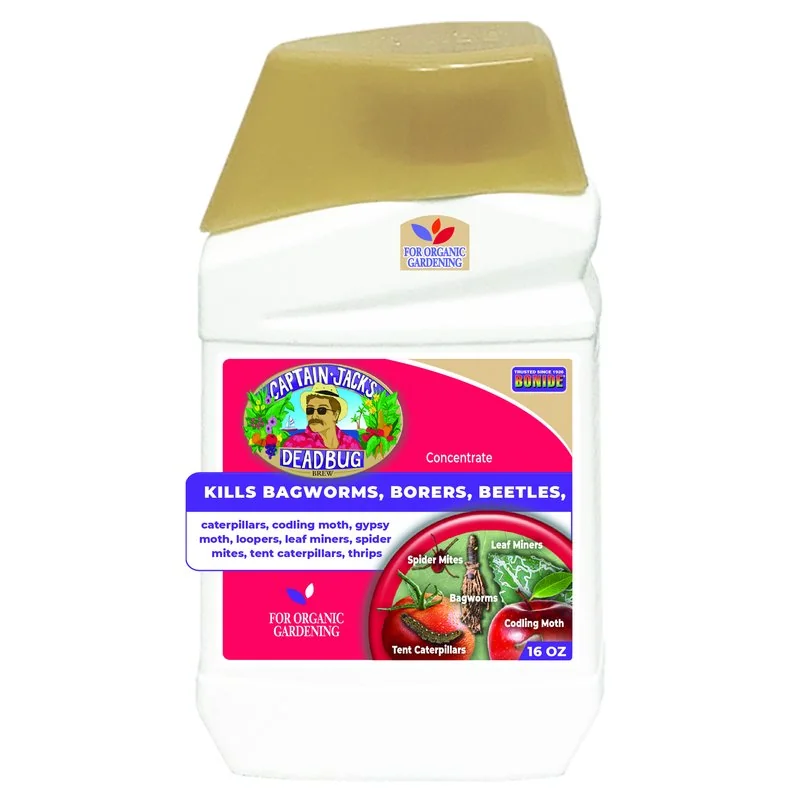
Captain Jack’s Deadbug Brew
Captain Jack’s Deadbug Brew uses spinosad, a naturally derived insecticide, to effectively control challenging chewing pests like thrips, leafminers, and caterpillars on fruits, vegetables, and ornamentals. OMRI-listed for organic gardening, it provides targeted pest control without harming beneficial insects when used as directed. This makes it a reliable choice for organic gardeners seeking an effective, low-toxicity solution.
Why We Recommend This
We recommend Captain Jack’s Deadbug Brew for gardeners who struggle with hard-to-control chewing insects and want a solution that meets organic standards. Its spinosad formula is trusted by experts and backed by years of safe use in both home and commercial gardens. Unlike broad-spectrum insecticides, it targets pests effectively while minimizing impact on pollinators and beneficial insects when used according to label instructions.
vs Competitors: Compared to neem oil and insecticidal soaps, Captain Jack’s Deadbug Brew offers stronger control of caterpillars and leafminers, though it’s less broad-spectrum than diatomaceous earth or garden netting.
Best For:
Organic gardeners and home growers who need targeted, effective control for persistent chewing insect pests on fruits, vegetables, and ornamental plants.
- Treating outbreaks of thrips, tomato hornworms, or leafminers on edible crops
- Protecting organic ornamental gardens from chewing insect damage without resorting to synthetic chemicals
- Active ingredient: Spinosad (0.5%) derived from soil bacteria
- OMRI-listed for organic gardening compliance
- Highly effective against difficult chewing pests often resistant to other organic options
- Low toxicity to people, pets, and most beneficial insects when applied correctly
- Can harm pollinators if sprayed during blooming or when bees are active
- Not effective against sucking pests like aphids or whiteflies
Garden Netting and Row Covers: Best Physical Barrier Solution
Agfabric Garden Netting Barrier Fabric is the gold standard for keeping pests off your crops entirely - without sprays, powders, or baits. This reusable, UV-resistant mesh physically blocks insects, birds, rabbits, and even squirrels from reaching your plants.
- Fine mesh (0.6-0.8mm) blocks aphids, flea beetles, and cabbage moths
- Larger mesh options protect against birds, rabbits, and deer
- Allows sunlight and rain to reach plants with minimal impact on growth
- Reusable for multiple seasons - UV resistance prevents breakdown
- May require support hoops for taller crops or windy areas
- Reduces airflow - can cause overheating in hot climates if not monitored
Perfect for gardeners who want to avoid all chemical contact - especially those growing leafy greens, brassicas, or berries. The main trade-off is installation effort and, for large gardens, the up-front investment in material and supports.
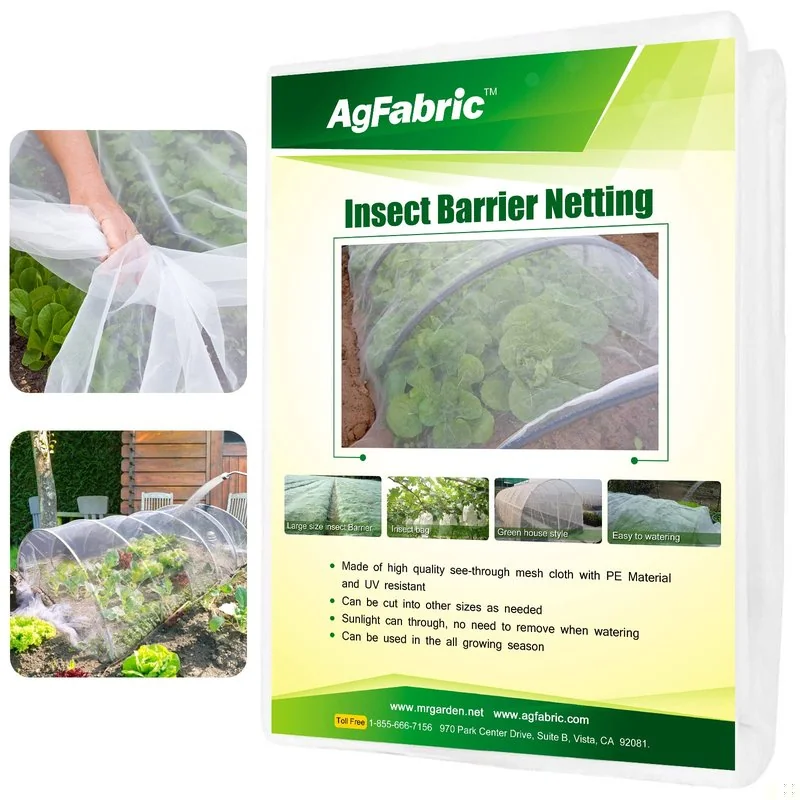
Garden Netting Barrier Fabric
Agfabric Garden Netting Barrier Fabric offers effective, chemical-free pest protection by physically blocking insects, birds, and small animals from your crops. The fine mesh (0.8mm) is UV-resistant and reusable for multiple seasons, making it ideal for gardeners seeking long-term, natural pest control. Lightweight and easy to install, it fits over raised beds or row plantings without harming plants.
Why We Recommend This
We recommend Agfabric Garden Netting Barrier Fabric for gardeners seeking a proven, non-chemical way to keep pests off their crops. Its durable mesh blocks insects, birds, and small animals better than most alternatives, and the reusable design is ideal for those committed to sustainable gardening. This is our top pick for physical barrier pest prevention in home gardens.
vs Competitors: Compared to lighter row covers, Agfabric’s mesh offers finer filtration and greater durability, though it’s heavier than simple floating covers. It also outlasts most single-season nets, providing better value over time.
Best For:
Home gardeners and organic growers who want reliable, eco-friendly pest control without chemicals or sprays.
- Protecting vegetable beds from cabbage moths, aphids, and birds
- Covering fruit bushes and young seedlings to prevent animal damage
- 0.8mm fine mesh prevents entry of most insects and small animals
- UV-stabilized polyethylene material resists sun degradation
- Provides immediate, physical pest exclusion with no chemicals required
- Reusable and weather-resistant for cost-effective, long-term protection
- Requires manual installation and adjustment after storms or strong winds
- May limit pollinator access unless temporarily removed during flowering
Choosing the Right Mesh Size
Fine mesh (0.6-0.8mm holes) is necessary to keep out tiny pests like aphids, flea beetles, and carrot rust flies. For larger threats - birds, squirrels, rabbits - you can use a larger mesh (2-5mm), which offers better airflow and less risk of overheating.
If you’re gardening in a hot climate or during peak summer, consider using shade cloth or insect mesh with UV protection to prevent heat buildup. Reusable, UV-resistant netting costs more up front but lasts longer and saves money over time.
How to Choose the Right Natural Pest Solution for Your Garden
With so many options, matching the solution to your specific pest and plant type is the difference between frustration and success. It’s not about picking the “strongest” product, but the right tool for your garden’s unique mix of pests, crops, and climate.
Matching Solutions to Pest Type and Plant
- Soft-bodied insects (aphids, mites, whiteflies): Insecticidal soap or neem oil sprays are most effective. Soap for quick kill, neem for longer protection.
- Caterpillars and worm larvae: Use Monterey BT or Captain Jack’s Deadbug Brew (spinosad) for targeted control - BT for caterpillars, spinosad for leafminers and thrips.
- Slugs and snails: Only baits or barriers work. Sluggo Plus pellets or diatomaceous earth around plant bases stop these pests without sprays.
- Sensitive plants: Some, like tomatoes and beans, can be damaged by oil-based sprays. Always test on one leaf and spray early or late in the day to avoid burns.
Balancing Safety, Cost, and Effectiveness
- Physical barriers (netting) are safest for pollinators and kids, but require up-front investment and installation time.
- Sprays (soap, neem, spinosad) are convenient for quick action, but need regular reapplication - especially after rain or heavy watering.
- Powders like diatomaceous earth are budget-friendly and safe, but only work on dry days and need frequent touch-ups.
- Homemade soap sprays can be effective for aphids but require frequent mixing and careful attention to concentration - too strong and you risk burning your plants.
Seven strong options - but the right one depends entirely on your situation. Here’s how to match your infestation to the method that fits.
Safety and Application Tips for Organic Pest Control
Natural pest solutions are safer than synthetic chemicals, but that doesn’t mean they’re risk-free. Applying them carefully protects pollinators, pets, and kids - and helps your garden thrive without collateral damage.
Protecting Pollinators and Beneficial Insects
- Apply sprays at dawn or dusk to avoid peak pollinator activity - residues dry before bees arrive.
- Never spray open flowers; focus on leaves, stems, and the undersides where pests hide.
- Use spot treatments instead of blanket spraying - target visible infestations only.
- Physical barriers and targeted baits have the least impact on beneficial insects - reserve broad-spectrum sprays as a last resort.
Safe Use Around Children and Pets
- Only use food-grade or OMRI-listed products in edible gardens and areas accessible to pets and kids.
- Store concentrates, powders, and unused baits in sealed containers out of reach.
- Even natural products can irritate skin, eyes, or cause allergic reactions - wear gloves, avoid inhaling dust, and wash hands after use.
- If accidental exposure occurs, rinse skin or eyes with plenty of water and consult a doctor or veterinarian if symptoms persist.
Frequently Asked Questions About Natural Garden Pest Solutions
❓ Frequently Asked Questions
What is a natural pest solution for gardens?
What is a natural pest solution for gardens?
A natural pest solution for gardens uses organic, non-toxic ingredients to control pests without harmful chemicals. These methods are safer for plants, pollinators, and soil health. For example, neem oil disrupts pest life cycles while remaining safe for most beneficial insects.
How do I apply organic pest control in my garden?
How do I apply organic pest control in my garden?
To apply organic pest control in your garden:
- Identify the specific pest causing damage
- Choose a targeted natural product, like insecticidal soap or diatomaceous earth
- Follow label instructions for mixing and application rates
- Spray or dust affected plants thoroughly
- Reapply after rain as needed
Spot-test on a small area first to watch for plant sensitivity.
What should I look for when choosing natural pest control products?
What should I look for when choosing natural pest control products?
When choosing natural pest control products, consider:
- Active ingredients: look for botanical or mineral-based options
- Pest specificity: ensure it targets your problem insects
- Safety: check for certifications like OMRI for organic use
- Residue: select products with minimal plant residue
Test on a small area first to confirm plant safety.
What is the difference between chemical and organic pest control?
What is the difference between chemical and organic pest control?
Chemical pest control uses synthetic compounds that often kill a broad range of insects and may leave toxic residues. Organic pest control relies on natural substances, such as plant oils or minerals, to target pests while reducing risk to pollinators, pets, and soil health. However, organic methods may require more frequent application.
How often should I reapply natural pest control products?
How often should I reapply natural pest control products?
Most natural pest control products should be reapplied every 7–14 days or after heavy rainfall, since organic ingredients break down faster than chemicals. Always check the product label for specific intervals. Consistent reapplication helps maintain effective pest management throughout the growing season.
Why do I need non-toxic pest solutions for my vegetable garden?
Why do I need non-toxic pest solutions for my vegetable garden?
Non-toxic pest solutions protect edible plants from harmful residues and support pollinator health. Using organic products reduces exposure risks for children and pets, and maintains soil quality. However, some natural solutions may require more frequent use to remain effective during peak pest periods.
Which natural pest control is best for aphids?
Which natural pest control is best for aphids?
For aphids, most gardeners find insecticidal soap or neem oil spray effective. These products disrupt aphid feeding and reproduction without harming most beneficial insects when used as directed. However, severe infestations may require repeated treatments every 5–7 days until populations decrease.
Our Verdict: Which Natural Pest Solution Should You Choose?
If you want an all-purpose, organic garden pest control that covers most soft-bodied pests and fungal diseases, neem oil by Garden Safe is the top pick for 2026. Its versatility and safety profile make it the first bottle most gardeners reach for - and it works on a wide range of bugs and plant problems.
Choose Safer Brand Insect Killing Soap for rapid aphid control, Sluggo Plus for slugs and snails, and Monterey BT for caterpillars. If you’re looking for a hands-off, chemical-free strategy, Agfabric Garden Netting is the safest way to protect whole beds - especially for leafy greens and berries. Food Grade Diatomaceous Earth is your best bet for crawling insects in dry weather, while Bonide Captain Jack’s Deadbug Brew handles hard-to-kill chewing pests.
With those factors in mind, the choice narrows quickly. If you need a more detailed breakdown of which product fits your exact scenario, see our full Best Pest Control Products for Gardens and Yards 2026 guide.
- Neem Oil by Garden Safe wins for: all-purpose organic pest and disease control
- Safer Brand Insect Killing Soap wins for: fast knockdown of aphids and mites
- Food Grade Diatomaceous Earth wins for: crawling insects in dry conditions
- Monterey BT wins for: caterpillar and worm infestations
- Sluggo Plus wins for: slugs, snails, and soil-dwelling pests
- Bonide Captain Jack’s Deadbug Brew wins for: hard-to-control chewing pests
- Agfabric Garden Netting wins for: chemical-free, reusable, full-bed protection
Related Articles
Best Natural and Organic Pest Control Products 2026: Safe, Eco-Friendly Solutions for Every Home
Find the best natural and organic pest control products for 2026. Safe, eco-friendly solutions for ants, roaches, rodents, and more - ideal for families and pet owners.
Best Tick Sprays and Yard Treatments 2026: Top Products for Safe Tick Control
Find the best tick sprays and yard treatments for 2026. Compare top tick control products, natural options, and expert tips to keep your yard tick-free and safe for family and pets.
Best Mosquito Repellents for Home and Outdoor Use 2026
Find the best mosquito repellents for home and outdoor use in 2026. Compare sprays, lotions, traps, natural options, and devices with expert reviews and buying tips.