 Pest Pro Reviews Editorial Team • • 26 min read •
 Best Bird Deterrents, Spikes, and Netting 2026: DIY Solutions Ranked
Find the best bird deterrents, spikes, and netting for 2026. Compare top DIY solutions to protect your home and garden from unwanted birds - safe, effective, and budget-friendly options reviewed.
For fast, effective bird control in 2026, stainless steel spikes work best for ledges and roofs, polyethylene netting protects gardens and eaves, reflective tape and owl decoys deter visually, and ultrasonic repellers offer discreet sound-based defense. Here’s how the best bird deterrents, spikes, and netting stack up for every scenario.
How Bird Deterrents Work and When to Use Them
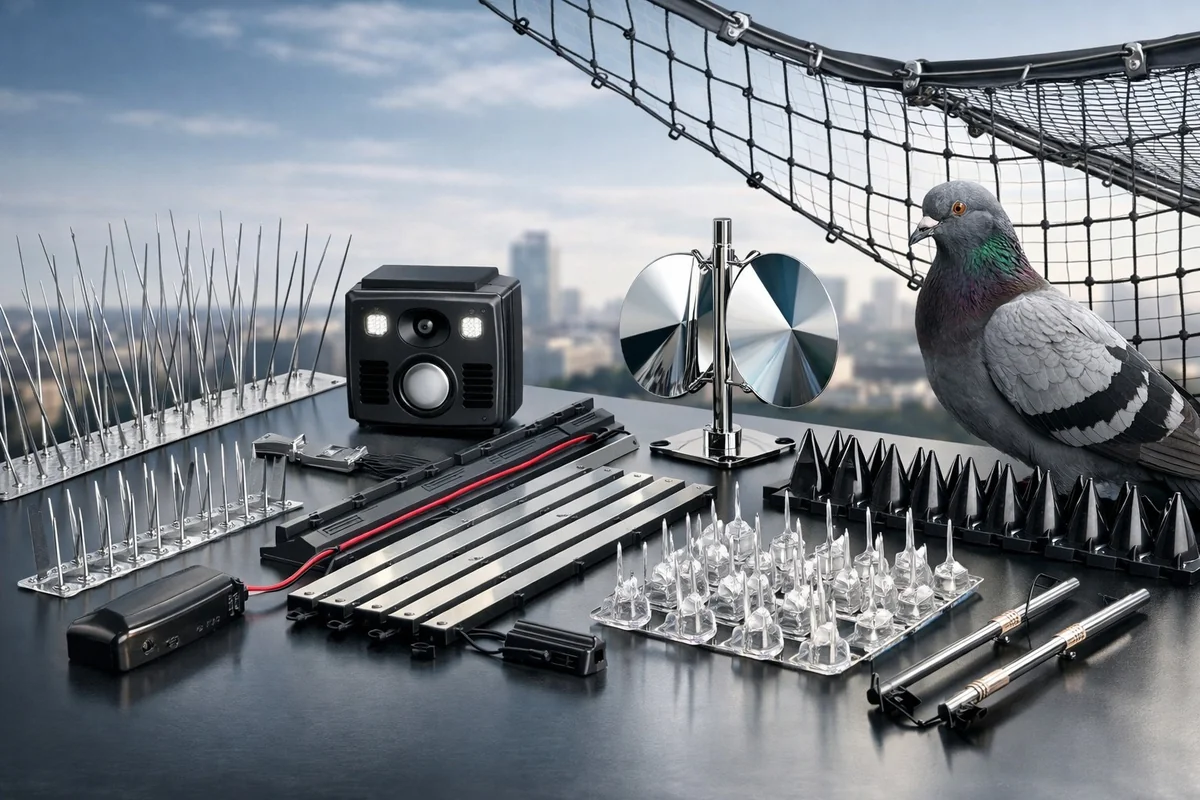
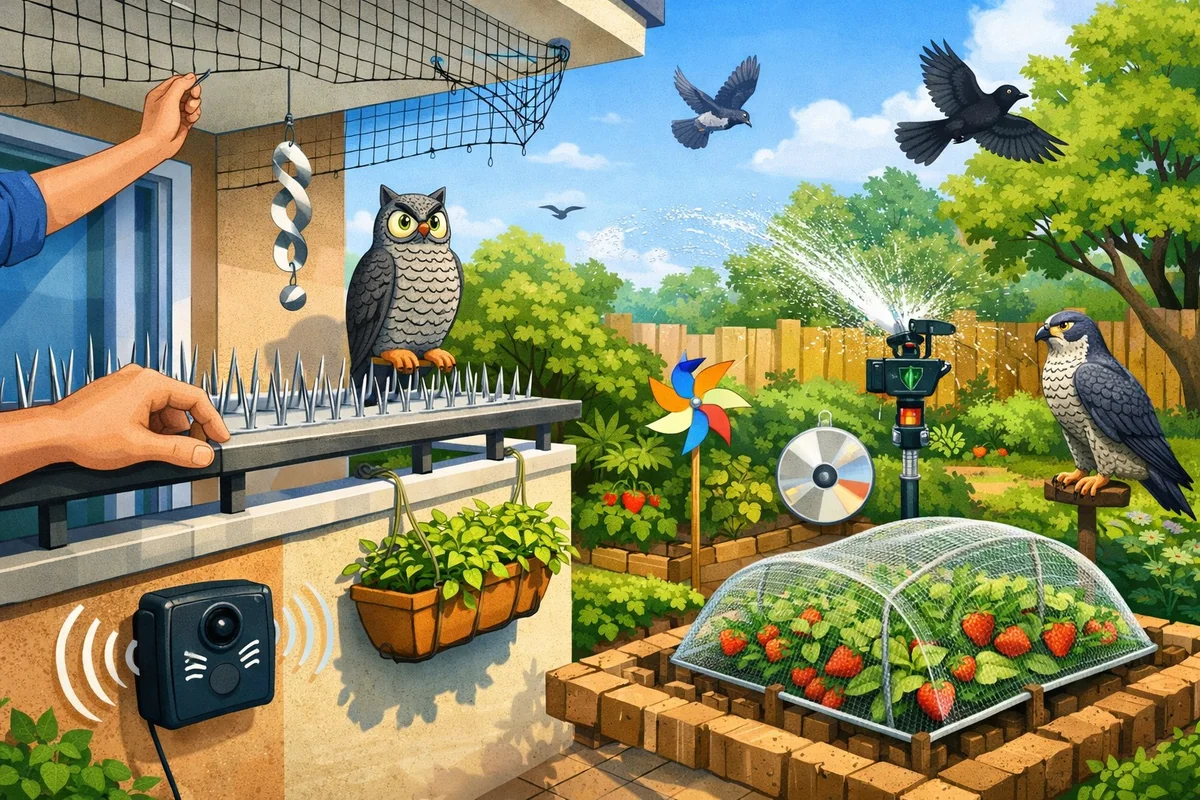
Bird deterrents break down into three main categories: visual, physical, and auditory. Each exploits a different aspect of bird behavior, and what works for one bird or location won’t always work for another. The trick is understanding not just how these products function, but when and where they’re most effective.
Identify your needs and get personalized recommendations
Just starting to learn about bird deterrents and looking for easy, beginner-friendly solutions.
Wants to understand the main differences between types of bird deterrents before making a decision.
Compares specs, features, and user reviews to find the best solution for their situation.
Prioritizes getting the most useful features and reliability at a reasonable price.
Is ready to make a purchase and wants to ensure the product fits their budget and arrives quickly.
Wants the best available solution for long-term use, regardless of price.
Visual, Physical, and Auditory Deterrents Explained
- Visual deterrents use movement, flashes, or predator shapes to spook birds. Birds are wary of sudden changes and reflections - they’ll avoid areas that seem unsafe.
- Physical deterrents, like bird spikes and netting, block birds from landing, roosting, or nesting. They don’t rely on scaring but on creating a barrier.
- Auditory deterrents emit predator, distress, or high-frequency sounds. Initially, these can clear birds from an area, but effectiveness drops if birds adapt or if the sound pattern is too predictable.
For a full range of product types and when they work best, see our Wildlife and Animal Control: Solutions for Nuisance Animals overview.
When DIY Deterrents Are Effective - and When They’re Not
DIY bird deterrents shine for small-scale problems - think balconies, garden beds, and a few pigeons or sparrows. They’re also the go-to for renters and anyone wanting to avoid the cost and disruption of professional installation.
If you’re facing large flocks, persistent nesting in hard-to-reach areas, or protected species, DIY often isn’t enough. Local laws may also restrict what you can install, especially on listed buildings or near wildlife habitats.
Always check local regulations before using netting or sound devices. Non-compliance can lead to fines or, worse, harm to protected birds.
Best Bird Spikes for Ledges and Roofs
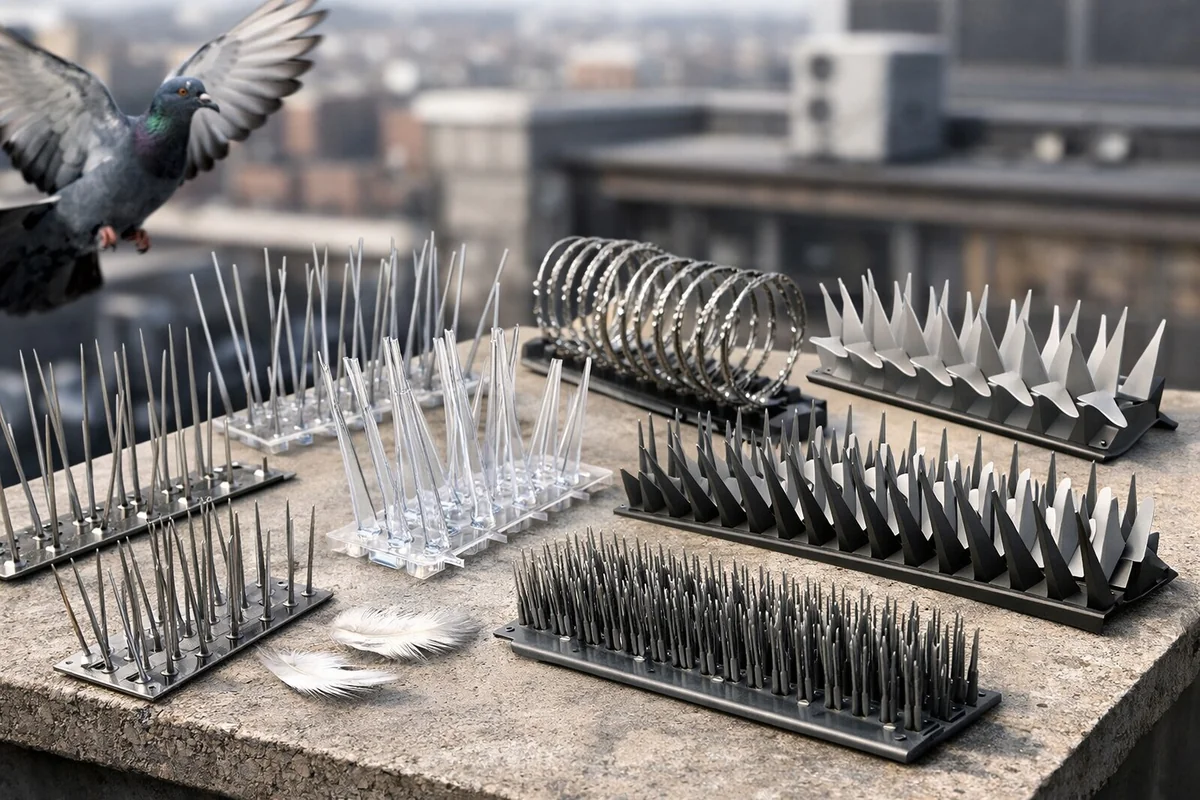
Bird spikes are a classic solution for ledges, signs, window sills, and rooflines. The right spike prevents birds from landing - period. But not all spikes are created equal, and installation errors are the number one cause of failure.
Stainless Steel vs Plastic Bird Spikes
Stainless steel spikes, like Defender Stainless Steel Bird Spikes, are built for longevity. They shrug off rust, UV rays, and harsh weather for 5-10 years with virtually no maintenance. Their metal construction is sturdier and does not become brittle over time, making them ideal for exposed outdoor spots and larger birds like pigeons and gulls.
Plastic spikes, such as Bird B Gone Polycarbonate Bird Spikes, are lighter and easier to trim for DIY jobs. They’re less visible from a distance, which is helpful for aesthetics on balconies or historic facades. However, plastic can degrade under constant sun, going brittle and losing effectiveness after a few years.
If cost is your main concern, plastic spikes are a budget-friendly option that still delivers decent performance. For high-traffic or permanent installations, steel is a smarter investment.
Defender Stainless Steel Bird Spikes
- Premium stainless steel spikes for long-term outdoor use
- Effective against pigeons, seagulls, crows, and similar-sized birds
- Ideal for ledges, parapets, commercial signs, and rooflines
- Resists corrosion, warping, and UV damage
- Easy to attach with adhesive or screws
- Highly rated for stopping persistent roosting and deterring new arrivals
- Best for: Homeowners needing a permanent, low-maintenance fix for chronic bird landings
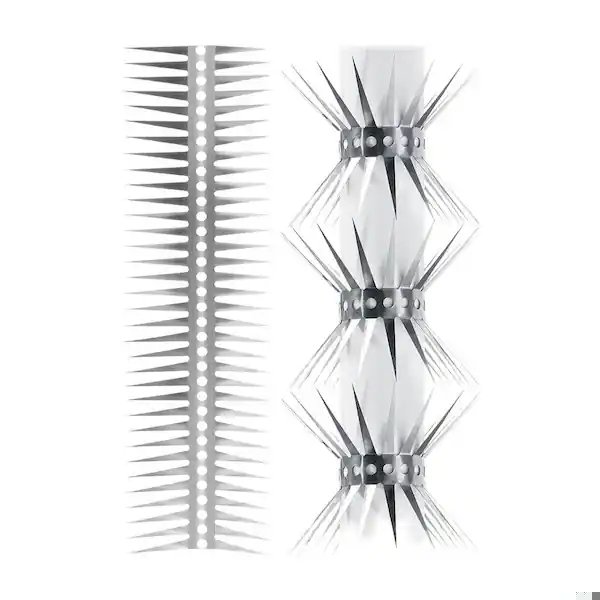
Defender Stainless Steel Bird Spikes
Defender Stainless Steel Bird Spikes provide long-lasting protection for ledges, roofs, and signs by deterring pigeons, gulls, and other large birds. Made from rust-resistant 304-grade stainless steel, these spikes deliver up to 10 years of maintenance-free performance in harsh outdoor conditions. The 50cm strips are easy to install and withstand UV exposure, rain, and snow, making them ideal for exposed locations.
Why We Recommend This
We recommend Defender Stainless Steel Bird Spikes for anyone needing reliable, long-term bird control in harsh outdoor environments. Their sturdy construction and proven 5-10 year lifespan make them a top choice for deterring pigeons and gulls, especially where plastic alternatives fall short. This is our go-to pick for low-maintenance, heavy-duty bird proofing.
vs Competitors: Compared to plastic spikes, Defender's stainless steel model offers superior durability and resistance to UV damage, making it the better choice for long-term outdoor use.
Best For:
Property owners, facility managers, and homeowners seeking a low-maintenance, durable solution for large bird deterrence on exposed outdoor surfaces.
- Protecting commercial building ledges and roofs from pigeon nesting
- Securing home window sills, fences, or signs in coastal or urban environments
- Constructed from 304-grade stainless steel for corrosion resistance
- UV- and weather-resistant for 5-10 years of outdoor durability
- Outlasts plastic spikes with 5-10 year lifespan in extreme weather
- Effective deterrent for pigeons, gulls, and similar large birds
- Not suitable for deterring small birds like sparrows or starlings
- Visible metal spikes may not be aesthetically pleasing on some buildings
Bird B Gone Polycarbonate Bird Spikes
- Lightweight, UV-resistant plastic construction
- Easy to cut to fit short ledges, curved signs, or awkward surfaces
- Less visually intrusive - blends with surroundings
- Works well for small jobs, renters, or areas where spikes can’t be permanent
- Less durable than steel; may need replacing after a few seasons
- Best for: Renters, budget projects, or locations where aesthetics are a priority
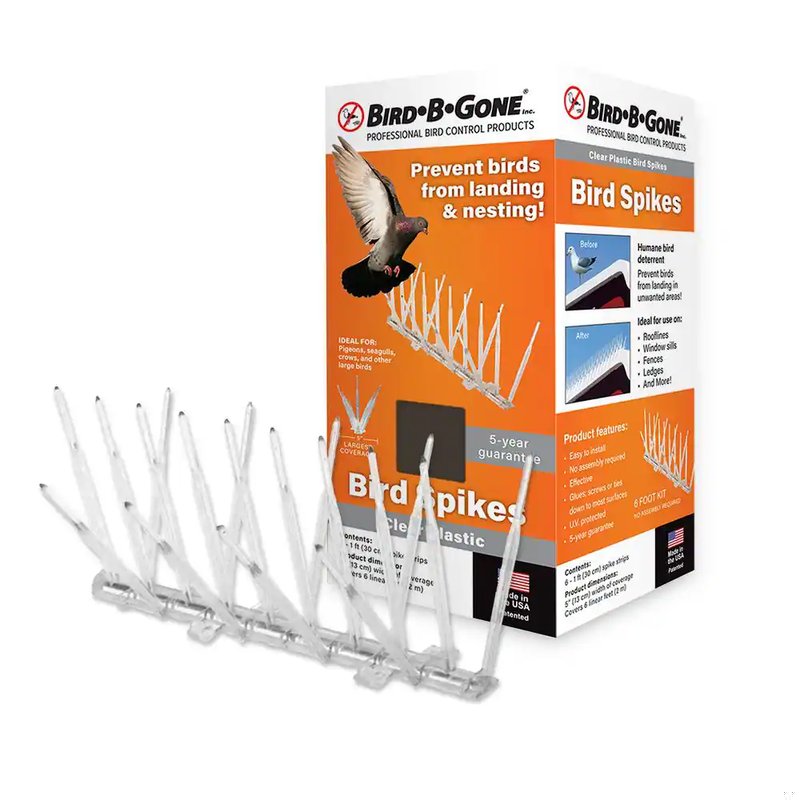
Bird B Gone Polycarbonate Bird Spikes
Bird B Gone Polycarbonate Bird Spikes provide discreet, UV-resistant protection for ledges, signs, and railings, deterring pigeons and similar birds without detracting from aesthetics. The lightweight plastic strips are easy to trim and install for DIY users, making them ideal for balconies or historic facades where appearance matters. Each strip measures 13 inches long, offering flexible coverage for smaller areas.
Why We Recommend This
We recommend Bird B Gone Polycarbonate Bird Spikes for users who value easy installation and minimal visual disruption, especially in residential or historic settings. While they offer effective deterrence for pigeons and similar birds, their lightweight design makes them best suited for areas where heavy, persistent bird pressure is not expected. For those prioritizing aesthetics and DIY convenience over maximum durability, these are a top pick.
vs Competitors: Compared to stainless steel spikes like the Defender, these plastic spikes are easier to cut and less visually obtrusive, but will not last as long in harsh sun or high-traffic areas.
Best For:
Homeowners, property managers, and renters seeking an unobtrusive, DIY-friendly bird deterrent for small or visible areas where aesthetics are important.
- Protecting residential balconies, window sills, or porch railings where visual appearance is a priority
- Deterring birds from signage or narrow architectural ledges on commercial or historic buildings
- UV-resistant polycarbonate construction resists sun damage
- Lightweight strips (0.2 lbs per strip) for easy DIY installation
- Easier to cut and fit for custom DIY projects than metal alternatives
- Less visible from a distance, preserving building aesthetics
- Polycarbonate plastic may become brittle and degrade after extended sun exposure (typically 2-3 years outdoors)
- Not as durable as stainless steel spikes for long-term or heavy-duty applications
Installation Tips for Maximum Effectiveness
- Cover the entire width of the ledge - gaps bigger than 2 inches will let birds squeeze in and defeat the purpose.
- For smooth surfaces, use a strong construction adhesive; for wood or masonry, screws provide long-term hold.
- Spikes need to be straight, level, and securely attached. Loose, uneven, or incomplete runs are why most spike installations fail.
For more spike options and advanced installation advice, check Top 7 Bird Spike Strips for Roofs and Ledges.
Best Bird Netting for Gardens and Buildings
Netting is the only method that guarantees birds stay out of a specific area, making it ideal for protecting fruit trees, vegetable beds, eaves, and commercial spaces. But it’s not one-size-fits-all - mesh size and material matter as much as installation.
Choosing the Right Mesh Size and Material
Mesh size determines which birds are kept out. For sparrows and starlings, go with 1/2-inch mesh; for pigeons or larger species, 2-inch mesh is sufficient. Using mesh that’s too big lets smaller birds through, while mesh that’s too small can trap larger birds or non-target species.
Polyethylene netting, as found in Bird-X Bird Netting, is UV-stabilized for long life in the sun and rain. Nylon is lighter but can degrade faster outdoors, especially in high-UV areas. The right choice depends on your climate and how long you want your installation to last.
Bird-X Bird Netting
- Durable, UV-stabilized polyethylene for outdoor use
- Available in multiple mesh sizes (choose based on target species)
- Blocks birds without trapping or harming them
- Flexible for gardens, balconies, and eaves
- Reliable for long-term protection with minimal maintenance
- Best for: Homeowners and gardeners needing a robust, low-visibility barrier for crops or structures
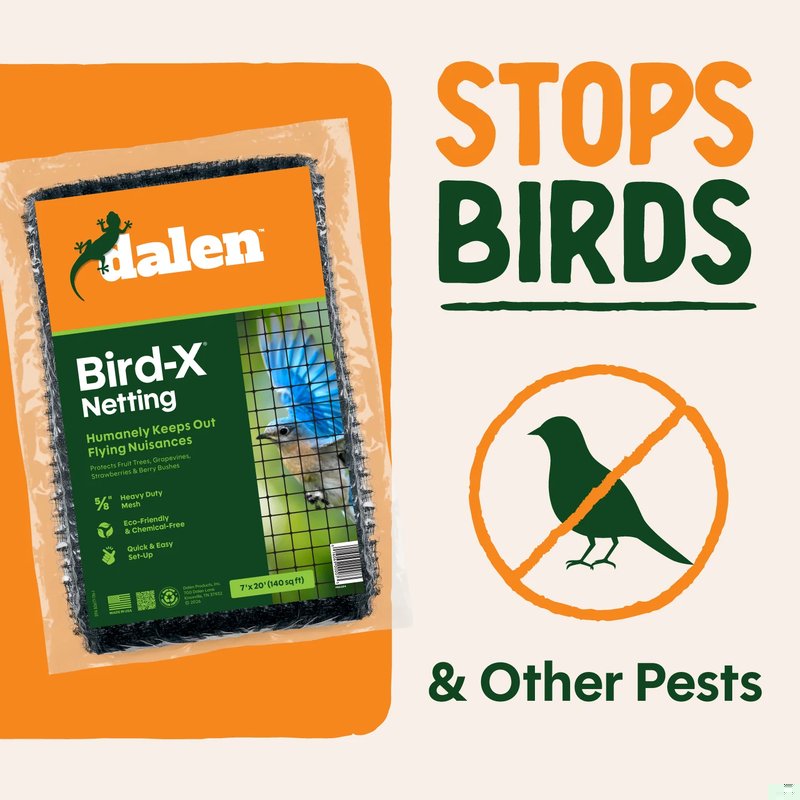
Bird-X Bird Netting
Bird-X Bird Netting provides long-lasting protection for gardens, balconies, and building eaves by physically blocking birds without harming them. The UV-stabilized polyethylene construction resists sun and rain damage, making it ideal for extended outdoor use in high-UV climates. Multiple mesh sizes allow precise targeting of different bird species for effective pest deterrence.
Why We Recommend This
We recommend Bird-X Bird Netting for its proven durability and humane design, especially for users in sunny or wet climates where nylon netting may degrade quickly. Its range of mesh sizes makes it a versatile option for both residential and commercial pest management, delivering effective protection with minimal maintenance.
vs Competitors: Compared to lighter nylon netting, Bird-X’s polyethylene construction provides superior longevity and maintains strength in full sun, making it a better choice for long-term outdoor installations.
Best For:
Homeowners, gardeners, and property managers seeking a durable, humane, and effective bird deterrent for outdoor spaces exposed to sun and weather.
- Protecting fruit trees, vegetable gardens, and vineyard crops from bird damage
- Covering balconies, eaves, and architectural features to prevent nesting or roosting
- UV-stabilized polyethylene for enhanced durability in sunlight and rain
- Available in mesh sizes from 3/4" to 2" for species-specific exclusion
- Lasts longer outdoors than nylon alternatives in high-UV environments
- Humane solution - blocks access without harming wildlife
- Requires secure installation to prevent sagging or gaps
- May need periodic cleaning if used in dusty or debris-prone areas
De-Bird Garden Bird Netting
- Heavy-duty netting with 3/4-inch mesh - great for small birds
- Designed for fruit trees, vegetable gardens, and raised beds
- Flexible and easy to drape over uneven shapes
- Affordable way to protect seasonal crops
- May require more frequent replacement under intense sun
- Best for: Gardeners wanting a budget-friendly, effective solution for seasonal use
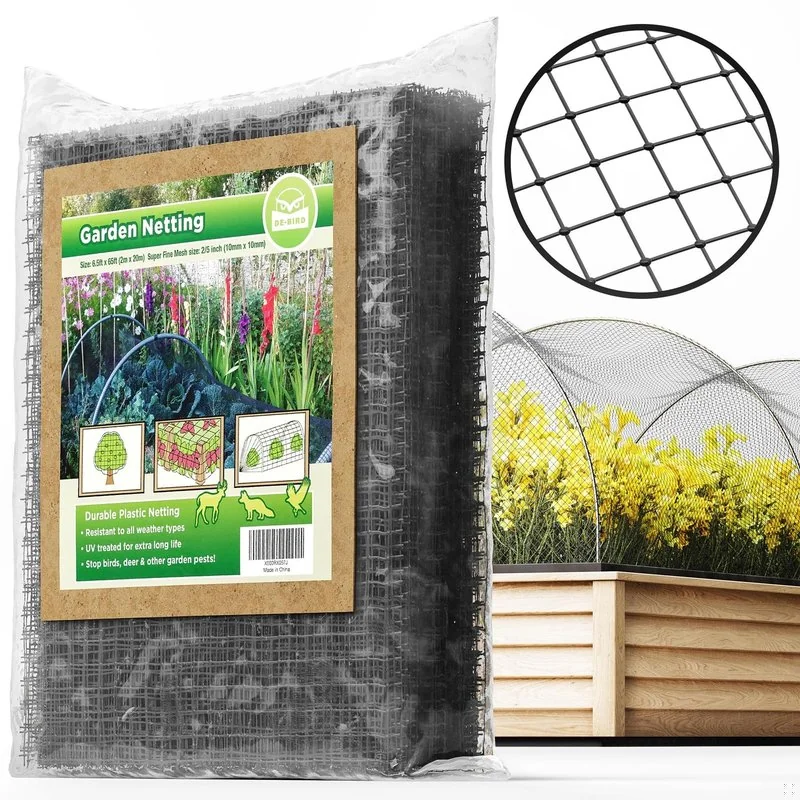
De-Bird Garden Bird Netting
De-Bird Garden Bird Netting provides reliable protection for fruit trees, gardens, and raised beds by using heavy-duty polyethylene with a 3/4-inch mesh to block small birds. The lightweight netting is easy to install and offers season-long durability, making it ideal for safeguarding crops without harming wildlife. Its UV-stabilized construction withstands direct sunlight and varying weather conditions for consistent, low-maintenance coverage.
Why We Recommend This
We recommend De-Bird Garden Bird Netting for gardeners who need dependable, non-lethal protection for their crops. Its durable, UV-resistant material stands up to months of outdoor exposure, making it a strong choice for those seeking a practical, low-maintenance deterrent. The 3/4-inch mesh is especially effective for blocking smaller bird species without harming them.
vs Competitors: Compared to Bird-X Bird Netting, De-Bird offers a similar level of durability and ease of use, but its 3/4-inch mesh targets smaller birds more effectively, making it better suited for delicate crops or berry bushes.
Best For:
Home gardeners and small-scale growers seeking an affordable, wildlife-friendly barrier against common pest birds.
- Protecting home garden beds and fruit trees from sparrows and starlings
- Covering raised vegetable plots during peak harvest season
- Heavy-duty UV-stabilized polyethylene for outdoor durability
- 3/4-inch (1.9 cm) mesh size blocks small birds while allowing airflow
- Effectively prevents bird damage to fruit, vegetables, and plants
- Flexible netting can be cut or shaped to fit different areas
- Mesh may tangle during installation if not handled carefully
- Not designed to deter larger animals or persistent squirrels
Safe and Effective Installation
- Always secure netting tightly on all sides; loose or sagging netting can trap birds or let them slip underneath.
- Use a support frame or tensioning wire for large areas to prevent collapse or animal entrapment.
- Improper installation can violate wildlife laws or damage your property. Take time to plan the frame and anchor points carefully.
For a full breakdown of spikes versus netting and which is best for your situation, see Bird Netting vs Bird Spikes: Which Works Better?.
Best Visual Bird Deterrents
When you need a quick, temporary solution or want to supplement spikes or netting, visual deterrents are your first line of defense. They’re especially useful for gardens, balconies, patios, and small outdoor spaces where birds are foraging or roosting.
Reflective Tape and Holographic Devices
Reflective tape like Bird-X Irri-Tape Reflective Bird Repellent uses sunlight and wind to create flashes and movement that startle birds. The unpredictability of the flashes and rustling sound works with birds’ natural fear of sudden changes. It’s a favorite for gardens, fruit trees, and anywhere you need flexible coverage.
Holographic discs and balloons add another layer: unpredictable movement, color shifts, and even fake predator eyes. These work best when you move them every few days so birds don’t get used to the pattern.
Bird-X Irri-Tape Reflective Bird Repellent
- Holographic, wind-activated tape creates unpredictable flashes and sound
- Easy to install - just cut and hang from trees, balconies, or stakes
- Works best for small birds, fruit crops, or patio areas
- Affordable and reusable for multiple seasons
- Effectiveness drops if left in one spot for too long
- Best for: Temporary or rotating defense for gardens, fruit trees, or patios
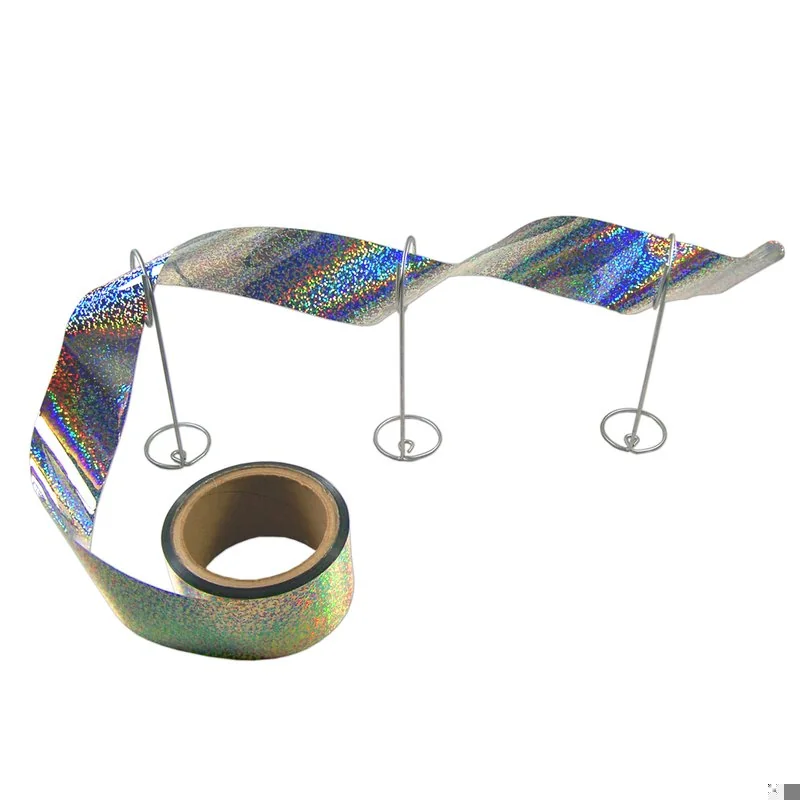
Bird-X Irri-Tape Reflective Bird Repellent
Bird-X Irri-Tape Reflective Bird Repellent harnesses sunlight and wind to produce unpredictable flashes and rustling sounds that naturally deter birds. The holographic 2-inch wide tape is easy to install and provides flexible coverage for gardens, orchards, and patios. Its lightweight, weather-resistant construction allows for seasonal or year-round use in outdoor environments.
Why We Recommend This
We recommend Bird-X Irri-Tape for readers looking for a straightforward, affordable way to keep birds away from gardens and outdoor spaces. Its combination of visible flashes and sound offers a proven, humane deterrent that doesn't rely on chemicals or electricity. This is especially effective for users needing flexible, temporary protection across varied environments.
vs Competitors: Compared to rigid bird spikes or heavy-duty netting, Irri-Tape provides faster setup and versatility, though it may require more frequent adjustment in harsh weather.
Best For:
Homeowners, gardeners, and small-scale farmers seeking a safe, easy-to-use visual bird deterrent for outdoor areas.
- Protecting fruit trees, vegetable gardens, and berry bushes from bird damage
- Deterring nuisance birds from patios, balconies, rooftops, and signage
- Holographic 2-inch wide reflective tape for maximum visibility
- Wind-activated movement and rustling noise enhance deterrent effect
- Simple, tool-free installation suits DIY users and homeowners
- Non-toxic and chemical-free bird deterrent method
- May be less effective in areas with low wind or minimal sunlight
- Requires occasional repositioning or replacement due to weather exposure
Predator Decoys: Owls, Hawks, and Snakes
Decoy predators take advantage of birds’ natural fear, but only for a limited time. The Dalen Gardeneer Natural Enemy Scarecrow Owl is a classic example, used in gardens and balconies to deter smaller birds and squirrels. What actually makes a decoy work?
Movement - like a rotating head - or unpredictable placement.
Without movement or regular relocation, birds quickly learn decoys are fake. For persistent urban flocks, decoys alone aren’t enough, but they can tip the balance in combination with other deterrents.
Dalen Gardeneer Natural Enemy Scarecrow Owl
- Realistic owl shape with rotating head for natural motion
- Effective for small gardens, balconies, and as an add-on to other deterrents
- Best results when moved weekly and used with tape or netting
- Some birds adapt quickly - don’t rely on decoys as your sole defense
- Best for: Short-term prevention or supplementing other deterrents
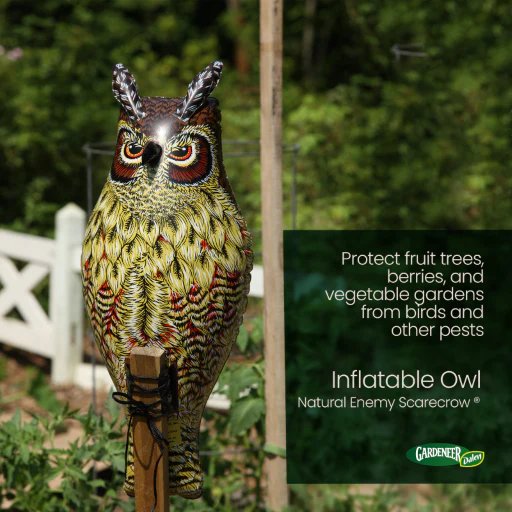
Dalen Gardeneer Natural Enemy Scarecrow Owl
Effectively deters nuisance birds from gardens and balconies with its life-sized, highly detailed owl decoy and 360° rotating head motion. The Dalen Gardeneer Natural Enemy Scarecrow Owl operates passively, requiring no batteries or power, making it a low-maintenance solution for protecting fruit trees, vegetable beds, and outdoor sitting areas. At 16 inches tall and weather-resistant, it blends into most landscapes while providing visual deterrence.
Why We Recommend This
We recommend the Dalen Gardeneer Natural Enemy Scarecrow Owl for those needing a reliable, hassle-free method to keep birds away from gardens and patios. Its realistic look and rotating head make it especially effective as a visual deterrent, and it stands out for requiring no maintenance or power source. Best results are achieved when the decoy is moved periodically to maintain its deterrent effect.
vs Competitors: Unlike reflective tape or sound-based repellents, the Dalen owl offers a silent, passive solution that blends into landscaping. It requires less active management than Bird-X Irri-Tape but should be repositioned occasionally for continued results.
Best For:
Homeowners, gardeners, and balcony residents seeking a low-maintenance, non-lethal bird deterrent for small outdoor areas.
- Protecting home vegetable gardens, fruit trees, and flower beds from bird damage
- Deterring pigeons and sparrows from apartment balconies or patio spaces
- Life-sized 16-inch owl decoy for realistic presence
- 360° wind-activated rotating head for natural movement
- Passive deterrent with no ongoing maintenance or energy costs
- Highly realistic design proven to scare away common pest birds
- Effectiveness decreases if decoy remains in the same location for extended periods
- May not deter larger or more habituated birds in high-pressure areas
For more visual deterrent options tailored to windowsills and small spaces, check Best Natural Bird Repellents for Windowsills.
Best Sound and Ultrasonic Bird Repellers
Sound-based deterrents can clear out birds quickly, especially in open areas where visual and physical methods aren’t an option. There’s a big split between electronic sound devices and ultrasonic repellers - understanding the difference is key.
Electronic Sound Devices vs Ultrasonic Repellers
Electronic sound devices use pre-recorded distress or predator calls. These are species-specific - what scares pigeons might not faze sparrows. The downside is they can be loud enough to bother neighbors or pets.
Ultrasonic repellers, like the Bird-X Balcony Gard Ultrasonic Bird Repeller, operate above the range of human hearing. The idea is to create an uncomfortable environment for birds without bothering you or your neighbors. Research is mixed - some birds respond to ultrasonic deterrents, but results are less consistent than with physical barriers.
Bird-X Balcony Gard Ultrasonic Bird Repeller
- Emits high-frequency sound designed to deter common urban birds
- Discreet - no visible installation or unsightly hardware
- Works best in patios, balconies, and semi-enclosed outdoor spaces
- May not impact birds already habituated to human activity
- Limited in large, open, or highly cluttered areas
- Best for: Renters, apartment dwellers, or anyone needing a non-intrusive, hands-off deterrent
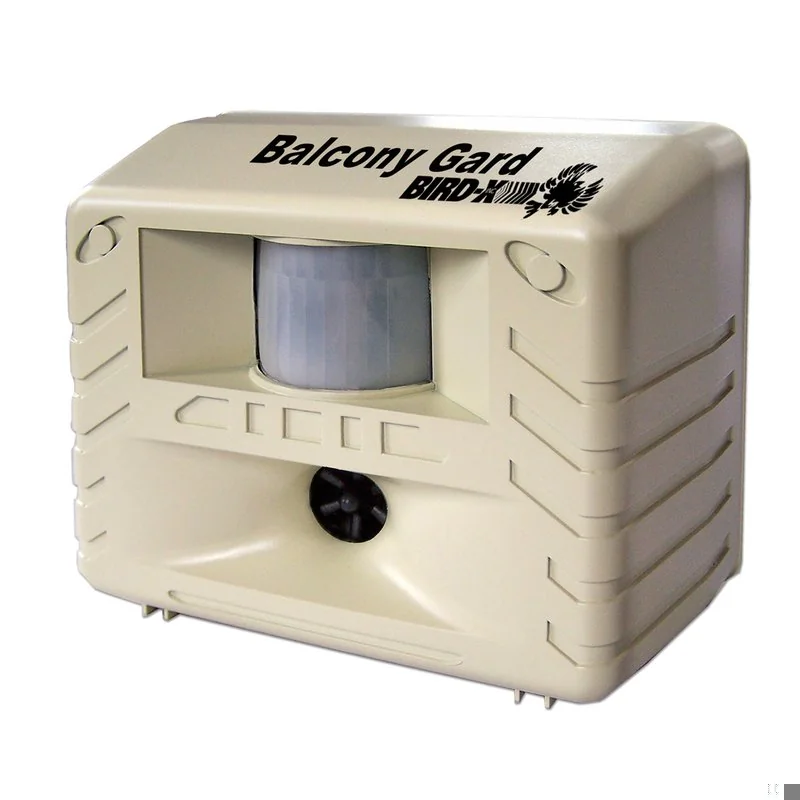
Bird-X Balcony Gard Ultrasonic Bird Repeller
The Bird-X Balcony Gard Ultrasonic Bird Repeller deters birds from patios and balconies by emitting high-frequency sound waves above the range of human hearing. With a coverage area of up to 900 square feet and weather-resistant housing, it operates discreetly without affecting people or pets. This device is ideal for maintaining bird-free outdoor spaces in urban environments.
Why We Recommend This
We recommend the Bird-X Balcony Gard for readers who want a discreet bird deterrent that doesn't involve spikes or netting. It stands out for its ease of installation and silent operation, making it suitable for shared residential spaces where aesthetics and neighbor comfort matter. While results can vary, it offers a strong, low-maintenance option for mild to moderate bird issues.
vs Competitors: Compared to physical barriers like spikes or netting, the Balcony Gard is less obtrusive and easier to install but may deliver less consistent results, especially with persistent or larger birds.
Best For:
Homeowners, renters, and property managers seeking a low-profile, maintenance-free solution for keeping birds off balconies and patios without using physical barriers.
- Protecting apartment balconies from pigeons and sparrows in urban buildings
- Securing small patios or verandas without altering their appearance
- Covers up to 900 sq ft (84 m²) of outdoor space
- Emits ultrasonic frequencies (15-25 kHz) targeting bird hearing range
- Non-intrusive deterrence with no visible barriers or mess
- Simple installation - mounts easily on railings or walls
- Effectiveness may vary depending on bird species and environmental factors
- Battery operation requires regular replacement for continuous use
Where Sound Repellers Work Best
- Open outdoor spaces - gardens, rooftops, and patios - allow sound to travel and cover more area.
- Indoors or in dense city blocks, sound barriers (walls, windows) reduce effectiveness and can annoy neighbors.
- Devices with adjustable or random sound patterns help prevent birds from getting used to the noise.
For more on electronic repellent performance, see our Bird-X Bird Repellent Review: Is It Effective?
Best Bird Gels, Sprays, and Taste Aversions
When you can’t install spikes or netting - think railings, signage, or awkward nooks - repellent gels and sprays provide a non-permanent, low-profile deterrent. They don’t block birds physically but make surfaces less inviting.
Sticky Gels and Repellent Sprays
Sticky gels, like Bird B Gone Bird Repellent Gel, create a tacky layer birds hate to touch. They’re non-toxic and transparent, so they don’t alter the look of your property. Repellent sprays, like Bonide Hot Pepper Wax Animal Repellent, use natural ingredients to create smells or tastes birds avoid.
Both options are easy to apply but require maintenance - gels pick up dirt and debris, while sprays may wash off in rain. They’re best for small, high-traffic spots or as a supplement to other deterrents.
Bird B Gone Bird Repellent Gel
- Transparent, non-toxic gel for ledges, pipes, and beams
- Deters pigeons, starlings, and other urban birds without harm
- Simple to apply and remove - ideal for renters or temporary needs
- Needs reapplication every few months or after heavy dust/rain
- Best for: Ledges, signage, or areas where hardware isn’t allowed
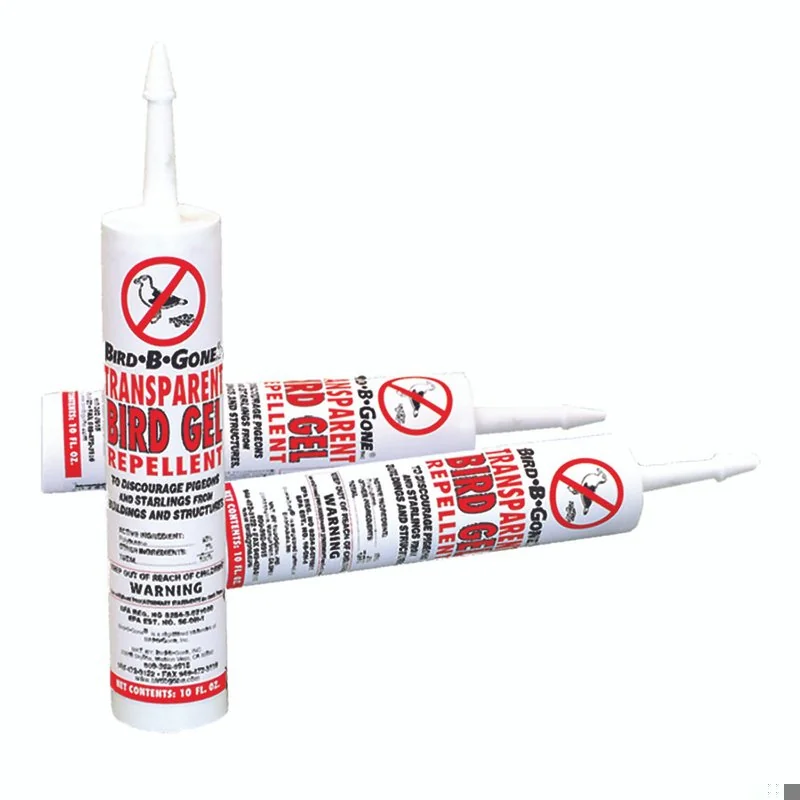
Bird B Gone Bird Repellent Gel
Bird B Gone Bird Repellent Gel provides a non-toxic, transparent barrier that deters pigeons, starlings, and other urban birds from perching on ledges, pipes, and beams. Its tacky texture makes surfaces uncomfortable for birds without causing them harm or altering property appearance. Ideal for discreet, humane bird control in high-traffic areas.
Why We Recommend This
We recommend Bird B Gone Bird Repellent Gel for those seeking a discreet, humane solution to bird perching problems on ledges and architectural features. Its transparent, non-toxic formula is effective against common urban birds and is easy to apply, making it a practical choice for both homeowners and building managers.
vs Competitors: Compared to traditional bird spikes, the gel offers a less visible deterrent but may require more frequent maintenance, especially in exposed outdoor conditions.
Best For:
Property owners, facility managers, and pest control professionals seeking a humane, low-visibility bird deterrent for urban or commercial settings
- Preventing birds from roosting on apartment balconies and window sills
- Deterring pigeons from commercial signage and building ledges
- Non-toxic, transparent gel formula
- Covers up to 10 linear feet per tube
- Discreet application preserves building aesthetics
- Humane deterrent - does not injure birds
- May require reapplication after heavy rain or dust accumulation
- Not suitable for areas easily accessed by children or pets due to sticky residue
Bonide Hot Pepper Wax Animal Repellent
- Capsaicin-based formula creates an unpleasant taste for birds and animals
- Safe for use on edible plants, fruits, and ornamentals
- Quick, affordable way to protect crops during peak ripening
- Requires regular reapplication, especially after rain
- Best for: Protecting gardens, fruit trees, and small beds from foraging birds
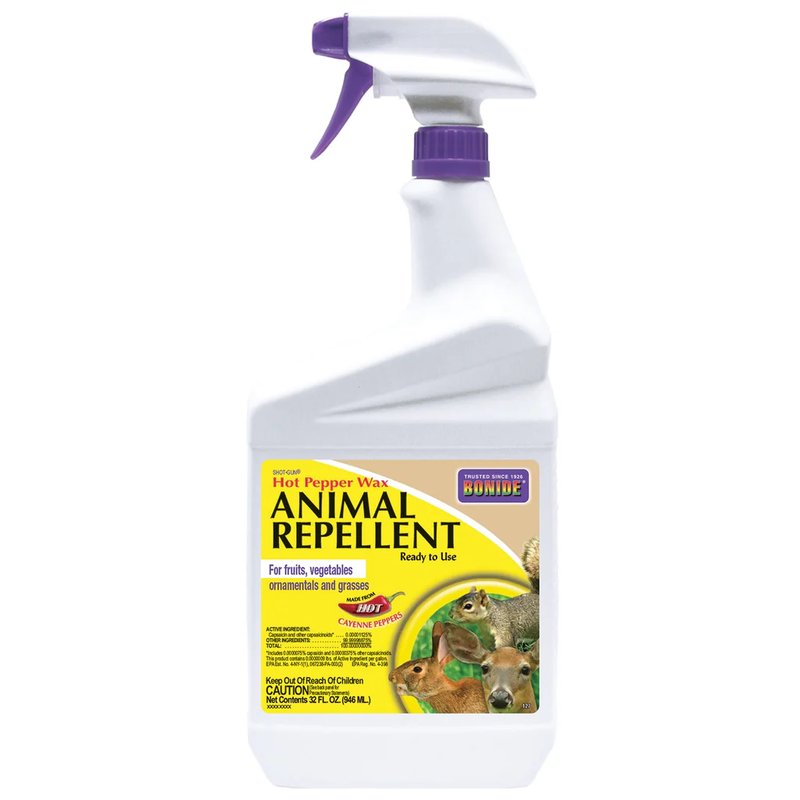
Bonide Hot Pepper Wax Animal Repellent
Bonide Hot Pepper Wax Animal Repellent provides a natural, capsaicin-based deterrent that discourages birds and small animals from feeding on fruit, vegetables, and ornamental plants. The formula creates an unpleasant taste and odor for pests without harming plants or wildlife. With a simple spray application, it delivers broad coverage for gardens, orchards, and landscaping.
Why We Recommend This
We recommend Bonide Hot Pepper Wax Animal Repellent for those seeking a natural, chemical-free way to keep birds and small mammals away from edible and ornamental plants. Its proven capsaicin formula is safe for use in food gardens and is easy to apply, making it a practical choice for both home gardeners and professional landscapers. While it requires periodic reapplication, it stands out for its reliable deterrent effect and plant safety.
vs Competitors: Compared to sticky gels, Bonide’s spray offers broader coverage and is less visible, though it may require more frequent application after rainfall. It is a more versatile choice for edible gardens than some gel-based alternatives.
Best For:
Gardeners, homeowners, and property managers looking for a natural, non-toxic solution to protect plants from birds and small animals.
- Protecting fruit trees, berry bushes, and vegetable gardens from bird damage
- Safeguarding ornamental plants in landscaping against squirrels and rabbits
- Capsaicin-based active ingredient (hot pepper extract) for effective deterrence
- Ready-to-use spray formula for quick application
- Effectively deters birds and mammals without toxic chemicals
- Easy to apply with no mixing or special equipment required
- Requires reapplication after heavy rain or watering
- Strong odor may be unpleasant during application
Safety and Environmental Considerations
- Check product labels for pet and child safety. Some gels can cause skin irritation if over-applied.
- Choose biodegradable formulas whenever possible to minimize environmental impact.
- Overuse or improper application can damage paint, plastics, or sensitive plants - always follow manufacturer instructions.
Best Natural and Humane Bird Deterrents
For those wanting to avoid chemicals or heavy hardware, natural deterrents and humane methods offer a gentle but less reliable approach. They work best as part of a multi-pronged strategy, especially where legal or ethical concerns are involved.
Plant-Based and Eco-Friendly Options
- Certain aromatic plants - like rosemary, lavender, and mint - repel some birds with their scent. Planting these near trouble spots can help, but results are generally modest.
- Homemade repellents, such as citrus peels or chili sprays, are cheap and safe for most environments but need frequent reapplication.
- Effectiveness varies widely by bird species and location - don’t rely on natural deterrents as your only line of defense for serious infestations.
Ethical and Legal Considerations
- In 2026, many bird species remain protected by law. Never install deterrents that can trap, injure, or kill birds.
- Always check local regulations before using netting, sound devices, or chemical repellents - especially in wildlife corridors or near water.
- Humane deterrents reduce the risk of fines and are less likely to spark neighbor or community complaints.
If you’re dealing primarily with smaller birds in sensitive areas, see How to Keep Birds Away from Balconies and Gardens for more natural methods.
For a full archive of solutions and legal guidance, visit our Bird Control resource hub.
How to Choose the Right Bird Deterrent for Your Home
The key to successful bird control is matching the deterrent to your actual problem - species, number, location, and your willingness to maintain the setup. Here’s how to assess your situation and choose wisely.
Assessing Your Bird Problem: Species, Numbers, and Nesting
- Identify the problem species. Spikes and netting are great for pigeons and gulls but may not stop sparrows or swallows.
- Track where and when birds congregate: are they feeding, nesting, or just resting?
- If you spot nests or consistent roosting, you’ll likely need a physical barrier or professional help. Occasional visitors may respond to visual or sound deterrents.
Matching Deterrent Type to Location and Budget
- For roofs, ledges, or chronic roosting, spikes or netting offer the most reliable, long-term fix.
- For temporary issues or low-traffic spots, visual and sound deterrents are more budget-friendly and easier to install.
- Maintenance matters: gels, sprays, and sound devices generally require more attention than spikes or netting.
DIY vs Professional Installation: When to Call in Help
- DIY is realistic for small areas, simple netting, or renters who need removable solutions.
- Complex jobs - large buildings, high ledges, protected species - call for professional installers. They’ll ensure the setup is safe, legal, and effective.
- Improper installation can void warranties, cause harm to wildlife, or simply fail to solve the problem.
Frequently Asked Questions About Bird Deterrents
❓ Frequently Asked Questions
What is bird netting and how does it work?
What is bird netting and how does it work?
Bird netting is a physical barrier made of durable mesh that prevents birds from accessing specific areas. It protects crops, buildings, and equipment without harming birds. Most users find that properly installed netting is effective for large open spaces, such as gardens or warehouse rafters.
How do I install bird spikes on a ledge?
How do I install bird spikes on a ledge?
To install bird spikes on a ledge:
- Clean the surface thoroughly to remove dirt and debris
- Measure and cut spikes to fit the ledge length
- Attach using adhesive, screws, or clips per manufacturer instructions
- Press firmly and allow adhesive to cure
- Inspect regularly to ensure secure placement
Choose UV-resistant spikes for outdoor use.
What should I look for when choosing a bird deterrent?
What should I look for when choosing a bird deterrent?
When choosing a bird deterrent, consider:
- Material: Stainless steel or polycarbonate lasts longer outdoors
- Coverage area: Match product size to your space
- Installation method: Ensure compatibility with your surface
- Maintenance: Opt for easy-to-clean designs
Check for local wildlife regulations before installing to avoid fines.
What is the difference between bird spikes and bird netting?
What is the difference between bird spikes and bird netting?
Bird spikes are narrow strips with pointed rods that prevent birds from perching on ledges and signs. Bird netting is a mesh barrier that excludes birds from larger areas like gardens or rooftops. Spikes work best for narrow surfaces, while netting covers broad spaces and denies entry completely.
How often should I inspect and maintain bird deterrent products?
How often should I inspect and maintain bird deterrent products?
Inspect bird deterrent products every 3–6 months for wear, debris, or damage. Clean off dirt and bird droppings to maintain effectiveness. Replace damaged spikes or torn netting promptly. Regular maintenance ensures products remain effective and can extend their usable life by several years.
Which type of bird deterrent is best for balconies?
Which type of bird deterrent is best for balconies?
For balconies, most users prefer low-profile bird spikes or transparent bird gel, as they prevent perching without obstructing views. Netting is also an option for complete exclusion but may affect aesthetics. Choose UV-resistant, weatherproof materials for outdoor durability and check for easy, non-permanent installation options.
Why do I need bird deterrents for my property?
Why do I need bird deterrents for my property?
Bird deterrents help prevent property damage, health risks from droppings, and costly cleanup. Birds can clog gutters, damage paint, and carry parasites. Using physical barriers like spikes or netting is a humane way to protect buildings and outdoor spaces without harming wildlife.
- Defender Stainless Steel Bird Spikes are the best choice for permanent, high-traffic spots like ledges and roofs.
- Bird-X Bird Netting is unbeatable for gardens, fruit trees, and building eaves needing long-term protection.
- For renters or temporary fixes, Bird B Gone Polycarbonate Bird Spikes and Bird-X Irri-Tape Reflective Bird Repellent offer excellent value and flexibility.
Key Takeaways: Choosing the Best Bird Deterrent in 2026
For ledges, roofs, or any spot where birds gather daily, stainless steel spikes and UV-stable netting are the best bird deterrents in 2026 - long-lasting, low maintenance, and extremely effective. Visual deterrents like reflective tape and decoy owls help with light infestations, while ultrasonic repellers and gels fill in for tricky spots or renters needing something non-permanent.
If you want a permanent fix for chronic roosting, go with spikes or netting. For seasonal, low-traffic, or flexible needs, visual, sound, and gel-based deterrents are easier to install and remove. Focus on coverage, durability, and how much time you’re willing to spend on upkeep - there’s no single “best,” just the right match for your home and situation.
Need help with a specific bird problem or want more detailed product comparisons? Check our expert guides for in-depth advice on every scenario, from small gardens to commercial rooftops.
Related Articles
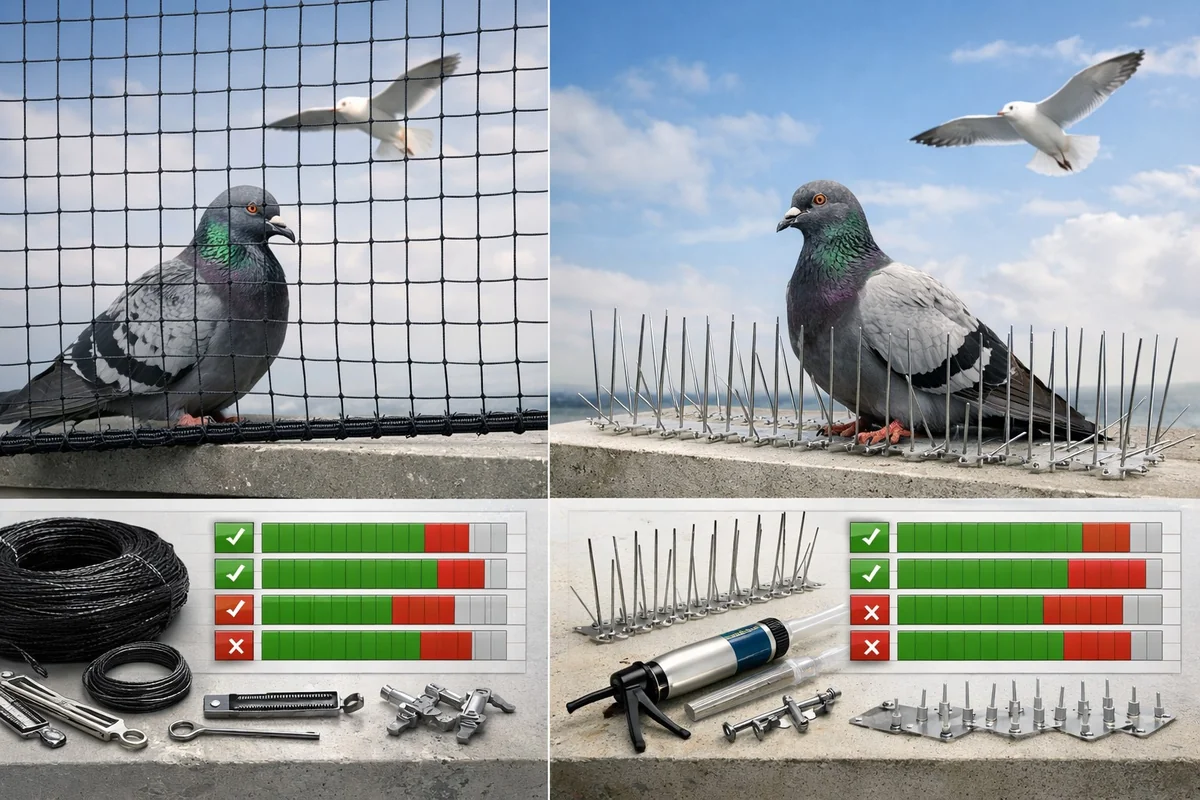
Bird Netting vs Bird Spikes: Which Works Better for Bird Control?
Compare bird netting and bird spikes for pest control in 2026. See which bird deterrent method is more effective, cost-efficient, and best for your home.
Top 7 Bird Spike Strips for Roofs and Ledges (2026)
See the top 7 bird spike strips for roofs and ledges in 2026. Compare stainless steel and polycarbonate options, installation tips, and expert picks to find the best bird deterrent.
How to Keep Birds Away from Balconies and Gardens (2026 Guide)
Learn practical, safe, and budget-friendly ways to keep birds away from balconies and gardens in 2026. Step-by-step bird proofing tips, deterrent comparisons, and answers to common questions for homeowners and renters.
Bird-X Bird Repellent Review 2026: Is It Effective?
Is Bird-X really effective for keeping birds away in 2026? Our in-depth Bird-X repellent review covers real-world results, pros and cons, safety, and alternatives to help you choose the right bird control solution for your home.