Complete Guide to Pest Control Maintenance: Upkeep Tips & Ongoing Management 2026
Learn how to keep your home pest-free with our complete pest control maintenance guide. Discover expert pest upkeep tips, safe DIY solutions, and step-by-step ongoing pest management strategies for 2026.
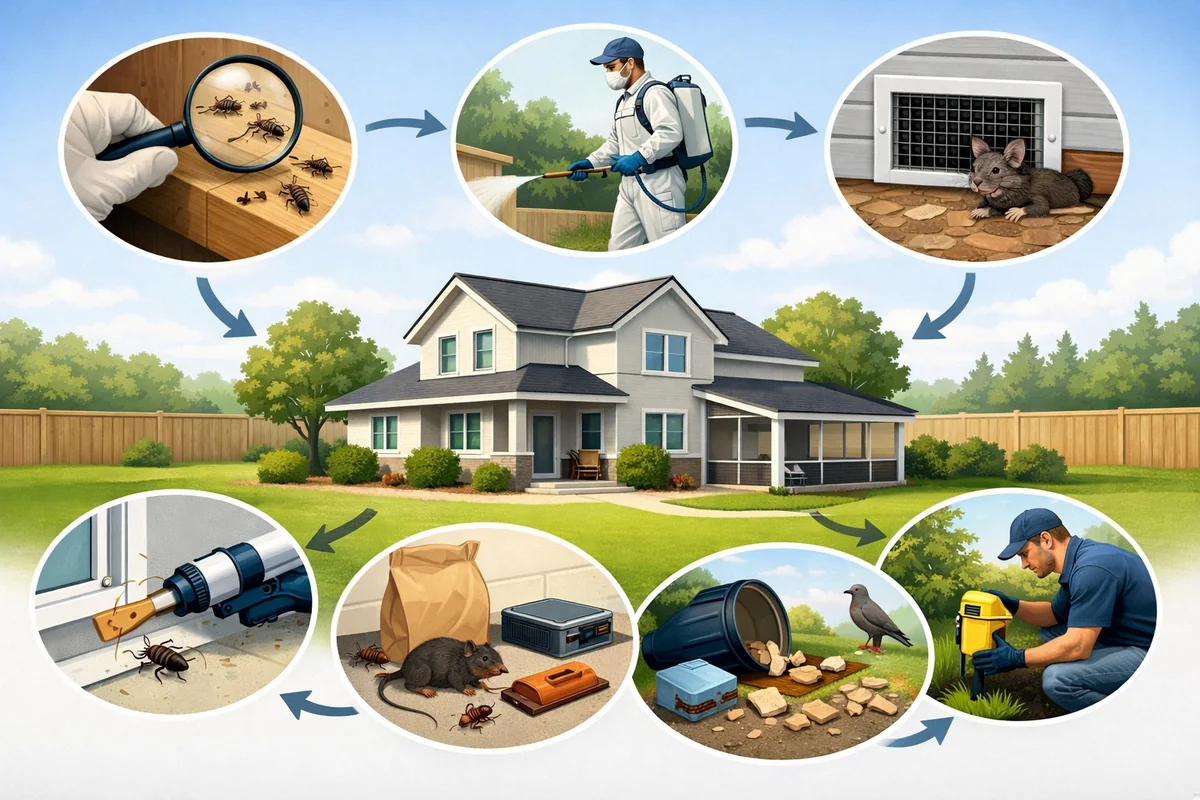
Pest control maintenance means using regular, targeted actions to keep your home free of unwanted insects and rodents. Unlike one-time treatments, ongoing pest management focuses on prevention, early detection, and safe intervention to stop infestations before they take over. This guide covers proven pest upkeep tips and practical steps for reliable results.
What Is Pest Control Maintenance?
Pest control maintenance is a proactive, ongoing approach that combines regular inspections, preventive steps, and timely interventions to keep pests from becoming a problem. Instead of waiting for a full-blown infestation, you address risks and early signs to prevent pests from taking hold.
How Ongoing Pest Management Works
Consistent maintenance breaks pest breeding cycles. By inspecting for early signs and treating hotspots before pests multiply, you dramatically reduce risk of reinfestation.
This approach targets entry points, moisture issues, and food sources first. The goal: make your home less attractive and accessible to pests, so you use fewer chemicals and avoid last-minute emergencies.
Skipping routine upkeep allows hidden eggs and dormant populations to rebound fast. Once pests get established, removal becomes much harder and more expensive.
Why Maintenance Outperforms One-Time Treatments
One-off treatments only kill what you see. Eggs, larvae, and hidden colonies survive. They re-emerge in days or weeks, forcing repeated treatments.
Ongoing pest control maintenance goes after the root causes - like sealing cracks, fixing leaks, and reducing clutter - so you address why pests are entering in the first place. This not only solves the current problem but also prevents future outbreaks.
Over the course of a year, regular upkeep costs far less than multiple emergency exterminations. You save money, avoid property damage, and protect your health long-term.
If you’re looking for more in-depth advice on safety and best practices, the Pest Control Maintenance & Safety archive covers essential routines and risk prevention.
Identifying Common Household Pests
Correctly identifying the pest in your home is step one. Treating the wrong species wastes time and money, and some methods can actually make infestations worse.
Spotting Signs of Infestation Early
Look for droppings, gnaw marks, shed skins, or grease trails along baseboards, behind appliances, and in cabinets. These are often the first signs that pests are present, even before you see the actual insects or rodents.
Unexplained musty odors or sounds - like scratching, squeaking, or tapping inside walls - signal hidden activity. Don’t ignore these clues; early detection gives you a chance to act before populations explode.
Treating at the first sign means you can use targeted, low-impact interventions instead of full-scale chemical treatments.
Visual Guide: Pest Identification
Different pests require different solutions. Ants, cockroaches, termites, silverfish, and rodents each have unique physical traits:
- Ants: Narrow waists, elbowed antennae, visible body segments, fast-moving in lines
- Cockroaches: Oval-shaped, long antennae, flat bodies, quick runners, some species fly
- Termites: Straight antennae, thick waists, wings of equal length (swarmers), usually pale
- Silverfish: Silvery, carrot-shaped, three tail filaments, wriggling movement
- Rodents: Chew marks, capsule-shaped droppings, greasy rub marks, gnawed food packaging
Misidentifying pests (e.g., confusing carpenter ants with termites) leads to wasted effort and ineffective treatment. Each type requires tailored approaches for real results.
When to Suspect Multiple Pest Types
Some infestations attract others - aphids bring ants, flies bring spiders, cockroach infestations invite centipedes. If you notice several pests at once, you likely have a mixed infestation.
Layered strategies are needed: a single method rarely works on multiple species at once. For instance, baits for ants won’t affect spiders or rodents.
Failing to address all present pests allows secondary infestations to persist, undermining your primary pest removal efforts.
You’ll find more practical pest identification and prevention insights in our Pest Control Tips and Guides: Maintenance, Prevention, and Safety hub.
Preventive Pest Upkeep Tips for Every Season
Pest activity changes with the seasons. Adjusting your maintenance routine for spring, summer, fall, and winter keeps your home protected year-round.
Spring and Summer: Blocking Entry Points
Before peak breeding seasons, inspect and seal cracks, gaps, and torn screens around doors, windows, foundations, and utility entry points. Warm weather drives insects and rodents to find new nesting sites - your home is a prime target.
Addressing entry points early means you’ll intercept pests before they set up colonies inside. Neglecting this step lets them bypass baits and traps, making later control much harder.
A caulk gun, weatherstripping, and some steel wool go a long way in stopping spring and summer invasions. Don’t forget attic vents and crawlspace access - these are favorite rodent entryways.
Fall and Winter: Managing Indoor Habitats
As temperatures drop, pests seek warmth indoors. Focus on reducing indoor moisture (run a dehumidifier, fix leaks) and cutting down on clutter, which provides hiding spots.
Basements, attics, garages, and utility rooms are top priorities. Rodents and spiders especially target these zones for winter shelter. Regular inspections and decluttering make a big difference.
Ignoring seasonal shifts - especially before holidays when traffic increases - often leads to surprise infestations in storage spaces and lesser-used rooms.
Year-Round: Food and Water Source Control
Eliminate standing water in trays, plant saucers, and under sinks. Wipe up food crumbs, store pantry goods in sealed containers, and empty pet food dishes overnight.
Consistent sanitation minimizes pest survival. Even a few crumbs can sustain a cockroach population for weeks. Lapses in kitchen or pet area hygiene undo other preventive efforts fast.
Regularly inspect under appliances, behind trash cans, and in laundry rooms. These overlooked areas often become pest havens if not cleaned routinely.
Choosing the Right Pest Control Methods
No single approach works for every pest or situation. Choosing between chemical, non-chemical, DIY, and professional-grade options affects safety, cost, and long-term success.
Chemical vs. Non-Chemical Approaches
Chemical sprays and baits deliver rapid knockdown - especially for visible, active infestations. But overuse risks health effects and can cause pests to develop resistance.
Non-chemical strategies (exclusion, sanitation, traps) are safer for families and pets. These methods may take longer to show results but reduce chemical exposure and environmental impact.
The best results often come from alternating or integrating methods, rather than relying on one approach exclusively.
DIY vs. Professional-Grade Products
DIY products are widely available and budget-friendly, but they typically have lower concentrations of active ingredients. This means you may need to reapply more often or wait longer for full results.
Professional-grade treatments, available online or at specialty stores, offer stronger effects but carry more risk. They may require protective gear or have legal restrictions for home use.
Using professional products without proper training can cause safety problems or violate local laws. Always read labels thoroughly and follow all instructions.
Integrated Pest Management (IPM) Strategies
Integrated Pest Management (IPM) is an approach that combines monitoring, prevention, exclusion, and targeted treatment. Instead of blasting chemicals everywhere, you use the least-toxic method that works for your specific pest and situation.
IPM reduces chemical dependency and environmental impact, but it does require a more hands-on approach: regular inspections, documentation, and willingness to adapt your tactics.
For most homeowners, IPM offers the best balance of safety, effectiveness, and long-term results.
| Method | ★Difficulty Level | ★Estimated Time Required | Cost Range | ★Skill Level Required | Coverage Area Per Session | ★Best For |
|---|---|---|---|---|---|---|
| Integrated Pest Management (IPM) | Medium | 2-3 hours per month (average home) | Moderate | Intermediate (basic pest ID and monitoring) | Up to 2000 sq ft per session | Homeowners wanting long-term prevention with minimal chemicals |
| Routine Chemical Spraying | Easy | 1 hour per application (standard interior/exterior) | Budget-friendly | Beginner (simple application steps) | Up to 3000 sq ft per session | Quick knockdown for common pests in large, accessible spaces |
| Physical Barriers & Exclusion | Hard | 6-8 hours for full home sealing | Premium | Advanced (hand tools, carpentry, inspection) | Whole property (depends on structure complexity) | Preventing repeated infestations, older buildings, long-term results |
| Biological Controls | Medium | 2-4 hours initial setup, low ongoing maintenance | Moderate | Intermediate (species selection, monitoring) | Up to 1000 sq ft (targeted zones) | Eco-conscious users, gardens, areas near pets/children |
| Regular Cleaning & Sanitation | Easy | 30-60 minutes weekly | Budget-friendly | Beginner (no special training needed) | Any size—depends on cleaning schedule | Prevention in kitchens, food storage, and sensitive indoor areas |
Establishing a Pest Control Maintenance Schedule
Consistency is your most powerful tool in pest control maintenance. A clear schedule keeps tasks on track and helps you catch issues early, before they spiral.
Monthly, Quarterly, and Annual Tasks
- Monthly: Inspect entry points, set or refresh baits, check for new droppings or damage
- Quarterly: Deep-clean kitchens, basements, and garages; review and reinforce exclusion barriers
- Annual: Replace weatherstripping, service outdoor bait stations, schedule major cleanouts of attics and crawlspaces
Layering these tasks keeps pest pressure low and prevents small problems from turning into major infestations. Skipping a cycle, especially in high-risk months, can undo months of effort.
Tracking and Documenting Infestations
Maintain a simple log of pest sightings, where you find them, what treatments you used, and the results. This helps you spot seasonal patterns and recurring hotspots.
Documentation is especially helpful for renters or landlords - if you ever need to prove due diligence or request professional help, a logbook is your best evidence.
Skipping records means you’re likely to repeat mistakes or overlook chronic problem areas. Even a smartphone note works if you update it consistently.
When to Adjust Your Schedule
Pest pressure isn’t static. After heavy rains, nearby construction, or a neighbor’s infestation, increase your inspection and treatment frequency. These events often drive pests into new areas.
Once you’ve had several infestation-free cycles in a row and confirmed prevention (no new signs, traps remain empty), you can safely reduce intervention frequency. Don’t stop cold turkey - pests rebound fast once you relax your guard.
Ignoring schedule adjustments is one of the fastest ways to get caught off-guard by sudden infestations.
Safe Application and Storage of Pest Control Products
Improper use or storage of pest control products can do more harm than good. Protecting your family, pets, and property is just as important as getting rid of pests.
Minimizing Risks to Family and Pets
Always use tamper-resistant bait stations, especially in homes with children or pets. Open powders and pellets should never be placed where kids or animals might reach them.
Gel baits and traps are the best choice for high-traffic areas - they’re less likely to cause accidental exposure than sprays or loose granules.
Ignoring safety protocols leads to poisonings or pet illness, which can be far more costly and traumatic than the original pest problem.
Proper Storage and Disposal Practices
Store all products in their original containers, out of reach and well away from food, medicine, or animal feed. Never mix leftover chemicals - some combinations can create toxic fumes or explosive reactions.
Follow your city or county’s hazardous waste disposal rules. Dumping leftover pesticides in the trash or down the drain contaminates soil and water, endangering wildlife and neighbors.
If you’re unsure about safe storage or disposal, see our dedicated guide: How to Store and Handle Pest Control Chemicals Safely.
Recognizing and Responding to Exposure Symptoms
Pesticide exposure often causes headaches, nausea, dizziness, or skin irritation. If you notice these symptoms after applying a product, ventilate the area and wash thoroughly. Remove contaminated clothing right away.
For severe symptoms - trouble breathing, vomiting, confusion - seek medical attention immediately. Bring the product label to the doctor if possible.
Delaying response increases the risk of long-term health effects, especially for children or sensitive individuals.
Troubleshooting Persistent Pest Problems
Sometimes, even diligent maintenance doesn’t eliminate a stubborn infestation. Here’s what typically goes wrong and how to fix it.
Why Baits and Traps Sometimes Fail
Bait or trap placement is critical. If placed too far from pest pathways or nests, they won’t attract pests. Old or expired bait loses effectiveness quickly - always refresh according to label instructions.
Some pests develop aversion or resistance to commonly used baits. Rotating bait types and active ingredients can restore effectiveness.
Most failed traps are a symptom of unresolved issues, like food crumbs or water sources nearby. Remove these attractants, or no amount of bait will work.
Dealing with Hard-to-Reach Infestations
Pests love inaccessible spaces: wall voids, attics, crawlspaces, HVAC ducts. Standard sprays and baits rarely reach these colonies.
Specialized tools - like dust applicators, foam injectors, or flexible bait tubes - are needed for these jobs. In some cases, a small access hole may need to be drilled (check for wiring or pipes first).
Don’t attempt DIY treatments in hazardous spaces (asbestos insulation, near electrical panels) without proper protective gear and knowledge. Some jobs are best left to professionals.
When to Seek Professional Help
If you’ve treated the same area repeatedly and pests return, you may have a structural issue (hidden leak, foundation crack) or pesticide resistance. Large or fast-growing infestations require professional-grade solutions and expertise.
Termites and bed bugs, in particular, are rarely eliminated with DIY products alone. Delaying professional intervention often means higher repair bills and greater health risks.
For major treatments, see our post-treatment care guide: What to Do After Professional Pest Treatments.
Cost Comparison: DIY vs. Professional Pest Control
Budget is a big factor in ongoing pest management. Here’s how the real costs stack up between DIY and hiring a pro.
Typical Expenses for DIY Maintenance
DIY supplies - baits, traps, sealants, and exclusion materials - offer excellent value for routine home maintenance. Expect to spend a modest amount each year for most pests.
Initial setup (sealing entry points, buying traps or sprayers) may cost more upfront, but once established, ongoing expenses are usually low. However, gaps in your process or repeated failed treatments can drive costs up over time.
What Professional Services Include
Professional pest control contracts usually cover a thorough inspection, high-grade chemical and non-chemical treatments, and scheduled follow-ups. Most companies offer quarterly or annual plans for general pests.
Not all contracts include prevention - some only treat after an infestation is found. Read the fine print and ask about what’s covered, especially when it comes to exclusion, monitoring, and specialty pests like bed bugs or termites.
Weighing Value: When Paying More Makes Sense
For severe, ongoing, or specialized infestations, professional help may be the more cost-effective choice. Fast elimination prevents property damage and repeated health risks.
DIY is far more budget-friendly for minor or routine problems - especially if you’re diligent and organized. Watch out for long-term contracts that lock you in even as pest pressure drops.
| Factor | DIY Maintenance | Professional Service |
|---|---|---|
| Best For | Routine prevention, minor infestations | Severe or recurring infestations, specialty pests |
| Speed | Slower for large outbreaks | Faster for major issues |
| Difficulty | Easy for basic tasks, harder for hidden colonies | Handled by trained technicians |
| Cost | Budget-friendly, low recurring cost | Moderate to high, especially for contracts |
| Long-Term Value | Excellent if maintained consistently | Worth it for hard-to-eradicate pests |
Eco-Friendly and Low-Toxicity Pest Management Options
Green pest control is more popular than ever in 2026. Many families prefer methods that protect the environment and reduce risks for kids and pets.
Botanical and Natural Repellents
Plant-based sprays and essential oils - like peppermint, cedar, and citronella - disrupt pest scent trails and act as gentle repellents. These are safe for most indoor uses but do require more frequent reapplication compared to synthetic chemicals.
Botanical products are less persistent; if you miss a spot, pests find their way back quickly. Also, “natural” isn’t risk-free - some oils can irritate pets or sensitive skin, so spot test before widespread use.
Mechanical Barriers and Traps
Physical exclusion - door sweeps, window screens, mesh over vents - blocks entry without any chemicals. Sticky traps and light traps provide non-toxic options for monitoring and controlling crawling insects.
Barriers require vigilance: pests only need a tiny gap - sometimes less than 1/8 inch - to get through. Inspect regularly for wear, gaps, or accidental dislodging.
Composting and Waste Management to Prevent Infestation
Proper composting (hot composting, regular turning, covered bins) keeps flies and rodents from breeding in your waste. Never compost meat, dairy, or oily foods indoors - these are magnets for pests.
Sealed trash bins and prompt waste removal are crucial, especially in urban areas or multifamily buildings. Poor waste handling can turn well-intentioned eco-efforts into pest magnets overnight.
Monitoring and Evaluating Pest Control Success
Even the best maintenance routine only works if you track results and adapt. Monitoring helps you know when to adjust tactics - or when you’ve finally won.
Setting Realistic Goals and Benchmarks
Define what success looks like for your situation: no pest sightings for 30 days, a 90% drop in droppings, or empty monitor traps. Clear benchmarks let you measure progress and avoid frustration.
Unrealistic expectations - like zero pests ever in a suburban home - often lead to chemical overuse and disappointment. Aim for control, not absolute eradication.
Using Traps and Monitors for Feedback
Traps aren’t just for catching pests - they tell you if your interventions are working. Place monitor traps in key areas (kitchen, basement, attic) and check them weekly.
Empty traps can mean success, but they could also mean poor placement. Move them around and compare results. Use this feedback to fine-tune your routine.
Adjusting Tactics Based on Results
If you spot new activity or persistent signs, increase your interventions or try a different method. Conversely, when things stay quiet for several months, it’s safe to scale back - just don’t stop completely.
Pest control maintenance is an ongoing process. Let results dictate your next steps, not the calendar alone.
Frequently Asked Questions about Pest Control Maintenance
❓ Frequently Asked Questions
What is pest control maintenance?
What is pest control maintenance?
Pest control maintenance is the ongoing process of preventing and managing infestations through regular inspections, treatments, and monitoring. It reduces pest-related damage, maintains a healthier environment, and lowers long-term costs. For example, monthly perimeter sprays can keep ants and spiders from entering your home.
How often should I schedule pest control maintenance?
How often should I schedule pest control maintenance?
Most experts recommend scheduling pest control maintenance every 1 to 3 months, depending on your local pest pressure and building type. High-risk areas or severe infestations may require monthly visits, while routine prevention for most homes is effective every 3 months. Seasonal adjustments may be needed for changing pest activity.
How do I maintain a pest-free home between professional visits?
How do I maintain a pest-free home between professional visits?
To maintain a pest-free home between professional pest control visits:
- Seal cracks and gaps around doors, windows, and foundations
- Store food in airtight containers and clean up spills promptly
- Remove clutter and debris from indoor and outdoor spaces
- Fix leaks and reduce moisture sources
- Empty trash regularly
Regular self-inspection helps catch issues early.
What should I look for when choosing a pest control service?
What should I look for when choosing a pest control service?
When selecting a pest control service, consider these criteria:
- Licensing and insurance: ensures compliance and coverage
- Treatment methods: look for safe, EPA-approved options
- Experience: companies with proven local results are preferable
- Service guarantees: check for satisfaction policies
- User reviews: verified feedback reveals reliability
Always ask about follow-up support and emergency response times.
What is the difference between preventive and reactive pest control?
What is the difference between preventive and reactive pest control?
Preventive pest control involves regular actions to stop infestations before they start, like sealing entry points and routine treatments. Reactive pest control addresses active problems after pests have been detected. Preventive methods typically reduce long-term costs and damage, while reactive measures may require stronger chemicals or more disruptive interventions.
Which pest control products are best for home use?
Which pest control products are best for home use?
For home use, choose pest control products that meet these criteria:
- EPA registration: ensures safety and effectiveness
- Targeted application: select products for your specific pests
- Low-toxicity formulas: safer for children and pets
- Clear instructions: for proper use
Always follow label directions and avoid mixing multiple chemicals unless recommended.
When is the best time of year to perform pest control treatments?
When is the best time of year to perform pest control treatments?
The best time for pest control treatments is early spring, before pests become active and start breeding. However, for regions with year-round pest activity, quarterly treatments are effective. Adjust treatment timing based on local climate and pest trends for best results - consulting a professional can help tailor your schedule.
Why do I need ongoing pest control instead of a one-time treatment?
Why do I need ongoing pest control instead of a one-time treatment?
Ongoing pest control is necessary because pests can re-enter or breed in your property after a single treatment. Regular maintenance addresses emerging threats, disrupts breeding cycles, and adapts to seasonal pest trends. This approach offers longer-lasting protection compared to one-time treatments, which may only resolve immediate infestations.
Key Takeaways for Effective Pest Control Maintenance
Consistent, preventive pest control maintenance is the difference between a pest-free home and a recurring headache. Early identification, targeted treatments, and a reliable schedule are your best defense. Safe handling and eco-friendly options make ongoing management practical for any household.
Start by setting up your monthly and quarterly routines. If infestations persist after diligent effort, don’t hesitate to consult a professional - especially for termites, bed bugs, or hidden colonies.
For more detailed advice on safe application and prevention, check our in-depth guides on the Pest Control Tips and Guides: Maintenance, Prevention, and Safety hub.
Related Articles
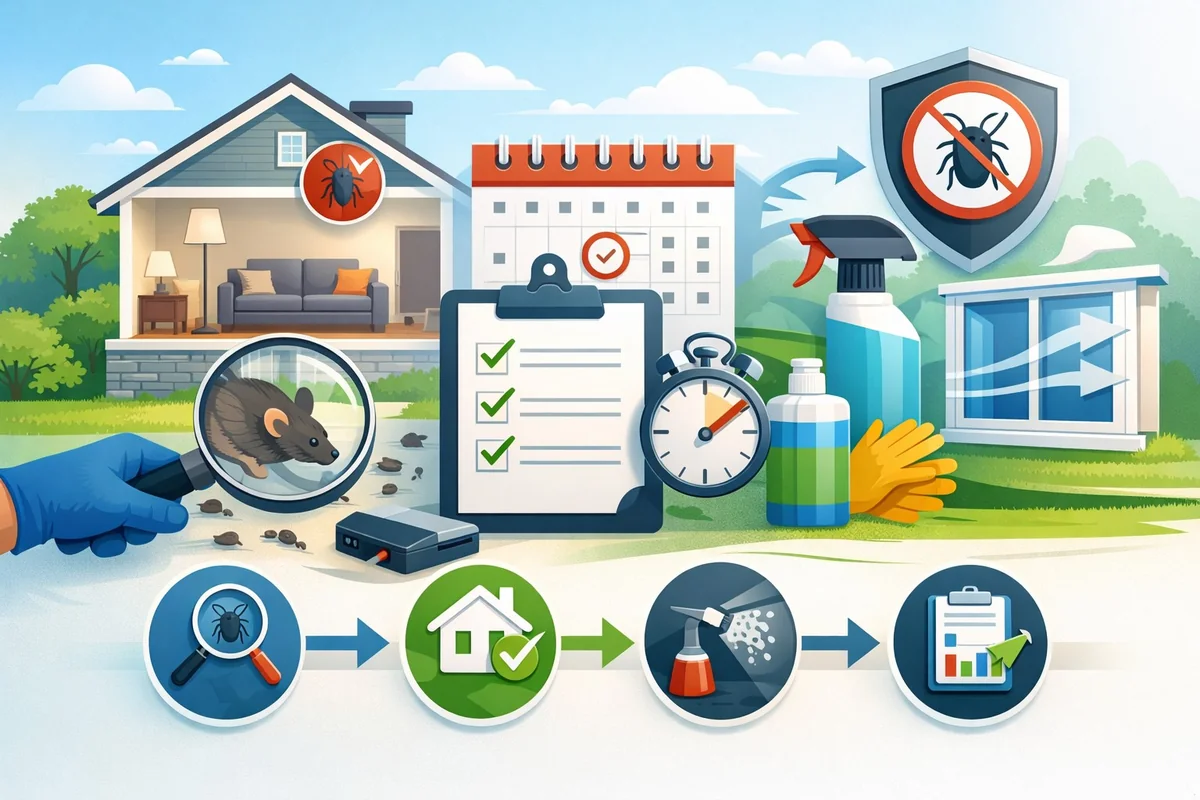
What to Do After Professional Pest Treatments: Post-Treatment Steps for a Pest-Free Home
Learn exactly what to do after professional pest treatment. Get step-by-step post-treatment care tips, safety advice, cleaning dos and don’ts, and how to prevent re-infestation for a pest-free home in 2026.
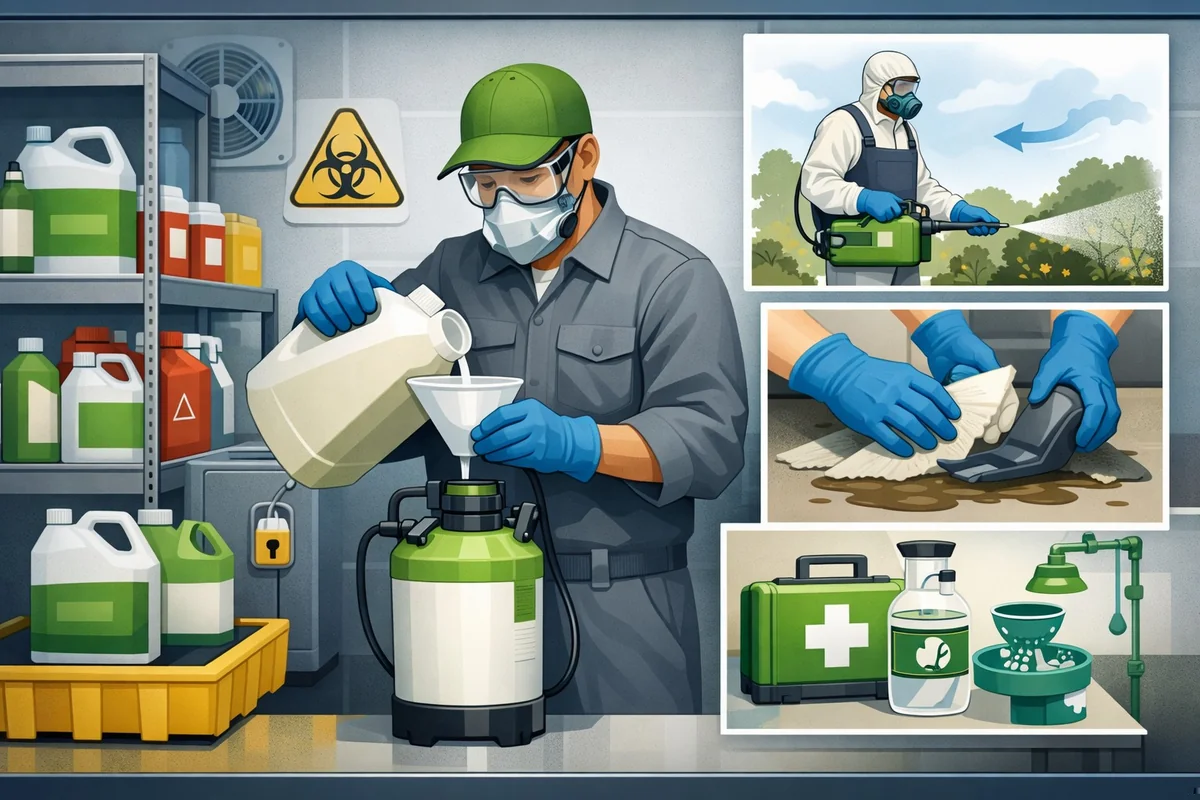
How to Store and Handle Pest Control Chemicals Safely (2026 Guide)
Learn how to store pest chemicals safely and handle pest control chemicals at home. Get practical chemical safety tips, step-by-step instructions, and answers to common questions for safe DIY pest removal in 2026.
What to Do After Professional Pest Treatments: Post-Treatment Steps for a Pest-Free Home
Learn exactly what to do after professional pest treatment. Get step-by-step post-treatment care tips, safety advice, cleaning dos and don’ts, and how to prevent re-infestation for a pest-free home in 2026.
How to Store and Handle Pest Control Chemicals Safely (2026 Guide)
Learn how to store pest chemicals safely and handle pest control chemicals at home. Get practical chemical safety tips, step-by-step instructions, and answers to common questions for safe DIY pest removal in 2026.