How to Store and Handle Pest Control Chemicals Safely (2026 Guide)
Learn how to store pest chemicals safely and handle pest control chemicals at home. Get practical chemical safety tips, step-by-step instructions, and answers to common questions for safe DIY pest removal in 2026.
To store and handle pest control chemicals safely, always keep them in their original containers, use proper personal protective equipment (PPE), and store them out of reach of children and pets in a cool, dry, locked area. Follow label instructions precisely and dispose of leftovers according to local hazardous waste rules. Takes 15–30 minutes to set up safe storage.
Why Safe Chemical Storage Matters
Most DIY pest control failures come down to one thing: not taking chemical safety seriously. Storing pest control products incorrectly can turn a minor bug problem into a major health risk for your family, your pets, and your home.
Risks of Improper Storage
Improper chemical storage is a leading cause of accidental poisonings in homes. Children and pets are especially vulnerable, as even a small amount of spilled or accessible pesticide can cause serious harm. Leaking containers can contaminate floors, shelves, and air - creating lingering hazards long after the initial spill.
Mixing the wrong chemicals by accident - say, an old spray bottle refilled with a new product - can result in dangerous reactions. Some combinations release toxic fumes or even ignite. These aren’t rare lab accidents; they happen in garages and under kitchen sinks every year.
Legal and Insurance Implications
Many states and localities require households to store hazardous chemicals, including pesticides, according to specific guidelines. Failing to do so could mean fines or legal headaches if an accident occurs. Insurance companies often deny claims for chemical-related damage or injury when homeowners ignore basic safety protocols.
Safe chemical storage isn’t just about peace of mind - it’s about protecting your home’s value and keeping everyone inside safe. For a deeper look at household pest safety, see our Pest Control Maintenance & Safety resource.
Choosing the Right Pest Control Chemicals
Not all pest control products are created equal. Understanding what you’re using - and why - makes a huge difference in both safety and effectiveness.
Understanding Labels and Ingredients
Every pest control product label tells a story about its risks and safe use. Active ingredients determine not only what pests it kills, but also how hazardous it is to people and animals. Products labeled with “Caution” are the lowest hazard, “Warning” signals moderate risk, and “Danger” means high toxicity or severe harm on contact.
Some sprays and baits are only meant for indoor use; others are too strong for enclosed spaces and should only be used outdoors. Using a product in the wrong place is a fast track to accidental exposure.
Comparing Chemical vs. Natural Options
Synthetic chemicals like pyrethroids or organophosphates work fast and kill a wide range of pests - but they’re typically more toxic to humans and pets. Natural options such as diatomaceous earth or boric acid are less risky and easier to clean up, especially in homes with children or animals.
The trade-off? Natural products may need to be reapplied more often and often target a narrower range of pests. Still, for many everyday household infestations, the safety margin makes them a solid starting point. For a full breakdown of long-term pest safety and maintenance, check our Complete Guide to Pest Control Maintenance.
Where and How to Store Pest Chemicals Safely
Storing pest chemicals safely means thinking like a safety inspector, not just a homeowner. A little effort upfront prevents costly and dangerous mistakes later on.
Ideal Storage Locations
The best spot for pest control chemicals is a locked cabinet or a high shelf that’s well away from food, dishes, and pet supplies. Keep chemicals in a cool, dry area - think a utility closet, not a garage that heats up in summer or a bathroom that gets steamy.
Never store chemicals near stoves, furnaces, or any open flames. Some products, especially aerosols and certain concentrates, are flammable even at room temperature. High humidity and temperature swings can degrade containers and make leaks more likely.
Original Containers vs. Secondary Storage
Always keep chemicals in their original containers with intact labels. These containers are designed to prevent leaks and provide instructions in case of accidental exposure. Transferring chemicals to another bottle increases the chance of spills and confusion over what’s inside.
If you must use a secondary container - say, for a diluted solution - make sure it’s chemical-resistant and clearly labeled with the product name, dilution date, and safety warnings. Never use food or drink containers for pesticides, even temporarily.
Dealing with Leftover or Expired Chemicals
Expired chemicals can lose potency or become unstable. Storing old or half-used products increases your risk of accidental exposure or dangerous chemical reactions. Always follow local hazardous waste guidelines for disposal - never pour leftovers down the drain or toss them in regular trash.
Some municipalities offer free hazardous waste collection days. Take advantage. It’s safer, and you avoid legal trouble for improper disposal.
Personal Protective Equipment for Safe Handling
Handling pest control chemicals safely starts with the right personal protective equipment (PPE). Cutting corners here is the fastest way to end up with rashes, burns, or worse.
Essential PPE for Home Use
- Gloves: Nitrile or chemical-resistant gloves protect your skin from splashes and chemical absorption. Latex gloves aren’t enough for most pesticides.
- Eye protection: Safety glasses or goggles are a must when pouring, mixing, or spraying - especially with concentrates.
- Respirators/masks: Use a mask rated for chemical vapors (not just dust) when applying powders or sprays indoors or in poorly ventilated areas.
When to Use Extra Protection
Mixing concentrates, working with large volumes, or using highly toxic chemicals calls for stricter PPE. Some products list required gear right on the label - never ignore these warnings.
Home-use products sometimes need less PPE than professional-grade concentrates, but don’t assume “home use” means “safe to touch.” When in doubt, gear up.
Step-by-Step: Handling and Applying Pest Chemicals Safely
Getting results without harming yourself or your home is all about following the process. Here’s how the pros do it - and how you can too.
Step-by-Step Guide
Learn how to store and handle pest control chemicals safely with this concise, expert-backed guide. Follow each step to minimize health risks and comply with modern safety standards.
Total Time
40 minutes
Difficulty
Beginner
Choose a Proper Storage Location
Select a cool, dry, and well-ventilated area specifically for storing pest control chemicals. The storage site should be locked, away from children, pets, and food items. Proper location prevents accidental exposure and maintains chemical stability.
Pro Tips:
- Place chemicals on high shelves or in locked cabinets.
- Store away from direct sunlight and heat sources.
- Designate a separate area for all hazardous substances.
Important Warnings:
- Never store chemicals near food, animal feed, or drinking water.
- Improper storage may lead to leaks, spills, or dangerous fumes.
Required Tools:
- Lockable storage cabinet
- Shelving (metal or heavy-duty plastic)
Label and Organize All Chemicals
Check every container and ensure labels are legible and intact. Arrange products with the label facing outward and group by type or hazard class. Clear labeling helps prevent accidental misuse and speeds emergency response.
Pro Tips:
- Use waterproof markers to rewrite faded labels.
- Keep an updated inventory sheet nearby.
- Store oldest products in front for first use.
Important Warnings:
- Never use unmarked or mystery containers.
- Mixing unlabeled chemicals can cause hazardous reactions.
Required Tools:
- Permanent marker
- Label stickers
- Inventory log sheet
Wear Protective Equipment When Handling
Put on chemical-resistant gloves, safety goggles, and a long-sleeved shirt before handling any pest control chemical. This reduces the risk of skin or eye contact with hazardous substances as recommended by current industry standards.
Pro Tips:
- Check gloves for holes before each use.
- Use disposable nitrile gloves for best chemical resistance.
- Launder clothing worn during handling separately.
Important Warnings:
- Never handle chemicals with bare hands.
- Replace protective equipment immediately if contaminated.
Required Tools:
- Chemical-resistant gloves (nitrile or neoprene)
- Safety goggles
- Long-sleeved shirt
Measure and Mix Chemicals Safely
Measure chemicals using dedicated, labeled measuring tools in a well-ventilated area. Follow label instructions precisely and never mix different products unless explicitly allowed. Accurate measuring reduces accidental overdosing and minimizes risk.
Pro Tips:
- Use separate containers for each chemical to avoid cross-contamination.
- Clean measuring tools thoroughly after each use.
- Prepare only the amount needed for immediate applications.
Important Warnings:
- Never use kitchen utensils for measuring chemicals.
- Mixing incompatible chemicals can release toxic fumes.
Required Tools:
- Dedicated chemical measuring cup
- Mixing container (labeled)
- Stirring stick
Dispose of Chemicals and Containers Responsibly
Follow local hazardous waste guidelines to dispose of unused chemicals and empty containers. Triple-rinse plastic containers and puncture them before disposal if instructed by the product label. Proper disposal prevents environmental contamination and legal issues.
Pro Tips:
- Contact your local waste authority for collection days.
- Store empty containers until proper disposal is available.
- Keep disposal records for regulatory compliance.
Important Warnings:
- Never pour leftover chemicals down drains or into the soil.
- Illegal disposal can result in fines and environmental harm.
Required Tools:
- Triple-rinse kit or hose
- Heavy-duty trash bags
- Local disposal regulations (printed or digital)
Preparing Chemicals for Use
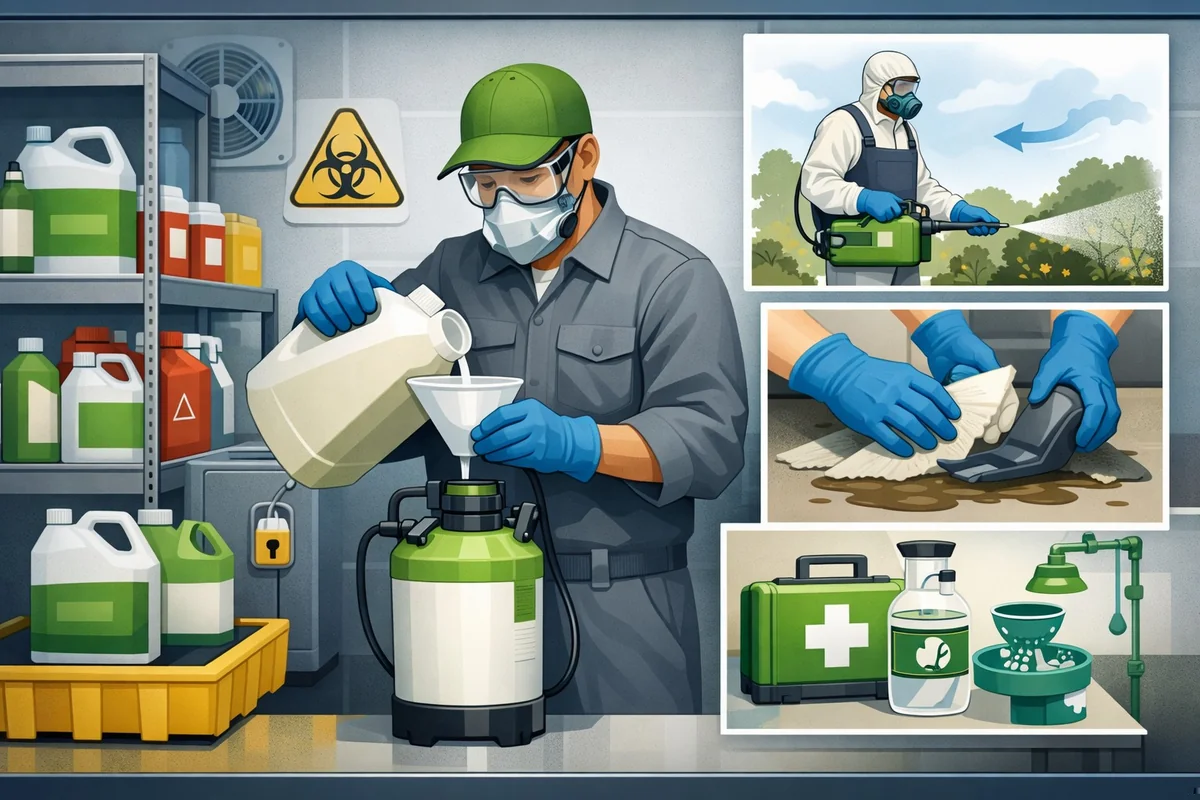
Always read the label - every word - before you even open the container. Prepare chemicals in a well-ventilated area; a garage with the door open or a breezy porch is ideal. Use measuring cups or spoons dedicated to pest control, not your kitchen set.
Safe Application Practices
- Target only the areas that need treatment. Over-spraying wastes product and increases exposure risk.
- Keep children, pets, and food away from treated surfaces until the label says it’s safe - usually after it dries, but sometimes hours longer.
- Clean up any spills right away using absorbent pads or paper towels. For oil-based products, don’t use water; it can spread the chemical or make it harder to contain.
Post-Application Cleanup
Wash your hands and any exposed skin thoroughly as soon as you’re done. Store leftover product securely and immediately - don’t leave containers open or unattended. Dispose of gloves, brushes, or other application tools as instructed by the label or your local hazardous waste rules.
Common Mistakes and How to Avoid Them
Even careful homeowners slip up. Knowing the most common mistakes helps you avoid expensive or dangerous missteps when you store or handle pest control chemicals.
Mixing Incompatible Chemicals
Mixing chemicals that shouldn’t be combined can create toxic gases or even start a fire. Bleach and ammonia are the classic disaster combination, but even two brands of the same type of pesticide can react unpredictably if their formulas differ. Always check manufacturer guidance or compatibility charts before mixing anything.
Ignoring Expiry Dates and Labels
Expired chemicals won’t just stop working - they can break down into more hazardous compounds. Skipping label directions is the leading cause of accidental poisoning. Some chemicals require special disposal after expiration; never ignore these instructions.
Improper Disposal Methods
Pesticides poured down the drain contaminate water supplies and can land you in legal trouble. Throwing containers in the trash risks exposure to sanitation workers. Use municipal hazardous waste collection whenever possible - it’s safer for everyone.
Chemical Safety Tips for Homes with Kids or Pets
Kids and pets are naturally curious, so extra precautions are non-negotiable. Safe storage and smart application habits are your best defense.
Childproofing Chemical Storage
- Use lockable cabinets or boxes with child-resistant latches. Don’t rely on “out of sight, out of mind.”
- Store chemicals above a child’s shoulder height - ideally on a high shelf that’s hard to climb to.
- Teach children what chemical containers look like and that they’re off-limits, even if you think they “know better.”
Pet-Safe Practices
- Keep pets out of any area you’ve treated until the re-entry period listed on the label - sometimes longer if your pet is prone to licking floors or surfaces.
- Look for products labeled “pet safe” or with low animal toxicity, especially for indoor use.
- Clean up spills immediately; dogs and cats will lick or walk through residues before you notice.
What to Do in Case of Chemical Exposure or Spill
Accidents happen - even to pros. Fast, correct action can reduce harm and speed up recovery.
Immediate First Aid Steps
- Remove contaminated clothing right away.
- Rinse skin or eyes with running water for at least 15 minutes.
- If you inhaled fumes, get to fresh air immediately and call for medical help if you feel unwell.
- Have the product label or container ready when calling poison control or emergency services - it saves time and can be life-saving.
Cleaning Up Spills Safely
Contain spills using absorbent materials like paper towels, cat litter, or commercial spill kits. Never let spills reach drains, soil, or areas pets might access. Always wear disposable gloves and avoid direct contact; treat cleanup materials as hazardous waste for disposal.
Frequently Asked Questions About Chemical Safety
❓ Frequently Asked Questions
What is the safest way to store pest control chemicals at home?
What is the safest way to store pest control chemicals at home?
The safest way to store pest control chemicals is in their original containers, tightly sealed, and clearly labeled. Keep them locked in a cool, dry, well-ventilated area out of reach of children and pets. Industry standards recommend storing chemicals at least 4 feet off the ground and away from food or water sources.
How do I safely handle pest control chemicals?
How do I safely handle pest control chemicals?
To safely handle pest control chemicals:
- Always read and follow the manufacturer’s label instructions before use
- Wear appropriate personal protective equipment (PPE) such as gloves, goggles, and long sleeves
- Mix and measure chemicals in a well-ventilated area
- Avoid eating, drinking, or smoking while handling
- Wash hands thoroughly after use
A dedicated chemical-resistant apron provides extra protection when mixing concentrates.
What should I look for when choosing pest control storage containers?
What should I look for when choosing pest control storage containers?
When choosing pest control storage containers, check for:
- Chemical-resistant materials: prevents leaks and degradation
- Tight-fitting, child-resistant lids: reduces spill risk
- Clear labeling: ensures proper identification
- Lockable design: limits unauthorized access
Always select containers designed for hazardous substances to meet safety guidelines.
How often should I inspect my pest control chemical storage area?
How often should I inspect my pest control chemical storage area?
You should inspect your pest control chemical storage area at least once a month. Look for leaks, damaged containers, and expired products. Promptly clean up spills and dispose of unusable chemicals according to local regulations. Regular inspections help prevent accidental exposure and environmental contamination.
What is the difference between ready-to-use pest control products and concentrates?
What is the difference between ready-to-use pest control products and concentrates?
Ready-to-use pest control products come pre-mixed for direct application, making them convenient for small jobs. Concentrates require dilution and precise measuring before use, offering cost savings for larger areas. However, concentrates increase risk of improper mixing or spills, so they are best for experienced users following safety guidelines.
Why do I need to keep pest control chemicals away from sunlight and heat?
Why do I need to keep pest control chemicals away from sunlight and heat?
Pest control chemicals should be kept away from sunlight and heat because high temperatures can cause chemical breakdown, reduced effectiveness, or increased volatility. This may lead to dangerous fumes or accidental leaks. Storing chemicals in a cool, shaded area preserves their potency and decreases safety risks.
How do I dispose of expired or unused pest control chemicals?
How do I dispose of expired or unused pest control chemicals?
To properly dispose of expired or unused pest control chemicals:
- Check local hazardous waste disposal guidelines
- Never pour chemicals down the drain or in regular trash
- Take them to an authorized hazardous waste facility or collection event
- Keep chemicals in original containers for safe transport
- Clearly label containers if instructions are missing
Proper disposal prevents environmental harm and legal issues.
Key Takeaways for Safe Pest Chemical Use
Safe pest control at home is absolutely doable - but only if you respect the chemicals you’re using. Always read and follow the label, store chemicals in their original containers, and use PPE every single time you handle or apply them.
If you’re facing a major infestation or aren’t sure about a particular product or disposal method, don’t risk it - professional help or advice from your local hazardous waste authority is the only safe answer. And if anyone in your home experiences symptoms after chemical use, seek medical attention immediately.
Staying on top of these safety basics protects your health, your family, and your peace of mind. Take a few minutes now to review your chemical storage; you’ll thank yourself later.
Related Articles
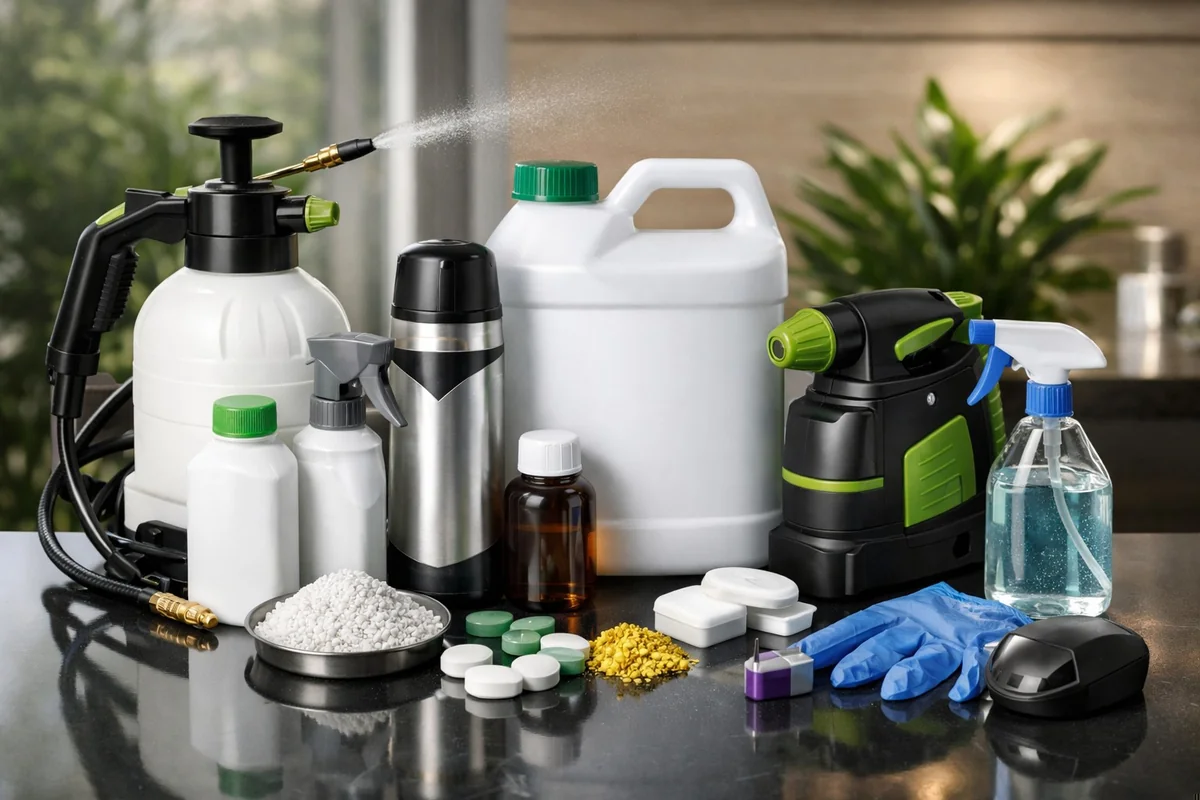
Best Chemical Pesticides for Home Use 2026: Safe, Effective, and Affordable Options
Discover the best chemical pesticides for home use in 2026. Compare top-rated baits, sprays, gels, and natural options for ants, roaches, fleas, and more. Find safe, effective, and budget-friendly pest control solutions for every room.
![Best Protective Gear for Pest Control 2026 [Expert Reviews]](https://pestproreviews.com/images/hero/hero_best_protective_gear_for_pest_control_2026_expert.webp)
Best Protective Gear for Pest Control 2026 [Expert Reviews]
Protect yourself during DIY pest control in 2026 with our expert-reviewed guide to the best protective gear. Compare top-rated respirators, gloves, coveralls, and more for safe, effective pest removal at home.
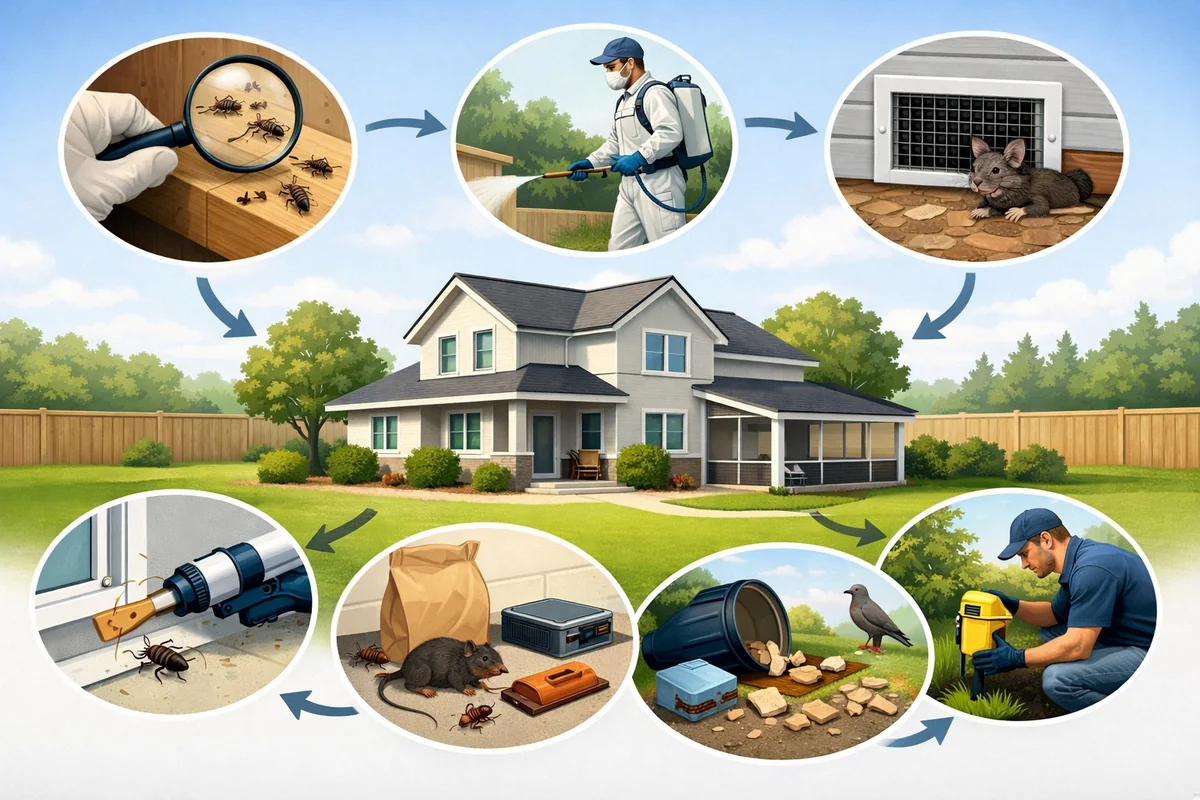
Complete Guide to Pest Control Maintenance: Upkeep Tips & Ongoing Management 2026
Learn how to keep your home pest-free with our complete pest control maintenance guide. Discover expert pest upkeep tips, safe DIY solutions, and step-by-step ongoing pest management strategies for 2026.
Best Pest Control Sprayers and Foggers 2026: Reviews & Buying Guide
Looking for the best pest control sprayers and foggers in 2026? Compare top-rated products, see real user reviews, and learn how to choose the right tool for your home pest problem - without hiring an exterminator.