Guide to Hiring a Professional Pest Control Service: What to Know in 2026
Learn when and how to hire a professional pest control service, what to look for in a company, and how to compare options for safe, effective pest removal in 2026. Includes step-by-step preparation, contract tips, and FAQs.
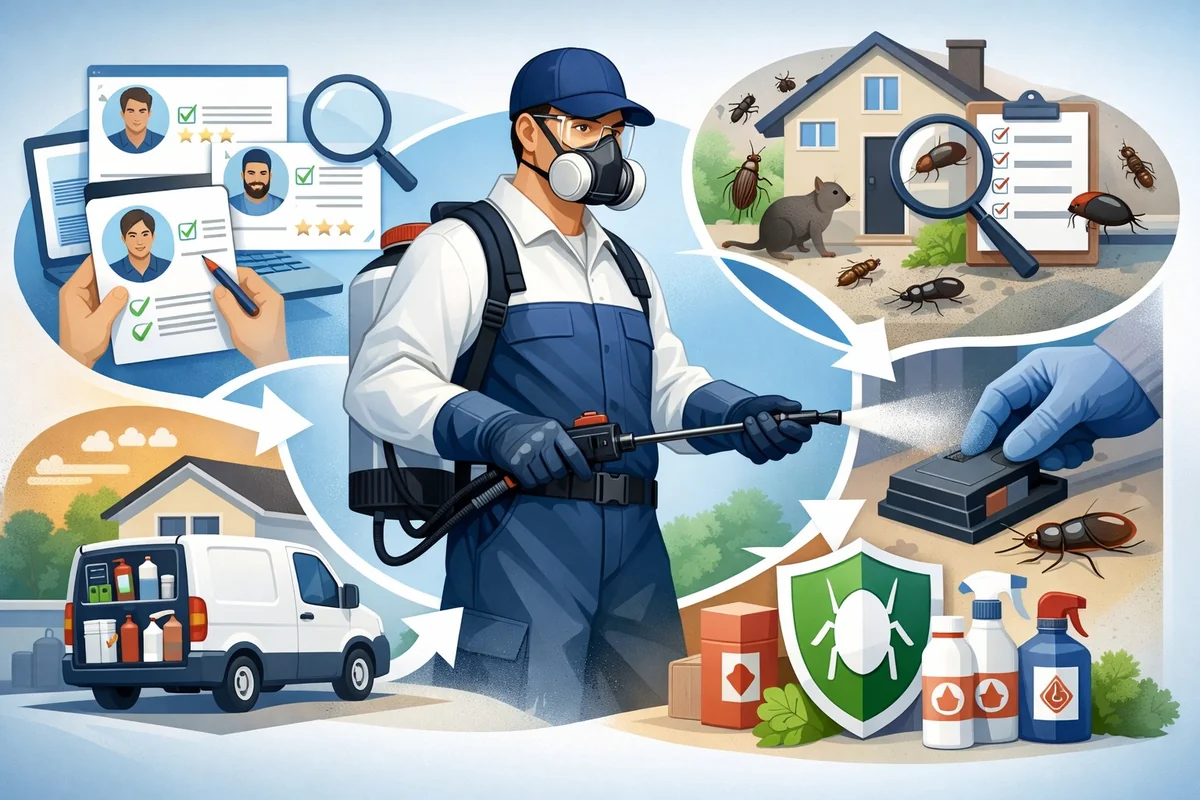
Hiring a professional pest control service means trusting licensed experts to identify, treat, and prevent pest infestations using safe, regulated methods. This guide explains when to choose professional help, what to expect, and how to pick the right company for reliable pest removal in 2026.
Understanding Professional Pest Control Services
If you've tried DIY products and still see pests, it's natural to wonder what makes a professional service different. True professional pest control goes far beyond what you can buy at the hardware store. It combines regulated expertise, commercial-grade solutions, and legal protections that DIY just can't match.
What Makes a Service 'Professional'?
Professional pest control companies must meet strict state and local licensing requirements. This guarantees that their technicians are trained to handle regulated chemicals and understand local pest biology.
They use commercial-grade products, which have higher concentrations and longer residual action than over-the-counter sprays or baits. Many also follow Integrated Pest Management (IPM), blending targeted chemical use with physical and biological controls for safer, longer-lasting outcomes.
Insurance is another key factor. If an accident happens - say a chemical spill or property damage - you're protected. That peace of mind is rarely available with uninsured “side-job” operators or DIY efforts. For more on regulatory standards and how to verify credentials, see How to Choose a Licensed Pest Control Company.
Common Types of Pest Control Services
- General pest control covers common invaders like ants, roaches, silverfish, spiders, and fleas. Most companies offer this as a baseline service.
- Specialized services target higher-risk pests. Termite treatments, for example, require soil injections or baiting. Bed bug eradication often involves multi-stage heat or chemical processes. Rodent and wildlife removal can mean exclusion work, trapping, and sanitation.
- Ongoing maintenance plans are popular for properties with recurring issues. These offer quarterly or monthly checks, targeted reapplications, and prevention advice. Some companies also offer one-time treatments for acute infestations, but these may not guarantee long-term results.
Understanding the difference matters, since the wrong service can waste money and leave you with a recurring problem. For a broader look at pest prevention and maintenance strategies, check out Pest Control Tips and Guides: Maintenance, Prevention, and Safety.
When to Hire a Pest Control Service vs DIY
Not every pest problem justifies calling in the pros. But some situations demand more than store-bought traps or sprays. Knowing when to switch from DIY to professional pest removal can save you time, money, and stress.
Signs a Problem Is Beyond DIY Solutions
- Recurring infestations after multiple DIY attempts usually mean hidden nests or resistant pests. If roaches, ants, or rodents keep coming back, there may be a deeper issue that home remedies can't touch.
- Structural damage - such as mud tubes, hollow wood, or mysterious sagging - often points to termites or carpenter ants. These require specialized assessment tools and treatments that aren't available to homeowners.
- Health risks arise with pests like wasps, rodents, or bed bugs. Rodents transmit disease and can trigger allergies. Bed bugs often go undetected until they're widespread. Venomous pests (spiders, certain ants) are best handled by those with proper safety gear and training.
Risks of Delaying Professional Help
Waiting too long can turn a minor issue into a major headache. Many pests multiply quickly - termites can cause thousands of dollars in damage in just a few months. Bed bug populations double every two weeks.
DIY chemical misuse is a real danger. Overapplying sprays can contaminate food, harm pets, or even cause respiratory issues. Worse, it can drive pests deeper into walls, making them harder to eradicate later.
Some pests, especially termites and bed bugs, become much harder (and more expensive) to remove as colonies grow. Early intervention is nearly always cheaper and more effective.
Cost Comparison: DIY vs Professional Service
- DIY methods are usually budget-friendly upfront. Expect to pay for traps, sprays, or dusts with each attempt. But multiple failed attempts add up, and persistent infestations often require more expensive fixes in the end.
- Professional pest control costs more per visit, but usually targets the root cause. One or two thorough treatments can eliminate a problem that would take months of DIY efforts.
- Consider long-term value. If a professional service stops the infestation in its tracks, you may save money (and sanity) compared to endless DIY cycles. For an in-depth look at these trade-offs, see DIY Pest Control vs Professional Services: Pros and Cons.
How Professional Pest Removal Works
Wondering what actually happens when you hire a pest control company? Professional services follow a structured process that goes far beyond what most people expect. Here’s what you’ll experience step-by-step.
Inspection and Assessment Process
The technician’s first job is detective work. They’ll inspect your property inside and out, looking for signs of pest activity, entry points, and environmental factors that support infestations.
Tools like moisture meters help spot termite-prone areas. UV lights reveal rodent urine trails. Sticky traps and pheromone monitors can pinpoint hidden colonies.
The findings determine what type of pest you’re dealing with, how extensive the problem is, and which treatment methods are appropriate.
A thorough assessment is especially crucial for complex infestations - think bed bugs, termites, or rodents - where missing a hidden nest means the problem keeps coming back.
Treatment Methods Used by Professionals
There’s no single “one-size-fits-all” method. Professionals select from a toolkit that includes:
- Targeted baits tailored to pest species (ants, roaches, rodents)
- Residual sprays or dusts for cracks, crevices, and hiding spots
- Fumigation or heat treatments for whole-structure infestation (rare, but necessary for severe termite or bed bug problems)
- Physical exclusion (sealing entry points, installing barriers) and sanitation recommendations
Most companies now use Integrated Pest Management (IPM), combining chemical, physical, and biological controls for safer, long-term results. This approach minimizes unnecessary pesticide use and focuses on prevention as much as elimination.
Some treatments, like whole-house fumigation, require all occupants (including pets) to leave for a set period. Others, such as gel baits or perimeter sprays, are low-risk and may allow immediate re-entry.
Follow-Up and Monitoring
Professional pest control rarely ends with a single visit. Most companies build in follow-up checks to verify results and catch any rebound infestations early.
Technicians may place sticky traps or pheromone lures to monitor pest activity over time. In high-risk homes (older buildings, multi-family units, properties near woods or water), ongoing maintenance plans are often recommended.
Good follow-up is what separates quick fixes from real solutions. If a company doesn’t offer this, it’s a red flag.
| Method | ★Difficulty Level | ★Time Required | Cost Range | Skill Level Needed | Coverage Area | ★Best For | Effectiveness |
|---|---|---|---|---|---|---|---|
| Chemical Treatment | Medium | 2-3 hours per visit | Moderate | Trained operator recommended | Up to 2,000 sq ft per treatment | Severe infestations needing fast results | High |
| Heat Treatment | Hard | 6-8 hours per session | Premium | Professional expertise required | Up to 1,200 sq ft per treatment | Bed bugs and pests resistant to chemicals | Very High |
| Integrated Pest Management (IPM) | Medium | Ongoing (initial 2-4 hours, plus follow-up) | Moderate | Basic to intermediate (with guidance) | Flexible—scalable for homes or commercial spaces | Long-term prevention and environmentally sensitive areas | Above Average |
| Physical Trapping & Barriers | Easy | 1-2 hours for setup, regular checks needed | Budget-friendly | Beginner (DIY-friendly) | Best for targeted spots (<500 sq ft) | Small infestations and rodent control | Moderate |
| Organic/Biological Control | Medium | 2-4 hours initial, ongoing monitoring | Moderate | Intermediate (knowledge of pest habits) | Varies—effective for gardens and select indoor uses | Eco-conscious users and sensitive environments | Good |
What to Look for in a Pest Control Company
Not all pest control companies deliver the same results. Choosing the right provider means looking beyond flashy ads or low prices. Here’s what really matters when you hire a pest control service.
Licensing, Certification, and Insurance
Always confirm that the company is licensed to operate in your state. Licensing ensures technicians are trained, chemicals are handled safely, and you have recourse if things go wrong.
Certification through groups like the National Pest Management Association (NPMA) or QualityPro signals ongoing education and best practices. Some states require additional local permits, especially for termite or wildlife work.
Insurance protects you if a technician damages your property or if there’s an injury on-site. Never hire a company that can’t provide proof of insurance on request.
Reputation and Customer Reviews
Don’t just take a company’s word - look for patterns in verified reviews. Google, Yelp, and the Better Business Bureau (BBB) are good places to start. Consistent complaints about missed appointments, poor communication, or ineffective treatments should be taken seriously.
Positive signs include awards, industry recognition, and detailed customer testimonials (not just generic praise). Even the best companies have occasional negative reviews, but how they resolve complaints reveals a lot about their commitment to customers.
Service Guarantees and Warranties
Written guarantees are standard for reputable services. Look for specifics - does the company offer free re-treatments if pests return within 30 or 90 days?
Some warranties exclude certain pests or don’t cover structural repairs. Make sure you understand what’s included and what voids the guarantee (for example, skipping prep steps or bringing in outside treatments).
Clear warranty terms reduce the chance of disputes and give you leverage if the problem isn’t solved the first time.
Comparing Pest Control Methods: Professional vs DIY
People often wonder: is professional pest removal really more effective than DIY? In most cases, yes - but the reasons why go beyond just stronger chemicals. Here’s how the two approaches stack up.
Effectiveness and Speed of Results
Professionals use products and techniques that can’t be legally sold to the public. These solutions offer faster knockdown and longer-lasting effects - sometimes keeping pests away for months with a single application.
DIY sprays, traps, or baits can work for minor issues, but they rarely solve deeper or recurring infestations. For pests like termites or bed bugs, professional methods are often the only way to truly eliminate the colony.
Professionals are also trained to spot entry points and hidden nests - something most homeowners miss.
Safety Considerations
Proper chemical handling is critical. Professionals know how to minimize risks to people, pets, and the environment. They’ll use targeted applications, avoid overuse, and provide clear re-entry instructions.
DIY misuse is a common source of accidental poisoning, especially where kids or pets are present. In rare cases, certain professional treatments (like whole-house fumigation) require evacuation for safety.
Always read labels, follow instructions, and ask questions about product safety - regardless of who’s applying it.
Cost and Convenience Trade-Offs
DIY seems cheaper at first, but multiple failed attempts can make it just as expensive (if not more so) than hiring a pro. Plus, repeated treatments mean ongoing disruption and stress.
Professional services cost more up front but usually resolve the issue faster and require less effort on your part. The trade-off is scheduling and preparing for visits, which can be inconvenient for busy households.
Ultimately, the cost of doing nothing - or doing it wrong - can far outweigh the price of hiring a reputable service.
Questions to Ask Before Hiring a Pest Control Service
Before you sign any contract, make sure you’re getting answers to the questions that matter. Asking the right things up front prevents misunderstandings, hidden fees, and disappointing results.
Treatment Plans and Pest Identification
- How will the technician confirm what type of pest you have? Proper identification is critical for effective treatment.
- Ask for a written plan that lists all chemicals, methods, and expected outcomes. This helps you compare services and understand what’s being done.
- Does the plan address the root cause (entry points, food sources), or just kill visible pests? The former is always better for long-term control.
Safety and Preparation Requirements
- Will you need to leave your home during treatment? If so, for how long?
- Are the products safe for children, pets, or people with allergies? Request product safety data sheets if you have concerns.
- Get written prep instructions. Not following them can void warranties or lead to poor results.
Pricing, Guarantees, and Contracts
- Insist on a detailed written quote that includes all fees (travel, after-hours, equipment surcharges) and follow-up visits.
- How long does the guarantee or warranty last? What does it actually cover?
- What’s the contract length? Can you cancel if you’re not satisfied, and is there a refund policy?
For more tips on what to expect and how to vet providers, see our archive of Professional Pest Control Advice.
How to Prepare Your Home for Professional Treatment
Getting your home ready for a professional pest control visit is more than just tidying up. Proper prep not only keeps your belongings safe but also helps the treatment work better. Here’s what to do before, during, and after the service call.
Cleaning and Decluttering Tips
- Remove food, pet dishes, and clutter from floors and countertops. This gives technicians access to baseboards, behind appliances, and other likely pest hotspots.
- Vacuum floors and upholstered furniture before treatment. This reduces competing scents and helps chemicals adhere better to surfaces.
- Store valuables, clothes, and electronics away from areas to be treated. Cover or seal items to prevent contamination.
Protecting Pets, Children, and Sensitive Items
- Take pets (including aquariums) out of treated rooms or cover tanks tightly. Remove pet bedding and toys.
- Pick up children’s toys and bedding. Warn technicians about any allergies or sensitivities in your household.
- Special surfaces (like marble, granite, or electronics) may need extra precautions. Ask for specific instructions if you have concerns.
Aftercare Steps and Re-Entry Guidelines
- Wait the recommended period before re-entering treated spaces. This is usually 2-4 hours but can vary by treatment type.
- Ventilate rooms as instructed - open windows and run fans if needed to clear residual fumes.
- Don’t clean treated surfaces for the period specified by the technician. Early cleaning can remove active ingredients and reduce effectiveness.
- Monitor for pest activity and keep a log. This helps with follow-up visits if needed.
Understanding Contracts, Pricing, and Service Guarantees
Reading pest control contracts can feel overwhelming, but it’s crucial to know what you’re agreeing to. Here’s how to decode the fine print and avoid common pitfalls when you hire a pest control service.
Types of Service Contracts
- One-time treatments are designed for sudden infestations. These may be cheaper up front but usually don’t include ongoing monitoring or prevention.
- Ongoing contracts - monthly, quarterly, or annual - offer preventive care and regular inspections. These are best for properties with a history of pest problems or in high-risk areas.
- Bundled services (e.g., termite + general pest) can provide significant cost savings if you need multiple types of treatment.
Typical Pricing Structures
- Some companies offer flat-rate pricing, while others charge by square footage or infestation type. Always ask what’s included up front.
- The initial visit often costs more due to inspection and setup, with lower rates for follow-ups. Watch for hidden fees, such as travel, after-hours, or equipment surcharges.
- Don’t be afraid to compare quotes - but remember, the lowest price can mean less thorough service. Value matters more than just cost.
What Service Guarantees Really Cover
- Guarantees may only apply to certain pests or require you to follow prep and aftercare instructions. Read the fine print - some contracts exclude structural repairs or damage caused by pests.
- If pests return within the guarantee window, most companies will come back for free re-treatment. Document any recurring issues with photos or logs to support your claim.
- Ask about the process for requesting a re-treatment. Is there a deadline to notify them? What steps are required on your end?
How to Evaluate and Compare Pest Control Companies
With so many options, comparing pest control companies can get confusing fast. Here’s how to narrow your list and make an informed, confident choice.
Online Research and Reputation Checks
Start with well-known review platforms - Google, BBB, and Angi. Look for recent complaints about missed appointments, billing issues, or ineffective treatments. Dig into how companies respond to negative feedback, not just their overall scores.
Pay special attention to companies with deep local experience. Knowledge of regional pests and building types often translates into better results.
In-Person Estimates and Inspections
A good company will send a technician to inspect your property before giving a final quote. Beware of anyone pushing contracts over the phone, sight unseen.
During the estimate, judge professionalism: Are they on time? Do they answer your questions thoroughly? Do they explain their findings in plain language?
You’re not just buying a treatment - you’re hiring someone to protect your home. Trust matters.
Comparing Value vs Price
- The lowest quote isn’t always the best deal. Less expensive services may offer weaker guarantees, skip important steps, or use lower-quality products.
- Weigh satisfaction guarantees, follow-up visits, and included services against the upfront cost. Sometimes paying a bit more means fewer headaches down the road.
- Transparency, responsiveness, and reputation are just as important as price.
| Criteria | DIY Pest Control | Professional Service |
|---|---|---|
| Best For | Minor, isolated issues | Recurring, severe, or hidden infestations |
| Speed | Slower (multiple attempts may be needed) | Faster (often resolved in 1-2 visits) |
| Difficulty | Easy for small jobs, hard for complex pests | Handled by trained experts |
| Upfront Cost | Low to moderate | Moderate to high |
| Long-Term Cost | Can add up if problem persists | Usually lower if problem is solved quickly |
| Warranty | None | Often includes service guarantee |
| Safety | Risk of chemical misuse | Safer application, regulated products |
What to Expect During and After Treatment
If you’ve never hired a pest control service, the process can feel mysterious. Here’s a transparent look at what will happen before, during, and after treatment - so you know exactly what to expect.
Treatment Day: What Happens Step-by-Step
- The technician will review the treatment plan, answer your questions, and confirm you’ve completed any prep steps.
- They’ll apply products to indoor and outdoor problem areas, attics, basements, or crawl spaces as needed.
- After treatment, you’ll receive re-entry instructions - typically 2-4 hours for most applications - and safety guidelines for pets and children.
Immediate and Delayed Results
- Some pests die within hours, but others (like roaches or bed bugs) may take days or weeks to fully eradicate. Don’t be surprised if you see more pests immediately after treatment - this is common as they’re flushed from hiding spots.
- Keep monitoring and reporting activity to your provider. For stubborn infestations, follow-up visits may be necessary.
Dealing with Recurring or Persistent Infestations
- Document pest sightings (dates, locations, photos) and share this with your technician. This helps them adjust the treatment plan if needed.
- Some infestations require multiple approaches. If the problem persists, your service guarantee may cover additional treatments - just make sure you’ve followed all prep and aftercare instructions.
Frequently Asked Questions About Hiring Pest Control
❓ Frequently Asked Questions
What is professional pest control service?
What is professional pest control service?
A professional pest control service is a licensed company that identifies, manages, and eliminates pests using regulated treatments and integrated pest management techniques. These services help protect health and property by targeting infestations with proven methods. For example, certified technicians may use targeted insecticides and exclusion tactics for ants or rodents.
How do I choose the right pest control company?
How do I choose the right pest control company?
When selecting a pest control company, focus on these criteria:
- Licensing and certification: ensures legal compliance and safety
- Experience with your pest issue: proven track record
- Transparent pricing: clear quotes without hidden fees
- Positive user reviews: recent feedback from real customers
Compare at least 2-3 options and verify credentials before hiring.
What is the difference between DIY pest control and professional treatment?
What is the difference between DIY pest control and professional treatment?
DIY pest control uses consumer-grade products for basic infestations, while professional treatment involves trained technicians and commercial solutions for severe or recurring problems. Professionals can identify pest species, apply regulated chemicals safely, and provide long-term prevention. DIY is suitable for minor issues, but complex infestations often require expert intervention.
How often should I schedule professional pest control services?
How often should I schedule professional pest control services?
Most homes benefit from professional pest control every 3–4 months, although frequency depends on local pest pressure, property type, and past issues. High-risk areas or severe infestations may require monthly visits, while some environments need only annual inspections. Regular service helps prevent recurring problems and reduces long-term costs.
What should I expect during a professional pest control visit?
What should I expect during a professional pest control visit?
During a standard pest control visit:
- The technician inspects your property and identifies problem areas
- They recommend a treatment plan and explain safety precautions
- Targeted treatments are applied to affected zones
- The technician provides prevention tips and follow-up advice
Allow access to affected rooms and discuss concerns before treatment.
Are professional pest control treatments safe for children and pets?
Are professional pest control treatments safe for children and pets?
Most modern pest control treatments are designed to be safe when applied by certified professionals following label directions. EPA-registered products and integrated pest management minimize risks. However, temporary relocation of children and pets may be recommended during and immediately after treatment for extra safety. Always follow technician guidance for re-entry times.
How much does professional pest control typically cost in 2026?
How much does professional pest control typically cost in 2026?
As of 2026, average pest control costs range from $120–$250 per visit for standard residential services. Prices vary based on pest type, property size, and treatment complexity. Initial visits or severe infestations may cost more, while routine maintenance plans often offer discounted rates. Request detailed quotes before committing.
Key Takeaways
Professional pest control services bring licensed expertise, commercial-grade solutions, and real safety assurances that DIY simply can't match. Knowing when to hire a pro - and how to pick a reputable company - can save time, money, and protect your health.
If pests keep returning, or if you spot structural damage or health risks, it's time to consult a professional. Prepare your home thoroughly, ask the right questions, and compare contracts before committing to any service.
For more step-by-step strategies and in-depth guidance, see our main resource at Pest Control Tips and Guides: Maintenance, Prevention, and Safety.
Related Articles
How to Choose a Licensed Pest Control Company (2026 Guide)
Learn how to choose a licensed pest control company in 2026. Discover the importance of pest control licensing, how to verify credentials, compare providers, and protect your home with safe, effective pest removal.
DIY Pest Control vs Professional Services: Pros, Cons & Best Options 2026
Compare DIY pest control vs professional services in 2026: discover pros, cons, cost, safety, and product options to choose the best pest removal method for your home.
How to Choose a Licensed Pest Control Company (2026 Guide)
Learn how to choose a licensed pest control company in 2026. Discover the importance of pest control licensing, how to verify credentials, compare providers, and protect your home with safe, effective pest removal.
DIY Pest Control vs Professional Services: Pros, Cons & Best Options 2026
Compare DIY pest control vs professional services in 2026: discover pros, cons, cost, safety, and product options to choose the best pest removal method for your home.