How to Choose a Licensed Pest Control Company (2026 Guide)
Learn how to choose a licensed pest control company in 2026. Discover the importance of pest control licensing, how to verify credentials, compare providers, and protect your home with safe, effective pest removal.
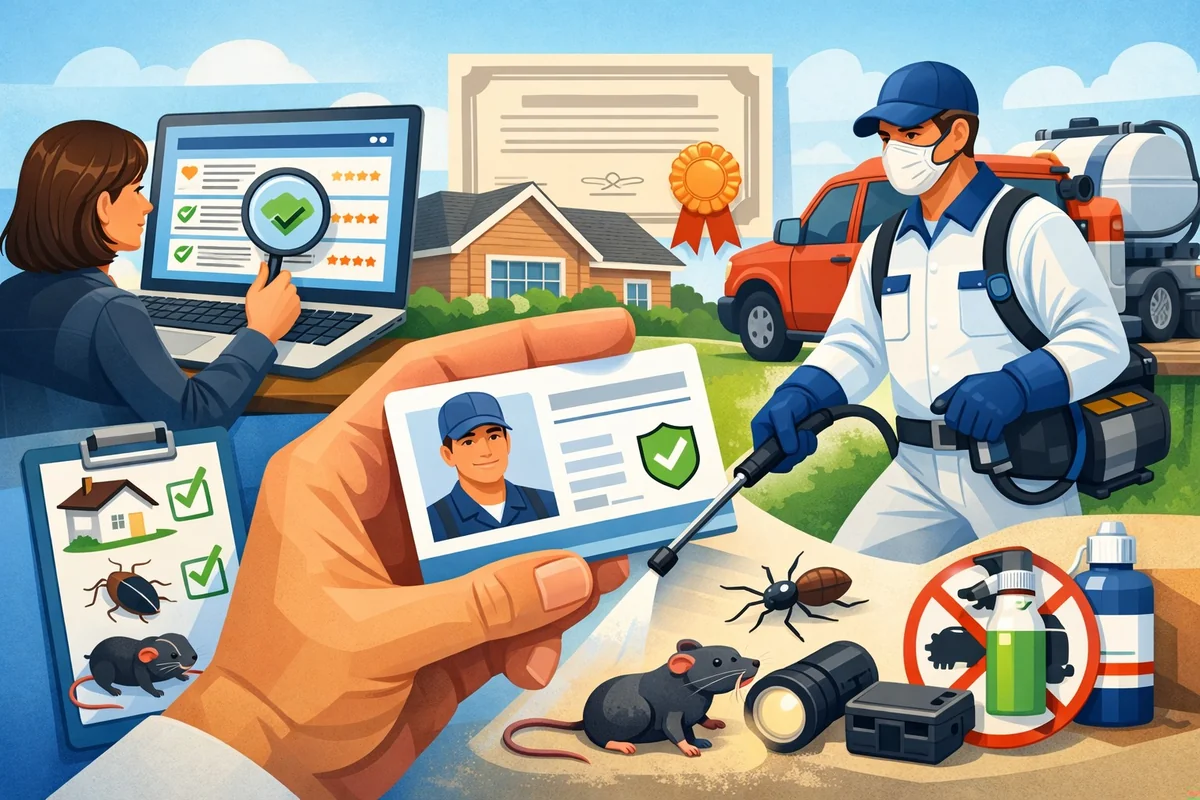
To choose a licensed pest control company, confirm the provider holds a valid state and local license, verify insurance coverage, and review qualifications for safe, legal treatment. This process takes about 30-60 minutes of research. Insisting on proper licensing protects your home, health, and wallet from unqualified or unsafe operators.
Why Licensing Matters for Pest Control
Pest control licensing is more than just a piece of paper - it's your first line of defense against unsafe, illegal, or ineffective treatments. In most states, only licensed companies can legally apply pesticides in homes or businesses. This protects you as a consumer and ensures companies meet strict safety and quality standards.
Licensed pest control providers must follow state and local regulations that cover everything from required training to approved chemicals. These rules exist to shield homeowners from property damage, health risks, and unaccountable businesses.
Legal Requirements and Consumer Protection
Licensing means the company has met minimum requirements for experience, training, and background checks. Homeowners get another layer of protection because licensed providers carry liability insurance - if they damage your property or someone gets hurt, you're not left covering the bill.
Unlicensed operators often skip insurance or use fake credentials. If something goes wrong, you may have little legal recourse: complaints can drag on, and getting compensation is tough.
Health and Environmental Safety Standards
Licensed companies are required to use pesticides as directed by EPA and state agencies. That means safer application, lower risk to your family, and proper disposal of leftovers. Licensed techs also get regular training in safe chemical storage and handling.
Unlicensed “pros” may use banned or black-market pesticides, skip safety steps, or leave behind toxic residues. This is especially dangerous for kids, pets, and anyone with allergies or respiratory issues.
For more on the difference licensing makes - and how to get the most reliable service - see our Guide to Hiring a Professional Pest Control Service.
How to Verify a Pest Control License
Verifying a pest control license is straightforward if you know where to look. Start with your state’s pesticide regulatory agency - most have online lookup tools. You’ll need the company’s license number, which any legitimate provider should give you without hesitation.
Checking State and Local Databases
Most states in the US maintain searchable online lists of licensed pest control operators. Enter the license number or company name to confirm status and see expiration dates. Some cities or counties require extra permits - contact your local health department or code enforcement to check for additional requirements.
Always verify both state and local credentials, especially if you live in a major metro area or a region with extra regulations.
Red Flags in Documentation
Be wary of companies that can’t - or won’t - show you a current license. Fake or expired numbers are common, and paperwork with mismatched company names or addresses is a warning sign. A reputable business will have documentation ready and should answer your questions directly.
If something doesn’t add up, trust your gut and move on to a provider with clear, consistent paperwork.
For more tips on finding reputable professionals, check the Professional Pest Control Advice section of our site.
| Item | ★Difficulty Level | ★Time Required | Cost Range | ★Regulatory Reliability | ★Best For | Limitations |
|---|---|---|---|---|---|---|
| Direct Licensing Verification | Easy | 30-45 minutes | No cost | High | Homeowners wanting to confirm legal credentials directly | May not reveal service quality or reputation |
| Third-Party Certification Check | Medium | 1-2 hours | No cost | Very High | Users seeking companies with industry certifications (e.g., NPMA, QualityPro) | Not all reputable companies hold third-party certifications |
| In-Person Site Assessment | Hard | 2-3 hours (including scheduling) | Often free, but some charge $50-$100 for assessment | Standard approach | Users needing tailored solutions and direct evaluation of company professionalism | More time-consuming; not suitable for urgent needs |
| Online Reviews and Local References | Easy | 1-2 hours | No cost | Variable | Homeowners comparing service satisfaction and reputation | Reviews may be unverified or outdated |
Key Qualifications of a Licensed Pest Company
It’s not enough for a pest control company to simply “have a license.” The best providers meet higher standards for training, certification, and insurance. These qualifications directly impact how safe, effective, and reliable your pest treatment will be.
Training and Certification Standards
Certified pest technicians must pass state exams covering pest biology, pesticide safety, and proper application methods. They’re also required to complete ongoing education for license renewal - keeping them up to date with the latest regulations and treatment techniques.
Unlicensed workers may lack this training, leading to treatments that don’t work or accidentally put your family at risk. If you’re dealing with a tough infestation, ask about the technician’s individual certifications, not just the company’s paperwork.
Insurance and Bonding
Licensed pest companies are usually required to carry liability insurance that covers property damage and personal injury. Bonding is another layer of financial protection - if the company fails to finish the job or causes harm, you have recourse to recover losses.
Uninsured or unbonded companies may walk away from accidents, leaving you stuck with the bill. Always check for both types of coverage, especially for large or high-risk jobs.
Comparing Licensed vs Unlicensed Pest Services
On the surface, unlicensed pest control services might seem like a cheaper, faster solution. But the differences go far beyond price - and the hidden risks can be significant.
Effectiveness and Treatment Guarantees
Licensed companies typically offer written guarantees or re-treatment policies. If pests come back within a set period, they’ll return at no extra charge. These guarantees are only enforceable if the company is properly licensed and insured.
Unlicensed providers might promise great results, but rarely put anything in writing. If the treatment fails - or makes things worse - you’re usually out of luck. Guarantees and follow-up are only as good as the company’s credentials.
Cost Differences and Hidden Risks
Unlicensed pest services often undercut licensed companies on price, but the savings usually come at a cost. Inexperienced or unqualified workers may use too much (or too little) chemical, miss hidden infestations, or damage your property.
The result? You may pay more for repairs, retreatments, or legal headaches. In some cases, using an unlicensed provider can even void your home warranty or violate HOA rules - leaving you responsible for costly fixes.
Essential Questions to Ask Before Hiring
The difference between a safe, effective treatment and a costly mistake often comes down to what you ask up front. Before signing a contract, make sure you get straight answers to the following questions:
License and Insurance Verification
- What is your state license number? Can I see proof of liability insurance?
- Which technician will actually perform the work - and what are their individual certifications?
- What are your insurance coverage limits, especially for large or high-risk jobs?
Treatment Methods and Safety Practices
- Which products and application methods will you use for my pest problem, and why?
- What safety protocols do you follow for homes with children, pets, or sensitive individuals?
- Are non-chemical or integrated pest management (IPM) options available?
Service Guarantees and Follow-up Policies
- Do you offer a written guarantee on pest elimination? What is the timeframe for follow-up visits?
- Will you re-treat for free if pests return within a certain period?
- Are there any exclusions or conditions that could void my guarantee?
Step-by-Step Guide to Choosing a Licensed Pest Control Company
Choosing the right pest control provider is a process, not a one-and-done decision. Here’s a proven approach that gets results and helps you avoid costly pitfalls.
Step-by-Step Guide
Learn how to choose a licensed pest control company with this easy-to-follow guide. Each step helps you verify credentials, compare services, and select a provider who meets modern safety and quality standards.
Total Time
40 minutes
Difficulty
Beginner
Identify Your Pest Problem
Determine the exact type of pest and the extent of the infestation. Accurately identifying the issue ensures you select a pest control company with the right expertise and can request targeted treatments for better results.
Pro Tips:
- Take clear photos of pests or damage for accurate identification.
- Note areas of activity and times when pests are most active.
- Research common pests in your area to narrow down possibilities.
Important Warnings:
- Avoid guessing the pest type—incorrect identification can result in ineffective treatment and wasted costs.
Required Tools:
- Camera or smartphone
- Notebook and pen
Verify Licensing and Certifications
Check that each company holds a valid state license and up-to-date certifications. Licensed providers follow current safety protocols and use approved chemicals, minimizing risks for your household and the environment.
Pro Tips:
- Request to see the company's pest control license and any specialty certifications.
- Use your state’s online contractor or pesticide applicator database.
- Look for current industry certifications (e.g., NPMA QualityPro).
Important Warnings:
- Never hire unlicensed companies—this increases your risk of unsafe practices and legal liability.
Required Tools:
- Internet access
- List of state licensing resources
Check Insurance Coverage
Confirm the company carries both liability insurance and worker’s compensation. This protects you from responsibility if accidents or property damage occur during pest control treatments.
Pro Tips:
- Ask for a current certificate of insurance and review coverage dates.
- Verify the policy includes both liability and worker’s comp.
- Contact the insurance provider directly if unsure.
Important Warnings:
- If a company lacks proper insurance, you could be held financially responsible for damages or injuries.
Required Tools:
- Phone or email access
- List of questions for company
Compare Reviews and References
Read verified customer reviews and request recent references. This step reveals consistent service quality, reliability, and customer satisfaction - key indicators of trustworthy pest control companies.
Pro Tips:
- Use reputable review sites (e.g., Google, BBB, Angi).
- Ask for 2-3 local client references from the past year.
- Look for detailed reviews mentioning specific pest issues and outcomes.
Important Warnings:
- Don’t rely solely on star ratings—read full reviews and ask questions about recurring pest problems.
Required Tools:
- Internet access
- Phone or email
Request Written Estimates and Service Details
Obtain written estimates from at least three licensed companies. Review what’s included - treatment methods, chemicals used, safety precautions, and guarantees - to compare value and avoid hidden costs.
Pro Tips:
- Ensure estimates include detailed breakdowns of services and pricing.
- Ask about eco-friendly or integrated pest management (IPM) options.
- Check if follow-up visits and re-treatment guarantees are included.
Important Warnings:
- Never accept verbal agreements—written documentation protects you from unexpected charges and unmet promises.
Required Tools:
- Email or printer
- Comparison worksheet
Evaluate Professionalism and Communication
Assess each company’s responsiveness, willingness to answer questions, and clarity of communication. Professional providers promptly address concerns, explain procedures, and respect your schedule.
Pro Tips:
- Note response times to calls or emails—reliable companies usually respond within 1 business day.
- Ask specific questions and evaluate the clarity of the answers.
- Check if technicians arrive in marked vehicles and uniforms.
Important Warnings:
- If a company is evasive or avoids your questions, reconsider hiring—they may not follow best practices.
Required Tools:
- Phone or email
- Prepared questions list
Make Your Final Selection
Choose the company that meets all licensing, insurance, and service requirements while offering the best value and customer experience. Confirm your choice in writing and schedule your first service appointment.
Pro Tips:
- Review all notes and estimates before making your decision.
- Confirm appointment details and service guarantee in writing.
- Keep company contact information for future reference.
Important Warnings:
- Don’t feel pressured into immediate decisions—take time to choose the right provider for your needs.
Required Tools:
- Notebook or digital notes
- Contact list
Researching Local Options
Start with your state’s licensing board website, the Better Business Bureau, and online review platforms that include verified customer feedback. Filter out companies with unresolved complaints or disciplinary actions - these are red flags for future problems.
Prioritize companies with proven experience handling your specific pest, whether it’s bed bugs, termites, or rodents. A company that specializes in your issue will typically be more efficient and effective.
Interviewing and Comparing Candidates
Contact at least three licensed pest control companies for quotes and information. Compare treatment plans, guarantees, and safety protocols side-by-side - don’t just look at price alone.
Ask for references from clients with similar pest issues. This gives you a real sense of what to expect and how the company handles follow-ups and guarantees.
Finalizing Your Choice and Scheduling Service
Before you sign anything, double-check the company’s license status and insurance. Review your contract for hidden fees, exclusions, or service limitations - verbal promises don’t count.
Schedule your treatment at a time when you can be present to ask questions and monitor the process. This ensures you understand the steps being taken and see that safety protocols are followed.
Common Mistakes When Hiring Pest Control Services
Even savvy homeowners can fall for these traps. Knowing what to watch for keeps you from making expensive or dangerous mistakes.
Assuming All Companies Are Licensed
Many companies advertise as “professional” but don’t actually hold valid licenses. This is especially common in rural areas or when hiring a handyman or “friend of a friend.”
Always check for current licensing - even if the company has been around for years or is well known in your community. Regulations change, and credentials can lapse without notice.
Overlooking Service Details in Contracts
Some homeowners fail to read the fine print, only to find out later that certain pests or types of damage aren’t covered. Others rely on verbal promises, which are unenforceable if a dispute arises.
Get every detail about coverage, exclusions, and guarantees in writing. If a company is vague or refuses to specify, that’s your cue to walk away.
Frequently Asked Questions About Pest Control Licensing
❓ Frequently Asked Questions
What is a licensed pest control company?
What is a licensed pest control company?
A licensed pest control company is a business authorized by state or local agencies to provide pest removal services. Licensing ensures technicians meet minimum training and safety standards. For example, licensed companies are required to follow approved pesticide usage guidelines, reducing risks to people and pets.
How do I choose a reliable pest control company?
How do I choose a reliable pest control company?
To choose a reliable pest control company:
- Verify the company’s license and insurance status
- Check online reviews and ask for local references
- Request a written quote with service details
- Ask about technician training and safety protocols
- Review the contract for warranties
A reputable company will answer your questions transparently.
What should I look for when hiring a pest removal company?
What should I look for when hiring a pest removal company?
When hiring a pest removal company, consider these factors:
- Valid license: ensures compliance with regulations
- Experience: established companies have proven track records
- Insurance: protects you against accidental damage
- Treatment options: look for eco-friendly and safe methods
- Written guarantee: offers protection if pests return
Always compare at least 2–3 providers before deciding.
What is the difference between licensed and unlicensed pest control companies?
What is the difference between licensed and unlicensed pest control companies?
Licensed pest control companies must meet regulatory standards for training, chemical handling, and safety. Unlicensed companies may lack proper education, insurance, or legal authorization. Hiring a licensed provider reduces risks of ineffective treatments and liability for accidents. However, some unlicensed operators offer lower prices but may use unsafe practices.
How often should I schedule professional pest control services?
How often should I schedule professional pest control services?
Most homeowners benefit from professional pest control every 3–4 months for preventive maintenance. High-risk homes or severe infestations may require monthly visits. Industry standards recommend at least annual inspections to catch issues early and minimize costs. Seasonal treatments are best for pests like ants and mosquitoes.
Why do I need to hire a licensed pest control company?
Why do I need to hire a licensed pest control company?
Hiring a licensed pest control company protects your health and property by ensuring safe, regulated practices. Licensed technicians use approved products, reducing accidental exposure to toxic chemicals. Additionally, most states require licensing for liability and insurance coverage, so homeowners avoid legal risks if issues arise.
What questions should I ask before hiring a pest control company?
What questions should I ask before hiring a pest control company?
Before hiring a pest control company, ask:
- Are you licensed and insured?
- What treatment methods do you use?
- Can you provide local references?
- Is there a written guarantee?
- What safety precautions do you follow?
These questions help verify expertise and ensure you receive transparent, safe service.
Key Takeaways for Hiring Licensed Pest Control
Choosing a licensed pest control company protects your home, wallet, and family in ways a “cheap” unlicensed service simply can’t match. Severe infestations, use of restricted chemicals, or treatments in multi-unit buildings should always be handled by a licensed, insured professional.
Licensed providers follow strict safety protocols, carry liability insurance, and are accountable to state regulators. If problems arise, you have far more legal and financial protection - and a much better chance of a successful outcome.
For minor, non-toxic pest problems, DIY methods or unlicensed help may work - but it’s a risk. When in doubt, insist on proof of licensing and insurance before hiring anyone for pest control in 2026.
Related Articles
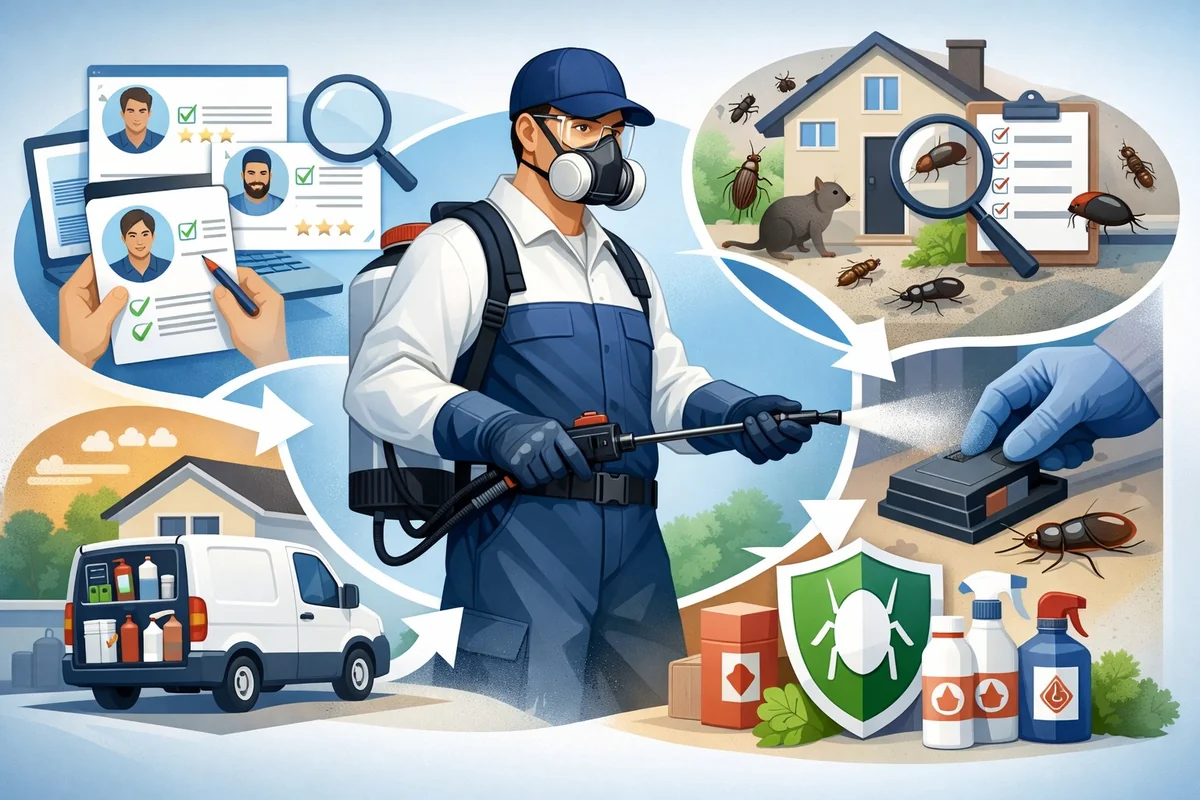
Guide to Hiring a Professional Pest Control Service: What to Know in 2026
Learn when and how to hire a professional pest control service, what to look for in a company, and how to compare options for safe, effective pest removal in 2026. Includes step-by-step preparation, contract tips, and FAQs.
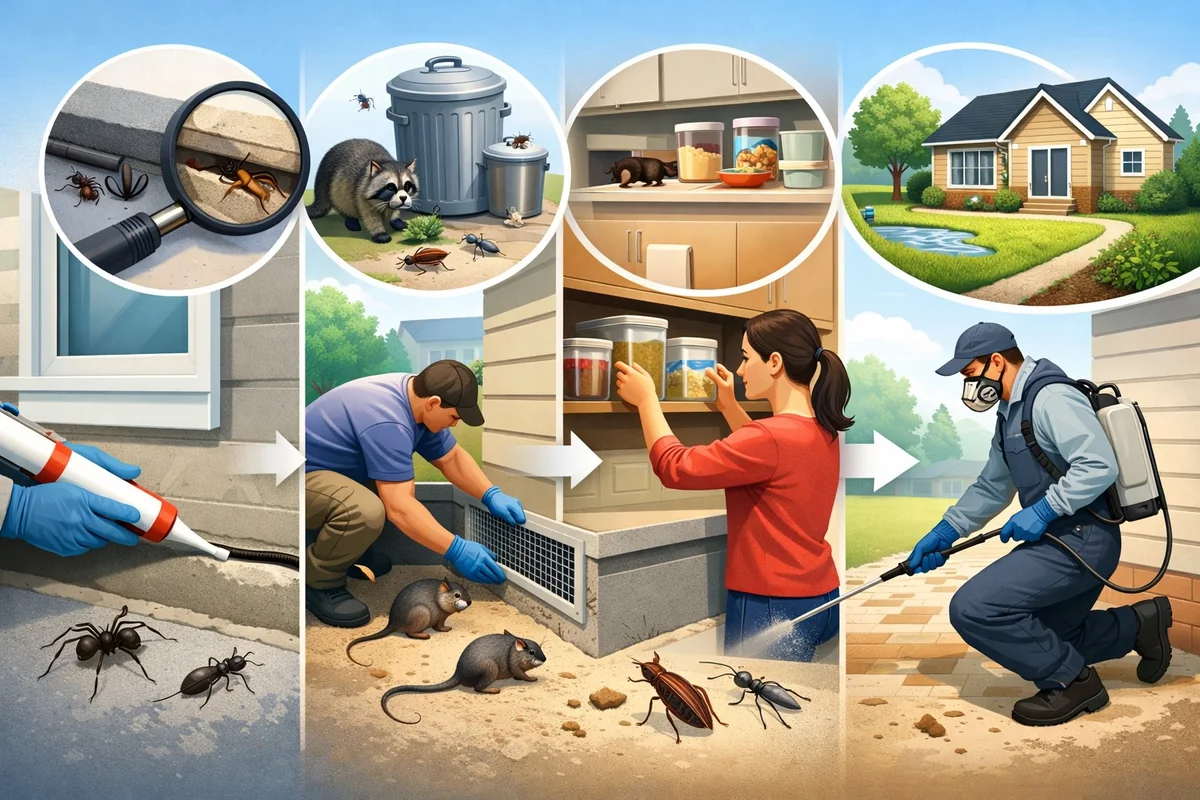
Complete Guide to Pest Prevention in Homes: Stop Pests in 2026
Protect your home in 2026 with this complete pest prevention guide. Discover proven DIY methods, room-by-room tips, safe solutions for families, and expert advice to stop pests before they start.
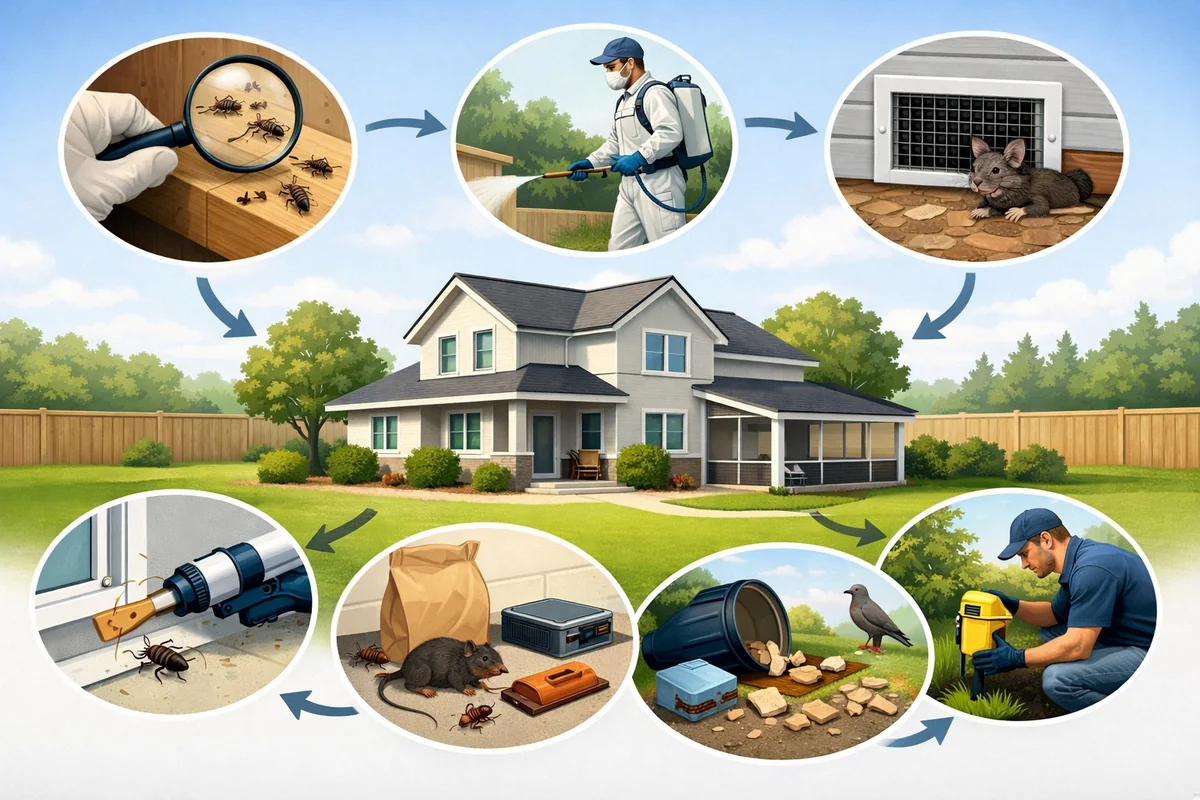
Complete Guide to Pest Control Maintenance: Upkeep Tips & Ongoing Management 2026
Learn how to keep your home pest-free with our complete pest control maintenance guide. Discover expert pest upkeep tips, safe DIY solutions, and step-by-step ongoing pest management strategies for 2026.
![Best Protective Gear for Pest Control 2026 [Expert Reviews]](https://pestproreviews.com/images/hero/hero_best_protective_gear_for_pest_control_2026_expert.webp)
Best Protective Gear for Pest Control 2026 [Expert Reviews]
Protect yourself during DIY pest control in 2026 with our expert-reviewed guide to the best protective gear. Compare top-rated respirators, gloves, coveralls, and more for safe, effective pest removal at home.