How Long Does Ant Bait Take to Work? Ant Bait Timeline Explained
Wondering how long ant bait takes to work? Learn the typical ant bait timeline, what affects results, and how to get faster ant control in your home. Expert tips and a comparison table included.
Ant bait is a targeted pest control method that uses slow-acting toxins disguised as food to eliminate entire ant colonies. Unlike sprays, ant baits work by having foraging ants bring poisoned food back to the nest, spreading it to the queen and other colony members. This approach is more effective for long-term control, but patience is required to see results.
What Is Ant Bait and How Does It Work?
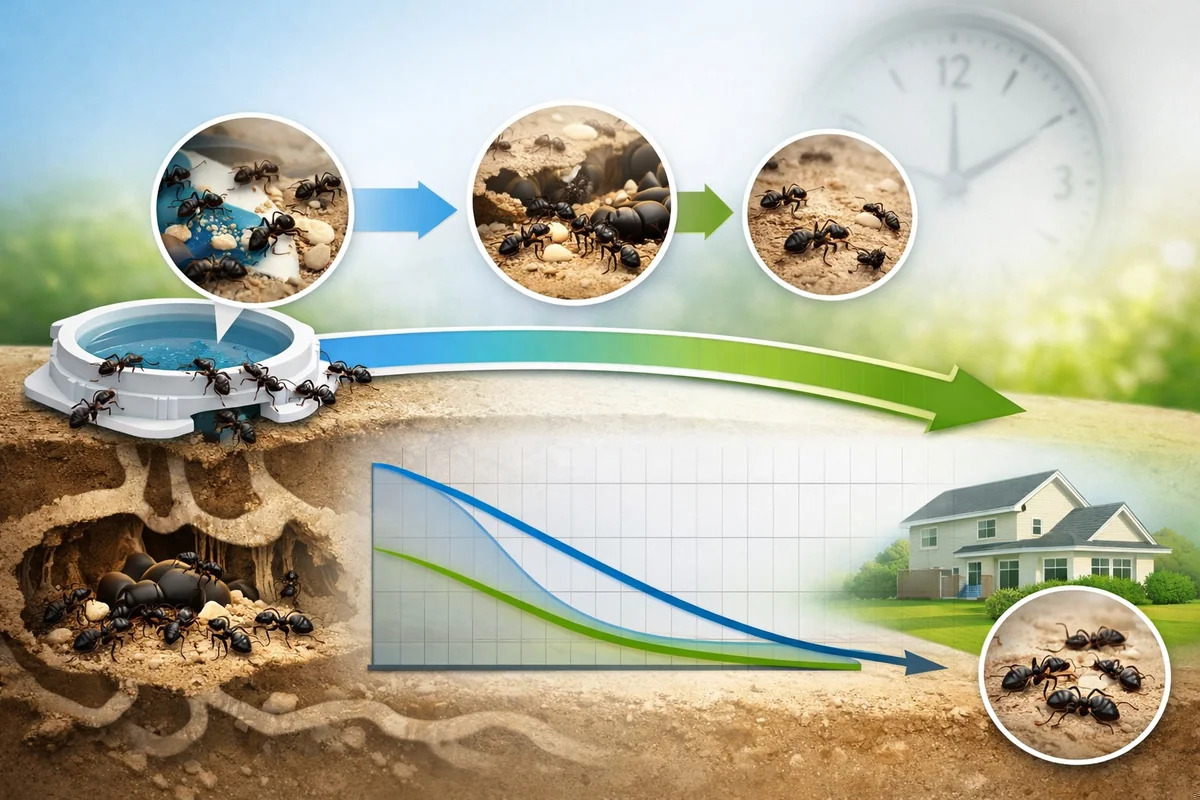
Ant bait is a pest control product designed to attract foraging ants with a food-based lure that’s laced with a slow-acting insecticide. The point isn’t to kill ants on contact but to exploit their social behavior - ants pick up the bait, bring it back to the nest, and share it with the rest of the colony, including the queen.
Active Ingredients: How They Target Ants
The most common active ingredients in consumer ant baits include borax (sometimes labeled as sodium tetraborate), hydramethylnon, and abamectin. These work by disrupting an ant’s metabolism or digestive system, but in a delayed fashion.
This slow action is the whole point: foraging ants have enough time to share the bait with other colony members before they succumb. Fast-acting sprays, by contrast, kill on contact and never reach the queen or brood.
With baits, the toxin is distributed through a process called trophallaxis - ants feed each other by regurgitating food - so a single worker can potentially deliver lethal doses to dozens of nestmates.
Why Bait Is More Effective Than Sprays
The key advantage of bait is that it targets the heart of the infestation: the queen and the brood. Killing foraging workers with sprays might offer instant gratification, but it leaves the colony untouched and able to rebound quickly.
Worse, many sprays are repellent, so surviving ants may simply move the colony elsewhere in your walls or yard, making the problem harder to solve. In contrast, baiting requires patience, but it offers a real shot at colony elimination and lasting relief.
If you’re looking for a deeper dive into selecting the right product, Best Ant Killers for Home Use 2026 covers top-performing options and their pros and cons.
Typical Ant Bait Timeline: What to Expect
Most people want to know: how long does ant bait take to work? In general, you’ll see some changes within a few days, but full results can take up to two weeks. The process isn’t instant, and understanding the timeline helps set realistic expectations.
How Long Until You See Fewer Ants?
After placing bait, you’ll usually see a reduction in visible ant activity within 24 to 72 hours. However, you might be surprised to see more ants initially - this surge means the bait is attracting workers and being carried back to the colony.
This spike is a good thing. Ants are recruiting others to the site, increasing the odds that the queen and larvae get exposed. For most household infestations, you’ll see a significant drop in ant numbers after 7-14 days.
Larger colonies or less attractive baits can extend this timeline. If you don’t see change after two weeks, something may be interfering with the process.
Factors That Influence the Timeline
Not all ants or situations are the same. Species matters: odorous house ants and Argentine ants tend to respond quickly to sweet baits, while carpenter ants and Pharaoh ants may need protein or grease-based formulas.
Temperature and humidity affect how active the ants are and how quickly they forage. Cooler temperatures can slow down bait uptake, while high humidity may cause baits to spoil or mold.
If there’s plenty of alternative food (crumbs, pet food, sugary spills), ants might ignore your bait entirely. Removing other food sources is crucial for a fast result.
If you want to understand colony behavior and advanced tactics, check out the Ant Control topic overview for more details.
| Item | ★Time Until Ant Activity Decreases | ★Full Colony Elimination | Application Difficulty | ★Best For | Residual Effect | Limitations |
|---|---|---|---|---|---|---|
| Gel Bait Stations | 1-3 days (visible reduction in ant trails) | 5-14 days (varies by colony size and bait acceptance) | Easy | Indoor use, small to medium infestations, precise placement | Low (targets only active ants that feed on bait) | Less effective in damp areas; requires monitoring and replenishment |
| Granular Ant Bait | 2-5 days (slower initial results outdoors) | 7-21 days (depends on weather and bait uptake) | Medium | Outdoor perimeter treatments, large infestations, hard-to-reach nests | Moderate (bait persists but may degrade with rain/irrigation) | Weather sensitive; not ideal for indoor use due to granule spread |
| Liquid Ant Bait | 1-4 days (ants attracted quickly to liquid form) | 5-14 days (effective for sweet-feeding ant species) | Easy | Sugar-loving ants, high-traffic areas, accessible surfaces | Low (requires regular refilling as liquid evaporates or is consumed) | Spill risk; less effective for grease/protein-feeding ants |
| Non-Bait Contact Sprays | Immediate (ants killed on contact) | Not applicable (does not eliminate colony, only visible ants) | Easy | Quick spot treatments, immediate visible control | Short-term (minimal lasting protection; no transfer to colony) | Does not address hidden nests; may cause colony to relocate |
Types of Ant Bait and Their Speed
The form of bait you use - liquid, gel, or granular - affects both how quickly you see results and how well the bait reaches the colony. Each type has strengths and limitations that can speed up or slow down ant control.
Liquid vs. Gel vs. Granular Baits
- Liquid baits: Attract sugar-feeding ants like odorous house and Argentine ants. They’re quickly consumed, but can dry out fast, especially in warm rooms.
- Gel baits: Retain moisture longer and are easier to apply in cracks, corners, and along ant trails. Gels are effective for both sugar- and protein-seeking ants, depending on the formula.
- Granular baits: Best for outdoor use and for ants with a protein preference, like fire ants and carpenter ants. Indoors, they’re often less attractive and can be a mess if spilled.
Choosing the right form can shave days off your wait for results - especially if you match the bait to the ants’ current food preference.
How Active Ingredient Affects Kill Speed
Borax and sodium tetraborate are among the slowest-acting ingredients. This is by design: the longer it takes to kill a worker, the more of the colony gets exposed.
Hydramethylnon and abamectin are a bit faster, sometimes producing results in a week or less, but if consumed too quickly, they can kill off the workers before the toxicant reaches the queen. That’s why patience is still required, even with “faster” baits.
If you’re tempted by fast-kill products, remember: instant results often mean the colony survives and rebounds. True elimination takes time.
How to Tell If Ant Bait Is Working
Patience is key, but you want to be sure your efforts are paying off. There are clear signs that your bait is being accepted and is on track to eliminate the colony.
Signs of Progress in the First Week
- Increased ant activity around the bait is a positive sign - ants are recruiting nestmates and transporting the bait back to the colony.
- After a few days, you should see a gradual reduction in ant sightings, often starting at the bait site and then throughout the house.
- Don’t focus on finding dead ants; the real measure of success is the overall drop in ant activity over 7-14 days.
What If Ants Ignore the Bait?
If ants aren’t touching your bait, it usually means there’s something else they’d rather eat. Remove all food scraps, clean up spills, and keep pet food sealed to make the bait their only option.
Sometimes, you’re using the wrong bait type - protein vs. sugar. Try switching formulas if you don’t see interest within two days. Environmental conditions like dry air can also make baits unappealing; keep gels and liquids fresh and moist for best results.
Common Reasons Ant Bait Fails or Takes Longer
Ant bait isn’t a magic bullet. If you’re not seeing results after a couple of weeks, here’s what’s usually going wrong.
Using the Wrong Bait for the Ant Species
Ant species have different food preferences that change throughout the year. Many household ants go for sugar-based baits, but some - like Pharaoh ants and carpenter ants - may crave grease or protein.
If you use the wrong bait, the colony may ignore it entirely, or worse, react by splitting into multiple sub-colonies (a phenomenon called budding). That’s a nightmare scenario, especially with species like Pharaoh ants.
Take time to identify your ant species, or at least try alternating sugar and protein baits to cover your bases.
Poor Placement or Premature Removal
Bait needs to be placed directly in the ants’ path - along foraging trails, near entry points, and where you see the most activity. If you tuck it away in a corner, there’s a good chance the ants will miss it.
Resist the urge to clean up the bait too soon. If you remove it before the colony is exposed, you halt the process and give the ants a chance to recover.
External factors - like rain, pets, or cleaning staff - can also wipe out your bait stations, stalling your progress. Reapply as needed and keep bait stations undisturbed for at least a week.
How to Maximize Ant Bait Effectiveness
The difference between a frustrating, drawn-out battle and a quick win often comes down to placement, timing, and a bit of discipline. Here’s how to stack the odds in your favor.
Best Practices for Placement and Timing
- Place bait directly along active ant trails - watch where ants march and intercept them.
- Use several small bait stations rather than one big blob - this increases coverage and reduces risk to pets or children.
- Don’t disturb the bait, even if ant numbers spike at first. Leave it for at least 7-10 days to ensure the toxin reaches the queen.
When to Reapply or Change Bait
If there’s no sign of progress after two weeks, it’s time to switch strategies. Try a different bait type (sugar or protein) or replace dried-out bait for better uptake.
Persistent infestations sometimes require you to alternate bait types every few weeks to overcome resistance or match shifting dietary needs. Be flexible and observe how the ants respond.
Safety Considerations for DIY Ant Bait Use
Most ant baits available to consumers are designed to be low-toxicity for safety, but they’re still poisons. Safe handling and placement are important, especially if you have pets or small children in the home.
Risks for Pets and Children
While store-bought baits use less toxic ingredients, accidental ingestion can still cause problems. Always use bait stations with child-resistant covers if there’s any chance of exposure.
Homemade baits lack these safety features and should be placed well out of reach - or skipped entirely in homes with curious pets or toddlers.
Proper Disposal and Cleanup
When you’re done, seal used bait and packaging in a bag before tossing them in the trash, following your local hazardous waste guidelines if required.
Never wash bait residue down the drain - it can contaminate water supplies. After removal, clean surfaces thoroughly with soap and water to eliminate lingering toxins.
Frequently Asked Questions About Ant Bait Timing
❓ Frequently Asked Questions
How long does ant bait take to work?
How long does ant bait take to work?
Ant bait typically starts attracting ants within a few hours, but visible reduction in ant activity often takes 3 to 7 days. The bait must be carried back to the colony to affect the queen and workers. Complete elimination may require up to two weeks, especially for large infestations.
What is the difference between liquid and gel ant baits?
What is the difference between liquid and gel ant baits?
Liquid ant baits provide fast access to sweet-based attractants, while gel ant baits offer thicker consistency for controlled placement in cracks. Liquid baits are ideal for open surfaces or bait stations; gel baits work better in tight spaces near trails. Choice depends on ant species and placement needs.
How should I apply ant bait for best results?
How should I apply ant bait for best results?
For best results, follow these steps:
- Place bait near ant trails and entry points, but away from food prep areas.
- Avoid spraying insecticides nearby, which repel ants.
- Replenish bait as it is consumed.
- Allow ants to carry bait back to the colony without disturbing them.
Consistent placement speeds up colony elimination.
Why are ants still visible after placing bait?
Why are ants still visible after placing bait?
Seeing ants after placing bait is normal and even necessary for success. Ants must consume and transport the bait back to the nest, which can take several days. If ants ignore the bait, try adjusting placement or switching bait types. Complete disappearance may require up to two weeks.
How do I choose the best ant bait for my home?
How do I choose the best ant bait for my home?
To choose the best ant bait, consider:
- Ant species: Protein vs. sugar preferences vary.
- Application area: Indoors needs low-odor, child-safe baits.
- Bait format: Gel or liquid for cracks, stations for open areas.
- Safety: Look for tamper-resistant packaging.
Always read product labels for use instructions.
How often should I replace ant bait stations?
How often should I replace ant bait stations?
Ant bait stations should be checked every 2-3 days and replaced when the bait is depleted or becomes dry. For ongoing infestations, keep fresh bait available for at least two weeks. Most users find that consistent monitoring and timely replacement increases success rates for colony elimination.
When is the best time to use ant bait?
When is the best time to use ant bait?
The best time to use ant bait is at the first sign of ant activity, typically in spring or early summer when colonies are most active. Applying bait early prevents large infestations. Avoid using bait immediately after heavy rain, as moisture can dilute or wash away baits.
Key Takeaways: What This Means for You
Ant bait can solve your infestation, but only if you choose the right type, match it to the ant species, and give it time to work - typically 7-14 days for full colony elimination. Watch for increased activity in the first few days; it’s a sign the process is working.
If you’re not seeing results after two weeks, reassess your bait choice, placement, and competing food sources. Safe handling is essential, especially with pets or kids around - use enclosed stations and dispose of bait properly.
Regaining a pest-free home is possible with patience and persistence. Start with proven baiting strategies, monitor progress, and adapt as needed for long-lasting ant control in 2026 and beyond.
Related Articles
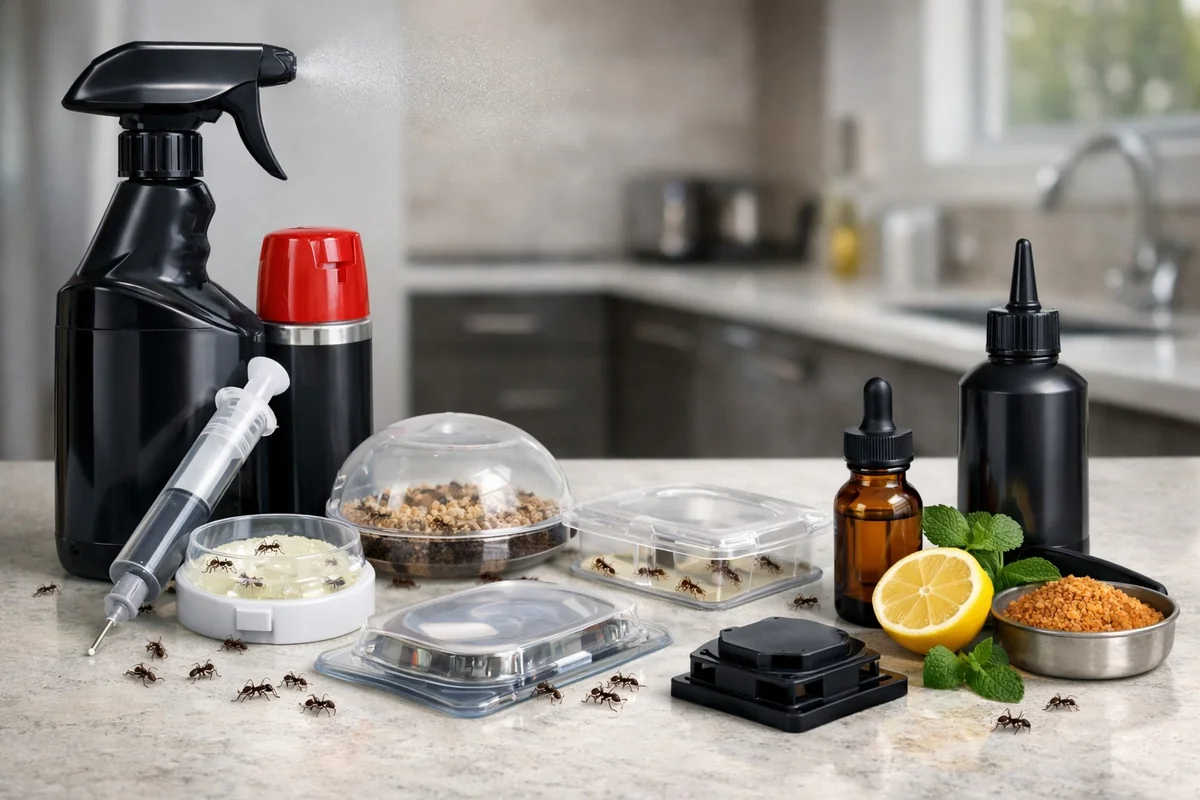
Best Ant Killers for Home Use 2026: Top Baits, Sprays, and Natural Options Compared
Discover the best ant killers for home use in 2026. Compare top baits, sprays, natural options, and expert tips for safe, effective ant control - without hiring an exterminator.
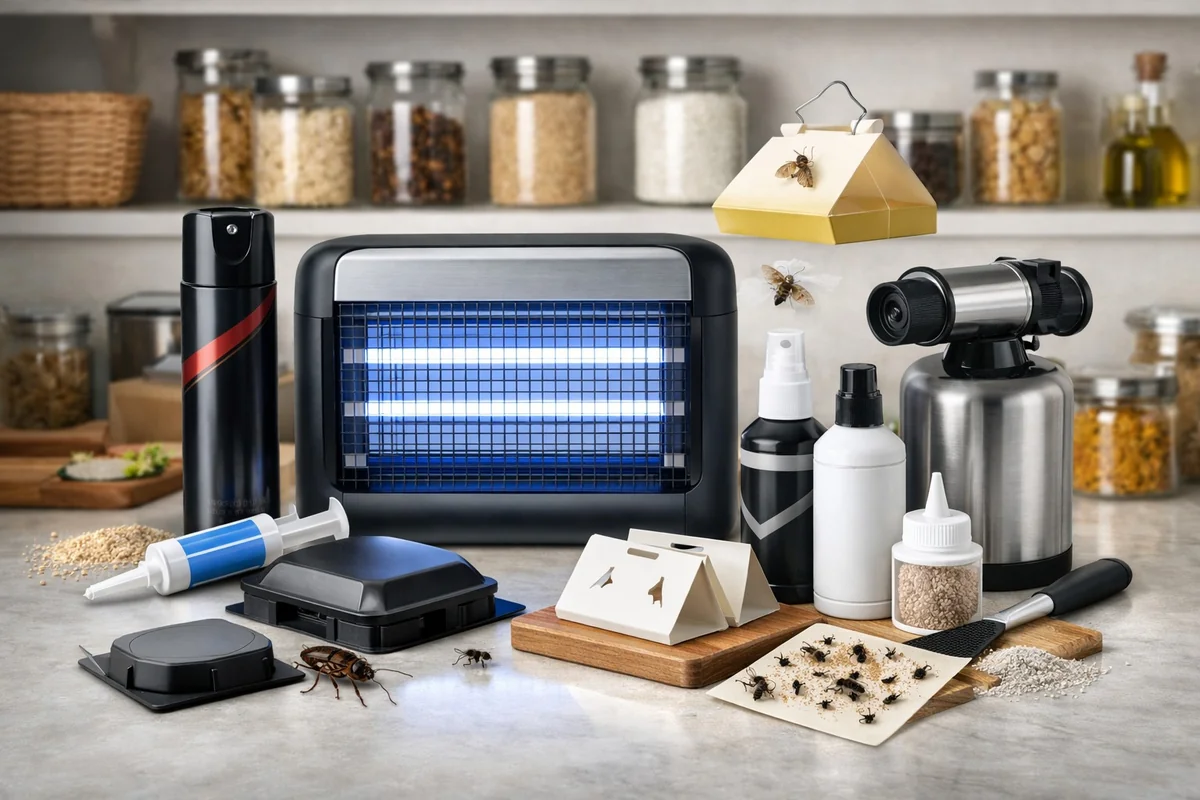
Best Kitchen Pest Control Products 2026: Ant, Roach, Moth & Fly Solutions
Find the best kitchen pest control products for 2026, including safe ant baits, cockroach gels, pantry moth traps, fly solutions, and natural options. Expert advice on choosing safe, effective, and budget-friendly pest killers for food storage areas.
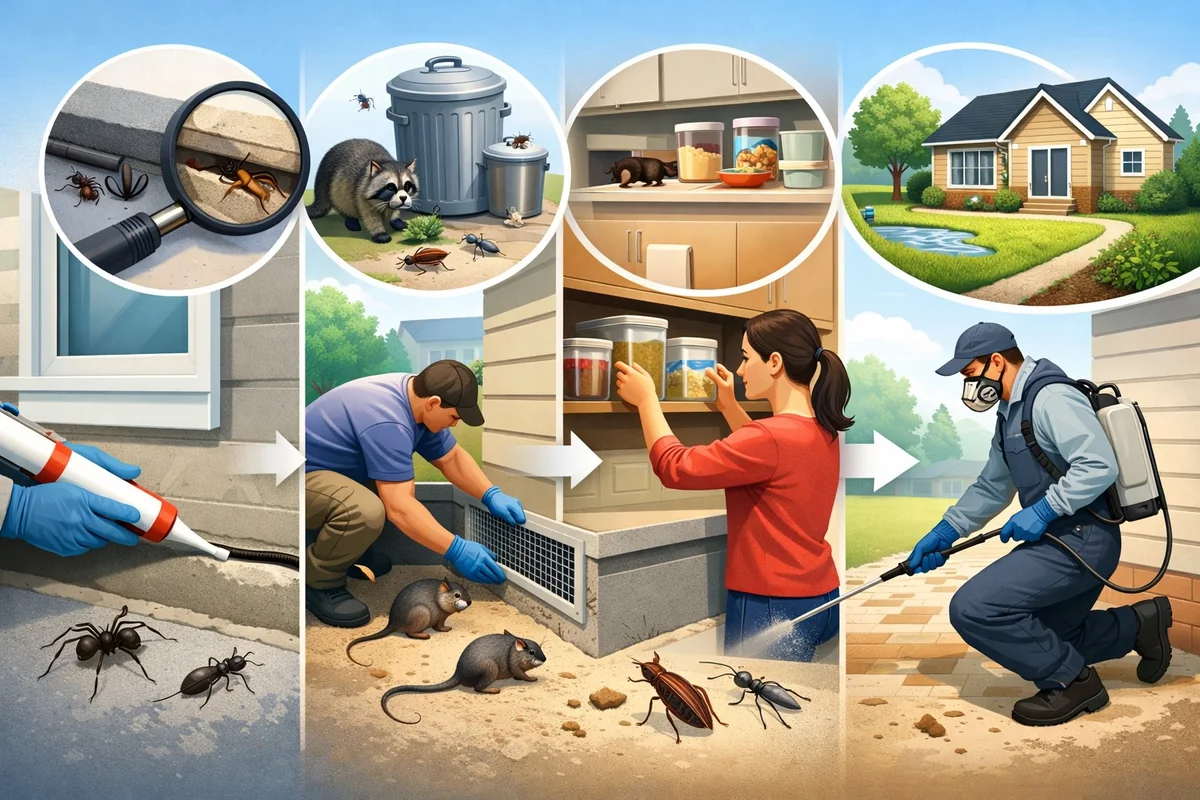
Complete Guide to Pest Prevention in Homes: Stop Pests in 2026
Protect your home in 2026 with this complete pest prevention guide. Discover proven DIY methods, room-by-room tips, safe solutions for families, and expert advice to stop pests before they start.
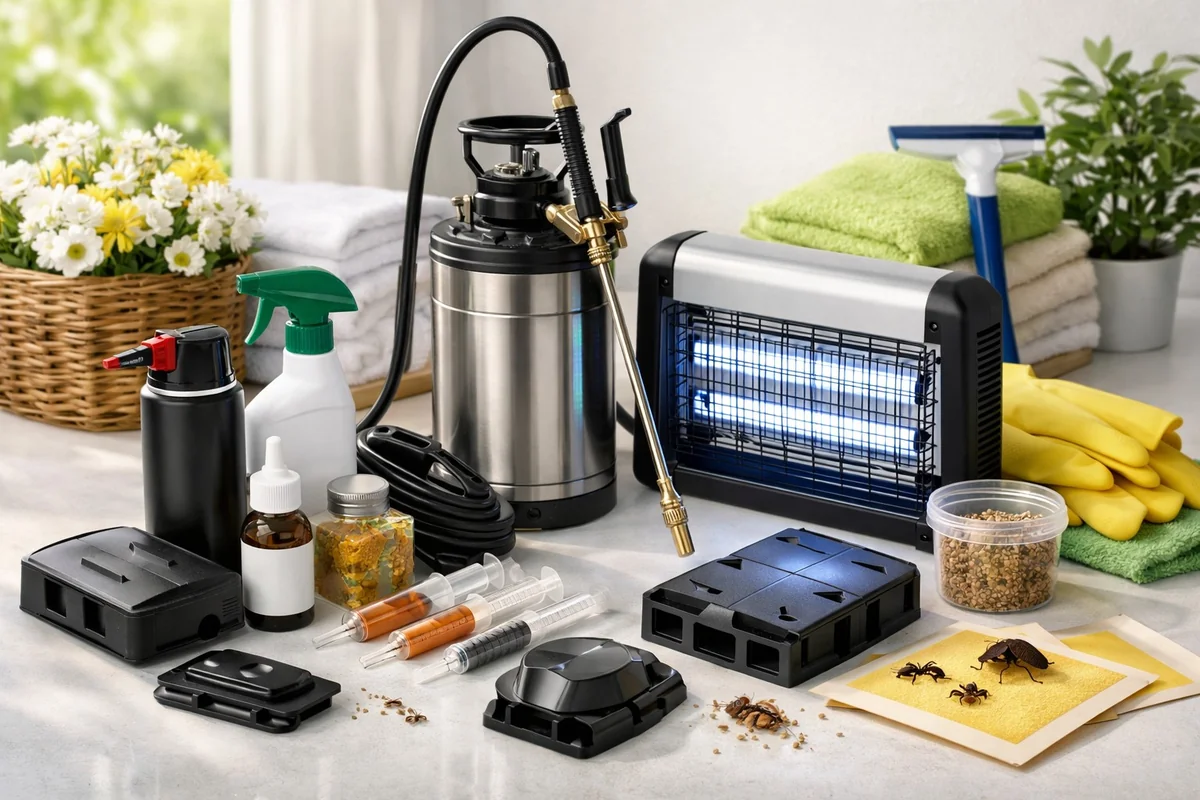
Best Pest Control Products for Spring 2026: Top Ant, Roach & Insect Solutions
Discover the best pest control products for spring 2026. Compare top ant baits, sprays, traps, and eco-friendly options to tackle infestations safely and effectively - without hiring an exterminator.