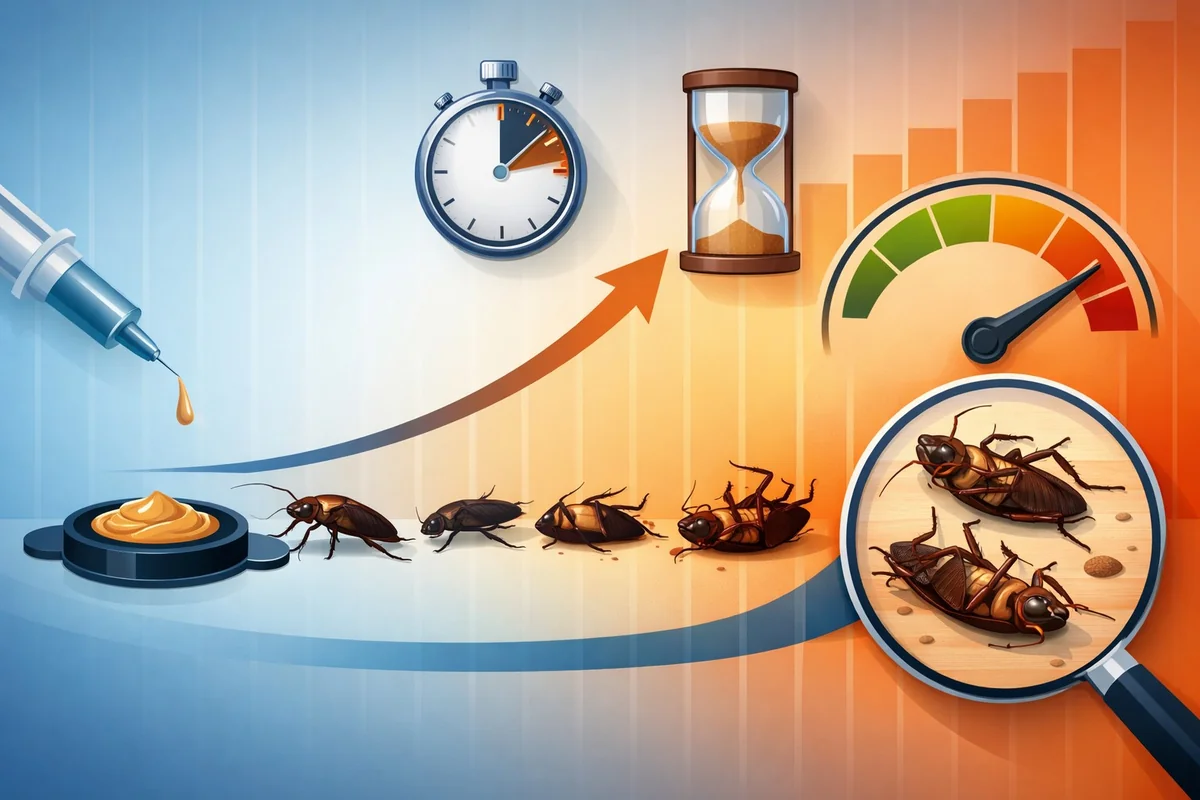

How Long Does It Take to Kill Cockroaches with Bait? Roach Bait Timing Explained
Wondering how long cockroach bait takes to work? Learn the real timeline for roach bait effectiveness, what to expect at each stage, and how to speed up colony elimination for lasting control in 2026.
How Cockroach Bait Works to Eliminate Roaches
Cockroach bait is a targeted pest control method that uses slow-acting insecticides mixed with attractive food sources. The goal isn't just to kill the roaches you see, but to wipe out the entire colony - including those hiding deep in your walls, cabinets, or behind appliances. Understanding how bait works is the first step to using it effectively and setting realistic expectations for results.
Active Ingredients and Their Effects
Most gel and granular cockroach baits are built around slow-acting insecticides like fipronil, hydramethylnon, or abamectin. These chemicals don't kill instantly. Instead, they take several hours to a couple of days to work after ingestion, giving poisoned roaches time to return to their nest and interact with others.
The delayed action is critical. It means roaches can spread the poison through their feces, saliva, and even their own bodies when other roaches practice cannibalism. This is called secondary or tertiary poisoning, and it's what makes bait so effective compared to sprays that only kill on contact.
Fast-acting baits exist, but they tend to eliminate only the roaches that eat them directly. The rest of the colony - especially the hidden ones - may never be affected.
Why Bait Targets the Whole Colony
Roaches are social insects with behaviors that make them vulnerable to bait strategies. They feed each other (trophallaxis) and eat each other's droppings (coprophagy) - both of which help spread the insecticide throughout the nest. This allows bait to reach places sprays never touch, including egg-laying females and nymphs hiding out of sight.
One big limitation: bait only works if roaches actually eat it. If there's abundant food or the bait isn't attractive, you won't see results. That's why placement and sanitation matter as much as the bait itself.
For a broader overview of options beyond bait, see Best Cockroach Killers for Home 2026 - it covers sprays, traps, and powders as well.
Typical Timeline: How Long Cockroach Bait Takes to Work
So, how long does cockroach bait take to work? In most cases, you'll see initial results within 24-48 hours, but full colony elimination can take 1-2 weeks or more. The timeline depends on the size of the infestation, bait placement, species, and household conditions.
What to Expect in the First 24-48 Hours
It's common to spot a few dead or dying roaches within a day or two after applying bait. These are usually the scouts - adventurous individuals that find and eat the bait first. Sometimes, you'll even notice a temporary spike in roach sightings as dying insects leave their hiding spots in search of water or fresh air.
Don't be fooled: this early die-off only affects a small slice of the population. The majority of the nest remains untouched in the first 48 hours, especially if they're deep in walls or have other food sources nearby.
Full Colony Elimination: 1-2 Weeks or More
Over the next 7-14 days, the real work happens. Poisoned roaches return to their hiding spots and spread the insecticide to others through contact and droppings. The process is gradual but powerful - provided roaches keep eating the bait and there's not much else to distract them.
Secondary poisoning continues as new roaches consume contaminated feces or dead nestmates. This chain reaction can eventually reach the queen and egg-laying females, leading to a dramatic drop in population.
But there's a catch: if your infestation is large or long-standing, it may take up to 4 weeks to achieve total control. Some egg cases are immune to the bait until they hatch, so you might see a few survivors even after most adults are gone.
If you want a complete breakdown of cockroach control methods, visit our Cockroach Control guide for step-by-step plans and prevention tips.
Why Some Infestations Take Longer
Heavy, multi-room infestations stretch the timeline. Bait aversion can develop if roaches get used to one formula, or if the bait dries out before it's eaten. Competition from crumbs, pet food, or grease will slow everything down - roaches naturally pick the easiest, most familiar meal they can find.
Re-infestation is another risk. If you don't fix the root causes - leaky pipes, unsealed cracks, standing water - new roaches can move in and restart the cycle.
Factors That Affect How Fast Roach Bait Works
Bait effectiveness isn't just about the product - it's about how, where, and when you use it. Several factors can speed up or slow down your results, no matter how strong the active ingredient is.
Bait Placement and Accessibility
Bait only works if roaches find and eat it. Place small dabs near known activity - along baseboards, under sinks, behind appliances, and inside cabinets. Roaches rarely travel far from their nests, so tight placement is key.
Put too much bait in one spot, and roaches may avoid it. Hide it too well or put it where only a few roaches venture, and you'll miss the main population. The sweet spot is along travel paths and in corners where droppings or shed skins collect.
Competing Food and Cleanliness
Roaches are survivors. Crumbs, pet food, garbage, and grease all compete with your bait for their attention. Even a single dirty dish or food wrapper can give them an easier meal, putting your bait on the back burner.
Removing alternative food sources can double or triple bait effectiveness. Clean up every night, sweep crumbs, seal food, and wipe grease from surfaces. The hungrier your roaches, the faster they'll take the bait.
Roach Species and Life Cycle
German cockroaches - small, tan, fast - are the most common indoor species and are especially drawn to gel bait. American and Oriental roaches are larger and may be pickier, sometimes preferring granules or outdoor baits.
Egg cases (oothecae) are protected and won't be affected until they hatch. Nymphs may eat less bait than adults, so it takes longer for the poison to spread through all age groups. This is why visible activity can linger even after a big drop in adult numbers.
| Option | ★Difficulty Level | ★Time to Initial Kill | ★Time to Full Infestation Control | Coverage Area | Ongoing Maintenance Needed | Best For |
|---|---|---|---|---|---|---|
| Gel Bait Application | Easy | 6-24 hours | 7-14 days (standard apartment) | Effective for small to medium areas (up to 1000 sq ft) | Yes - reapply every 2-4 weeks | Targeted indoor infestations, DIY beginners |
| Bait Station Placement | Medium | 12-48 hours | 2-3 weeks (standard apartment) | Suitable for larger or multi-room spaces | Yes - replace stations every 1-3 months | Long-term control in high-traffic or hard-to-reach areas |
| Bait Powder/Dust Application | Hard | 24-72 hours | 2-4 weeks (standard apartment) | Best for cracks, wall voids, and inaccessible spots | No - long residual effect | Severe infestations in hidden areas, advanced users |
Comparing Roach Bait Types: Gel, Stations, and Granules
Choosing the right form of cockroach bait is just as important as timing. Each type - gel, stations, granules - has its own strengths, weaknesses, and best-use scenarios. Your choice can make the difference between quick success and ongoing frustration.
Gel Baits: Pros, Cons, and Best Uses
Gel baits are the MVP for indoor German cockroach infestations. You can squeeze them directly into cracks, crevices, and tight corners where roaches hide. They're highly palatable and work especially well when competing food has been removed.
The trade-off? Gels dry out within 2-7 days, losing their appeal. For ongoing control, you'll need to check and reapply regularly.
Bait Stations: Safety and Convenience
Bait stations are pre-filled plastic containers that keep the insecticide contained. They're safer for pets and kids, last longer (up to a month), and create less mess. The downside is limited access - very small or young roaches might not enter the station, and the bait can't be placed in every crack.
They're great for low to moderate infestations or areas where safety is a concern, but less effective against large, deep-seated colonies.
Granular Baits: Outdoor and Large Area Use
Granular baits are best for targeting American or Oriental roaches outdoors or in basements and garages. Scatter them along foundations, in crawl spaces, or under heavy appliances. They're designed to withstand moisture, but can be swept away or eaten by pets if left exposed indoors.
Indoors, they're less practical due to mess and safety concerns. Outdoors, they provide reach and coverage that gels and stations can't match.
Signs That Roach Bait Is Working (or Not)
Monitoring your progress is vital. Bait can feel slow, but there are clear signs that it's working - or not. Knowing what to expect will keep you from abandoning a method too soon or wasting money on approaches that don't fit your situation.
Increased Roach Sightings: What It Means
Don't panic if you see more roaches the first few days after baiting. This is a classic sign that poisoned insects are leaving their nests, often in distress. It's proof the bait is being eaten and starting to spread.
However, if this spike lasts longer than a week or you see no reduction in activity after two weeks, something's wrong with your bait strategy. Time to reassess placement, product type, or sanitation.
Decreasing Activity and Droppings
As bait takes hold, you'll see fewer live roaches and less evidence of their presence - droppings, shed skins, egg cases. A steady reduction over 1-2 weeks indicates you're on track for full elimination. This is something sprays can't deliver, as they only deal with visible roaches.
Remember, egg cases may still hatch after you think the colony is gone. Monitor and retreat as needed for at least a month to make sure you've broken the cycle.
When to Reapply or Switch Methods
If bait is untouched for several days or you see no improvement after 14 days, it's time to act. Try moving the bait, increasing sanitation, or switching to a different formula (gel vs station, protein vs sugar-based).
Bait rotation can break resistance cycles and overcome bait aversion. Just don't use sprays at the same time - they can repel roaches from baited areas and slow your progress.
Common Mistakes That Slow Down Roach Bait Success
Even the best bait won't work if you fall into common traps. Mistakes in application, cleaning, and monitoring are the main reasons people struggle with ongoing infestations.
Using Too Much or Too Little Bait
It's tempting to lay down huge amounts, thinking more is better. But too much bait can actually repel roaches, while too little doesn't reach enough of the colony to matter. The right approach is many small placements in high-traffic areas, refreshed regularly.
Ignoring Sanitation and Competing Food
Bait is only as attractive as the competition. Leaving out crumbs, pet food, or dirty dishes will cause roaches to ignore the bait. Strictly limit all other food sources for at least two weeks to maximize results.
Not Monitoring and Adjusting Placement
Bait dries out, becomes inaccessible, or gets covered with dust over time. If you set it and forget it, you'll miss ongoing pockets of activity. Check bait every few days, refresh dried spots, and move placements if you notice untouched bait in quiet areas.
When to Expect Results: Realistic Roach Control Timeline
Here's what a typical roach bait timeline looks like - assuming correct placement, good sanitation, and no surprise setbacks. Use this as a benchmark for judging your own progress.
Timeline for Small vs Large Infestations
- Small infestations: Visible reduction in 5-7 days, full control in 1-2 weeks.
- Large or multi-room infestations: Noticeable drop in 1-2 weeks, full elimination in 2-4 weeks.
- If you're still seeing significant activity after four weeks with diligent baiting and cleaning, over-the-counter baits may not be enough for your situation.
What If Roaches Persist After 2 Weeks?
If there's no progress after 14 days, you may be facing bait aversion, resistance, or overlooked nests. Try switching bait types, doubling down on sanitation, or using glue traps to pinpoint hiding spots.
For especially stubborn infestations, professional help may be your fastest route to complete elimination. Sometimes, a combination of baiting, exclusion, and professional-grade insecticides is the only way to break the cycle.
Frequently Asked Questions About Roach Bait Timing
❓ Frequently Asked Questions
How long does it take for cockroach bait to kill roaches?
How long does it take for cockroach bait to kill roaches?
Cockroach bait typically starts to kill roaches within 24 to 48 hours after ingestion. Most users report seeing a significant reduction in roach activity within one week. However, complete elimination of an infestation may take up to two weeks, depending on the size and severity of the problem.
How does cockroach bait work to eliminate infestations?
How does cockroach bait work to eliminate infestations?
Cockroach bait works by attracting roaches with a food-based lure containing a slow-acting insecticide. Roaches eat the bait and return to their nest, where they contaminate other roaches through feces and contact. This domino effect helps eliminate the entire colony over several days to weeks. Consistent placement is key for best results.
What factors affect how quickly cockroach bait works?
What factors affect how quickly cockroach bait works?
The speed of cockroach bait depends on several factors:
- Infestation size: Larger infestations take longer to control
- Bait placement: Correct positioning increases effectiveness
- Competing food sources: Fewer alternatives make bait more attractive
- Roach species: Some types are more bait-averse
Proper sanitation and regular bait checks maximize results.
Where should I place cockroach bait for the best results?
Where should I place cockroach bait for the best results?
For best results, place cockroach bait in areas where roaches are most active, such as under sinks, behind appliances, and along baseboards. Target dark, warm, and moist locations. Avoid placing bait in areas recently cleaned with harsh chemicals, as residue can deter roaches. Check and refresh bait placements every 2-4 weeks.
Why might cockroach bait not be working as expected?
Why might cockroach bait not be working as expected?
Cockroach bait may not work if there are abundant alternative food sources, incorrect placement, or if roaches are resistant to the bait’s active ingredient. Inconsistent sanitation and using expired bait can also reduce effectiveness. If results are slow, try switching bait types and ensure thorough cleaning of infested areas.
How often should I replace cockroach bait stations?
How often should I replace cockroach bait stations?
Most experts recommend checking and replacing cockroach bait every 2-4 weeks, or sooner if the bait is depleted or contaminated. Regular replacement ensures the bait remains attractive and effective. Avoid overfilling stations, as too much bait can dry out or become less appealing to roaches over time.
What should I look for when choosing cockroach bait?
What should I look for when choosing cockroach bait?
When selecting cockroach bait, consider:
- Active ingredient: Look for proven insecticides like fipronil or hydramethylnon
- Form: Gel baits are ideal for cracks, while stations suit open areas
- User reviews: Check effectiveness for your roach type
- Child and pet safety: Choose tamper-resistant products
Compare options to match your specific needs.
Key Takeaways: Getting the Best Results from Roach Bait
Killing cockroaches with bait is a process, not an instant fix. Most users see initial results within 24-48 hours, but true colony elimination takes 1-4 weeks depending on the infestation. The keys are proper bait placement, removing all competing food, and monitoring for fresh activity.
Choosing the right bait type matters: gels work for cracks and small spaces, stations are safer for kids and pets, and granules handle outdoor or large-area infestations. Rotating bait types, adjusting placement, and repeating applications as needed will keep resistant populations at bay.
Stay vigilant with cleaning and keep an eye out for lingering signs. If you hit a wall, don't hesitate to switch products or consult a pro. For a full overview of all cockroach elimination strategies, check out our recommended Best Cockroach Killers for Home 2026.
Related Articles
Best Cockroach Killers for Home 2026: Gels, Baits, Sprays & More
Find the best cockroach killers for home in 2026. Compare top gel baits, sprays, traps, and natural options for effective, safe, and budget-friendly cockroach removal - plus tips for choosing the right product for your needs.
Best Kitchen Pest Control Products 2026: Ant, Roach, Moth & Fly Solutions
Find the best kitchen pest control products for 2026, including safe ant baits, cockroach gels, pantry moth traps, fly solutions, and natural options. Expert advice on choosing safe, effective, and budget-friendly pest killers for food storage areas.
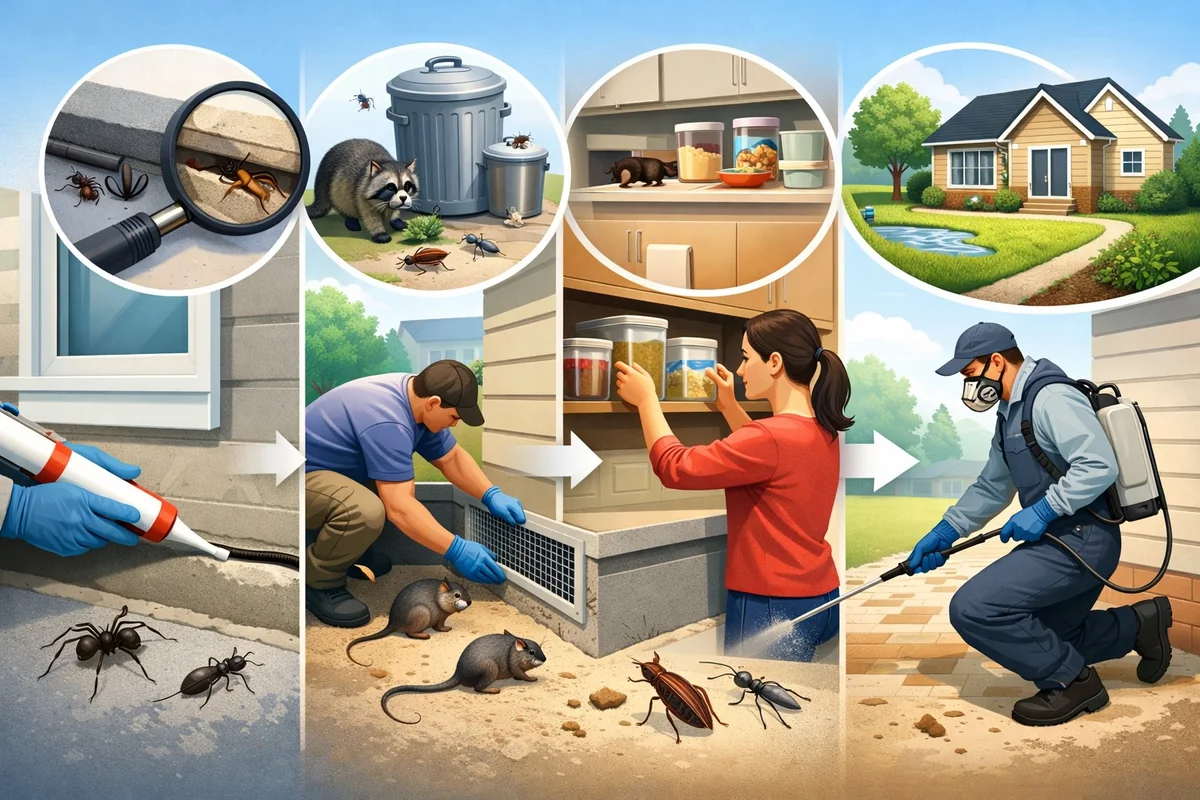
Complete Guide to Pest Prevention in Homes: Stop Pests in 2026
Protect your home in 2026 with this complete pest prevention guide. Discover proven DIY methods, room-by-room tips, safe solutions for families, and expert advice to stop pests before they start.
Best Chemical Pesticides for Home Use 2026: Safe, Effective, and Affordable Options
Discover the best chemical pesticides for home use in 2026. Compare top-rated baits, sprays, gels, and natural options for ants, roaches, fleas, and more. Find safe, effective, and budget-friendly pest control solutions for every room.