How to Get Rid of Ants: Step-by-Step Guide for Homeowners
Learn how to get rid of ants quickly and safely with this step-by-step ant removal guide. Discover proven DIY methods, essential tools, and expert tips for lasting results in 2026.
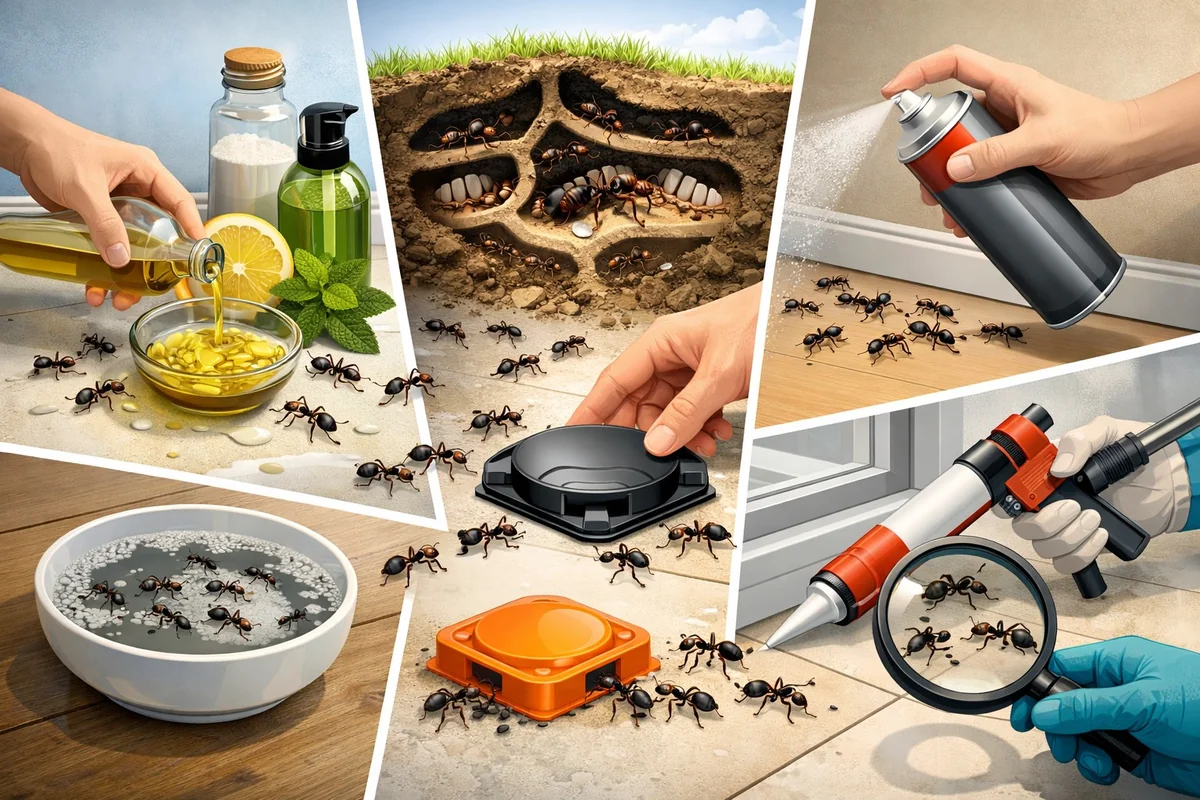
To get rid of ants, remove food sources, seal entry points, and use slow-acting bait at ant trails and nest sites. Most infestations resolve in 7-14 days with proper technique. Avoid spraying visible ants - this scatters the colony and drags out the problem.
How Ant Infestations Start and Spread
Ant infestations usually begin when foraging workers locate food or water inside your home. Once a single ant finds something edible, it leaves a pheromone trail for others to follow. Within hours, you can have hundreds of ants forming a trail to the source.
Common Entry Points in Homes
Most ants enter through tiny cracks and gaps in the foundation, around windows, doors, and where utility lines penetrate the wall. Kitchens and bathrooms are prime targets due to moisture and easy access to food. Weather stripping that’s worn or missing, gaps in the foundation, and settlements in older homes make these areas even more vulnerable.
Sealing these entry points is crucial for long-term ant control. But keep in mind: this only prevents new ants from coming in - it won’t fix an infestation that’s already established inside your walls.
Ant Colony Behavior and Nesting
Ants are social insects. When a worker ant finds food, it marks a chemical trail so the rest of the colony can follow. These trails are invisible to humans but hardcoded in ant behavior.
Colonies often nest in wall voids, under floors, or outdoors right next to the foundation. Carpenter ants, for example, will hollow out damp wood, while sugar ants stick to soil or cracks. Killing the ants you see is like trimming weeds above ground - the real problem is the queen and the nest.
If you don’t target those, the infestation will come right back.
If you want deeper background on ant behavior and why infestations are so persistent, check out our Ant Control resource.
Identifying the Ant Species in Your Home
Getting rid of ants starts with knowing what you’re dealing with. Some species need different tactics - using the wrong approach can waste weeks.
Visual Differences: Sugar Ants vs Carpenter Ants
Sugar ants (often referring to pavement, odorous house, or Argentine ants) are small - 1.5-3 mm - and usually brown or black. They’re drawn to anything sweet or greasy. Carpenter ants are noticeably larger - 6-12 mm - and can be black, red, or a mix. They’re attracted to wood and moisture.
The stakes are higher with carpenter ants because they chew through wood, weakening structures. Sugar ants are mostly a nuisance, not a threat to your home’s integrity. If you treat carpenter ants like sugar ants, you’ll likely miss hidden nests and allow damage to spread.
Signs of Infestation: Trails, Sawdust, and Frass
Carpenter ants leave behind small piles of frass - essentially wood shavings - near their nesting sites. Sugar ants don’t. Trails of ants along baseboards or countertops point to a nearby food source and a well-established colony.
If you spot winged ants indoors, that’s a red flag for a mature colony - these are reproductive ants looking to start satellite nests. That usually means the infestation is deeper than it looks.
Essential Tools and Materials for DIY Ant Removal
DIY ant removal is more than grabbing the nearest spray. The right tools make a big difference in outcome and safety.
Choosing Effective Ant Baits
Borax-based ant baits work by disrupting the ants’ digestive system. The slow-acting formula is key - ants have time to bring the poison back to the nest and feed it to the queen. Gel and liquid baits are easiest for indoor use, especially where ants are trailing in kitchens and bathrooms.
Granules work best outside, but some ant species ignore them entirely.
If you use the wrong bait or place it away from active trails, you’ll see little or no improvement. For a closer look at bait types and what actually works, see our Best Ant Killers for Home Use 2026 guide for product breakdowns.
Sprays, Dusts, and Natural Alternatives
Residual sprays kill on contact and are good for quick relief, but they rarely eliminate the colony. They’re best for spot treatment, not whole-house control. Diatomaceous earth is a fine powder that cuts into ants’ exoskeletons and dehydrates them.
It’s safe for pets if you use food-grade, but loses effectiveness if it gets wet or clumpy.
Natural oils like peppermint or tea tree repel ants but don’t kill them. Use these for temporary deterrence - don’t expect them to solve the problem for good.
Protective Gear and Cleanup Supplies
Handling chemicals in tight spaces? Wear gloves and a mask to avoid skin and lung irritation. You’ll also want paper towels and soapy water for wiping away pheromone trails after baiting.
If you skip cleanup, ants may follow old chemical trails right back in.
| Method | ★Difficulty Level | ★Time Required | Cost Range | Skill Level Required | ★Effectiveness | ★Best For |
|---|---|---|---|---|---|---|
| DIY Cleaning and Prevention | Easy | 1-2 hours for standard kitchen or entryway | Budget | Beginner | Moderate | Routine control in small indoor areas; preventing new infestations |
| Bait Traps and Gel Baits | Medium | 2-4 hours setup; 1-2 weeks to see results | Moderate | Beginner to Intermediate | High | Homeowners targeting hidden nests or moderate infestations; safe for most indoor use |
| Chemical Barrier Sprays | Medium | 2-3 hours including ventilation; effect lasts up to 3 months | Moderate | Intermediate | Very High | Perimeter treatment and outdoor entry points; not recommended for homes with pets or young children |
| Natural/Organic Solutions | Easy | 1-2 hours application; repeat weekly for ongoing control | Budget | Beginner | Low | Eco-conscious users or chemical-sensitive households; best for mild or occasional ant problems |
| Professional Pest Control Service | Hard | 3-5 hours on site; results typically within 24-48 hours | Premium | Not applicable (performed by licensed technician) | Excellent | Severe, recurring, or large-scale infestations; recommended for homes over 2000 sq ft |
Step-by-Step Guide: How to Get Rid of Ants
Ready to tackle the problem? Here’s how to get rid of ants in your home using proven, step-by-step methods.
Locating Trails, Nests, and Food Sources
Start by tracking ant trails with a flashlight. Most ants stick to baseboards, behind appliances, or under sinks. Check these spots at different times - some ants are more active at night.
Write down where you see the most activity and note any crumbs, spills, or pet food left out.
Don’t ignore the source - a single sticky spill can keep ants coming back no matter what else you do.
Step-by-Step Guide
Follow these steps to effectively remove ants from your home using modern, safe pest removal practices. This guide covers inspection, cleaning, sealing entry points, baiting, and follow-up for long-lasting results.
Total Time
1 hour
Difficulty
Beginner
Identify Ant Trails and Entry Points
Inspect affected areas to locate ant trails, nests, and entry points. Focus on kitchens, pantries, and windowsills. Mark these locations for targeted treatment. Accurate identification enables precise removal and prevents future infestations.
Pro Tips:
- Check along baseboards, under sinks, and around food sources
- Look for ants moving in a line—this indicates an active trail
- Use a flashlight for hard-to-see areas
Important Warnings:
- Avoid disturbing ant trails before treatment—this may scatter the colony and make control harder.
Required Tools:
- Flashlight (LED, handheld)
- Notepad or phone for marking locations
Clean Up Food Sources and Surfaces
Remove all accessible food and thoroughly clean affected areas with soap and water. Wipe countertops, sweep floors, and empty garbage bins. This eliminates attractants and makes baiting more effective.
Pro Tips:
- Store food in airtight containers immediately after use
- Pay extra attention to pet food bowls and crumbs under appliances
- Use a degreasing cleaner for sticky residues
Important Warnings:
- Do not use strong-scented cleaners near bait stations; these can repel ants and reduce bait effectiveness.
Required Tools:
- All-purpose cleaner (ant-safe)
- Cleaning cloths or paper towels
- Broom and dustpan
- Trash bags
Seal Entry Points
Seal cracks and gaps around windows, doors, and baseboards using caulk or weatherstripping. Block common entry points to prevent ants from returning. Proper sealing reduces future infestations and improves indoor air quality.
Pro Tips:
- Use silicone-based caulk for long-lasting results
- Inspect under sinks and behind appliances for hidden gaps
- Check exterior walls for cracks near the foundation
Important Warnings:
- Allow caulk to cure fully before cleaning or touching the area—curing typically takes 1-2 hours.
Required Tools:
- Silicone caulk (weatherproof)
- Caulk gun
- Weatherstripping (for doors/windows)
- Putty knife
Apply Ant Bait Stations
Place commercial ant bait stations directly along ant trails and near entry points. Follow label instructions for spacing - typically 2-6 feet apart. Baiting targets the colony at its source and provides longer-lasting control than sprays.
Pro Tips:
- Use gel or liquid baits for sugar-loving ants; use protein-based baits for grease ants
- Avoid placing bait in areas cleaned with strong chemicals
- Check that bait is fresh and not expired
Important Warnings:
- Keep bait stations out of reach of children and pets—commercial baits can be toxic if ingested.
Required Tools:
- Ant bait stations (gel or liquid, EPA-approved)
- Disposable gloves
Monitor and Reapply as Needed
Check bait stations and treated areas daily for 5-7 days. Replace baits if consumed or dried out. Continue monitoring for two weeks to confirm ant activity has ceased. Ongoing observation ensures full colony elimination.
Pro Tips:
- Log where and when you placed baits for efficient follow-up
- If ants persist after 2 weeks, consider switching bait types
- Consult a licensed pest professional for large or persistent infestations
Important Warnings:
- Do not use insecticide sprays near bait stations—sprays can deter ants from taking the bait and reduce effectiveness.
Required Tools:
- Replacement ant bait stations
- Notebook or tracking app
Proper Bait Placement and Monitoring
Place bait stations directly on active ant trails, next to entry points, and as close to suspected nest locations as possible. Don’t scatter them randomly - target where ant traffic is highest. Check bait stations daily. If the bait dries out or ants seem uninterested, swap it for a fresh one or try a different formula. Patience is key: it can take 1-2 weeks for the colony to collapse.
Resist the urge to clean or disturb the area too soon. Moving bait or wiping up too early can cause ants to avoid the bait and slow down the process.
Eliminating Pheromone Trails and Cleaning Up
When you see ant activity drop off, it’s time to clean up. Use soapy water to scrub every trail and entry point you marked earlier. This destroys the pheromone signals ants use to navigate, making it less likely survivors will return.
Dispose of dead ants and old bait in sealed bags. If you leave them out, you risk attracting new pests looking for an easy meal.
Comparing Ant Removal Methods: Baits vs Sprays vs Natural Solutions
There’s no shortage of products promising ant-free living. Here’s how the main DIY ant removal methods actually compare when it counts.
Bait Stations: Slow Kill, Lasting Results
Baits are the best long-term solution for most indoor infestations. They work with ant biology - workers carry the poisoned bait back to share with the colony, exposing the queen and larvae.
If you don’t know where the nest is, baiting is your safest bet. It takes patience - expect visible results in 3-5 days, with full colony collapse in up to two weeks. This method isn’t ideal if you need instant relief or have a severe, urgent outbreak.
Sprays: Immediate Relief, Short-Term Fix
Contact sprays deliver instant results, killing ants on sight. They’re useful for spot treatments along outdoor perimeters or for isolated indoor incidents. But they don’t reach the queen or the colony itself.
Overusing sprays can make things worse, causing the colony to split or relocate deeper into your home. You’ll also need frequent reapplication - this isn’t a set-and-forget fix.
Natural and Home Remedies: Pros and Cons
Vinegar, citrus, and essential oils can disrupt ant trails for a few hours or days, but they don’t kill ants or eliminate colonies. These options are safest for homes with kids and pets, since there’s minimal toxicity risk.
At best, they buy you time or drive ants to a different trail. For lasting control, you’ll need to combine them with real baiting or sealing efforts.
Common Mistakes That Sabotage Ant Control Efforts
It’s easy to make one wrong move and set yourself back days or weeks. Here’s what we see go wrong most often when people try DIY ant removal.
Using Sprays and Baits Together
Spraying near bait stations can contaminate the trail, causing ants to avoid both the spray and the bait. If you kill workers before they return to the nest, the colony survives and adapts - often splitting into multiple nests.
For best results, avoid any spraying or direct killing while baiting is underway. Let the ants carry the poison home.
Ignoring Hidden Nests and Satellite Colonies
Many ant species create multiple nests, often hidden inside walls or under floors. Treating only visible trails does nothing for these satellite colonies. Persistent baiting and daily monitoring are needed to reach hidden nests.
Skip this step and you’ll likely see ants return within weeks, often in a new spot.
Safety Precautions for Homes with Kids and Pets
DIY ant removal doesn’t have to mean putting your family or pets at risk. With a few precautions, you can treat infestations safely.
Selecting Low-Toxicity Products
Borax and sodium tetraborate baits have lower toxicity for mammals than some commercial alternatives. Diatomaceous earth is safe if you use the food-grade version, but you still want to avoid inhaling the dust. Steer clear of granular or powder baits in areas where pets or toddlers can reach them.
Safe Placement and Storage Practices
Place baits inside tamper-resistant stations or tucked behind appliances so curious hands and paws can’t reach them. Store all chemicals in locked cabinets. Accidental ingestion - especially by pets - is one of the top reasons for veterinary emergencies linked to pest control.
Clean up spills and unused bait right away. The less accessible it is, the safer your home will be during the treatment process.
When to Call a Professional Exterminator
Sometimes, DIY methods just won’t cut it - especially with severe or recurring infestations.
Infestations That DIY Methods Can't Handle
If you’ve followed all the steps and ants keep coming back, chances are you’re dealing with hidden nests or a species that resists common baits. Structural damage - like hollow-sounding wood or soft spots - means carpenter ants have been active long enough to threaten your home. Some ants, like pharaoh ants, actually make things worse if treated with sprays or the wrong bait.
What to Expect from Professional Ant Control
Professional exterminators use commercial-grade baits and advanced detection tools. They may inject treatments into wall voids or create chemical barriers around your foundation. You’ll typically pay a moderate to higher upfront cost, but the process is faster and more thorough - especially for serious cases.
Expect follow-up visits to ensure the colony is truly gone and to seal up new entry points as needed.
Frequently Asked Questions About Ant Removal
❓ Frequently Asked Questions
What is the most effective way to get rid of ants in the house?
What is the most effective way to get rid of ants in the house?
The most effective way to get rid of ants is to remove food sources, seal entry points, and use targeted ant baits. Baits attract worker ants, who carry poison back to the colony. Most users report that baiting eliminates visible ants within 7-14 days. However, severe infestations may require professional treatment.
How do I get rid of ants naturally?
How do I get rid of ants naturally?
To remove ants naturally, follow these steps:
- Clean up food spills promptly.
- Wipe surfaces with vinegar or lemon juice to disrupt scent trails.
- Sprinkle diatomaceous earth or cinnamon along entry points.
- Seal cracks and gaps.
Natural methods work best for small infestations. Tip: Consistent cleaning prevents re-infestation.
What should I look for when choosing ant bait products?
What should I look for when choosing ant bait products?
When selecting ant bait, consider:
- Active ingredient: Borax or hydramethylnon target most common ants.
- Child and pet safety: Choose tamper-resistant packaging.
- Ant species: Some baits work only for sugar- or protein-feeding ants.
- Application type: Gels are good for cracks; stations for open areas.
Review user ratings before purchase.
How often should I reapply ant control treatments?
How often should I reapply ant control treatments?
Most ant control treatments should be reapplied every 2-4 weeks, based on product label instructions and infestation severity. Outdoor sprays may need more frequent application after rain. For baits, replace them when depleted or every 1-2 weeks. Consistent monitoring helps maintain control over time.
Why do ants keep coming back after treatment?
Why do ants keep coming back after treatment?
Ants often return if the nest remains untouched or food sources aren’t fully removed. Most users find that inadequate sealing of entry points and incomplete bait usage allow colonies to survive. Multiple treatments and thorough cleaning are usually required. For persistent problems, hidden nests inside walls may be the cause.
When is the best time to apply ant control products?
When is the best time to apply ant control products?
The best time to apply ant control products is early spring or at the first signs of activity. Treating before colonies grow large improves effectiveness. Apply in dry weather and avoid immediately after rain. For indoor infestations, treat as soon as ants are noticed to prevent colony establishment.
What is the difference between ant bait and ant spray?
What is the difference between ant bait and ant spray?
Ant bait targets the colony by attracting worker ants who transport poison back to the nest, leading to long-term control. Ant spray kills ants on contact but does not eliminate the colony. Most professionals recommend bait for ongoing problems and spray for immediate visible control.
Key Takeaways for Lasting Ant Control
Sealing entry points, removing food and water sources, and staying alert for new trails are the best ways to keep ants out long-term. Repeat baiting during peak seasons - especially spring and summer - if you see new activity. Ongoing vigilance is the real secret to an ant-free home.
Related Articles
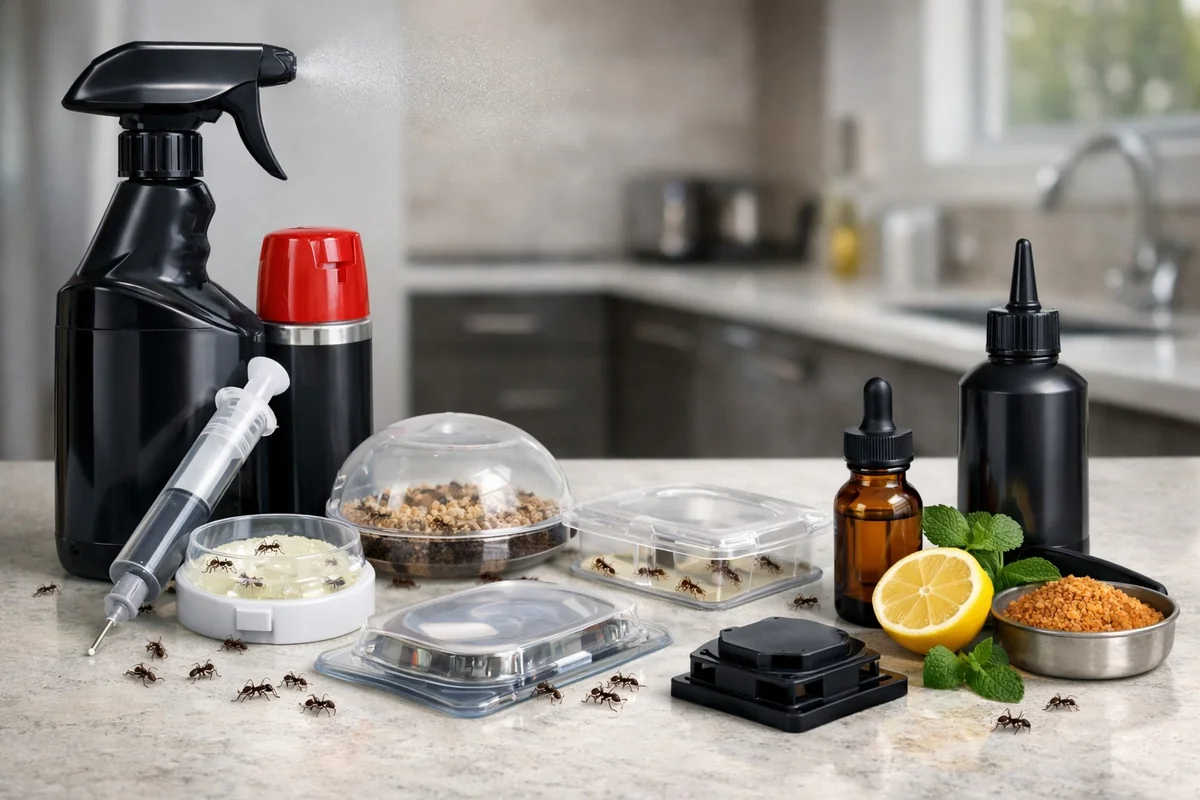
Best Ant Killers for Home Use 2026: Top Baits, Sprays, and Natural Options Compared
Discover the best ant killers for home use in 2026. Compare top baits, sprays, natural options, and expert tips for safe, effective ant control - without hiring an exterminator.
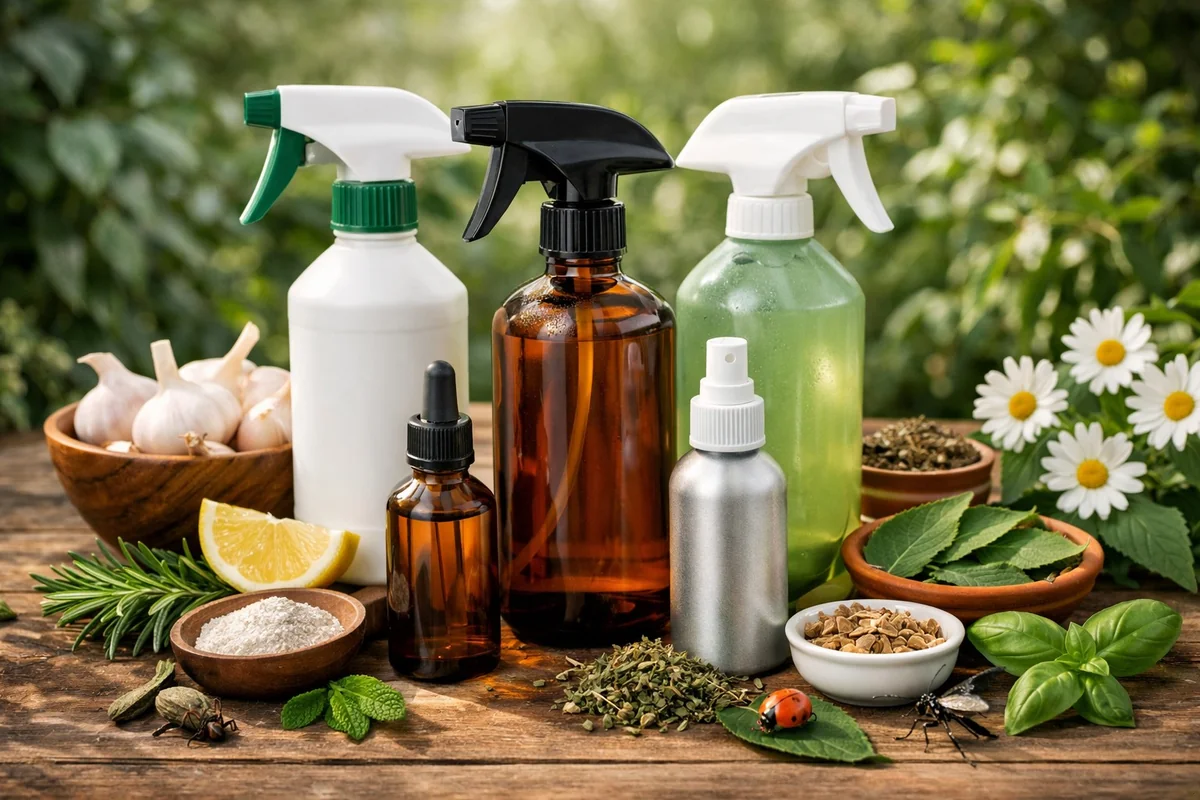
Best Natural and Organic Pest Control Products 2026: Safe, Eco-Friendly Solutions for Every Home
Find the best natural and organic pest control products for 2026. Safe, eco-friendly solutions for ants, roaches, rodents, and more - ideal for families and pet owners.
Complete Guide to Pest Prevention in Homes: Stop Pests in 2026
Protect your home in 2026 with this complete pest prevention guide. Discover proven DIY methods, room-by-room tips, safe solutions for families, and expert advice to stop pests before they start.
Best Kitchen Pest Control Products 2026: Ant, Roach, Moth & Fly Solutions
Find the best kitchen pest control products for 2026, including safe ant baits, cockroach gels, pantry moth traps, fly solutions, and natural options. Expert advice on choosing safe, effective, and budget-friendly pest killers for food storage areas.