Is Roach Killer Safe for People and Pets? Risks by Type
Is roach killer safe? Baits and gels carry the least risk, sprays and dusts need care, and foggers the most. How to use each safely around kids, dogs and cats.
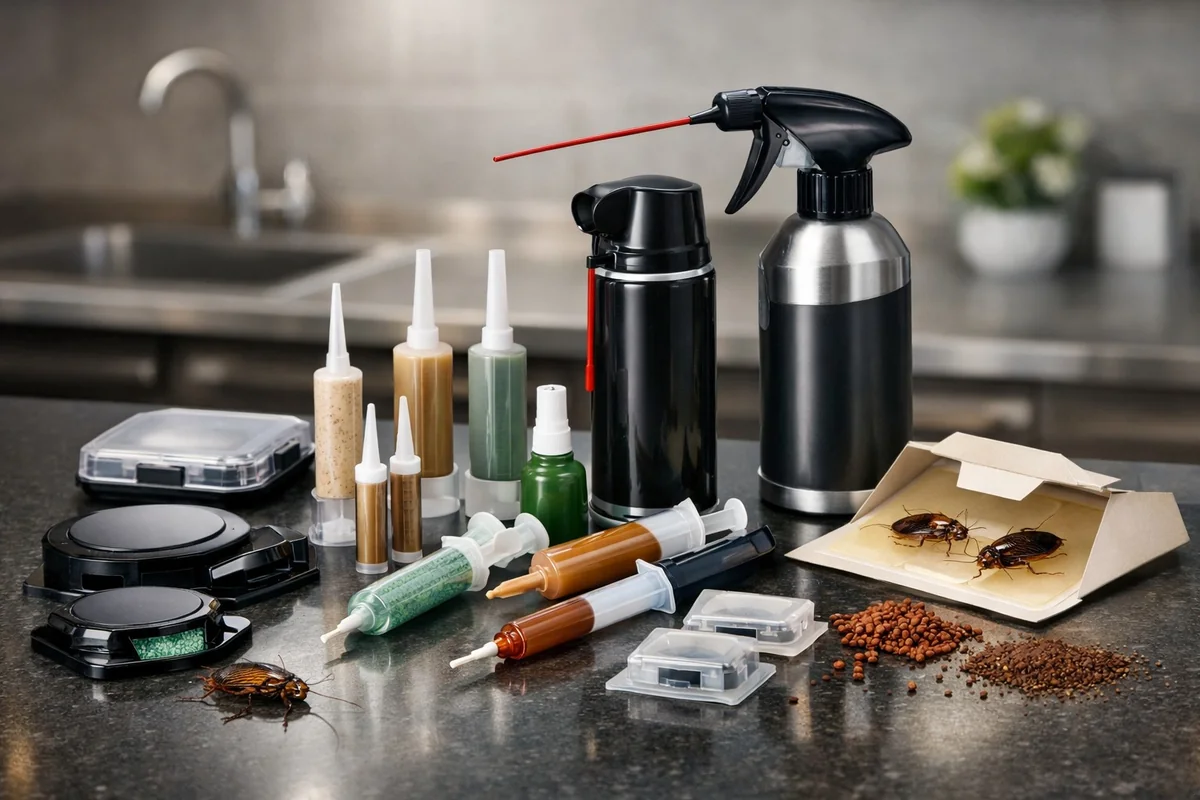
Roach killer is safe enough when used as the label directs, but how safe depends on the type. Bait stations and gels hold tiny amounts of insecticide in places people rarely touch, so they carry the least risk. Sprays, dusts and especially foggers spread insecticide where people and pets breathe, walk and eat, and need more care.
What Decides How Safe a Roach Killer Is
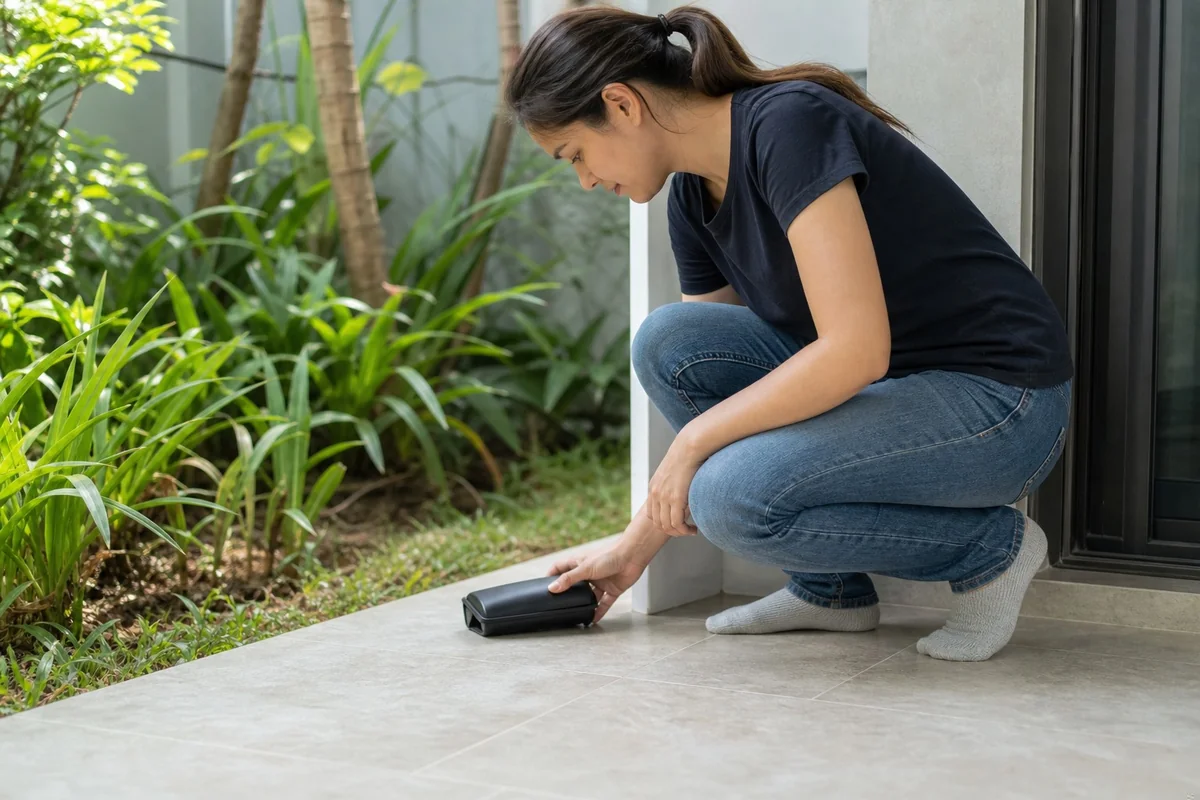
Three things set the risk: the active ingredient, the amount and how it is applied. A bait station puts a small dose of insecticide inside a plastic case under the fridge; a fogger releases a cloud that settles on every open surface in a room. The same family of ingredient can be low-risk in one form and a real exposure in another.
Labels help you judge this. Every registered product carries a signal word, Caution, Warning or Danger, with Caution the least toxic, along with directions on where it may be used and how long to keep people and pets away. Following those directions is what the safety rating assumes.
For product picks with safety in mind, see our guide to the best roach killers for the home, and the roach killers section covers each product type in detail.
Roach Killer Types and Their Risks
| Method | Exposure | Main Risk | Safer Use |
|---|---|---|---|
| Bait stations | Low; insecticide sealed in a case | A pet chewing several stations | Behind appliances and in latched cabinets |
| Gel bait | Low to moderate; exposed where applied | Children or pets touching open dabs | Only inside cracks and hinges |
| Sprays | Moderate while wet; residue afterward | Inhalation, skin contact, cats grooming | Cracks and baseboards; pets out until dry |
| Dusts | Low if kept in voids | Breathing airborne dust | Barely visible film behind appliances |
| Foggers | High across the whole room | Fire, illness from early re-entry | Not recommended |
Baits and Gels
Baits are the lowest-exposure option. Most hold a small concentration of the active ingredient: borax and boric acid baits around a few percent, and newer insecticides such as fipronil, indoxacarb or abamectin at a small fraction of a percent. A child who licks a station or a dog that chews one usually gets very little insecticide, though stomach upset is possible.
Gel is exposed where you apply it, so keep dabs inside cracks and hinges rather than on open surfaces, and use enclosed stations on floors and in lower cabinets where children and pets play.
Sprays
Most household roach sprays use pyrethroids, which can irritate skin, eyes and airways when wet or inhaled. Residual sprays leave insecticide on treated surfaces for weeks, which is why labels limit them to cracks and baseboards and keep them off food surfaces. Cats are especially sensitive to some pyrethroids, so keep them out of treated rooms until surfaces are dry.
Dusts
Boric acid and diatomaceous earth dusts are low in toxicity if a small amount is swallowed, but the dust can irritate the nose and lungs when breathed in. Apply a barely visible film inside voids and behind appliances, where nobody walks or breathes it, never on floors or counters. A puffer bottle gives far more control than shaking powder from the container.
Foggers
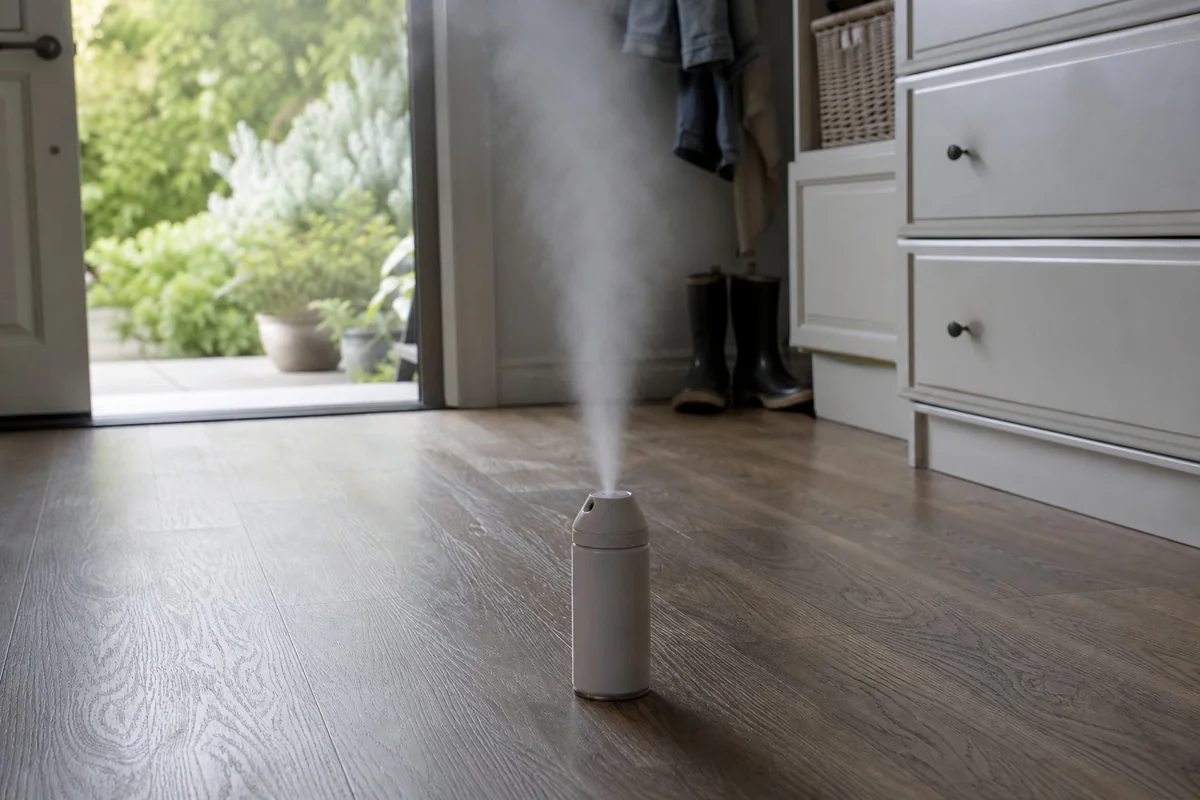
Foggers, or bug bombs, carry the most risk for the least benefit. The EPA's fogger safety precautions warn that accidents have occurred when people release too much fogging material, that the vapors can ignite near pilot lights, and that going back in too soon may cause illness. They also rarely reach the cracks where roaches hide, which is why we do not recommend them.
Is Roach Killer Harmful to Humans?
In normal household use, rarely. Problems usually come from swallowing product, using far more than the label allows, spraying in poorly ventilated rooms or re-entering a fogged home too early. Symptoms of overexposure can include headache, dizziness, nausea, coughing and skin or eye irritation, depending on the ingredient.
Young children are the group most at risk, because they put things in their mouths and spend time on floors. Keep all roach killers in their original containers, store them out of reach, and use stations rather than exposed gel or dust where children play.
Is Roach Killer Safe for Dogs and Cats?
Dogs mostly get into trouble by chewing bait stations or licking gel, and cats by walking through sprays or dusts and grooming their paws. A single chewed station usually means a small dose, but several stations or a tube of gel can make a pet sick, so call your vet with the product name.
- Place stations out of reach: behind appliances, under cabinets and in latched cupboards.
- Keep pets out until sprays dry: and follow the label's re-entry time.
- Pick up pet bowls before treating: so no spray or dust lands in food or water.
- Skip foggers in pet homes: fish tanks, birds and small caged pets are especially vulnerable to fog.
- Keep the packaging: your vet will need the active ingredient.
Is Roach Spray Safe After It Dries?
Much safer than when wet, which is why labels tell you to keep people and pets away until surfaces dry. Residual sprays still leave insecticide on the surface for weeks, so they belong in cracks, along baseboards and behind appliances, not on counters, tables or floors where children crawl and pets lie.
Wipe any overspray off food-prep surfaces with soap and water, and wash dishes or utensils that were left out. Ventilating the room by opening windows for a while after spraying reduces lingering odor and vapor.
If anyone in the home has asthma or allergies, lean on baits instead of sprays entirely. Roach droppings themselves are an allergy trigger, so cleaning them up matters as much as the treatment.
The Safest Ways to Kill Roaches
The safest effective plan relies on baits and good housekeeping rather than sprays. Clean up food and grease, fix leaks, seal cracks, use enclosed bait stations where children and pets can reach, put gel only inside cracks and keep boric acid dust in voids behind appliances.
Sticky traps add monitoring with no insecticide at all. If a professional treats your home, ask for a bait-based program and crack-and-crevice treatment instead of broad spraying, and ask which products they used in case a pet or child has a reaction.
Safer is also cheaper in the long run: a few stations and a tube of gel used well outlast repeated cans of spray, because they reach the roaches you never see.
Common Questions About Roach Killer Safety
What is the safest cockroach killer?
What is the safest cockroach killer?
Enclosed bait stations, placed where children and pets cannot reach. They hold a small amount of insecticide inside a case, roaches carry the effect back to their hiding spots, and nothing is sprayed into the air or onto surfaces. Sticky traps are insecticide-free but only monitor and catch, they do not end an infestation.
How long after spraying for roaches is it safe to go back in?
How long after spraying for roaches is it safe to go back in?
Follow the label, which gives the re-entry time; for most household sprays, that means once surfaces are dry and the room has aired out. For foggers, EPA advises staying out for the time on the label, often two to four hours, then opening doors and windows to ventilate on return.
Is it safe to sleep in a room after spraying for roaches?
Is it safe to sleep in a room after spraying for roaches?
Wait until the spray is fully dry and the room has been ventilated, and do not spray bedding, mattresses or pillows. Treat cracks and baseboards rather than open surfaces, and if anyone in the home has asthma, use baits in the bedroom instead of sprays.
Is roach killer safe for a baby's room?
Is roach killer safe for a baby's room?
Avoid sprays, dusts and foggers there. If roaches are present, use enclosed stations fixed out of reach, such as behind a dresser, and focus treatment on the kitchen and bathrooms where roaches live. Keep crib, toys and bottles away from any treated area.
Key Takeaways
Roach killers are pesticides, and their risk comes from the ingredient, the amount and the form. Enclosed baits and gel tucked into cracks expose people and pets the least, sprays and dusts need care while wet or airborne, and foggers carry real risks with little benefit.
Use stations where children and pets can reach, keep sprays off food and floors, keep dust in voids and store everything in its labeled container. If someone swallows roach killer or a pet chews a station, call Poison Control or your vet with the label.
Today, check where your current roach products are stored and move them to a high, latched cabinet.
Related Articles
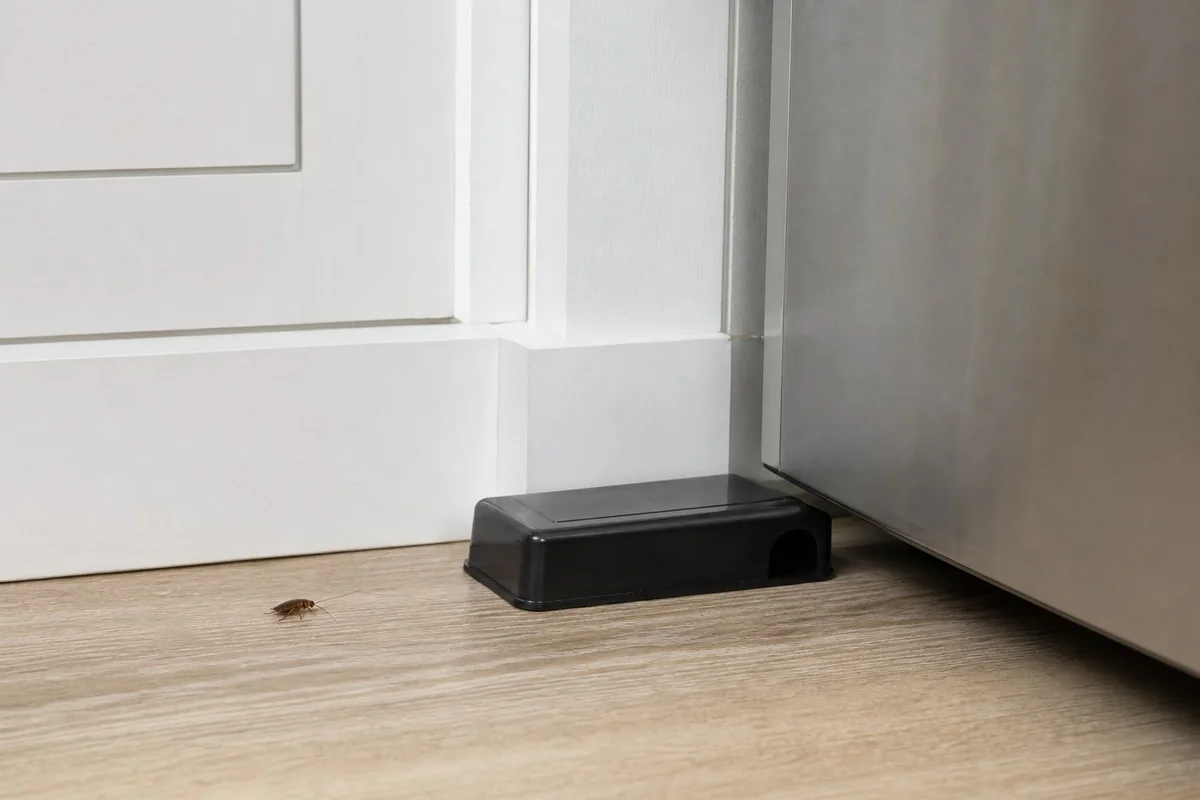
Best Pet-Safe Roach Killers: Stations, Traps and Low-Risk Options
The best roach killers for a home with pets: Combat child-resistant stations, HOY HOY glue traps, Harris boric acid for voids and BugMD plant-based spray.
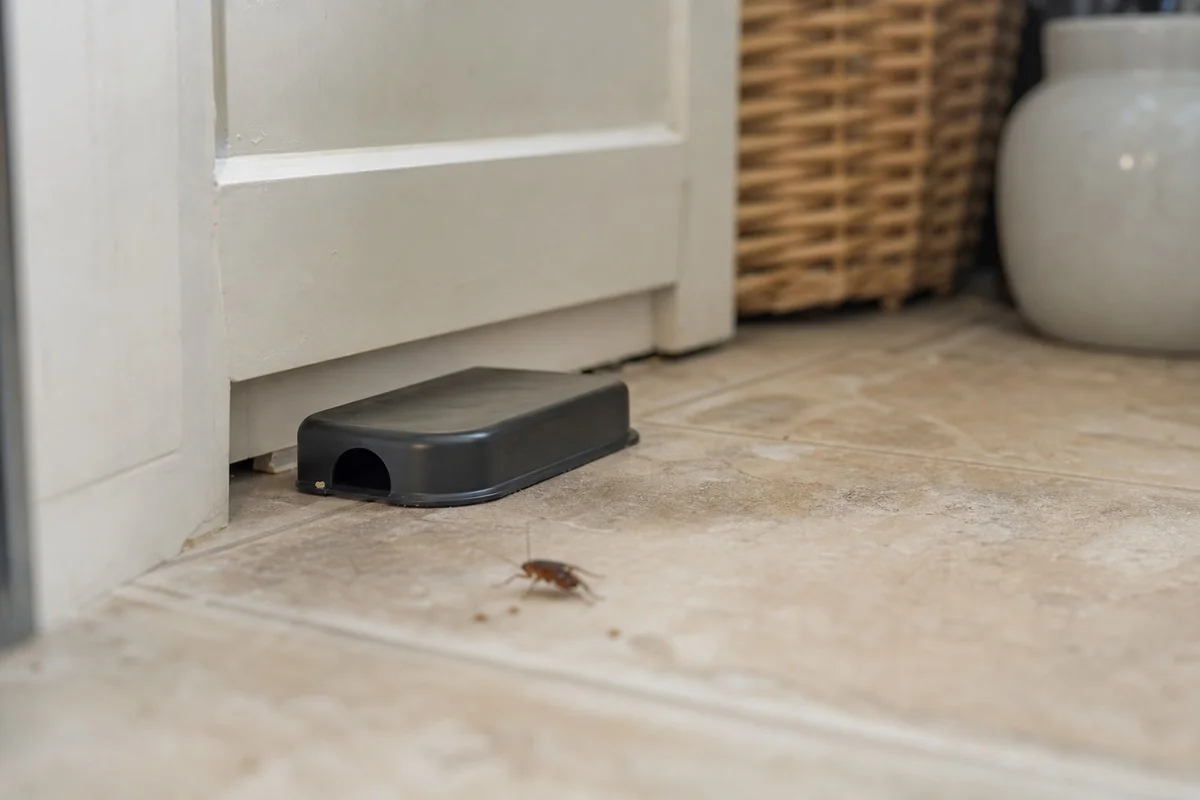
Best Roach Killers Safe for Pets and Kids: Child-Resistant Picks
The best roach killers for homes with kids and pets: Combat child-resistant stations, Harris boric acid for voids and Wondercide plant-based spray, used safely.
Best Roach Killers for the Home: Gels, Baits, Powder and Sprays
The best roach killers for the home: Advion and Combat gel baits, Combat and Raid stations, Harris boric acid, Raid spray and HOY HOY traps, and why to skip foggers.
Best Roach Bombs for the Home: Foggers, Safety and Better Options
The best roach bombs if you choose to fog: Raid Deep Reach, Hot Shot No-Mess and Bengal Roach and Flea, plus EPA safety rules and why bait usually works better.