DIY Pest Control: Sprays, Natural and Pet-Safe Options
DIY pest control for the home and yard: how to choose sprays, keep treatments safer around pets, use natural methods and judge ultrasonic repellers.
Browse General Pest Control
Explore our reviews and guides organized by topic
Pest Control Sprays
Indoor and outdoor bug sprays, sprayers and what professionals use.
- Best Indoor Pest Control Sprays: Residual, Aerosol, Plant-Based
- Best Home Pest Control Sprays: Ready-to-Use and Concentrates
- Best Pump Sprayers for Pest Control: Hand Pump, Steel and Battery
Pet-Safe Pest Control
Pest control products and DIY methods safe for dogs, cats and kids.
- DIY Pet-Safe Pest Control: Methods and Remedies That Work
- Best Pet-Safe Pest Control Products: Baits, Sprays, Yard Options
- Best Pest Control Sprays Safe for Dogs: Home, Coat and Kennel
Natural Pest Control
Natural and organic pest control for the home, yard and plants.
- Best Pesticides for Plants at Home: Soap, Neem and Systemic
- Best Natural Bug Sprays for the Home: Contact Kill and Repellent
- Best Natural Pest Control for the Yard and Garden: Lawn to Beds
- Natural Pest Control for the Home and Garden: What Works
Ultrasonic Pest Repellers
Whether ultrasonic repellers work and which ones to choose for mice, roaches and other pests.
- Do Ultrasonic Repellers Work on Bed Bugs? What the Research Says
- Best Ultrasonic Pest Repellers: Plug-In and Outdoor Picks
- Best Outdoor Ultrasonic Rodent Repellers: Yard, Shed and Garage
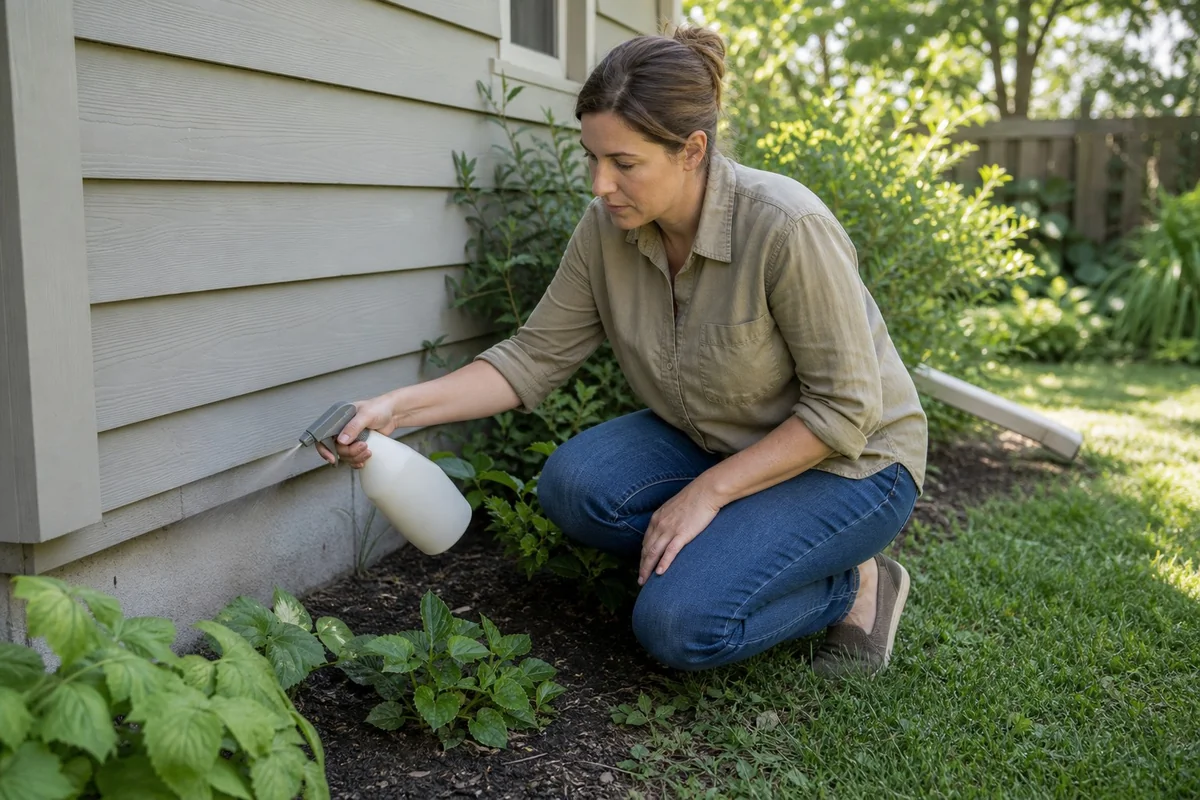
Do-it-yourself pest control covers the tools most homeowners reach for first: sprays for inside and outside the house, methods that are safer around pets and children, natural and plant-based options, and the ultrasonic repellers sold for nearly every pest. This section is for renters and homeowners who want to handle common pests themselves and know which approaches are worth the money.
What DIY Pest Control Involves
Most household pest problems are solved by the same few steps, whatever the pest: find where it lives and gets in, remove the food, water and shelter that drew it, seal the gaps, and only then treat. Sprays, baits and traps work far better after that groundwork, and many problems shrink without any pesticide at all.
The choice of product comes down to where you are treating and who shares the space. Inside, targeted treatments in cracks and along baseboards beat spraying open rooms. Around pets and small children, the label, the active ingredient and where you place a product matter more than the word “natural” on the front. Outdoors, a perimeter band around the foundation stops many crawling pests before they reach the door.
It also helps to know what does not work. Some popular gadgets and home remedies have little evidence behind them, and spending on them delays the steps that do help.
Pest Control Sprays
Sprays are the most common DIY tool, and also the easiest to misuse. This part of the site covers ready-to-use and concentrate sprays for indoors and the outside of the house, residual products that keep working for weeks, and the pump sprayers that make perimeter treatments easier.
You will find how to read a label for where a spray can be used, why crack-and-crevice treatment beats spraying the middle of a room, and which sprayer suits a small apartment or a large yard. Start with our pest control spray guides to match the product to the pest and the place.
A good rule before any spray: treat where pests travel and hide, not where you happen to see one, and keep people and pets off treated surfaces until they are dry.
Pet-Safe Pest Control
Homes with dogs, cats or small children need a different approach to the same pests. These guides focus on lowering exposure: enclosed bait stations, traps pets cannot reach, targeted treatments, and waiting times before animals return to a treated area.
Topics include which “natural” ingredients can still harm cats, how to keep baits away from curious noses, and DIY methods such as vinegar and diatomaceous earth with their real limits. Our pet-safe pest control guides walk through options room by room and for the yard.
The guides also cover when to keep pets out of a room or yard after treatment, how to store products where paws and small hands cannot reach, and what to have on hand if an animal gets into a bait or spray.
Natural Pest Control
Natural pest control starts with prevention and with the predators already living in a garden, then adds plant-based and low-toxicity products when they are needed. It suits gardeners and households that want to keep synthetic pesticides to a minimum.
You will read about soap sprays, neem oil and other plant-derived products, which beneficial insects are worth protecting, and why bought ladybugs rarely stay. The natural pest control guides cover the home, the yard and the vegetable garden.
Natural does not always mean harmless or effective, so each guide explains what a product actually does, how often it needs reapplying and where a conventional option may be the better choice for a stubborn problem.
Ultrasonic Pest Repellers
Ultrasonic repellers promise to drive away mice, roaches and other pests with sound, and they are among the most popular pest products sold online. Independent research has not found that they work reliably, and these guides explain why and what to do instead.
Topics include what the studies found, how to judge a repeller if you already own one, and why sealing gaps and trapping work better for rodents. Read our ultrasonic repeller guides before you buy one.
If you already own a repeller, the guides show how to check whether it is making any difference, using simple signs such as fresh droppings or new activity, so you can decide quickly whether to keep it or return it within the store window.
Common Questions About DIY Pest Control
Is DIY pest control as good as hiring a professional?
Is DIY pest control as good as hiring a professional?
For most common pests, such as ants, a few mice or occasional roaches, careful DIY work solves the problem. Termites, large wildlife in walls, heavy bed bug or roach infestations and stinging insect nests inside walls are usually worth a professional.
What is the first step in DIY pest control?
What is the first step in DIY pest control?
Identify the pest and find where it gets in and what it feeds on. Removing food, water and shelter and sealing gaps makes every later treatment work better and sometimes makes treatment unnecessary.
Do I need different products for inside and outside the house?
Do I need different products for inside and outside the house?
Usually, yes. Labels state where a product may be used, and outdoor perimeter sprays are often not allowed indoors. Inside, baits and crack-and-crevice treatments are generally safer and more effective than broad spraying.
How do I store pest control products safely?
How do I store pest control products safely?
Keep them in their original containers with labels intact, closed and locked away from children and pets, and away from food and heat. Never pour a pesticide into a drink bottle or unmarked container.