Ants, Roaches and Crawling Bugs: What Works
How to deal with ants, roaches, bed bugs, termites and spiders at home: baits versus sprays, homemade and natural options, and when to call a professional.
Browse Ants, Roaches & Crawling Bugs
Explore our reviews and guides organized by topic
Indoor Ant Killers
Ant sprays and killers for use inside the house, and how safe they are.
- Best Ant Killers for the Home: Baits, Gels and Sprays
- Best Ant Killer Sprays for Indoors: Residual and Plant-Based
- Do Ant Killers Work? Baits, Sprays and Why They Fail
- Is Ant Killer Toxic to People and Pets? Risks by Ingredient
Outdoor & Fire Ant Killers
Ant killers for yards, mounds and fire ants, and products for both indoors and out.
- Best Fire Ant Killer for Large Areas: Broadcast Baits, Mound Care
- Best Ant Killers for Indoors and Outdoors: Gels, Baits and Sprays
- Best Outdoor Ant Killers: Baits, Granules and Sprays for the Yard
- Best Ant Killer for Mounds: Baits, Dusts and Drench Treatments
Homemade Ant Killers
Homemade, natural and pet- or kid-safe ant killers and sprays you can mix yourself.
- Homemade Ant Killers That Work Indoors: Recipe and Setup
- Homemade Ant Killers for Outside: Borax Bait Stations That Work
- How to Get Rid of Ants Naturally: What Works and What Does Not
- Best Kid-Safe Ant Killers for Indoors: Child-Resistant Picks
Getting Rid of Ants
Step-by-step ways to get rid of ants in the house, kitchen and yard, fast or overnight.
- How to Get Rid of Ants in the Yard Without Overspraying
- How to Get Rid of Ants in the House, Room by Room
- How to Get Rid of Ants: A Plan That Reaches the Colony
- How to Get Rid of Ants Overnight: An Evening Routine
Roach Killers
Sprays, gels, baits, powders and foggers that kill cockroaches.
- Best Home Roach Sprays: Dry Aerosol, Residual and Plant-Based
- Best Roach Killers for the Home: Gels, Baits, Powder and Sprays
- Best Roach Killer Powders: Boric Acid, Tablets and Silica Dust
- Best Roach Killers Safe for Pets and Kids: Child-Resistant Picks
Getting Rid of Roaches
Step-by-step ways to get rid of roaches in a house, apartment or car, fast or overnight.
- How to Get Rid of Roaches in an Apartment: A Tenant's Plan
- How to Get Rid of Roaches in a Car: Clean, Bait and Trap
- How to Get Rid of Roaches: Baits, Boric Acid and a Working Plan
- How to Get Rid of Roaches Overnight: A Bedtime Routine
Natural Roach Control
Homemade roach killers and natural, pet-safe roach remedies.
- How to Get Rid of Roaches Fast With DIY Methods That Work
- How to Get Rid of Roaches Naturally: What Works and What Doesn't
- Homemade Roach Killers: Boric Acid Bait Recipes That Work
- Pet-Safe Roach Control You Can Do Yourself
Bed Bugs
Bed bug sprays and at-home treatments for mattresses, rooms and travel.
- Best Bed Bug Sprays for Travel: TSA-Size Picks and Hotel Habits
- Bed Bug Treatment at Home: What Works and What Doesn't
- Bed Bug Home Remedies: Do Baking Soda and Vinegar Work?
- Best Bed Bug Sprays: Concentrate, Plant-Based, Dust and Kits
Termites
Do-it-yourself termite treatments and sprays for wood, furniture and the home.
- Best Termite Sprays for Wood: Borate, Foam and Aerosol Picks
- Best Home Termite Treatments: Foam, Borate, Stakes and Spray
- Best Termite Treatments for Wood Furniture: Foams and Aerosols
- How to Treat Termites in Wood Flooring, From Below and Above
Indoor Spider Repellents
Spider repellents and sprays for inside the house, garage and car, including pet-safe and homemade options.
- Best Spider Killer Sprays for Indoors: Residual and Contact Picks
- Homemade Indoor Spider Repellents: What Works and How to Spray
- Best Pet-Safe Spider Repellents: Options for Dog and Cat Homes
- Best Spider Repellents for the House: Sprays, Peppermint, Traps
Outdoor Spider Sprays
Sprays and repellents that keep spiders off the outside of the house and yard.
- Best Outdoor Spider Insecticides: Bifenthrin, Granules, Aerosols
- Homemade Outdoor Spider Repellents: A Weekly Routine That Works
- Best Outdoor Spider Repellents: Sprays, Concentrates, Bug Lights
- Best Outdoor Spider Sprays: Residual, Contact, Plant-Based Picks
Start Here: Topic Guides
- Bed Bug Treatment at Home: What Works and What Doesn't
- Best Ant Killers for the Home: Baits, Gels and Sprays
- Best Home Termite Treatments: Foam, Borate, Stakes and Spray
- Best Outdoor Ant Killers: Baits, Granules and Sprays for the Yard
- Best Outdoor Spider Repellents: Sprays, Concentrates, Bug Lights
- Best Roach Killers for the Home: Gels, Baits, Powder and Sprays
- Best Spider Repellents for the House: Sprays, Peppermint, Traps
- Homemade Ant Killers That Work Indoors: Recipe and Setup
- How to Get Rid of Ants: A Plan That Reaches the Colony
- How to Get Rid of Roaches Naturally: What Works and What Doesn't
- How to Get Rid of Roaches: Baits, Boric Acid and a Working Plan
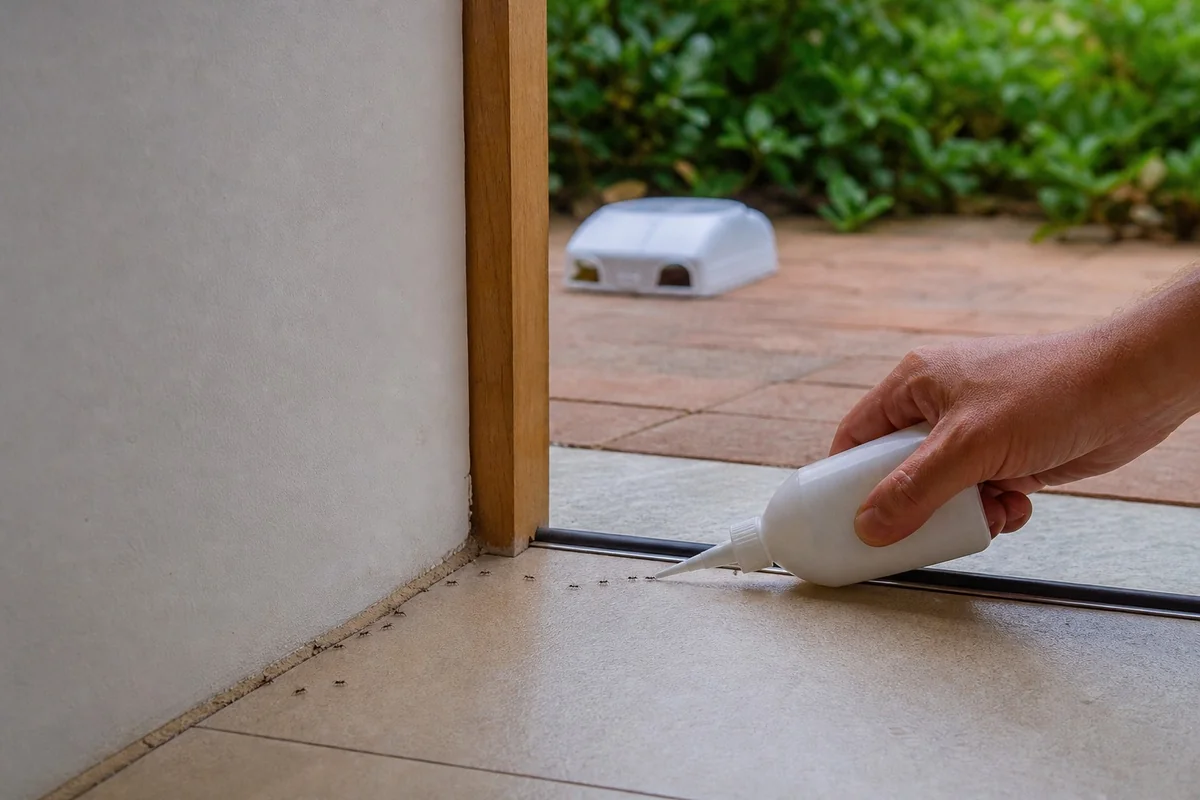
Ants, roaches and other crawling bugs are the pests most homes meet first: ant trails across the counter, roaches under the sink, spiders in the corners, and less often bed bugs or termites. This section is for homeowners and renters who want to identify the bug, choose a treatment that actually works and keep it from coming back.
How to Deal With Crawling Bugs
Crawling insects share a few habits that shape every treatment. They follow trails and edges, hide in cracks close to food and water, and live in colonies or hidden groups that a spray on the visible few never reaches. That is why baits, which workers carry back to the nest, often beat sprays for ants and roaches.
Prevention does most of the long-term work: wipe up crumbs and spills, fix leaks, store food in sealed containers and caulk the gaps around pipes, baseboards and windows. Then treat with the right product in the right place, and give it time. Some pests, such as termites and heavy bed bug infestations, are often worth a professional.
Indoor Ant Killers
Inside the house, the goal is to wipe out the colony, not just the ants on the counter. These guides cover ant baits, sprays and powders made for indoor use, how safe they are around kitchens, children and pets, and which work best on common household ants.
You will learn why slow-acting baits beat fast sprays for colonies, where to place bait stations along trails and why you should not spray near them. Our indoor ant killer guides compare options for kitchens and bathrooms.
They also explain how long baits take to work, often a few days, and why the number of ants can briefly rise as workers swarm the bait before the colony collapses.
Outdoor and Fire Ant Killers
Outdoor ants and fire ants call for different tactics than the trail in your kitchen. These guides cover granular baits, mound treatments, perimeter sprays and products labeled for both indoors and out.
Topics include the two-step method for fire ants, which pairs a broadcast bait with mound treatments, the best weather and soil conditions for baiting, and how to stop outdoor ants before they reach the house. See our outdoor ant killer guides for lawns, gardens and foundations.
Safety gets its own attention, since fire ant stings can be serious and some yard products need pets and children kept off treated areas until they dry.
Homemade Ant Killers
Homemade ant killers can work well when they follow the same logic as store-bought baits: a sweet bait with a small amount of boric acid that workers carry home. These guides give recipes based on university research, along with natural sprays and pet- and kid-safe options.
You will find why too much boric acid kills ants before they reach the nest, how to build a simple bait station, and what vinegar and soap sprays can and cannot do. Read our homemade ant killer guides before mixing your own.
Every recipe comes with storage and placement advice, since sweet baits attract children and pets as much as ants.
Getting Rid of Ants
These step-by-step guides take you from the first trail to an ant-free kitchen. They follow the order that works: identify the ant, find the trail and entry point, bait, clean and seal.
Topics include getting rid of ants fast or overnight, natural methods that are worth trying, and how to keep ants out of the kitchen for good. Start with our guides to getting rid of ants in the house and yard.
The guides also cover when ants are a sign of something bigger, such as carpenter ants nesting in damp wood, and when a professional inspection makes sense.
Seasonal patterns are covered as well, so you know why ants march in after heavy rain or during dry spells.
Roach Killers
Roach killers range from gel baits and bait stations to sprays, insect growth regulators, dusts and total-release foggers. These guides compare each type and explain which ones professionals rely on.
You will learn why gel bait placed in cracks near food and water outperforms spraying, how growth regulators stop roaches from breeding, and why foggers rarely reach roaches hiding in walls. Our roach killer guides help you match the product to the roach.
They also explain how to rotate baits if roaches stop eating one, a common problem with German cockroaches in apartments.
Product labels get a close read too, so you know which products may be used in kitchens and which belong only in cracks, voids and outdoor areas.
Getting Rid of Roaches
These guides lay out a full plan for a house, apartment or car with roaches. They start with identifying the species, since German roaches indoors and larger roaches coming from outside need different approaches.
Topics include cleaning and sealing hiding spots, placing baits, monitoring with sticky traps, and working with neighbors and landlords in multi-unit buildings. Read our guides to getting rid of roaches for a step-by-step plan.
Sticky monitoring traps get special attention, because they show where roaches are most active and whether the treatment is working week by week.
For cars and RVs, the guides add how to clear out food wrappers, vacuum seams and use baits safely in a closed vehicle.
Natural Roach Control
Natural roach control relies on low-toxicity options such as boric acid, diatomaceous earth and careful sanitation. These guides cover homemade roach baits and pet-safe remedies, with honest notes on which ones work.
You will find bait recipes, where to dust powders thinly so roaches walk through them, and why essential oil sprays rarely do more than repel for a short while. See our natural roach control guides for the details.
Each guide also covers keeping powders and baits away from pets and children, and why a thin dusting works better than a visible pile.
Sanitation remains the backbone: no amount of powder outlasts a steady supply of crumbs and dripping pipes.
Bed Bugs
Bed bugs are among the hardest pests to clear without help, but early action makes a big difference. These guides cover bed bug sprays, dusts, mattress encasements and heat treatment for clothing and bedding, plus how to avoid bringing them home from travel.
Topics include how to confirm bed bugs, why ultrasonic devices and most natural sprays fail, and when a professional is the right call. Our bed bug guides explain what you can do at home.
You will also find how to inspect a hotel room, how to handle luggage after a trip and why hot dryer cycles are one of the most useful tools you already own.
Termites
Termites cause damage slowly and out of sight, so knowing the type matters. These guides cover do-it-yourself treatments for drywood termites in furniture and accessible wood, borate wood treatments, and the signs that call for a professional inspection.
You will learn how to tell termites from flying ants, why subterranean termites usually need professional soil treatment or baiting, and how to make wood less inviting. Read our termite guides to know what you can treat yourself.
The guides also explain how to reduce moisture and wood-to-soil contact around the house, which prevents more termite trouble than any spray.
You will also see what a termite inspection involves and which questions to ask before signing a treatment contract.
Indoor Spider Repellents
Most house spiders are harmless and even helpful, but few people want them in the bedroom. These guides cover spider repellents and sprays for inside the house, garage and car, including pet-safe and homemade options.
Topics include why vacuuming webs and egg sacs works better than most sprays, which scents research has tested, and how to reduce the insects spiders feed on. Our indoor spider repellent guides compare what helps.
You will also find how to recognize the few spiders worth caution, such as black widows and recluses, and how to handle them safely.
For garages and cars, the guides add sealing door gaps and keeping clutter off the floor, where spiders like to hide.
Outdoor Spider Sprays
Outside, spiders gather where insects are plentiful: around porch lights, eaves, decks and shrubs. These guides cover sprays and repellents for the outside of the house and yard, with realistic expectations about how long they last.
You will read why perimeter sprays give only short-term relief, how changing outdoor lighting cuts the insects that attract spiders, and where to treat under deck rails and eaves. See our outdoor spider spray guides for practical picks.
The guides also cover clearing webs with a long-handled broom and trimming plants away from the walls, which keeps spiders farther from doors and windows.
Yellow or warm-toned bulbs near doors draw fewer insects, which means fewer spiders waiting for them.
Common Questions About Ants, Roaches and Crawling Bugs
Why do I keep seeing bugs in my kitchen?
Why do I keep seeing bugs in my kitchen?
Kitchens offer crumbs, grease, water and warm hiding places near appliances. Wipe surfaces nightly, store food sealed, fix drips under the sink and caulk gaps behind cabinets, then use baits for whatever remains.
Are baits or sprays better for crawling insects?
Are baits or sprays better for crawling insects?
For ants and roaches, baits usually work better because they reach the hidden colony. Sprays kill what they touch and can drive bugs away from bait, so keep them away from bait placements.
How can I tell which crawling bug I have?
How can I tell which crawling bug I have?
Catch one on a sticky trap or in a jar and compare it with photos from a university extension site. Size, color, where you find it and the time of day it appears narrow it down quickly.
When should I call a professional for crawling bugs?
When should I call a professional for crawling bugs?
Call one for termite damage, bed bugs that return after treatment, roaches spreading through an apartment building, or any pest you cannot identify or reach. A professional inspection often finds the source faster.