Flea and Tick Control for Home and Yard
Flea and tick control for homes, pets and yards: treating every flea life stage, cat-safe care, yard tick treatments and protecting people and pets from bites.
Browse Fleas & Ticks
Explore our reviews and guides organized by topic
Flea Treatment for Home
Flea sprays and treatments for carpets, furniture and homes with an infestation.
- Best Flea Treatment for the Home: Sprays, Powder and Pro Aerosol
- Best Flea Treatment for a Home Infestation: Pro Sprays and a Plan
- Best Furniture and Carpet Flea Spray: IGR, Trigger, Plant-Based
- Best Flea Treatment for a Home With Kids: Low-Toxicity Options
Flea Treatment with Pets
Flea treatments for homes with dogs, cats and kittens, and pet-safe options.
- Best Flea Treatment for a Home With Cats: Cat-Safe Plan and Picks
- Best Flea Treatment for a Home With Dogs: Collars, Tablets, Spray
- Best Flea Treatment for Kittens: What Is Safe at Each Age
- Best Pet-Safe Home Flea Treatment: Collars, Spot-Ons, Sprays
Yard Tick Control
Tick sprays and treatments for the yard and whether they work.
- Best Yard Flea Treatment: Granules, Concentrate and Nematodes
- Best Yard Tick Treatment: Sprays, Tick Tubes and What Works
- Best Yard Tick Spray to Protect People: Clothing, Skin and Yard
Pet-Safe Yard Tick Control
Yard tick treatments that are safe for dogs, pets and kids.
- Best Dog-Safe Yard Tick Spray: Synthetic and Plant-Based Picks
- Best Pet-Safe Yard Tick Treatment: Sprays, Tubes and Collars
- Best Kid-Safe Tick Spray for the Yard: Tubes, Sprays, Repellent
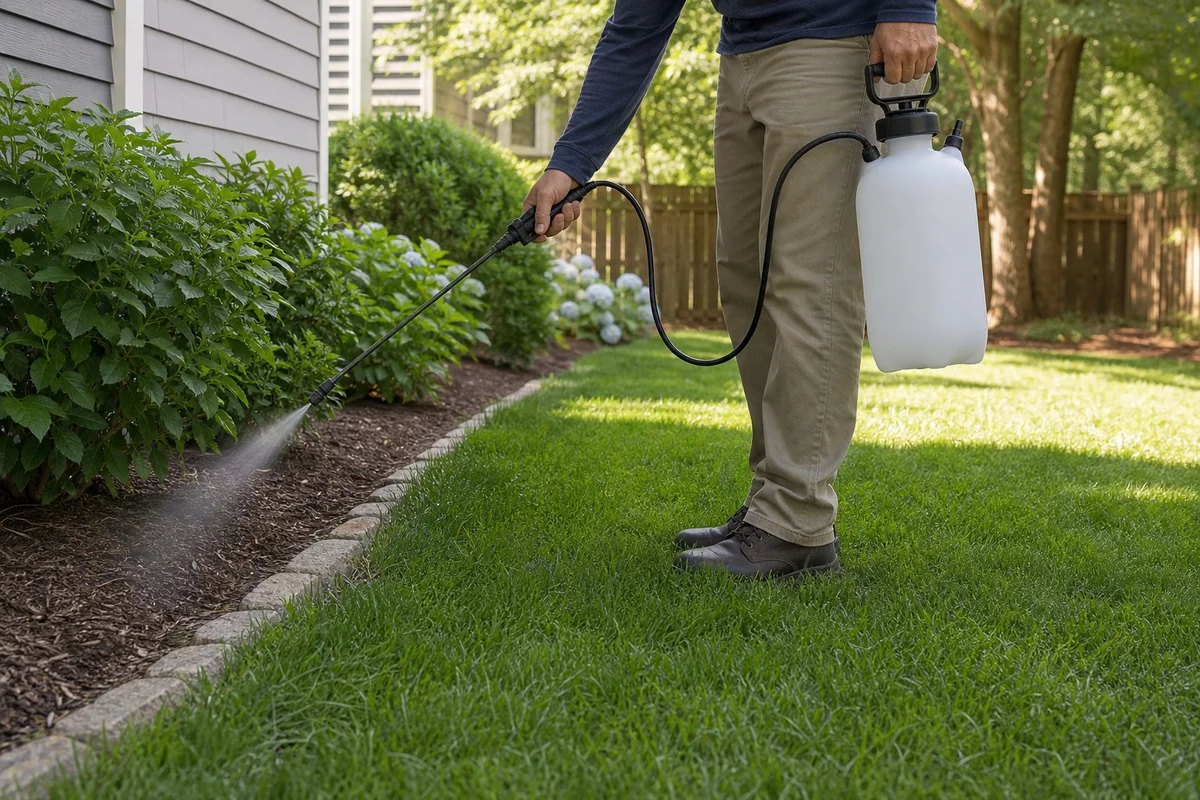
Flea and tick control means treating three places at once: the pet, the home and the yard. This section covers flea treatments for carpets and furniture, plans for homes with dogs and cats, yard tick treatments and pet- and kid-safe options, for pet owners and families who want to stop bites and keep pests from coming back.
How Flea and Tick Control Works
Fleas spend most of their life cycle off the pet. Eggs fall into carpets, bedding and furniture, larvae hide deep in fibers, and pupae can wait for weeks before hatching. That is why treating only the pet, or only the house, rarely ends an infestation. A vet-recommended treatment on every pet, thorough vacuuming and washing of bedding, and an insect growth regulator in the home work together.
Ticks live outdoors in tall grass, leaf litter and the edges between lawns and woods. Reducing that habitat, protecting people with repellent and treated clothing, and checking for ticks after time outside matter as much as any yard spray. Research shows yard treatments reduce tick numbers, but they do not replace personal protection.
Flea Treatment for Home
Clearing fleas from a house takes a plan that reaches every life stage. These guides cover flea sprays with insect growth regulators, carpet powders, professional-style aerosols and how to prepare a home for treatment.
You will find why vacuuming daily for a couple of weeks matters, which areas to treat under furniture and along baseboards, and why new fleas can keep appearing for a while after treatment as pupae hatch. Start with our home flea treatment guides.
The guides also cover when foggers fall short and when a professional treatment is worth the cost.
A simple white-sock walk across the carpet is explained too, as a quick way to check whether fleas are still active after treatment.
Flea Treatment With Pets
Homes with dogs, cats and kittens need flea treatments that are safe for each animal. These guides cover treating pets and their surroundings together, with extra care for cats, which are sensitive to several ingredients used in dog products.
Topics include never using a dog product on a cat, dosing by weight, washing pet bedding hot and treating the home while animals are out of the room. Our guides to flea treatment with pets explain each step.
You will also find when to talk to a vet, especially for kittens, puppies, pregnant animals and pets with skin problems.
Multi-pet homes get practical advice on treating every animal on the same day so fleas have nowhere left to hide.
Yard Tick Control
Yard tick treatments include sprays for the lawn edge and shaded beds, tick tubes that target the mice that carry young ticks, and landscape changes that make the yard less tick-friendly. These guides look honestly at what each one achieves.
You will read what studies found about sprays and bait boxes, how to treat the border between lawn and woods, and why a wood-chip barrier and short grass help. See our yard tick control guides for a full plan.
Personal protection runs through every guide: repellent on skin, permethrin on clothing, a hot dryer for clothes and a tick check after time outdoors.
The guides also cover the best season to treat and how to spot the shady, damp areas where ticks concentrate.
Pet-Safe Yard Tick Control
Families with dogs and small children want tick control that lowers exposure in the yard. These guides cover treatments and methods chosen for homes with pets and kids, including timing, placement and how long to keep everyone off a treated area.
Topics include tick tubes placed under shrubs, spot treatments instead of whole-lawn spraying and keeping play areas away from the woods' edge. Our pet-safe yard tick control guides compare the options.
The guides also explain why a vet-recommended tick preventive on the dog does more for the pet than any yard product.
You will also find how to read a label's re-entry time and why fencing out deer reduces the ticks that reach the yard.
Common Questions About Flea and Tick Control
Why do I still see fleas after treating my home?
Why do I still see fleas after treating my home?
Flea pupae are protected from most treatments and keep hatching for several weeks. Keep vacuuming daily and keep pets on their treatment, and the new fleas die before they can lay eggs.
Can fleas live on people?
Can fleas live on people?
Fleas bite people, usually around the ankles, but they do not live on human skin. They need an animal host to breed, so treating pets and the home ends the bites.
When are ticks most active?
When are ticks most active?
Ticks are most active from spring through fall, with young nymphs peaking in late spring and early summer. In mild winters, adults can be active on warm days too.
How do I remove a tick safely?
How do I remove a tick safely?
Grip the tick close to the skin with fine-tipped tweezers and pull straight up with steady pressure. Clean the bite area and watch for a rash or fever over the following weeks.