Mosquito Infestation Signs: When to Take Action in 2026
Learn how to identify mosquito infestation signs, distinguish nuisance from real problems, and know exactly when to take action. Get expert tips for homeowners and renters to resolve mosquito issues quickly and safely in 2026.
Mosquito infestation signs are persistent indicators of large mosquito populations breeding or living in your home or yard. Unlike occasional bites, infestations involve recurring mosquitoes, visible larvae, or clusters indoors. Recognizing these symptoms early helps homeowners and renters tackle the problem before it becomes a health risk.
What Defines a Mosquito Infestation
A true mosquito infestation isn't just about getting bitten outside at dusk or spotting a stray mosquito in your kitchen. Infestation means ongoing, high numbers of mosquitoes - often indoors or in main outdoor living spaces - backed by active breeding sites nearby.
Most people assume any mosquito activity is a sign of infestation, but that's not always the case. Occasional bites, especially during peak summer, usually reflect normal environmental conditions or a temporary spike after rain.
Mosquito Presence vs Infestation
If you see a single mosquito or get bitten once or twice a week, you probably don't have an infestation. What sets infestations apart is repeated, clustered mosquito activity - indoors or near your doors and windows - over multiple days.
Indoor infestations are rare unless mosquitoes are breeding inside or entering through major gaps. Outdoor infestations usually involve standing water nearby that allows for continuous mosquito hatching.
Common Misconceptions About Mosquito Problems
High mosquito activity at dusk is normal in many regions and doesn't automatically mean you have an infestation. It could be the result of seasonal weather, nearby wetlands, or a neighbor's neglected pool.
Not all standing water causes problems. A single puddle that dries in a day is less risky than a shaded, stagnant birdbath that's refilled weekly. Bite frequency alone can be misleading - if you spend time outside during peak mosquito hours, bites are expected.
If you want a deeper dive into long-term strategies, the Mosquito Control overview explains prevention and control solutions in greater detail.
Key Mosquito Infestation Signs to Watch For
Knowing when a mosquito problem becomes an infestation is about tracking patterns, not just reacting to isolated incidents. The following signs indicate you need to take action.
Frequent Mosquito Sightings Indoors
Seeing mosquitoes inside your home during the day is a major warning sign. While mosquitoes are mostly active at night, daytime sightings indoors suggest a breeding source close by or a serious entry point issue.
Clusters of mosquitoes in corners, bathrooms, or basements should never be ignored. Mosquitoes are drawn to moisture and darkness, so finding more than one in these spots points to hidden standing water or cracks in window screens.
Unusually High Number of Bites
If you or your family are getting multiple mosquito bites per day indoors, that's not normal. Indoor biting often means mosquitoes are entering in numbers or breeding in your home.
Bite locations can offer clues: bites around your ankles and lower legs often point to Aedes species, which breed in small containers. If bites spike suddenly compared to previous weeks, it's a red flag that something changed in your environment.
Mosquito Larvae in Standing Water
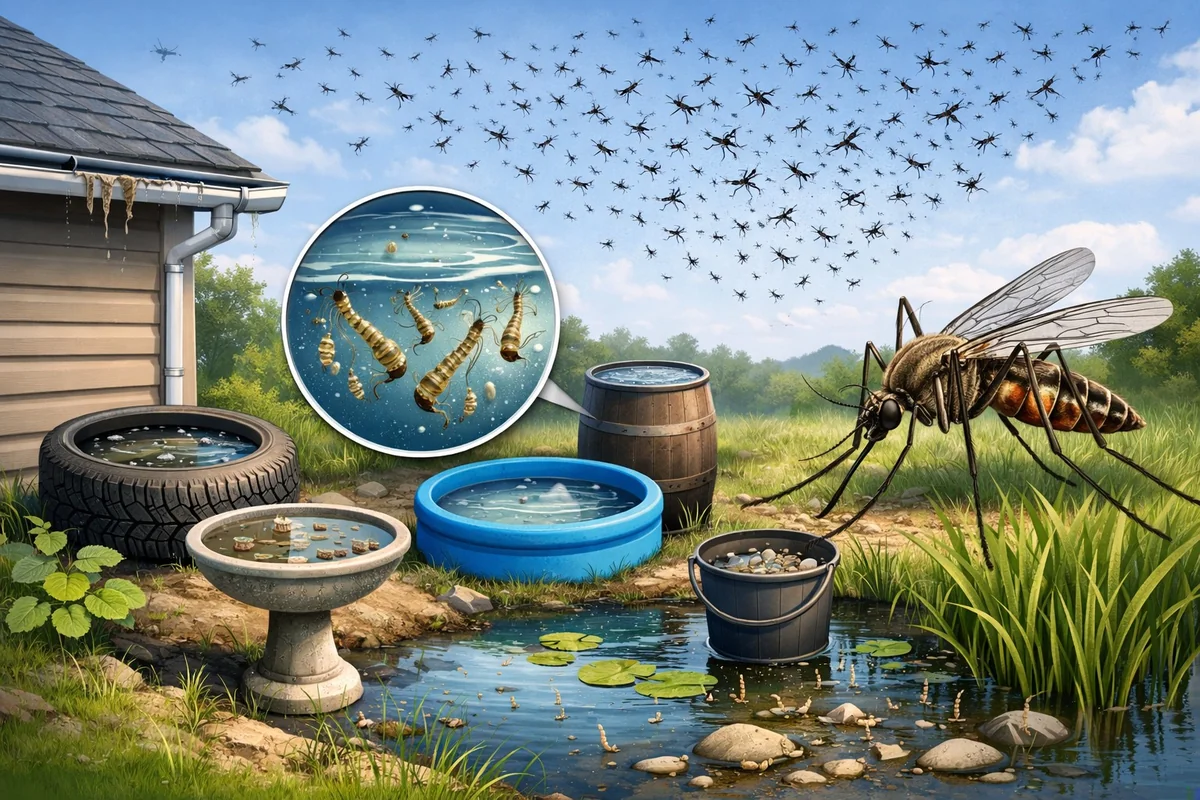
Larvae - tiny “wigglers” visible in stagnant water - are the most reliable sign of active mosquito breeding. Check birdbaths, buckets, gutters, or any water-holding item for larvae wriggling just below the surface.
They are easiest to spot in unshaded standing water that's less than two weeks old. If you don't find larvae but still have mosquito issues, breeding may be happening in a hidden or neighboring location.
| Option | ★Difficulty Level | ★Time Needed | Cost Range | ★Reliability | Best For | Limitation |
|---|---|---|---|---|---|---|
| Visual Inspection | Easy | 15-30 minutes per area | No Cost | Moderate | Homeowners checking early warning signs | May miss hidden breeding sites |
| Standing Water Survey | Medium | 30-60 minutes for average yard | No Cost | High | Property managers or those with large outdoor areas | Requires knowledge of typical mosquito habitats |
| Professional Mosquito Assessment | Not applicable | 1-2 hours (includes professional site visit) | Premium ($75–$200 per assessment) | Very High | Severe infestations or repeated problems | Higher cost, requires scheduling |
| DIY Mosquito Trap Monitoring | Medium | 1-2 hours setup, 24+ hours monitoring | Budget ($10–$30 per trap) | Moderate | Ongoing monitoring by homeowners | May not capture all species; results vary by trap design |
Common Places Mosquitoes Breed in Homes
Once you suspect an infestation, you need to identify where mosquitoes are breeding. Some sources are obvious, but others can be surprisingly subtle - especially indoors.
Indoor Breeding Sources
- Overwatered houseplants: Saucers below pots can collect just enough water for eggs to hatch.
- Clogged or slow drains: Showers, basement sinks, and even floor drains sometimes hold stagnant water long enough for larvae to develop.
- Unused vases: Water left in decorative vases or flower arrangements quickly becomes a breeding site.
- Basements: Water leaks, sump pump failures, or condensation puddles go unnoticed for days and create ideal conditions for mosquitoes.
- Pet water bowls and aquariums: If water isn't changed regularly, both can harbor larvae - especially if they are in dark, undisturbed areas.
Outdoor Breeding Hotspots
- Gutters: Clogged with leaves, gutters trap water that remains for weeks - perfect for mosquito breeding.
- Birdbaths: Without weekly cleaning, they quickly fill with larvae.
- Bottle caps, toys, tarps: Anything that holds as little as a tablespoon of water can produce dozens of mosquitoes in a week.
- Neglected pools and hot tubs: Even a few inches of standing water in an unused pool can be a major source of infestation for the neighborhood.
- Shaded, poorly drained yards: Mosquitoes prefer to lay eggs where sunlight won't quickly evaporate water.
Mosquito Problem Symptoms Beyond Bites
While bites are the most obvious symptom, mosquito infestations often cause other problems that signal a much bigger issue.
Persistent Buzzing and Swarming Behavior
If you hear continuous buzzing near your head at night, you likely have a high mosquito population indoors. Mosquitoes are drawn to carbon dioxide from your breath and will swarm around your face or ears while you sleep.
Swarming near windows, lights, or in specific rooms (like bathrooms or laundry areas) can help pinpoint where mosquitoes are trapped or breeding.
Pet and Livestock Distress
Pets scratching or avoiding certain rooms may be reacting to mosquito bites or swarms. In outdoor spaces, livestock may bunch together or show agitation if mosquitoes are present in large numbers.
This is a serious concern, as mosquitoes can transmit heartworm and other diseases to pets. If your animals seem distressed, check water troughs and shaded areas for larvae or adult mosquitoes right away.
How to Confirm a Mosquito Infestation
If you're still not sure whether you're dealing with an infestation or just normal nuisance, a few simple checks can give you a clear answer.
Using Traps and Monitoring Tools
DIY light traps or sticky traps can help you measure mosquito activity indoors and outdoors. Set traps in suspected areas and check them daily for several nights - if you consistently catch mosquitoes, you have an ongoing problem.
Commercial mosquito monitors can distinguish mosquito species from other flying insects, which helps if you're trying to target a specific type. Always compare the number of mosquitoes you catch to what you observe outside - higher indoor numbers are a clear warning sign.
If you need recommendations for safe and effective repellents, see the Best Mosquito Repellents for Home and Outdoor Use 2026 guide for up-to-date options and application tips.
Inspecting for Eggs and Larvae
Eggs are often laid in “rafts” - dark, floating clusters on the surface of water. These are a surefire sign of active breeding and should be removed immediately.
Larvae look like tiny, wriggling commas in shallow water. They're easiest to spot after rain or watering, when fresh standing water is most likely to have new eggs or larvae.
When to Take Action Against Mosquitoes
Recognizing when a nuisance becomes an infestation can be tricky, but there are clear thresholds for action. Ignoring the signs allows the population to explode in just a matter of days.
Thresholds for DIY vs Professional Help
If mosquitoes are present indoors for more than 7 days despite regular cleaning and removing standing water, it's time for targeted intervention. Finding multiple indoor breeding sites or larvae means you should consider professional assessment, especially if you can't eliminate all sources yourself.
DIY methods - like removing water, installing screens, and using repellents - work for small, contained infestations. For recurring, large-scale, or hard-to-access breeding sites, a licensed pest control professional can identify and treat sources you might miss.
Risks of Delaying Mosquito Control
Mosquitoes develop from egg to biting adult in as little as 7-10 days, so a small problem becomes a big one fast. The longer you wait, the more likely mosquitoes will spread to new areas, increasing the risk for your family and neighbors.
Health risks grow too: mosquitoes can transmit West Nile virus, Zika, and other illnesses. Prolonged infestations can also cause secondary issues, like mold growth from persistent standing water indoors.
Prevention and Early Intervention Strategies
Stopping a mosquito infestation before it takes hold is always easier than trying to control an established one. Early action keeps your living space safe and comfortable.
Eliminating Breeding Sites Effectively
- Empty and scrub water containers - including birdbaths, saucers, buckets - at least once per week. Eggs stick to sides and survive even after water is dumped.
- Install fine mesh screens on all windows, doors, and vents to keep mosquitoes out.
- For unavoidable water (rain barrels, sump pits), use larvicides labeled for mosquito control. Always follow the manufacturer's safety guidelines, especially around pets and children.
Natural and Chemical Repellents
- Essential oils like citronella or lemongrass offer short-term relief but need to be reapplied every few hours.
- EPA-registered repellents containing DEET or picaridin provide longer-lasting protection, but some people experience skin irritation - test on a small patch first.
- Mosquito coils and plug-in vapor devices help control mosquitoes in small indoor spaces, but should only be used with good ventilation.
For a list of the most effective options and how to use them safely, check our full resource on Best Mosquito Repellents for Home and Outdoor Use 2026.
Frequently Asked Questions About Mosquito Infestations
❓ Frequently Asked Questions
What are the most common signs of a mosquito infestation?
What are the most common signs of a mosquito infestation?
The most common signs of a mosquito infestation include frequent bites, seeing swarms of mosquitoes indoors or outdoors, and discovering larvae or pupae in standing water. These indicators suggest active breeding nearby. Addressing infestations quickly reduces health risks and discomfort. For example, spotting larvae in buckets or clogged gutters signals a larger issue.
How do I check my home for mosquito breeding sites?
How do I check my home for mosquito breeding sites?
To check your home for mosquito breeding sites:
- Inspect all outdoor containers for standing water - empty and scrub them weekly.
- Check clogged gutters, plant saucers, and birdbaths.
- Examine shaded areas like under decks for damp spots.
- Look for puddles after rain.
Tip: Even small amounts of water can support mosquito larvae.
When should I take action against a mosquito infestation?
When should I take action against a mosquito infestation?
You should take action when you notice persistent biting, visible mosquitoes indoors, or larvae in water sources. Early intervention prevents larger outbreaks and reduces disease risk. Most experts recommend starting control measures at the first sign of increased mosquito activity, especially during warm, wet months when breeding accelerates.
What health risks are associated with mosquito infestations?
What health risks are associated with mosquito infestations?
Mosquito infestations increase the risk of diseases like West Nile virus, dengue, and Zika. These illnesses can cause symptoms ranging from mild fever to severe neurological complications. According to public health guidelines, reducing mosquito exposure is essential for protecting vulnerable populations, including children, elderly, and those with weakened immune systems.
How effective are DIY mosquito control methods compared to professional services?
How effective are DIY mosquito control methods compared to professional services?
DIY mosquito control methods - such as removing standing water, using larvicides, and installing screens - can reduce mosquito populations by up to 70% with consistent effort. However, professional pest removal services offer targeted treatments and may achieve higher reduction rates, especially for severe infestations. DIY methods require regular maintenance and may not address hidden breeding sites.
What should I look for when choosing a mosquito removal service?
What should I look for when choosing a mosquito removal service?
When choosing a mosquito removal service, consider:
- Certification and licensing: Ensure legal compliance and expertise.
- Treatment methods: Prefer integrated pest management (IPM) and EPA-approved products.
- Service guarantees: Look for clear terms.
- Reviews and reputation: Check recent feedback.
Tip: Compare quotes and clarify follow-up options before committing.
How often should mosquito control treatments be applied?
How often should mosquito control treatments be applied?
Most mosquito control treatments are recommended every 3-4 weeks during peak season, typically from late spring through early fall. Frequency depends on local mosquito activity, rainfall, and property size. Consistent scheduling provides the best results, but additional visits may be needed after heavy rains or increased activity.
Why do mosquitoes keep coming back after treatment?
Why do mosquitoes keep coming back after treatment?
Mosquitoes often return after treatment due to nearby untreated breeding sites, heavy rainfall, or gaps in maintenance. Even effective treatments can be limited if standing water or dense vegetation remains. Regular inspections, ongoing removal of water sources, and periodic reapplication of control products are necessary for lasting reduction.
Key Takeaways for Homeowners and Renters
Recognizing mosquito infestation signs early is the key to stopping outbreaks before they threaten your family's comfort and health. Persistent indoor sightings, larvae in standing water, or multiple daily bites indoors are signs that require immediate action.
Tackle breeding sites weekly, use proven repellents, and track symptoms over time to make sure your efforts are working. If the problem doesn't improve within a week or if you find multiple indoor breeding sites, consider professional intervention to avoid health risks and property damage.
Don't wait for a small problem to spiral out of control - take a walk around your home today, check for standing water, and start with the simple fixes. If you're unsure about the best products or next steps, review our expert guides for safe, effective solutions.
Related Articles

Best Mosquito Repellents for Home and Outdoor Use 2026
Find the best mosquito repellents for home and outdoor use in 2026. Compare sprays, lotions, traps, natural options, and devices with expert reviews and buying tips.
Complete Guide to Pest Prevention in Homes: Stop Pests in 2026
Protect your home in 2026 with this complete pest prevention guide. Discover proven DIY methods, room-by-room tips, safe solutions for families, and expert advice to stop pests before they start.

Best Garden Pest Control Products for Yards and Gardens 2026
Discover the best pest control products for gardens and yards in 2026. Compare top-rated sprays, baits, traps, and natural solutions for safe, effective, and budget-friendly outdoor pest removal.

Best Natural and Organic Pest Control Products 2026: Safe, Eco-Friendly Solutions for Every Home
Find the best natural and organic pest control products for 2026. Safe, eco-friendly solutions for ants, roaches, rodents, and more - ideal for families and pet owners.