How to Prevent Cockroaches in Apartments: Step-by-Step Guide
Learn how to prevent cockroaches in apartments with step-by-step DIY methods, essential supplies, and proven cleaning habits. Stop roaches fast, keep your space pest-free, and know when to call for help in 2026.
To prevent cockroaches in apartments, seal entry points, use gel baits in kitchens and bathrooms, and keep food and water sources tightly controlled. The process takes 2-4 weeks for full results. Consistent cleaning and monitoring are essential - especially in multi-unit buildings with shared walls and utilities.
How Cockroaches Invade Apartments
Cockroaches are experts at slipping into apartments, and even the cleanest units aren’t immune. In multi-unit buildings, they move between spaces using gaps you can’t always see. It’s not just your habits - shared utilities and common areas play a big role.
Common Entry Points in Apartment Buildings
Gaps around pipes, electrical outlets, and under doors are the main highways for roaches. They flatten themselves to squeeze through cracks as small as 1/16 inch. Shared walls and utility lines mean if your neighbor has roaches, they can cross over - sometimes in hours, not days.
Sealing these entry points cuts off new arrivals, but it won’t evict roaches already hiding in your unit. You’ll need to combine sealing with targeted baiting and cleaning. Even with every visible gap sealed, cockroaches can sometimes sneak in through places you’d never expect, like bathroom vents or dryer ducts.
Why Apartments Are Especially Vulnerable
High-density living means that once one unit is infested, nearby apartments are at risk. Shared trash chutes, laundry rooms, and utility risers give roaches easy access to food and water - without ever stepping into your actual apartment until they need a new home base.
Even if you’re meticulous about cleaning, you can’t control your neighbor’s habits or the condition of common areas. That’s why apartment roach prevention takes more than just keeping your own space clean. You have to think building-wide, not just unit-by-unit.
If you want more details on how roaches spread through multi-unit dwellings and what to expect with different species, the Cockroach Control overview covers the science and habits behind these pests.
Essential Supplies for Apartment Roach Prevention
Stopping roaches in an apartment takes more than a can of spray. You’ll want the right sealants, effective baits, and cleaning tools that actually make a difference. Here’s what works based on years of pest management research.
Best Sealants and Barriers for Small Gaps
Silicone caulk is the go-to for tight seams and corners - think baseboards, tiny cracks, and where cabinets meet the wall. For larger holes, especially around pipes or in unfinished areas, expanding foam fills the space and blocks roach traffic. Both are easy to apply with basic tools and available at any hardware store.
One catch: buildings shift, and new gaps can open up after renovations or even seasonal weather changes. Plan to re-inspect sealed areas every month or two, especially if you notice new activity. Don’t forget about door sweeps and weather stripping - gaps under entry doors are a top entry point most people overlook.
Recommended Baits and Traps for Apartments
Gel baits with fipronil or hydramethylnon are the single most effective way to wipe out a colony - not just the roaches you see. Place a small dot in cracks and under appliances where roaches travel. Sticky traps aren’t a solution on their own, but they’re great for monitoring and will tell you where the action is hottest.
Results from gel baits aren’t instant. You’ll usually see a big drop in activity in 7-14 days if you’re using them correctly. Traps help track progress and alert you if new roaches show up after baiting, so you know if you’ve missed a gap or if neighbors are still a source.
If you want a full breakdown of the most effective baits, application tips, and what to expect, see our Best Cockroach Killers for Home 2026 guide.
Cleaning Tools That Actually Help
HEPA vacuums make a difference by removing roach debris and eggs from tight spaces. Standard vacuums can stir up allergens, but HEPA filters trap them. Use the crevice tool to get deep into baseboards and behind appliances.
Enzyme-based cleaners break down food residue and grease, which is what roaches are after. Regular all-purpose sprays won’t cut it - enzymatic formulas eat away the microscopic crumbs and stains that draw pests. Deep cleaning is non-negotiable, but only works when combined with sealing and baiting.
Step-by-Step Guide to Roach-Proofing Your Apartment
Ready to take action? Here’s a proven, step-by-step process that stops roaches at the source and keeps them out for good. Gather your supplies, set aside a weekend, and you’ll see real results.
Step-by-Step Guide
Preventing cockroaches in apartments requires a clean environment, sealing entry points, and regular monitoring. Follow these steps to reduce the risk of infestations using proven 2026 pest management practices.
Total Time
1 hour 10 minutes
Difficulty
Beginner
Clean and Remove Food Sources
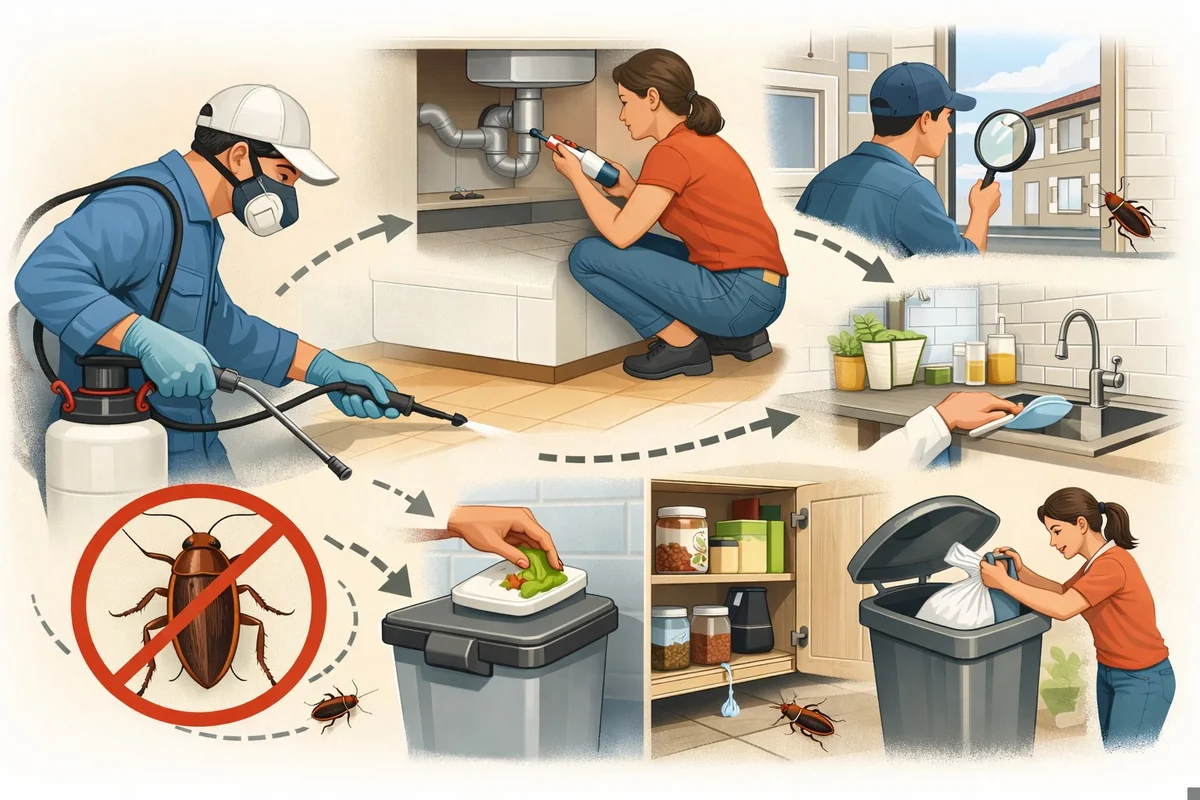
Wipe down all kitchen surfaces and sweep floors daily to eliminate food crumbs and spills. Store all food in sealed containers and empty garbage cans every night. This action denies cockroaches their primary food sources, making your apartment less attractive to pests.
Pro Tips:
- Use airtight plastic or glass containers for dry goods.
- Clean under appliances weekly, as crumbs often accumulate unnoticed.
- Take out the trash before bedtime to avoid overnight attraction.
Important Warnings:
- Common mistake: Leaving pet food out overnight invites cockroaches.
- Neglecting to clean under the refrigerator or stove often leaves hidden crumbs.
Required Tools:
- All-purpose cleaner
- Microfiber cloths
- Broom and dustpan
- Airtight food containers
- Trash bags
Seal Cracks and Entry Points
Inspect walls, baseboards, and around plumbing for gaps or holes. Apply silicone caulk or weatherstripping to seal any openings larger than 1/16 inch. This prevents cockroaches from entering your apartment from neighboring units or the outdoors.
Pro Tips:
- Focus on areas under sinks and behind appliances where pipes enter walls.
- Use expanding foam for larger gaps around utility lines.
- Check window screens and door sweeps for damage.
Important Warnings:
- Do not block ventilation vents or required air gaps.
- Failing to seal even small cracks can allow roaches easy access.
Required Tools:
- Silicone caulk
- Caulking gun
- Weatherstripping
- Utility knife
- Expanding foam (optional)
Fix Leaks and Eliminate Moisture
Check for leaky faucets, pipes, and condensation under sinks. Repair leaks promptly and use a dehumidifier or ventilation fan in damp areas. Cockroaches need water to survive, so reducing moisture makes your apartment less hospitable.
Pro Tips:
- Wipe up water spills immediately, especially in bathrooms and kitchens.
- Empty and dry sink basins and bathtub surfaces overnight.
- Install sink strainers to catch debris and prevent clogs.
Important Warnings:
- Unaddressed leaks can cause long-term water damage and attract other pests.
- If you detect extensive plumbing issues, contact building maintenance.
Required Tools:
- Adjustable wrench
- Plumber’s tape
- Dehumidifier (if needed)
- Towels
Set Monitors and Use Bait Stations
Place sticky cockroach monitors in corners, behind appliances, and under sinks to detect early activity. Use EPA-approved bait stations in high-risk areas as a preventive measure. This helps you catch infestations early and reduces the need for sprays.
Pro Tips:
- Check monitors weekly for signs of cockroach activity.
- Replace bait stations every 3 months, per manufacturer instructions.
- Label bait station placement to track effectiveness.
Important Warnings:
- Keep bait stations away from children and pets.
- Do not use sprays near bait, as this can repel cockroaches and reduce bait effectiveness.
Required Tools:
- Sticky cockroach monitors
- EPA-registered bait stations
- Disposable gloves
- Marker for labeling
Maintain Regular Inspections
Inspect your apartment every 2-4 weeks for signs of cockroach activity, such as droppings, shed skins, or egg cases. Focus on kitchens, bathrooms, and utility areas. Early detection allows for prompt intervention and minimizes infestation risk.
Pro Tips:
- Use a flashlight to check dark or hidden spaces.
- Document inspection results to identify recurring problem areas.
- Coordinate with neighbors or building management if infestations persist.
Important Warnings:
- Ignoring inspection routines can allow small problems to become severe infestations.
- If you find a persistent problem, consult a licensed pest control professional.
Required Tools:
- Flashlight
- Notebook or inspection checklist
- Disposable gloves
Preparing Your Space for Prevention
Start by removing clutter, especially in kitchens and bathrooms. Roaches love stacks of paper, cardboard, and forgotten bags - they’re perfect hiding spots. Clear out cabinets and empty under-sink areas so you can see and reach every vulnerable spot.
If you have allergies, wear gloves and a mask. Disturbing roach debris can trigger symptoms - especially if you’re kicking up dust or vacuuming old droppings. Make sure you have good lighting so you don’t miss the tiny cracks where roaches squeeze through.
Sealing Entry Points Effectively
Apply caulk along baseboards, behind appliances, and anywhere pipes or wires come through the wall. Don’t skimp - roaches only need a 1/16-inch gap to get in. For larger holes, use expanding foam, but trim away excess once it dries so you don’t create new hiding spots.
Add door sweeps to block the gap under your entry door. Weather stripping seals the sides, especially in older buildings where doors rarely fit tight. Check for new cracks or gaps every month, especially after repairs or extreme weather - these are prime times for new entry points to appear.
Placing Baits and Monitors Strategically
Focus gel baits where roaches actually forage: kitchens, bathrooms, and anywhere you see water pipes. Small dots in cracks and under sinks are more effective than big globs out in the open. For best results, rotate between bait brands every few months - roaches can develop aversion to certain active ingredients over time.
Place sticky traps along walls, behind the fridge, and next to the stove. Monitor them weekly to track hot spots and see if activity drops. Traps won’t eliminate an infestation, but they’re your early warning system if new roaches show up from neighboring units.
Cleaning Habits That Deter Roaches Long-Term
Once you’ve sealed and baited, cleaning becomes your main defense against future infestations. Roaches need food and water every day, so make your apartment as unwelcoming as possible. It’s not about being spotless - it’s about starving out the survivors and keeping new invaders from settling in.
Kitchen Maintenance That Makes a Difference
Wipe counters daily and sweep floors to remove crumbs and grease. Even a light film of oil on the stove is a feast to a roach. Store all food, including pet kibble, in airtight plastic or glass containers - thin bags and cardboard boxes are no match for their jaws.
Take out the trash every night and rinse recyclables before tossing them. Roaches follow odor trails to new food sources, so even a sticky soda can can draw them in. Get in the habit of checking under appliances for spills or crumbs - they often go unnoticed.
Bathroom and Laundry Room Precautions
Fix any leaking faucets or pipes as soon as you spot them. Roaches can’t survive long without water, so drying out these areas is key. Don’t leave wet towels or piles of laundry around - these provide both moisture and shelter.
After showers, open windows or run the exhaust fan to lower humidity. The drier your apartment, the less appealing it is to roaches looking for a home base. Even small changes here make a big difference in the long run.
Safe Use of Roach Baits and Insecticides Indoors
Safety matters, especially in apartments where air and surfaces are shared. You want to kill roaches without putting your family, pets, or neighbors at risk. Stick to low-toxicity options and always follow label directions for indoor use.
Choosing Low-Toxicity Solutions for Apartments
Gel baits and boric acid powder are the safest and most effective for apartment use. Apply gel in cracks and crevices, not out in the open. Boric acid works as a dust in hidden spots, but avoid over-applying - it can build up and lose effectiveness.
Skip foggers and sprays in multi-unit buildings. They spread chemicals through vents and walls, and rarely reach hidden colony areas. Always check for an EPA registration number on any product you use indoors - this is your guarantee it’s tested for safety and effectiveness.
Protecting Pets and Children During Treatment
Keep baits in tamper-resistant bait stations or hidden behind appliances, well out of reach of kids and pets. Never use boric acid in open areas where pets might walk, lick, or rest. If you suspect accidental exposure, call poison control right away - don’t wait for symptoms.
What to Do If Neighbors Have Roaches
If you see roaches coming from under your entry door or near shared walls, chances are a neighboring unit is infested. This is a building-wide problem, not just yours to solve. Coordinating with management and stepping up your prevention routine are both necessary.
Coordinating With Building Management
Report any sightings to property management, especially if you suspect other units are involved. Building-wide treatment is far more effective than chasing roaches from unit to unit. Request regular pest control inspections for common areas, and document all communication - most leases require management to address infestations promptly.
Protecting Your Unit From Neighbor Infestations
If your neighbors have roaches, check and re-seal all entry points more often. Replace baits and check traps weekly during outbreaks. In severe cases, use temporary barriers like duct tape over vents or under doors until management resolves the issue.
When DIY Roach Prevention Isn’t Enough
Sometimes, even the best DIY prevention isn’t enough. Severe infestations or persistent re-invasions from neighbors require professional help. Know the signs that it’s time to escalate.
Recognizing Signs of Severe Infestation
If you’re seeing roaches during the day, noticing strong musty odors, or finding egg cases regularly, you’re dealing with a large, hidden population. Multiple failed DIY attempts often signal colonies in places you can’t reach. For families with asthma or allergies, a severe infestation is more than an annoyance - it’s a health hazard.
When to Call Professional Pest Control
Professional exterminators can use growth regulators and deep-injection baits not available to consumers. If the entire building is affected, coordinated professional treatment is the only way to truly stop the cycle. While cost and disruption are higher, this is sometimes the only option for long-term relief.
Frequently Asked Questions About Apartment Roach Prevention
❓ Frequently Asked Questions
What attracts cockroaches to apartments?
What attracts cockroaches to apartments?
Cockroaches are attracted to apartments by food crumbs, moisture, and clutter. Even small spills or leaks can provide enough resources for them to thrive. Sealing food containers and fixing leaks reduces their access to food and water, making your home less appealing for infestations.
How do I prevent cockroaches in my apartment?
How do I prevent cockroaches in my apartment?
To prevent cockroaches, start by keeping your apartment clean and free of food debris.:
- Wipe down counters daily.
- Store food in sealed containers.
- Fix leaky pipes promptly.
- Take out garbage regularly.
- Seal cracks and entry points.
Paying attention to kitchen and bathroom areas is especially effective.
What are the best cockroach prevention products for apartments?
What are the best cockroach prevention products for apartments?
Effective cockroach prevention products include gel baits, boric acid powder, and glue traps. Gel baits target hidden populations, while boric acid is useful for cracks. Glue traps help monitor activity. Always use products according to safety guidelines and place them out of reach of children and pets.
How often should I clean to keep cockroaches away?
How often should I clean to keep cockroaches away?
For best results, clean kitchens and eating areas daily, including wiping surfaces and sweeping floors. Take out trash at least every 1-2 days. Deep clean behind appliances monthly. Most users find that a consistent cleaning routine is the most effective long-term deterrent against cockroach infestations.
What should I look for when choosing cockroach sprays or baits?
What should I look for when choosing cockroach sprays or baits?
When choosing cockroach sprays or baits, consider:
- Safety: Choose products labeled for indoor use.
- Active ingredient: Look for proven substances like fipronil or hydramethylnon.
- Ease of application: Gels are best for cracks.
- Odor: Low-odor options are better for apartments.
Always follow label instructions for safe use.
Can cockroaches come from neighboring apartments?
Can cockroaches come from neighboring apartments?
Yes, cockroaches can enter from neighboring apartments through shared walls, plumbing, or utility lines. Sealing gaps around pipes and baseboards can reduce their movement between units. Apartment buildings with frequent infestations often benefit from regular, coordinated pest control across multiple units.
How do I seal entry points to block cockroaches?
How do I seal entry points to block cockroaches?
To seal entry points, first inspect for gaps around doors, windows, and plumbing.:
- Use silicone caulk or weatherstripping on cracks and crevices.
- Install door sweeps on exterior doors.
- Plug holes around pipes with steel wool and caulk.
Regular checks ensure your barriers remain effective over time.
Key Takeaways for Apartment Roach Prevention
Preventing cockroaches in apartments means sealing every possible entry point, especially around shared walls, pipes, and utility lines. Gel baits in kitchens and bathrooms, combined with sticky trap monitoring, will get results if you’re patient and thorough. Strict cleaning routines - especially around food and water - are the foundation of lasting protection.
If roaches persist, recheck for missed cracks, swap out bait types, and pay close attention to possible sources in neighboring units. Don’t hesitate to involve building management or call a professional if you’re not seeing progress after a few weeks. Your health - and your sanity - are worth it.
Act now to break the cycle: seal, bait, clean, and monitor. If you stay consistent and don’t give up after the first sign of trouble, you can stop roaches and keep your apartment pest-free.
Related Articles
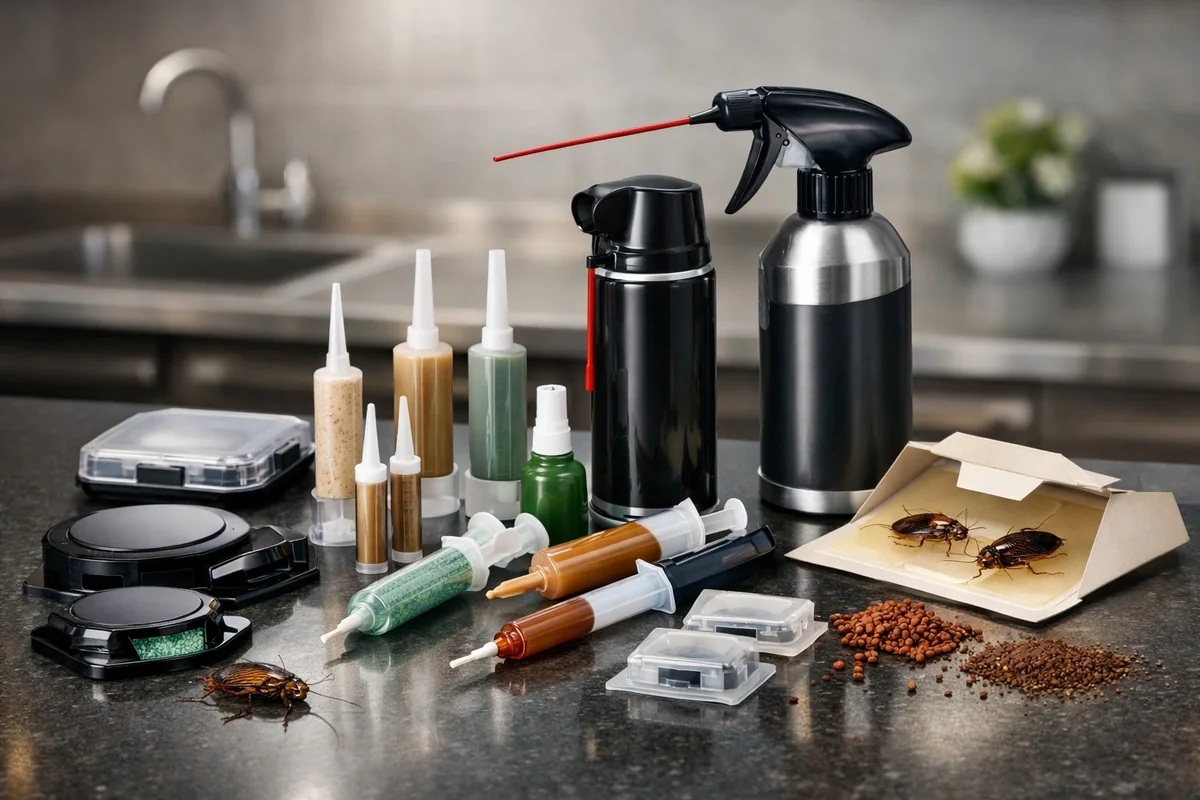
Best Cockroach Killers for Home 2026: Gels, Baits, Sprays & More
Find the best cockroach killers for home in 2026. Compare top gel baits, sprays, traps, and natural options for effective, safe, and budget-friendly cockroach removal - plus tips for choosing the right product for your needs.
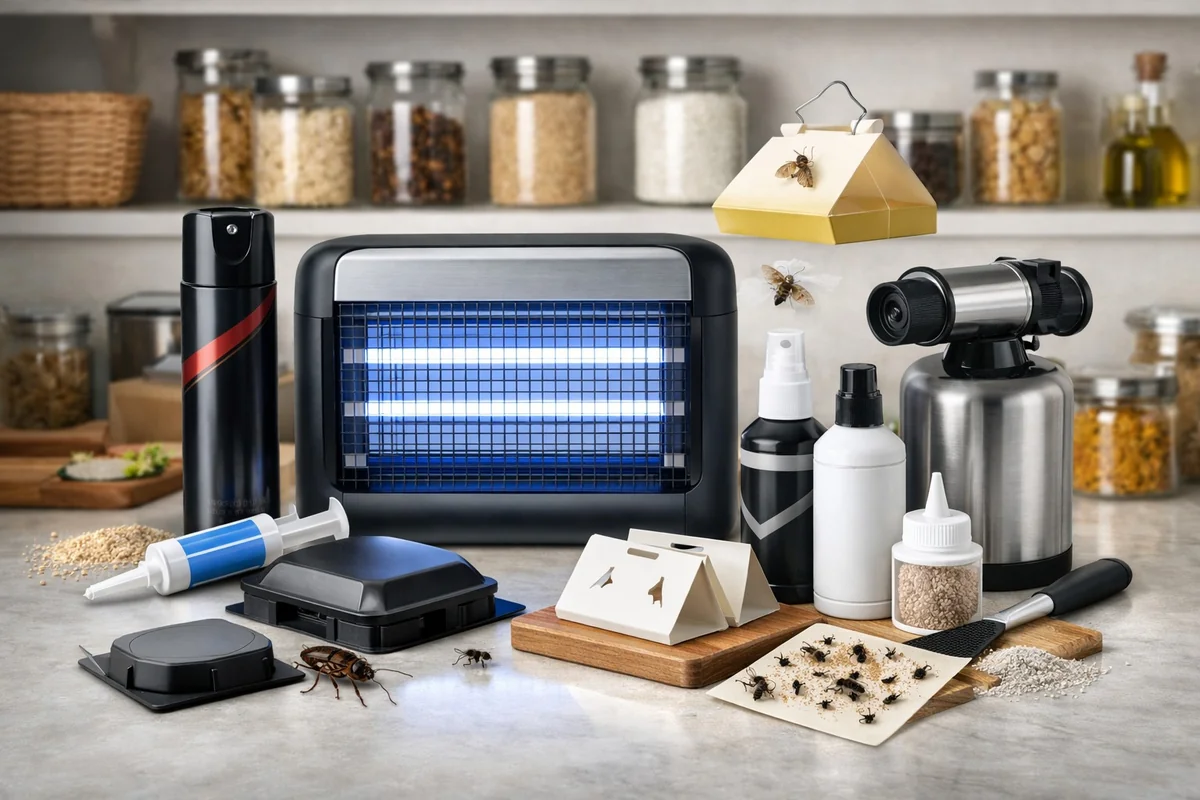
Best Kitchen Pest Control Products 2026: Ant, Roach, Moth & Fly Solutions
Find the best kitchen pest control products for 2026, including safe ant baits, cockroach gels, pantry moth traps, fly solutions, and natural options. Expert advice on choosing safe, effective, and budget-friendly pest killers for food storage areas.
Complete Guide to Pest Prevention in Homes: Stop Pests in 2026
Protect your home in 2026 with this complete pest prevention guide. Discover proven DIY methods, room-by-room tips, safe solutions for families, and expert advice to stop pests before they start.
Best Chemical Pesticides for Home Use 2026: Safe, Effective, and Affordable Options
Discover the best chemical pesticides for home use in 2026. Compare top-rated baits, sprays, gels, and natural options for ants, roaches, fleas, and more. Find safe, effective, and budget-friendly pest control solutions for every room.