
How to Prevent Flies in the Kitchen and Home: Step-by-Step Guide (2026)
Discover proven steps to prevent flies in your kitchen and home in 2026. Learn how to fly proof your space, stop infestations, and keep your living areas safe and pest-free with practical, budget-friendly solutions.
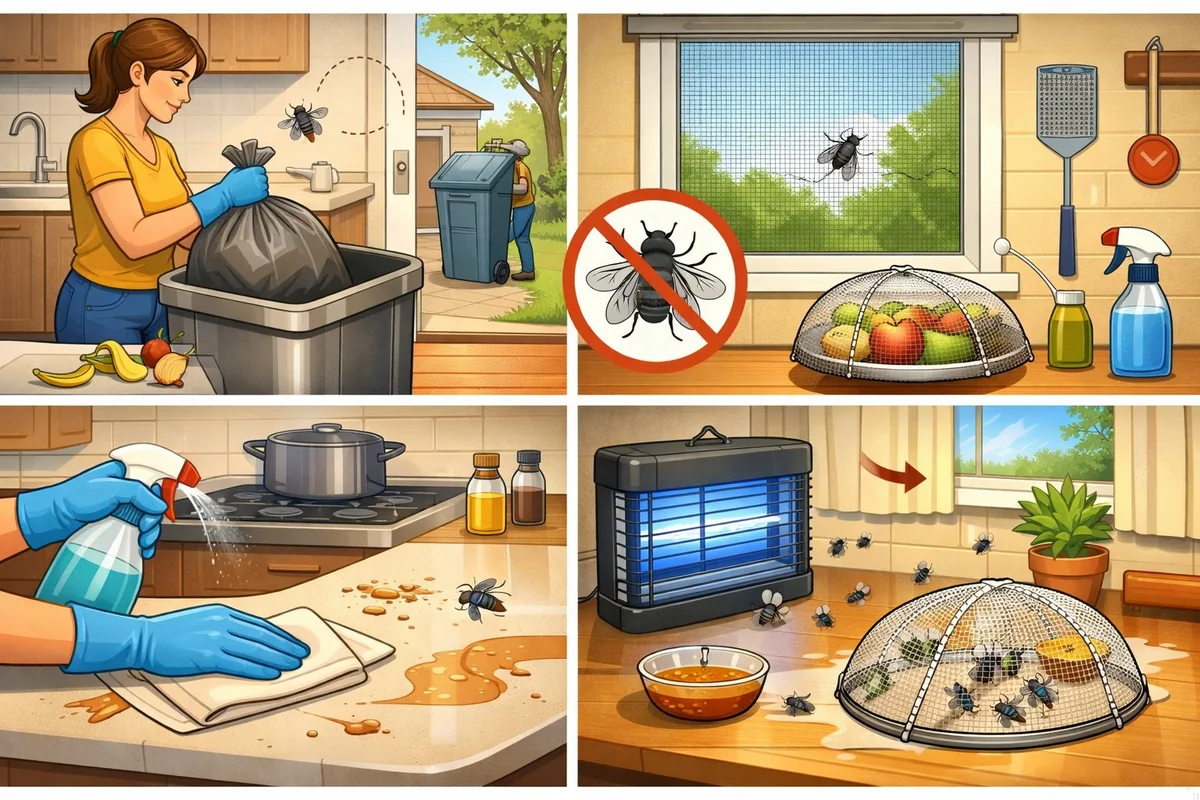
To prevent flies in the kitchen and home, eliminate food and moisture sources, install tight screens, and use traps or baits tailored to the fly species. Expect to spend 30-60 minutes on initial setup and cleaning, with ongoing maintenance every few days. Consistency is key - missing one step can undo your progress.
Why Flies Invade Kitchens and Homes
Flies are a problem in nearly every home, but kitchens attract them like magnets. Understanding what brings them inside is the first step to stopping them for good. Most fly problems come down to food, moisture, and easy access.
What Attracts Flies Indoors
Flies use their sense of smell to find food and breeding spots. Even a few drops of juice or a forgotten apple core can bring them swarming. They’re drawn to the scent of decaying food, sugar, and anything fermenting.
Moisture is another big draw. Sinks, drains, and even damp sponges can provide the perfect breeding ground. Pet food left out or overripe fruit on the counter only make things worse.
Sealed containers and regular cleaning cut down on these attractants dramatically.
Fly Species Most Common in Homes
Most homeowners deal with three main types: houseflies, fruit flies, and drain flies. Each has its own preferences. Houseflies like exposed food, fruit flies breed on ripening or rotting produce, and drain flies thrive in wet, gunky drains.
Fruit flies multiply fast - just a single piece of overripe fruit can turn into dozens within days. Drain flies are sneaky, often showing up when you haven’t cleaned the sink trap in a while. If you can’t tell which type you have, your efforts might miss the mark.
Getting the species right is half the battle - different flies need different strategies.
For a full breakdown of these pests and targeted solutions, check our Fly Control guide. You’ll find detailed info to help you identify and tackle each species.
Essential Tools and Supplies for Fly Prevention
You don’t need fancy equipment to fly proof your kitchen, but a few essentials make the job easier and more effective. Start with barriers to keep flies out, then add traps or baits as needed based on what you’re seeing.
Fly Screens and Physical Barriers
Physical exclusion is the gold standard. Fine mesh window and door screens with mesh under 1.2 mm block most common flies and are a must for every kitchen window. Magnetic or self-closing screens are convenient for patio doors but can leave gaps if not installed perfectly.
Screens don’t last forever. Check for tears or loose fittings regularly - one small hole can let flies in faster than you think. Tight sealing around frames and at the base of doors with sweeps or weather stripping is equally important.
Natural Repellents and Traps
Homemade traps, like apple cider vinegar in a cup with plastic wrap and holes, exploit fruit flies’ love of fermenting smells. These work well for small infestations but need to be changed every 2-3 days. Essential oils such as eucalyptus and citronella can help repel flies in small spaces, but don’t expect miracles - they’re best for prevention, not control.
If you have kids or pets, natural options are safer than chemical sprays, but they won’t keep up with a big swarm. Use them as part of an overall strategy, not your only defense.
Commercial Fly Baits and Lures
Commercial baits use sugar or pheromones to lure flies to a sticky or toxic surface. Results are usually visible within 24-48 hours, making them much faster than DIY traps. However, check the label - many contain chemicals you shouldn’t use near food prep areas.
Some baits only attract certain species. For example, a housefly bait won’t do much for fruit flies. Picking the wrong one is a common mistake. If you’re considering electric zappers or specialized traps, see our Best Fly Traps and Zappers 2026 page for options that actually work.
| Method | ★Difficulty Level | ★Time Required | Cost Range | ★Best For | Effectiveness |
|---|---|---|---|---|---|
| Sanitation and Exclusion | Easy | 30-60 minutes per week | Budget | Homeowners seeking long-term prevention with minimal ongoing cost | High |
| DIY Traps and Baits | Medium | 20-30 minutes setup, then monitor daily | Budget | Renters or beginners needing quick, non-chemical control | Moderate |
| Chemical Sprays and Residual Treatments | Hard | 1-2 hours per application, repeat monthly | Moderate | Advanced users or persistent infestations in larger areas | Very High |
| Physical Barriers (Screens and Door Closures) | Medium | 2-3 hours initial install, minimal upkeep | Moderate | Homes with frequent open doors/windows or in high-fly areas | High |
| Biological Controls (Parasitic Wasps/Larvae Predators) | Hard | 1-2 hours for setup, monitoring required weekly | Premium | Advanced users or those seeking non-chemical, eco-friendly long-term control | Variable (depends on fly species and environment) |
Step-by-Step: How to Fly Proof Your Kitchen
Blocking flies out and cutting off food and breeding sources is the heart of any fly prevention plan. Here’s the order that delivers results fastest and with the least hassle.
Step-by-Step Guide
Preventing flies in the kitchen and home requires targeted cleaning, proper food storage, and proactive deterrents. Follow these practical steps to minimize fly presence and maintain a hygienic environment.
Total Time
37 minutes
Difficulty
Beginner
Remove Food Sources and Clean Surfaces
Clear all food scraps, crumbs, and spills from countertops, floors, and sinks. Wipe surfaces using an antibacterial cleaner and a microfiber cloth, focusing on high-traffic kitchen zones. Removing food residues immediately makes the area less attractive to flies.
Pro Tips:
- Clean up food debris daily, especially after cooking.
- Pay attention to hidden spots like under appliances.
- Use a degreaser on stovetops and backsplash tiles.
Important Warnings:
- Neglecting regular cleaning can allow flies to breed rapidly, especially in summer.
Required Tools:
- Antibacterial spray or degreaser
- Microfiber cloth
- Dustpan and brush
Seal and Store Food Properly
Transfer perishable and dry goods into airtight containers. Store fruits and vegetables in the refrigerator when possible. Proper storage minimizes odors and limits access, reducing the chance of fly infestations.
Pro Tips:
- Choose sealed glass or BPA-free plastic containers.
- Cover pet food between feedings.
- Empty fruit bowls nightly to avoid overripe produce.
Important Warnings:
- Leaving food uncovered, even briefly, encourages flies to lay eggs.
Required Tools:
- Airtight containers (various sizes)
- Resealable bags
Empty Bins and Clean Drains Regularly
Remove household waste and kitchen bin bags daily. Clean bin interiors weekly and pour boiling water down all drains to remove organic buildup. This eliminates breeding sites and odors that attract flies.
Pro Tips:
- Disinfect bins with a diluted bleach solution once a week.
- Install drain covers to block fly entry.
- Rinse recyclables before disposal.
Important Warnings:
- Ignoring drain cleaning can lead to drain fly infestations.
- Never mix cleaning chemicals—follow manufacturer instructions.
Required Tools:
- Boiling water
- Bin liners
- Drain brush
- Disinfectant or bleach
Install Physical Barriers
Fit fine-mesh screens to windows and doors to block fly entry. Repair any holes or gaps in existing screens. Physical barriers provide a long-term solution and are recommended by pest control professionals.
Pro Tips:
- Choose mesh with openings no larger than 1.2 mm.
- Use self-adhesive weatherstripping for quick repairs.
- Consider magnetic screen doors for high-traffic areas.
Important Warnings:
- Skipping barrier installation can undermine other prevention efforts.
- Check screens seasonally for wear or tears.
Required Tools:
- Fine-mesh window/door screens
- Utility knife
- Weatherstripping tape
Set Up Fly Deterrents and Traps
Place fly traps or UV light zappers in corners where flies are active. Natural deterrents like essential oil diffusers (using lemongrass, eucalyptus, or peppermint) can also help repel flies. Traps reduce fly populations while deterrents discourage new arrivals.
Pro Tips:
- Replace sticky traps every 2-3 weeks for best results.
- Position traps away from food prep areas.
- Use essential oil blends approved for indoor use.
Important Warnings:
- Keep electric zappers and essential oils out of reach of children and pets.
- Monitor traps regularly to prevent overflow or odors.
Required Tools:
- Fly traps (sticky, UV, or electric)
- Essential oil diffuser
- Approved essential oils
Seal Food and Waste Sources
Everything starts with food. Store all food in airtight containers or keep it in the fridge. Even bread or fruit left out for just a few hours can attract a wave of flies.
Empty kitchen trash bins daily, and use bins with a tight-fitting lid. Open or loosely closed garbage cans are a huge risk - flies can lay eggs inside, and you’ll soon have maggots. If you compost, keep the bin tightly closed or, better yet, outside.
Clean Drains, Sinks, and Wet Areas
Flies love moisture. Flush drains with boiling water or a baking soda and vinegar mix every week to kill larvae hiding out of sight. Don’t forget to wipe up spills and dry the sink at night.
Even a little standing water can start a new infestation.
Leaks under the sink or around pipes are a magnet for drain flies. Fix them right away - otherwise, you’re giving the flies free real estate.
Install and Maintain Entry Barriers
Screens on every window and exterior door are non-negotiable. Make sure they’re snug, without tears or gaps. Door sweeps and weather stripping keep flies from sneaking in under doors, especially during hot weather when doors are open more often.
Don’t forget seasonal vulnerabilities - warmer months often mean more open windows and more opportunities for flies to get in. A monthly check catches new problems before they become infestations.
Deep Cleaning Strategies That Stop Flies
Even if you’re diligent about counters and sinks, flies will thrive if you miss hidden hotspots. Appliances and drains are the most overlooked breeding grounds - address these and you’ll break the cycle for good.
Hidden Hotspots: Appliances and Fixtures
Food scraps and moisture collect under and behind appliances like the fridge, stove, and dishwasher. These are prime breeding spots for flies, especially if you have pets or kids who drop food regularly.
Dishwasher door seals and refrigerator drip pans can build up sticky, rotting residue. If you never clean these, flies will keep coming back no matter how spotless your counters look.
Drain and Garbage Disposal Maintenance
Drain flies breed in the biofilm that builds up inside sink drains. Chemical cleaners alone barely touch it - you need a brush or pipe cleaner to physically scrub the inside of the drain. Follow up with a monthly enzyme drain cleaner, which breaks down organic gunk safely and keeps pipes clear.
For garbage disposals, running ice cubes and citrus peels through helps dislodge stuck debris and neutralize odors. This is an easy way to keep flies from turning your sink into a breeding ground.
Natural and Chemical Fly Control Methods Compared
Choosing between natural and chemical control comes down to your situation. Each has strengths and drawbacks, and the right choice depends on your infestation size and who lives in your home.
Pros and Cons of Natural Remedies
Natural traps and repellents are the safest choice if you have kids or pets. Vinegar traps, essential oils, and sticky cards are low risk, but need to be checked and replaced every few days.
The catch: natural methods usually only work for small infestations or as a preventive measure. If you’re already seeing dozens of flies, you’ll need something stronger.
When to Use Chemical Sprays or Baits
Chemical sprays kill adult flies on contact and can clear a room within minutes. Use them only in non-food areas - residues on kitchen surfaces are a health risk. Baits with insect growth regulators stop breeding, but can be overkill if you’re only seeing a fly or two a day.
If you have to use chemicals, ventilate the area well and follow all label instructions. Never spray near food, dishes, or utensils.
Preventing Flies in Other Home Areas
Most people focus only on the kitchen, but flies can breed anywhere there’s food or water. Bathrooms, laundry rooms, garages, and even outside spaces can send flies right back into your clean kitchen.
Bathrooms and Laundry Rooms
Standing water in floor drains and damp laundry are perfect for drain flies and fungus gnats. Clean drains regularly and hang up wet laundry as soon as possible.
Overlooking these rooms can undo all your kitchen work. Flies from the bathroom or laundry can easily migrate to the kitchen, especially in small homes or apartments.
Garages, Entryways, and Outdoor Spaces
Open garage doors, cracked seals, and outdoor trash cans are some of the biggest fly gateways. Keep trash and compost bins tightly sealed and place them as far from doors as you can.
Yard maintenance is another overlooked area - pet waste and standing water outdoors build up fly populations before they ever enter the house. Stay on top of these, and you’ll see fewer flies indoors.
Common Mistakes That Attract Flies
A few small missteps are responsible for most fly problems. If you’ve tried everything and flies keep coming back, there’s a good chance you’re making one of these mistakes.
Overlooking Small Food Spills and Crumbs
Even a few drops of soda or a cookie crumb under the toaster can attract flies for days. They don’t need much to survive and breed. Don’t assume only big spills matter - search for crumbs under appliances and in drawers, too.
Improper Use of Fly Sprays
Spraying visible flies feels satisfying, but it only kills adults. If you don’t address breeding sites, new flies will replace the old ones almost overnight. Using sprays near food or prep areas also risks contaminating surfaces you eat from.
For real, lasting control, sprays should be a last resort - not your main strategy.
Troubleshooting Persistent Fly Problems
Still seeing flies after cleaning and setting traps? It usually means there’s a hidden breeding site you haven’t found or a critical prevention step you missed.
When Flies Keep Returning After Cleaning
If you’ve scrubbed the kitchen and flies still show up, check wall voids, under appliances, and inside drain traps. Flies love spots that rarely get disturbed. Sometimes, recurring infestations signal a leak or chronic moisture problem you haven’t spotted yet.
If you’ve tried everything and flies won’t go away, it may be time for a professional inspection. Occasionally, there’s a nest or dead animal in a wall void that only a pro can reach.
Identifying and Treating Fly Larvae
Maggots in the trash or drains mean flies are breeding on site. Remove all the material where you find larvae, then scrub and sanitize the area thoroughly. Pour boiling water or use enzyme cleaners directly on the site to kill lingering eggs and larvae.
If you ignore larvae, you’ll be swatting new adult flies again within a few days. Direct action now saves you a week of headaches later.
Common Questions About Preventing Flies
❓ Frequently Asked Questions
How do I prevent flies in the kitchen effectively?
How do I prevent flies in the kitchen effectively?
To prevent flies in the kitchen, follow these steps:
- Store all food in sealed containers
- Clean counters, sinks, and floors daily
- Take out trash regularly and use tight-fitting lids
- Fix leaks to eliminate standing water
- Install window screens
Most users find that consistent cleaning reduces fly problems significantly.
What attracts flies to my home?
What attracts flies to my home?
Flies are attracted by exposed food, moisture, and waste. Leftover crumbs, ripe fruit, open garbage, and pet waste are common sources. Eliminating these attractants is key to reducing infestations. For example, uncovered fruit bowls often lead to fruit flies gathering in kitchens.
Which products work best for fly removal in kitchens?
Which products work best for fly removal in kitchens?
For kitchen fly removal, consider these options:
- Electric fly zappers: effective for larger flies
- Sticky traps: work well for fruit flies
- Baited traps: attract and contain flies
- Natural sprays: use essential oils like lemongrass
- Sealed trash bins: prevent breeding
Choose products that are food-safe and easy to maintain for best results.
How often should I clean to prevent flies?
How often should I clean to prevent flies?
To keep flies away, clean kitchen surfaces daily and empty trash bins at least every 1-2 days. Deep clean drains and under appliances weekly, as hidden debris often attracts flies. Regular cleaning not only reduces infestations but also helps spot early signs of pest problems.
What is the difference between fruit flies and house flies?
What is the difference between fruit flies and house flies?
Fruit flies are tiny, about 3mm long, and are drawn to ripe or fermenting fruit. House flies are larger, around 6-7mm, and prefer garbage and decaying matter. Knowing the difference helps target removal methods - fruit flies respond best to vinegar traps, while house flies need stronger controls.
When is the best time to use fly traps indoors?
When is the best time to use fly traps indoors?
Use fly traps indoors at the start of warmer months, typically spring, when fly activity increases. Placing traps early prevents populations from growing. Most users find that keeping traps near entry points and food prep areas year-round gives the best ongoing protection.
What should I look for when choosing a kitchen fly trap?
What should I look for when choosing a kitchen fly trap?
Key criteria for kitchen fly traps:
- Food-safe materials: avoid chemical exposure
- Easy disposal: replace without touching trapped flies
- Size: compact for countertop use
- Target species: fruit flies or house flies
Check user reviews for effectiveness and durability before purchasing.
Why do I need to fix leaks to control flies?
Why do I need to fix leaks to control flies?
Fixing leaks removes standing water, which flies use for breeding. Even small drips under sinks or appliances can encourage infestations. Addressing moisture issues not only reduces flies but also helps prevent mold growth and other pests, based on pest control best practices.
Key Takeaways for a Fly Proof Kitchen
Preventing flies in the kitchen and home comes down to three things: eliminate food and moisture sources, block entry points, and clean hidden hotspots. Pay special attention to drains, under appliances, and trash bins - these are the top breeding grounds.
If you tackle all three areas consistently, most kitchens can stay fly-free with just 10-15 minutes of weekly maintenance. If you still have flies after covering every base, check for hidden leaks or breeding sites in less obvious spots, and don’t hesitate to call a professional if nothing works.
Ready to reclaim your kitchen? Start with the steps above, and remember - diligence beats any spray or trap. The more consistent your routine, the fewer flies you’ll see, and the faster you’ll restore peace to your home.
Related Articles

Best Fly Traps and Zappers 2026: Expert Reviews for Every Home
Looking for the best fly traps and zappers in 2026? Discover top-rated products, expert reviews, and the most effective fly control solutions for your home - indoors and out.
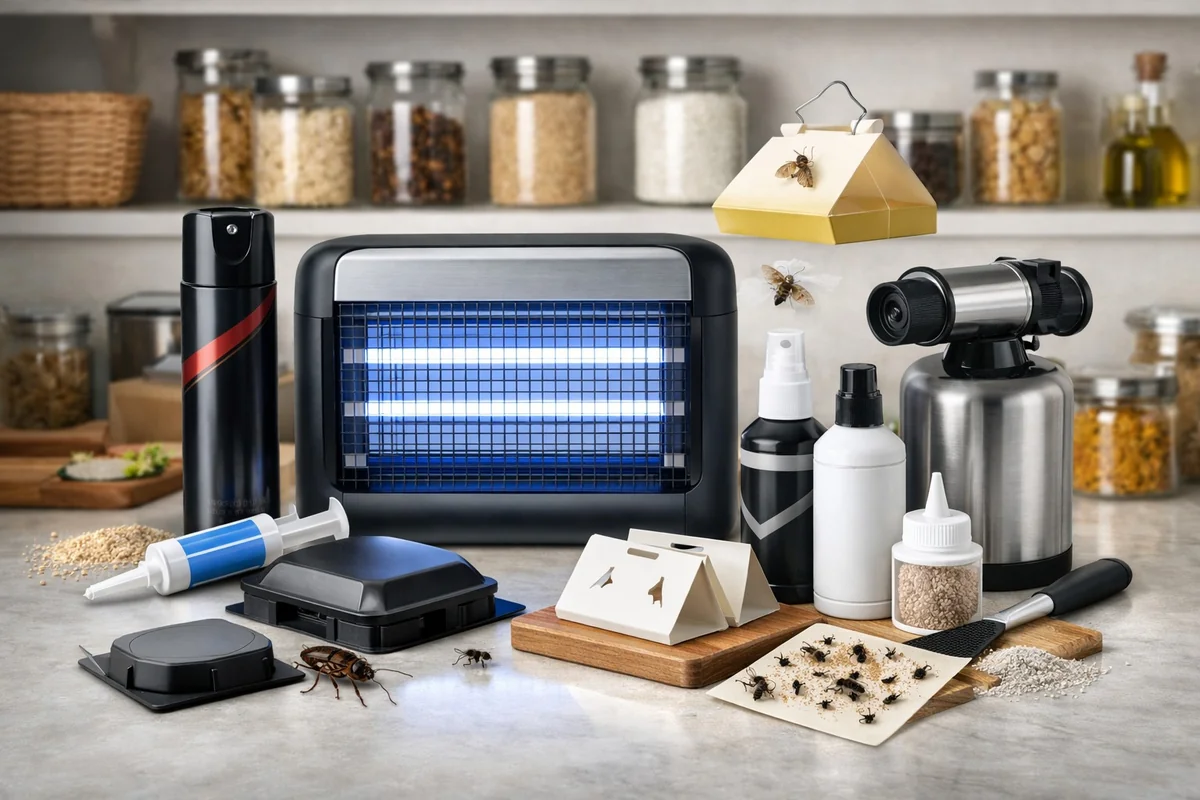
Best Kitchen Pest Control Products 2026: Ant, Roach, Moth & Fly Solutions
Find the best kitchen pest control products for 2026, including safe ant baits, cockroach gels, pantry moth traps, fly solutions, and natural options. Expert advice on choosing safe, effective, and budget-friendly pest killers for food storage areas.
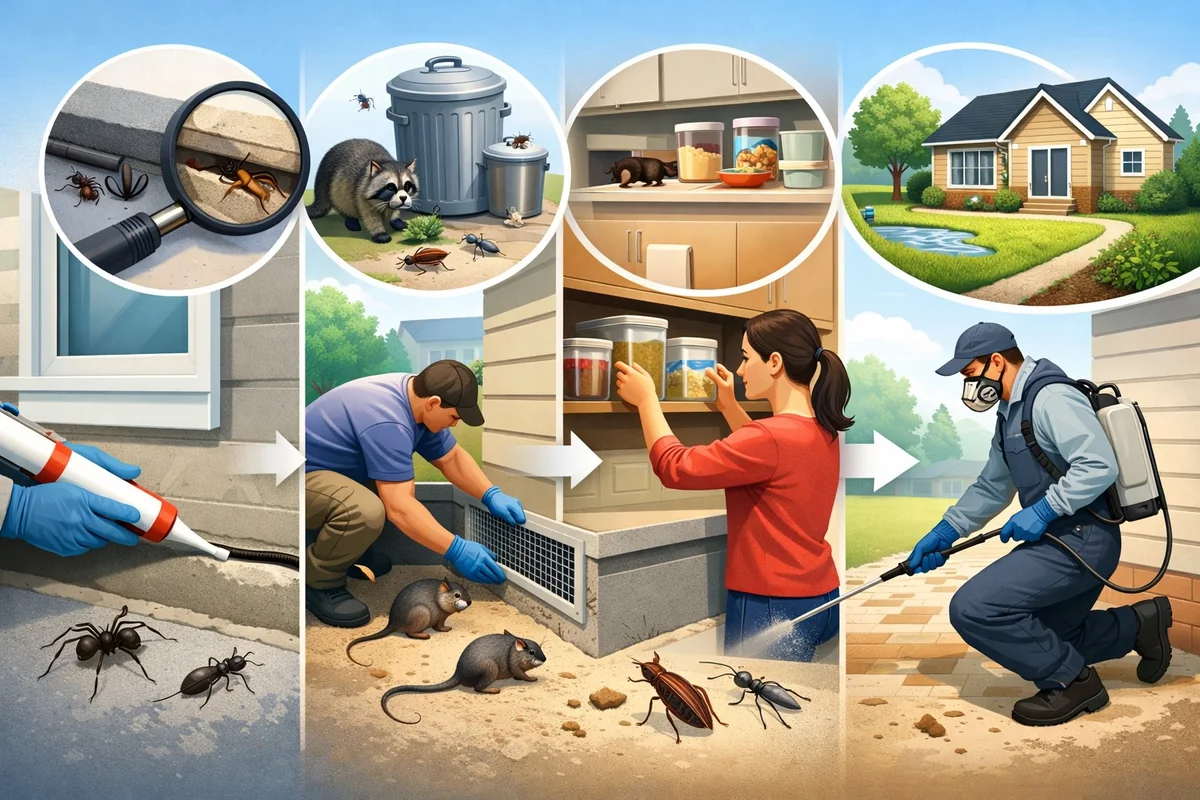
Complete Guide to Pest Prevention in Homes: Stop Pests in 2026
Protect your home in 2026 with this complete pest prevention guide. Discover proven DIY methods, room-by-room tips, safe solutions for families, and expert advice to stop pests before they start.

Best Natural and Organic Pest Control Products 2026: Safe, Eco-Friendly Solutions for Every Home
Find the best natural and organic pest control products for 2026. Safe, eco-friendly solutions for ants, roaches, rodents, and more - ideal for families and pet owners.