How to Prevent Wood Borers in Furniture and Homes (2026 Guide)
Learn expert-backed steps to prevent wood borers in furniture and homes. Discover effective wood pest prevention tips, spot early warning signs, and stop wood borers before they cause costly damage. DIY-friendly, safe, and budget-conscious for 2026.
To prevent wood borers in furniture and homes, inspect all wood items regularly, seal exposed surfaces with a quality finish, control indoor humidity below 60%, and monitor for exit holes or frass. Most DIY prevention takes a few hours, needs basic tools, and saves you from costly structural repairs later. Early action is crucial for best results.
Understanding Wood Borers and Their Risks
If you notice tiny holes or powdery dust on your wooden furniture, you might be dealing with wood borers. These pests are more common than most people realize, and early signs often go ignored until major damage occurs. Let’s break down what they are, the damage they cause, and why prevention is your best bet.
What Are Wood Borers?
Wood borers are actually the larvae stage of several beetle species. The most common culprits in homes and furniture are powderpost beetles, longhorn beetles, and woodworm. Each type prefers different wood species, but all share one thing: they tunnel through wood, eating it from the inside out.
The real problem is how sneaky they are. Infestations often go unnoticed for months because the larvae work deep inside before emerging as adults. That’s why so many homeowners are shocked when they finally spot the small holes or dusty frass.
How Wood Borers Damage Furniture and Homes
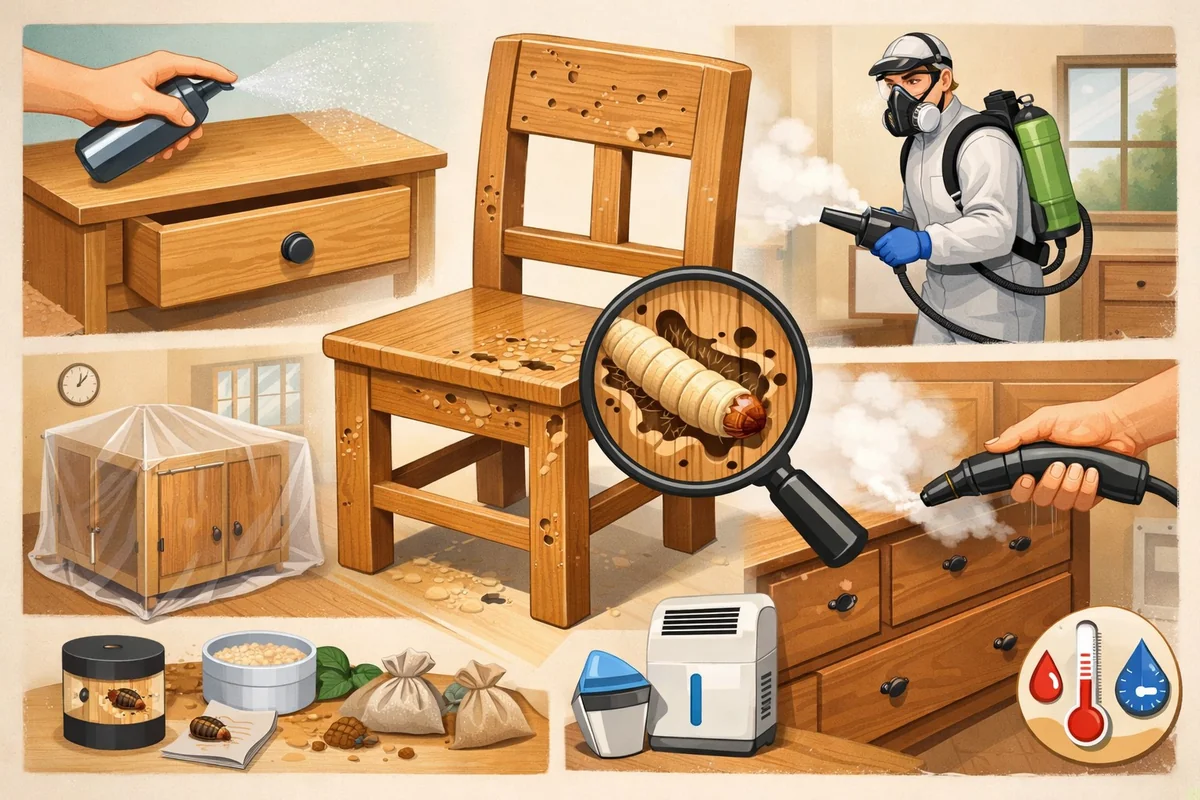
Larvae feed on cellulose in wood, chewing tunnels as they grow. This weakens the wood’s structure from the inside, leaving it brittle and fragile. You’ll often see small round or oval exit holes and piles of fine, gritty dust (frass) nearby.
Even a minor infestation can shorten the lifespan of valuable furniture. In severe cases, especially in humid climates or older homes, wood borers can compromise beams, floorboards, and other structural elements. Unlike termites, borers aren’t always active; their lifecycle means the damage can appear in sudden waves rather than constant feeding.
Why Prevention Is More Effective Than Treatment
Here’s the thing: once wood borers are inside, getting rid of them is tough. Most DIY chemical treatments only kill active larvae, not eggs or adults hidden deep in the wood. That means you could treat today and still have a fresh outbreak in a few months.
Prevention is not just easier - it’s cheaper and less disruptive. By blocking beetles from laying eggs and sealing entry points, you avoid the cycle of damage and repeated treatments. That’s especially important for irreplaceable antiques or custom woodwork.
If you want detailed advice on eradicating active infestations, see the Best Carpenter Ant and Wood Borer Treatments 2026 guide for step-by-step solutions.
Identifying Early Signs of Wood Borer Infestation
Early detection makes all the difference. Most people miss the first warning signs, only catching the problem after the damage is done. Here’s how to spot trouble before it escalates.
Visible Indicators on Wood Surfaces
Check for small round or oval exit holes (1-3mm wide) on the surface of furniture and structural wood. Look on undersides, joints, and cut ends - these are prime spots for egg-laying and emerging adults.
Powdery, gritty frass (looks like coarse flour or tiny pellets) near or below the holes is a classic sign. Blistered or weak surfaces may mean larvae are tunneling just below the finish, even if you don’t see holes yet. Fresh holes with loose frass point to an active infestation; older, darker holes may mean it’s inactive, but don’t assume the problem is over.
Distinguishing Wood Borer Damage from Termite or Fungal Damage
It’s easy to mix up wood borer damage with termites or rot. Here’s how to tell them apart:
- Wood borer frass is gritty and pellet-like; termite frass is finer and more uniform.
- Termites leave mud tubes and hollow out wood, often without exit holes. Borers leave clean tunnels and visible holes.
- Fungal rot softens wood and causes discoloration, not holes or powdery debris.
If you’re unsure, the Carpenter Ant, Beetle & Wood Borer Control resource has more on identifying different wood pests.
When to Suspect a Hidden Infestation
If furniture joints start creaking or weakening for no clear reason, larvae could be tunneling inside. After a period of warm, humid weather, the sudden appearance of holes and frass usually means eggs have hatched and adults are emerging.
Older homes and any furniture with a previous infestation are at higher risk for recurrence. Even if you don’t see new holes, monitor closely during humid months.
How Wood Borers Enter and Spread in Homes
Understanding how wood borers get in helps you block their entry and limit spread. It’s not always obvious - sometimes the problem starts outside your control, like with imported lumber or secondhand items.
Common Entry Points for Wood Borers
Adult beetles lay eggs on exposed, unfinished, or cracked wood surfaces. Cracks, joints, and cut ends are their favorite targets. If you’re bringing in secondhand furniture or wooden crates, these can introduce hidden larvae directly into your home.
Firewood, packing crates, and untreated lumber are notorious for harboring hidden infestations. Always inspect and, if possible, treat these items before bringing them indoors.
Environmental Factors That Promote Infestation
High humidity (above 60%) speeds up egg hatching and larval growth. Poor ventilation in storage areas or basements lets moisture build up, attracting beetles looking for a place to lay eggs.
Unsealed wood is far more vulnerable than painted, varnished, or laminated surfaces. A quality finish acts as a physical barrier, making it harder for beetles to lay eggs or for larvae to enter.
How Infestations Spread Between Furniture and Structural Wood
Larvae usually stay in the original piece until adulthood, but when beetles emerge, they can fly or crawl to nearby wood. Stacked or closely grouped furniture is at greater risk of cross-infestation.
If an infestation is ignored, it can spread from furniture to floors, skirting boards, or even beams. That’s when a minor annoyance turns into a major repair job.
Essential Tools and Materials for Wood Borer Prevention
To stop wood borers before they start, you need the right tools and products. Most are easy to find at hardware stores or online, and you don’t need any special skills to use them effectively.
Choosing the Right Wood Sealants and Finishes
Oil-based varnishes and polyurethane sealants work best. They soak into the wood’s pores, making it tough for beetles to reach the surface or for larvae to get inside. Water-based finishes are easier to use but wear out faster in humid conditions, so you’ll need to reapply more often.
Clear sealants keep the wood’s look but may not block every entry point if you apply them too thinly. Focus on joints, cut ends, and any exposed raw wood - these are the weak spots.
Humidity Control Products and Monitors
A reliable dehumidifier is your best friend for wood pest prevention. Keeping the indoor humidity below 60% breaks the lifecycle of most wood borers. Digital hygrometers let you track humidity in real time, so you can act before conditions get out of hand.
Desiccant packs (like silica gel) are helpful for drawers and cabinets but won’t cut it for large rooms. For bigger areas, stick to electric dehumidifiers.
Safe Insecticidal Treatments for DIY Use
Boron-based wood preservatives soak deep and stay active for years, but you’ll need gloves and a mask for safe application. Essential oil sprays (such as neem or orange oil) are a non-toxic option for mild prevention, but they wash off easily and don’t protect against heavy infestations.
Aerosol insecticides only kill exposed beetles; they don’t reach larvae deep inside the wood. Use them for spot treatments, not as your main defense.
Step-by-Step Guide to Preventing Wood Borers in Furniture
Ready to take action? Here’s how to prevent wood borers in furniture and keep your home safe - no need for pro help.
Step-by-Step Guide
Follow these steps to prevent wood borers in your furniture and home using current pest control practices. This guide helps you identify risks, treat wood, and maintain a borer-resistant environment.
Total Time
2 hours 45 minutes
Difficulty
Intermediate
Inspect All Wood Surfaces Thoroughly
Check furniture, beams, and flooring for small round holes, fine dust (frass), or weakened wood. Pay close attention to hidden or damp areas where borers thrive. Early detection allows for timely intervention and reduces damage.
Pro Tips:
- Use a flashlight to spot frass in tight spaces.
- Check corners and undersides of furniture monthly.
- Document findings with photos for future comparison.
Important Warnings:
- Do not ignore minor holes—borer infestations spread quickly if left untreated.
- If structural wood is soft or crumbles, consult a pest control specialist immediately.
Required Tools:
- Bright flashlight
- Magnifying glass
Reduce Moisture and Improve Ventilation
Dry out damp areas by using dehumidifiers and ensuring good airflow. Keep indoor humidity below 60% to make wood less attractive to borers. Proper ventilation helps prevent both infestations and mold growth.
Pro Tips:
- Place silica gel packs in rarely used cabinets.
- Install exhaust fans in kitchens and bathrooms.
- Seal leaks in plumbing or roofing promptly.
Important Warnings:
- Neglecting moisture control is the leading cause of recurring infestations.
- Do not block air vents—this reduces airflow and raises humidity.
Required Tools:
- Dehumidifier
- Hygrometer (humidity meter)
- Silica gel packs
Apply Wood Preservative Treatments
Treat exposed wood with a borate-based wood preservative, applying evenly with a brush or sprayer. Allow surfaces to dry for at least 24 hours. This creates a protective barrier that deters borers and extends wood lifespan.
Pro Tips:
- Test a small area first to check for discoloration.
- Repeat application every 2-3 years for ongoing protection.
- Follow manufacturer instructions for coverage rates.
Important Warnings:
- Wear gloves and eye protection when handling chemicals.
- Ensure the area is well-ventilated during application.
Required Tools:
- Borate-based wood preservative
- Paintbrush or sprayer
- Protective gloves
- Safety goggles
Seal Cracks and Entry Points
Fill gaps, cracks, and joints in furniture and structural wood with wood filler or silicone caulk. Sealing entry points prevents borers and other pests from accessing untreated wood surfaces.
Pro Tips:
- Inspect joints and seams annually for new gaps.
- Use a caulking gun for precise application.
- Smooth filler with a damp cloth for a clean finish.
Important Warnings:
- Incomplete sealing allows pests to bypass treatments.
- Wipe excess filler immediately to prevent staining.
Required Tools:
- Wood filler or silicone caulk
- Caulking gun
- Putty knife
- Damp cloth
Schedule Regular Professional Inspections
Arrange annual inspections by a licensed pest control specialist to assess for hidden activity. Professionals use moisture meters and borescopes to detect early infestations and recommend targeted treatments.
Pro Tips:
- Keep records of each inspection for warranty or insurance claims.
- Ask the inspector about environmentally friendly treatment options.
- Request a detailed written report after each visit.
Important Warnings:
- Attempting advanced chemical treatments without certification can be hazardous.
- If you notice new signs of infestation between inspections, contact a professional promptly.
Required Tools:
- Access to a licensed pest control service
Inspecting and Preparing Furniture
Start by cleaning and drying every surface. Dust, eggs, and larvae can hide in crevices, so be thorough. Use a flashlight and magnifying glass to check joints, undersides, and hidden corners for exit holes or frass.
Repair any cracks and fill visible holes with wood filler. This blocks entry points and eliminates sheltered spaces for pests to hide or lay eggs.
Applying Wood Sealants and Preservatives
Apply your chosen sealant evenly, focusing especially on cut ends, exposed joints, and any raw wood. Let each coat dry fully before adding another for maximum protection.
Brushes are best for detailed areas, while sprayers work for larger surfaces. Don’t rush - any missed spot could become an entry point.
Controlling Humidity and Storage Conditions
Set up a dehumidifier or place silica gel packs in rooms and storage spaces, especially during humid months. Don’t store furniture directly against exterior walls or in unventilated basements - these spots collect moisture fast.
Check humidity with a digital hygrometer at least once a week and adjust your controls as needed. Prevention only works if the environment stays dry and stable.
Regular Monitoring and Maintenance
Inspect all treated furniture every 3-4 months for new holes, frass, or moisture buildup. If you spot anything suspicious, act quickly to isolate and treat the item.
Reapply sealants or preservatives every 1-2 years, or any time you sand, deep clean, or notice visible wear. Keep a simple log of your findings - patterns often reveal recurring trouble spots before they get serious.
Preventing Wood Borers in New Purchases and Renovations
Prevention applies just as much to new furniture and renovation materials as it does to your existing wood. A little effort upfront saves you a lot of headaches down the road.
Screening Secondhand and Imported Furniture
Always inspect used and imported items outside your home before bringing them in. Look for tiny holes, frass, and any musty or damp odors. If possible, quarantine new pieces in a dry, isolated space for 2-4 weeks - watch for emerging beetles or new frass.
Heat treatment (above 55°C for several hours) can kill hidden larvae but may damage delicate finishes. Use this method cautiously and only when you’re willing to risk minor cosmetic changes.
Treating and Sealing Wood During Renovations
If you’re renovating, treat all exposed framing, beams, and subfloors with borate or boron-based preservatives before closing up walls. Seal all cut ends and joints - these are prime targets for beetles.
In high-risk or damp areas, use pressure-treated lumber for added protection. It’s a bit more expensive but pays off in long-term durability.
Safe Disposal of Infested or Unsalvageable Items
If you have to throw out infested wood, wrap it tightly in plastic and seal it before disposal. This prevents beetles from escaping during transport or at the dump.
Never burn infested wood indoors - adults can emerge and infest new areas. Check your local waste regulations; some areas require special handling for pest-infested materials.
Common Mistakes and How to Avoid Them
Even well-intentioned DIYers fall into the same traps. Here’s what to watch out for so your prevention efforts actually work.
Relying on Surface Sprays Alone
Aerosol and contact sprays only kill what they touch - usually adult beetles on the surface. Larvae deep inside keep eating and growing, so the problem continues under the radar.
Overusing these sprays can also damage finishes and increase chemical exposure in your home. Focus on sealing and environmental control instead.
Ignoring Humidity and Environmental Factors
If you don’t manage humidity, eggs and larvae will thrive even after you treat or seal the wood. Seasonal swings can quickly undo months of prevention work if you aren’t monitoring and adjusting conditions.
Don’t skip the humidity check - most failures come back to this simple oversight.
Delaying Action After Spotting Early Signs
The longer you wait after seeing frass or fresh holes, the more damage occurs and the harder it is to fix. DIY treatments are much less effective once larvae are mature or have moved to other items.
Act quickly and you’ll save yourself money, stress, and possibly your favorite furniture.
Expert Tips for Long-Term Wood Pest Prevention
Ongoing prevention is easier than you think. With a few smart habits, you can keep wood borers out for good.
Integrating Prevention into Routine Home Care
Add wood inspections and humidity checks to your seasonal home maintenance schedule. Furniture pads or risers help keep wood off damp floors and away from exterior walls, reducing moisture exposure.
Store any firewood or lumber at least 20 feet from your home. Inspect it before bringing it inside, even for a short time.
Natural Repellents and Non-Toxic Alternatives
Essential oils like eucalyptus and cedar can deter egg-laying, but they need to be reapplied every few weeks. Sprinkle diatomaceous earth in cracks and joints as a physical barrier against crawling larvae.
Non-toxic methods are safer for homes with kids, pets, or anyone sensitive to chemical residues. Just know they’re best for prevention, not heavy infestations.
When to Seek Professional Help
If you’re dealing with a large-scale or recurring infestation, it’s time to call in the pros. Structural fumigation or heat treatments require specialized equipment unavailable to DIYers.
DIY is great for prevention and mild cases, but advanced infestations need professional intervention to fully protect your home.
Frequently Asked Questions About Wood Borer Prevention
❓ Frequently Asked Questions
What are wood borers and how do they affect furniture?
What are wood borers and how do they affect furniture?
Wood borers are insects that lay eggs inside wood, and their larvae tunnel through, causing internal damage. This weakens furniture and can lead to structural failure over time. For example, powderpost beetles commonly infest hardwoods, leaving fine sawdust and small exit holes as signs of activity.
How can I prevent wood borers in my home furniture?
How can I prevent wood borers in my home furniture?
To prevent wood borers in home furniture:
- Keep humidity below 60% using dehumidifiers
- Seal cracks and joints in wood with varnish or paint
- Store firewood and untreated timber outside the home
- Inspect and treat secondhand furniture before bringing it indoors
Regular inspections every 6-12 months help catch early infestations.
What signs indicate a wood borer infestation in furniture?
What signs indicate a wood borer infestation in furniture?
Key signs of a wood borer infestation include small round exit holes (1-3mm), fine powdery dust (frass) beneath or on furniture, weak or crumbling wood, and visible tunnels inside wood surfaces. Most users notice an increase in dust and unexplained holes before structural damage becomes obvious.
How do I treat wood borer infestations in furniture?
How do I treat wood borer infestations in furniture?
To treat wood borer infestations:
- Isolate affected furniture from other items
- Apply a borate-based wood preservative to infested areas
- Use fumigation for severe or widespread infestations
- Replace or professionally restore heavily damaged pieces
For best results, consult a licensed pest control expert to confirm the infestation and treatment approach.
What should I look for when choosing wood borer prevention products?
What should I look for when choosing wood borer prevention products?
When choosing wood borer prevention products, consider:
- Active ingredient: borate-based formulas are proven effective
- Ease of application: sprays and brush-on treatments suit most furniture
- Long-term protection: look for products with lasting residual effects
- Safety: check for low toxicity to humans and pets
Always read user reviews for reliability before purchasing.
How often should I inspect my furniture for wood borer activity?
How often should I inspect my furniture for wood borer activity?
Inspect wooden furniture and structural timber every 6 to 12 months for signs of wood borers. This schedule helps catch infestations early, especially in humid climates where risk is higher. Pay close attention to older furniture, storage areas, and entry points for pests.
What is the difference between wood borers and termites?
What is the difference between wood borers and termites?
Wood borers are beetles whose larvae create tunnels in wood, leaving fine sawdust and small holes. Termites are social insects that consume wood from the inside out, often causing more extensive structural damage. Both require different treatment methods, but termites generally pose a greater risk to homes.
Why is humidity control important for wood borer prevention?
Why is humidity control important for wood borer prevention?
Humidity control is critical because most wood borers thrive in damp environments. Keeping indoor humidity below 60% reduces the likelihood of infestation, as dry wood is less attractive to egg-laying adults. Using dehumidifiers and ensuring good ventilation are effective ways to protect furniture from wood borers.
Key Takeaways for Protecting Your Home and Furniture
Preventing wood borers is about vigilance, not luck. Regular inspection, proper sealing, and humidity control keep most problems at bay. Always check new items before bringing them inside and act quickly if you spot early warning signs.
If prevention fails, isolate and treat the affected items immediately. For ongoing problems or structural infestations, professional help is the only real solution. Keep records of issues so you can spot patterns and strengthen your prevention game the next time around.
Protecting your home and furniture from wood borers isn’t complicated, but it does take consistency. Start with these steps, and you’ll keep your wood safe, strong, and beautiful for years to come.
Related Articles
Best Carpenter Ant and Wood Borer Treatments 2026: Top Baits, Sprays, and Safe Solutions
Discover the best carpenter ant treatments and wood borer control products for 2026. Compare effective baits, sprays, natural solutions, and expert tips to eliminate pests and protect your home - DIY-friendly and budget-conscious.

Best Termite Treatments and Baits 2026: Expert Picks for DIY Control
Best termite treatments and baits for 2026. Compare top-rated liquid barriers, bait stations, sprays, and natural solutions for effective DIY termite control.

Complete Guide to Pest Prevention in Homes: Stop Pests in 2026
Protect your home in 2026 with this complete pest prevention guide. Discover proven DIY methods, room-by-room tips, safe solutions for families, and expert advice to stop pests before they start.

Best Chemical Pesticides for Home Use 2026: Safe, Effective, and Affordable Options
Discover the best chemical pesticides for home use in 2026. Compare top-rated baits, sprays, gels, and natural options for ants, roaches, fleas, and more. Find safe, effective, and budget-friendly pest control solutions for every room.