 Pest Pro Reviews Editorial Team • • 8 min read •
Best Squirrel Deterrents for the Attic: Seal, Exclude, Then Repel
Best squirrel deterrents for the attic: 1/4-inch hardware cloth, a one-way exclusion door and peppermint pouches, plus how to get squirrels out and keep them out.
The best squirrel deterrent for an attic is a sealed roofline: Amagabeli's 1/4-inch galvanized hardware cloth screwed over vents, gaps and chewed holes keeps squirrels out for good. A one-way exclusion door such as Patioer's lets squirrels already inside leave without getting back in, and ROTIAH's peppermint pouches can make a sealed attic less inviting, though no repellent will evict squirrels on its own. Wildlife specialists rate attic repellents as temporary at best, so exclusion is the real fix.
- University of California IPM lists sheet metal and 1/4-inch hardware cloth for closing squirrel entrances and rates chemical repellents as questionable.
- One-way doors let squirrels leave without returning, but young may be present from February through August, so check before excluding.
- Naphthalene may discourage squirrels only temporarily and should not be used in the attics of occupied homes.
What Keeps Squirrels Out of an Attic
Closing the way in. University of California IPM's pest note on tree squirrels explains that squirrels invade attics through gaps or broken vent screens, recommends sheet metal or 1/4-inch hardware cloth for closing entrances, and calls the effectiveness of chemical repellents questionable.
The Internet Center for Wildlife Damage Management's guide to tree squirrel damage control adds the timing and tools: spring-loaded one-way doors with a large metal apron around the hole, limbs trimmed back from the roof, and great care during the months when young may be in the attic. It also warns that naphthalene may only temporarily discourage squirrels and can seriously distress people living below.
For deterrents in the garden and at feeders as well as the attic, see our guide to the best squirrel deterrents; the squirrel deterrent section collects the rest of our squirrel guides.
Identify your needs and get personalized recommendations
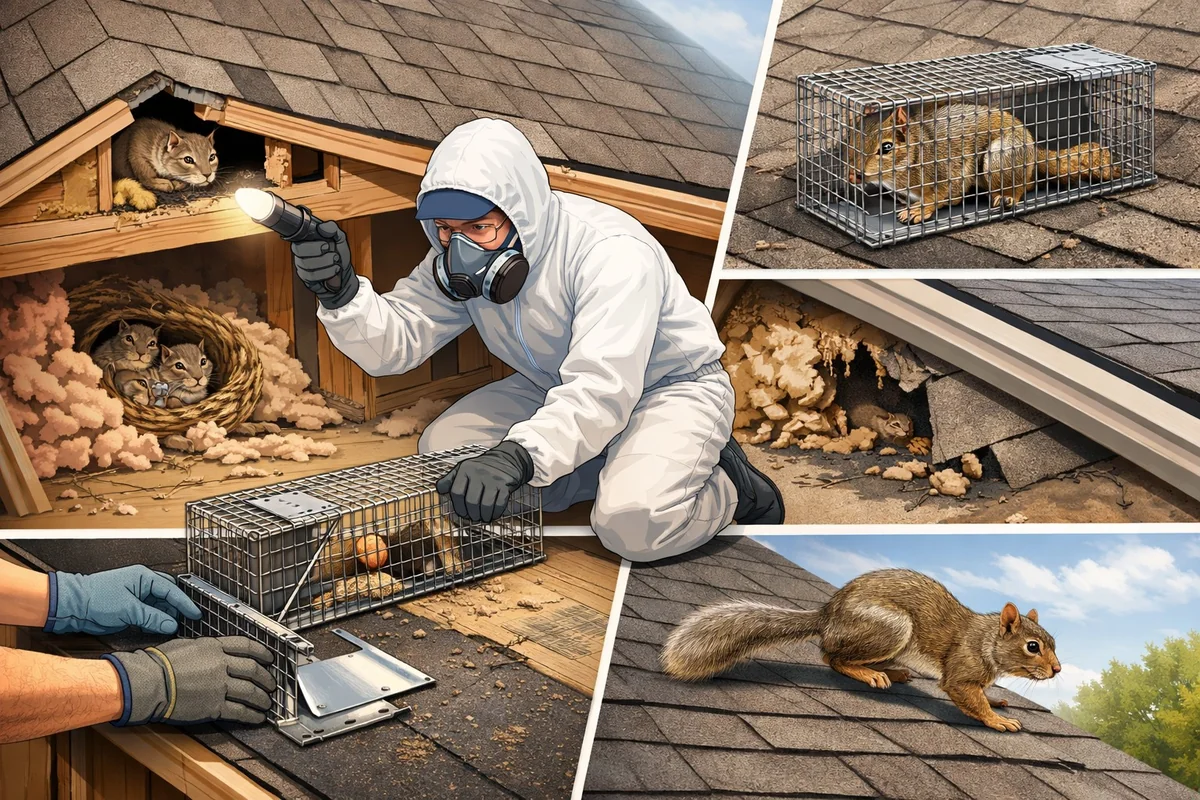
Active nest.
Squirrels gone.
Simple tools.
Signs of Squirrels in the Attic
- Noises in the morning and late afternoon: scurrying, rolling and scratching, since tree squirrels are active in daylight.
- Chewed entry holes: round holes a few inches across at roof edges, soffits, fascia boards and vent covers, often with fresh gnaw marks.
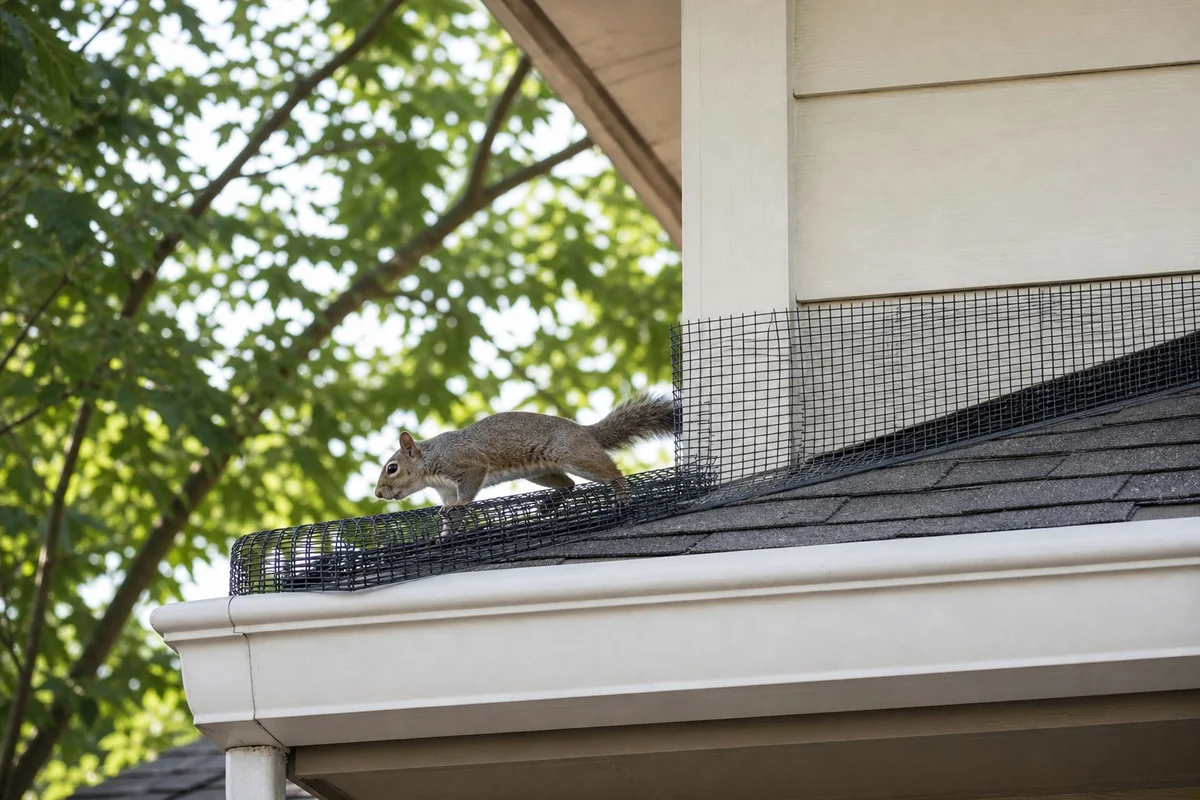
- Squirrels on the roof: running along gutters or jumping from nearby branches to the roofline.
- Nesting material: shredded insulation, leaves and twigs piled in a corner.
- Droppings and staining: small, rounded droppings near the nest and stains on insulation or ceilings.
- Chewed wiring: squirrels gnaw cables, which is a fire risk.
Are squirrels active at night in attics? Tree squirrels mostly are not. Noises after dark more often come from flying squirrels, mice, rats or raccoons, which need different solutions, so listen for when the sounds happen before you buy anything.
Attic Squirrel Deterrent Types Compared
| Type | What It Does | Lasting? | Notes |
|---|---|---|---|
| Hardware cloth and sheet metal | Seals vents, gaps and holes | Yes | The core fix |
| One-way exclusion door | Lets squirrels out, not back in | Temporary, then sealed | Only when no young are inside |
| Peppermint pouches | Scent in an enclosed space | Weeks at most | Weak evidence; use after sealing |
| Ultrasonic plug-ins | High-pitched sound | No | No proven effect |
| Naphthalene or mothballs | Fumes | No | Harmful to people below; avoid |
We compared attic squirrel deterrents on how they work, installation and what buyers report. Our sources were the makers' listings, Amazon's review digests and the UC IPM and ICWDM guidance above; we did not test the products. We left out ultrasonic plug-ins, since research has not shown they drive squirrels out, squirrel sprays and balls with mostly negative reviews, and chimney caps and vent caps with no buyer feedback to go on.
Best Squirrel Deterrents for the Attic
Amagabeli Hardware Cloth: Best Overall Attic Squirrel Deterrent
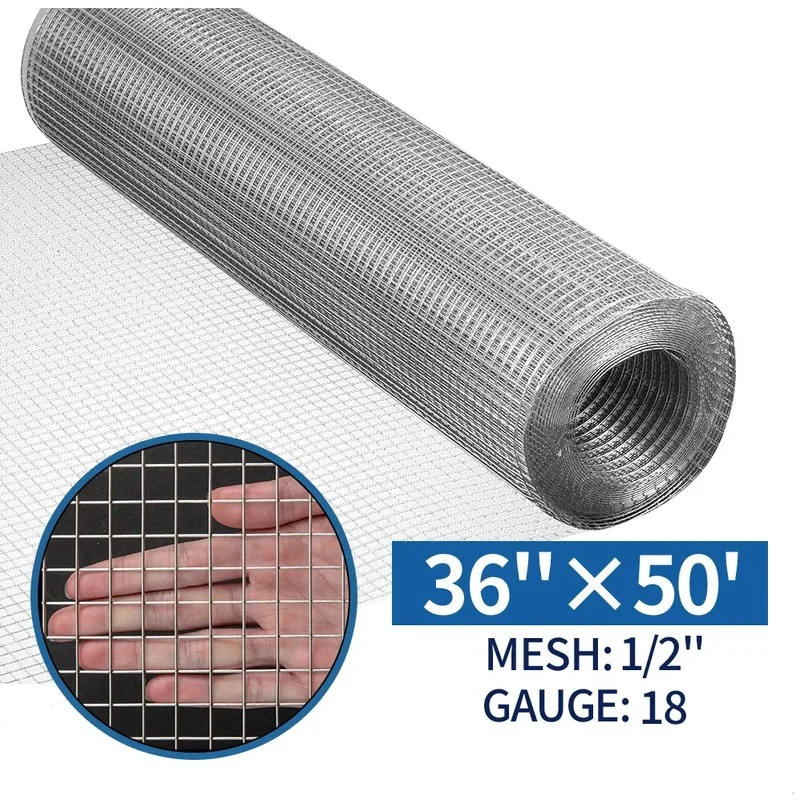
Amagabeli's 1/4-inch galvanized hardware cloth, sold in a 36-inch by 50-foot roll, is the material UC IPM points to for closing squirrel entrances, and it is stiff enough to resist chewing when fastened properly.
- It is hot-dipped galvanized 23-gauge welded wire, per the maker.
- Buyers find it strong and easy to cut and report it keeping rodents and raccoons out.
- Cut edges are sharp, and roof work needs a steady ladder and a helper.
Choose it for gable vents, soffit gaps, chewed fascia holes and the space behind roof vent covers. Cut patches several inches larger than the hole, bend the edges and fasten them with screws and washers, since squirrels pull out staples.
Amagabeli Galvanized Hardware Cloth 1/4 in, 36 in x 50 ft
Best for: Sealing vents, gaps and chewed holes
- ✓1/4-inch mesh, as UC IPM advises for entrances
- ✓Strong and easy to cut, per buyers
- ✓Keeps rodents and raccoons out, per buyers
- −Takes a day of work to install
- −Sharp cut edges; wear gloves
Specifications (3)
- Material
- Hot-Dipped Galvanized
- Item Diameter
- 0.25 inches
- Finish Type
- Galvanized
Patioer One-Way Squirrel Door: Best for Evicting Squirrels
Patioer's one-way door is a 3-by-3-inch galvanized steel tunnel, about 11 inches long, with a spring-loaded flap that lets animals out but not back in, per the maker.
- It comes with copper mesh, screws and washers for mounting over an entry hole on wood, siding or soffits.
- The maker says it is made of chew-resistant 2mm galvanized steel.
- This is a newer listing with few reviews, so there is little buyer feedback yet.
Choose it for a single active entry once you are sure no young are inside. ICWDM recommends a large metal apron, at least a foot square, around the hole to stop squirrels chewing a new way in beside the door. After a few days with no activity, remove the door and seal the hole with hardware cloth.

Patioer One-Way Squirrel Door Excluder 3 x 3 in
Best for: Letting squirrels out of a single entry
- ✓Spring-loaded one-way flap, per the maker
- ✓Copper mesh and screws included
- ✓Galvanized steel, per the maker
- −Few reviews so far
- −Use only when no young are inside
Specifications (1)
- Product Dimensions
- 11"L x 3"W x 3"H
ROTIAH Peppermint Pouches: Best Repellent After Sealing
ROTIAH's 10 peppermint pouches each cover about 145 square feet and release scent for up to 30 days, per the maker.
- Buyers rate effectiveness mostly positively, though mainly against mice.
- It is sold as a minimum-risk product whose claims are not reviewed by regulators.
- Scent fades within a month, so pouches need replacing.
Choose it to make a cleaned, sealed attic less inviting while you watch for new chewing. It will not drive out squirrels that are nesting, and it is no substitute for sealing entries. Keep pouches out of reach of pets, since peppermint oil is toxic to cats.

ROTIAH Rodent Repellent Pouches 10-Pack
Best for: A sealed attic you want to keep unattractive
- ✓Buyers rate effectiveness mostly positively
- ✓Ten pouches per pack
- ✓Covers up to 145 sq ft each, per the maker
- −Unreviewed minimum-risk product
- −Up to 30 days per pouch
Specifications (3)
- Number of Items
- 10
- Scent Name
- Peppermint
- Item Form
- Pouch
- Amagabeli Hardware Cloth wins for: sealing vents, gaps and chewed holes
- Patioer One-Way Door wins for: letting squirrels out of a single entry
- ROTIAH Peppermint Pouches win for: a sealed attic you want to keep unattractive
How to Get Squirrels Out and Keep Them Out
- Check the season: ICWDM notes young may be present from February through August; if you hear squeaking, wait for the young to leave or call a wildlife professional.
- Find every entry: walk the roofline with binoculars and check vents, soffits, fascia, chimney flashing and where roof sections meet.
- Trim branches: ICWDM advises cutting limbs back about 6 to 8 feet from the house so squirrels cannot jump onto the roof.
- Seal secondary holes: with hardware cloth or sheet metal, leaving only the main entry open.
- Install a one-way door: over the main entry, with a metal apron around it.
- Wait several days: until there is no activity in the attic and no new chewing outside.
- Remove the door and seal: cover the last hole with hardware cloth fastened by screws and washers.
- Clean up: remove nesting material and droppings with gloves and a mask, and have chewed wiring checked by an electrician.
Check the roofline again a week later and after storms. Squirrels that lose a nest site often test nearby spots, so new chew marks need patching quickly. In many states tree squirrels are game animals with trapping rules, so call a licensed wildlife control operator if one-way doors are not practical.
What Repels Squirrels Immediately?
Nothing repels squirrels instantly and permanently. Bright light and noise in the attic can push a squirrel to leave within a few days, the same approach used for raccoons, and a one-way door prevents it from coming back. Sprays and scents may make a squirrel hesitate for a moment, but a nest with young or a warm winter shelter is worth more to it than any smell.
Common Questions About Attic Squirrel Deterrents
What smells do squirrels hate in the attic?
What smells do squirrels hate in the attic?
Strong scents such as peppermint, predator urine and naphthalene may bother squirrels briefly, but none reliably drives out a squirrel that is nesting. Naphthalene fumes also harm people living below, so seal entries instead.
How do I get rid of squirrels in the attic without killing them?
How do I get rid of squirrels in the attic without killing them?
Seal every entry except the main one, fit a one-way door over it, wait until activity stops, then remove the door and seal the hole. Do this only when no young are inside.
How long does it take a one-way door to work?
How long does it take a one-way door to work?
Often a few days, since squirrels leave to forage every day. Watch for activity inside and new chewing outside, and seal the last hole only once both have stopped.
Do ultrasonic repellers keep squirrels out of the attic?
Do ultrasonic repellers keep squirrels out of the attic?
There is no good evidence they do. Squirrels quickly ignore sound, and wildlife specialists report that no frightening device has been proven effective; sealing entry points works far better.
Is it safe to leave a squirrel nest in the attic?
Is it safe to leave a squirrel nest in the attic?
Not for long. Squirrels chew wiring, soil insulation and enlarge entry holes, and their nests can bring fleas and mites. Remove nesting material with gloves and a mask once the squirrels are gone, and have chewed wires checked.
Which One Should You Buy?
Amagabeli's 1/4-inch hardware cloth is the attic squirrel deterrent to buy. Sealing vents, gaps and chewed holes with it ends the problem permanently in a way no scent or device can.
Add Patioer's one-way door to let squirrels out of the main entry once you are sure no young are inside, and use ROTIAH pouches only to keep a cleaned, sealed attic uninviting. Trim branches back from the roof as well.
Before you buy, walk the roofline and count the entry points, including vents and gaps that look intact, since that decides how much mesh you need and how many squirrels may be using the attic.
Related Articles
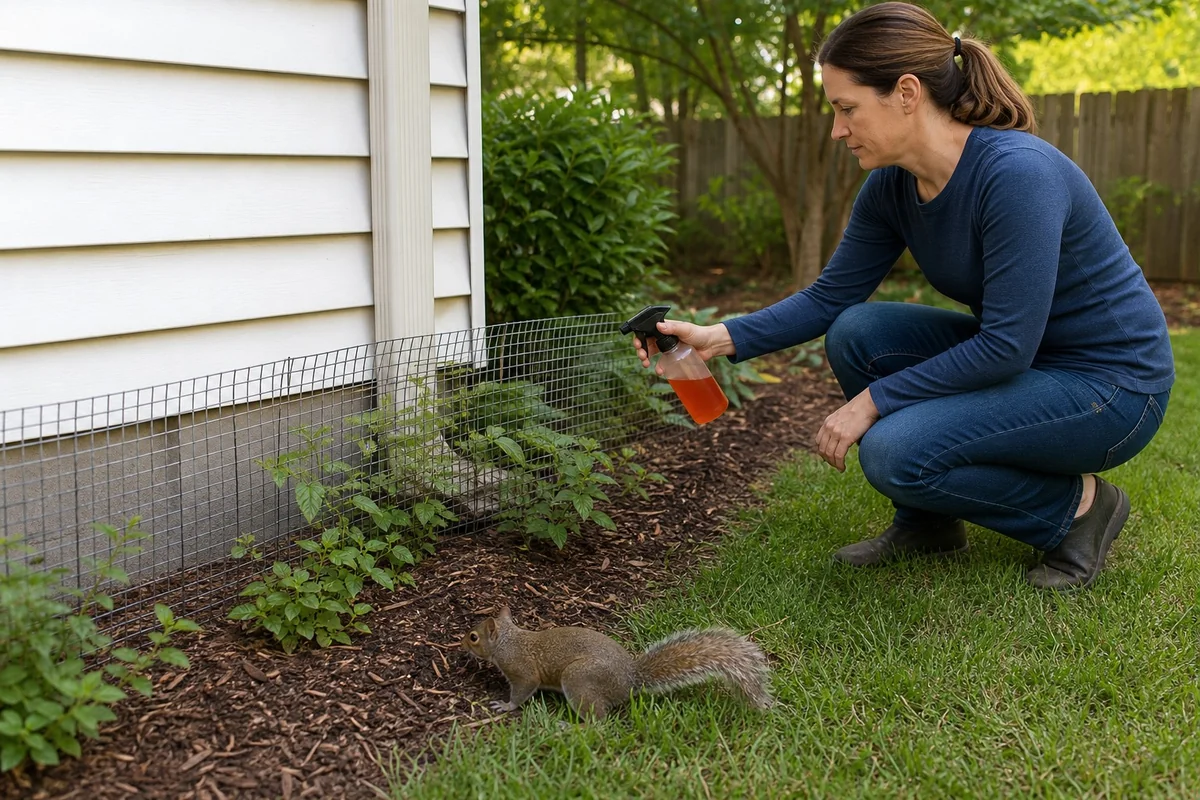
Homemade Squirrel Repellents: Pepper Spray and DIY Barriers
The best homemade squirrel repellent: a hot pepper spray recipe, which kitchen remedies fail, and DIY barriers such as chicken wire, pot toppers and feeder baffles.
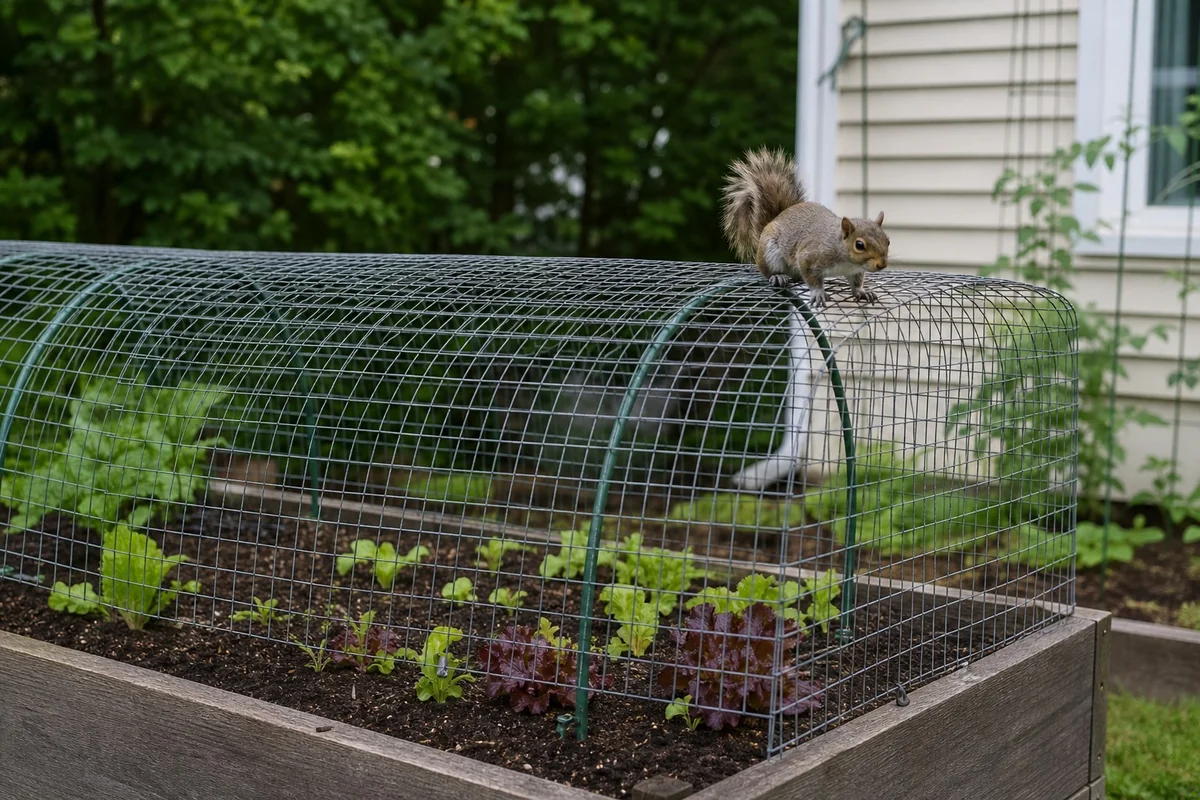
Best Squirrel Deterrents for the Garden: Beds, Bulbs and Crops
The best squirrel deterrents for the garden: Orbit sprinkler, hardware cloth for bulbs, RIFNY netting for fruit, a Broox solar unit and granules for pots, plus tips.
Best Squirrel Deterrents: Sprinklers, Mesh, Baffles and Spikes
Best squirrel deterrents: Orbit motion sprinkler, 1/4-inch hardware cloth, a feeder baffle, fence spikes and repellent granules, plus how to squirrel-proof an attic.

Best Squirrel Deterrent Sprays: What Works for Yards and Gardens
Best squirrel deterrent sprays: an Orbit motion sprinkler, I Must Garden cedarwood spray for plants and furniture, BIO YOLO peppermint for sheds,, how to use them.