 Pest Pro Reviews Editorial Team • • 20 min read •
 Tick Sprays vs Tick Collars: Which Protects Best in 2026?
Compare tick sprays vs tick collars for pets in 2026. Discover which tick prevention method offers the best protection, safety, value, and convenience for your home and pets.
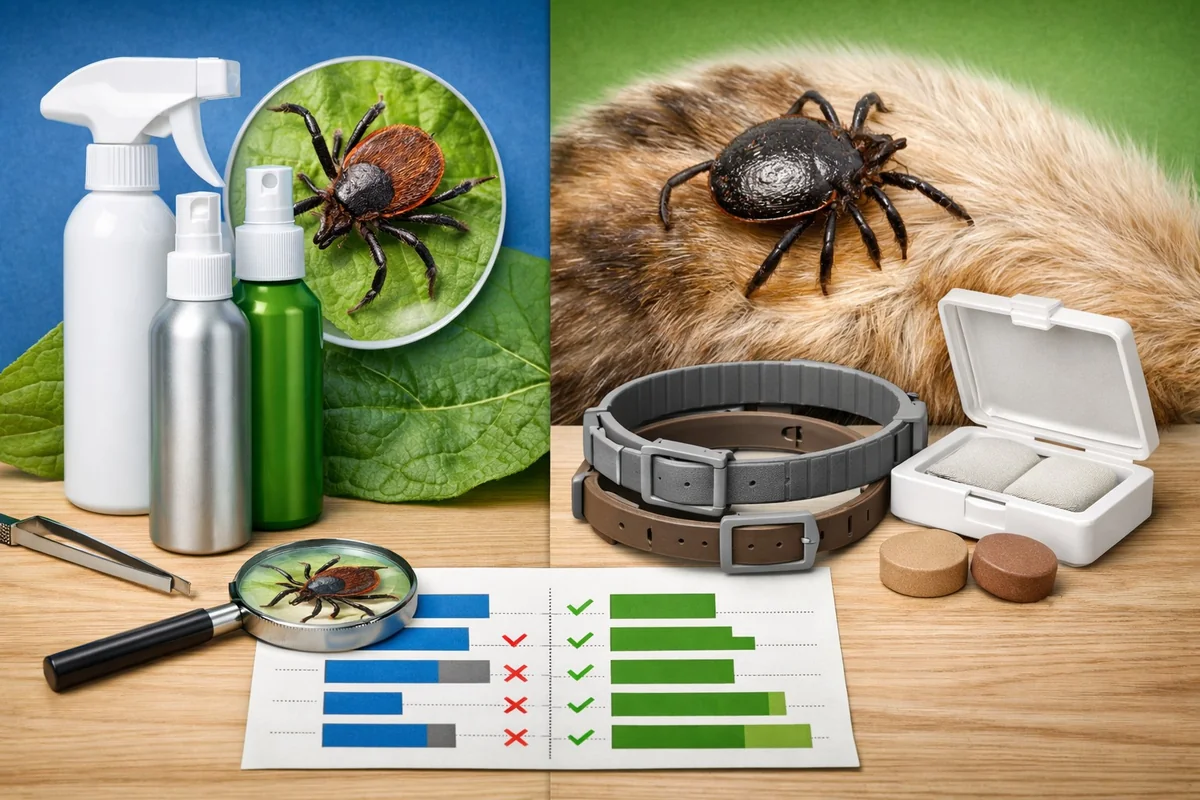
Tick sprays vs tick collars: Collars offer months of continuous prevention with less effort, while sprays kill ticks on contact for immediate relief. Sprays are better for treating active infestations or spot protection, collars for long-term defense. Choose sprays for rapid results, collars for convenience and ongoing coverage, or combine both for high-risk situations.
- Collars like Seresto lead for long-term, low-maintenance tick prevention in 2026.
- Synthetic sprays are best for immediate tick kill or outbreak control.
- Mixing both methods gives the strongest protection in heavy tick zones or for frequent outdoor pets.
Key Differences Between Tick Sprays and Tick Collars
Choosing between tick sprays and collars comes down to how they work, how you use them, and what kind of protection you need. Each method targets ticks in a different way, with distinct strengths and limitations. Let's break down the practical distinctions that actually matter for pet owners.
Identify your needs and get personalized recommendations
Just starting out and want easy, safe tick protection for your pet.
Researching what matters in tick protection and learning about options.
Comparing features side-by-side to find the best match for your needs.
Wants reliable protection at a reasonable price with no wasted spending.
Knows what they want and ready to choose based on reliability and support.
Needs effective tick protection without overspending.
Active Ingredients and How They Work
Tick sprays usually rely on synthetic pyrethroids such as permethrin, which kill ticks on contact. These ingredients act fast, making sprays the go-to for immediate relief. Some permethrin-based dog sprays also repel ticks before they can bite.
Collars like the Seresto Flea and Tick Collar for Dogs use slow-release actives such as flumethrin or deltamethrin. These chemicals spread through your pet's skin oils, creating a continuous barrier for up to 8 months. The effect is more gradual, but coverage is far more consistent for ongoing prevention.
Natural sprays, like Vet’s Best Flea and Tick Spray, use plant-based oils (peppermint, eugenol) to repel and kill ticks. They're less potent than synthetics but appeal to those seeking a gentler, child-safe option.
Application Method and User Effort
Sprays require hands-on application - usually directly onto your pet or around the home. You'll need to wet the fur, avoid the eyes and mouth, and cover all areas where ticks might hide. Missed spots mean missed protection, especially on thick-coated breeds.
Collars are a set-and-forget solution. Just fit the collar snugly and it releases the active ingredient automatically. This is ideal for busy owners or pets who hate being sprayed.
The Seresto collar, for example, is water-resistant, so it keeps working after rain or occasional baths.
User error is more common with sprays - uneven coverage, forgetting to reapply, or skipping high-risk zones. Collars remove most of these variables, as long as they're fitted properly and not too loose.
Duration of Protection and Reapplication Frequency
Most sprays last a few days to a couple of weeks, with performance dropping quickly if your pet swims or gets wet. Synthetic pyrethroid sprays usually last longer than natural options, but still require regular reapplication for ongoing control.
Collars generally provide the longest lasting coverage, with top options like Seresto advertising up to 8 months of continuous protection. This makes them popular for owners looking to minimize maintenance and cost over time.
If your pet swims often or is bathed regularly, both methods may need more frequent replacement. Collars can lose effectiveness with repeated water exposure, and sprays wash off almost immediately.
How We Evaluated Tick Sprays vs Collars
Our analysis focused on six factors that matter most for real-world tick prevention: speed of action, duration, ease of use, safety, cost, and suitability for different pet and household types. We also considered feedback from pet owners in high-tick regions and performance data from leading products in 2026.
Special attention was given to safety for multi-pet homes, risk of user error, and environmental impact. We compared synthetic and natural formulas, and factored in value over the full tick season - not just initial results.
For a deeper dive on tick biology, environmental control, and integrated pest management, see our main Tick Control overview.
Side-by-Side Feature Analysis: Sprays vs Collars
To help you visualize the key trade-offs, here's a direct comparison of tick sprays and tick collars on the metrics that actually influence your decision. We feature the most popular and effective products for each method, based on customer reports in 2026.
| Method | Best For | Active Ingredients | Duration | User Effort | Safety Profile |
|---|---|---|---|---|---|
| Tick Sprays (synthetic dog sprays, Vet’s Best) | Immediate tick removal, outbreak control, spot treatment | Pyriproxyfen, permethrin, plant oils | 2 days to 3 weeks (varies by formula) | Manual, must cover all areas, frequent reapplication | Risk of skin/respiratory irritation, ingredient-specific pet safety |
| Tick Collars (e.g., Seresto Dog, Seresto Cat) | Long-term prevention, multi-pet homes, busy owners | Flumethrin, imidacloprid (synthetic), low-dose delivery | Up to 8 months (drops with frequent water exposure) | Easy, one-time fit, occasional adjustment | Possible skin irritation, ingestion risk if chewed |
For a complete look at spray-based environmental and yard options, see our in-depth Best Tick Sprays and Yard Treatments 2026 guide.
Product Deep Dive: Top Tick Sprays and Collars in 2026
Let's look closer at leading products for each method, their standout features, and when to use them.
Seresto Flea and Tick Collar for Dogs
The Seresto Flea and Tick Collar for Dogs is the benchmark for long-lasting, low-maintenance tick protection. It uses a mix of flumethrin and imidacloprid to repel and kill ticks, creating a protective zone around your dog.
It's water-resistant and non-greasy, which means it stays effective even after occasional baths or rain exposure. The collar is designed for comfort and safety, with a quick-release mechanism to prevent accidents.
This collar is ideal for owners who want season-long protection without the hassle of monthly treatments. It's a premium option, but the repeat savings on sprays and vet visits make it a strong value choice - especially in high-tick areas or for outdoor dogs.
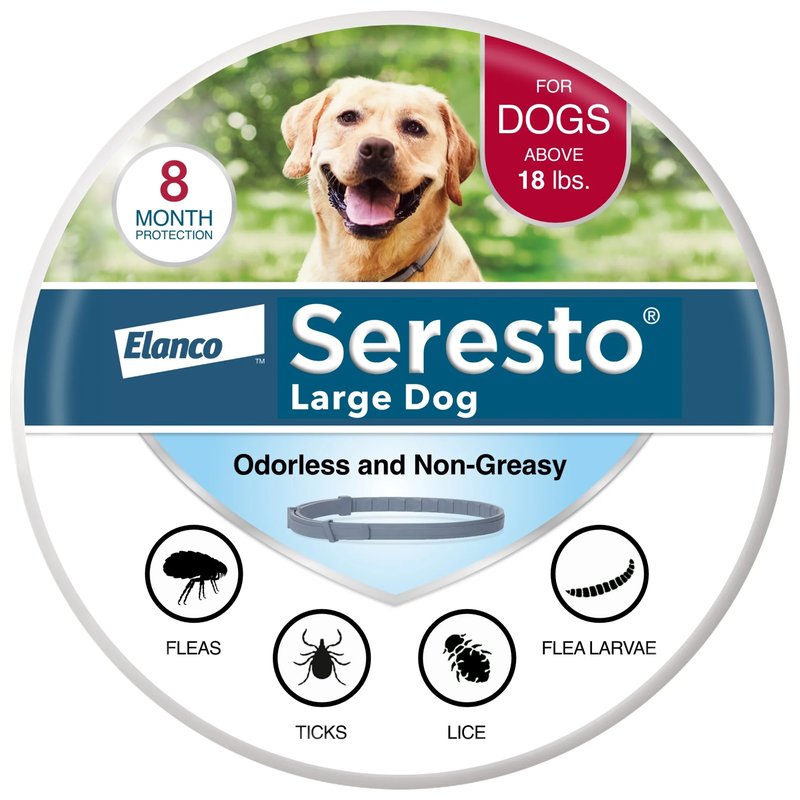
Seresto Flea and Tick Collar for Dogs
Provides up to 8 months of continuous flea and tick protection for dogs using a slow-release formula with flumethrin and imidacloprid. The water-resistant collar maintains effectiveness even after swimming or bathing, making it ideal for active pets. Lightweight and non-greasy, it offers low-maintenance, long-term defense against pests.
Why We Recommend This
We recommend the Seresto Flea and Tick Collar for dogs who need consistent, months-long protection without frequent maintenance. Its slow-release mechanism provides reliable coverage, making it an excellent choice for busy owners or pets who spend time outdoors. While initial cost is higher, the extended duration offers strong value compared to monthly treatments.
vs Competitors: Compared to spot-on treatments and sprays, Seresto provides longer protection with less maintenance, though direct-contact products may act faster against existing infestations.
Best For:
Best for dog owners wanting hassle-free, long-term flea and tick prevention, especially those with active outdoor pets.
- Ideal for owners seeking set-and-forget tick prevention throughout tick season
- Useful for dogs who swim or bathe regularly, as collar retains efficacy after water exposure
- Delivers up to 8 months of flea and tick protection per collar
- Contains slow-release actives: flumethrin (4.5%) and imidacloprid (10%)
- Longer-lasting protection compared to topical sprays (up to 8 months)
- Consistent coverage without the need for frequent reapplication
- May be less effective for immediate tick removal compared to contact sprays
- Not suitable for puppies under 7 weeks or dogs with existing skin lesions
Synthetic Flea & Tick Spray for Dogs
Synthetic flea & tick sprays for dogs use pyrethroids such as permethrin or etofenprox to knock down ticks and fleas on contact. They act faster than plant-based sprays, but read the label carefully: permethrin is toxic to cats, so keep treated dogs away from cats until the spray dries.
Suitable for dogs and puppies over 7 weeks, it's a practical tool for outbreak control or when you spot ticks on your pet after walks. The spray format lets you target specific areas, making it flexible for multi-dog homes or spot treatments.
Frequent reapplication is the trade-off - especially if your dog swims or gets wet. It's a mid-range investment, but a must-have for owners battling sudden tick infestations or traveling to tick-heavy environments.
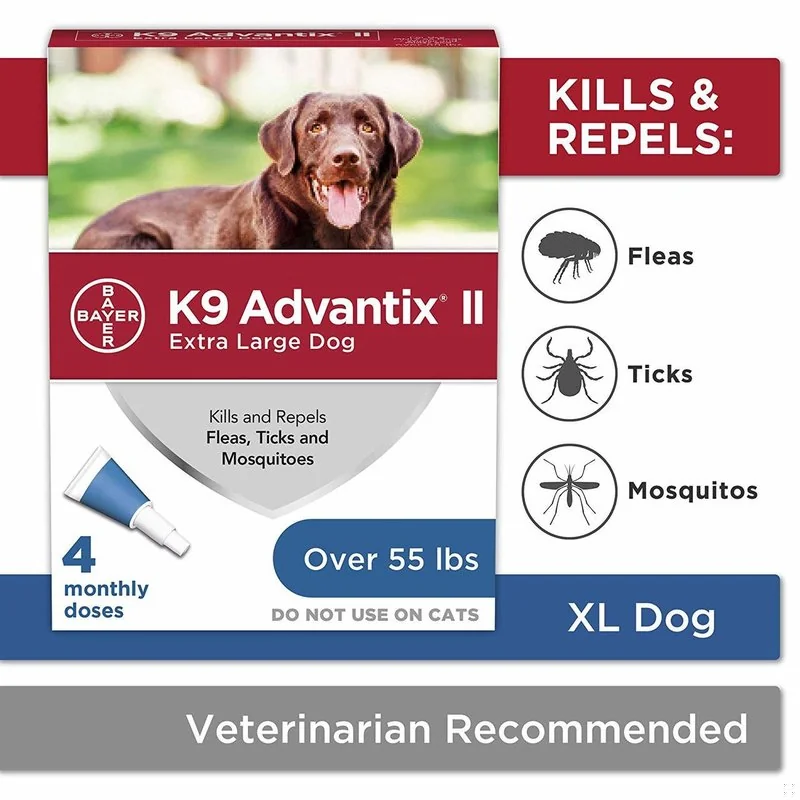
Synthetic Flea & Tick Spray for Dogs
Synthetic flea and tick sprays for dogs use pyrethroids such as permethrin or etofenprox, often with an insect growth regulator, to kill ticks and fleas on contact. They act faster than plant-based sprays and are handy for spot treatment after hikes, but they need regular reapplication and careful label reading. Permethrin is toxic to cats, so keep treated dogs away from cats until the spray has dried.
Why We Recommend This
A synthetic spray is the fast-acting option in this comparison; ask your vet which active ingredient suits your dog. This is a product type rather than a specific model - compare current listings and check the label before buying.
vs Competitors: Compared to tick collars, a spray acts faster and can be used as needed, but it requires reapplication for ongoing coverage.
Best For:
Dog owners who want fast, on-demand tick and flea control and can follow label safety directions.
- Spot treatment after hikes in tick-heavy areas
- Short-term control during a flea or tick outbreak
- Kills ticks and fleas on contact
- Useful for spot treatment after outdoor activity
- Faster knockdown than most natural sprays
- Can be used on demand rather than all season
- Needs reapplication, especially after bathing or swimming
- Pyrethroids such as permethrin are toxic to cats - follow the label closely
Vet’s Best Flea and Tick Spray
Vet’s Best Flea and Tick Spray offers a plant-based alternative for those wary of synthetic chemicals. Made with peppermint oil and eugenol, it kills and repels ticks without harsh residues.
This option is safe to use around children and pets when used as directed, making it a good fit for families with sensitive animals or allergy concerns. It works best as a home or bedding spray, but can also be applied directly to pets.
As with most natural formulas, expect to reapply more often and monitor for effectiveness. It's a budget-friendly choice for light infestations, or as an add-on to collars during peak tick season.
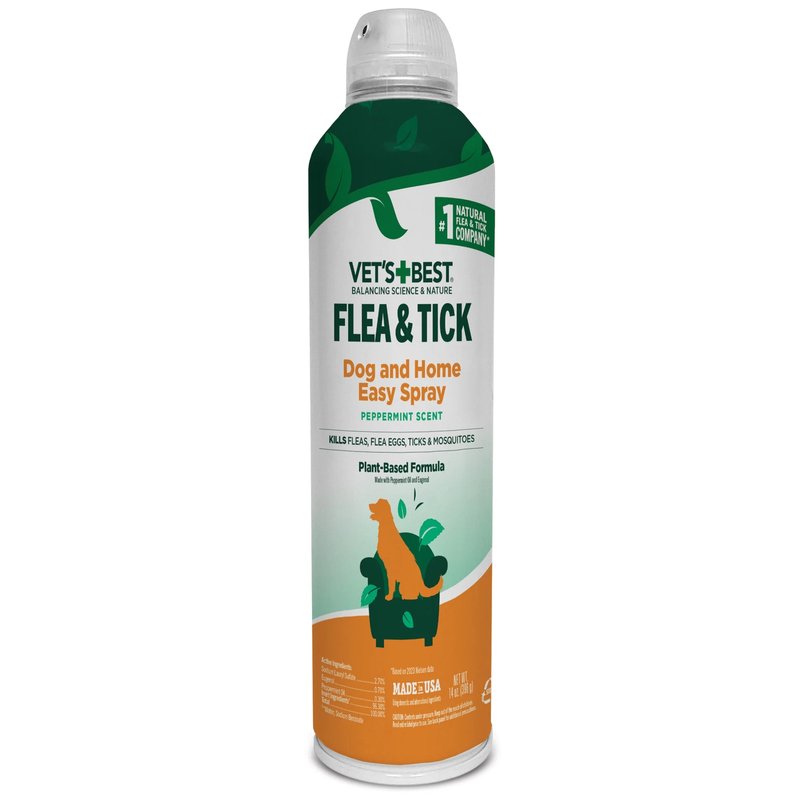
Vet’s Best Flea and Tick Spray
Vet’s Best Flea and Tick Spray provides effective tick and flea control using plant-based ingredients, making it ideal for households seeking a gentler alternative to synthetic chemicals. Formulated with peppermint oil and eugenol, it is safe for use around children and pets when applied as directed. The non-staining, residue-free formula offers peace of mind for families prioritizing indoor safety.
Why We Recommend This
We recommend Vet’s Best Flea and Tick Spray for families prioritizing safety and natural ingredients in tick prevention. Its plant-based formula is a strong choice for pet owners concerned about chemical exposure, though it may require more frequent use than synthetic alternatives. For homes with children and dogs, this offers reliable, gentle protection backed by positive user feedback.
vs Competitors: While less potent and longer-lasting than synthetic tick collars, Vet’s Best Spray appeals to those prioritizing safety and ease of use for indoor environments. It stands out among natural sprays for its pleasant scent and non-staining formula.
Best For:
Families and pet owners seeking a natural, child-safe alternative to synthetic tick sprays and collars, especially in homes with dogs and indoor living spaces.
- Best for households with children or pets needing a gentle, non-toxic tick control option
- Suitable for treating pet bedding, upholstery, and indoor areas after outdoor activities
- Plant-based formula with peppermint oil (0.30%) and eugenol (0.70%)
- Safe for use on dogs 12 weeks or older and indoor home surfaces
- Child- and pet-safe when used as directed, ideal for families
- Pleasant peppermint scent without harsh chemical odor
- Requires more frequent reapplication than synthetic sprays or collars
- Not recommended for use on cats due to sensitivity to essential oils
Seresto Flea and Tick Collar for Cats
The Seresto Flea and Tick Collar for Cats brings the same long-duration protection as the dog version, but uses a cat-safe formula and an odorless, non-greasy design. It's engineered for feline comfort and safety, reducing the risk of skin irritation or collar snagging.
This is a strong pick for indoor-outdoor cats, or for multi-cat homes needing a low-maintenance option. The long-lasting efficacy saves time and reduces the risk of gaps in protection due to missed treatments.
It is a higher-end investment, but the season-long coverage and reliability have earned consistently high marks from cat owners.
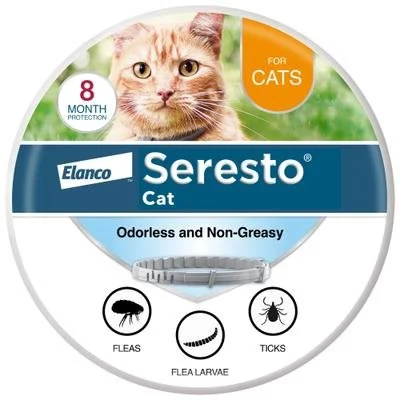
Seresto Flea and Tick Collar for Cats
Provides up to 8 months of continuous flea and tick protection with a cat-safe, odorless, and non-greasy collar. The Seresto Flea and Tick Collar for Cats is engineered for comfort and minimizes irritation or collar snagging, making it suitable for indoor and outdoor cats. Ideal for owners seeking low-maintenance, long-term pest prevention.
Why We Recommend This
We recommend the Seresto Flea and Tick Collar for Cats for pet owners prioritizing convenience and consistent protection. Its 8-month efficacy eliminates frequent reapplications required by sprays, and the safety-focused design reduces risks for active cats. In our assessment, it’s particularly well-suited for owners who prefer a set-and-forget approach to parasite control.
vs Competitors: Compared to topical sprays, Seresto offers significantly longer protection per application and reduces the chance of missed treatments, though some highly sensitive cats may prefer spot-on options or oral medications.
Best For:
Cat owners seeking effective, long-lasting, and low-maintenance flea and tick protection with minimal disruption to their pet’s routine.
- Ideal for multi-cat households needing reliable, hands-off tick prevention
- Suited for owners of outdoor or adventure cats exposed to high tick risk areas
- Delivers up to 8 months of flea and tick protection per collar
- Odorless and non-greasy formula designed for feline comfort
- Long-duration protection reduces need for monthly treatments
- Odorless and non-greasy for easy, mess-free use
- Not suitable for kittens under 10 weeks old
- Some cats may require an adjustment period to tolerate wearing a collar
Effectiveness in Real-World Tick Prevention
When it comes to tick treatment comparison, real-world effectiveness depends on your goals and your environment. Sprays and collars shine in different situations, and the best results often come from using both strategically.
Immediate Tick Removal vs Long-Term Prevention
Sprays deliver fast results - killing ticks on contact and offering relief when you find pests already attached. They're the first line of defense after a walk in tall grass or when you spot an outbreak at home.
Collars, on the other hand, are about prevention. They don't treat an active infestation directly but create a chemical shield to stop new ticks from latching on. Think of them as background protection, working quietly day after day.
For maximum coverage, many owners use both: a collar for ongoing defense, plus a spray for high-risk outings or after spotting ticks.
Performance in High-Risk Areas
In wooded or rural settings, tick collars like Seresto have a clear edge due to their consistent, long-term barrier. The active ingredient stays effective through most weather changes and moderate water exposure, so your pet is always protected.
Sprays are more vulnerable to environmental factors. Rain, puddles, or a quick swim can strip away the protection, forcing you to reapply or risk exposure. That said, sprays are invaluable for targeting bedding, crates, or home entry points where ticks may lurk.
For properties with heavy tick populations or pets that roam off-leash, collars win for peace of mind and reduced maintenance.
Safety Considerations for Pets, People, and the Home
Nothing matters more than keeping your pets and family safe. Both tick sprays and collars have safety trade-offs that you need to weigh, especially in multi-pet or child-filled homes.
Potential Side Effects and Sensitivities
Some pets develop skin irritation from collars - especially if they're worn too tight or for extended periods. Synthetic actives like flumethrin can cause redness or hair loss in sensitive animals, so always check for signs of irritation under the collar.
Sprays, especially those based on permethrin, can cause respiratory irritation if inhaled during application. It's best to apply sprays outdoors or in well-ventilated areas, and avoid the face and mouth.
Many ingredients that are safe for dogs are toxic to cats - never use a dog-only product on cats. Check every label, especially for households with both species.
Risks in Multi-Pet and Family Homes
Collars present an ingestion risk if pets chew or remove each other's collars. This is particularly concerning for puppies, kittens, or curious household pets who play rough.
Sprays can leave residue on bedding, furniture, or floors - areas children or non-target animals may touch or lick. Natural sprays reduce this risk, but frequent application can still build up over time.
If your pet sleeps in your bed, both methods increase your exposure to active ingredients. Opt for the lowest-risk formula that still meets your tick control needs.
Cost Comparison and Value Over Time
Tick prevention is a recurring expense, so value matters - especially for multi-pet households. Collars and sprays differ not just in upfront cost, but in how often you need to buy and apply them throughout the year.
Upfront Cost vs Ongoing Expenses
Sprays are usually more affordable per bottle, but you'll go through several bottles during a single tick season. This adds up quickly for large dogs, long-haired breeds, or homes with multiple pets.
Collars like Seresto require a bigger upfront investment, but deliver six to eight months of coverage per purchase. That means fewer trips to the store and less worry about running out mid-season.
Bulk savings are more common with sprays, which can be helpful for spot-treating multiple pets or environments. But for full-time protection, the cost per month generally favors collars.
Long-Term Cost Efficiency
For year-round tick prevention, collars usually come out ahead in cost per month - especially for single-pet homes or dogs that spend lots of time outside. The lower maintenance and reduced risk of missed treatments add indirect value as well.
Sprays offer flexibility and let you treat only when and where needed, which is handy for occasional exposure or for pets who can't wear collars. The downside is the extra time spent applying, monitoring, and cleaning up after each use.
Don't forget hidden costs: time spent on application, the risk of missed spots, and potential vet bills if a product causes irritation or fails to prevent disease.
Ease of Use and Application Challenges
Day-to-day practicality is where many owners make their final choice. Even the best tick prevention method won't help if it's too hard to use, too messy, or gets skipped. Let's look at how each method fits into real life.
User Experience: Convenience and Compliance
Sprays can be stressful for pets who dislike being handled, and messy for owners pressed for time. Getting even coverage on thick or long-haired pets takes patience, and pets often resist the sound or sensation of spraying.
Collars are simple to fit - just adjust for a snug, not tight, fit and trim the excess. Some pets may need periodic collar checks to prevent chafing, especially as they grow or gain weight.
The biggest risk with both methods is user error: missing a spray window, not fitting a collar tight enough, or forgetting to replace expired products. Set a recurring reminder to check and reapply as needed.
Environmental and Lifestyle Factors
Active pets who swim or are bathed often lose protection faster, regardless of method. Water can wash away sprays and degrade collar actives, shortening effective duration.
Sprays let you target specific areas, but require drying time before your pet can safely mingle with family or other animals. Natural sprays like Vet’s Best are less harsh, but still need time to dissipate before full contact.
Collars may not be suitable for pets who venture into thick brush or tight spaces, where the collar could snag or break. Always consider your pet's habits and daily environment when choosing a method.
Environmental Impact and Residue Concerns
Tick control products don't just affect your pet - they can impact your home, yard, and the local ecosystem. Understanding residue and environmental persistence is crucial for eco-conscious owners.
Residue on Surfaces and in the Yard
Synthetic sprays can leave a chemical film on pet bedding, carpets, or lawns. This residue may harm non-target insects, birds, or aquatic life if washed into drains or soil. Even natural sprays, if overused, can add up.
Collar actives transfer to your pet's fur, and from there, to furniture, beds, and sometimes your skin. While exposure is generally low, repeated contact over months may matter for sensitive individuals.
Rain, frequent washing, or swimming with a collar can also spread actives into the environment - so dispose of used collars responsibly.
Eco-Friendliness and Biodegradability
Some sprays, especially natural formulas, are marketed as biodegradable or “green.” While safer for the environment, they typically offer shorter protection windows and may require more frequent use.
Traditional collars use synthetic chemicals that persist longer in the environment. Disposal requires care - never toss used collars in regular trash if local regulations prohibit it.
Empty spray bottles and used collars each pose their own disposal challenges. Check local guidelines for safe disposal, and opt for reduced-packaging or refillable products where possible.
Which Tick Prevention Method Is Best for Your Situation?
No single method is perfect for every home, pet, or tick risk level. Success comes from matching the product to your pet's habits, your household structure, and how much effort you're willing to invest.
Best for Single vs Multiple Pets
Sprays are more flexible for homes with pets of different sizes, ages, or species. You can adjust dosage, treat only when needed, and avoid exposure for animals with known sensitivities.
Collars are the ultimate “one and done” for single-dog or uniform-pet homes. Just fit the collar, check it periodically, and relax - no daily or weekly reminders needed.
For mixed-species homes (dogs and cats), you'll likely need both dog- and cat-specific collars, or a safe spray option for shared spaces.
When to Use Both Methods Together
In high-tick regions or during peak season, layering protection makes sense. Use a collar for baseline coverage, and a spray for outings, hikes, or after spotting ticks at home.
Situational layering is effective: spray before a walk in tall grass; rely on the collar for everyday park visits. Just be sure the products are chemically compatible - never overlap different actives unless a vet confirms it's safe.
Too much overlap can cause irritation or chemical overload, so always read labels, and consult your vet if unsure.
- Tick Collars win for: busy owners, long-term prevention, and multi-pet homes seeking low-maintenance protection.
- Tick Sprays win for: immediate tick removal, spot treatment, and owners who need flexible application or control over active ingredients.
Frequently Asked Questions About Tick Sprays and Collars
❓ Frequently Asked Questions
What is the difference between tick sprays and tick collars?
What is the difference between tick sprays and tick collars?
Tick sprays are topical treatments applied directly to your pet's coat, designed to kill or repel ticks for several days. Tick collars release active ingredients gradually, providing continuous protection for up to 8 months. Sprays offer quick results, while collars require less frequent reapplication.
Which offers better protection: tick spray or tick collar?
Which offers better protection: tick spray or tick collar?
Tick collars generally offer longer-lasting, consistent tick protection - typically up to 8 months - by continuously releasing active ingredients. However, sprays can target immediate infestations and cover hard-to-reach areas. Most users report collars are more convenient for ongoing prevention, while sprays are better for spot treatments or high-risk situations.
How often should I apply tick spray to my pet?
How often should I apply tick spray to my pet?
Most tick sprays should be reapplied every 7 to 30 days, depending on the product's label and your pet’s exposure level. Frequent bathing or swimming may shorten effectiveness. Always follow manufacturer instructions, and consult your veterinarian if your pet has sensitive skin or is under 12 weeks old.
What should I look for when choosing a tick collar or spray?
What should I look for when choosing a tick collar or spray?
When choosing a tick collar or spray, consider these factors:
- Active ingredients: look for proven options like flumethrin or permethrin
- Duration of protection: collars (up to 8 months), sprays (days to weeks)
- Water resistance: important for active or outdoor pets
- Safety: ensure suitability for your pet’s age and health
Check for EPA registration to confirm product safety.
Are tick sprays or collars safer for sensitive pets?
Are tick sprays or collars safer for sensitive pets?
Tick collars and sprays both use insecticides, but collars release lower doses over time, which can reduce skin exposure. However, some pets may react to collar materials or ingredients. Sprays allow you to avoid sensitive areas. For pets with allergies or sensitivities, consult your veterinarian before use.
How do I apply tick spray safely to my dog or cat?
How do I apply tick spray safely to my dog or cat?
To apply tick spray safely:
- Read the product label for directions and precautions
- Spray outdoors or in a well-ventilated area
- Hold bottle 6–12 inches from your pet’s coat
- Avoid eyes, mouth, and genitals
- Allow coat to dry before contact with children or other pets
A patch test is recommended for first-time use.
When is the best time to use tick spray instead of a collar?
When is the best time to use tick spray instead of a collar?
Tick spray is best used for immediate tick infestations, after outdoor activities in dense grass, or when extra coverage is needed. Sprays are also useful if your pet cannot wear a collar due to allergies or size. For routine prevention, collars are usually more convenient and provide continuous protection.
Our Verdict: Which Tick Protection Should You Choose?
For most pet owners in 2026, tick collars like Seresto deliver the best balance of convenience, duration, and cost per month. If you want to set it and forget it, collars are the surest way to keep ticks at bay all season long with minimal hassle.
Choose a synthetic dog spray if you need rapid tick kill, spot treatments, or have pets who can't wear collars due to skin sensitivities or lifestyle. Pairing both methods is smart for high-risk environments, frequent outdoor adventures, or during sudden tick outbreaks.
Still deciding? Match your method to your pet's habits - collar for daily prevention, spray for targeted relief. For more options and expert advice, check our up-to-date tick control and prevention resources.
Related Articles

Best Tick Sprays and Yard Treatments 2026: Top Products for Safe Tick Control
Find the best tick sprays and yard treatments for 2026. Compare top tick control products, natural options, and expert tips to keep your yard tick-free and safe for family and pets.

Best Flea Sprays and Powders for Home 2026: Top Picks by Type
Find the best flea sprays and powders for your home in 2026. Explore top-rated, safe, and effective flea control products for carpets, furniture, and pets - plus expert buying tips and FAQs.

Complete Guide to Pest Prevention in Homes: Stop Pests in 2026
Protect your home in 2026 with this complete pest prevention guide. Discover proven DIY methods, room-by-room tips, safe solutions for families, and expert advice to stop pests before they start.

Best Natural and Organic Pest Control Products 2026: Safe, Eco-Friendly Solutions for Every Home
Find the best natural and organic pest control products for 2026. Safe, eco-friendly solutions for ants, roaches, rodents, and more - ideal for families and pet owners.