Ant Infestation Signs: How to Identify and Respond in 2026
Learn the key signs of an ant infestation, how to identify ant problems in your home, and practical steps to respond safely and effectively in 2026. Includes expert tips, a signs checklist, and DIY vs. professional guidance.
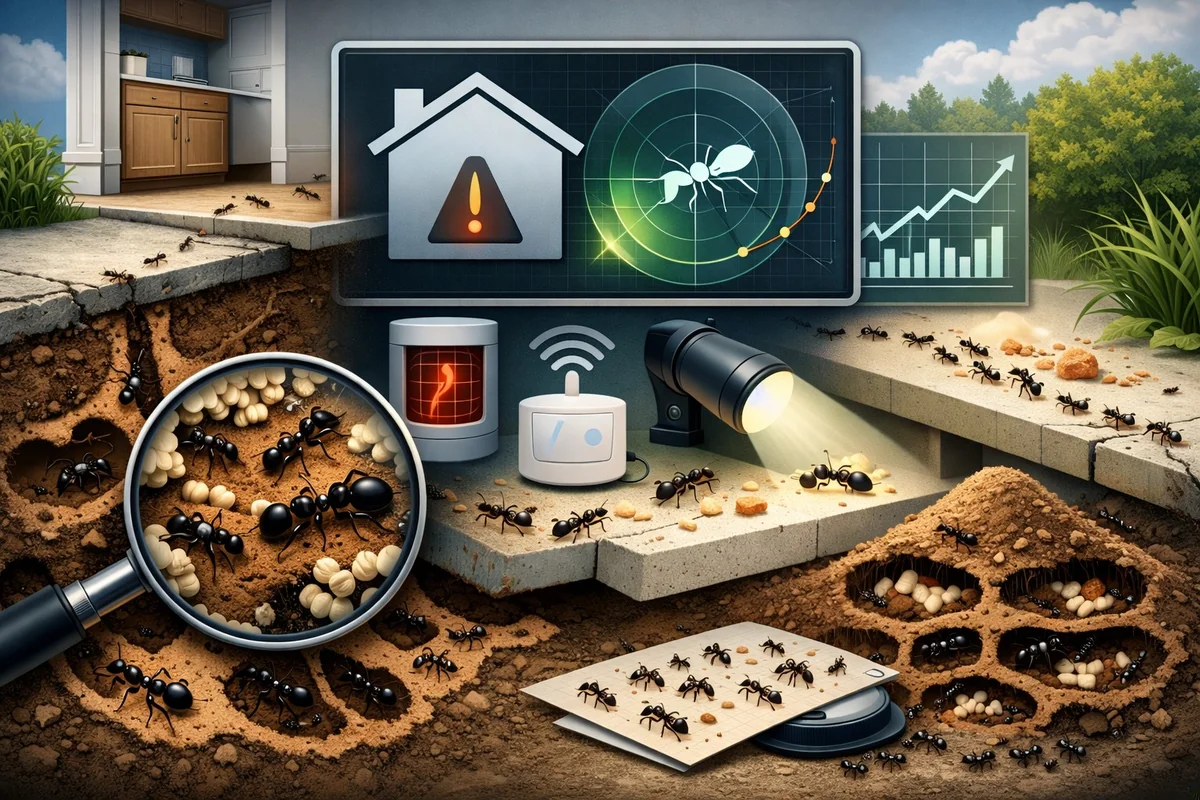
Ant infestation signs include persistent trails, visible nests, frass piles, and sudden indoor swarms. Recognizing these early can mean the difference between a quick DIY fix and a costly, deep-rooted problem. Knowing how to identify ant infestation symptoms helps homeowners act decisively and avoid long-term damage.
What Counts as an Ant Infestation?
Not every ant you spot in your home signals a full-blown problem. The difference comes down to numbers, patterns, and persistence. Occasional foragers - scout ants - may wander indoors by accident or in search of food, but if you start seeing regular, increasing numbers over several days, that's a red flag.
Infestation means more than a handful of ants. It's about repeated activity, organized trails, and evidence that a colony has established itself inside or directly adjacent to your living space. A single ant on the counter isn't a reason to panic, but a steady stream is a different story.
Difference Between Occasional Ants and Infestation
Scout ants act alone, often appearing as one or two random wanderers. If you clean up crumbs or spills and the sightings stop, you likely don't have a problem. When ants start moving in organized lines - especially toward food, water, or shelter - you're dealing with a colony, not just a visitor.
Infestations escalate. You'll notice more ants over time, and they don't just disappear when you wipe down a surface. That's because they've marked routes with pheromones, drawing others in.
The core difference is that infestations are persistent and usually grow unless actively addressed.
Types of Ants That Commonly Infest Homes
Certain species dominate indoor infestations. Carpenter ants, odorous house ants, and pavement ants are the top three culprits across North America. Each brings unique behaviors and risks: carpenter ants can cause structural damage by hollowing out wood, while odorous house ants invade kitchens for sweets and emit a sharp, musty odor when crushed. Pavement ants nest under slabs and enter through tiny cracks, usually near ground level.
Species matters for two reasons: the potential for damage (carpenter ants are the most destructive), and the effectiveness of control methods. Some respond well to sweet baits, others prefer protein or grease. Identification is tricky - color, size, and nesting habits all help, but many homeowners need a magnifying glass and a little research to be sure.
For a breakdown of ant species and targeted solutions, you can reference our Ant Control resource for practical identification and treatment tips.
Top Signs of an Ant Infestation Indoors
When it comes to identifying an ant infestation, look for patterns, not just isolated incidents. The most telling signs happen where ants find food, water, and hidden shelter.
Visible Ant Trails and Clusters
Pheromone trails are like ant highways. Workers lay down invisible chemical lines that other ants follow, often forming visible lines along baseboards, counters, or walls. These trails don't fade quickly - ants reinforce them each time they pass, making them persist for days or even weeks.
If you spot large numbers of ants converging around a food source (pet bowls, honey jars, or crumbs), this means they've mapped your home and are actively exploiting it. Organized trails signal a mature infestation, while a few random ants are less concerning.
Ant Nests and Entry Points
Some ants nest indoors. Look for subtle evidence in wall voids, under floors, behind dishwashers, or inside cabinets. Clues include thin piles of debris, small exit holes, or unusually warm or hollow-sounding spots in wood.
Entry points are usually found around windows, door thresholds, plumbing penetrations, and utility cables - anywhere there's a gap or crack.
Many nests stay hidden, especially if they're inside walls or under floors. In these cases, you'll need advanced detection methods or professional help to pinpoint the main colony.
Frass, Debris, or Sawdust Piles
Carpenter ant frass looks like fine sawdust and is a major warning sign. It's made of chewed wood, insect parts, and waste, and piles up beneath exit holes or along baseboards. This is not just a mess - it's a sign of structural risk if left untreated.
Distinguishing ant frass from termite droppings or regular dust can be tricky. Termite pellets are harder and more uniform, while household dust lacks the insect parts you might see in frass. Not all ant species leave visible debris, so the absence of frass doesn't mean you're in the clear.
Common Outdoor Ant Infestation Signs
Ants rarely limit themselves to the indoors. In fact, most colonies start outside and only move inside when conditions are right - usually for food or shelter from harsh weather.
Ant Mounds and Soil Disturbance
Mounds near your foundation are a classic sign of an outdoor colony. These soil piles can appear overnight and may be flat or dome-shaped, depending on the species. Pavement ants push up grains of sand between cracks in sidewalks and driveways, while fire ants build more dramatic, tall mounds.
Not all ants create visible mounds - some nest deep underground or in wall voids, leaving only subtle soil disturbance.
Ants on Exterior Walls and Entryways
High ant activity along siding, windows, or door frames is worth watching. Foraging lines here usually mean ants are scoping out new ways inside or have already found one. Exploratory scouts move erratically and alone; organized lines mean a resource has been found, and a trail is being established.
Spotting these signs early gives you a chance to block entry before the infestation spreads indoors. That's your best shot at prevention.
Secondary Symptoms and Unusual Ant Behaviors
Some ant infestation signs are less obvious, but catching them early can save you significant trouble. These include flying swarmers and odd odors.
Winged Ants Indoors (Swarmers)
Seeing winged ants inside is a serious warning sign. Swarmers are reproductive ants released by a mature colony when it's ready to expand. Their appearance is triggered by seasonal changes, moisture, or overcrowding.
It's easy to confuse flying ants with termites. The key differences: ants have bent antennae, narrow waists, and unequal wing lengths; termites have straight antennae, thick waists, and wings of equal length. Catching swarmers early can stop the formation of satellite colonies elsewhere in your home.
Unusual Odors or Sounds
Odorous house ants emit a sharp, rotten coconut smell when crushed. Some homeowners notice this even before they see the ants themselves. Large nests in wall voids or ceilings may produce faint rustling or tapping sounds, especially at night.
Keep in mind, not all infestations are noisy or smelly. If you notice odd scents or sounds, they're worth investigating, but their absence doesn't guarantee you're ant-free.
How Ant Infestations Start and Spread
Ants are opportunists. Understanding what draws them indoors - and how colonies spread - helps you prevent future outbreaks and target current infestations more effectively.
Food and Water Attractants
Ants are driven by food. Sugary spills, crumbs under appliances, and open pet food are the top culprits. Even a few drops of juice can attract a swarm within hours.
Foraging is triggered by scent, and once food is found, ants recruit others using pheromones.
Standing water from leaks, condensation, or dripping pipes attracts ants and many other pests. Even homes that are kept clean can become targets if water is available and entry points exist.
Structural and Environmental Factors
Gaps in caulking, cracks in foundations, and poorly sealed windows are the main highways for ant entry. Weather also plays a role: heavy rains or droughts drive ants indoors in search of stable humidity and temperature.
Fixing these issues isn't just about stopping current infestations. Environmental changes, like repairing leaks and sealing cracks, can prevent problems from recurring.
If you're evaluating treatment options, see our Best Ant Killers for Home Use 2026 guide for the latest products and methods that actually work in real homes.
| Option | ★Difficulty Level | ★Time to Detect | ★Detection Accuracy | Required Tools | Best For | Limitations |
|---|---|---|---|---|---|---|
| Visual Inspection | Easy | 15-30 minutes per room | Moderate | Flashlight, magnifier (optional) | Homeowners noticing early signs or small infestations | Misses hidden nests; less effective for large structures |
| Bait Monitoring | Medium | 2-7 days (monitoring period) | High | Non-toxic ant baits, collection containers | Identifying ant species and locating main trails | Slower results; not ideal for urgent removal needs |
| Moisture & Entry Point Assessment | Medium | 30-60 minutes per inspection | Moderate | Moisture meter, caulking supplies | Preventing future infestations and sealing recurrence routes | Does not remove existing ants; focuses on prevention |
| Professional Thermal Imaging | Hard | 1-2 hours per visit | Very High | Thermal imaging camera (professional-grade) | Large buildings, hidden nests, severe or recurring infestations | Requires trained operator; higher cost |
DIY Inspection: How to Confirm an Ant Problem
Suspect you have an infestation but aren't sure? A thorough inspection is the only way to know for certain. The goal: find patterns, sources, and entry points - not just random ants.
Where and When to Look
Start in kitchens, bathrooms, and basements - areas with food, water, and warmth. Inspect along baseboards, under sinks, behind appliances, and inside cabinets for signs of ant activity. Early morning and late evening are the best times to spot worker ants on the move since many species are most active then.
Some ants are nocturnal or stay hidden except during major foraging runs. Don't rely on a single check. Multiple inspections over several days, at different times, improve your odds of catching activity.
Simple Tools and Methods for Homeowners
A bright flashlight helps you see into cracks, behind appliances, and inside cabinets. Sticky traps placed along suspected trails or near entry points monitor activity and help confirm a problem. For a low-tech trick, sprinkle a thin line of flour or talcum powder along baseboards or across suspected entry points - if ants are present, they'll leave tracks you can follow back to the nest.
DIY inspections are a great first step, but deep or inaccessible nests can evade even the most determined homeowner. If repeated checks turn up nothing but activity continues, professional help may be needed.
What to Do if You Find Ant Infestation Signs
If you confirm ant infestation signs, act fast. The longer ants have access to food and shelter, the harder removal becomes. Here are the immediate steps to limit spread and buy time for a more thorough solution.
Immediate Actions to Limit Spread
Clean up all food spills, sweep crumbs, and store open food in airtight containers. Remove pet food or place bowls in water moats to block access. Seal visible entry points with caulk or weatherstripping - speed matters because ants lay down pheromone trails that attract more workers each hour.
Wipe down trails and affected surfaces with soap and water. This disrupts the chemical markers that guide ants, forcing them to re-explore and breaking their foraging cycle for at least a few hours. These are temporary fixes, not long-term solutions, but they give you breathing room to plan your next move.
Choosing DIY Ant Control Methods
Baits are the most effective DIY ant killers because they deliver poison back to the colony, targeting the queen and future generations. Sprays only kill visible ants and often scatter the colony, making the problem worse. Baiting takes patience - expect results in 1-2 weeks, not overnight.
Natural options like vinegar or diatomaceous earth are safer for pets and kids but tend to be slower or less effective for large infestations. Severe or persistent problems may not respond to DIY methods at all; that's when it's time to consider professional help.
When to Seek Professional Help
DIY methods work for minor and moderate infestations, but some situations require expert intervention. Knowing the warning signs of a problem that's outgrown home treatment saves time, money, and stress.
Signs DIY Efforts Aren’t Enough
Persistent ant activity despite repeated cleaning, baiting, and sealing usually means the nest is hidden or too large for over-the-counter baits to reach. If you notice structural damage (hollow-sounding wood, warping) or electrical issues (flickering lights, short circuits) near ant activity, call a professional immediately. Certain ant species - especially carpenter ants - are notorious for causing internal damage that's hard to detect until it's severe.
Professionals have access to advanced detection tools, targeted insecticides, and knowledge of species-specific behavior. For large, hidden, or recurring infestations, that's the competitive advantage you need.
Risks of Delaying Professional Intervention
Unchecked infestations can cause costly repairs and, in rare cases, health issues from contaminated food or allergy triggers. Waiting too long allows ants to spread, establish satellite colonies, and complicate removal. While professional services are a bigger investment, they're often the only way to resolve entrenched infestations and prevent long-term damage.
Preventing Future Ant Infestations
Once you've handled an infestation, prevention is your next priority. Consistent home maintenance and smart product use keep ants from returning year after year.
Long-Term Home Maintenance Tips
Seal cracks, repair gaps around utility lines, and fix leaky pipes to cut off entry and moisture. Trim shrubs and trees so they're at least 12 inches from the foundation - ants often use branches as bridges. Regular deep cleaning, especially in kitchens and pantries, disrupts ant foraging cycles and makes your home less attractive.
Prevention isn't a one-time fix. It requires ongoing effort, especially in spring and summer when ant colonies are most active.
Safe Prevention Products and Methods
Barrier sprays applied along exterior foundations and entry points create a chemical wall ants avoid. Natural repellents, like essential oil blends, are safer but require frequent reapplication - often every 2-4 weeks for consistent results. Upgrading to airtight food containers and storing produce in the fridge further reduces risk.
Some products lose effectiveness quickly, so check labels and reapply as directed. The goal is to create a home environment where ants can't find what they need to survive.
Frequently Asked Questions About Ant Infestations
❓ Frequently Asked Questions
What are the main signs of an ant infestation in a home?
What are the main signs of an ant infestation in a home?
The main signs of an ant infestation include seeing trails of ants, finding ant nests (often small mounds of soil or debris), and discovering food packaging with chew marks. Early detection helps prevent further spread. Most homeowners notice small black ants around kitchens or pantries searching for food.
How do I get rid of ants in my house effectively?
How do I get rid of ants in my house effectively?
To get rid of ants, start by cleaning up food crumbs and sealing entry points.:
- Use ant baits near trails.
- Apply non-repellent insecticide along baseboards.
- Track ant trails to locate and treat nests.
Consistent cleaning and prompt removal of food sources prevent re-infestation. Avoid using only sprays, as these may scatter colonies.
What is the difference between a few ants and a full infestation?
What is the difference between a few ants and a full infestation?
A few ants are usually scouts searching for food, while a full infestation involves regular ant trails, visible nests, and repeated sightings over days. Full infestations often result in damage to food packaging or structures. Persistent ant presence signals a colony is established inside or near your home.
What should I look for when choosing ant removal products?
What should I look for when choosing ant removal products?
When choosing ant removal products, consider:
- Active ingredient: Look for non-repellent insecticides for best colony control.
- Safety: Check for child and pet-safe formulas.
- Type: Baits work well for indoor infestations, sprays for direct contact.
Review product reviews and follow directions for effective, safe use.
Why do ants keep coming back after treatment?
Why do ants keep coming back after treatment?
Ants often return if the colony isn’t fully eliminated or if new food sources are present. Incomplete treatment leaves hidden nests untouched. Also, sealing gaps and maintaining cleanliness is essential. Most users find that consistent baiting and blocking entry points are key to preventing recurring infestations.
How often should I inspect for signs of ant infestation?
How often should I inspect for signs of ant infestation?
Inspect for ant infestation signs every 2-3 months, especially during spring and summer when ants are most active. Regular checks in kitchens, pantries, and around windows help catch problems early. Frequent inspection is recommended after rain or construction, as these conditions often drive ants indoors.
When is the best time to treat for ants?
When is the best time to treat for ants?
The best time to treat for ants is early in the season when activity first appears, typically in spring. Treating early prevents colonies from becoming established. Applying baits and sealing entry points before peak summer activity is most effective. Avoid treating immediately after heavy rain, as this can reduce product effectiveness.
Key Takeaways on Identifying Ant Infestations
Ant infestation signs go beyond the occasional forager - look for persistent trails, visible debris, indoor nest evidence, and sudden swarms. The earlier you catch the pattern, the easier and less expensive it is to solve. Regular inspections, quick cleanup, and targeted baits are your first lines of defense, but don't hesitate to call professionals when the problem persists.
Understanding ant behaviors, species, and entry points is key to long-term prevention. Consistent maintenance and smart storage habits make your home less attractive to future colonies. Acting quickly and decisively is the best way to regain peace of mind and protect your space.
Ready to tackle your ant problem? Start with a thorough inspection and choose the right method for your situation. For more guidance, explore our related ant control resources or consult a local expert for severe cases.
Related Articles

Best Ant Killers for Home Use 2026: Top Baits, Sprays, and Natural Options Compared
Discover the best ant killers for home use in 2026. Compare top baits, sprays, natural options, and expert tips for safe, effective ant control - without hiring an exterminator.

Guide to Hiring a Professional Pest Control Service: What to Know in 2026
Learn when and how to hire a professional pest control service, what to look for in a company, and how to compare options for safe, effective pest removal in 2026. Includes step-by-step preparation, contract tips, and FAQs.
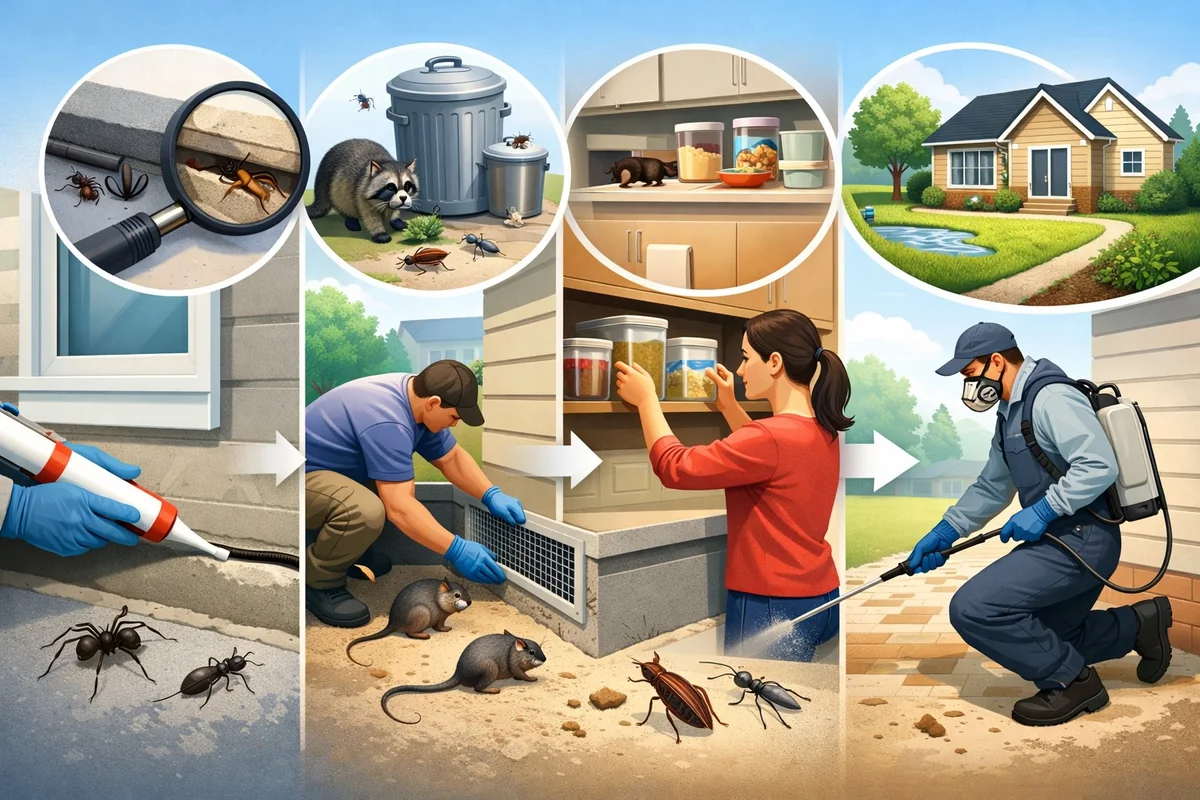
Complete Guide to Pest Prevention in Homes: Stop Pests in 2026
Protect your home in 2026 with this complete pest prevention guide. Discover proven DIY methods, room-by-room tips, safe solutions for families, and expert advice to stop pests before they start.

Best Carpenter Ant and Wood Borer Treatments 2026: Top Baits, Sprays, and Safe Solutions
Discover the best carpenter ant treatments and wood borer control products for 2026. Compare effective baits, sprays, natural solutions, and expert tips to eliminate pests and protect your home - DIY-friendly and budget-conscious.