 Pest Pro Reviews Editorial Team • • 18 min read •
 Ant Traps vs Ant Sprays: Which Works Better in 2026?
Compare ant traps and sprays for home pest control in 2026. Learn which ant killing method is most effective, safest, and most budget-friendly for your situation.
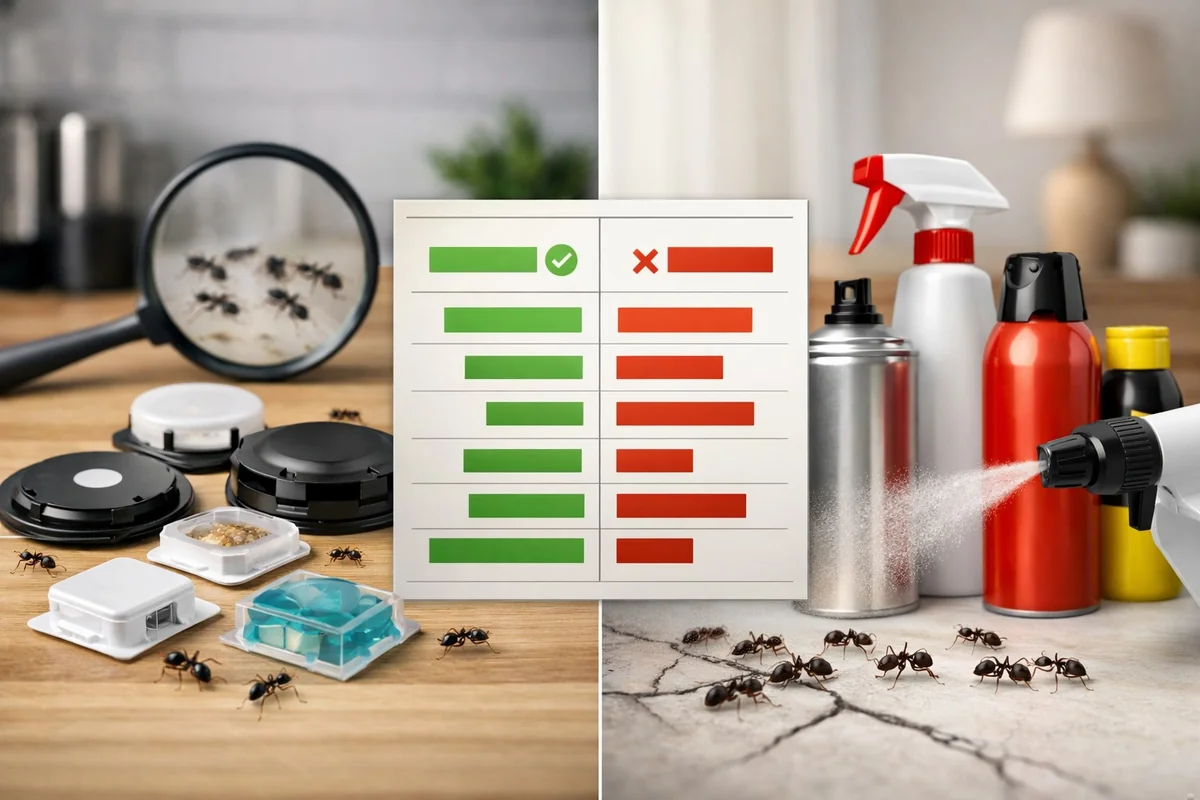
Ant traps vs ant sprays: For colony elimination, ant traps work best indoors, slowly killing the entire nest. Sprays deliver instant results on visible ants, ideal for rapid knockdown or outdoor use. Choose traps for lasting control; use sprays for quick relief.
For persistent infestations, start with traps, then spot-treat with sprays as needed.
- Ant traps are more effective for eliminating entire colonies, while sprays only kill visible ants.
- Sprays provide instant results, but traps offer better long-term control for indoor infestations.
- Use sprays for emergencies or outdoor use, but rely on traps for persistent or hidden ant problems.
Key Differences Between Ant Traps and Sprays
If you've tried ant control methods that didn't deliver, you're not alone. Most people grab a spray for fast results, but the underlying colony often survives - which is why ants keep coming back. Understanding how each method targets ants is the first step to real control.
Identify your needs and get personalized recommendations
Learning about pest removal for the first time and wants simple, safe, and easy-to-use options.
Seeks a basic understanding of the differences between ant traps and sprays before deciding.
Compares product features and specifications side by side to find the best fit.
Wants the best balance of price, quality, and long-term results.
Ready to buy and focused on the highest-rated option for the lowest cost.
Wants the most effective, safest, and latest 2026 innovations, regardless of price.
How Each Method Targets Ants
Ant traps (bait stations and gels) work by attracting worker ants with a food-based lure that contains a slow-acting poison. The idea is simple but powerful: ants carry the bait back to the nest, feeding it to the queen and larvae, which eventually destroys the entire colony from within. Traps rely on ants surviving long enough to share the poison, so results take patience.
Sprays, by contrast, kill ants on contact. Most contain pyrethroids or plant-based oils that disrupt the ants' nervous systems within seconds. This makes sprays perfect for wiping out visible trails or spot-treating a sudden invasion.
The catch is that sprays only reach the ants you see - not the thousands hidden in walls or under floors.
Which Method Works Best for Different Infestation Types?
For a small number of ants or a one-off kitchen invasion, sprays like Raid Ant & Roach Killer Spray deliver fast knockdown. But if you're seeing a steady flow of ants day after day, especially along the same trail, that's a sign the colony is established indoors. In these cases, ant traps like Terro Liquid Ant Baits or Combat Max Ant Killing Gel are far more likely to solve the core problem.
Outdoor infestations can be trickier. Sprays are often the first line of defense for patios and entry points, but rain and sunlight can degrade their effectiveness quickly. Outdoor-specific baits may help, but only if they're placed out of direct weather and remain attractive to the ants you’re targeting.
For a deep dive on species-specific methods, see our Ant Control guide.
How Ant Traps Work: Ingredients, Timing, and Limitations
Bait-based ant traps are popular for a reason: when they work, they can wipe out the entire infestation at its source. But not all baits are the same, and understanding the science behind the active ingredients makes a real difference in success rates.
Active Ingredients: Borax, Hydramethylnon, and More
Borax is a classic slow-acting poison. It interferes with an ant's digestive system, so the worker ants have time to return to the nest and feed it to others - including the queen. This method maximizes the chance that the whole colony is exposed before any ants die on the trail.
Hydramethylnon targets the ant's ability to convert food into energy. It's especially effective for both protein- and sugar-loving species, and is commonly found in gel baits. The choice of active ingredient matters: some ants ignore sweet baits, while others won't touch protein-based gels.
For example, Terro Liquid Ant Baits uses a borax-infused sweet liquid that draws sugar-seeking ants like Argentine, odorous house, and pavement ants. Its pre-filled, enclosed station design is ideal for kitchens and pantries, minimizing mess and accidental contact.
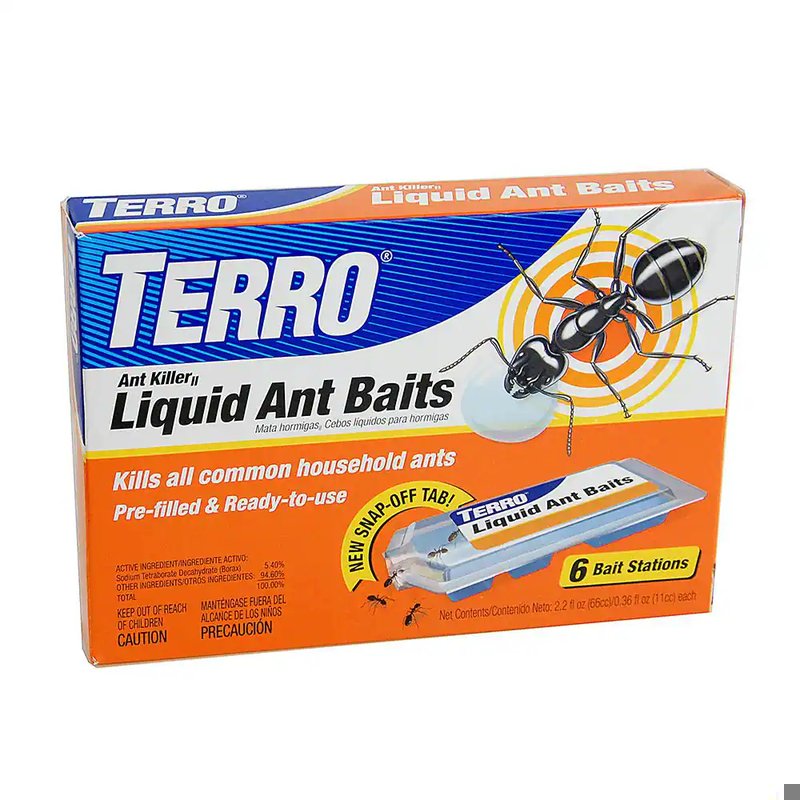
Terro Liquid Ant Baits
Terro Liquid Ant Baits use a borax-based liquid formula in pre-filled stations to target and eliminate indoor sugar ant infestations. The 0.36 oz (10.2 mL) bait stations are designed for easy, mess-free placement in kitchens, pantries, or bathrooms. Slow-acting for colony-wide effectiveness, they work by attracting foraging ants to share the bait, ensuring the entire nest is treated.
Why We Recommend This
We recommend Terro Liquid Ant Baits for anyone facing recurring indoor sugar ant problems, especially in kitchens or food storage areas. The slow-acting borax formula has a strong track record of eliminating the entire colony, not just surface ants, and the mess-free stations make setup simple for first-time users. Based on our research, Terro stands out for balancing efficacy and user-friendly design.
vs Competitors: Compared to gel-based baits like Advion and granular options, Terro's liquid formula excels at attracting and eliminating sugar-loving ants in indoor environments, though it may be less versatile outdoors or with grease-feeding species.
Best For:
Homeowners and renters dealing with indoor sugar ant infestations, especially those seeking an easy-to-use, low-mess solution for kitchens and living spaces.
- Treating persistent indoor ant trails in kitchens, pantries, or bathrooms
- Safe, targeted control for households seeking non-spray ant removal options
- Pre-filled bait stations with 0.36 oz (10.2 mL) liquid borax solution
- Targets common household ants including Argentine, odorous house, and pavement ants
- Colony-wide elimination due to slow-acting borax formula
- Pre-filled stations are easy to set up with no mess or measuring required
- Not suitable for outdoor use or non-sugar-feeding ant species
- May initially attract more ants before infestation subsides, requiring patience
Combat Max Ant Killing Gel, on the other hand, uses fipronil in a gel formula that can be squeezed into cracks and crevices. This is especially useful for hard-to-reach nests or areas where traditional traps won't fit.
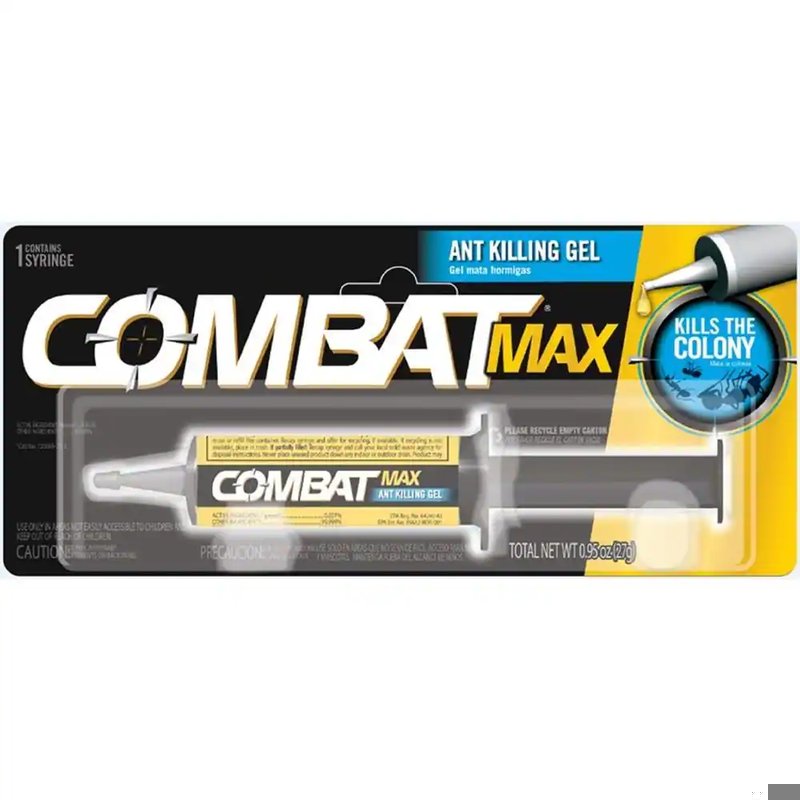
Combat Max Ant Killing Gel
Combat Max Ant Killing Gel targets hard-to-reach ant colonies by delivering a potent dose of fipronil directly into cracks and crevices. The precision applicator lets users place the gel along active ant trails, ensuring worker ants carry the bait back to the nest for thorough colony elimination. Ideal for persistent indoor infestations where sprays fail to address the root of the problem.
Why We Recommend This
We recommend Combat Max Ant Killing Gel for anyone dealing with recurring indoor ant infestations, especially when ants keep returning to the same spots. Its gel formula allows targeted treatment along active trails, providing longer-lasting control than most sprays. Based on expert feedback and owner reports, this is a reliable choice for eliminating the source of indoor ant problems.
vs Competitors: Compared to bait stations like Terro Liquid Ant Baits, Combat Max offers more precise placement, allowing users to treat narrow cracks and crevices that ants frequent. It is less suitable than sprays for immediate knockdown but outperforms them for long-term colony control.
Best For:
Homeowners or renters experiencing ongoing indoor ant problems that are not resolved by surface sprays, especially those seeking a targeted, low-odor solution for kitchens and living areas.
- Persistent indoor ant trails in kitchens, bathrooms, or pantries
- Controlling hidden nest sites in wall voids, under appliances, and along baseboards
- Contains 0.001% fipronil for effective ant control
- Precision applicator tip for targeted placement in cracks and crevices
- Targets entire ant colonies by leveraging worker foraging behavior
- Easy-to-apply gel reaches where sprays and traps can't
- Requires patience - may take several days to see full results
- Not designed for immediate knockdown or outdoor infestations
Choosing the right active ingredient is the difference between eliminating your specific infestation and wasting weeks on the wrong bait.
Why Traps Take Time to Show Results
Traps require patience. After ants discover the bait, you may see increased activity for a few days as more workers are drawn in. This is actually a good sign - it means the poison is being carried back to the nest.
Expect a timeline of 1-3 weeks for full colony elimination with consistent trap use. If you’re looking for results in hours, traps will disappoint you; but if you want the ants gone for good, this wait pays off.
When Ant Traps Might Not Be Effective
Traps fail when ants aren't interested in the bait. This happens if they’re after different food types (protein vs. sugar), or if there are competing food sources nearby - like crumbs, pet food, or even a trash can lid left ajar.
Poor placement is another common culprit. If you put traps away from active trails, too close to strong-smelling cleaners, or in direct sunlight, they’ll be ignored or dry out. Outdoor traps, unless protected, often lose effectiveness from rain or heat.
For a breakdown of the most effective baits this year, see Best Ant Killers for Home Use 2026.
How Ant Sprays Work: Instant Results and Their Drawbacks
Ant sprays are the first thing most people grab in a panic. They deliver what feels like instant control, but often at the cost of long-term results. Knowing the difference between contact kill and residual action will save you time and frustration.
Contact Kill vs. Residual Action
Contact kill sprays, like Raid Ant & Roach Killer Spray, use fast-acting pyrethroids to knock down ants within seconds. This is perfect for visible trails or nests you can see. Some formulas leave a residual film - meaning ants that cross the treated area hours or days later will still die.
The trade-off? Residual sprays tend to lose potency quickly, especially outdoors or on absorbent surfaces. Overuse can also lead to lingering chemical odors indoors.
Natural sprays, such as EcoLogic Ant & Roach Killer Aerosol, use plant-based oils for a safer, lower-toxicity approach. They're less persistent but a good fit for families concerned about chemical exposure.
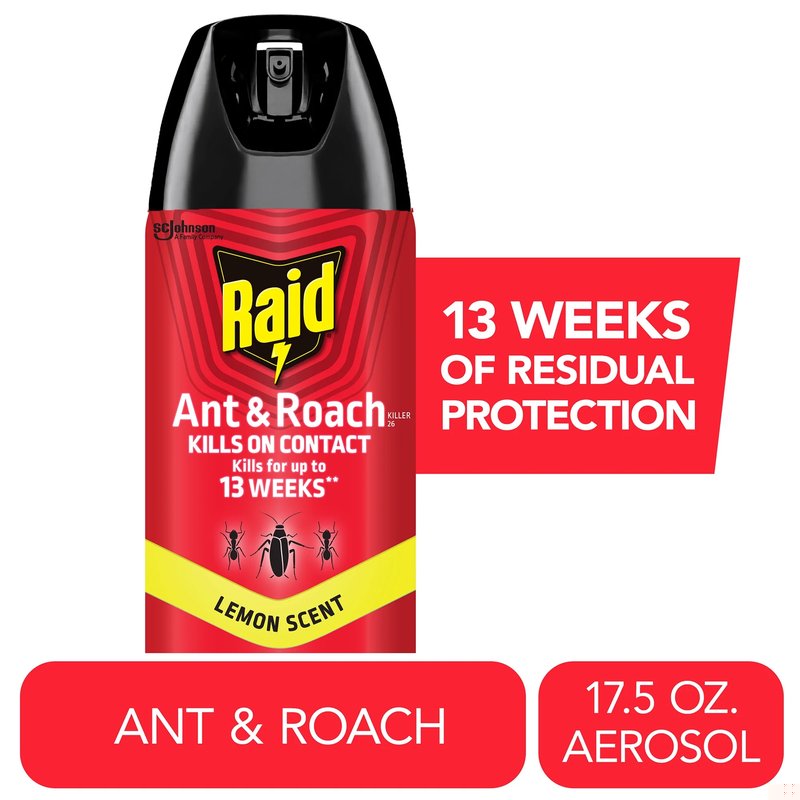
Raid Ant & Roach Killer Spray
Raid Ant & Roach Killer Spray delivers rapid ant knockdown in seconds and creates a protective barrier that lasts up to 4 weeks on treated surfaces. The dual-action formula with imiprothrin and cypermethrin targets ants and other common pests, making it suitable for use in kitchens, bathrooms, and entry points. Ideal for homeowners seeking quick and lasting pest control without professional intervention.
Why We Recommend This
We recommend Raid Ant & Roach Killer Spray for readers who want immediate results and lasting protection from indoor ant infestations. Its dual-active ingredients work quickly and provide up to a month of residual control, which is why it remains a top pick in our research and user-reported evaluations. While the scent is noticeable, the convenience and efficacy make it an excellent choice for routine home pest management.
vs Competitors: Raid offers faster knockdown than many natural or gel-based alternatives and provides a longer-lasting barrier than most basic sprays, though it has a more noticeable scent than some low-odor competitors.
Best For:
Homeowners and renters looking for fast, effective indoor ant and roach control without professional pest services
- Best for treating ant trails and entry points along baseboards, windows, and doors
- Effective for quickly addressing sudden ant or roach sightings in kitchens and bathrooms
- Fast-acting formula eliminates ants and roaches within seconds
- Residual protection lasts up to 4 weeks on treated surfaces
- Provides near-instant ant and roach elimination in household settings
- Residual action reduces the need for frequent reapplication
- Strong chemical odor may linger after use, especially in enclosed spaces
- Not recommended for use on food preparation surfaces
EcoLogic's formulation, featuring lemongrass and cornmint oil, excels at quick knockdown but may require more frequent reapplication. It's a smart pick for those with pets or kids who want to avoid harsh chemicals entirely.
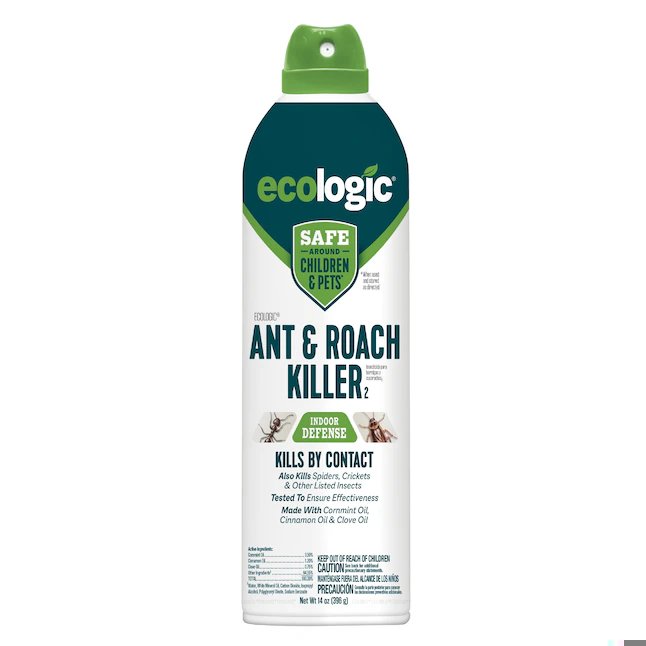
EcoLogic Ant & Roach Killer Aerosol
EcoLogic Ant & Roach Killer Aerosol delivers fast knockdown of ants and roaches using plant-based lemongrass oil and cornmint oil, making it a safer choice for families concerned about chemical exposure. The aerosol formula provides quick results for spot treatments and outdoor perimeter use, though it is less persistent than residual sprays. Ideal for emergency infestations or targeted applications where lower toxicity is a priority.
Why We Recommend This
We recommend EcoLogic Ant & Roach Killer Aerosol for families prioritizing reduced chemical exposure while needing fast relief from ant or roach problems. Its plant-based formula is well-suited for emergency use or targeted treatments, though it lacks the persistence of traps or chemical sprays. Users with allergies or asthma should ventilate the area during use and consider sensitivity to essential oils.
vs Competitors: Compared to conventional synthetic sprays, EcoLogic offers a safer, plant-based solution but requires more frequent reapplication. Unlike ant traps, sprays like this provide immediate results but do not address the colony at its source.
Best For:
Families and individuals seeking a safer, plant-based alternative for occasional ant or roach problems, especially those with concerns about chemical residues around children or pets.
- Quickly treating visible ant trails or roach sightings indoors
- Spot-treating entry points or outdoor perimeters during peak pest activity
- Uses lemongrass oil (0.10%) and cornmint oil (1.50%) as active ingredients
- Aerosol spray delivers immediate knockdown on contact
- Plant-based formula reduces risk of chemical exposure for families and pets
- Fast-acting knockdown for visible ants and roaches
- Shorter residual effect compared to chemical sprays - may require repeat applications
- Natural oils may cause respiratory irritation in sensitive individuals; ventilation is necessary
Where Sprays Excel: Fast Knockdown and Spot Treatments
Sprays shine when you need instant results: a line of ants crossing your kitchen counter, a nest in a window frame, or an outdoor trail leading straight into your home. These are situations where waiting for baits to work just isn’t practical.
Sprays are also your best bet for perimeter treatments - think patios, doorframes, and cracks where ants sneak in. They're often used as a first response, then followed up with traps for lasting control.
Limitations: Why Sprays Rarely Solve the Root Problem
The biggest catch: sprays rarely reach the queen or the main nest. Kill the visible ants, and the colony just sends more. In fact, repeated spraying can cause colonies to “bud” or split, driving ants deeper into walls or to new locations, making the problem harder to control.
Health and resistance are concerns too. Over-reliance on chemical sprays can contribute to resistance in some species and impact indoor air quality, especially for sensitive family members.
- Ant traps win for: persistent, hidden, or large indoor infestations where colony elimination is the main goal
- Ant sprays win for: immediate knockdown of visible ants, outdoor perimeter protection, or emergency situations
Safety, Health, and Environmental Considerations
When it comes to home pest control, safety is just as important as effectiveness - especially if you have pets or small children. Both ant traps and sprays have their own set of risks and benefits.
Are Ant Traps Safe for Homes with Pets and Kids?
Most commercial bait stations, like those used in Terro Liquid Ant Baits, are enclosed to minimize accidental contact. This makes them a safer choice for households with curious pets or kids, compared to open gels or powders.
That said, even low-toxicity actives like borax or fipronil shouldn’t be left where pets can chew or children can tamper with them. Always place traps out of reach and check regularly for spills or signs of tampering.
Spray Risks: Inhalation, Residues, and Sensitive Individuals
Traditional aerosol sprays can linger in the air, especially in poorly ventilated areas. Some active ingredients are particularly risky for cats, fish tanks, or beneficial insects like bees.
Plant-based sprays like EcoLogic Ant & Roach Killer Aerosol are safer for most families, but even natural oils can cause respiratory irritation for those with asthma or allergies. Proper ventilation is essential regardless of product.
Eco-Friendly Alternatives and Their Trade-Offs
If safety is your top priority, there are eco-friendly options - but they come with trade-offs. Plant-based sprays offer lower toxicity but usually lack the staying power of synthetic formulas. Natural baits like diatomaceous earth kill by dehydration, not poison, but work slowly and require ants to crawl through the powder, which isn’t always practical indoors.
Eco-friendly solutions often require more frequent application and more careful placement to match the effectiveness of traditional products.
Cost Comparison: Upfront and Long-Term Expenses
Price matters - but so does value over time. The real cost of ant control includes not just the first purchase, but how often you need to reapply (or replace) your chosen method.
Price Per Application: Traps vs. Sprays
Traps like Terro Liquid Ant Baits and Combat Max Ant Killing Gel fall into the budget-friendly to mid-range category. Each pack usually lasts for several weeks after placement, with the potential for fewer repeat purchases if the colony is eliminated.
Sprays, such as Raid Ant & Roach Killer Spray, are usually affordable and cover multiple spot treatments per can. However, persistent infestations often require repeated purchases - especially if you're treating high-traffic or outdoor areas.
Long-Term Value: Which Method Saves More?
Traps offer better long-term value for persistent or recurring infestations. By targeting the colony, you reduce the need for constant re-treatment. Sprays may appear cheaper upfront but can add up over months of reapplication.
If you find yourself buying spray after spray, it's a sign you need to switch to a bait-based approach.
Hidden Costs: Damage, Health, and Replacement
Don’t forget potential hidden costs. Overuse of sprays may stain surfaces, damage finishes, or trigger health issues for sensitive individuals. Open baits or spills can be dangerous for pets and may require additional cleaning or replacement.
Factoring in the potential for repairs, health-related expenses, and the hassle of repeated applications, the “cheapest” method is rarely the best value.
Ease of Use and Application Tips
Getting the most out of any ant killing method comes down to application. Even the best product fails if used incorrectly. Here’s how to apply traps and sprays for maximum effect, along with the most common mistakes to avoid.
Placement Strategies for Maximum Effectiveness
- Place traps directly along active ant trails, near entry points, and away from direct sunlight or moisture.
- Keep baits away from strong-smelling cleaners, air fresheners, or food sources that might compete with the bait.
- Apply sprays directly to visible ant trails, nests, or cracks where ants enter the home.
- Reapply sprays after cleaning, heavy rain (outdoors), or if new trails appear.
Common Mistakes and How to Avoid Them
- Touching bait with bare hands can transfer human scent, making traps less attractive.
- Using sprays and traps together in the same area will cause ants to avoid the bait - always separate by at least a few feet or wait several days between treatments.
- Overusing sprays can drive ants to split the colony or relocate deeper into walls.
How to Know When to Reapply or Replace
- Replace traps when emptied, dried out, or if ant activity persists after 2-3 weeks of use.
- Rotate bait types (sweet vs. protein) if ants lose interest or ignore current bait.
- Consider professional help for infestations that don't improve after multiple cycles of traps and sprays.
When to Use Both: Combining Traps and Sprays for Best Results
Sometimes, the smartest approach is not “either/or,” but “both” - as long as you sequence them correctly. Integrated pest management combines the strengths of baits and sprays for faster, more reliable control.
Integrated Pest Management Strategies
Use bait-based traps to eliminate the colony, while spot-treating with sprays for immediate relief from visible ants. This dual approach speeds up results and helps prevent new trails from forming where you don't want them.
For example, block off entry points with a perimeter spray, then place traps inside to draw ants away from food and living areas. Alternating methods can also prevent ants from adapting or developing resistance to a single approach.
Sequencing: Should You Spray Before or After Setting Traps?
Always set traps first. Spraying before placing traps can drive ants away from the bait or mask the scent, making traps less effective. Wait at least 48 hours after placing traps before using sprays nearby.
If you need to use both in the same location, treat with spray for immediate control, wait a few days for the area to air out, then set traps along established trails.
Our Verdict: Which Method Should You Choose?
For most indoor infestations, bait-based ant traps are the clear winner. They target the colony at its source, offer safer options for homes with kids and pets, and reduce the need for constant re-treatment. Our analysis shows products like Terro Liquid Ant Baits and Combat Max Ant Killing Gel consistently outperform sprays for lasting results.
Sprays are best reserved for emergencies, outdoor perimeters, or situations where you need instant knockdown. Raid Ant & Roach Killer Spray is a go-to for these scenarios, while EcoLogic Ant & Roach Killer Aerosol provides a plant-based alternative for safety-conscious users.
If you’re dealing with a true infestation, start with baits and only supplement with sprays as needed. For quick fixes or outdoor use, sprays get the job done - just don’t expect them to solve the root problem on their own.
Frequently Asked Questions About Ant Traps and Sprays
❓ Frequently Asked Questions
What is the difference between ant traps and ant sprays?
What is the difference between ant traps and ant sprays?
Ant traps use bait to attract ants, which then carry poison back to their colony, targeting ants at the source. Ant sprays kill ants on contact but usually don’t eliminate the nest. Most users find traps more effective for long-term control, while sprays provide immediate but temporary relief.
How do I use ant traps effectively?
How do I use ant traps effectively?
To use ant traps effectively:
- Place traps near ant trails or entry points.
- Avoid disturbing the bait so ants can find it.
- Check traps weekly and replace as needed.
- Keep traps away from children and pets.
A helpful tip: Clean surfaces to remove competing food sources for best results.
Which is better for severe infestations: ant traps or ant sprays?
Which is better for severe infestations: ant traps or ant sprays?
For severe infestations, most users report that ant traps are more effective since they target the entire colony, not just visible ants. Sprays can help reduce immediate numbers but usually require repeated applications. Combining traps with spot spraying may provide the fastest reduction for heavy infestations.
What should I look for when choosing between ant traps and ant sprays?
What should I look for when choosing between ant traps and ant sprays?
When choosing between ant traps and sprays, consider:
- Infestation size: Traps for large colonies, sprays for minor issues.
- Safety: Choose child- and pet-safe products if needed.
- Application area: Use sprays for cracks, traps for flat surfaces.
- Residue: Sprays may leave stains.
Compare product reviews before purchasing.
How often should I replace ant traps?
How often should I replace ant traps?
Most ant traps should be replaced every 2-4 weeks or when the bait is depleted. Heavier infestations may require more frequent replacement. Always follow the manufacturer’s recommendations on the packaging for optimal performance. Regular inspection helps ensure traps remain effective throughout the treatment period.
Are ant sprays safe to use around pets and children?
Are ant sprays safe to use around pets and children?
Many ant sprays contain chemicals that can be harmful if ingested or inhaled by pets and children. Look for products labeled as pet- and child-safe, and always follow application instructions. Ventilate the area after spraying and store products out of reach to minimize risks.
Why do I need to use ant traps instead of just spraying ants?
Why do I need to use ant traps instead of just spraying ants?
Ant traps target the source of the infestation by allowing ants to carry bait back to the colony, which can eliminate hidden nests. Spraying only kills visible ants and rarely addresses the root problem. For recurring ant problems, traps often provide a longer-lasting solution compared to sprays alone.
Related Articles
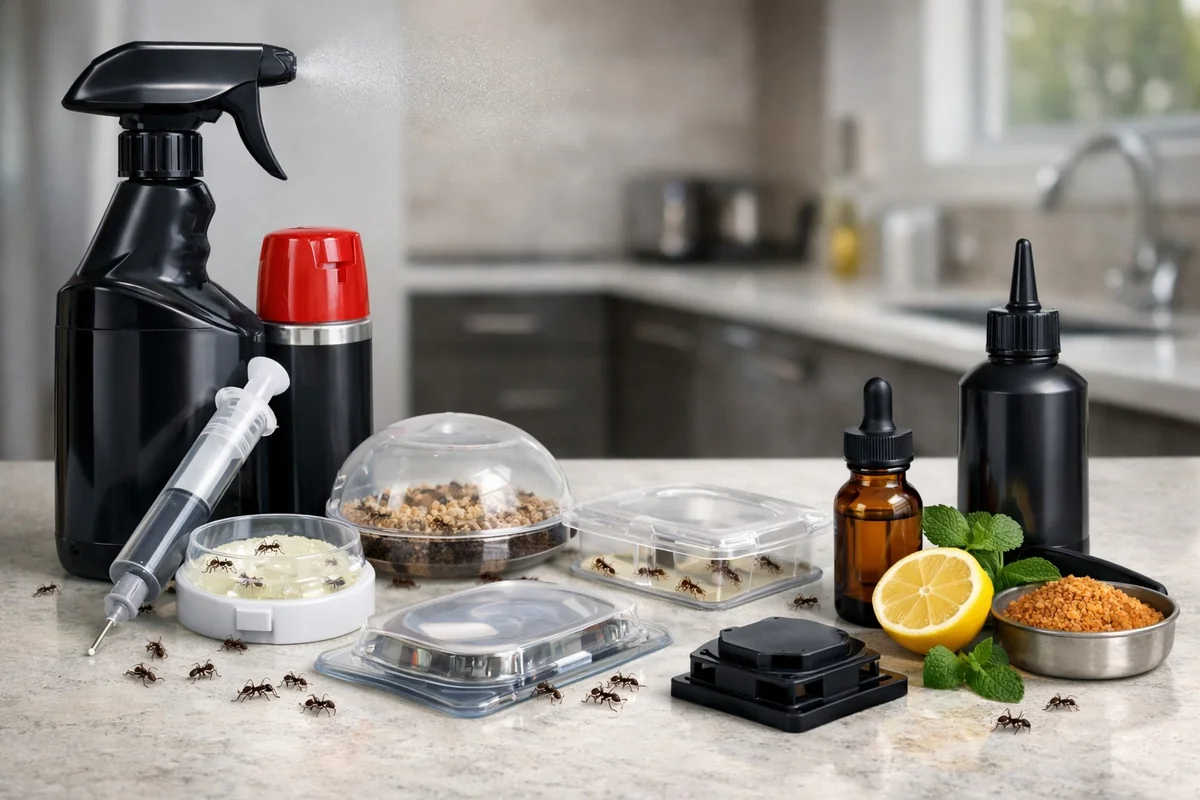
Best Ant Killers for Home Use 2026: Top Baits, Sprays, and Natural Options Compared
Discover the best ant killers for home use in 2026. Compare top baits, sprays, natural options, and expert tips for safe, effective ant control - without hiring an exterminator.
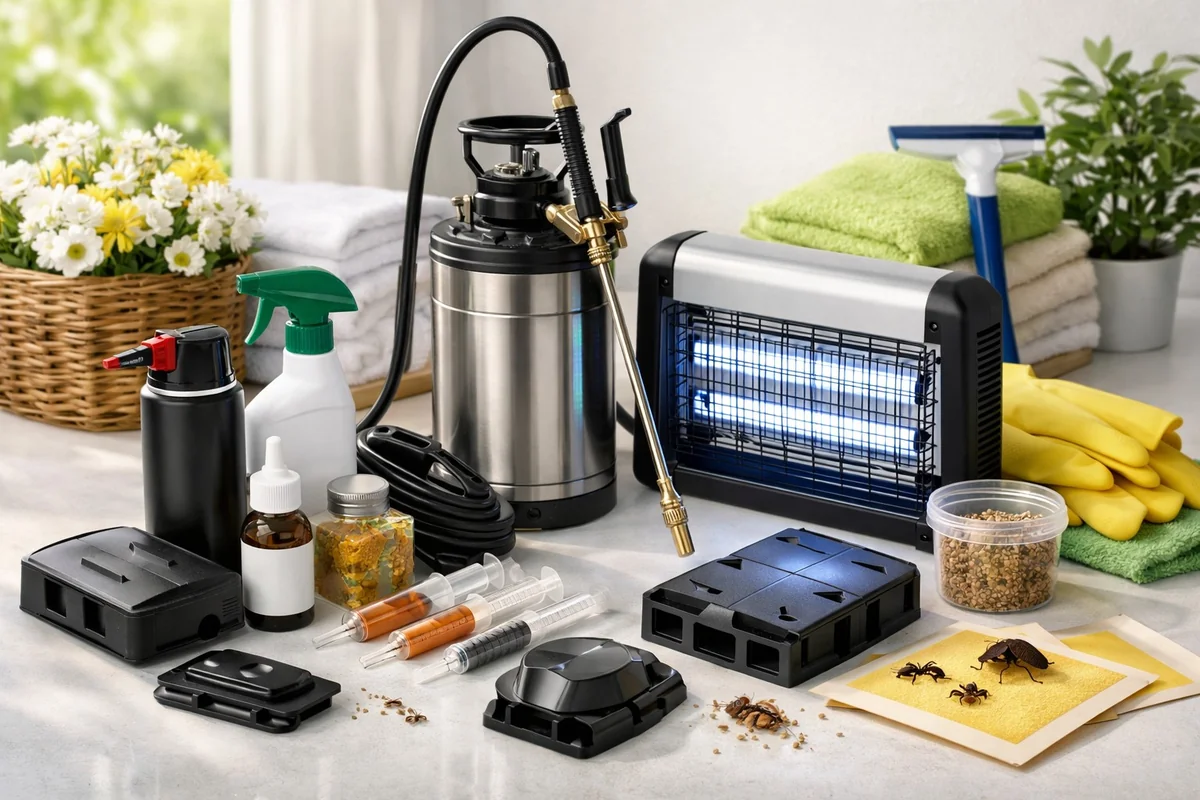
Best Pest Control Products for Spring 2026: Top Ant, Roach & Insect Solutions
Discover the best pest control products for spring 2026. Compare top ant baits, sprays, traps, and eco-friendly options to tackle infestations safely and effectively - without hiring an exterminator.
Best Pest Traps and Monitors 2026: Top Reviews for Every Pest Problem
Discover the best pest traps and monitors for 2026. In-depth reviews and expert buying advice for ants, roaches, rodents, bed bugs, flies, and more. Find safe, effective, and budget-friendly solutions for your home.
Complete Guide to Pest Prevention in Homes: Stop Pests in 2026
Protect your home in 2026 with this complete pest prevention guide. Discover proven DIY methods, room-by-room tips, safe solutions for families, and expert advice to stop pests before they start.