 Pest Pro Reviews Editorial Team • • 26 min read •
 Best Pest Traps and Monitors 2026: Top Reviews for Every Pest Problem
Discover the best pest traps and monitors for 2026. In-depth reviews and expert buying advice for ants, roaches, rodents, bed bugs, flies, and more. Find safe, effective, and budget-friendly solutions for your home.
Looking for the best pest traps and monitors in 2026? For ants, TERRO Liquid Ant Baits top the list. Advion Cockroach Gel Bait is the standout for roaches.
Victor Electronic Mouse Trap leads for rodents, while ClimbUp Bed Bug Interceptor and DynaTrap DT1050 Mosquito Trap excel for bed bugs and mosquitoes. Eco Defense Pest Control Pouches are the best natural option.
How Pest Traps and Monitors Work
If you’ve had pest problems before, you know that simply spraying or scattering random traps rarely solves the root issue. The best pest traps and monitors work because they exploit each pest’s biology and behavior. But using the wrong trap for the wrong pest is a recipe for wasted time and money.
Let’s break down what matters for each type of unwanted guest and why choosing the right mechanism is critical for actual results.
Identify your needs and get personalized recommendations
You're just starting out and want something easy, safe, and reliable.
You want to understand what makes a good pest trap and how to choose wisely.
You like to compare details and want a trap that balances features and price.
You want the best mix of price, effectiveness, and reliability.
You're ready to buy and want the best deal without sacrificing key features.
You prioritize quality, advanced features, and long-term results over price.
Types of Pests Targeted
Most commercial traps and monitors are designed with specific pests in mind. Ant baits target foraging ants, not roaches or bed bugs. Cockroach gel baits are formulated to appeal to roaches’ food preferences and biology.
Rodent traps leverage mouse or rat behavior - snap traps for quick kill, electronic traps for no-touch removal. Bed bug interceptors are sized and surfaced for crawling bed bugs, not fast-moving beetles or spiders.
Misidentifying your pest or using a generic trap often means you’ll catch nothing. For example, using an ant bait for protein-seeking ants when the colony wants sugar won’t attract them. Or putting a sticky roach monitor in a room with mostly flying insects will fill it with gnats, not the pests you’re actually battling.
Common Mechanisms and Technologies
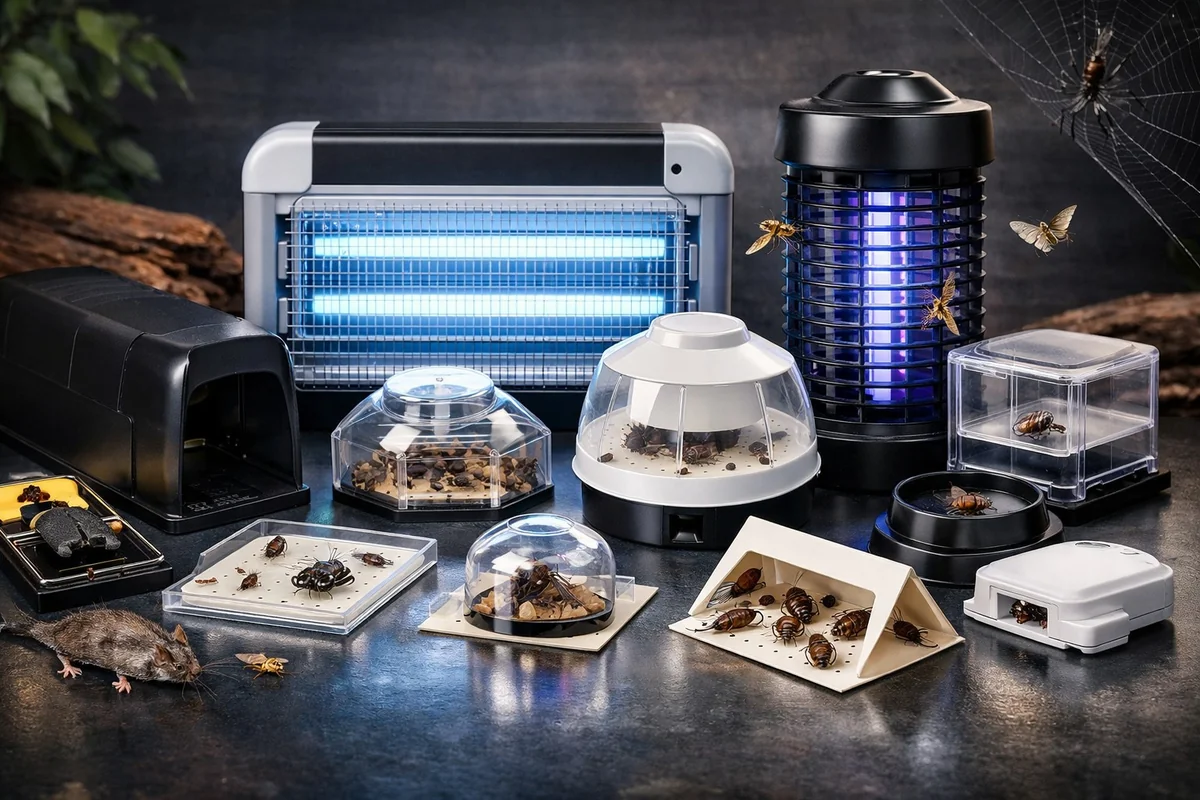
Pest traps rely on a few core mechanisms:
- Sticky surfaces - catch crawling or flying insects on contact (e.g. glue boards, fly ribbons)
- Bait attractants - lure pests with food or pheromones into a toxic or physical trap (e.g. ant baits, cockroach gels)
- Electric grids - kill on contact with a high-voltage shock (e.g. electronic rodent traps, some fly zappers)
- Smart sensors - detect motion or pest presence, sometimes sending app or email alerts (found in higher-end rodent and insect monitors)
More advanced monitors may integrate with your phone or home network for real-time alerts, but these add complexity and cost. For most homes, classic mechanical and sticky traps are still highly effective when matched to the pest.
For a detailed breakdown of all types available - including electronic monitors, smart traps, and traditional mechanical options - see the Traps & Monitors archive for side-by-side comparisons.
Best Ant Baits and Traps
Most people reach for a can of spray when ants invade the kitchen. That’s usually a mistake. Sprays kill only visible foragers and scatter the colony, making long-term control harder.
The right ant bait, placed strategically, wipes out the colony - including the queen - for real, lasting results.
TERRO Liquid Ant Baits – Best Overall
TERRO Liquid Ant Baits use a borax-based formula in pre-filled stations. This matters because borax kills by disrupting ants’ digestive systems, not by poisoning them instantly. Foragers carry the bait back to the colony, spreading it to other workers and the queen before dying.
That’s the key for wiping out the nest, not just the visible trail.
- Optimized borax concentration for delayed kill - maximizes transfer to the colony
- Pre-filled, enclosed station design - no mess and safer for homes with pets or small children
- Clear window lets you see bait consumption and when to replace
- Best-suited for sugar-foraging ants (Argentine, pavement, odorous house ants) - less effective for protein-seeking or grease ants
- Indoor use only - bait dries out fast outdoors or in direct sun
- Highly rated by users for reliability and colony elimination, not just surface kill
For standard kitchen, bathroom, or pantry infestations, this is the right place to start. Just remember patience - results peak at 1–2 weeks with consistent use.
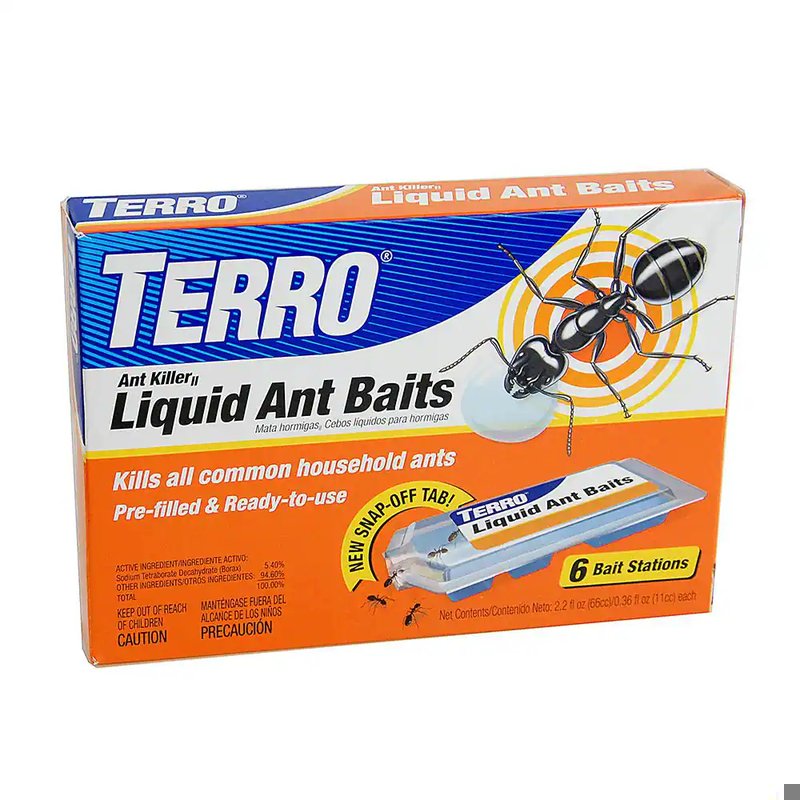
TERRO Liquid Ant Baits
TERRO Liquid Ant Baits rapidly attract sugar-feeding ants with a pre-filled borax-based liquid formula, effectively eliminating entire colonies at the source. Each bait station is sealed for mess-free placement and targets carpenter ants commonly found in kitchens and pantries. The discreet, low-profile design fits easily under appliances or along ant trails for continuous, multi-day control.
Why We Recommend This
We recommend TERRO Liquid Ant Baits as the most effective option for sugar-feeding carpenter ants in residential settings. Their pre-filled, low-toxicity design makes them especially suitable for use in kitchens and pantries, where user safety and ease of application are priorities. This product consistently delivers reliable results and rapid ant reduction in owner reviews.
vs Competitors: While Advance Carpenter Ant Bait is better suited for protein-seeking ants, TERRO excels for sugar-attracted species and offers faster visible results in typical home environments.
Best For:
Homeowners and renters dealing with sugar-feeding carpenter ant infestations, especially in food preparation or storage areas seeking a safe, effective, and low-maintenance solution.
- Ideal for treating sugar-loving carpenter ant infestations in kitchens, pantries, and laundry rooms
- Useful for homeowners seeking a low-toxicity, DIY ant control method without professional intervention
- Pre-filled liquid borax formula targets sugar-feeding ants
- Six ready-to-use bait stations per box
- Effectively eliminates entire ant colonies by targeting workers and the queen
- Easy, no-mess setup suitable for kitchens and food storage areas
- Not effective against protein-seeking ant species or wood borers
- Bait formula may attract pets if not placed carefully
Gel Baits vs. Solid Bait Stations
Liquid baits are great for counter tops and flat surfaces, but what about ants streaming from wall cracks or along baseboards? That’s where gel baits shine. Gels adhere to vertical and hard-to-reach spots - perfect for placing directly in ant trails or behind appliances.
They’re ideal for spot treatments or when ants are ignoring other bait types.
Solid bait stations, on the other hand, are tamper-resistant. If you have pets, kids, or want to place bait near food prep areas, enclosed stations are safer and less messy. The trade-off is that some ants may be less interested in solid baits compared to fresh gels or liquids, especially if competing food is nearby.
What If Ants Ignore the Bait?
Sometimes, you’ll set out a bait and ants walk right by. This usually means you’ve mismatched the bait formulation to the colony’s current needs. Some ant species (or the same colony at different times) prefer protein over sugar, or vice versa.
That’s why rotating between multiple bait types (liquid, gel, solid) dramatically increases your odds of success.
Another common mistake is spraying near bait trails - this repels ants and keeps them from taking the bait back to the nest. Focus on bait placement along active trails and keep competing food sources cleaned up for best results.
For more on matching bait to ant species, check the guides in the Pest Control Equipment and Tools: Reviews and Guides hub.
Best Cockroach Baits and Monitors
Cockroaches are among the toughest home pests to eliminate. Sprays and bombs only kill those you can see - real control means targeting the hidden nests. For kitchens, bathrooms, and basements, gel baits and sticky monitors are the most effective tools.
Advion Cockroach Gel Bait – Best for Severe Infestations
Advion Cockroach Gel Bait is a professional-grade indoxacarb gel that’s become the go-to for pest pros and DIYers facing stubborn roach problems. The syringe applicator lets you deposit tiny dots of bait exactly where roaches hide - cracks, crevices, behind appliances, and under sinks.
- Professional formula with delayed kill - roaches feed, return to the nest, and die, spreading the active ingredient via feces and cannibalism for secondary kill
- Flexible gel stays attractive for days - easy to apply in hard-to-reach spots
- Highly effective against German, American, and brown-banded cockroaches
- Works even in heavy infestations when used as part of a rotation
- Requires reapplication every 2–4 weeks for ongoing control
- Should be placed away from direct cleaning agents or water - contamination reduces effectiveness
This is the bait most likely to clear out a severe infestation, especially in apartment buildings or older homes where roaches move between units.
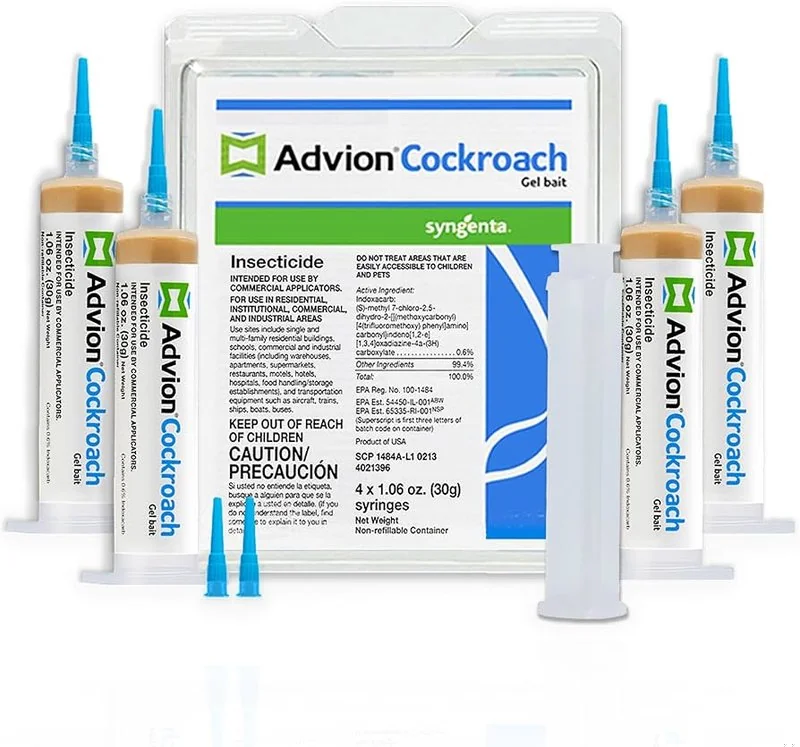
Advion Cockroach Gel Bait
Advion Cockroach Gel Bait delivers rapid, targeted control of severe roach infestations in kitchens, bathrooms, and other high-risk areas. Its 0.6% indoxacarb formula targets both adult and nymph cockroaches, reducing visible populations within days. The precision applicator allows for discreet placement in cracks and crevices, making it suitable for homes where traditional traps have failed.
Why We Recommend This
We recommend Advion Cockroach Gel Bait for those dealing with stubborn or widespread roach problems where standard traps fall short. Its professional-grade formula and easy application make it the top choice for high-risk areas, and it is reported especially effective by users in real home environments. This is our go-to pick for serious infestations needing fast, reliable results.
vs Competitors: Advion outperforms most consumer-grade baits like Combat Max in terms of speed and versatility, while offering more precise control than glue traps such as Black Flag Roach Motel.
Best For:
Renters, homeowners, and property managers facing persistent or severe cockroach infestations, especially where traditional traps have proven ineffective.
- Best for treating hidden infestations in apartment kitchens and rental properties
- Used by homeowners who have not achieved results with bait stations or sticky traps
- Professional-strength 0.6% indoxacarb active ingredient
- Precision syringe applicator for targeted gel placement
- Delivers visible reduction in roach activity within 3-5 days, based on user and pro feedback
- Enables discreet, targeted application - ideal for kitchens and sensitive areas
- Requires careful placement to avoid access by children and pets
- May need repeat applications in heavy infestations or high-traffic areas
Catchmaster 288i Insect Monitors – Best Sticky Monitor
The Catchmaster 288i Insect Monitors are foldable glue traps designed to monitor cockroach and crawling insect activity. These monitors don’t kill large numbers of roaches, but they’re invaluable for tracking where the infestation is coming from and how well your treatments are working.
- Non-toxic adhesive surface - safe for households with pets or where chemical use is restricted
- Foldable design fits behind refrigerators, under sinks, or in tight cracks
- Monitor high-traffic roach areas and detect new activity early
- Best paired with gel baits or as a post-treatment check
- Needs to be replaced regularly - dead insects fill the trap within 1–2 weeks in heavy infestations
For renters or anyone wanting to avoid pesticides, sticky monitors offer peace of mind and early warning without chemical risk.
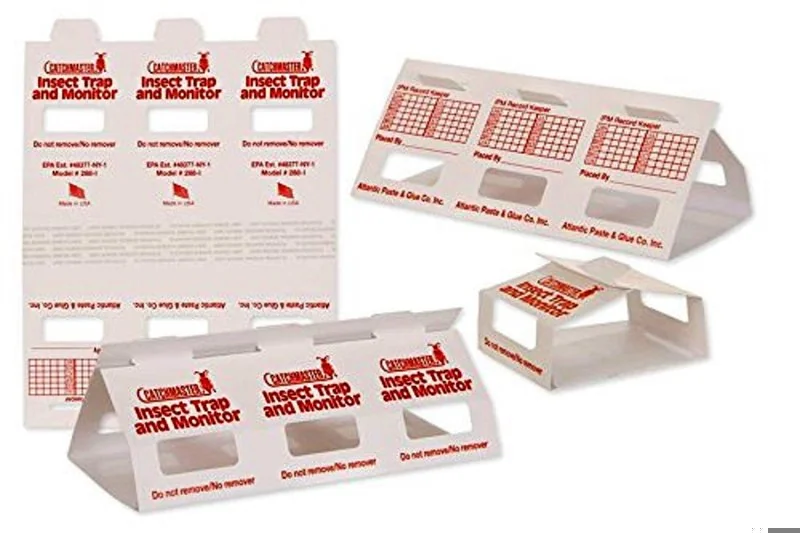
Catchmaster 288i Insect Monitors
Catchmaster 288i Insect Monitors provide reliable tracking for cockroach and crawling insect activity, making them ideal for pinpointing infestation sources and monitoring treatment effectiveness. Each monitor features a foldable design with a strong adhesive surface, allowing placement in tight or hidden areas such as under appliances or behind cabinets. With dimensions of 7 x 3 inches and easy setup, they're a practical tool for ongoing pest management in homes and businesses.
Why We Recommend This
We recommend the Catchmaster 288i Insect Monitors as the best sticky monitor for anyone needing to track pest activity without introducing chemicals. Their foldable design and strong adhesive make them a smart choice for targeting hidden infestation sources, and they're especially valuable for those practicing proactive pest management or wanting a clear picture of treatment progress.
vs Competitors: Compared to bulkier or scented glue traps, the 288i offers better placement flexibility and is more discreet, but lacks the multi-attractant features of some competing monitors.
Best For:
Homeowners, renters, property managers, and pest control professionals seeking a reliable, non-toxic way to monitor and assess cockroach or crawling insect activity.
- Ideal for homeowners or property managers monitoring cockroach hotspots in kitchens, basements, or bathrooms
- Useful for pest professionals conducting pre- and post-treatment monitoring to evaluate control success
- Foldable design for placement in corners, under appliances, or tight spaces
- Strong non-toxic adhesive surface captures a range of crawling insects
- Effective at identifying high-activity pest zones for targeted treatment
- Slim, foldable form fits discreetly in hidden or hard-to-reach locations
- Primarily tracks activity; not designed to eliminate large infestations
- Adhesive surface may lose effectiveness in high-dust or humid conditions
Safe Use Around Food and Kids
Roach baits can be hazardous if misused around food, small children, or pets. Enclosed bait stations are the safest bet, as they minimize accidental access. Always look for EPA-registered products with clear safety labeling.
Some baits have a strong odor or attract pets - so place them where pets can’t reach, and supervise young children in treated areas. Sticky monitors are a safe, non-toxic alternative for sensitive environments, though they’re mainly for detection, not eradication.
Best Rodent Traps and Detectors
Mice and rats require a different approach than insects. Here the battle is between speed, cleanliness, and ethics. Do you want instant kill, hands-off disposal, or live capture?
The right answer depends on your property, your priorities, and who (or what) else shares your home.
Victor Electronic Mouse Trap – Best Electronic Trap
The Victor Electronic Mouse Trap is a battery-powered device that delivers a high-voltage shock to kill mice instantly. The big advantage: no snapped fingers, no blood, and no need to see or touch the dead rodent. Just tip the trap to empty it and reset.
- No-touch, no-see disposal - ideal for squeamish users or those who want to minimize contact
- Reusable design with easy cleaning - cost-effective over time compared to disposable traps
- Battery life supports dozens of kills before needing replacement
- Works best in kitchens, pantries, and along baseboards where mice run
- More expensive upfront than classic snap traps, but pays off in convenience and sanitation
- Requires periodic battery checks - dead batteries mean missed kills
This is the go-to for kitchens, pantries, and anywhere you want a quick, sanitary solution with minimal fuss.
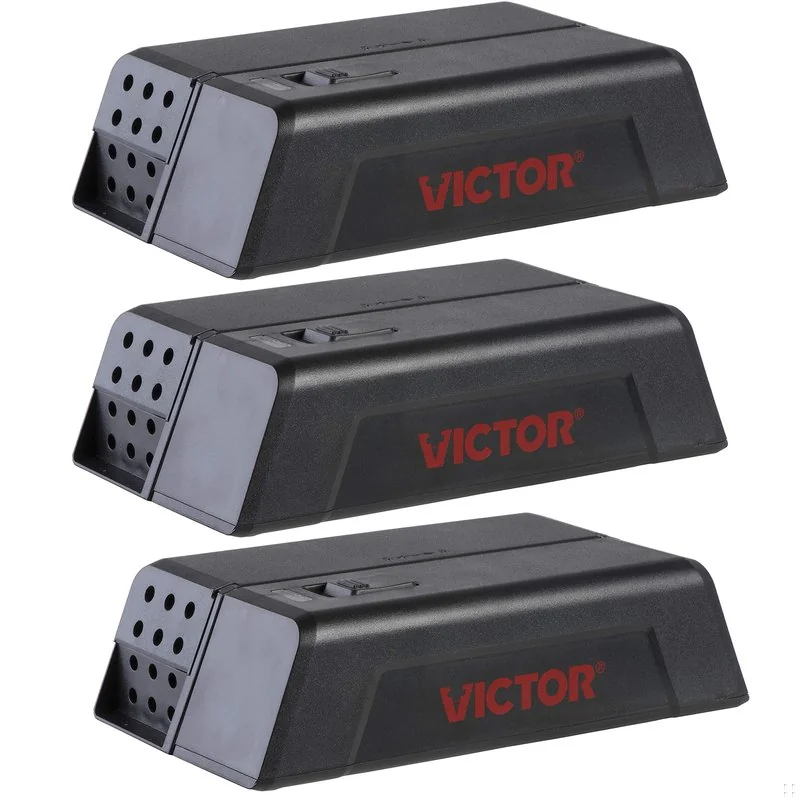
Victor Electronic Mouse Trap
Delivers quick, humane mouse elimination with a high-voltage shock in a compact, battery-powered design. The Victor Electronic Mouse Trap enables no-touch, no-see disposal, making it ideal for moderate indoor infestations where hygiene and convenience matter. At just 1.5 lbs and 8.5 inches long, it fits discreetly in kitchens, basements, or garages.
Why We Recommend This
We recommend the Victor Electronic Mouse Trap for homeowners who want a reusable, hygienic solution to indoor mouse issues without the mess of traditional traps. Its quick, humane action and no-touch disposal make it especially appealing for pet owners and those new to pest control. While not suited for outdoor or high-volume needs, it offers reliable performance for typical household use.
vs Competitors: Compared to traditional snap traps and glue boards, the Victor Electronic Mouse Trap offers a more humane and user-friendly experience, though it requires more frequent emptying than multi-catch models.
Best For:
Homeowners and renters seeking a hygienic, easy-to-use indoor mouse trap for moderate infestations, especially those prioritizing minimal contact and pet safety.
- Best for homeowners tackling small to moderate indoor mouse problems
- Suitable for pet owners seeking a hands-off, pet-conscious trap solution
- Delivers 7,000V high-voltage shock for instant kill (per Victor specs)
- Runs on 4 AA batteries, providing up to 100 kills per set
- No-touch, no-see disposal minimizes user contact with rodents
- Quick, humane kill reduces mouse suffering compared to glue or snap traps
- Not rated for outdoor use; exposure to moisture can damage electronics
- Limited capacity - must be emptied after each catch, not ideal for large infestations
Snap Traps vs. Electronic Traps
Snap traps have been around for over a century. They’re cheap, effective, and provide instant kill. But they can be messy to empty, and pose some risk to fingers during setup.
Electronic traps cost more, but eliminate the mess and offer a humane, clean kill that’s easy to dispose of.
For large infestations or areas where pets might access traps, enclosed designs are safest. If you’re curious about the pros and cons of each style, see Mechanical vs Electronic Pest Traps: Which Is Better? for a detailed breakdown.
Smart Rodent Monitors and Alerts
Bluetooth and Wi-Fi rodent monitors are gaining popularity, especially in homes with hard-to-access crawlspaces, attics, or basements. These sensors send notifications to your phone when a mouse is detected or a trap is triggered.
Smart monitors are especially useful for vacation homes or large properties where daily inspection isn’t practical. But for smaller spaces, the added cost and need for reliable app connectivity may not be worth it. If you want to see the best models in this category, check our Top 7 Electronic Pest Monitors for Homeowners comparison.
Pet-Safe and No-Kill Options
For those who want to avoid harming animals or have curious pets, enclosed box traps and live-catch models are the way to go. These traps allow you to capture and release mice unharmed. But there’s a trade-off: live traps must be checked frequently - at least once a day - to prevent animal suffering and legal issues.
Enclosed designs also reduce accidental injury to pets. If you’re in an area where rodenticide is banned or strongly discouraged, these traps are your best bet for safe, humane control.
Best Bed Bug Traps and Detectors
Bed bugs are notorious for hiding in tiny cracks and only emerging at night. By the time you see bites, the infestation may already be widespread. Monitors and traps are essential for early detection and for confirming whether your treatment has worked.
ClimbUp Bed Bug Interceptor – Best for Bed Legs
ClimbUp Bed Bug Interceptor cups are a passive, chemical-free solution designed to trap bed bugs as they climb up or down bed legs. The textured exterior lets bugs climb in, but the slick interior walls prevent escape. This not only helps you detect the presence of bed bugs but also shows whether they’re coming from the bed or the floor.
- Pesticide-free - safe for use in bedrooms, nurseries, and sensitive environments
- Dual-well design distinguishes between bugs entering and exiting the bed
- Requires regular inspection and cleaning - dead bugs or dust can clog the trap
- Does not kill existing infestations - serves as a monitor and early warning system
- Durable and reusable for months with proper care
For peace of mind before and after a treatment, or as a preventative measure in multi-unit buildings, these interceptors are an excellent tool.
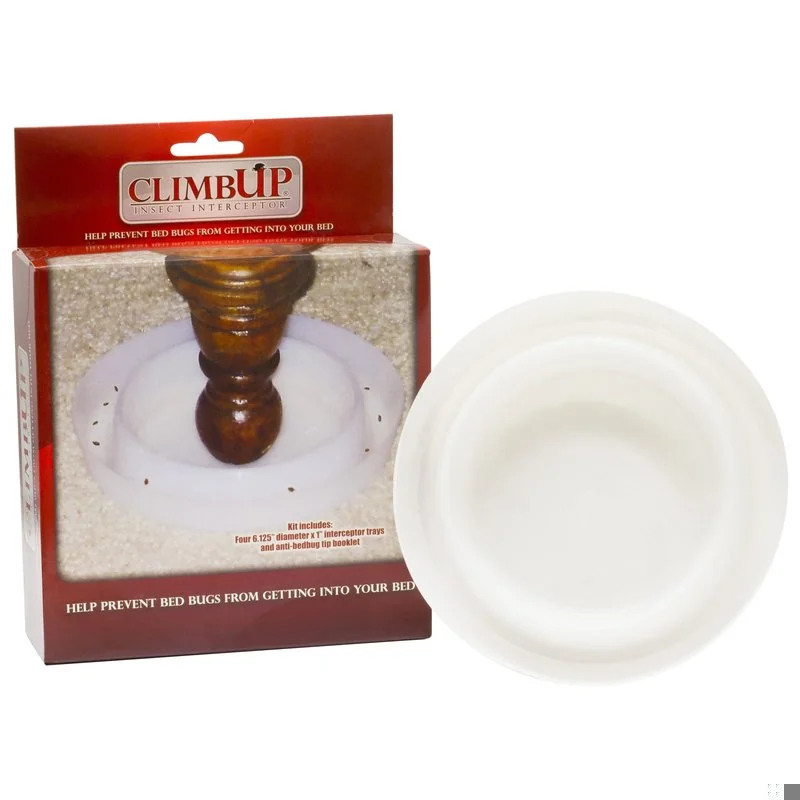
ClimbUp Bed Bug Interceptor
The ClimbUp Bed Bug Interceptor provides a chemical-free way to detect and trap bed bugs climbing to and from beds. Each durable plastic cup fits under bed legs up to 3.75 inches in diameter, creating a dual-well barrier that captures both ascending and descending pests. This passive approach allows for early detection and ongoing monitoring without introducing toxins into your home environment.
Why We Recommend This
We recommend the ClimbUp Bed Bug Interceptor for anyone prioritizing safety and simplicity in bed bug detection. Its passive, pesticide-free design stands out for ease of use and is an effective first step in integrated pest management. For those in shared living or hospitality settings, these interceptors offer reliable early warning and peace of mind.
vs Competitors: Compared to adhesive traps or chemical solutions, ClimbUp provides a non-toxic and reusable alternative that is easier to inspect and maintain. While it does not kill bed bugs like sprays, it excels at early detection, especially in bedrooms.
Best For:
Homeowners, renters, property managers, and hospitality professionals looking for a safe, effective way to monitor for bed bugs without chemicals.
- Ideal for renters or homeowners seeking chemical-free bed bug monitoring
- Useful for hotels, dormitories, or multi-unit housing to detect early bed bug activity
- Dual-well design captures bed bugs moving both to and from beds
- Fits bed legs up to 3.75 inches in diameter
- Provides early detection of bed bug activity without chemical exposure
- Simple installation under bed legs - no tools or adhesives needed
- Requires regular inspection and cleaning to remain effective
- Does not eliminate existing infestations - functions as a monitoring and trapping tool
Active Lure Traps
Some commercial bed bug traps use CO2, heat, or pheromone lures to attract bugs out of hiding and into a sticky or pitfall trap. These are especially useful for confirming eradication after a treatment or for early detection in guest rooms, hotels, or recently vacated apartments.
Keep in mind, though: competing human presence or strong airflow can reduce their effectiveness. Always follow the placement guidelines closely and combine with passive interceptors where possible.
DIY vs. Commercial Traps
Homemade traps - like talc-lined dishes or sticky tape - can catch some bed bugs, but lack the durability and reliability of purpose-built commercial options. DIY solutions may not detect low-level infestations, especially if not checked and reset frequently. For most homeowners, investing in a proven commercial trap is worth the modest extra cost.
Best Fly and Fruit Fly Traps
Flies and fruit flies can turn a kitchen or bathroom into a headache quickly. The trick is to combine fast-acting sticky traps with attractants and, for larger areas, UV-based devices that draw in flying pests. Each method has its place, depending on the size of your problem and your tolerance for visible dead insects.
Safer Home Indoor Plug-In Fly Trap – Best for Indoors
The Safer Home Indoor Plug-In Fly Trap uses a UV light to attract flying insects - flies, gnats, and moths - then traps them on replaceable sticky cards. It plugs directly into a wall outlet and operates quietly, making it ideal for kitchens, bedrooms, and nurseries where you want pest control without sprays or obvious traps.
- UV light draws in flying insects - even at night or in low-light rooms
- Replaceable sticky cards for easy, no-mess disposal
- Safe for use near food prep areas and in bedrooms
- Low-profile design blends into standard outlets - doesn’t take up counter space
- Cards need to be replaced every 1–2 weeks in high-traffic areas
This trap is a budget-friendly, chemical-free alternative to sprays and is especially popular in homes with pets or allergies.
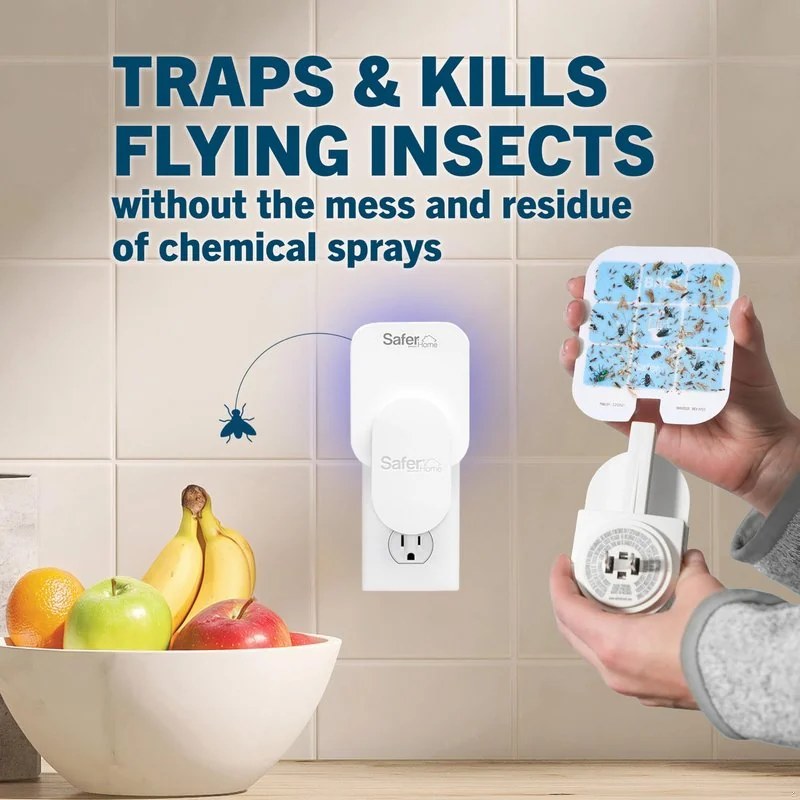
Safer Home Indoor Plug-In Fly Trap
Effectively eliminates flies, gnats, and moths indoors using a UV light that attracts pests to replaceable sticky cards. The compact unit plugs directly into standard wall outlets and operates quietly, making it suitable for kitchens, bedrooms, and nurseries where discreet, chemical-free pest control is essential. Designed for continuous use without disrupting daily routines.
Why We Recommend This
We recommend the Safer Home Indoor Plug-In Fly Trap for anyone needing reliable, discreet indoor pest monitoring without chemicals or odors. Its quiet operation and simple plug-in design make it one of the most user-friendly options available, especially for families and those with children or pets. Based on customer feedback, it performs consistently well in kitchens and bedrooms compared to bulkier or more intrusive alternatives.
vs Competitors: Compared to traditional plug-in zappers, this model is quieter and safer for use around food and children, but it requires more frequent sticky card changes than some fan-based units.
Best For:
Homeowners and renters seeking low-maintenance, chemical-free indoor pest control for common flying insects, especially in sensitive areas like kitchens, bedrooms, and nurseries.
- Ideal for maintaining a fly-free environment in residential kitchens and dining areas
- Suitable for use in bedrooms and nurseries where sprays and visible traps are undesirable
- UV LED light attracts flying insects within a 400 sq ft coverage area
- Includes 2 replaceable sticky glue cards for easy maintenance
- Chemical-free pest control safe for kitchens and bedrooms
- Easy, tool-free setup - plugs directly into wall outlet
- Requires regular replacement of sticky cards (every 2-4 weeks for best performance)
- Most effective in dark or low-light areas - reduced efficacy in bright rooms
Sticky Ribbon and Window Traps
Old-fashioned sticky ribbons and window traps use visual and scent cues to lure flies. They’re cheap, disposable, and easy to hang in problem areas. The downside?
Dead insects are visible, and the traps need frequent replacement, especially in summer or near compost bins.
They’re best for small spaces and as a supplement to plug-in or UV-based traps, not a complete solution on their own.
UV Light Traps and Their Limits
For larger open areas - garages, entryways, restaurants - standalone UV light traps with glue boards or electric grids are more effective. They attract flies from a distance, but performance drops in brightly lit areas or outdoors in direct sun. Bulbs require periodic replacement, and models with fans or zappers add to the maintenance.
Natural Vinegar Traps for Fruit Flies
Apple cider vinegar traps are a proven, low-cost solution for fruit flies. Simply fill a shallow dish with vinegar and a drop of dish soap, cover with plastic wrap, and poke holes. Flies are lured in by the scent and drown.
It’s a simple chemical-free method, but the range is limited and the traps need emptying and refilling every couple of days.
Best Mosquito Traps and Monitors
Mosquitoes are persistent and, in many regions, more than just a nuisance. The best mosquito traps use a combination of CO2, heat, and UV light to mimic human presence and draw mosquitoes away from people. But not all traps are created equal - the right one depends on whether you need indoor or outdoor coverage.
DynaTrap DT1050 Mosquito Trap – Best for Yards and Patios
The DynaTrap DT1050 Mosquito Trap is a popular outdoor device combining UV light and a CO2 generator to attract and trap mosquitoes and other flying insects. It’s designed for patios, decks, and yards up to a moderate size, quietly drawing mosquitoes into a retaining cage where they dehydrate and die.
- UV light and CO2 mimic human scent and heat, attracting mosquitoes from up to 1/2 acre away
- Fan-powered suction captures insects without zapping or chemicals
- Safe for use around children and pets - no open flame or exposed electric grid
- Needs a power source and periodic cleaning/refilling of the catch basket
- Highly rated for suburban and rural properties where chemical foggers aren’t practical
This trap is a mid-range investment, but users report fewer bites and noticeably reduced mosquito activity in treated areas.
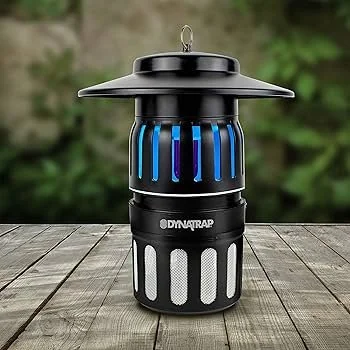
DynaTrap DT1050 Mosquito Trap
The DynaTrap DT1050 Mosquito Trap effectively protects outdoor spaces by attracting and capturing mosquitoes and other flying insects using a combination of UV light and a CO2-generating titanium dioxide surface. With a weather-resistant build and quiet, odor-free operation, it covers up to 0.5 acres, making it ideal for yards and patios during peak mosquito season.
Why We Recommend This
We recommend the DynaTrap DT1050 Mosquito Trap for anyone seeking reliable, chemical-free mosquito control in outdoor settings. Its combination of UV light and CO2 attraction is reported effective in reducing mosquito activity, and its quiet, odorless operation makes it well-suited for patios and family gatherings. While it requires regular maintenance, its performance and coverage set it apart from basic alternatives.
vs Competitors: Compared to propane-based traps and zappers, the DT1050 requires less ongoing maintenance and is safer for families and pets, though it may be less effective in very large or heavily infested areas.
Best For:
Homeowners and renters looking for low-maintenance, non-chemical mosquito protection for medium-sized outdoor spaces.
- Ideal for protecting patios, decks, and backyard seating areas during summer evenings
- Suitable for homeowners seeking a chemical-free solution for mosquito control in residential gardens
- Covers up to 0.5 acres (2,000 sq ft) of outdoor space
- UV fluorescent bulb and titanium dioxide surface generate CO2 to attract mosquitoes
- Silent and odor-free, suitable for continuous outdoor use
- No chemical attractants or pesticides required
- Requires access to power outlet for operation
- Catch basket needs regular cleaning for optimal performance
CO2 and Heat Lure Traps vs. UV Light Traps
CO2 and heat-based traps outperform UV-only models outdoors. They attract mosquitoes from much farther away, making them better for yards and patios. UV light and fan traps are safer for indoor use, especially in bedrooms and nurseries, but their range is limited - usually a single room at best.
For best results, place traps away from competing lights and wind currents. Large or heavily infested properties often require multiple devices to make a real dent in mosquito populations.
Placement Tips for Maximum Effectiveness
Improper placement is the number one reason mosquito traps underperform. Situate outdoor traps between the house and mosquito breeding grounds (like standing water or dense foliage), not right next to patios or seating areas. Indoors, avoid bright windows and keep traps away from air vents or drafts that can scatter attractant plumes.
For a full breakdown of the best placement strategies and maintenance tips, see the How to Use Pest Monitors for Early Detection guide.
Best Natural and Non-Toxic Pest Traps
Sometimes, chemical-free options are the only acceptable choice - nurseries, pet areas, sensitive individuals, or just personal preference. Natural pest traps use plant-based oils, physical barriers, or dehydrating powders to repel or kill pests without synthetic toxins. But natural doesn’t always mean better, especially for larger infestations.
Eco Defense Pest Control Pouches – Best for Enclosed Spaces
Eco Defense Pest Control Pouches use a proprietary blend of essential oils - peppermint, citronella, and lemongrass - to naturally repel mice, ants, roaches, and spiders. Place the pouches in cabinets, closets, pantries, or under sinks for a scent-based barrier pests avoid.
- Plant-based, chemical-free formulation - safer for homes with pets and kids
- No mess or application required - just place or hang the pouch
- Effective for small, enclosed spaces - less impact in open rooms or outdoors
- Scent fades in 30–60 days - requires replacement for ongoing effectiveness
- Good value for budget-conscious users or as a supplement to other methods
Best for prevention or as a first-line defense in areas where you can’t use sprays or baits. Not a silver bullet for major infestations, but a useful part of an integrated pest management strategy.
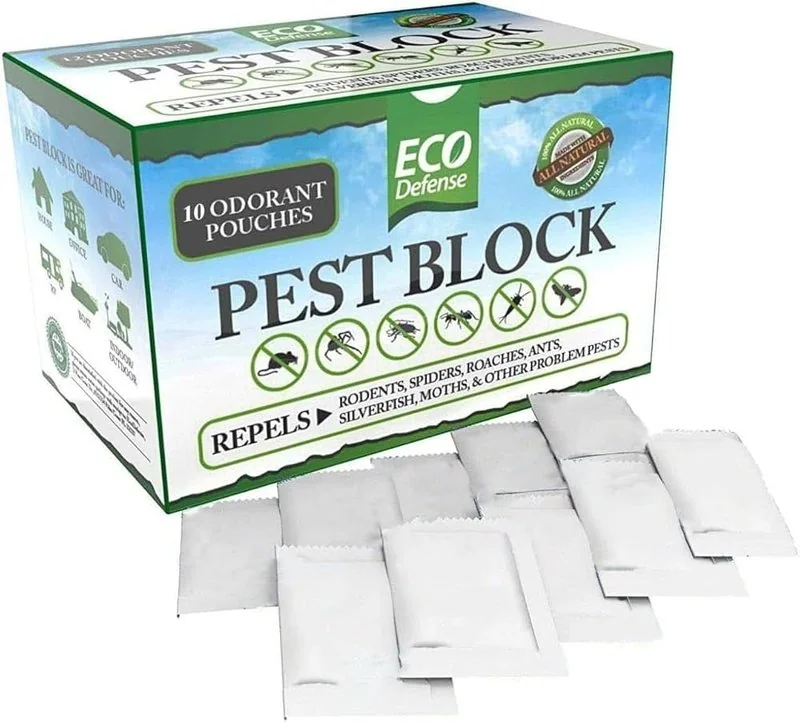
Eco Defense Pest Control Pouches
Eco Defense Pest Control Pouches offer mess-free, plant-based pest repellent for enclosed spaces such as closets, pantries, and storage areas. Each pouch uses a proprietary blend of essential oils - including cedar, peppermint, and lemongrass - to deter mice, ants, roaches, and spiders for up to 60 days. Lightweight and odor-based, these pouches provide a chemical-free solution ideal for households seeking natural pest management.
Why We Recommend This
We recommend Eco Defense Pest Control Pouches as the best natural pest repellent for enclosed spaces based on their reliable performance, ease of use, and strong user feedback. These pouches provide a safe, chemical-free alternative for families and pet owners, making them our top pick in the natural category for 2026.
vs Competitors: Compared to traditional sprays or baits, Eco Defense Pouches offer a cleaner and safer application with no mess or risk of accidental ingestion. While not as potent for severe infestations as bait traps, they excel as a preventative measure in closed environments.
Best For:
Homeowners, renters, and families seeking natural, chemical-free pest control for enclosed or storage spaces; suitable for those with children or pets.
- Protecting food pantries, closets, or storage bins from pest intrusion
- Safeguarding RVs, garages, or holiday decorations during off-season storage
- Proprietary blend of essential oils (cedar, peppermint, lemongrass)
- Effective repellent coverage for up to 60 days per pouch
- No-mess, residue-free application for enclosed spaces
- Users report noticeable reduction in rodent and insect activity within 1 week
- Scent may be too strong for sensitive individuals in small spaces
- Requires replacement every 2 months for continuous protection
Essential Oil and Plant-Based Lures
Some traps use essential oils or food-grade attractants to lure pests into sticky or pitfall traps. These are generally safer than synthetic chemical baits but require more frequent replacement as the scents fade. For ant and roach control, they’re best used in sensitive environments or in rotation with more potent options.
Diatomaceous Earth and Physical Barriers
Diatomaceous earth (DE) is a powder made from fossilized algae. Sprinkle it along baseboards, entry points, or under appliances, and it dehydrates soft-bodied insects on contact. It’s nontoxic to humans and pets, but messy to apply and must be kept dry to work.
DE is ideal for crawling pests like ants, roaches, and bed bugs, but won’t help with flying insects or rodents.
When to Use Natural Options
Natural traps and repellents are best for low-level problems, prevention, or situations where chemical use is off the table. They’re not as fast or potent as synthetic baits and traps, so for severe infestations, you’ll likely need to combine methods for real results.
How to Choose the Right Pest Trap or Monitor
With so many options, picking the right pest trap can feel overwhelming. But it comes down to three main steps: identify your pest, assess your living situation, and weigh performance against cost.
Assessing Your Pest Problem
Start by confirming exactly what pest you’re dealing with. Look for visual signs - droppings, damage, tracks, or actual specimens. Rodent droppings are different from roach feces, and ant trails are unmistakable.
If you’re unsure, sticky monitors can help reveal who’s really causing the problem over a few days.
Severity matters too. A few stray ants or fruit flies may only need preventive traps, while established roach or bed bug infestations require a more aggressive, multi-pronged approach.
Matching Trap Type to Living Situation
Renters and apartment dwellers often face restrictions on chemical use - here, enclosed bait stations or non-toxic sticky traps are safest. Homes with pets or small children should always opt for tamper-resistant or natural options to minimize risk. Large properties or multi-unit buildings benefit from smart monitors, as early detection prevents major outbreaks.
Budget vs. Performance Trade-Offs
It’s tempting to go straight for the biggest, most expensive trap. But often, a budget-friendly option (used correctly and placed well) can be just as effective. The real cost comes with ongoing maintenance - bait refills, sticky card replacements, batteries.
Spending more upfront doesn’t always guarantee better results; application, rotation, and placement matter most.
| Product Type | Best For | Trade-Offs | Performance | Safety |
|---|---|---|---|---|
| Ant Baits | Kitchen ants, colony elimination | Slow results, indoor use only | High with correct placement | Safe if enclosed |
| Cockroach Gels | Severe roach infestations | Needs reapplication, can attract pets | Very high for hidden nests | Use caution with pets/kids |
| Rodent Electronic Traps | No-touch, clean kill | Higher upfront cost, battery needed | Consistently effective | Safe if used as directed |
| Sticky Monitors | Early detection, low-toxicity | Limited to monitoring, not control | Moderate for small pests | Very safe |
| Bed Bug Interceptors | Bed bug detection | No kill, needs regular checks | High for monitoring | Safe for all |
| Fly UV Traps | Indoor flies, gnats | Requires power, visible traps | High for small rooms | Safe, chemical-free |
| Mosquito CO2 Traps | Outdoor mosquito reduction | Power/maintenance, cost | High for yards | Safe if kept out of reach |
| Natural Pouches | Prevention, sensitive areas | Shorter duration, less potent | Moderate for light pests | Very safe |
Frequently Asked Questions About Pest Traps and Monitors
❓ Frequently Asked Questions
What is a pest trap and how does it work?
What is a pest trap and how does it work?
A pest trap is a device designed to capture or kill common household pests such as rodents or insects. It works by attracting pests using bait, scent, or visual lures, then containing them via adhesive, mechanical, or electric mechanisms. For example, glue traps are widely used for monitoring and catching mice or insects indoors.
How do I choose the best pest trap for my home?
How do I choose the best pest trap for my home?
When selecting a pest trap, consider these factors:
- Target pest: choose traps designed for specific pests (mice, ants, bed bugs)
- Safety: opt for non-toxic or enclosed traps in homes with pets or children
- Placement: select compact models for tight spaces
- Ease of disposal: disposable or reusable options
Compare customer reviews for real-world effectiveness before purchasing.
What is the difference between bait stations and glue traps?
What is the difference between bait stations and glue traps?
Bait stations use food attractants combined with poison or containment, effective for both monitoring and eliminating pests like rodents. Glue traps rely on a sticky surface to immobilize pests upon contact, mainly used for insects and small rodents. Bait stations are generally safer for households but may not show real-time pest activity.
How do I set up pest monitors effectively?
How do I set up pest monitors effectively?
To set up pest monitors correctly:
- Identify pest entry points such as cracks or doors
- Place monitors along walls and near suspected activity
- Avoid high-traffic areas to reduce disturbance
- Check and record catches weekly
- Replace or reset monitors as needed
Tip: Use gloves to avoid transferring human scent, which can deter some pests.
How often should I check and replace pest traps?
How often should I check and replace pest traps?
For most pest traps, check at least once per week to monitor activity and maintain effectiveness. Replace glue or disposable traps every 2-4 weeks, or sooner if full. Electronic traps should be emptied and batteries checked monthly. Consistent monitoring prevents infestations from going unnoticed and increases trap success rates.
Why do I need pest monitors in addition to traps?
Why do I need pest monitors in addition to traps?
Pest monitors help detect early signs of pest activity and assess the scale of an infestation before it becomes severe. While traps reduce existing populations, monitors provide ongoing data about new entries. This dual approach is especially important in pest-sensitive areas like kitchens or storage rooms for prompt intervention.
Which pest trap is best for households with pets and children?
Which pest trap is best for households with pets and children?
For homes with pets or children, choose enclosed bait stations or tamper-resistant traps to minimize accidental contact. Avoid open glue boards and chemical baits that can be reached by curious hands or paws. Many users prefer snap traps with safety covers or smart electronic traps for added peace of mind.
- TERRO Liquid Ant Baits win for most ant infestations and kitchens
- Advion Cockroach Gel Bait is the best choice for heavy roach problems
- Victor Electronic Mouse Trap offers the cleanest and most convenient rodent control
- ClimbUp Bed Bug Interceptor is the top tool for bed bug detection
- DynaTrap DT1050 is best for reducing mosquitoes outdoors
- Eco Defense Pest Control Pouches are ideal for pet-friendly, chemical-free prevention
Key Takeaways
For ant, roach, and rodent problems in 2026, our top picks are TERRO Liquid Ant Baits, Advion Cockroach Gel Bait, and Victor Electronic Mouse Trap. ClimbUp Interceptors and DynaTrap DT1050 stand out for bed bugs and mosquitoes, while Eco Defense Pouches lead for natural, non-toxic protection.
If you’re battling ants in the kitchen, choose a borax-based bait. For hidden roach infestations, a professional gel is essential. Rodent issues are best handled with electronic or enclosed snap traps, while sticky monitors and interceptors are your first line for detection and peace of mind.
Use natural repellents in nurseries, pet zones, or anywhere chemical use is off the table.
Ready to choose your first traps? See our full archive of Traps & Monitors for in-depth reviews, setup tips, and troubleshooting for every pest type.
Related Articles
Top 7 Electronic Pest Monitors for Homeowners (2026)
Looking for the best electronic pest monitors in 2026? See our top 7 picks for homeowners, with real-world research, expert tips, and key buying advice.
Mechanical vs Electronic Pest Traps: Which Is Better? (2026 Comparison)
Compare mechanical vs electronic pest traps in 2026. Discover which trap type works best for your pest problem, with real-world pros, cons, costs, and safety tips for DIY pest control.
Catchmaster Pest Monitor Review 2026: Is It Effective for DIY Pest Control?
Is the Catchmaster Pest Monitor effective for DIY pest control in 2026? Our in-depth review covers performance based on customer reviews, pros and cons, safety, cost, and how it compares to top alternatives for homeowners and renters.
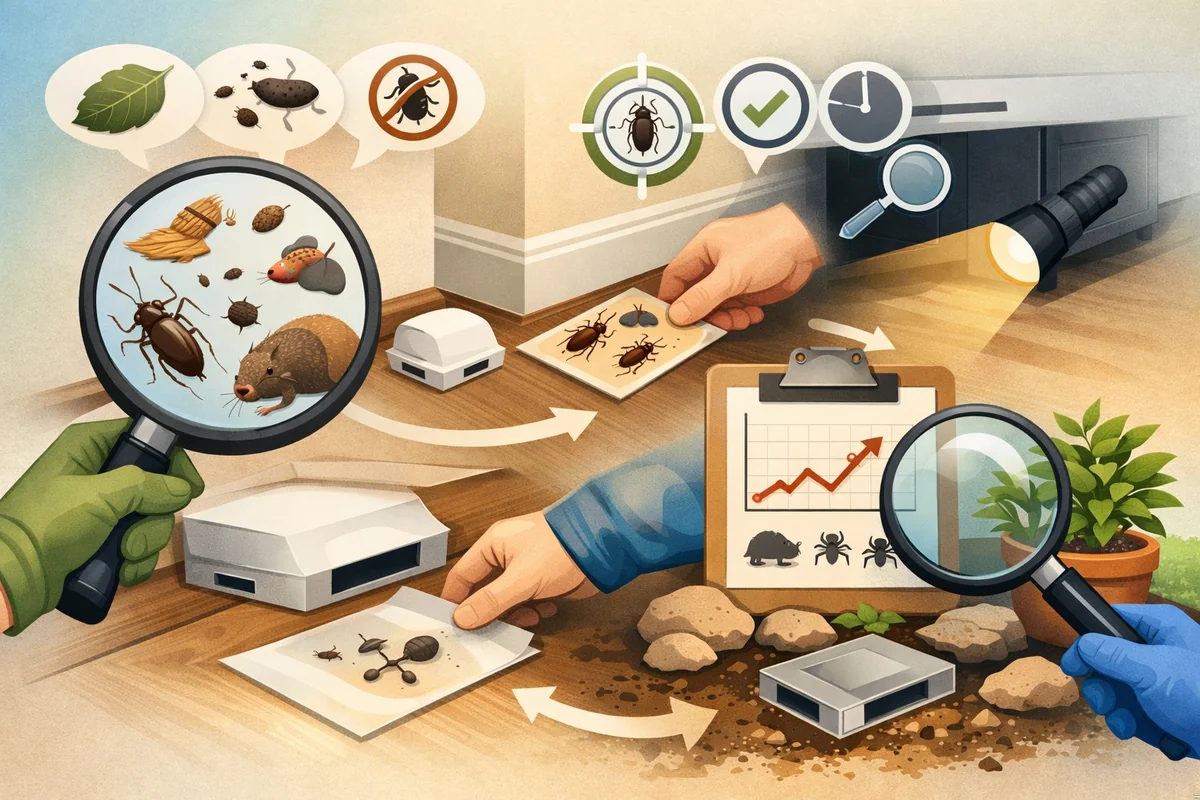
How to Use Pest Monitors for Early Detection: DIY Monitoring Guide
Learn how to use pest monitors for early pest detection in your home. This step-by-step guide covers types of monitors, placement strategies, common mistakes, and expert tips for effective DIY pest monitoring in 2026.