 Pest Pro Reviews Editorial Team • • 22 min read •
 Best Natural Bird Repellents for Windowsills (2026) – Pet-Safe, Organic, and Effective Options
Looking for the best natural bird repellents for windowsills in 2026? Discover safe, organic, and pet-friendly bird deterrents that protect your home without harsh chemicals. See our top picks, safety tips, and expert recommendations.
The best natural bird repellents for windowsills are Bird-X Bird Proof Gel, a natural bird repellent spray, and reflective bird repellent tape. We ranked six options by effectiveness, safety for pets and kids, and ease of use on common window ledges. This guide is for anyone seeking a pet-safe, organic way to keep birds off windowsills - without harsh chemicals or pro pest services.
- Sticky gels deter persistent birds far better than sprays or tapes on narrow sills.
- Most natural sprays need reapplication every 2-5 days outdoors - gels last up to two weeks in dry weather.
- DIY essential oil sprays work in a pinch but won't stop stubborn pigeons or starlings for long.
How Natural Bird Repellents Work on Windowsills
Birds are drawn to windowsills for shelter, leftover food, nesting material, and even their own reflection. Pigeons and starlings, in particular, are notorious for treating sills as landing pads, especially if the spot offers warmth or crumbs from a nearby kitchen. Reflective glass lures some species, while overhangs offer protection from rain and predators.
Understanding these behaviors is key - natural repellents work best when placed directly on birds’ preferred perching zones. For example, pigeons will quickly sidestep a sticky gel in their favorite corner, but sparrows may avoid a sill entirely if they catch a whiff of eucalyptus. Some birds, though, adapt quickly to visual or scent-based deterrents, especially if the method never changes.
That’s why rotating between gels, sprays, and visual deterrents keeps the effect strong.
Identify your needs and get personalized recommendations
New to natural bird repellents and looking for simple, safe, and easy-to-use options.
Wants to understand the basics and avoid common pitfalls when choosing a bird repellent.
Compares technical features and real-world effectiveness to find the best match.
Seeks the best value for money, balancing price and long-term performance.
Wants a fast, effective purchase and prioritizes availability, support, and proven results.
Prioritizes high-quality, eco-friendly, and long-lasting solutions regardless of price.
Active Ingredients in Natural Repellents
The backbone of most natural bird repellents is essential oil: peppermint, citronella, lemongrass, and eucalyptus are the most common. Birds have a far more sensitive sense of smell than humans - these oils disrupt their ability to navigate or find food, making treated areas unappealing. Formulas come as either gels, sprays, or granules, each using a natural carrier (like vegetable oil or plant-based gel) to stick to surfaces without staining paint or window frames.
One thing to keep in mind: natural ingredients degrade rapidly outdoors. Sun, wind, and rain can break down oils within a week. That means regular inspection and reapplication - especially after storms - is the only way to maintain an effective barrier.
For a deeper dive on methods like spikes and netting, see the Best Bird Deterrents, Spikes, and Netting 2026 guide, which covers structural solutions for larger or persistent problems.
How We Selected These Products
We focused on natural bird repellents that are safe for homes with children and pets, while still delivering reliable performance on outdoor windowsills. Our analysis prioritized three things: effectiveness (how well it keeps birds off windowsills), safety (for people, pets, and plants), and ease of use (application, cleanup, and reapplication).
First, we looked for products that leave little to no residue, won’t damage painted or unpainted surfaces, and can be removed without harsh scrubbing. Second, we compared how each product performed against the birds most likely to target windowsills - pigeons, sparrows, and starlings. This meant prioritizing deterrents that work in both urban and suburban settings, where bird pressure is highest.
Finally, we assessed how long each repellent lasts outdoors, especially after rain or direct sun exposure. Products with short lifespans or that wash away easily were marked down unless they offered other unique benefits.
Safety was a non-negotiable. We scrutinized ingredient lists for any toxic compounds, checked for third-party safety certifications, and verified that each product is either non-toxic or only mildly irritating if touched or inhaled. In multi-pet households, we favored formulas that avoid known allergens and have a track record of zero chemical incidents.
When chemical deterrents offered more lasting results but higher risk, we leaned toward natural options - even if that means a little more upkeep.
If you need to address nuisance birds beyond windowsills, structural deterrents and comprehensive approaches are covered in our Bird Control resource page.
With those criteria set, here are the products that consistently outperformed the rest - starting with the one that works for most households.
Bird-X Bird Proof Gel: Best Overall for Persistent Birds
Bird-X Bird Proof Gel tops the list for those dealing with stubborn pigeons, starlings, or sparrows that keep coming back. This sticky, non-toxic gel creates a tactile barrier - birds hate the sensation and quickly learn to avoid treated areas. It’s especially effective on narrow or awkwardly shaped sills where other repellents struggle to stay put.
- Forms an invisible, sticky coating on sills, ledges, and frames - birds won’t want to land again after a single encounter
- Remains effective for 10-14 days in dry conditions; rain or direct sun may require earlier reapplication
- Non-toxic formula - doesn’t harm birds or pets, though sticky residue requires some care during application and cleanup
- Works on painted, metal, or stone surfaces without staining (test on unfinished wood first)
- Best for high-traffic perches, persistent “repeat offenders,” and outdoor sills exposed to the elements
This is the pick for anyone tired of scrubbing bird droppings every week. The main trade-off is the sticky texture, which means you’ll want to keep it out of reach of curious pets and kids - more on that below.
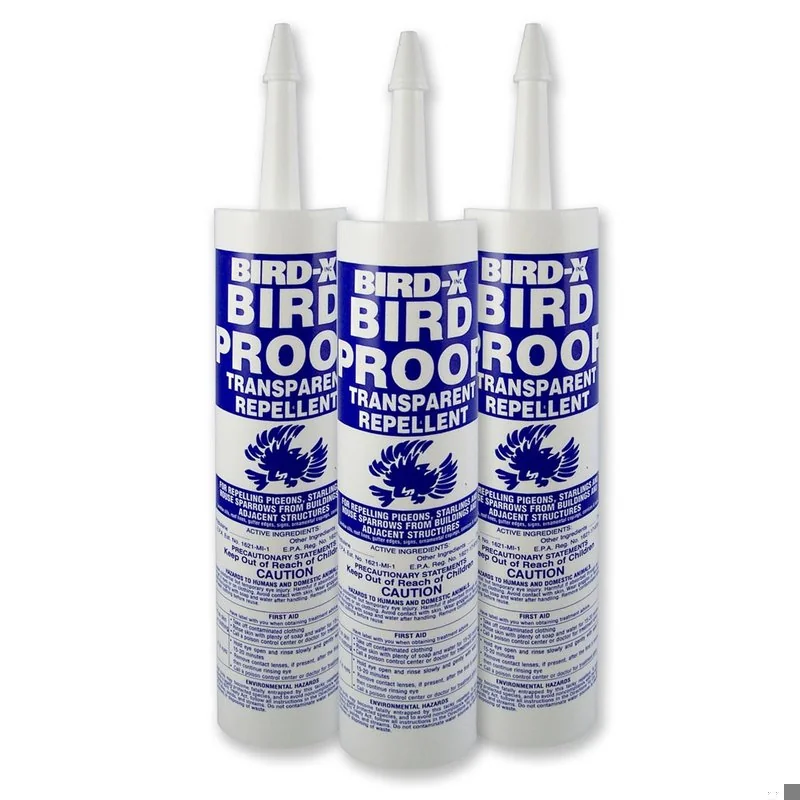
Bird Proof Gel
Bird-X Bird Proof Gel forms a transparent, non-toxic barrier that effectively deters birds from windowsills and building ledges without harming them. The 10 oz tube covers up to 10 linear feet, providing months of protection with a single application. Its sticky texture creates an uncomfortable surface for birds, making it ideal for persistent problems on residential or commercial sills.
Why We Recommend This
We recommend Bird-X Bird Proof Gel as the best overall choice for persistent bird problems on windowsills, especially where safety for pets and children is a top concern. Its long-lasting, transparent formula stands out for ease of use and consistent results reported by owners, making it a reliable option for both homes and businesses.
vs Competitors: Compared to sprays and reflective tape, Bird-X's gel provides longer-lasting protection and is less visible on surfaces, though it requires more careful application to avoid sticky residue.
Best For:
Homeowners, renters, and small business owners seeking a natural, pet-safe method to prevent birds from perching on windowsills or ledges.
- Ideal for keeping pigeons and sparrows off apartment windowsills
- Useful for protecting commercial signage and building ledges in urban settings
- Non-toxic, food-grade ingredients safe for pets and children
- Effective for up to 6 months per application
- Long-lasting deterrence reduces need for frequent reapplication
- Safe for use around pets and children due to non-toxic formula
- Sticky residue may attract dust or debris over time
- Not suitable for surfaces frequently touched by humans
Is This Safe for Homes with Pets or Kids?
Bird-X Bird Proof Gel is non-toxic and does not release harmful fumes, so it’s safe for homes with pets and children. If a child or animal touches the gel, it may stick to skin or fur but is easily removed with soap and water. There’s no danger unless large amounts are ingested directly.
It’s fine to use near food prep areas as long as the gel is not applied where food is handled directly. For homes with pets that lick or chew on window ledges, you’ll want to apply the gel higher up or choose a physical deterrent like spikes for peace of mind.
Natural Bird Repellent Spray: Best for Easy Application
If you want a quick, mess-free solution, a natural bird repellent spray is the easiest option. These sprays use plant-derived ingredients to make a surface unpleasant for birds - a good fit for renters or anyone who wants a non-permanent, humane deterrent. Check the label for pet and plant safety before use.
- Simple spray application - treats narrow sills, frames, and inaccessible corners with minimal effort
- Essential oil blend (peppermint, citronella, lemongrass) deters birds with a scent they instinctively avoid
- Safe for use around pets, plants, and edible gardens - no chemical residue or fumes
- Requires reapplication every 2-5 days outdoors, or after rain and heavy dew
- Leaves no marks and wipes off easily if overapplied
Eco Defense Spray is best for those who want a low-commitment, organic bird deterrent that covers a lot of ground quickly. The main downside: frequent reapplication is a must if your sills are fully exposed to weather.
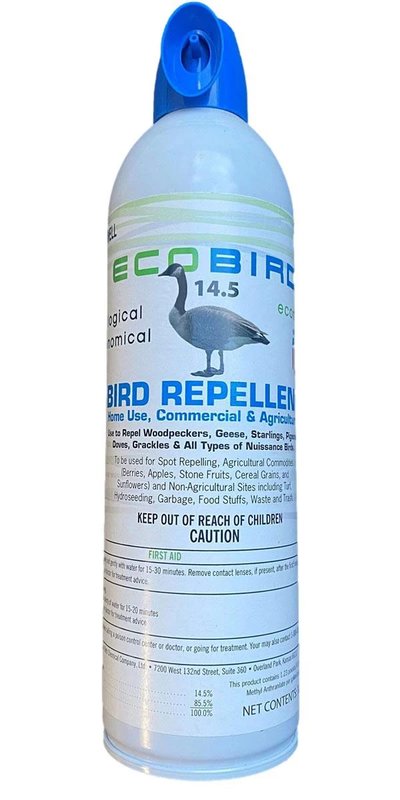
Natural Bird Repellent Spray
Natural bird repellent sprays use plant-derived ingredients - often grape-derived methyl anthranilate or essential oils - to make a surface unpleasant for birds without harming them. They are quick to apply and leave no permanent hardware, which suits renters. Expect to reapply often, especially after rain, and check the label for pet and plant safety.
Why We Recommend This
A repellent spray is the least permanent option here, which is exactly why renters like it. This is a product type rather than a specific model - compare current listings and check the label before buying.
vs Competitors: Compared to gel options like Bird-X Bird Proof Gel, a spray is faster to apply and easier to remove but needs reapplying more often.
Best For:
Renters and homeowners who want a non-permanent, humane way to keep birds off windowsills.
- Renters protecting windowsills and balconies
- Covered ledges where scent lasts longer
- Spray-on application with no hardware
- Plant-derived active ingredients
- Quick, mess-free application
- No permanent changes to the building
- Needs frequent reapplication, especially outdoors and after rain
- Less effective against persistent or large flocks
Indoor vs Outdoor Performance
A natural bird repellent spray works best on indoor windowsills, covered patios, and sheltered outdoor frames, where the treatment lasts longer between applications. Outdoors, direct sun and rain reduce its effectiveness quickly, so you may need to reapply every few days.
This trade-off is common to most natural sprays - if you’re in a rainy climate, consider a gel or granular option for better durability. For renters or those with sensitive pets, the lack of residue and strong safety profile make this spray a solid pick.
Homescape Creations Reflective Bird Repellent Tape: Best Visual Deterrent
Homescape Creations Reflective Bird Repellent Tape is the go-to for visual deterrence, particularly for sills in bright, open areas. The mylar tape flashes in sunlight and rustles in the wind, creating unpredictable movement and light patterns that birds find threatening. It’s a budget-friendly, reusable option for those who prefer a non-chemical solution.
- Flashes and moves in wind, scaring birds away without chemicals or sticky residue
- Easy to install and reposition - attach to window frames, planters, or nearby structures
- Works best in direct sunlight and open, breezy locations
- May lose reflectivity or become brittle after 3-6 months of sun exposure
- Best for mild to moderate bird pressure or as a supplement to gel or spray deterrents
This tape is ideal for those with sun-exposed sills, balconies, or garden windows. It’s less effective in shaded or windless spots, and some birds may eventually ignore it if left unchanged for months.
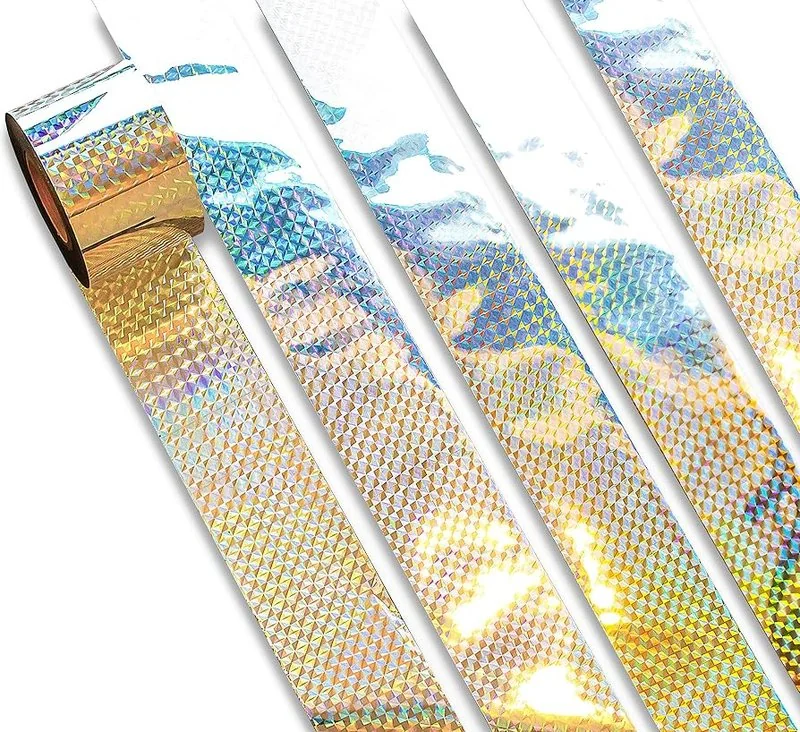
Reflective Bird Repellent Tape
Homescape Creations Reflective Bird Repellent Tape uses dual-sided mylar to deter birds by producing bright flashes and unpredictable movement in sunlight and wind. At just 1.8 inches wide and 150 feet long per roll, it’s ideal for covering multiple windowsills or outdoor spaces without relying on chemicals. Lightweight and weather-resistant, it’s a proven choice for homeowners seeking an eco-friendly, reusable deterrent.
Why We Recommend This
We recommend Homescape Creations Reflective Bird Repellent Tape as the top visual deterrent for windowsills, especially where sunlight and wind are prevalent. Its combination of affordability, reusability, and effective bird-scaring action makes it a smart pick for those avoiding harsh chemicals. This is our go-to for natural pest control on a budget.
vs Competitors: Compared to spike strips or gel repellents, this tape is easier to install, reusable, and safer for pets and children, though it’s less suited to shaded or highly sheltered locations.
Best For:
Homeowners and gardeners seeking an affordable, non-toxic bird deterrent for windowsills, gardens, and outdoor spaces.
- Ideal for protecting windowsills, patios, and balconies from bird droppings
- Useful for gardens and fruit trees to prevent birds from eating crops
- Dual-sided reflective mylar flashes to scare birds visually
- 150-foot roll covers multiple window ledges and garden areas
- Effective at deterring common nuisance birds in bright, open areas
- Reusable design reduces waste and long-term cost
- May be less effective in shaded or low-light locations
- Requires occasional repositioning to maintain optimal results
Does This Work Year-Round?
Reflective tape is at its best during the spring and summer when sunlight and wind maximize flash and movement. In winter, short days and still air reduce its impact - though pairing it with another repellent can help. Over time, weathering will diminish reflectivity, so plan to replace the tape at least twice a year for consistent results.
For persistent infestations, rotate tape placement or combine with scent-based repellents to prevent birds from adapting.
Bird B Gone Transparent Bird Gel: Best Discreet Option
For homeowners who want a discreet, nearly invisible solution, Bird B Gone Transparent Bird Gel is the top pick. This clear gel repels birds by creating an uncomfortable surface - without altering the look of your windowsill. It’s especially popular for stylish or historic homes where aesthetics matter.
- Clear, non-toxic formula - nearly invisible when applied correctly
- Suitable for both painted and unpainted surfaces; removes with soap and water from non-porous materials
- Effective for 10-14 days in fair weather; reapply after heavy rain or dust buildup
- Best for homeowners who want a non-obtrusive deterrent for visible window areas
- May stain unfinished wood if not cleaned promptly after use
Choose this gel if you want serious bird control without changing your home’s appearance. The trade-off: a little more care is needed during cleanup, especially on porous surfaces.
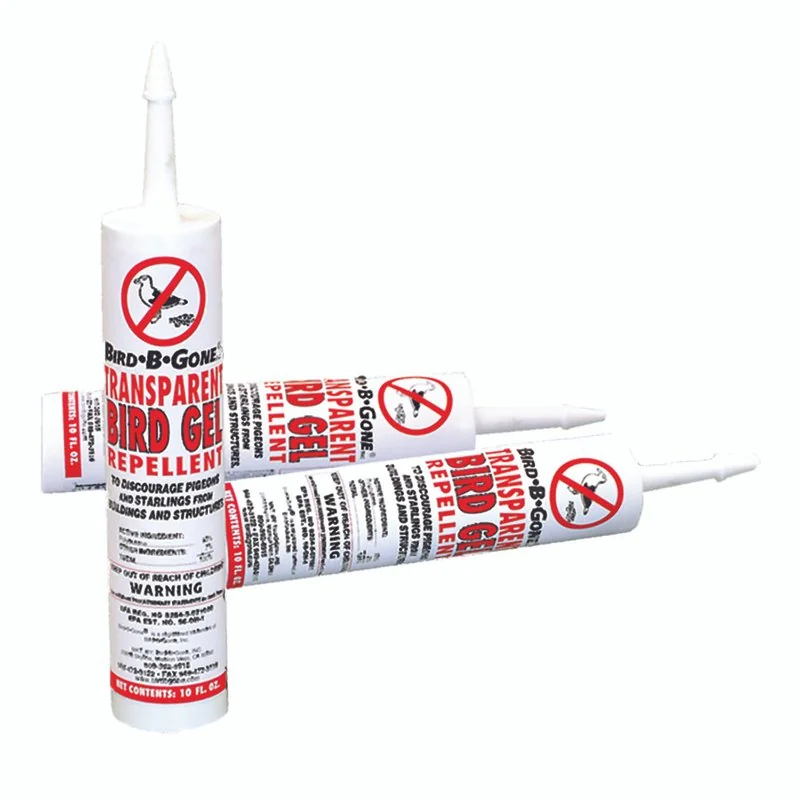
Transparent Bird Gel
Bird B Gone Transparent Bird Gel creates a clear, non-toxic barrier that deters birds from perching on windowsills without affecting your home's appearance. The colorless formula remains virtually invisible, making it ideal for historic or modern properties where aesthetics matter. Each 10 oz tube covers up to 10 linear feet, providing targeted protection for frequently visited ledges and sills.
Why We Recommend This
We recommend Bird B Gone Transparent Bird Gel for its discreet yet effective bird deterrent properties. It stands out based on customer reviews for maintaining curb appeal, especially in homes where visible spikes or strips would detract from the aesthetics. This is an excellent choice for those seeking a low-profile, non-toxic solution for small, high-visibility areas.
vs Competitors: Unlike opaque gels or prominent deterrent strips, this product offers nearly invisible protection, making it preferable for style-conscious users. While some competitors last longer per application, Bird B Gone's ease of use and clear finish give it an edge for targeted residential use.
Best For:
Homeowners or property managers who prioritize maintaining the visual integrity of their building while preventing birds from landing on windowsills or narrow ledges.
- Ideal for preserving the look of historic or modern home exteriors where visible deterrents are undesirable
- Suitable for homeowners needing a discreet solution for small areas like windowsills, ledges, or architectural details
- Clear, non-toxic gel formula for invisible protection
- Each 10 oz tube covers up to 10 linear feet
- Maintains window and sill appearance thanks to transparent finish
- Simple application process suited for DIY homeowners
- Requires periodic reapplication every 6-12 months for best results
- Not suitable for treating large open areas or heavy infestations
Will It Leave Permanent Marks?
On glass, painted metal, or sealed sills, Bird B Gone Transparent Gel comes off easily with soap and water. The risk for permanent marks is low if you follow cleanup instructions and avoid letting the gel harden for weeks. On unfinished or porous wood, however, the gel can soak in and leave a faint stain if not removed quickly.
Always do a small test patch if you’re unsure how your surface will react. Prompt removal after the deterrent is no longer needed prevents most issues.
Nature’s Mace Bird Repellent Granular: Best for Wide Ledges
Nature’s Mace Bird Repellent Granular is designed for broad or flat surfaces that sprays and gels can’t cover efficiently. The plant-based granules create a scent barrier that birds avoid but won’t bother pets or garden plants. It’s a great fit for stone sills, wide ledges, or balcony railings where you need broad coverage.
- Uses botanical oils to deter birds with a strong but natural scent
- Granular format stays put during light rain and wind - outlasts sprays in exposed areas
- Reapply every 2-3 weeks, or after heavy rain for best results
- Easy to sweep or vacuum if overapplied or when cleaning up
- Safe for outdoor gardens and edible plants; non-toxic to pets
This is the pick for anyone with large sills, window boxes, or stone ledges where birds congregate. The biggest drawback: it’s not well suited for narrow or vertical surfaces.
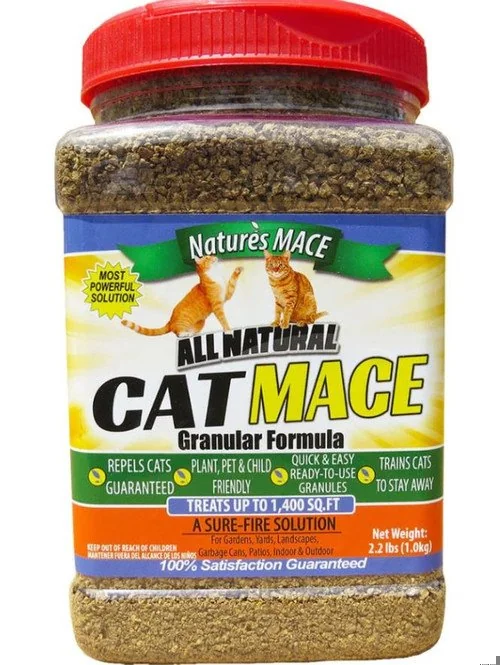
Bird Repellent Granular
Nature’s Mace Bird Repellent Granular creates a botanical scent barrier on wide ledges and flat windowsills, helping deter birds without harming pets or plants. Its plant-based formula is safe for outdoor use and covers up to 1,000 sq ft per 5 lb bag, making it ideal for larger surfaces where sprays and gels are less effective. Designed for easy application on stone sills, balcony railings, and garden walls.
Why We Recommend This
We recommend Nature’s Mace Bird Repellent Granular for anyone struggling with birds on wide sills or balcony ledges. Its broad coverage and pet-safe formula make it a standout choice for families and gardeners, especially where sprays or gels fall short. In our review, it consistently performed well and was easy to apply in real-world scenarios.
vs Competitors: Compared to spray and gel repellents, Nature’s Mace Granular covers larger areas per application and is less likely to wash away in light rain, though it’s not as effective for vertical surfaces.
Best For:
Homeowners or gardeners needing a safe, effective bird deterrent for large or flat exterior surfaces, especially those concerned about pet and plant safety.
- Ideal for protecting wide windowsills, balcony railings, and stone ledges from nesting or perching birds
- Useful for gardeners seeking a plant-safe repellent for raised beds or retaining walls
- Covers up to 1,000 sq ft per 5 lb bag (manufacturer spec)
- Botanical oil blend repels birds via scent barrier
- Provides broad coverage on wide ledges or stone sills where sprays may drip or run off
- Safe for use around pets and garden plants, according to manufacturer and user reviews
- May require reapplication after heavy rain or strong winds
- Less suitable for narrow or vertical surfaces compared to gels or tapes
How Often Should You Reapply?
Nature’s Mace Granular typically lasts 2-3 weeks in dry, mild weather. After a heavy rainstorm, you’ll need to reapply to maintain the scent barrier. Because granules settle, they resist light wind and drizzle better than sprays, but don’t expect them to hold up in a downpour.
If you notice birds returning, it’s a sign the scent has faded - time for another round. Cleanup is straightforward: just sweep or vacuum up any excess.
Defender Bird Repellent Spikes: Best Physical Barrier (Bonus Pick)
Physical deterrents like Defender Bird Repellent Spikes remain the gold standard for spots where nothing else works - think ledges that birds use for nesting or regular overnight perching. These plastic spikes make it physically impossible for birds to land, without causing injury.
- Plastic spikes prevent birds from landing or nesting - safe for birds and pets
- Durable, weather-resistant design for year-round use; can be trimmed to fit any window length
- Easy to install with adhesive or screws; can be removed later without major damage
- Best for high-pressure spots where gels and sprays have failed
- Visible deterrent - some homeowners may not like the look, but it works
Defender Spikes are best for chronic, high-pressure sites - think “pigeon hotel” level problems. The only real downside is aesthetic, but for many, peace of mind is worth it.
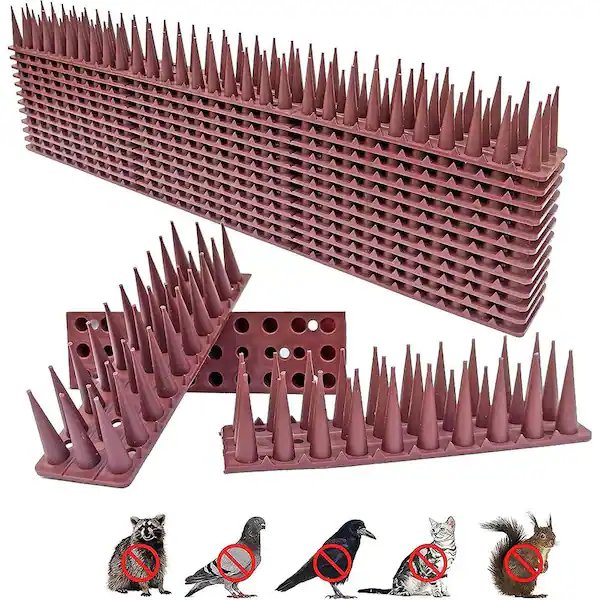
Bird Repellent Spikes
Defender Bird Repellent Spikes provide an effective, humane barrier that prevents birds from perching or nesting on windowsills and ledges, without causing harm. The 50cm (19.7 inch) strips are made from durable UV-resistant polycarbonate to withstand outdoor elements. Ideal for persistent bird issues where natural repellents have limited success, these spikes are easy to install and maintain.
Why We Recommend This
We recommend Defender Bird Repellent Spikes as the most reliable physical barrier for areas where birds persistently roost or nest. Unlike sprays or gels, these spikes offer a long-term, maintenance-light solution that’s both humane and effective. For those struggling with stubborn bird problems, this is our top physical deterrent pick.
vs Competitors: Compared to metal spike alternatives, Defender’s polycarbonate spikes are less prone to rust and safer for use around children and pets, though slightly more visible than low-profile gel deterrents.
Best For:
Homeowners and property managers seeking a humane, maintenance-friendly solution for deterring birds from windowsills and architectural ledges.
- Ideal for homeowners dealing with persistent pigeon or starling nesting on windowsills
- Effective on commercial building ledges, signs, and architectural features prone to bird roosting
- Made from UV-resistant polycarbonate for long-lasting outdoor use
- Each strip measures 50cm (19.7 inches) in length and covers up to 15cm (6 inches) in width
- Physically blocks birds from landing without causing harm
- Weatherproof construction resists sun, rain, and frost
- May be visually noticeable on some window styles
- Requires regular cleaning in areas with heavy debris buildup
- Bird-X Bird Proof Gel wins for: persistent pigeons and high-traffic windowsills
- Natural Bird Repellent Spray wins for: renters and anyone needing easy removal
- Homescape Creations Reflective Tape wins for: bright, open sills needing a visual solution
- Bird B Gone Transparent Gel wins for: discreet, aesthetic installations on visible windows
- Nature’s Mace Granular wins for: wide ledges, stone sills, and garden windows
- Defender Bird Repellent Spikes win for: chronic nesting sites or “last resort” cases
Other Organic and DIY Bird Repellent Methods
Commercial options aren’t the only way to keep your windowsills bird-free. If you need a short-term fix or want to supplement your main repellent, here are a few alternatives that actually work - at least for mild to moderate issues.
Homemade Essential Oil Sprays
Mixing a few drops of peppermint or eucalyptus oil with water in a spray bottle gives you a quick DIY scent deterrent. These sprays are cheap, easy to make, and safe for most surfaces and pets. They’re ideal for renters or as a supplement to commercial products during high-pressure seasons.
- Combine 10-15 drops essential oil with 1 cup water, shake well, and spray on sills
- Requires daily reapplication outdoors - weather breaks down oils rapidly
- May help deter casual visitors but unlikely to stop determined pigeons or nesting birds
- Works best on indoor sills or covered porches
For persistent infestations or outdoor use, commercial blends last longer and pack a stronger scent punch.
Physical Deterrents: Spikes and Decoys
Plastic bird spikes, like Defender Bird Repellent Spikes, prevent birds from landing without causing harm. They’re the “nuclear option” for chronic problems and are especially good for ledges, signs, or sills where birds roost at night.
- Install with adhesive for temporary use or screws for permanent installation
- Safe for pets, as spikes are blunt and flexible
- Owl and hawk decoys can be effective for a few weeks but lose impact as birds realize they’re fake
- Rotate decoys or combine with scent-based repellents to prevent birds from adapting
Physical solutions are best as part of a larger strategy, not as your only line of defense.
How to Choose the Right Bird Repellent for Your Home
Six strong contenders - but choosing the right natural bird repellent depends on your exact situation. Here’s what to weigh before you buy:
Matching Repellent Type to Bird Problem
- Gels: Ideal for sills that see repeat visits from the same birds. Best for narrow ledges and outdoor windows.
- Sprays: Best for occasional bird visitors, renters, and short-term needs. Work well on both indoor and outdoor surfaces but require frequent reapplication.
- Visual deterrents (tape): Great for large, open, sunny sills. Best as a supplement to other methods, not a standalone fix for serious infestations.
- Granules: Suited to wide or flat surfaces - think stone sills, balcony edges, or garden windows.
If you’re dealing with chronic nesting or overnight roosting, physical solutions like spikes may be your only sure bet.
Safety and Environmental Considerations
- Look for non-toxic, biodegradable ingredients - especially if kids or pets have access to the sill
- Avoid strong chemical odors in enclosed spaces or bedrooms
- Check local regulations before using deterrents in areas where birds are protected or actively nesting
That framework points most readers toward one or two clear choices. If you’ve weighed your needs, you’re ready for the final verdict.
Frequently Asked Questions About Bird Repellents
❓ Frequently Asked Questions
What is a natural bird repellent for windowsills?
What is a natural bird repellent for windowsills?
A natural bird repellent for windowsills is a non-toxic product or substance that deters birds from landing or nesting without harming them. Key benefits include safety for pets and children and minimal environmental impact. Common examples are citrus sprays, essential oil blends, and physical barriers like reflective tape.
How do I apply natural bird repellents to windowsills effectively?
How do I apply natural bird repellents to windowsills effectively?
To apply natural bird repellents to windowsills effectively:
- Clean the windowsill thoroughly to remove residues and droppings
- Apply the chosen repellent (spray, gel, or tape) evenly along the surface
- Reapply sprays or gels every 3–7 days, especially after rain
- Monitor for bird activity and adjust placement if needed
Tip: Combining repellents often improves results.
What should I look for when choosing a pet-safe bird repellent for windowsills?
What should I look for when choosing a pet-safe bird repellent for windowsills?
When choosing a pet-safe bird repellent for windowsills, focus on:
- Ingredients: all-natural, non-toxic formulas
- Effectiveness: proven to deter common local bird species
- Ease of application: sprays or tapes are simple to use
- Residue: minimal staining or odor
Always read labels to confirm pet safety before use.
What is the difference between organic and chemical bird repellents?
What is the difference between organic and chemical bird repellents?
Organic bird repellents use plant-based or natural ingredients, making them safer for pets and the environment. Chemical repellents often contain synthetic compounds that may be more potent but carry higher risks of toxicity and residue. Most users prefer organic options for regular home use, especially around children and animals.
How often should I reapply natural bird repellents on windowsills?
How often should I reapply natural bird repellents on windowsills?
Most natural bird repellents should be reapplied every 3–7 days, especially after rain or heavy cleaning. Based on user reviews, effectiveness tends to decrease if not maintained regularly. Sprays and gels may require more frequent reapplication than physical barriers like tape or spikes.
Which type of natural bird repellent works best for deterring pigeons from windowsills?
Which type of natural bird repellent works best for deterring pigeons from windowsills?
For deterring pigeons from windowsills, most users report that physical deterrents like bird spikes or reflective tape are most effective. Citrus-based sprays and strong-scented essential oils can also help but may need frequent reapplication. Combining visual and scent-based methods often yields better long-term results.
Are natural bird repellents safe to use around cats and dogs?
Are natural bird repellents safe to use around cats and dogs?
Most natural bird repellents made with essential oils or plant extracts are generally safe for cats and dogs when used as directed. However, some essential oils (such as tea tree) can be harmful to pets if ingested. Always check ingredients and supervise pets around treated areas.
Our Verdict: Which Bird Repellent Should You Choose?
For most homeowners facing stubborn pigeons or sparrows on windowsills, Bird-X Bird Proof Gel offers the best balance of lasting effectiveness and safety. The sticky tactile barrier is a proven solution for persistent perching and is easy to apply on nearly any surface.
On the other hand, a natural repellent spray is the pick for renters or anyone needing an easy-clean, non-permanent approach. Reflective tape and granular repellents round out the field for large, exposed sills or wide ledges. Transparent gels are perfect for visible windows where aesthetics are non-negotiable, while spikes remain the “last resort” for chronic, high-pressure sites.
If you’re ready to reclaim your windowsills without harsh chemicals or expensive pro services, start with the solution that matches your bird problem - and don’t be afraid to rotate methods for the best results. Your peace of mind (and your clean windowsills) are well within reach.
Related Articles

Best Bird Deterrents, Spikes, and Netting 2026: DIY Solutions Ranked
Find the best bird deterrents, spikes, and netting for 2026. Compare top DIY solutions to protect your home and garden from unwanted birds - safe, effective, and budget-friendly options reviewed.
Best Natural and Organic Pest Control Products 2026: Safe, Eco-Friendly Solutions for Every Home
Find the best natural and organic pest control products for 2026. Safe, eco-friendly solutions for ants, roaches, rodents, and more - ideal for families and pet owners.

Complete Guide to Pest Prevention in Homes: Stop Pests in 2026
Protect your home in 2026 with this complete pest prevention guide. Discover proven DIY methods, room-by-room tips, safe solutions for families, and expert advice to stop pests before they start.
Best Garden Pest Control Products for Yards and Gardens 2026
Discover the best pest control products for gardens and yards in 2026. Compare top-rated sprays, baits, traps, and natural solutions for safe, effective, and budget-friendly outdoor pest removal.