
Signs of a Cockroach Infestation: What to Look For (2026)
Learn how to identify cockroach infestation signs in your home. Discover visible and subtle roach problem symptoms, where to check, and what to do if you spot warning signs. Stay protected with expert tips for 2026.
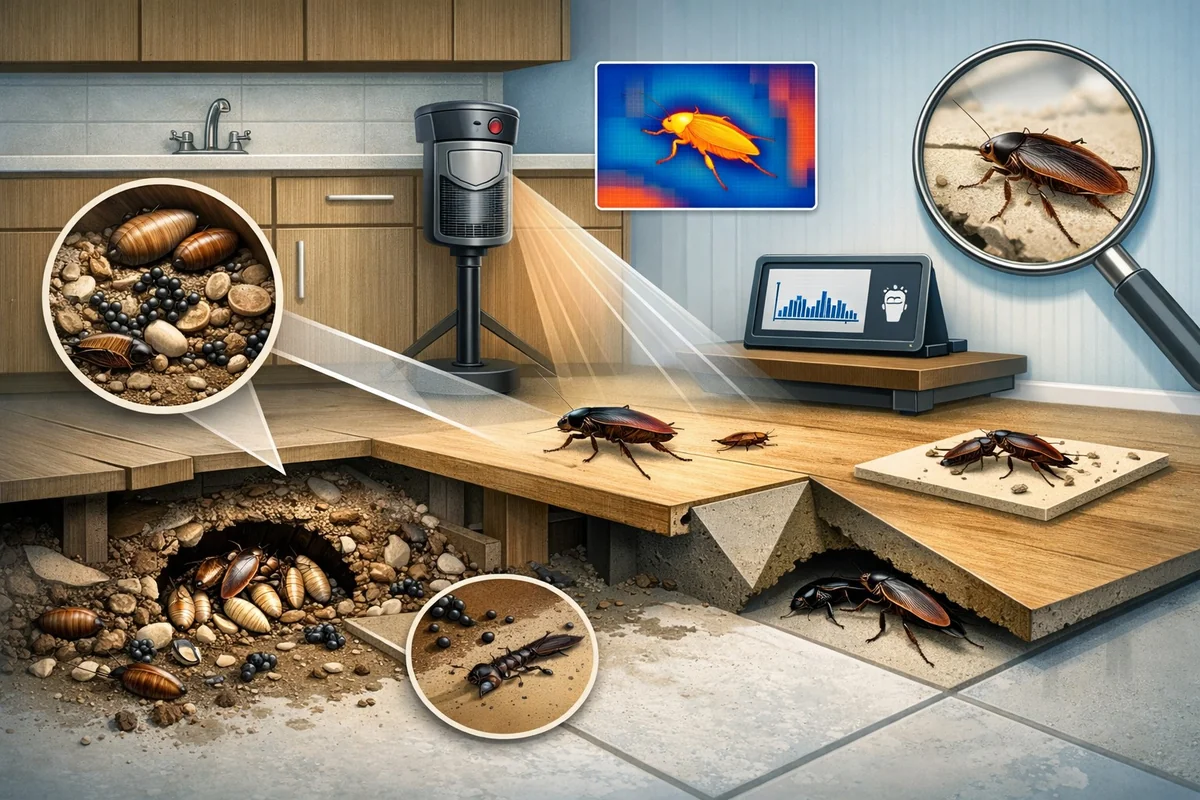
Cockroach infestation signs include droppings, shed skins, egg cases, musty odors, and live roach sightings. These indicators often show up in kitchens and bathrooms, but can appear anywhere cockroaches find food or moisture. Early identification is crucial - treating infestations promptly prevents health risks and costly, widespread problems.
What Is a Cockroach Infestation?
A cockroach infestation is a situation where cockroaches have established a breeding population inside a living space. This means they’re not just passing through - you have active, hidden colonies reproducing and spreading. The real danger is that infestations can grow out of sight long before you spot a single roach.
How Cockroach Infestations Start
Most infestations begin when egg cases (called oothecae) or live roaches hitchhike indoors on groceries, packages, or second-hand furniture. You might never notice the first roach, but all it takes is one female to start an infestation. One female German cockroach can produce hundreds of offspring each year - that’s why populations explode so quickly.
Cockroaches are drawn to places where food, water, and shelter are easy to find. That’s why kitchens, pantries, and bathrooms are almost always the first places to see signs of a roach problem. Leaky pipes, crumbs, and even pet food bowls can all serve as magnets.
Why Cockroaches Are Hard to Eliminate
Roaches are masters of hiding. They squeeze into cracks as thin as a credit card - behind appliances, inside walls, and under sinks. This makes them very tough to detect, let alone kill all at once.
Their nocturnal habits mean you’ll rarely see them during the day unless the infestation is severe. By the time roaches are out in the open, you’re often dealing with a large, established colony. To make matters worse, many roach species have developed resistance to common pesticides, so a single spray won’t wipe out the nest.
For a full breakdown of effective removal options, check out the Best Cockroach Killers for Home 2026 - it covers what actually works for today's resistant roach strains.
Why Identifying Cockroach Infestation Signs Matters
Recognizing cockroach infestation signs early can make the difference between a manageable problem and a months-long battle. Roaches aren’t just gross - they bring real health and property risks.
Health Risks Linked to Cockroach Presence
Cockroaches aren’t just unsightly; they’re proven disease vectors. They carry bacteria like Salmonella and E. coli, which can cause food poisoning and stomach illness if transferred to your food or surfaces. Even in clean homes, roaches can contaminate kitchens just by walking across a countertop.
Their shed skins and droppings release allergens that can trigger asthma attacks and allergic reactions, especially in children and people with respiratory issues. The longer a colony remains hidden, the more widespread these allergens become.
Infestation Growth: Why Early Detection Is Crucial
Roach populations can double in as little as a month if conditions are right. Missing early cockroach infestation signs often means you’ll be dealing with a much larger, more entrenched problem later.
In apartments and condos, roaches travel easily through shared plumbing and walls. An unchecked infestation in one unit can spread to others before anyone realizes. Early action is almost always more effective - and less expensive - than waiting until the colony is visible and widespread.
For more on prevention and control strategies, see our Cockroach Control topic overview.
Most Common Visible Signs of Cockroach Infestation
Certain cockroach infestation signs are easy to spot if you know where and when to look. Others are subtle but just as revealing. Here’s what we look for first when inspecting a home.
Spotting Live Cockroaches: Where and When
Roaches are nocturnal, so you’re most likely to see them if you turn on the lights late at night or open cabinets after dark. Typical hiding places include under kitchen sinks, behind refrigerators or stoves, inside lower cabinets, and around floor drains.
If you see cockroaches during the day, it’s usually a sign of severe infestation. Roaches only come out in daylight when overcrowding forces them from their normal hiding spots.
Finding Cockroach Droppings
Roach droppings look like small, dark specks or smears - often mistaken for coffee grounds or black pepper. Larger species leave behind tiny, cylindrical pellets, while German roaches produce scattered specks.
You’ll find droppings along baseboards, inside drawers, under appliances, and in corners of cabinets. The more droppings you find, the bigger the infestation likely is.
Discovering Shed Skins and Egg Cases
Cockroaches shed their skins several times before reaching adulthood. These translucent, oval shells collect in hidden areas: behind appliances, inside cabinets, or in storage rooms.
Egg cases (oothecae) are brown, purse-shaped capsules often tucked away in cracks, under sinks, or glued to the backs of drawers. Finding egg cases means the colony is actively reproducing and growing.
| Item | ★Detection Speed | ★Required Expertise | ★Reliability | Time Investment | Best For | Key Limitations |
|---|---|---|---|---|---|---|
| Visual Inspection (Droppings & Egg Cases) | Fast | Basic | Moderate | 30-60 minutes per room | Homeowners seeking quick checks | May miss early-stage infestations |
| Monitoring with Sticky Traps | Slower | Basic | High | 1-2 days for results | Long-term monitoring or confirming low-level presence | Delayed results; traps need regular checking |
| Professional Inspection | Fast | Professional | Very High | 1-2 hours per visit | Severe or hidden infestations, rental properties, businesses | Higher cost compared to DIY methods |
| Odor Detection (Musty Smell) | Immediate | Basic | Low | Less than 10 minutes | Quick initial check in enclosed areas | Often only noticeable in large infestations |
Less Obvious Roach Problem Symptoms
Not every sign of a cockroach infestation is visible. There are subtler symptoms that many homeowners miss until the problem is advanced.
Unexplained Musty Odors
Cockroach colonies produce a distinct, oily, musty smell that gets stronger as the population grows. This odor lingers in kitchens, pantries, and bathrooms - even after thorough cleaning.
If you notice a persistent, unpleasant odor in these areas, especially near drains or under appliances, roaches could be the hidden cause. The smell often persists even after the visible mess is cleaned up, especially if nests are hidden inside walls or under flooring.
Smear Marks and Stains
In humid environments, roaches leave behind brownish smear marks along walls, baseboards, and near water sources. These marks come from their bodies dragging through dust and grease as they travel - especially where they squeeze through tight spaces.
Homeowners sometimes confuse these stains with mold or water damage, which delays the right treatment. If you see these marks along kitchen or bathroom walls, it’s worth checking for other roach problem symptoms.
Unusual Pet Behavior
Pets often notice roach activity before humans do. Dogs and cats may paw, sniff, or scratch persistently at cabinets, behind appliances, or at baseboards - especially at night when roaches are most active.
If your pet suddenly focuses on a spot in the kitchen or bathroom, check for other cockroach infestation signs nearby. Also, pet food left out overnight is a major attractant for roaches and can keep an infestation going.
Where to Check for Cockroach Activity in Your Home
Knowing where to look makes it much easier to identify a cockroach infestation before it gets out of hand. Here’s where experienced pest pros focus their inspections.
High-Risk Areas: Kitchens and Bathrooms
Kitchens and bathrooms are prime real estate for cockroaches. These areas offer warmth, humidity, and easy access to food and water. Check under sinks, behind or beneath refrigerators and stoves, inside cabinets, and around plumbing fixtures.
Crumbs, food spills, and leaky pipes create the perfect environment for roaches to thrive. The more clutter or moisture you have, the more likely you’ll see signs of infestation here first.
Hidden and Overlooked Spots
Roaches don’t just stick to kitchens. They often hide inside wall voids, behind baseboards, inside electrical outlets, and in any spot clutter collects. Inspect storage rooms, laundry areas, and under piles of paper or cardboard - these are easy places for a colony to go unnoticed.
Cardboard boxes aren’t just shelter; the glue in boxes and paper piles is a food source for some roach species. Reducing clutter can make a big difference in preventing hidden infestations.
Multi-Unit Buildings: Unique Challenges
In apartments or condos, shared plumbing and walls make cockroach infestations a building-wide problem. Roaches travel between units through pipes, electrical chases, and even under doors.
If you see cockroach infestation signs in a multi-unit building, report it to property management right away. Effective control usually requires coordinated action across all affected units.
How to Distinguish Cockroach Signs from Other Pests
Not every dark speck or musty smell means roaches. Knowing how to tell cockroach signs from those of mice, beetles, or mold helps you pick the right treatment.
Cockroach vs. Mouse Droppings
Cockroach droppings are smaller and more irregular than mouse droppings. Roach feces look like black pepper or coffee grounds, while mouse droppings are larger, pellet-shaped, and often have pointed ends.
You’ll usually find mouse droppings in open areas, while roach droppings cluster in cracks, corners, and hidden spots. Misidentifying these can lead to wasted time and the wrong pest control approach.
Shed Skins and Egg Cases: Roaches vs. Beetles
Cockroach shed skins are thin, oval, and translucent. Beetle molts are stiffer, segmented, and typically darker. Roach egg cases are brown and purse-shaped, while beetle eggs are rarely seen and tend to be sticky.
If you find shells or egg cases and aren’t sure, take a close-up photo and compare with reliable online pest identification resources or speak with a local extension agent. Accurate ID is the first step to effective control.
Musty Odors: Cockroaches or Mold?
Both cockroach infestations and mold produce musty smells, but there are differences. Roach odors are oily and tend to persist even after cleaning, while mold smells are stronger with high moisture and are often accompanied by visible growth.
In humid environments, it’s possible to have both issues at once. If you’re unsure, test for mold and check for hidden roach activity at the same time.
What to Do If You Find Signs of Cockroaches
Spotting cockroach infestation signs means it’s time to act - fast. Here’s what works for most homeowners before calling in a pro.
Immediate DIY Actions for Homeowners
- Clean up all food spills, crumbs, and standing water - this removes the main attractants.
- Seal cracks, gaps, and holes around doors, windows, and pipes using caulk or weatherstripping.
- Set out sticky traps or monitoring stations to pinpoint where roaches are most active and get a sense of the infestation size.
When to Use Over-the-Counter Treatments
- Gel baits and boric acid powders are your best bet for mild to moderate infestations - these kill the colony over time as roaches carry poison back to the nest.
- Sprays provide quick knockdown but rarely reach hidden nests, so don’t rely on them alone for total elimination.
- DIY methods require patience - expect 1-2 weeks before you see major reduction in activity.
When to Consider Professional Help
- Persistent, large infestations that don’t respond to baits or cleaning often need professional-grade pesticide application.
- If you keep seeing roaches after repeated DIY attempts, there may be hidden nests or building-wide issues you can’t reach.
- Multi-unit dwellings and homes with severe health risks (asthma, immune compromise) should seek professional pest control immediately.
Preventing Future Cockroach Infestations
Once you’ve addressed an active infestation, prevention is key. The steps below drastically reduce the odds of roaches coming back.
Sanitation and Food Storage Best Practices
- Keep all food - people and pet - in sealed containers. Don’t leave pet food out overnight.
- Wipe down kitchen counters, appliances, and floors daily to remove crumbs and spills.
- Empty garbage frequently. Use trash cans with tight-fitting lids.
Home Maintenance and Exclusion Tactics
- Seal cracks, gaps, and holes around doors, windows, and plumbing with caulk or foam.
- Repair leaky pipes and eliminate standing water to remove moisture sources.
- Install door sweeps and window screens to keep roaches from getting in.
Ongoing Monitoring and Early Warning Signs
- Place sticky traps in kitchens, bathrooms, and laundry rooms - check them weekly for new activity.
- Inspect hidden spots regularly for droppings, egg cases, and shed skins.
- Teach family members what cockroach infestation signs look like so new problems are reported early.
Frequently Asked Questions About Cockroach Infestation Signs
❓ Frequently Asked Questions
What are the main signs of a cockroach infestation?
What are the main signs of a cockroach infestation?
The main signs of a cockroach infestation include finding live or dead cockroaches, spotting small dark droppings resembling coffee grounds, noticeable musty odors, shed skins, and egg cases (oothecae) in hidden areas. For example, droppings often collect in kitchen cabinets or behind appliances.
How do I check for cockroaches in my home?
How do I check for cockroaches in my home?
To check for cockroaches, inspect dark, moist areas such as under the sink, behind refrigerators, and inside cabinets. Look for droppings, egg cases, and shed skins. Use a flashlight for tight spaces. Sticky traps can help monitor activity. Early detection is key for effective pest control.
What is the difference between cockroach droppings and mouse droppings?
What is the difference between cockroach droppings and mouse droppings?
Cockroach droppings are small, dark, and resemble ground pepper or coffee grounds, typically less than 2 mm in length. Mouse droppings are larger, rod-shaped, and have pointed ends, usually measuring 3-6 mm. Identifying the difference helps target correct pest removal methods for your situation.
How often should I inspect for cockroaches?
How often should I inspect for cockroaches?
Industry guidelines recommend inspecting for cockroaches at least once a month in homes and weekly in high-risk areas like restaurants or commercial kitchens. Frequent inspections help catch infestations early, making control easier and reducing long-term costs. Pay extra attention during warmer months when activity increases.
When is the best time to look for cockroach activity?
When is the best time to look for cockroach activity?
The best time to look for cockroach activity is at night, as cockroaches are nocturnal and most active in the dark. Turn off lights and use a flashlight to check kitchens, bathrooms, and basements. Nighttime inspections reveal hidden infestations that might be missed during the day.
Why do cockroach infestations cause a musty odor?
Why do cockroach infestations cause a musty odor?
Cockroach infestations produce a musty odor due to pheromones and secretions released by the insects. This smell intensifies as the population grows. The odor often indicates a significant infestation and can linger in affected areas, making professional removal and thorough cleaning especially important for eliminating it.
What should I look for when hiring a pest removal company for cockroaches?
What should I look for when hiring a pest removal company for cockroaches?
When hiring a pest removal company for cockroaches, consider the following:
- Certification and licensing: Ensure technicians are qualified
- Experience with cockroach infestations: Ask about proven results
- Treatment methods: Prefer integrated pest management
- Warranty or follow-up visits: Check for ongoing support
Compare at least three companies before making a decision.
Key Takeaways for Homeowners and Renters
Cockroach infestation signs range from obvious (live roaches, droppings, shed skins) to subtle (musty odors, stains, unusual pet behavior). Kitchens and bathrooms are ground zero, but don’t ignore storage rooms or cluttered spaces - roaches go where food and moisture are easy to find.
Early detection and quick action are critical. The sooner you spot cockroach problem symptoms and start targeted cleaning, sealing, and baiting, the easier and cheaper it is to regain control. Don’t mistake signs for other pests - proper ID makes all the difference in choosing the right solution.
If you suspect an infestation, start with a deep clean and set sticky traps to confirm activity. From there, use proven DIY treatments for mild cases or call a professional for large, persistent problems - especially in apartment buildings. Consistent monitoring and prevention keep roaches from coming back.
Related Articles

Best Cockroach Killers for Home 2026: Gels, Baits, Sprays & More
Find the best cockroach killers for home in 2026. Compare top gel baits, sprays, traps, and natural options for effective, safe, and budget-friendly cockroach removal - plus tips for choosing the right product for your needs.
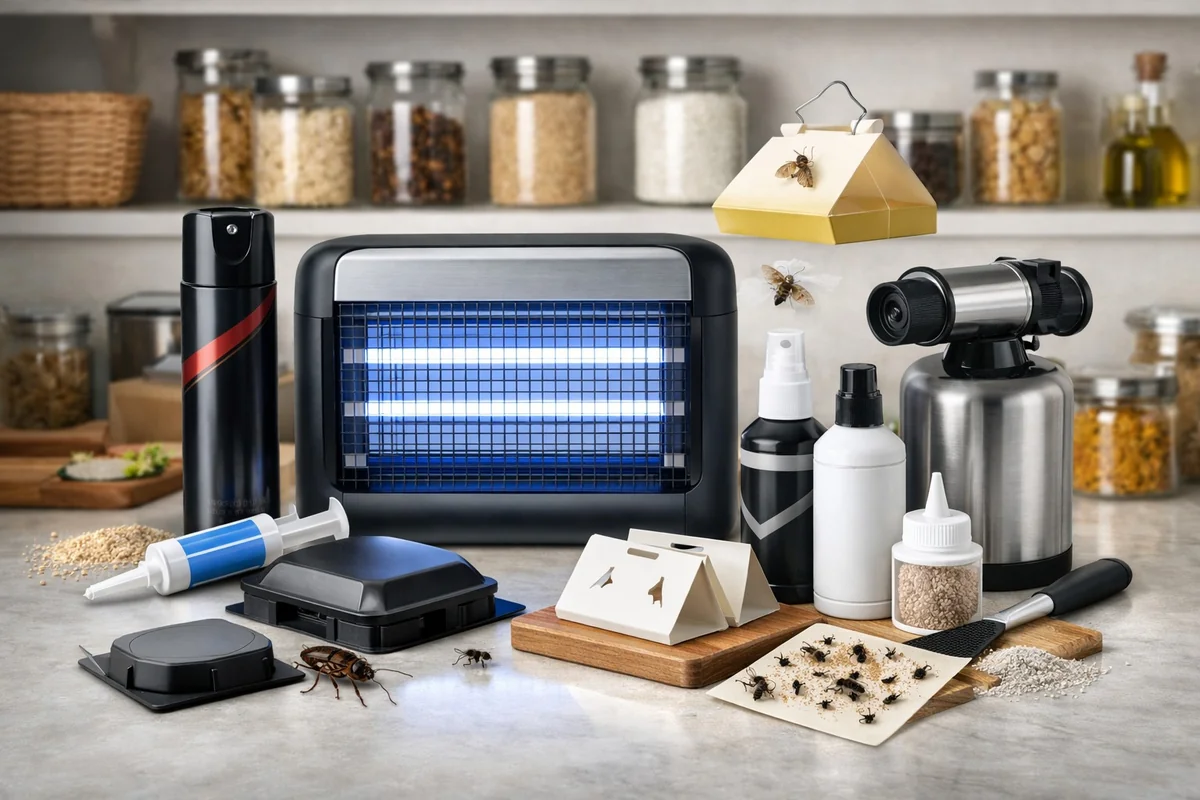
Best Kitchen Pest Control Products 2026: Ant, Roach, Moth & Fly Solutions
Find the best kitchen pest control products for 2026, including safe ant baits, cockroach gels, pantry moth traps, fly solutions, and natural options. Expert advice on choosing safe, effective, and budget-friendly pest killers for food storage areas.
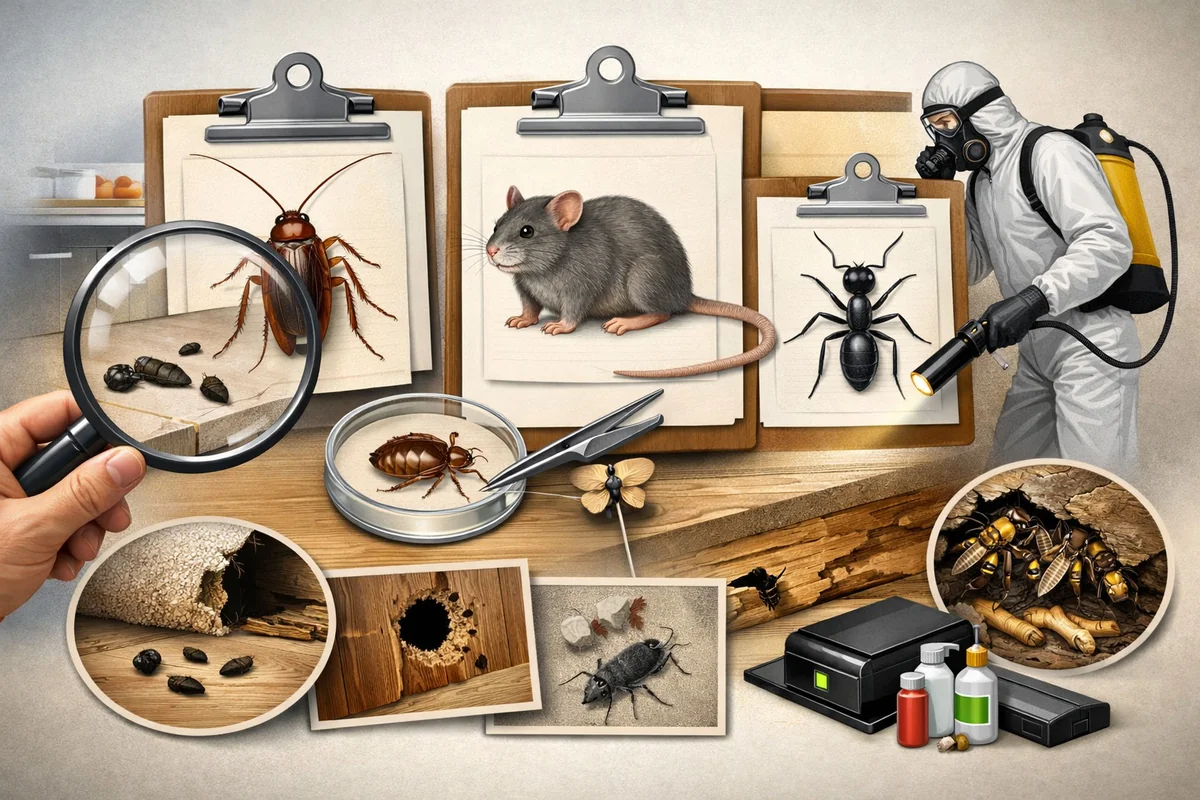
Guide to Identifying Household Pests: Spot, Compare, and Act on Common Pest Signs in 2026
Learn how to identify household pests quickly and accurately with our 2026 step-by-step pest identification guide. Spot common pest signs, compare DIY and professional methods, and take control of your home without costly exterminators.
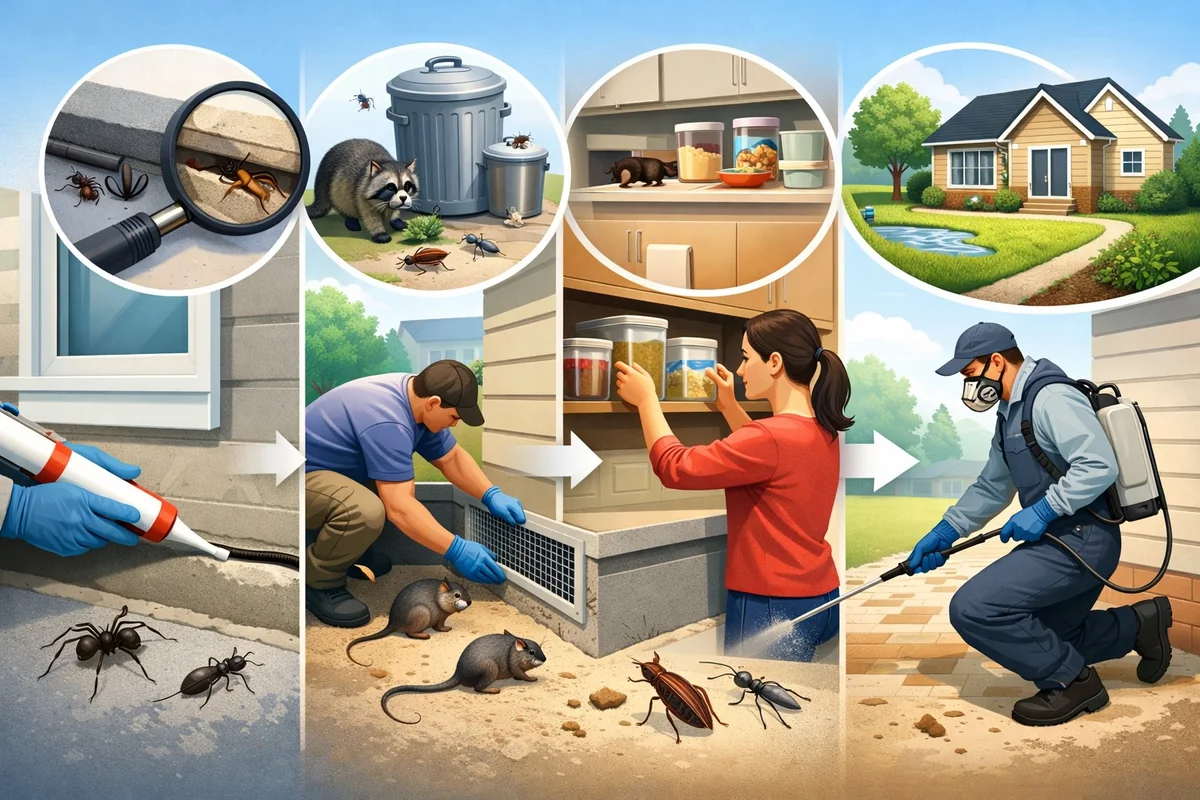
Complete Guide to Pest Prevention in Homes: Stop Pests in 2026
Protect your home in 2026 with this complete pest prevention guide. Discover proven DIY methods, room-by-room tips, safe solutions for families, and expert advice to stop pests before they start.