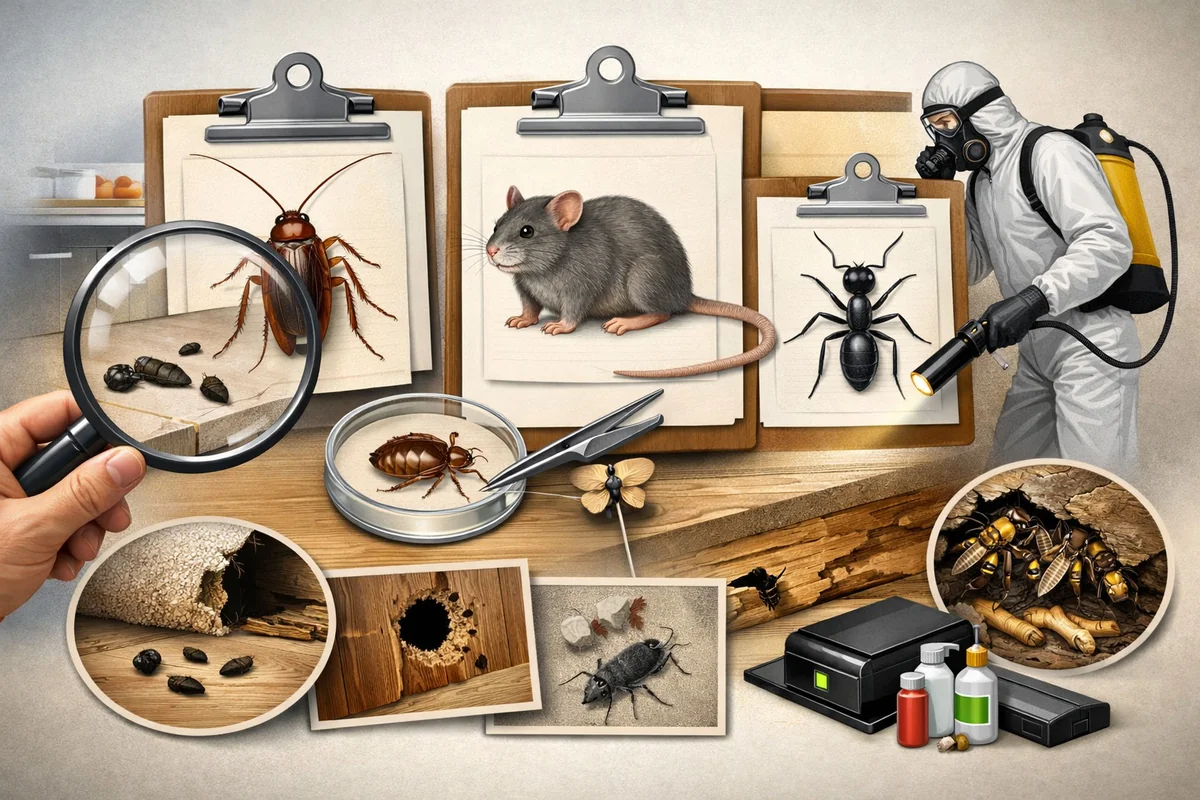
Guide to Identifying Household Pests: Spot, Compare, and Act on Common Pest Signs in 2026
Learn how to identify household pests quickly and accurately with our 2026 step-by-step pest identification guide. Spot common pest signs, compare DIY and professional methods, and take control of your home without costly exterminators.
The key to effective pest control is knowing exactly what you’re up against. This guide to identifying household pests covers how to pinpoint the invader, recognize common pest signs, and choose the right action - saving you time, money, and hassle in 2026.
What Counts as a Household Pest?
Not every creature inside your home is a true pest. In the context of pest control, a household pest is any organism that causes damage to property, poses a health risk, or threatens your comfort and peace of mind. Some species are always considered pests, while others only cross that line under certain conditions.
Defining Pests vs. Nuisance Species
Pests are animals, insects, or microbes that directly harm people, property, food, or health. For example, mice contaminate food and gnaw on wiring, while cockroaches can trigger allergies and asthma. Nuisance species, like most spiders or certain beetles, may be annoying but don’t cause real harm.
Legal and insurance definitions sometimes differ from what homeowners think. Your insurer may not cover damage by “vermin” (a legal term that often includes rodents) even if you consider them a pest. Some insects become pests only when numbers spike or food is scarce - like ants in dry weather suddenly invading kitchens.
Common Pest Categories: Insects, Rodents, and Others
Most household pests fall into three main categories:
- Insects - ants, cockroaches, bed bugs, termites, and more
- Rodents - mice and rats
- Other wildlife - bats, birds, squirrels, and occasional invaders like raccoons or snakes
Each group requires a different identification approach. Insects are usually identified by physical features and where you find them. Rodents leave distinct traces and damage that’s easy to spot.
Wildlife invaders are less common but can cause serious problems when they decide your home is theirs.
Cross-category infestations - like rats carrying fleas, or bats bringing in mites - make identification more complex. That’s why understanding these categories is the first step toward a targeted solution. If you’re unsure which group your issue falls into, check out our Pest Identification archive for detailed guides by pest type.
Most Common Household Pests in 2026
The roster of household pests doesn’t change much year to year, but some trends stand out in 2026. Urban homes continue to battle ants and cockroaches, while bed bugs are making a comeback - fueled by pesticide resistance and global travel. Rodents remain a year-round problem, especially in older or poorly sealed buildings.
Insects: Ants, Cockroaches, Bed Bugs, Termites
Ants top the complaint list, especially in spring and summer. Argentine ants, odorous house ants, and pavement ants all seek food and water indoors. Cockroaches - mainly German and American species - thrive in kitchens and bathrooms where moisture is high.
Bed bugs are back in force, thanks to travel and their ability to hide in luggage, furniture, and mattress seams. Unlike most pests, they rarely indicate poor hygiene - they’re equal-opportunity invaders. Termites are the silent destroyers, often mistaken for flying ants. They can go unnoticed for years, causing thousands of dollars in damage before detection.
Rodents: Mice and Rats
Mice are the most common rodent in apartments and smaller homes. They squeeze through gaps as small as 1/4 inch and breed rapidly. Rats, especially Norway and roof rats, prefer basements, crawl spaces, and older structures with easy access to food and water.
Rodents leave gnaw marks, larger droppings, and oily rub marks along walls. Their infestations pose unique health risks - not just from direct contact, but from droppings, urine, and the diseases they carry.
Other Invaders: Spiders, Silverfish, Fleas, and Wildlife
Spiders and silverfish are often mistaken for more serious pests, but most are harmless. Still, their presence can signal moisture issues or hidden food sources. Fleas persist in homes even after pets are treated, as eggs survive in carpets and furniture.
Wildlife - like bats or birds - sometimes nest in attics, vents, or chimneys, creating noise, droppings, and even fire hazards.
If you’re already spotting droppings or unexplained damage, our resource on Common Signs of Pest Infestations at Home can help you narrow down the culprit before you take action.
Key Signs of a Pest Infestation
Identifying household pests starts with spotting the evidence they leave behind. While seeing a live pest is the clearest sign, most infestations reveal themselves through subtle clues - droppings, damage, or even unusual sounds and smells.
Physical Evidence: Droppings, Shed Skins, and Nests
Droppings are the most reliable sign. Mouse droppings are small, dark, and rice-shaped, while rat droppings are larger - roughly 1/2 inch long. Cockroach feces look like coffee grounds or black pepper, depending on the species. Bed bugs leave tiny black dots and shed skins in mattress seams.
Shed skins and exoskeletons signal active insect populations. Cockroaches and bed bugs molt as they grow, leaving behind translucent shells. Nests or burrows, often found in attics or under appliances, point to rodents or wasps.
These are usually hidden, so use a flashlight to check dark corners.
Damage to Food, Fabrics, and Structures
Rodents chew through food packaging, leaving holes or gnaw marks. Moths and carpet beetles create small holes in wool, silk, or cotton clothes. Termite or carpenter ant damage appears as hollowed wood, sagging floors, or mud tubes along walls.
Much of this damage builds up slowly. Early detection is crucial - by the time you see major damage, the infestation is likely well established.
Sounds and Smells: When to Pay Attention
Scratching, scurrying, or tapping noises at night often mean rodents or large insects are active. If you hear movement inside walls or ceilings, act fast - rodents can cause electrical fires by chewing wires.
Unusual odors are another warning sign. Cockroaches produce a musty, oily scent, while rodent urine smells like ammonia. Bed bugs have a sweet, sickly odor.
If you notice persistent strange smells, investigate further - even silent pests leave behind strong odors.
Visual Identification: How to Spot Common Pests
Spotting a pest is just the first step. Proper pest identification relies on paying attention to specific physical features, movement patterns, and sometimes even coloration that changes with life stage or species.
Size, Shape, and Color: Key Features to Note
Ants and termites are frequently confused, especially during swarm season. Ants have a pinched waist, elbowed antennae, and wings of unequal length. Termites have straight waists, straight antennae, and two pairs of equal-length wings.
Cockroaches can be identified by body size and color - German cockroaches are small and tan with two dark stripes, while American cockroaches are much larger and reddish brown. Bed bugs are reddish-brown, oval, and flat, while fleas are much smaller with strong legs for jumping.
Movement Patterns and Behavior
Pest behavior tells you a lot. Nocturnal activity points to cockroaches or rodents, while daytime trails are classic ant behavior. Fleas move erratically, jumping when disturbed; bed bugs crawl slowly and are rarely seen in daylight.
Where you find pests also narrows the field. Kitchens attract cockroaches and ants, while bedrooms are prime spots for bed bugs and fleas. Attics and basements are common for rodents, bats, and moisture-loving insects.
Photographic Comparison: Visual Reference Table
Comparing similar-looking species side by side helps prevent misidentification. For instance, bed bugs and ticks are both flat and reddish-brown, but bed bugs have a more oval shape and lack the hard shield found on ticks. Photos showing pests next to common objects (like a coin) offer useful size context.
| Method | ★Difficulty Level | ★Time Required | Cost Range | ★Skill Level Required | Effectiveness | Typical Tools/Equipment | ★Best For |
|---|---|---|---|---|---|---|---|
| Visual Inspection and Manual Removal | Easy | 1-2 hours per affected area | Budget-friendly | Beginner | Moderate | Flashlight, gloves, basic hand tools | Spotting early infestations in small or confined spaces; ideal for apartments or single rooms |
| Sticky Trap Monitoring and Analysis | Medium | 2-4 hours setup, plus 1 week monitoring | Moderate | Intermediate | High | Sticky traps, magnifying glass, pest identification chart | Monitoring ongoing pest activity, identifying species, and mapping hotspots; useful in homes up to 2,000 sq ft |
| Targeted Chemical Treatment with Precautionary Steps | Hard | 3-5 hours application, 24-48 hours ventilation | Premium | Advanced | Very High | Manual sprayer, PPE (mask, gloves), measuring tools | Severe or widespread infestations where rapid elimination is critical; not suitable for sensitive environments (children, pets) |
Visual guides are especially helpful for new homeowners or renters. If in doubt, snap a photo and compare it to trusted resources before starting treatment.
Pest Identification by Location in the Home
Where you find pest signs can be just as revealing as what you see. Each part of your home attracts different types of pests based on food, shelter, and moisture levels.
Kitchen and Pantry: Food-Related Pests
Pantry moths and beetles go straight for dry goods - look for webbing in flour, cereal, or rice. Ants follow invisible scent trails to sugar or crumbs. Cockroaches thrive under sinks, behind appliances, and in cabinets where food and water are plentiful.
Rodents enter kitchens through gaps behind stoves, fridges, or dishwashers. If you see chewed packaging or droppings near food, you’re likely dealing with mice or rats.
Bedrooms and Living Spaces: Bed Bugs, Fleas, and Moths
Bed bugs hide in seams of mattresses, box springs, and even behind headboards. They leave black dots (fecal spots) and shed skins. Fleas stay in carpets, rugs, and pet beds, biting ankles and lower legs even after pets are treated.
Clothes moths stick to closets and wardrobes, targeting wool, silk, and other natural fabrics. Look for small holes and silky webbing on rarely used garments.
Attics, Basements, and Walls: Rodents, Bats, and Hidden Insects
Attics and crawl spaces are prime nesting sites for rodents and bats. Watch for droppings, nests made of insulation or shredded paper, and greasy marks along beams. Termites and carpenter ants tunnel inside walls and under floors - mud tubes or faint clicking sounds can reveal their presence.
Basements favor moisture-loving pests like silverfish, centipedes, or mold mites. These species signal underlying humidity problems you’ll need to address.
Comparing Pest Identification Methods
Getting pest identification right is critical to choosing the right treatment. There’s a trade-off between DIY observation, using monitoring tools, and bringing in a professional. Here’s how the main approaches stack up:
DIY Observation vs. Professional Inspection
DIY identification is often enough for common pests. You rely on visible signs, online guides, and comparing what you see to reference photos. This is cost-effective and immediate, but you might miss hidden infestations or misidentify rare species.
Professional inspections bring expertise, specialized tools (like UV lights for rodent urine or moisture meters for termites), and sometimes lab analysis. The trade-off? Higher cost, and you may get a sales pitch for services you don’t want or need.
Using Traps and Monitors for Confirmation
Sticky traps, pheromone monitors, and mechanical traps help confirm elusive pests. For example, glue boards under sinks catch cockroaches, while snap traps in attics catch mice or rats. Some are species-specific (like pantry moth traps), but most will give you concrete evidence for identification.
Traps are best for confirming suspicions before you treat - especially when pests are nocturnal or hide during the day. Keep in mind, though, that some traps only work for certain species.
Mobile Apps and Online Resources: Are They Reliable?
Mobile apps use photo recognition and large databases to identify pests from your phone’s camera. This is fast and accessible, but results vary with photo quality and lighting. Online forums or pest control websites can be helpful but aren’t always accurate - crowd-sourced answers sometimes misidentify pests, especially if photos are blurry.
Use these tools as a starting point, but double-check with physical evidence or an expert before acting on the advice. For in-depth identification by pest type, our Pest Control Tips and Guides: Maintenance, Prevention, and Safety hub offers reliable, up-to-date resources.
| Identification Method | Best For | Speed | Difficulty | Cost |
|---|---|---|---|---|
| DIY Observation | Common pests, visible signs | Immediate | Easy | Low |
| Traps & Monitors | Elusive/nocturnal pests | 1-7 days | Moderate | Low to Moderate |
| Professional Inspection | Hidden/difficult infestations | 1-3 days | Easy (outsourced) | High |
| Mobile Apps | Quick checks, unusual pests | Immediate | Easy | Usually Free |
When to Act: Severity and Urgency of Infestations
Spotting a pest doesn’t always mean you need to panic, but understanding when to act is key. Ignoring early signs can turn a minor nuisance into a major, expensive problem.
Assessing Infestation Size and Spread
Seeing multiple pests in a single day, finding droppings in several rooms, or noticing widespread damage signals a large infestation. A single sighting may be an isolated incident - like a lost ant or a spider - but repeated evidence means pests are breeding inside your home.
Mapping where you find signs (droppings, damage, live pests) helps pinpoint problem areas. Focus your treatment and monitoring on these hotspots for best results.
Health Risks and Property Damage
Some pests are more than just a nuisance. Cockroaches and rodents can trigger allergies, spread salmonella, hantavirus, and other diseases. Bed bugs rarely transmit disease but cause psychological stress and sleepless nights. Termites and carpenter ants destroy wood structures, leading to costly repairs if left unchecked.
If you or your family are experiencing allergy symptoms, bites, or unexplained rashes, act quickly. The same goes for visible structural damage - waiting only compounds the risk and cost.
DIY vs. Professional Help: When to Call In Experts
DIY pest control is effective for small, contained infestations where you’ve confidently identified the pest. Use baits, traps, and exclusion methods for ants, cockroaches, and the occasional mouse. But if the problem persists, spreads, or involves dangerous pests (like wasps, venomous spiders, or wildlife), it’s time to call a professional.
Severe or recurring infestations, especially those involving property damage or health hazards, nearly always require expert intervention. Delaying action allows pests to multiply and increases remediation costs.
Mistakes to Avoid in Pest Identification
Misidentification is the number one cause of failed treatments and wasted money. Here are the most common pitfalls to avoid when trying to identify household pests on your own.
Misidentifying Harmless Species as Pests
Not every bug or critter in your home is a threat. Many spiders and beetles, for example, actually help control real pests. Over-treating or indiscriminate pesticide use can disrupt your home’s ecological balance - and may be dangerous to pets and children.
Educate yourself: learn to recognize beneficial species and focus your efforts where they matter most. When in doubt, consult a reputable identification guide or local extension office.
Ignoring Early Signs or Minor Damage
Small droppings, a single chewed bag, or the occasional bug sighting can be easy to dismiss. But these are often the first signs of a growing problem. Routine checks in hidden or infrequently used areas (basements, attics, behind appliances) catch infestations before they explode.
Don’t wait for a major outbreak to take action - early intervention is always less costly and disruptive.
Relying Solely on Visual Sightings
Many pests are nocturnal or hide during the day, so you might never see them in action. Relying only on live sightings misses infestations that leave behind clear physical evidence - droppings, damage, or smells. Always look for supporting signs before ruling out a problem.
For a detailed breakdown of how to tell insect and rodent damage apart, check our guide on How to Distinguish Between Insect and Rodent Damage.
Frequently Asked Questions About Identifying Household Pests
❓ Frequently Asked Questions
What should I look for when choosing Pest removal products?
What should I look for when choosing Pest removal products?
When choosing Pest removal products, prioritize build quality, warranty length (minimum 1-2 years recommended), and verified user reviews. Based on industry data, products with metal construction typically last 40% longer than plastic alternatives. Set a realistic budget and compare at least 3-5 options before deciding. Check specifications carefully, focusing on durability features and compatibility with your specific needs.
How do I maintain Pest removal products?
How do I maintain Pest removal products?
To maintain Pest removal products, follow manufacturer guidelines and perform regular maintenance. Clean the unit weekly using appropriate cleaning materials (avoid harsh chemicals that can damage protective coatings). Inspect for wear monthly and replace worn components immediately to prevent further damage. According to manufacturer data, proper maintenance extends product life by 50-70%. Professional servicing once per year is recommended for complex models.
What's the typical lifespan of Pest removal products?
What's the typical lifespan of Pest removal products?
Most Pest removal products last 5-7 years with proper care. Premium models ($500+) can last 10-15 years if maintained correctly. Lifespan depends on three key factors: build quality (metal vs plastic construction), usage frequency (daily vs occasional use), and maintenance habits. Regular professional servicing significantly extends product life compared to unmaintained units.
Key Takeaways
Effective pest identification starts with evidence - droppings, damage, and location - before moving to visual details like size and behavior. Use side-by-side tables and reliable guides to avoid misidentification and wasted treatments. Act quickly based on the signs you find to stop infestations before they spread.
Begin by documenting what you see and where, then monitor for changes. DIY solutions work for small or contained problems, but call a professional if the issue grows, persists, or puts health and property at risk. Prevention is your next priority once the pest is identified and eliminated.
For step-by-step instructions on what to do after identifying your pest, see our targeted treatment guides in the Pest Identification archive.
Related Articles
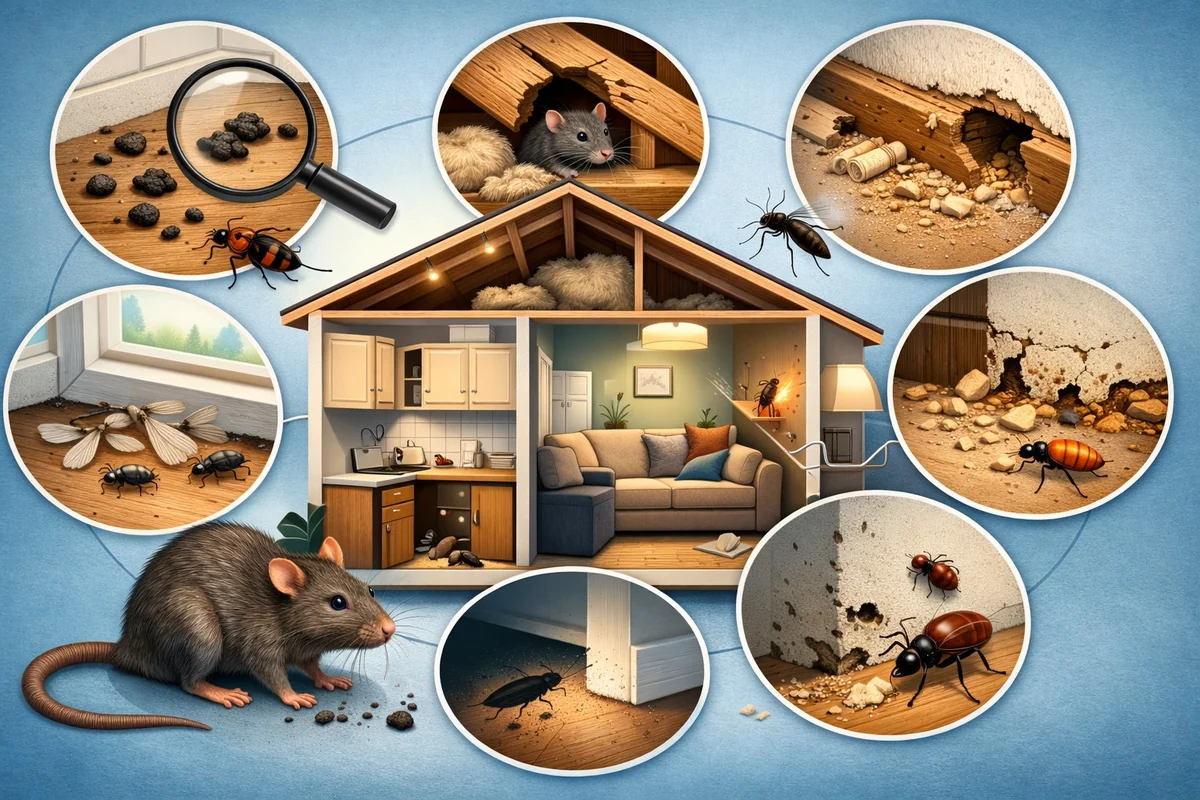
Common Signs of Pest Infestations at Home: How to Detect and Respond in 2026
Learn how to detect pests at home by recognizing the most common signs of infestation. Get practical tips to spot early symptoms, compare evidence by pest type, and know when to take action - all in this homeowner-friendly guide for 2026.
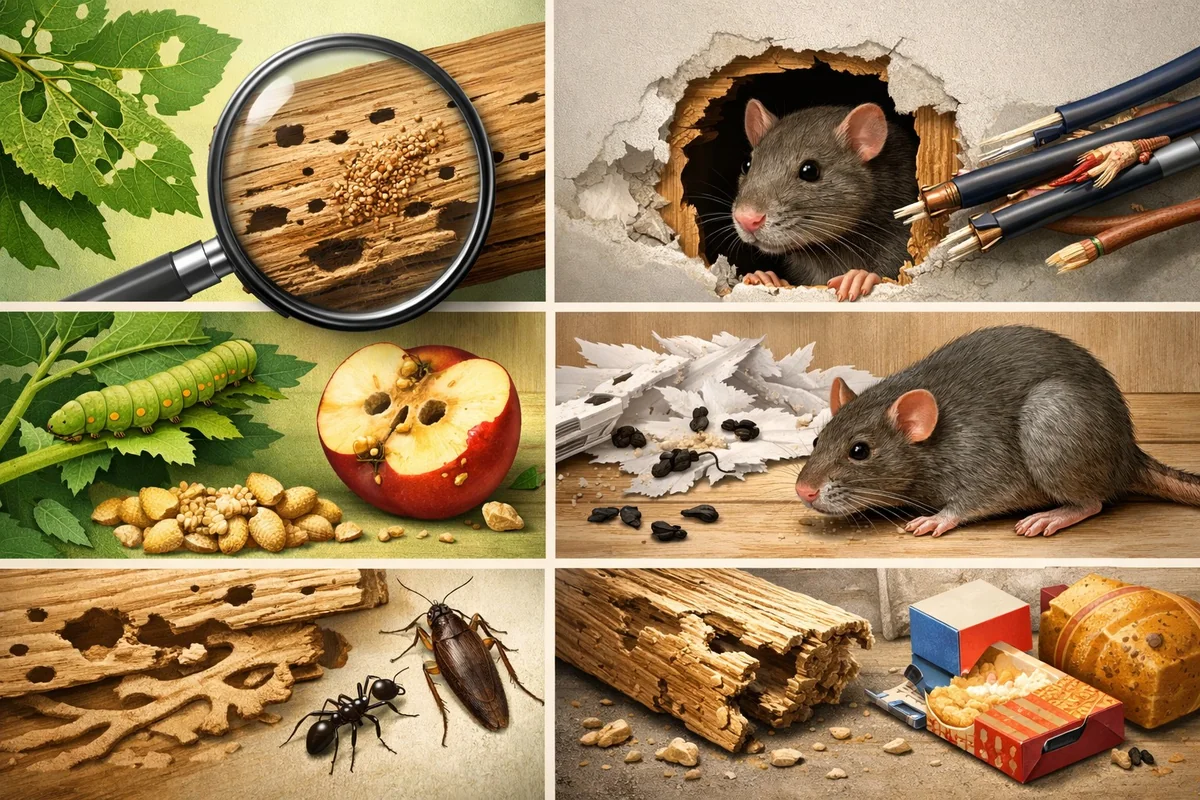
How to Distinguish Between Insect and Rodent Damage (2026 Guide)
Learn how to quickly and accurately identify insect vs rodent damage in your home. Our 2026 step-by-step guide covers key differences, inspection tips, common mistakes, and DIY solutions to help you resolve pest problems safely and effectively.