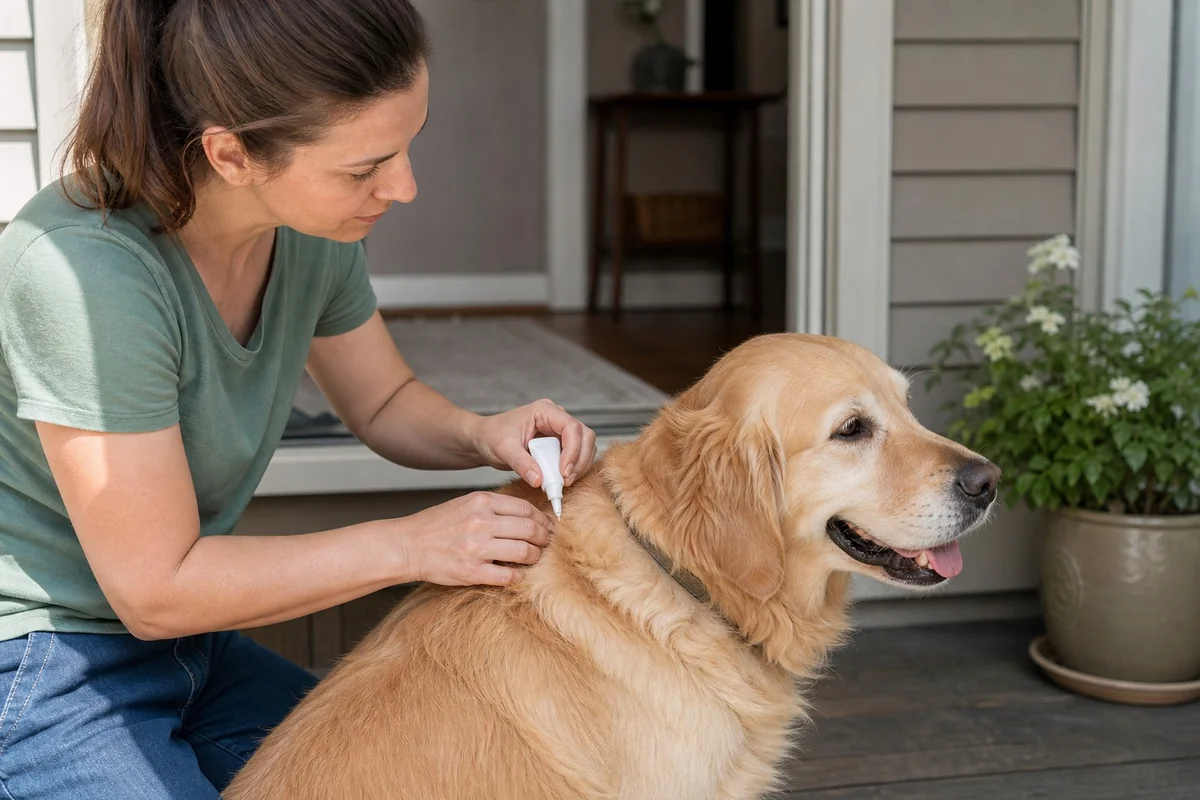

Best Flea Treatment for a Dog With an Infestation: A 3-Part Plan
How to treat a dog with a flea infestation: a fast-kill tablet and bath on day one, a lasting collar or spot-on, a home plan, and when to see a vet.
The best flea treatment for a dog with an infestation is a three-part plan: a fast-kill nitenpyram tablet on day one, a long-lasting collar or monthly spot-on to stop new fleas, and an insect growth regulator spray plus daily vacuuming for the home. A heavy infestation in a puppy, or one that causes pale gums or skin sores, needs a vet.
How to Tell an Infestation From a Few Fleas
A dog with a few fleas scratches now and then and shows a little flea dirt near the tail. An infestation looks different:
- Fleas visible at a glance: moving through the fur on the belly, groin and base of the tail.
- Heavy flea dirt: black specks throughout the coat and bedding that turn reddish on a damp paper towel.
- Constant scratching and chewing: often with hair loss or scabs over the lower back.
- Fleas in the house: bites on people's ankles or fleas jumping on a white sock walked through the carpet.
- Pale gums or tiredness: signs of anemia from blood loss, most dangerous in puppies and small dogs.
Once fleas are breeding in the home, treating only the dog will not end it, because new fleas keep hatching from carpet and bedding for weeks.
Day One: Get the Fleas Off the Dog
- Give a fast-kill tablet: an over-the-counter nitenpyram tablet in the right weight range starts killing adult fleas within about 30 minutes.
- Bathe the dog: a bath with a gentle shampoo or mild dish soap washes out dead fleas and flea dirt; check your spot-on's label before bathing, since some need a gap of a few days.
- Comb through the coat: a fine flea comb dipped in soapy water catches survivors, especially around the neck and tail.
- Start a lasting product: a collar or monthly spot-on labeled for the dog's weight, so newly hatched fleas die before they lay eggs.
- Treat every pet the same day: cats with cat products only, since dog products can poison cats.
Named products for each step, from collars and tablets to home sprays, are compared in our guide to the best pet-safe flea treatment for the home, and our guides to flea treatment with pets go further into cat homes, kittens and over-the-counter options.
Weeks One to Three: Clear the House
University of California IPM's pest note on fleas explains that eggs fall from the pet into bedding and carpet, larvae develop there, and pupae can wait in their cocoons until warmth or vibration wakes them. After treatment, new fleas can keep emerging for up to two weeks.
- Wash the dog's bedding hot: on day one and then weekly, along with blankets and couch throws the dog uses.
- Vacuum daily for two weeks: carpet, furniture, the car and the dog's resting spots, emptying the vacuum outside.
- Spray an insect growth regulator: a home spray with pyriproxyfen or methoprene on carpets, furniture and pet beds, with pets out until it dries.
- Hold off on respraying: UC IPM advises waiting several weeks before treating again, since emerging fleas are expected.
Why Fleas Keep Coming Back
When a dog keeps getting fleas after treatment, one of a few causes is almost always behind it. The table pairs each with the sign that points to it and the fix. The first row is the most common: fleas emerging from cocoons in the home look exactly like a product failure, but they stop once the home plan has run its course.
| Item | Sign | Fix |
|---|---|---|
| New fleas hatching in the home | Fleas return within two weeks | Vacuum daily, IGR home spray, wait several weeks |
| Another pet left untreated | Fleas on the treated dog after contact | Treat every pet the same day |
| Wrong dose or application | Product never seemed to work | Weigh the dog; apply spot-ons to skin, not fur |
| Bathing too close to a spot-on | Works for a few days, then fails | Follow the label's bathing interval |
| Expired or loose collar | Fleas return months in | Replace on schedule; fit two fingers under |
| Wildlife or yard source | Fleas after time outside | Block animals from decks and crawl spaces |
Work down the table before switching products, and give each change at least two weeks before judging it. Most “the treatment stopped working” cases turn out to be the home, another pet or the application rather than the product itself.
Can Indoor Dogs Get Fleas?
Yes. Fleas ride in on people's clothes and shoes, on other pets, from a visit to a groomer or kennel, or from wildlife such as raccoons and feral cats that rest under decks and crawl spaces. An indoor dog with a flea infestation still needs the full plan, and the house is usually the bigger source. Once fleas are breeding indoors, an indoor dog can be reinfested from its own bed every day.
Check where outdoor animals might shelter near the house. UC IPM notes yard treatment is only needed if you find many adult fleas outside, in shaded spots where animals rest.
When to Take the Dog to a Vet
- Pale gums, weakness or fast breathing: possible anemia, especially in puppies and toy breeds.
- Puppies: younger or lighter than any product label allows.
- Skin damage: open sores, heavy scabbing or hair loss that can mean flea allergy or infection.
- Tapeworm segments: small rice-like pieces near the tail, which dogs catch by swallowing fleas.
- No progress after a month: fleas still present after correct treatment of the dog, every pet and the home.
A vet can prescribe longer-lasting oral flea medicines, treat skin infections and tapeworms, and check for anemia. If cost is a concern, many areas have low-cost clinics.
Common Questions About Dog Flea Infestations
What is the quickest way to get rid of a flea infestation on a dog?
What is the quickest way to get rid of a flea infestation on a dog?
Combine a fast-kill nitenpyram tablet, a bath and combing on the first day with a lasting collar or spot-on, then treat the home with an IGR spray and daily vacuuming. Fleas on the dog drop within hours, but the home takes two to three weeks to clear.
Is flea dirt on my dog a sign of an infestation?
Is flea dirt on my dog a sign of an infestation?
Flea dirt means fleas are feeding, even if you cannot see them. A few specks may mean a light problem, but flea dirt throughout the coat and bedding points to fleas breeding in the home.
Can fleas make my dog sick?
Can fleas make my dog sick?
Yes. Heavy infestations can cause anemia, especially in puppies, some dogs develop flea allergy dermatitis, and fleas carry tapeworms that dogs swallow while grooming. See a vet for pale gums, weakness, skin sores or tapeworm segments.
Should I shave my dog to get rid of fleas?
Should I shave my dog to get rid of fleas?
Shaving is rarely needed and does not remove fleas from the home. A bath, a flea comb and a lasting flea product do more; ask a groomer or vet only if the coat is badly matted.
Key Takeaways
A dog with a flea infestation needs a fast-kill tablet and a bath on day one, a long-lasting collar or spot-on to stop new fleas, and a home plan of hot washing, daily vacuuming and an IGR spray for at least two weeks. Treat every pet in the house with a product made for its species and weight.
When fleas keep coming back, check the home, other pets and how products are applied before switching. See a vet for puppies, pale gums, skin sores, tapeworms or no progress after a month.
Today, give the fast-kill tablet, bathe and comb the dog, and strip and wash its bedding.
Related Articles
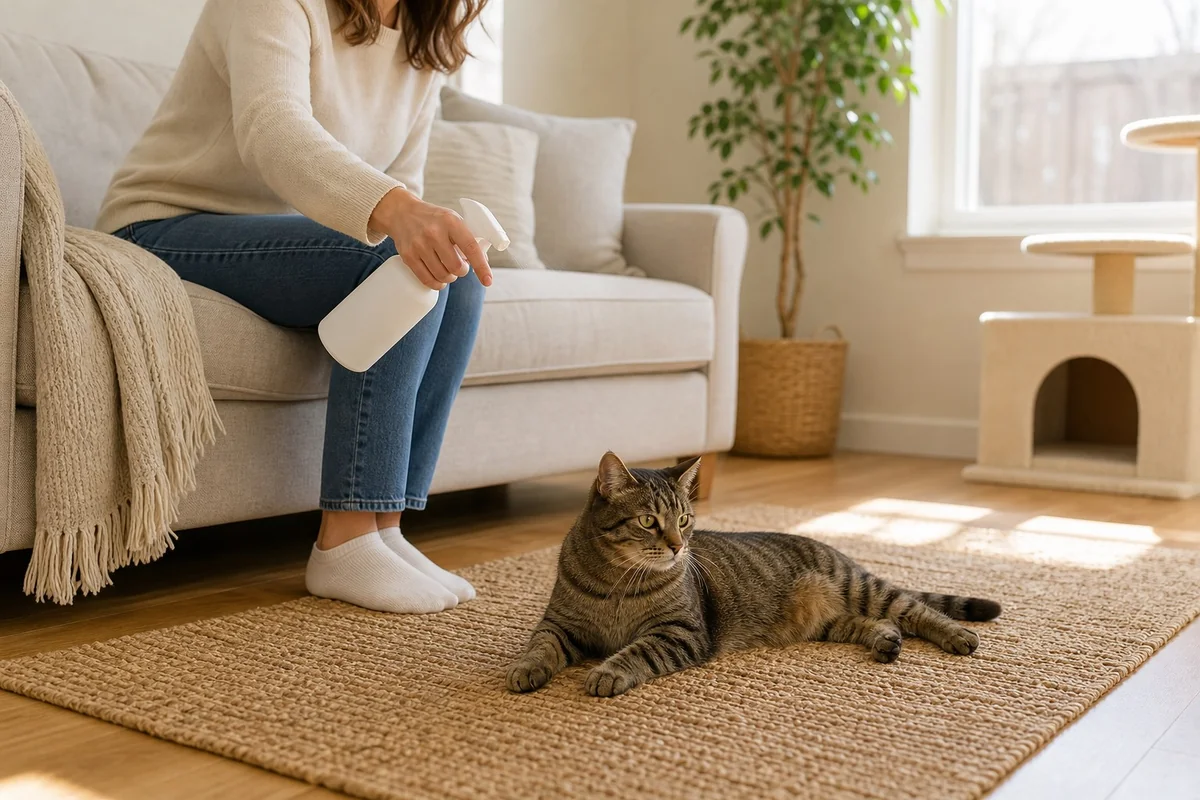
Best Flea Treatment for a Home With Cats: Cat-Safe Plan and Picks
Best flea treatment for a home with cats: Advecta Plus spot-on, PetArmor and Advantage home sprays, Capstar for fast relief and Rx for Fleas, without essential oils.
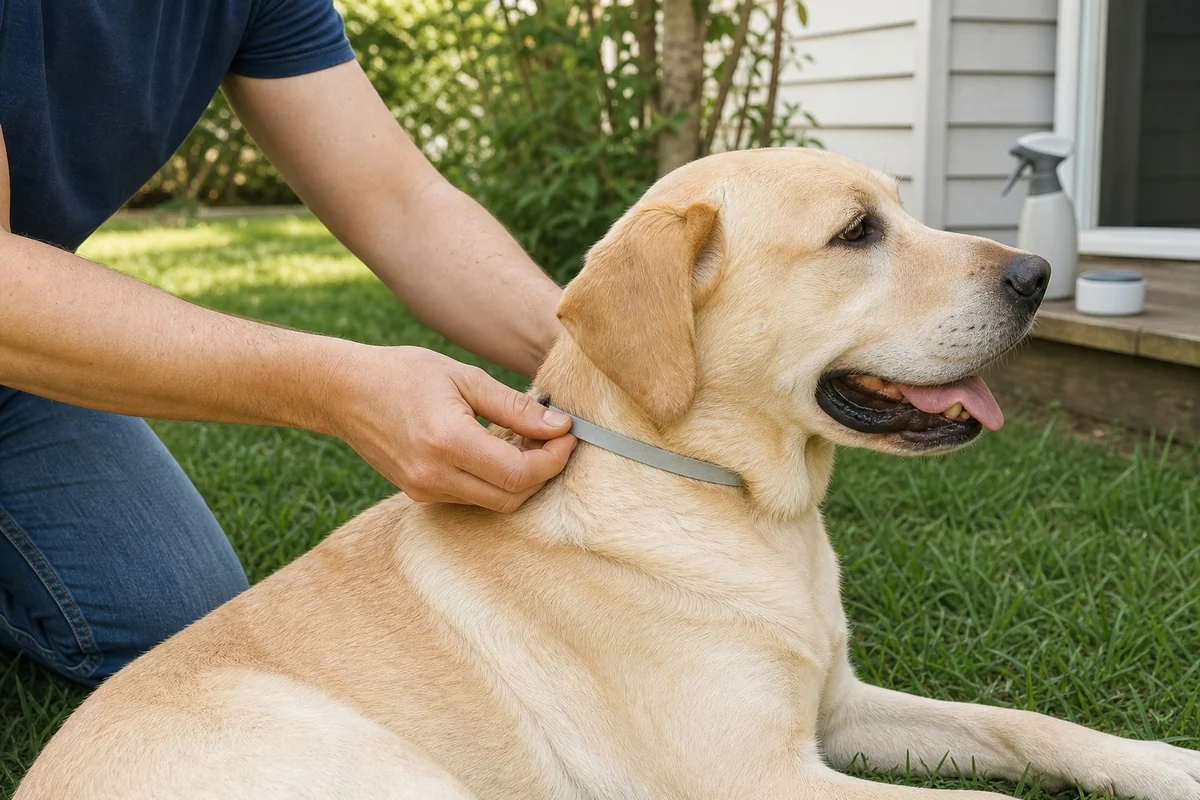
Best Flea Treatment for a Home With Dogs: Collars, Tablets, Spray
Best flea treatment for a home with dogs: Seresto and PetArmor Extend collars, Capstar for fast relief, Precor and PetArmor home sprays, and plant-based Vet's Best.
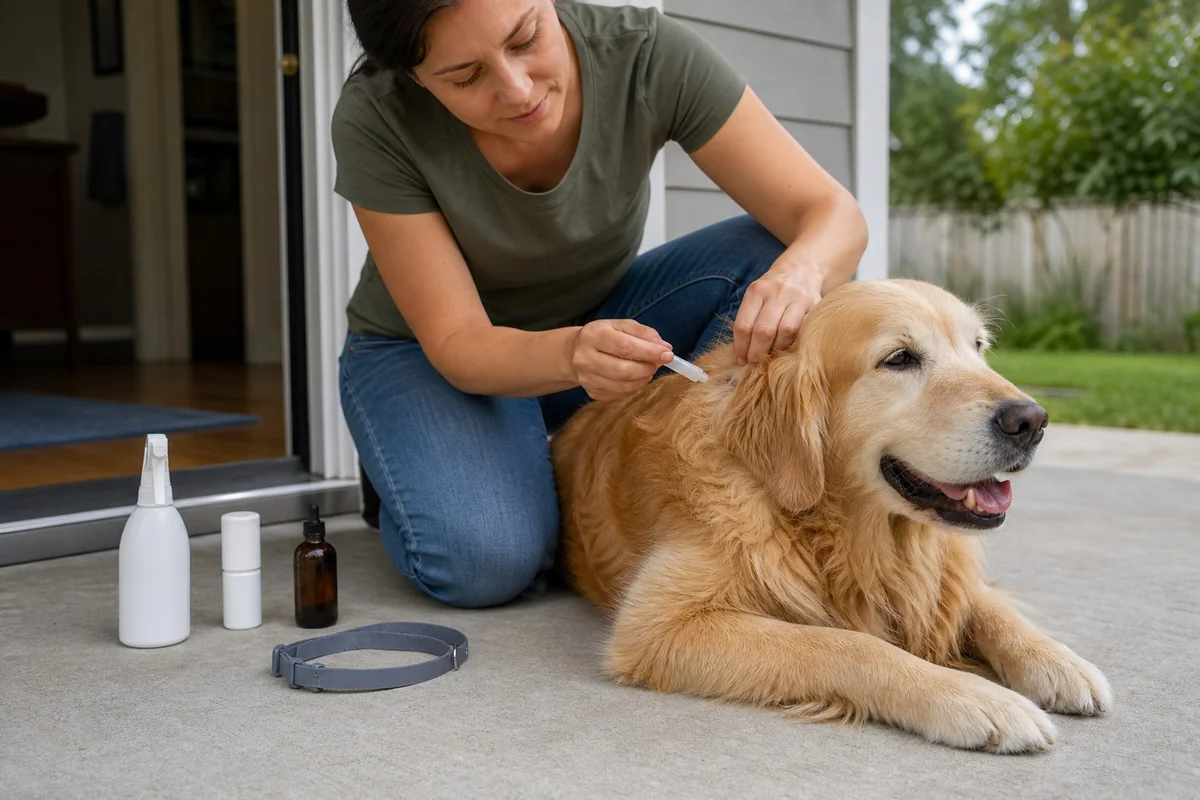
Best Pet-Safe Home Flea Treatment: Collars, Spot-Ons, Sprays
The best flea treatment for home and pets: Seresto collar for dogs, Advecta Plus for cats, Capstar for fast relief, PetArmor home spray, a flea comb and Vet's Best.
Best Flea Treatment for Dogs at Home Without a Vet: OTC Options
How to treat dog fleas at home without a vet: over-the-counter spot-ons, collars and nitenpyram tablets, safe dosing, and when a vet is still needed.