Best Flea Treatment for Dogs at Home Without a Vet: OTC Options
How to treat dog fleas at home without a vet: over-the-counter spot-ons, collars and nitenpyram tablets, safe dosing, and when a vet is still needed.
The best flea treatment for dogs at home without a vet is an over-the-counter product labeled for your dog's weight: a monthly spot-on with an insect growth regulator, a long-lasting flea collar or a nitenpyram tablet for fast relief. A dish soap bath and a flea comb help on the day, but they do not prevent new fleas. Some dogs still need a vet.
What You Can Buy Without a Prescription
Many effective flea products for dogs are sold over the counter in the United States, so a vet visit is not always needed to start treatment. The main types:
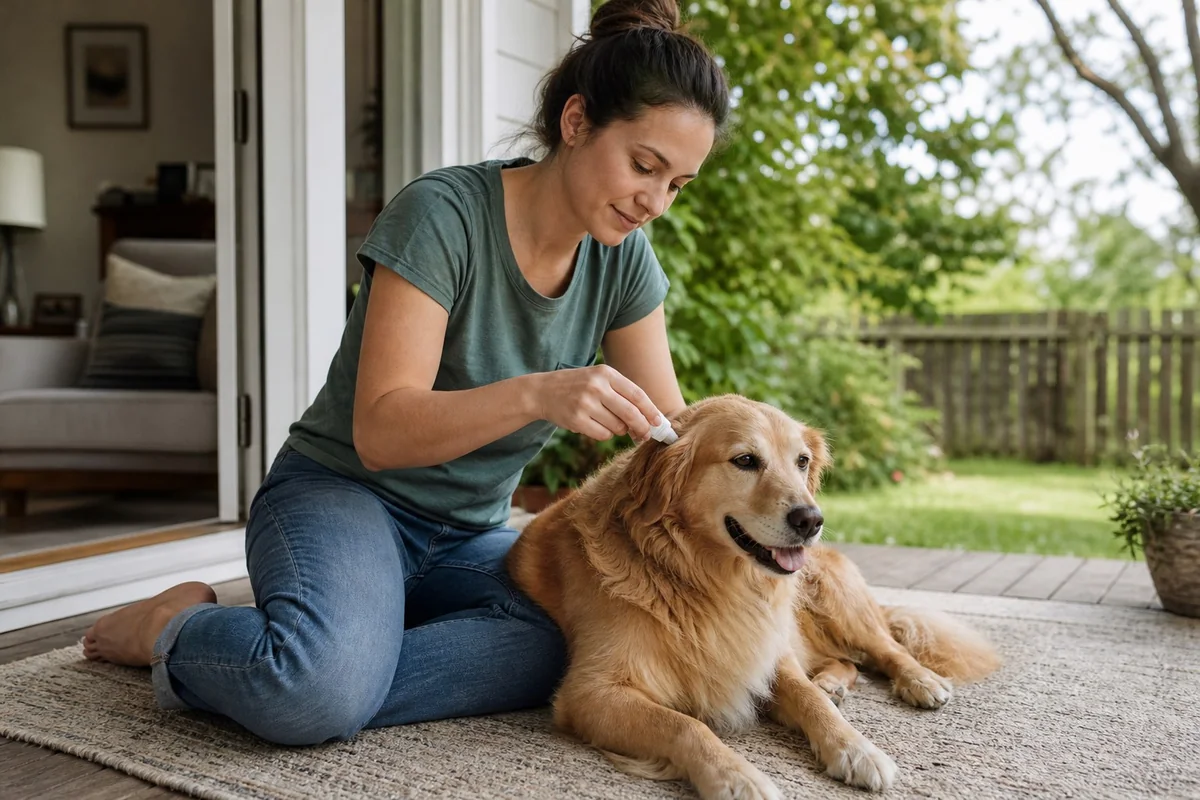
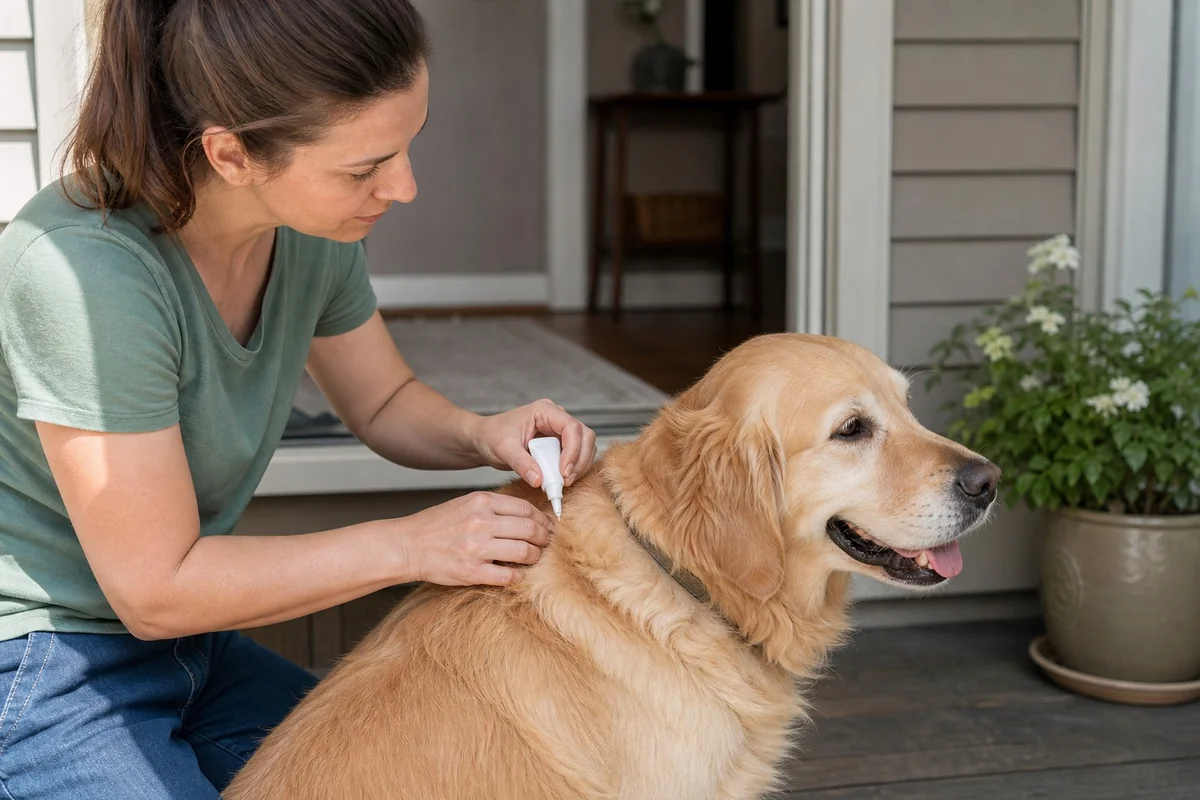
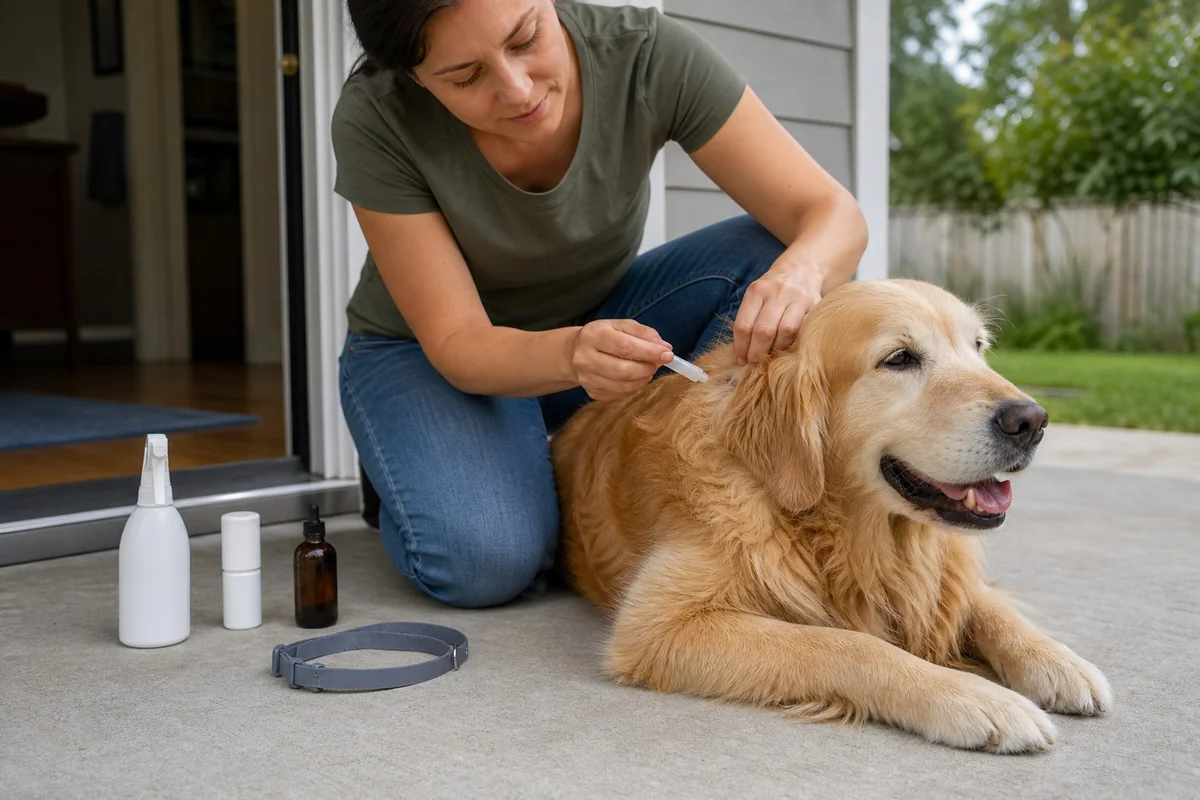
- Monthly spot-ons: liquids applied to the skin between the shoulder blades. Many pair an adulticide such as fipronil or imidacloprid with an insect growth regulator such as (S)-methoprene or pyriproxyfen, which stops flea eggs from developing.
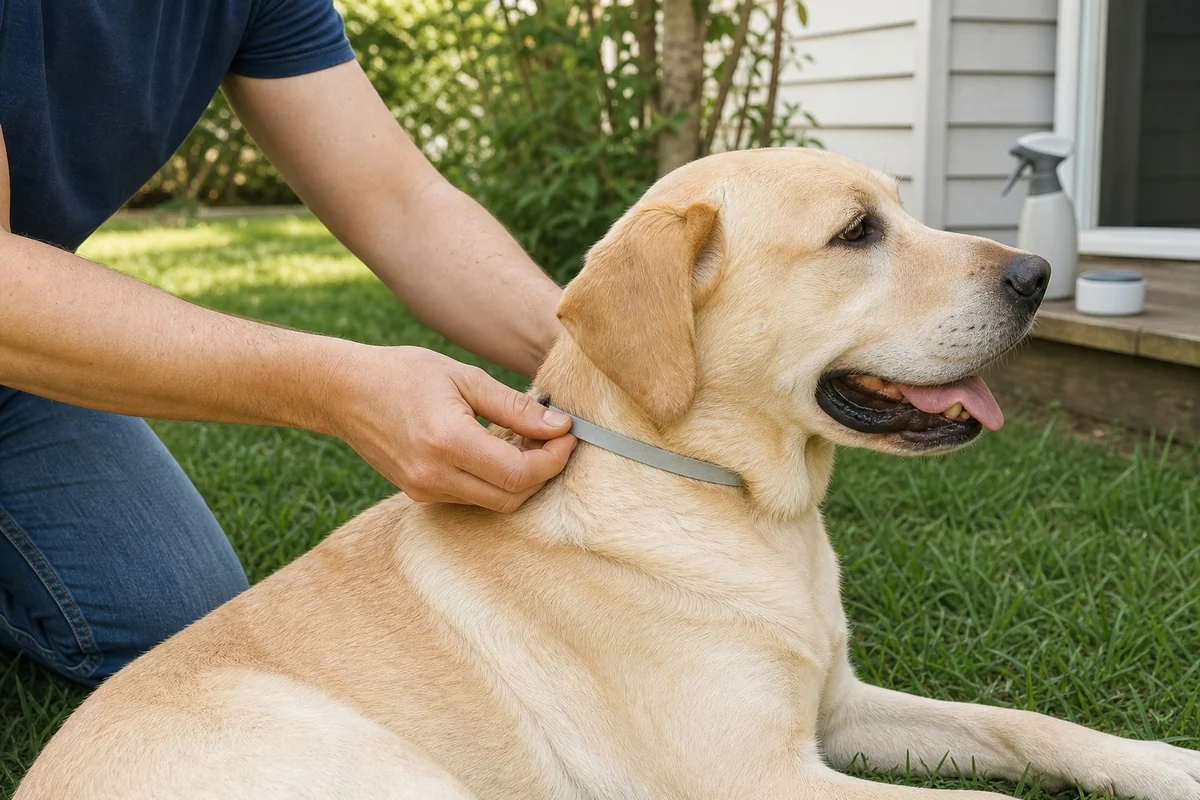
- Flea collars: long-lasting collars release their active ingredients over several months; check the duration and weight range on the package.
- Oral fast-kill tablets: nitenpyram tablets start killing adult fleas within about 30 minutes and are gone from the body within a day or two, so they give relief, not protection.
- Flea shampoos and sprays: kill fleas on contact during a bath or spot treatment, with little or no lasting effect.
Several of the longest-lasting oral flea medicines for dogs, such as the monthly or quarterly chewables, need a prescription. Over-the-counter options can still control fleas well when they are matched to the dog and used with home treatment.
Dog Flea Treatments Compared
The table compares the main home options by how fast they work, how long they last and where they fit. Speed matters on the day you find fleas; how long a product lasts decides whether they come back. The best results come from combining a fast option with a lasting one, rather than relying on any single row.
| Method | Speed | Lasts | Use For |
|---|---|---|---|
| Monthly spot-on with IGR | Within a day | About a month | Ongoing control on most dogs |
| Long-lasting flea collar | About a day | Months, per labels | Dogs hard to dose monthly |
| Nitenpyram tablet | About 30 minutes | A day or two | Relief during an outbreak |
| Flea shampoo or dish soap bath | During the bath | No lasting effect | Immediate relief |
| Flea comb | Each pass | No lasting effect | Checking and removing fleas |
| Vinegar, garlic, essential oils | Not reliable | None | Not recommended |
For most dogs, the best do-it-yourself plan pairs a monthly spot-on or a collar with a home treatment and a flea comb, and adds a fast-kill tablet only when the dog is covered in fleas today. Price per month varies widely, so compare the cost per dose rather than per box.
How to Use Over-the-Counter Flea Products Safely
The National Pesticide Information Center's guidance on using pesticides on pets covers the rules that matter most when no vet is involved:
- Weigh the dog first: doses depend on weight, and NPIC suggests weighing yourself with and without the dog.
- Match the product to the dog: use only a product labeled for dogs in that weight range and at least the minimum age on the label.
- Never overdose: NPIC stresses that more is not better and overtreatment can cause illness or death.
- Use one product at a time: do not combine on-animal products, including a flea shampoo before a spot-on, unless both labels allow it.
- Keep cats away: dog products should never be used on cats, and cats should not lie against or groom a dog freshly treated with a dog-only product.
Watch the dog for a day after the first treatment. Drooling, vomiting, trembling, skin redness or unusual behavior call for washing the product off with mild soap and water if the label advises it, then calling a vet or an animal poison control line.
Home Remedies: What Helps and What Hurts
- Dish soap bath: a bath with mild dish soap kills fleas it soaks and is fine for immediate relief, but fleas return within days without another product.
- Flea comb: a fine-toothed comb dipped in soapy water removes fleas and flea dirt and shows whether treatment is working.
- Vinegar and baking soda: no good evidence that either kills fleas or keeps them off a dog.
- Essential oils: concentrated oils such as tea tree can irritate or poison dogs and are toxic to cats in the same home; do not apply them to the dog.
- Garlic and brewer's yeast: garlic is toxic to dogs, and UC IPM notes brewer's yeast and vitamin B1 do not stop fleas from feeding.
Home remedies are best treated as add-ons. The comb and the bath are useful; everything else either does little or risks harm.
Treat the Home at the Same Time
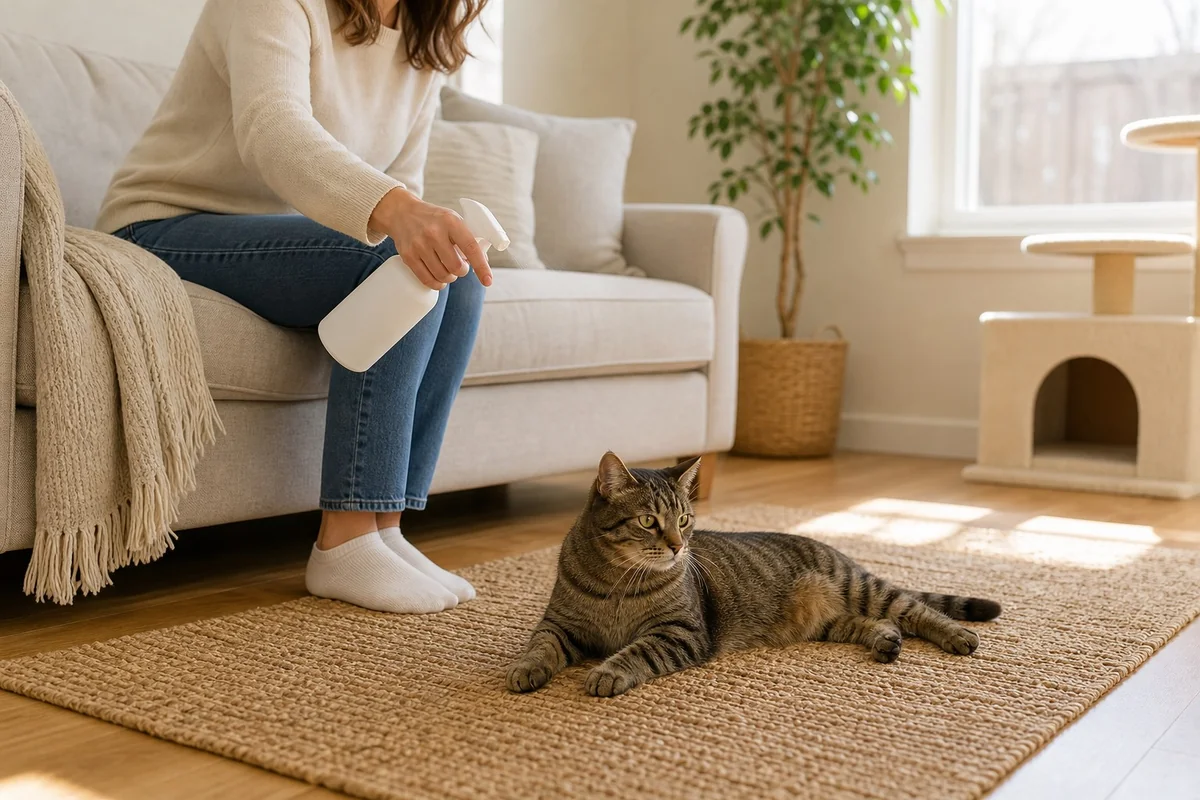
Most of a flea problem is not on the dog: eggs fall into bedding and carpet, where larvae and pupae develop. Wash the dog's bedding in hot water weekly, vacuum carpets and furniture daily for two weeks, and treat the rooms the dog uses with a home spray that contains an insect growth regulator, keeping the dog out until it dries. Without this step, new fleas keep hatching in the house for weeks and jumping back onto a treated dog.
Our guide to the best pet-safe flea treatment for the home compares collars, spot-ons and home sprays, and the flea treatment with pets guides cover homes with cats and puppies.
When a Dog Needs a Vet Anyway
- Puppies: younger or lighter than any label allows.
- Pregnant or nursing dogs: and dogs that are old, sick or on other medication.
- Skin problems: open sores, hair loss, scabs or constant chewing, which can mean flea allergy dermatitis or infection.
- Pale gums or weakness: heavy infestations can cause anemia, especially in small puppies.
- Rice-like segments near the tail: a sign of tapeworms, which dogs catch by swallowing infected fleas.
- No improvement: fleas still present after a full month of correct treatment.
Low-cost clinics and animal shelters in many areas offer basic vet care and can prescribe the longer-lasting oral medicines if over-the-counter products are not enough.
Common Questions About Treating Dog Fleas at Home
Can I give my dog a flea tablet without a prescription?
Can I give my dog a flea tablet without a prescription?
Yes, some are sold over the counter, such as nitenpyram tablets for fast relief. Buy the version for your dog's weight range and age, and give only the labeled dose. The longest-lasting monthly or quarterly chewables need a vet's prescription.
What is the best homemade flea treatment for dogs?
What is the best homemade flea treatment for dogs?
The most useful homemade steps are a mild dish soap bath, daily combing with a fine flea comb dipped in soapy water, and hot washing of bedding. Skip garlic, which is toxic to dogs, and essential oils applied to the skin.
Are generic flea treatments as good as brand names?
Are generic flea treatments as good as brand names?
Generic spot-ons that list the same active ingredients at the same strength as a brand-name product work the same way. Check that the label matches your dog's weight and that the product is EPA-registered, and look at buyer reports on how long each dose lasts.
How often can I bathe my dog for fleas?
How often can I bathe my dog for fleas?
A bath helps during an outbreak, but frequent bathing can dry the skin and, with some spot-ons, wash the product off. Check your spot-on's label for how long to wait before and after bathing.
Key Takeaways
You can treat most dog fleas at home without a vet by using an over-the-counter spot-on or collar matched to your dog's weight, a nitenpyram tablet for fast relief when needed, a flea comb and a home treatment for bedding and carpet. Follow the label exactly, use one on-animal product at a time and never use dog products on cats.
Skip garlic, essential oils on the dog and kitchen-cupboard sprays. See a vet for puppies, pregnant or sick dogs, skin problems, weakness or fleas that persist after a month.
Today, weigh your dog, since that decides which product size to buy.
Related Articles
Best Flea Treatment for a Home With Dogs: Collars, Tablets, Spray
Best flea treatment for a home with dogs: Seresto and PetArmor Extend collars, Capstar for fast relief, Precor and PetArmor home sprays, and plant-based Vet's Best.
Best Flea Treatment for a Dog With an Infestation: A 3-Part Plan
How to treat a dog with a flea infestation: a fast-kill tablet and bath on day one, a lasting collar or spot-on, a home plan, and when to see a vet.
Best Pet-Safe Home Flea Treatment: Collars, Spot-Ons, Sprays
The best flea treatment for home and pets: Seresto collar for dogs, Advecta Plus for cats, Capstar for fast relief, PetArmor home spray, a flea comb and Vet's Best.
Best Flea Treatment for a Home With Cats: Cat-Safe Plan and Picks
Best flea treatment for a home with cats: Advecta Plus spot-on, PetArmor and Advantage home sprays, Capstar for fast relief and Rx for Fleas, without essential oils.