
How to Get Rid of Ants in the Yard Without Overspraying
The best way to get rid of ants in the yard: bait colonies near the house, fix leaks, pull mulch back, protect plants from honeydew ants, and skip perimeter sprays.
The best way to get rid of ants in the yard is to bait the colonies that bother you, not the whole lawn: place slow-acting bait stations near nest openings and along trails to the house, keep mulch and plants back from the foundation, fix leaks, and control the aphids ants farm on shrubs. Leave harmless colonies in open lawn alone.
Why You Have So Many Ants Outside
Ants thrive wherever there is soil to nest in, water and food, and a typical yard offers all three. Mounds appear along sidewalks, in dry patches of lawn, under paving stones and against the foundation, where the soil stays warm. Sweet honeydew from aphids, scale insects and mealybugs on shrubs and trees is a major outdoor food source, so ants often swarm plants that have those pests.
UC IPM's ant pest notes call it unrealistic and impractical to eliminate ants from an outdoor area. Ants also feed on fleas, caterpillars and termites and aerate soil, so the goal is to keep them off the house and valuable plants, not to wipe them out.
Colonies next to the house matter most, because they are the ones that send trails inside. For the indoor side of the problem, see our guide on how to get rid of ants.
How to Get Rid of Ants in the Yard Step by Step
- Map the problem colonies. Note mounds along the foundation, patio and paths, and any trails heading to doors, windows or plants.
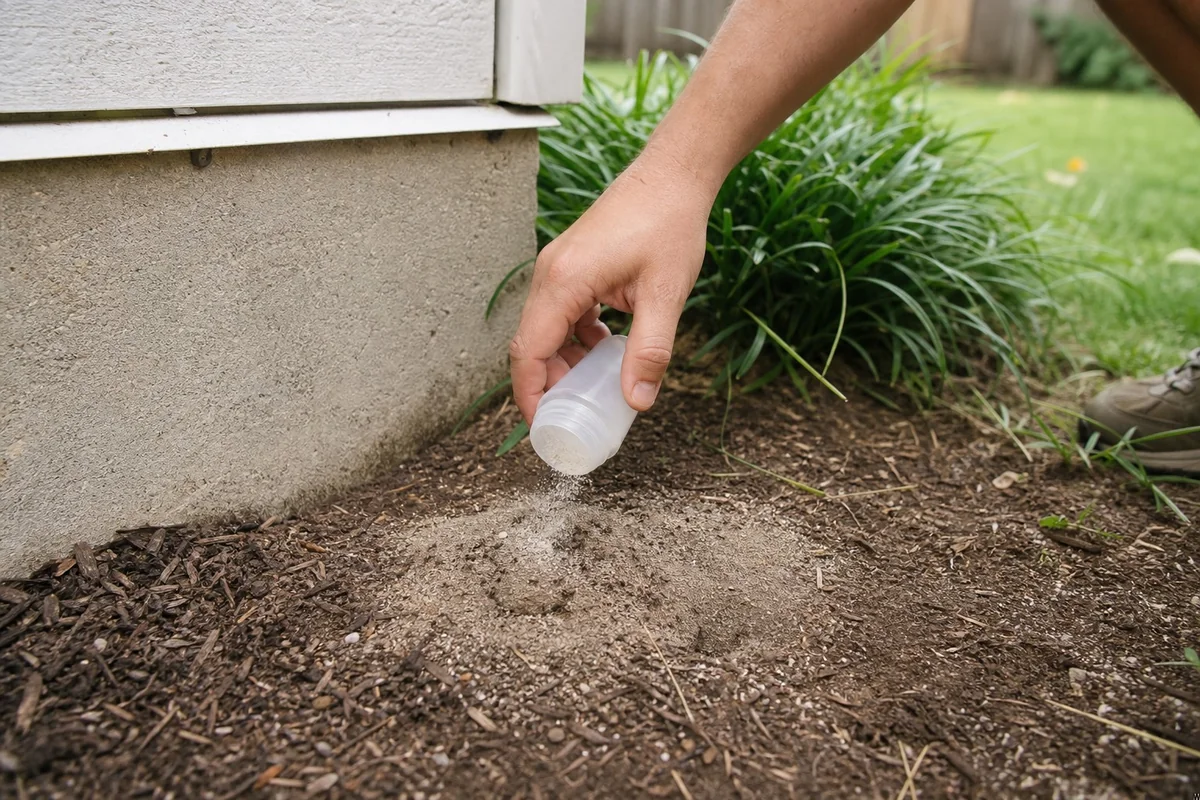
- Bait near the nests. Put bait stations beside nest openings and on trails, which UC IPM recommends over sprays; space them every 10 to 20 feet along the foundation.
- Match the bait. Many yard ants take sweet baits; pavement ants and some others also feed on protein and grease, so offer both if one is ignored.
- Leave the baits alone. Do not dig up mounds or spray around stations while ants are feeding; expect fewer ants in about 5 to 10 days.
- Remove food. Pick up fallen fruit, clean grill drip trays and pet bowls, and keep garbage cans closed.
- Fix water sources. Repair leaky faucets, hoses and sprinkler heads, which UC IPM notes attract thirsty ants.
- Pull back mulch. Keep mulch, plants and grass several inches away from the foundation, so ants do not nest against the walls.
Protect Trees, Shrubs and Potted Plants
Ants climbing a tree or shrub are usually tending aphids or scale for their honeydew, and they protect those pests from natural enemies. UC IPM suggests banding trunks with a sticky barrier such as Tanglefoot, applied over a protective wrap on young trees, and trimming branches so ants cannot bypass the band. Control the aphids or scale too, or ants will keep coming back.
How to keep ants out of potted plants? UC IPM advises soaking infested pots for 20 minutes or more in a solution of 1 to 2 tablespoons of insecticidal soap per quart of water, just covering the soil surface. Set pots on stands or feet so they do not sit directly on soil where ants nest.
Sprays, Boiling Water and Home Remedies
Perimeter sprays around the foundation are the most common outdoor treatment and among the least useful. UC IPM warns that ants rebuild quickly after perimeter treatments, and advises avoiding pyrethroid insecticides such as bifenthrin and cypermethrin outdoors because they pollute waterways. Can you spray for ants inside instead? UC IPM says indoor sprays are not usually necessary either.
Boiling water poured on a mound kills the ants it reaches but usually not the queens deeper down, and it scalds grass and plant roots. Dish soap in water kills ants it soaks, which is useful on a trail; baking soda, vinegar and carbonated water have no reliable evidence of killing colonies. For natural and homemade options, the getting rid of ants section links each method.
Ants in the Lawn and Garden
Small mounds in a lawn are mostly cosmetic. Rake them flat before mowing, water dry patches where ants prefer to nest, and leave the colony unless it is sending trails toward the house or you have stinging ants. Pavement ants often build mounds in sidewalk and driveway cracks; bait those cracks rather than flooding them.
In vegetable and flower beds, use bait stations rather than spreading granules among plants, and check that any product's label allows use near edible crops. Plants said to repel ants, such as mint, have no reliable record of keeping them away. Healthy plants with few aphids attract far fewer ants than any border planting repels.
How to Keep Ants Away From the House
The yard work that matters most is the strip next to the walls. Keep it bare or lightly graveled for a few inches, trim branches and shrubs so they do not touch the house, store firewood away from the walls and off the ground, and caulk cracks around the foundation, windows and where pipes enter.
Keep a few bait stations along the foundation through ant season, refilling them as needed. Ask any pest company you hire for baits and spot treatments rather than monthly perimeter sprays, as UC IPM advises. Those few steps along the walls stop most indoor invasions before they start.
Common Questions About Ants in the Yard
What is the best product to get rid of ants outside?
What is the best product to get rid of ants outside?
A slow-acting ant bait in stations or stakes placed near nests and along trails. Workers carry it back to the colony, which sprays never reach. Choose sweet or protein bait to match what the ants are eating, and keep stations where pets cannot reach them.
How do I get rid of ants in the yard safely around pets?
How do I get rid of ants in the yard safely around pets?
Use enclosed bait stations instead of loose granules, place them where pets do not roam or behind a barrier, and read the label for pet precautions. Keep pets off treated areas, and use soapy water or vacuuming for trails near the house.
Can baking soda and water kill ants?
Can baking soda and water kill ants?
There is no reliable evidence that baking soda kills ant colonies. Soapy water kills ants it soaks, but neither reaches the queen. For a colony near the house, use a commercial bait.
Should I destroy ant hills in the lawn?
Should I destroy ant hills in the lawn?
Usually not. Raking a mound flat before mowing is enough for most lawns, and the colony helps by eating other pests. Act when mounds are against the house, in play areas, or belong to stinging fire ants.
Key Takeaways
You do not need an ant-free yard, just ants that stay away from the house and your plants. Bait the colonies near the foundation and along trails, give the bait a week or two, and fix the conditions that draw ants: leaks, fallen fruit, mulch against the walls and aphids on shrubs.
Skip perimeter pyrethroid sprays, which pollute waterways and only knock ants back briefly, and treat fire ants with extra care. Bait in late winter or early spring next year to get ahead of the season.
This week, walk the foundation, mark the mounds closest to the house and set bait stations beside them.
Related Articles
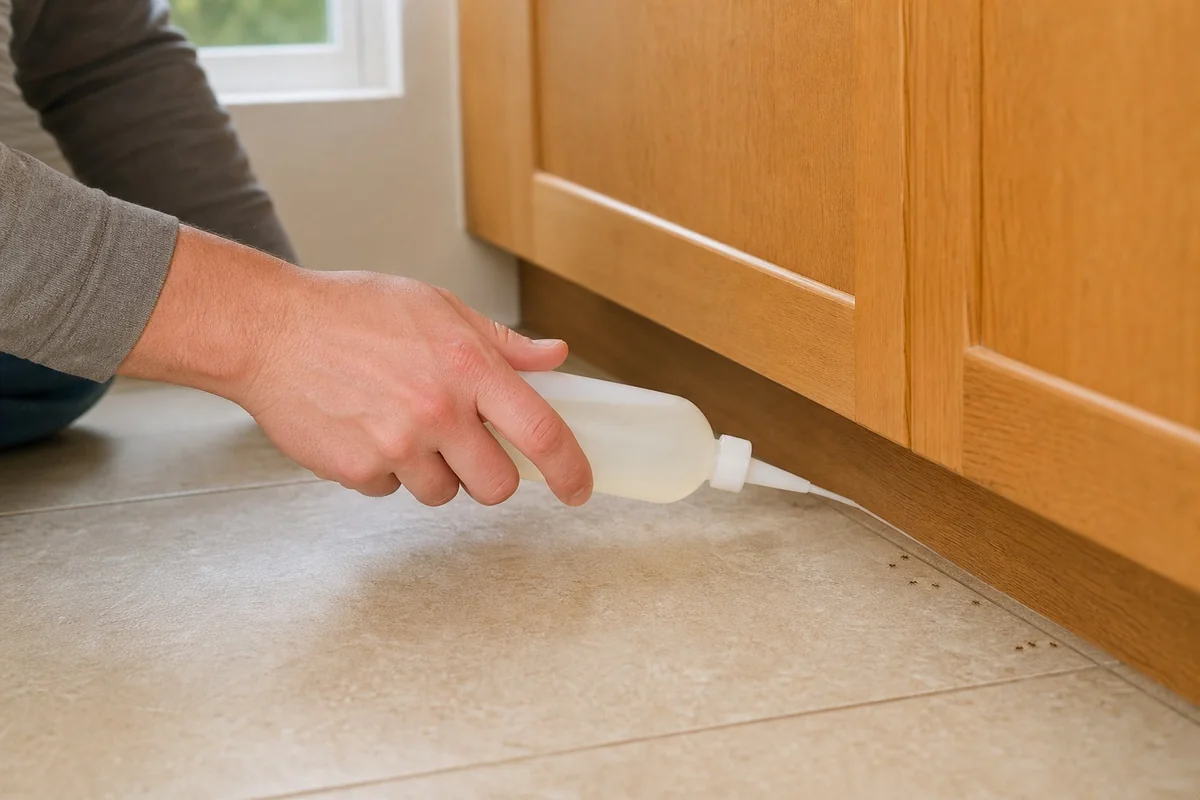
How to Get Rid of Ants in the House, Room by Room
The best way to get rid of ants in the house: follow each trail, seal the entry, store food, bait what you cannot seal, and check walls, windows and potted plants.
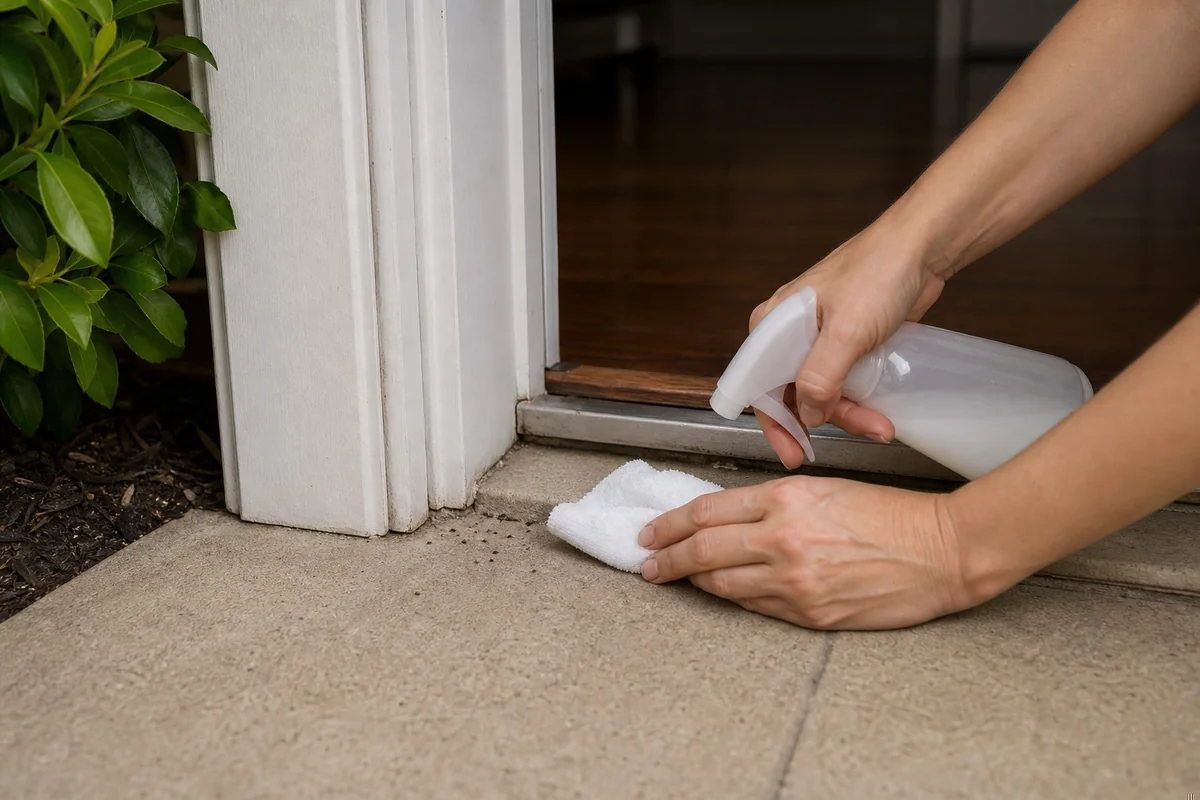
How to Get Rid of Ants Overnight: An Evening Routine
How to get rid of ants overnight: an evening routine that clears the visible trail with soapy water and starts a bait on the colony, plus ants in beds and kitchens.
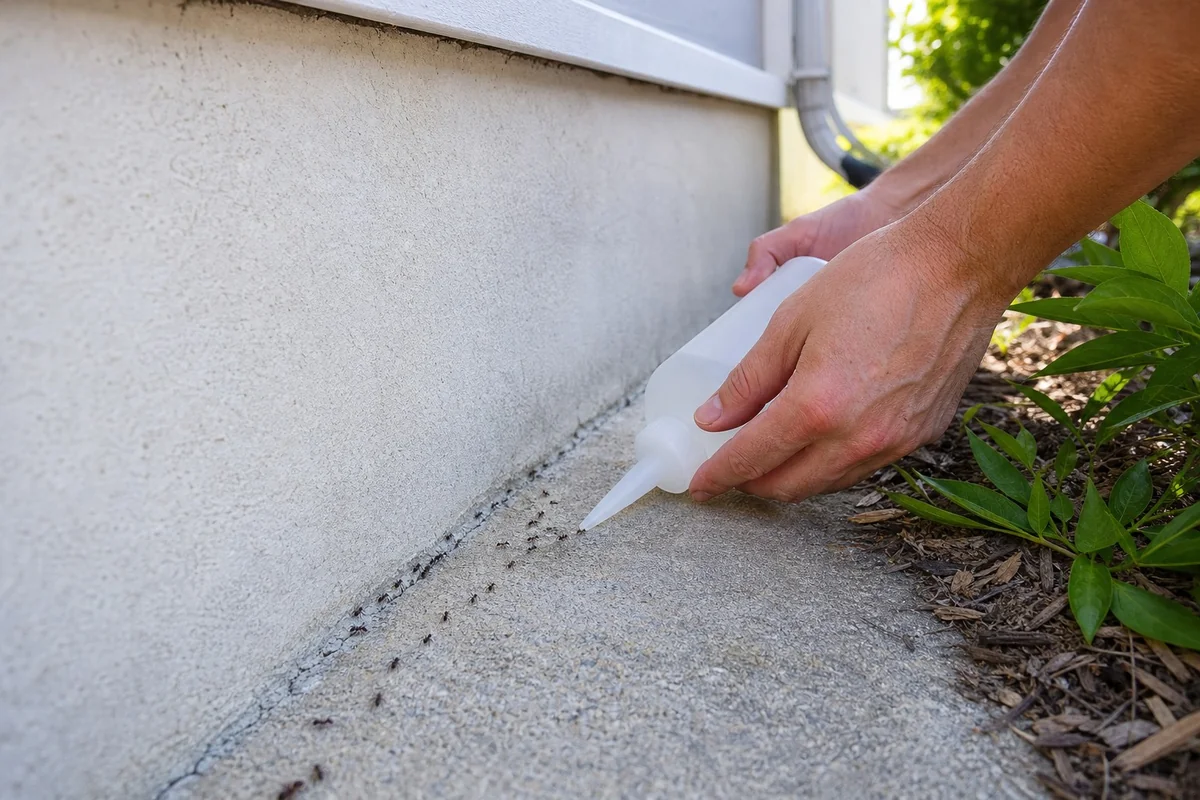
How to Get Rid of Ants: A Plan That Reaches the Colony
How to get rid of ants for good: wipe the trail, seal entry points, remove food and use slow-acting baits that reach the colony; what works in the kitchen and yard.
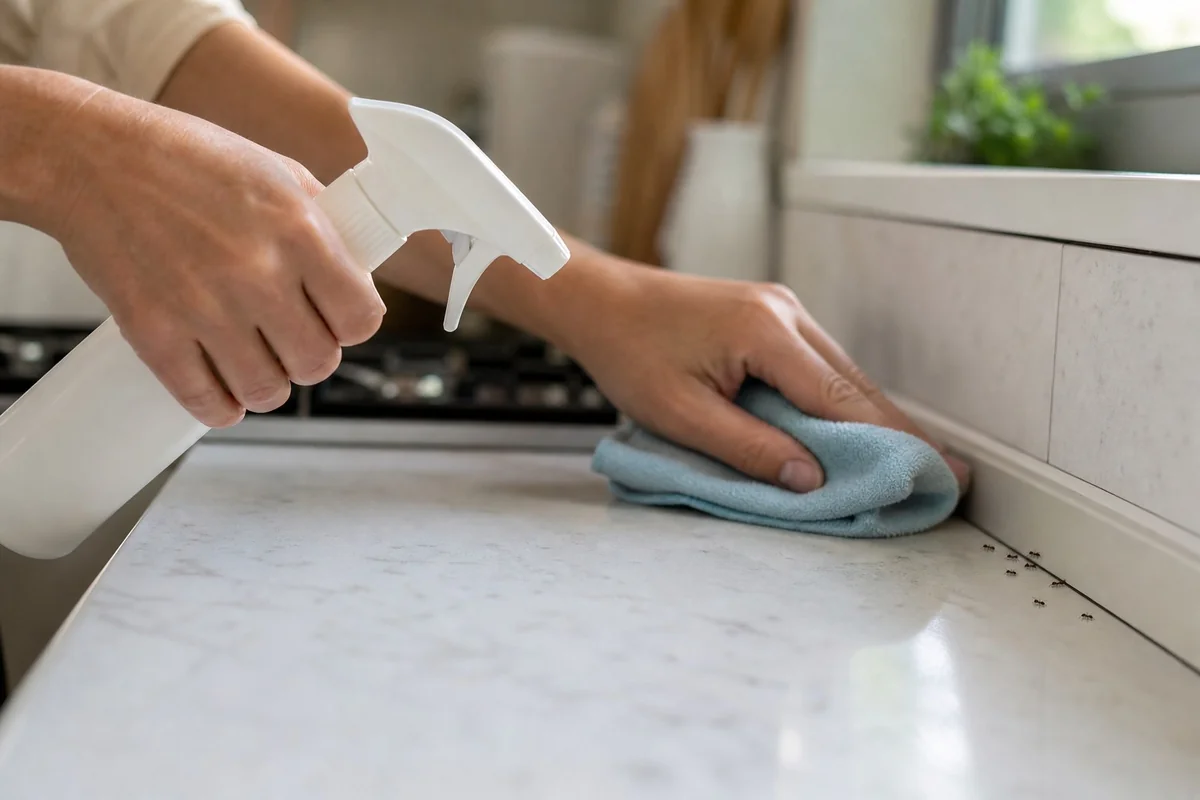
How to Get Rid of Ants in the Kitchen and Keep Them Out
The best way to get rid of ants in the kitchen: wipe and trace the trail, seal the entry, store sweets and pet food, bait near the entry and clean behind appliances.