
How to Get Rid of Roaches in the House, Room by Room
The best way to get rid of roaches in a house: spot the signs, then treat the kitchen, bathrooms, bedrooms and basement with bait, thin boric acid and sealing.
The best way to get rid of roaches in a house is to treat it room by room, starting where roaches find food, water and warmth: the kitchen first, then bathrooms, then the basement, garage and laundry. In each room, clean, put bait and a thin boric acid film where roaches hide, and seal the gaps they travel through.
How to Tell You Have Roaches in the House
Roaches are night creatures, so the first sign is often not a roach at all. University of Kentucky entomologists writing on cockroach elimination in homes and apartments note that cockroaches are more active at night and hide by day in warm, dark, moist spots such as cracks under sinks and toilets and behind refrigerators, dishwashers and stoves.
- Droppings: specks like ground pepper or coffee grounds along cabinet edges and hinges.
- Smears: dark streaks where walls meet floors in damp areas.
- Egg cases: small brown capsules stuck in cracks or under furniture.
- Shed skins: pale, papery outlines of young roaches.
- A musty odor: noticeable in cabinets when a population is large.
- Roaches in daylight: a sign that hiding spots are crowded.
The rooms where you find these signs are the rooms that need treatment, and the heaviest droppings mark the exact cracks to bait.
What Draws Roaches Into Each Room
German cockroaches, the most common indoor species, need warmth, moisture and food close together, which is why kitchens and bathrooms carry most infestations. Larger roaches such as American and Oriental cockroaches favor cool, damp basements, drains and garages, and often come in from outside or from sewer lines.
Food sources are broader than most people think: crumbs, grease on the stovetop, pet food, unrinsed recyclables, cardboard glue and dirty dishes left overnight. Water comes from leaky pipes, condensation, pet water bowls and wet sponges. Clutter such as stacked paper bags and boxes gives them shelter close to both.
Our main guide on how to get rid of roaches covers species, baits and boric acid in detail, and the getting rid of roaches section links the guides for fast, overnight, apartment and car treatment.
Room-by-Room Roach Treatment
| Method | Why Roaches Choose It | Treat With | Fix |
|---|---|---|---|
| Kitchen | Food, grease, warmth, water | Gel in hinges and cracks, stations, boric acid behind appliances | Sealed food, dry sink, clean appliances |
| Bathrooms | Water and warm pipes | Bait under the vanity and behind the toilet | Repair drips, seal pipe gaps |
| Bedrooms and living areas | Snacks, clutter, electronics | Traps first, bait where they live | No food outside the kitchen, less clutter |
| Basement, garage and laundry | Cool, damp, close to entry points | Traps near doors and drains, bait in damp corners | Dehumidify, seal utility gaps, door sweeps |
Kitchen
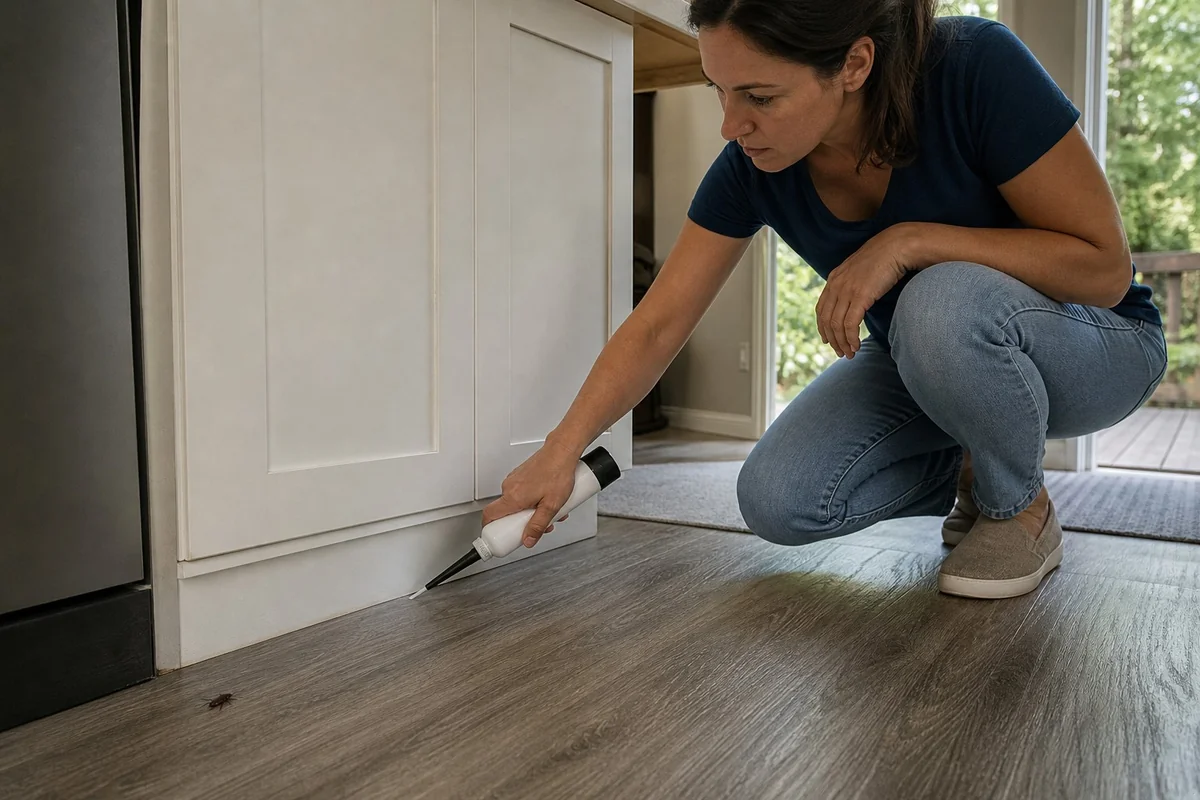
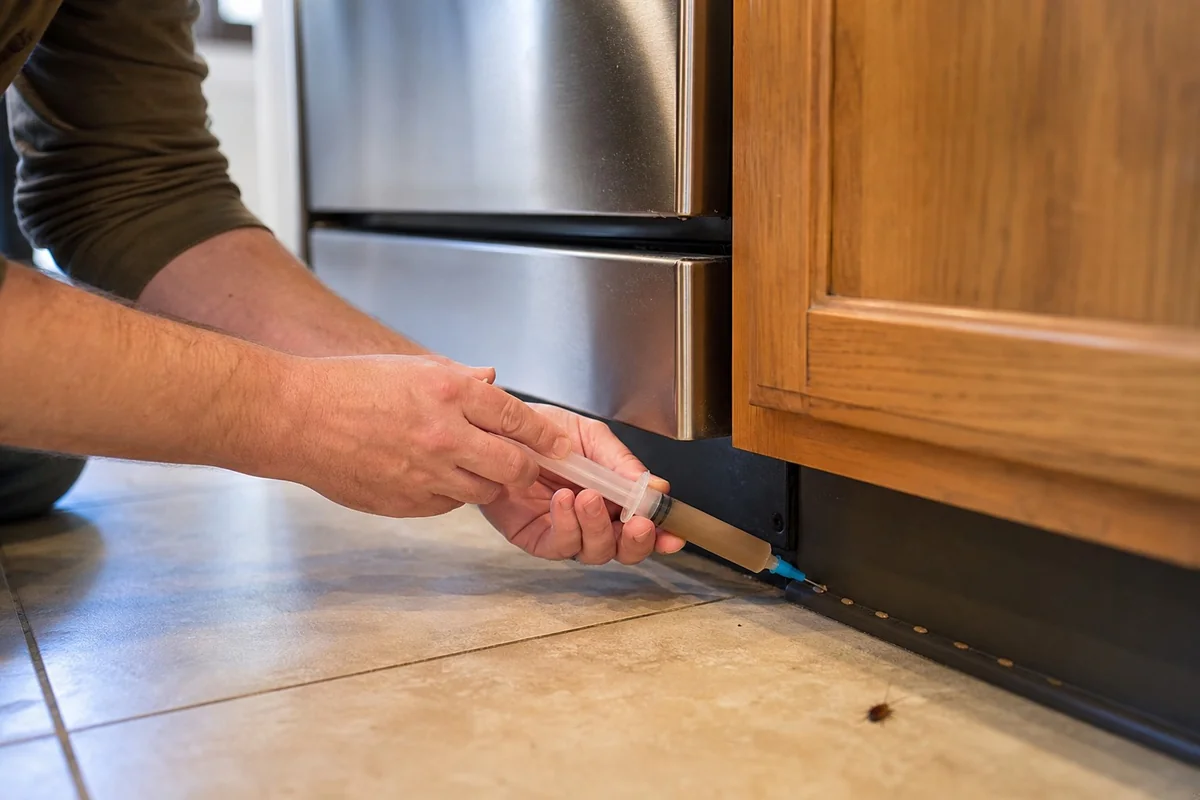
Start here, because most German cockroach infestations are centered in the kitchen. Pull the fridge and stove out, vacuum and degrease behind and under them, and check small appliances such as the toaster and coffee maker. Put many small dabs of gel bait in cabinet hinges, along the back corners of shelves and in cracks near the sink, and set stations flush against cabinet edges.
The Kentucky guidance recommends a fine, barely visible deposit of boric acid in cabinet crevices and at the wall-floor joint behind appliances, never on countertops. Keep dishes washed, food sealed and the sink dry overnight.
Bathrooms
Bathrooms supply the water roaches need. Fix dripping faucets and running toilets, and dry the tub and sink at night. Place bait under the vanity around pipe openings and behind the toilet, and seal gaps where pipes come through the wall.
Keep cardboard toilet paper cores and stacks of towels off the floor of damp cabinets, since roaches use them as shelter close to water.
Bedrooms and Living Areas
Roaches in bedrooms and living rooms usually mean the kitchen population has spread or food is being eaten there. Keep snacks and drinks in the kitchen, vacuum under furniture and around beds, and clear clutter such as stacked papers and boxes.
Brownbanded cockroaches are the exception: they prefer warm, dry spots behind pictures, inside electronics and furniture, so they can live outside the kitchen. Set traps in these rooms to see whether roaches are actually living there before baiting.
Basement, Garage and Laundry Room
These cooler, damper spaces are where larger roaches from outside settle. Fix leaks around the washer and water heater, run a dehumidifier if the space stays damp, and keep floor drains covered or their traps filled with water. Seal gaps around utility lines and add weather stripping or a door sweep to doors leading outside.
Move cardboard boxes onto shelves or into plastic bins, and keep firewood and stored lumber outdoors away from the walls. Place traps near doors and drains to see where roaches enter.
What Works and What Does Not in a House
Baits and a thin film of boric acid are the backbone of house treatment, because roaches find them where they hide and carry the effect back to the population. The Kentucky guidance adds that bait stations work best flush against corners and edges, and that gel should go in many small dabs rather than large globs or lines.
Bug bombs are the most common waste of money. The same guidance notes that foggers seldom work because little insecticide reaches the cracks and voids where roaches hide, and their ingredients may be flammable. Scents such as peppermint or vinegar and remedies such as baking soda have no reliable evidence of solving an infestation.
Keeping Roaches Out of the House for Good
Once numbers fall, prevention keeps the house clear. Seal cracks along baseboards and around pipes, wires and vents, add door sweeps to exterior doors, keep gutters and downspouts directing water away from the foundation, and trim plants back from the walls.
Inspect boxes, grocery deliveries and secondhand furniture or appliances before they come inside, since roaches often arrive that way. Leave a few sticky traps in the kitchen and bathroom as an early warning, and re-bait the moment a trap catches a roach.
Regular checks help too. Look under sinks and behind appliances every few months, and again after any secondhand furniture or appliance comes into the house.
Common Questions About Roaches in the House
What attracts German cockroaches to a house?
What attracts German cockroaches to a house?
Warmth, moisture and food close together, which is why they settle in kitchens and bathrooms. Grease, crumbs, pet food, dirty dishes and leaky pipes support them, and cardboard and clutter give them shelter. They usually arrive in boxes, bags, appliances or furniture rather than from outdoors.
What kills cockroaches permanently at home?
What kills cockroaches permanently at home?
Baits and boric acid dust, kept in place while you remove food and seal entry points. They reach roaches where they hide and keep working for weeks, unlike sprays. Long-term results come from the combination, plus traps to catch any newcomers early.
Can one roach mean an infestation?
Can one roach mean an infestation?
Sometimes. A single large roach near a door or drain in summer may be an outdoor visitor, but a small light-brown roach in the kitchen often means a hidden German cockroach population. Set a few sticky traps for several nights; repeated catches mean roaches are living inside.
Do roaches live in bedrooms?
Do roaches live in bedrooms?
They can, especially if food is eaten there or a kitchen infestation has grown. Brownbanded cockroaches prefer warm, dry spots and often live in bedrooms and living areas, behind pictures and inside electronics. Traps in the room will show whether roaches are living there or just passing through.
Key Takeaways
Roaches in a house concentrate where food, water and warmth meet, so the kitchen and bathrooms come first, followed by basements, garages and laundry rooms where larger roaches enter. Signs such as droppings and egg cases show which rooms and which cracks need attention.
Bait and a barely visible boric acid film in every active room, treated the same day, reach the population where it hides; foggers and scents do not. Sealing, dry rooms and sealed food keep the house clear afterward, and a professional is the next step if trap counts have not dropped after a month.
Today, check under the kitchen sink and behind the fridge with a flashlight and note where the droppings are heaviest.
Related Articles
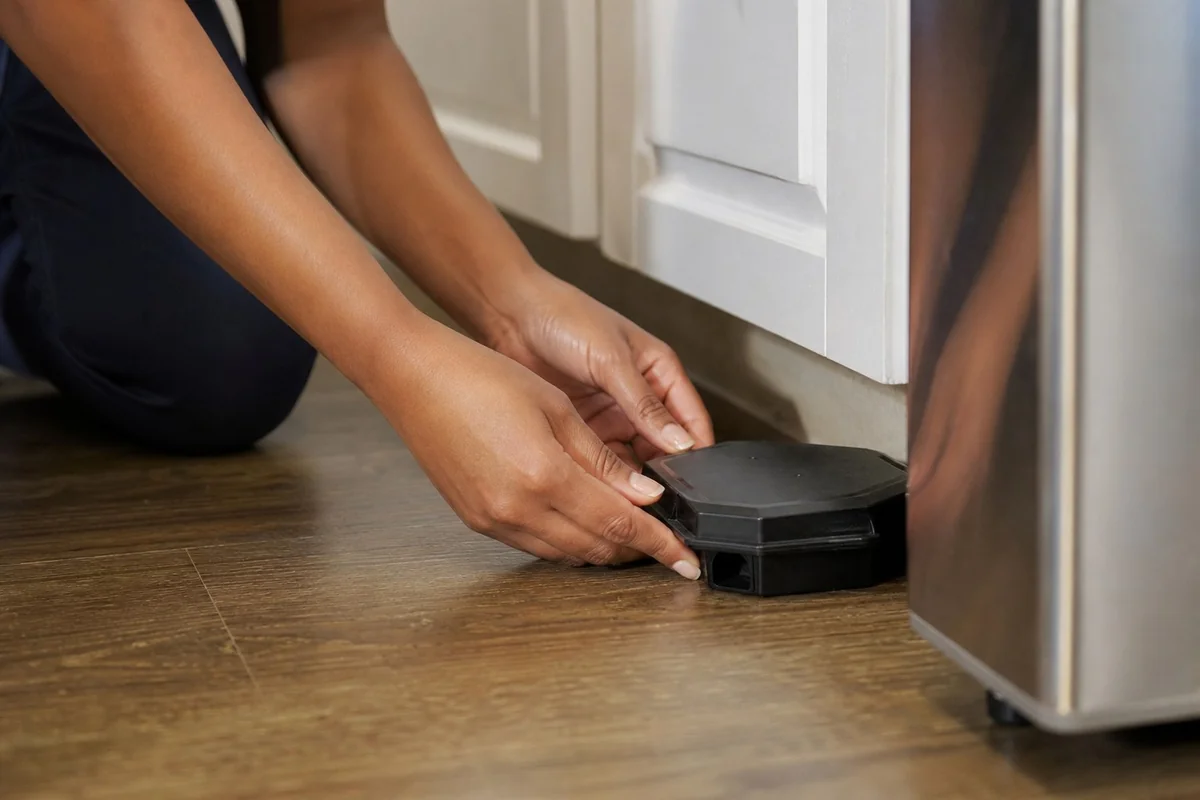
How to Get Rid of Roaches Overnight: A Bedtime Routine
The best way to get rid of roaches overnight: leave no food or water after dark, then set bait, traps and a thin boric acid film where roaches hide before bed.
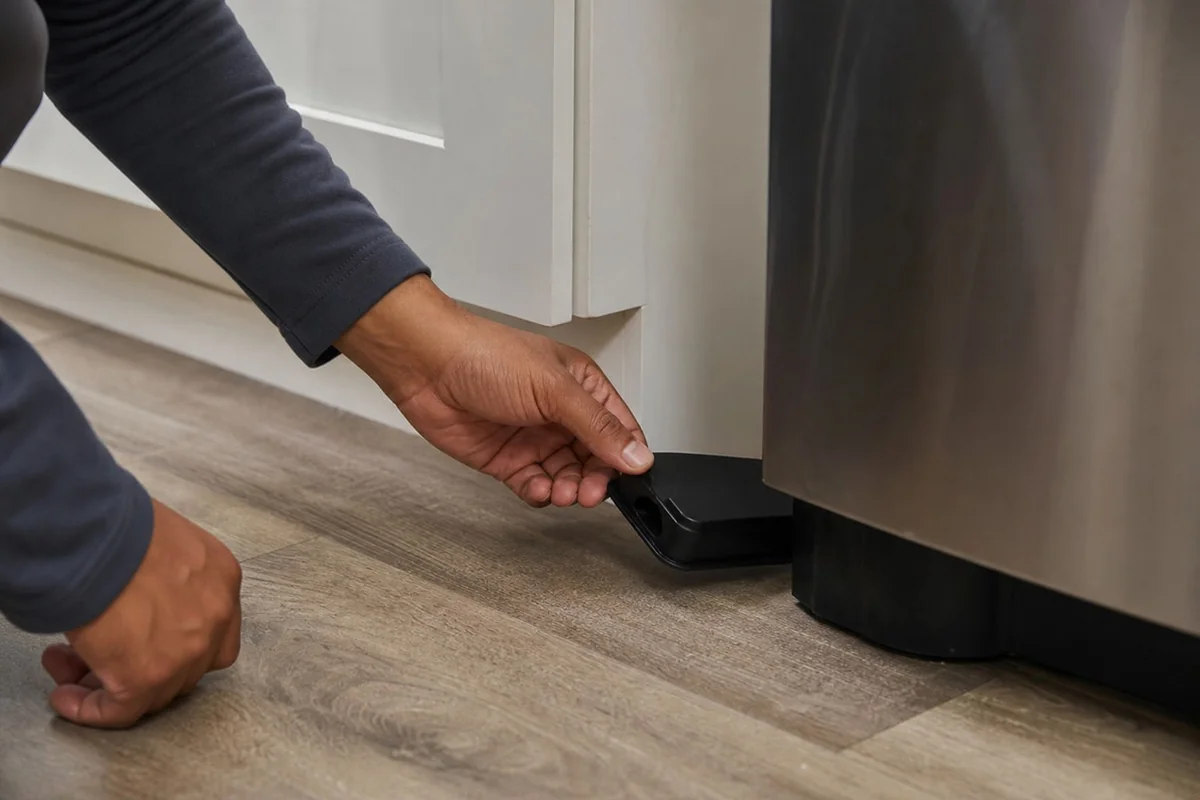
How to Get Rid of Roaches in an Apartment: A Tenant's Plan
The best way to get rid of roaches in an apartment: bait your unit, dust behind appliances, seal gaps shared with neighbors and report to management in writing.
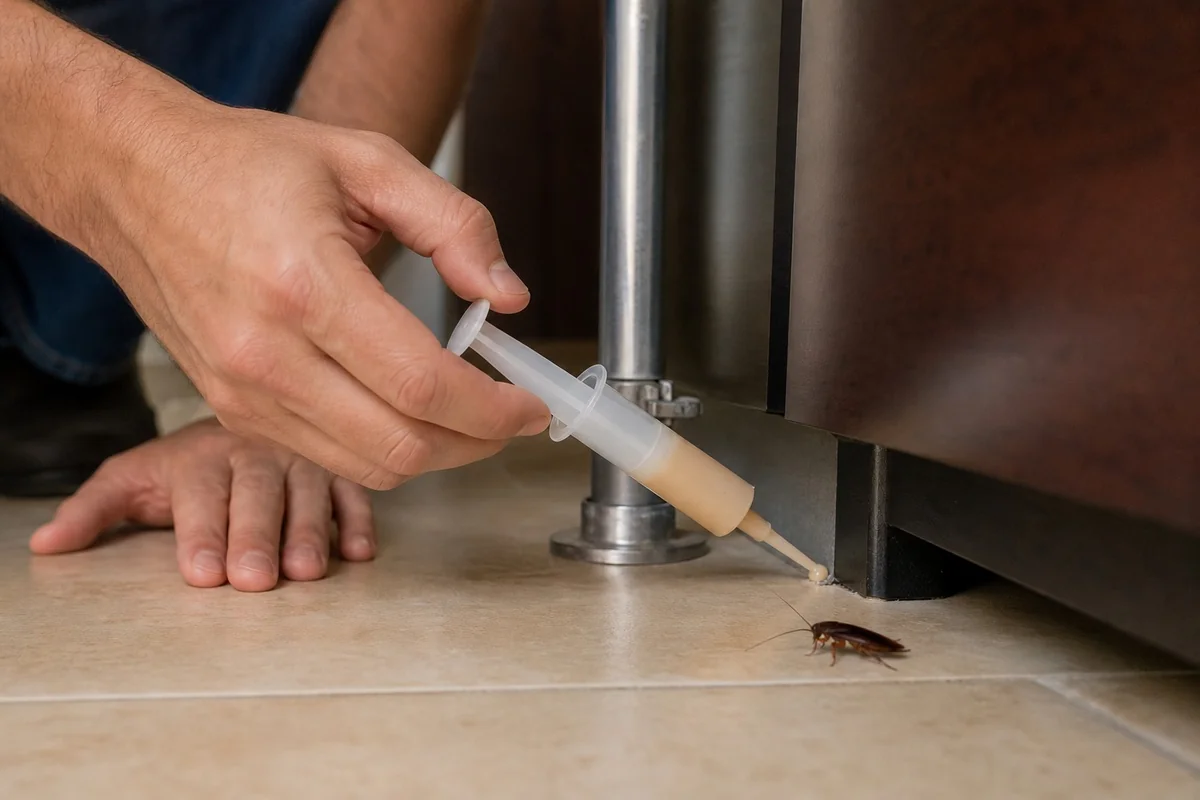
How to Get Rid of Roaches: Baits, Boric Acid and a Working Plan
How to get rid of roaches for good: identify the species, clean and seal, use gel bait and boric acid, and skip sprays and bug bombs that scatter them.
How to Get Rid of Roaches Fast: A One-Evening Blitz That Lasts
The best way to get rid of roaches fast: vacuum hiding spots, remove food and water, then bait, dust and trap the same night, plus what to expect day by day.