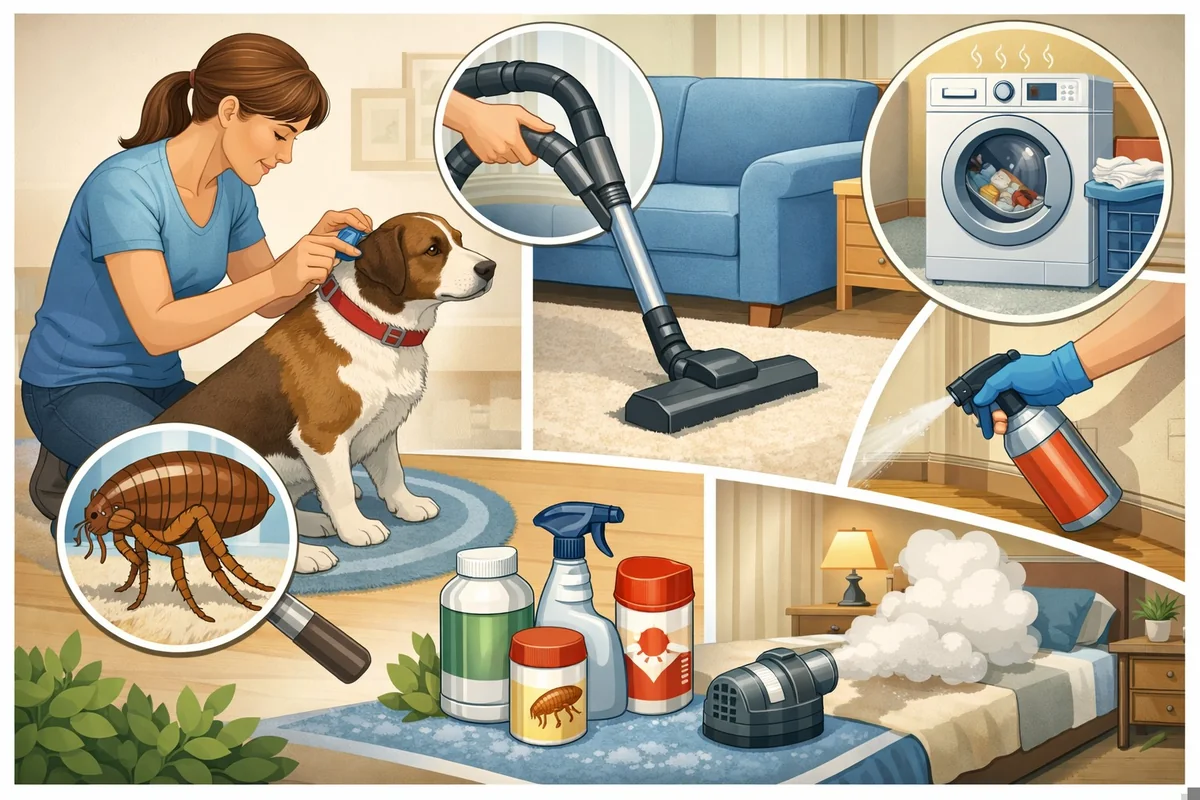

How to Get Rid of Fleas in House: Step-by-Step Guide (2026)
Struggling with fleas in your home? This 2026 step-by-step flea removal guide covers proven methods, tools, safety tips, and prevention strategies to eliminate home fleas fast - without hiring an exterminator.
To get rid of fleas in your house, treat pets with vet-approved products, vacuum all carpets and upholstery thoroughly, and use sprays or powders containing insect growth regulators on floors and pet areas. Expect the process to take two to four weeks for full elimination. Consistency and attention to hidden hotspots are critical for lasting results.
How Fleas Invade and Thrive Indoors
Fleas are relentless once they get inside a home. They multiply quickly and hide in places you wouldn't expect. Understanding how they operate is the first step to stopping them for good.
Flea Life Cycle and Why It Matters
The flea life cycle has four stages: egg, larva, pupa, and adult. Each stage requires a different removal approach. Pupae can remain dormant for up to two weeks or longer, which means you'll see new fleas even after an initial clean-out.
Adult fleas need blood to survive and lay eggs, but the real problem is the eggs and larvae hiding in your carpet, floor cracks, and bedding. Surface sprays might kill adults, but they won't touch the eggs and larvae deep in fibers and crevices. That's why a single round of cleaning rarely works.
Common Entry Points for Fleas in Homes
Pets are the number one way fleas get inside. It only takes a single untreated dog or cat to start a full-blown infestation. Used furniture and stray animals visiting your yard can also bring fleas indoors.
People often forget that fleas can hitchhike on shoes, pant legs, or even shopping bags. Outdoor flea populations - especially in shaded, grassy, or debris-filled yards - are a constant threat. If you don't tackle the problem outside, indoor treatments won't last.
If you're interested in a broader overview of effective strategies and ongoing pet protection, see our resource on Flea Control.
Signs of a Flea Infestation in Your House
Spotting fleas early is half the battle. A single flea can lay up to 50 eggs per day, so catching the problem quickly makes a huge difference.
Physical Evidence: Bites, Flea Dirt, and Sightings
Flea bites usually show up as clusters of small, red, itchy bumps around your ankles or waist. The itching is intense and can last for days. If you see black specks on pet bedding or carpets - what's known as “flea dirt” - you're dealing with active fleas.
Seeing live fleas on pets or jumping on furniture is a dead giveaway. Based on customer reports, if you see even one adult, there are likely hundreds more hiding.
Hidden Hotspots Most People Miss
Fleas love to nest in places you rarely clean: under couches, deep in carpet fibers, and in floorboard cracks. Rooms your pets nap in are hotspots, but so are less-used spaces like storage rooms or attics. Ignore these, and you'll be chasing fleas for months.
Thoroughness is everything.
Essential Tools and Products for Flea Removal
The right tools make all the difference. Some products kill adults instantly, but true elimination means targeting every life stage. Here’s what actually works in 2026, based on what we’ve seen in real-world infestations.
Vacuum Cleaners: What Features Make a Difference
Strong suction gets fleas, eggs, and larvae out of deep carpet and cracks - where most of the population hides. HEPA filters are worth it, capturing even the smallest flea debris and allergens.
Bagged vacuums are safer because you can seal and toss the bag, trapping live fleas inside. Handheld attachments are key for reaching baseboards, upholstery seams, and under cushions. Don’t skimp here: half-hearted vacuuming leaves the job undone.
Flea Sprays and Foggers: Ingredients to Look For
Look for sprays with insect growth regulators (IGRs) like methoprene or pyriproxyfen. These stop eggs and larvae from maturing, breaking the cycle. Pyrethrin-based sprays kill adult fleas on contact, but they don’t reach hidden eggs or deep larvae.
Foggers sound appealing for whole-home coverage, but they struggle to penetrate thick carpets or get under furniture. Use them for open spaces, but always combine with targeted spraying for best results.
For specific product recommendations and up-to-date picks, check our expert picks for Best Flea Sprays and Powders for Home 2026.
Natural Alternatives: Pros and Cons
Diatomaceous earth (DE) is a natural powder that dries out fleas and larvae. It works, but it’s messy and needs to be reapplied after every vacuuming. Essential oils like cedar or lemon repel fleas, but some are toxic to cats and small animals - even in small doses.
Natural methods are a good fit for sensitive households, but they’re slower and less effective for major infestations. If you go this route, set your expectations accordingly: it’ll take time, and you’ll need to be diligent.
| Method | ★Difficulty Level | ★Time Required | Cost Range | ★Best For | Effectiveness |
|---|---|---|---|---|---|
| Vacuuming & Steam Cleaning | Easy | 2-3 hours for standard home (1000 sq ft) | Budget-friendly | Quick initial removal in small to medium homes; ideal for pet owners and allergy-sensitive residents | Moderate |
| Insect Growth Regulator (IGR) Sprays | Medium | 4-6 hours including prep and drying time | Moderate | Thorough treatment of large or persistent infestations; suitable for households with recurring flea problems | High |
| Diatomaceous Earth Application | Medium | 8-24 hours (application plus waiting period before vacuuming) | Budget-friendly | Non-toxic approach for homes with children or pets; works well for spot treatment and preventive use | Moderate |
| Professional Heat Treatment | Hard | 6-10 hours including setup and cooling | Premium | Severe or recurring infestations; whole-home solution for large properties or when other methods have failed | Very High |
Step-by-Step Process to Eliminate Fleas from Your Home
Getting rid of fleas is a process, not a one-time event. Consistency and patience beat overkill every time. Here’s how to do it right, from start to finish.
Step-by-Step Guide
Eliminate fleas from your home effectively by following this structured guide using current best practices. Each step is designed for maximum efficiency and long-term prevention, with expert tips and safety warnings.
Total Time
1 hour 55 minutes
Difficulty
Intermediate
Identify Flea Hotspots
Inspect all rooms, focusing on pet bedding, carpets, and upholstered furniture. Use a flashlight and white socks to spot fleas or flea dirt. Pinpointing infestations lets you target cleaning and treatments for best results.
Pro Tips:
- Check under furniture and along baseboards where fleas hide.
- Look for small black specks (flea dirt) on surfaces.
- Mark problem areas with sticky notes for easy reference.
Important Warnings:
- Missing hidden flea spots can lead to rapid reinfestation. Inspect thoroughly before proceeding.
Required Tools:
- Flashlight
- White socks
- Sticky notes
Deep Clean and Vacuum Thoroughly
Vacuum all carpets, rugs, and furniture in identified areas for at least 15 minutes. Immediately seal and discard vacuum bags or empty canisters outside - this removes fleas, eggs, and larvae, breaking their life cycle.
Pro Tips:
- Use a vacuum with a HEPA filter for best results.
- Move furniture to access hidden spots.
- Repeat vacuuming every 2 days for 2 weeks to disrupt flea development.
Important Warnings:
- Empty vacuum contents outdoors to prevent fleas from escaping back into your home.
Required Tools:
- Vacuum cleaner with HEPA filter
- Trash bags
Wash Bedding and Fabrics
Wash all pet bedding, blankets, and removable fabrics in hot water (at least 130°F/54°C) and dry on high heat. High temperatures kill flea eggs and larvae, reducing future outbreaks.
Pro Tips:
- Include curtains and removable sofa covers.
- Wash items in small loads for thorough cleaning.
- Dry fabrics for at least 30 minutes on high heat.
Important Warnings:
- Do not skip washing pet bedding—this is a major flea breeding site.
Required Tools:
- Laundry detergent
- Washing machine (hot water setting)
- Dryer
Apply Flea Treatment to Home and Pets
Treat pets with veterinarian-approved flea preventives as directed. Apply an EPA-registered household flea spray or powder to carpets, baseboards, and upholstery, following label instructions for coverage and safety.
Pro Tips:
- Consult your vet for the safest treatment for your pet's age and health.
- Focus on cracks, crevices, and pet resting areas.
- Ventilate rooms after application as recommended on the product label.
Important Warnings:
- Keep children and pets away from treated areas until completely dry, as indicated by the product instructions.
Required Tools:
- Veterinarian-approved flea treatment
- EPA-registered flea spray or powder
- Disposable gloves
Monitor and Repeat as Needed
Check treated areas every 2-3 days for signs of fleas. Re-vacuum and reapply treatments as needed for at least 2 weeks to ensure all life stages are eliminated. Consistent follow-up prevents rebound infestations.
Pro Tips:
- Use flea traps to monitor activity in problem rooms.
- Continue vacuuming regularly, even after fleas seem gone.
- Schedule a professional pest control visit if fleas persist after 3 weeks.
Important Warnings:
- Stopping treatment too soon allows surviving fleas to repopulate quickly. Maintain routine for at least two weeks.
Required Tools:
- Flea traps (optional)
- Vacuum cleaner
Preparation: What to Do Before You Start
Start by decluttering and washing everything your pets sleep on at 60°C (140°F). High heat kills eggs and larvae that survive ordinary laundering. Vacuum every inch of carpet, under furniture, and along baseboards - these are the hiding spots most people miss.
Always seal the vacuum bag or empty the canister outside immediately. Fleas can crawl out and restart the cycle if you skip this step.
Treating Pets Safely and Effectively
Use only veterinarian-approved flea treatments - topical drops, oral tablets, or prescription collars. These work quickly and provide ongoing protection. Flea shampoos kill adults on your pet, but don’t prevent new infestations.
Home remedies like dish soap baths provide short-term relief but won’t solve the problem. You need something with residual action - otherwise, fleas come right back.
Applying Sprays, Powders, or Foggers Indoors
Apply IGR sprays to carpets, upholstery, pet beds, and anywhere pets rest. Focus on areas where fleas hide, not just where you see them. Foggers treat large, open areas but can’t reach under beds or inside couch cushions - always follow up with manual spraying.
Diatomaceous earth should be left undisturbed for 24–48 hours before vacuuming for maximum effectiveness. Don’t let pets or kids walk on treated areas until cleanup is complete.
Follow-Up: When and How to Re-Treat
Vacuum again every 2–3 days for at least two weeks. This catches newly hatched fleas before they lay more eggs. Reapply IGR sprays or powders as label directions specify, since dormant pupae can hatch up to three weeks later.
Keep monitoring pets and hotspots (under furniture, along baseboards) for new signs. Don’t stop treatments until you see zero evidence for at least a week.
Comparing DIY Flea Removal Methods
Not all flea removal options are created equal. Here’s what actually matters when weighing your choices.
Professional-Grade vs Store-Bought Solutions
Professional-grade sprays and powders pack higher concentrations of active ingredients, so results show up faster. Some are only sold to licensed pros or are restricted in certain states, which limits homeowner access.
Store-bought products are more budget-friendly and easy to find, but you’ll likely need multiple rounds for stubborn infestations. For most households, persistence is more important than raw strength - just don’t expect miracles from a single application.
Manual Cleaning vs Chemical Treatments
Vacuuming and laundering physically remove fleas, eggs, and larvae, but can’t reach those deep in cracks or behind baseboards. Chemical treatments - especially those with IGRs - penetrate fabric and crevices to kill unseen stages. The trade-off is potential residue and sensitivity concerns, especially for kids, pets, or anyone with allergies.
For most homes, a combination approach is best: physical cleaning paired with targeted chemical action. Relying on just one method rarely succeeds.
Common Mistakes That Prolong Flea Infestations
Flea infestations drag on mainly because people miss hidden eggs or are inconsistent. Here’s where most DIY efforts go wrong and how to avoid repeating those mistakes.
Missing Hidden Eggs and Larvae
Skipping vacuuming under furniture, behind doors, or inside closets leaves a reservoir of flea eggs and larvae. Most of the infestation isn’t visible - if you focus only on pet beds or main living spaces, you’re missing where the next wave is hiding.
Follow-up is just as important. If you stop after the first week, newly hatched adults will restart the cycle. Persistence is the difference between temporary relief and lasting results.
Overlooking Pet Treatment Timing
Treating pets once and thinking the job is done is a classic mistake. Flea life cycles mean you need continuous coverage for at least a month. Bathing with flea shampoo helps, but doesn’t replace long-acting vet treatments.
Don’t forget outdoor pets or strays that visit your property. These animals can reintroduce fleas to your home, undoing all your hard work.
Safety Tips for Flea Removal in Homes with Kids and Pets
Flea treatments can be hazardous if misused, especially with young children or sensitive animals in the house. Safe use is non-negotiable - don’t cut corners here.
Choosing Pet-Safe and Child-Safe Products
IGR-based sprays are generally safer for mammals than traditional insecticides, but always follow label instructions. Essential oils may sound harmless, but some are toxic to cats and small animals - even tiny doses can cause serious health issues. Always look for EPA-registered products, which meet federal safety standards.
Minimizing Exposure During and After Treatment
Ventilate treated rooms and keep pets and children out until surfaces are completely dry. Store all chemicals and powders well out of reach - especially in homes with curious kids or multiple pets. After treatment, vacuum and wipe down surfaces before letting anyone back in.
How to Prevent Fleas from Returning After Treatment
Flea control doesn’t end after the last bug is gone. Ongoing prevention keeps your home flea-free for good.
Ongoing Pet Protection and Grooming
Monthly flea preventatives from your vet are the best insurance against new infestations. Regular grooming and checking pets for fleas or flea dirt helps you catch problems before they explode. Outdoor pets are always at risk - don’t let your guard down, even in winter.
Home and Yard Maintenance Tips
Consistent vacuuming and frequent washing of pet bedding break the flea life cycle. Trim your grass short and remove debris piles to make your yard less welcoming to fleas. Sealing cracks around doors and windows, and adding screens to pet doors, limits entry from outside.
Frequently Asked Questions About Flea Removal
❓ Frequently Asked Questions
What is the most effective way to get rid of fleas in the house?
What is the most effective way to get rid of fleas in the house?
The most effective way to get rid of fleas in the house combines thorough cleaning, targeted insecticide use, and pet treatment. Most users report best results when vacuuming daily, washing pet bedding in hot water, applying EPA-approved sprays, and treating pets with veterinarian-recommended products. However, multiple treatments are often needed for complete removal.
How do I get rid of fleas in my house step-by-step?
How do I get rid of fleas in my house step-by-step?
To get rid of fleas in your house effectively:
- Vacuum all carpets, rugs, and upholstery thoroughly, then discard the vacuum bag
- Wash all pet bedding and linens in hot water
- Treat pets with vet-approved flea medication
- Apply indoor flea spray to infested areas, following label instructions
- Repeat cleaning and treatments weekly for at least 3 weeks
A persistent approach is key, as flea eggs may hatch over time.
What should I look for when choosing a flea spray for home use?
What should I look for when choosing a flea spray for home use?
When choosing a flea spray for home use, consider:
- EPA registration: ensures safety and efficacy
- Active ingredients: look for insect growth regulators (e.g., methoprene)
- Residual effect: longer protection between treatments
- Application area: suitability for carpets, furniture, or pet bedding
Compare product reviews and always follow manufacturer instructions for best results.
How often should I treat my home for fleas?
How often should I treat my home for fleas?
You should treat your home for fleas every 7-10 days during an active infestation. Most pest control guidelines recommend repeating treatments at least twice to target newly hatched fleas. Continue regular vacuuming and pet treatment for 3-4 weeks to fully disrupt the flea life cycle and prevent reinfestation.
What is the difference between natural and chemical flea treatments?
What is the difference between natural and chemical flea treatments?
Natural flea treatments use plant-based ingredients like essential oils, while chemical treatments rely on synthetic insecticides. Chemical products generally act faster and with higher efficacy, but may pose toxicity risks to pets or children if misused. Natural options are safer for sensitive environments, but often require more frequent application.
Why do fleas keep coming back after treatment?
Why do fleas keep coming back after treatment?
Fleas often return due to missed eggs or larvae, incomplete cleaning, or untreated pets. Most users find that eggs hidden deep in carpets or furniture can hatch weeks after initial treatment. Re-treating all areas, vacuuming regularly, and ensuring all pets are protected helps prevent recurring infestations.
When is the best time to treat my home for fleas?
When is the best time to treat my home for fleas?
The best time to treat your home for fleas is at the first sign of infestation, ideally during warm, humid months when fleas are most active. Early intervention prevents rapid population growth. Treating both your home and pets simultaneously increases effectiveness and reduces the chance of reinfestation.
Key Takeaways for Lasting Flea Control
Eliminating fleas from your home isn’t about one big treatment - it’s about thoroughness, persistence, and follow-through. Tackle every area where fleas hide, treat your pets reliably, and stay on top of prevention. Most infestations resolve with consistent effort, but don’t hesitate to escalate if DIY methods aren’t working.
If fleas remain after several weeks of diligent control, or if you’re overwhelmed by the scale (multiple pets, multi-unit dwellings), it’s time to call a professional. They have access to more powerful solutions and can identify hidden sources you might miss. For everyone else, sticking to the plan pays off.
Recap your progress weekly, monitor pets and hotspots, and keep prevention routines in place year-round. That’s how you win the flea battle for good.
Related Articles
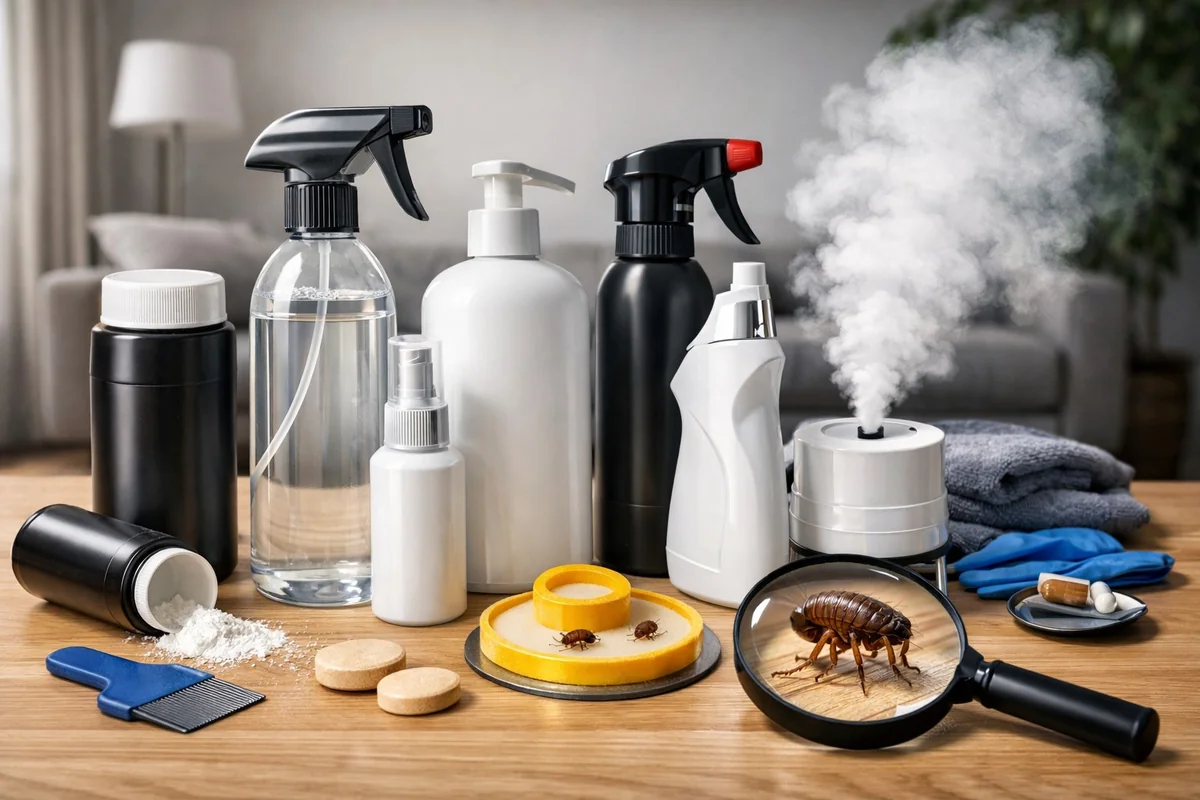
Best Flea Sprays and Powders for Home 2026: Top Picks by Type
Find the best flea sprays and powders for your home in 2026. Explore top-rated, safe, and effective flea control products for carpets, furniture, and pets - plus expert buying tips and FAQs.
![Best Protective Gear for Pest Control 2026 [Expert Reviews]](https://pestproreviews.com/images/hero/hero_best_protective_gear_for_pest_control_2026_expert.webp)
Best Protective Gear for Pest Control 2026 [Expert Reviews]
Protect yourself during DIY pest control in 2026 with our expert-reviewed guide to the best protective gear. Compare top-rated respirators, gloves, coveralls, and more for safe, effective pest removal at home.
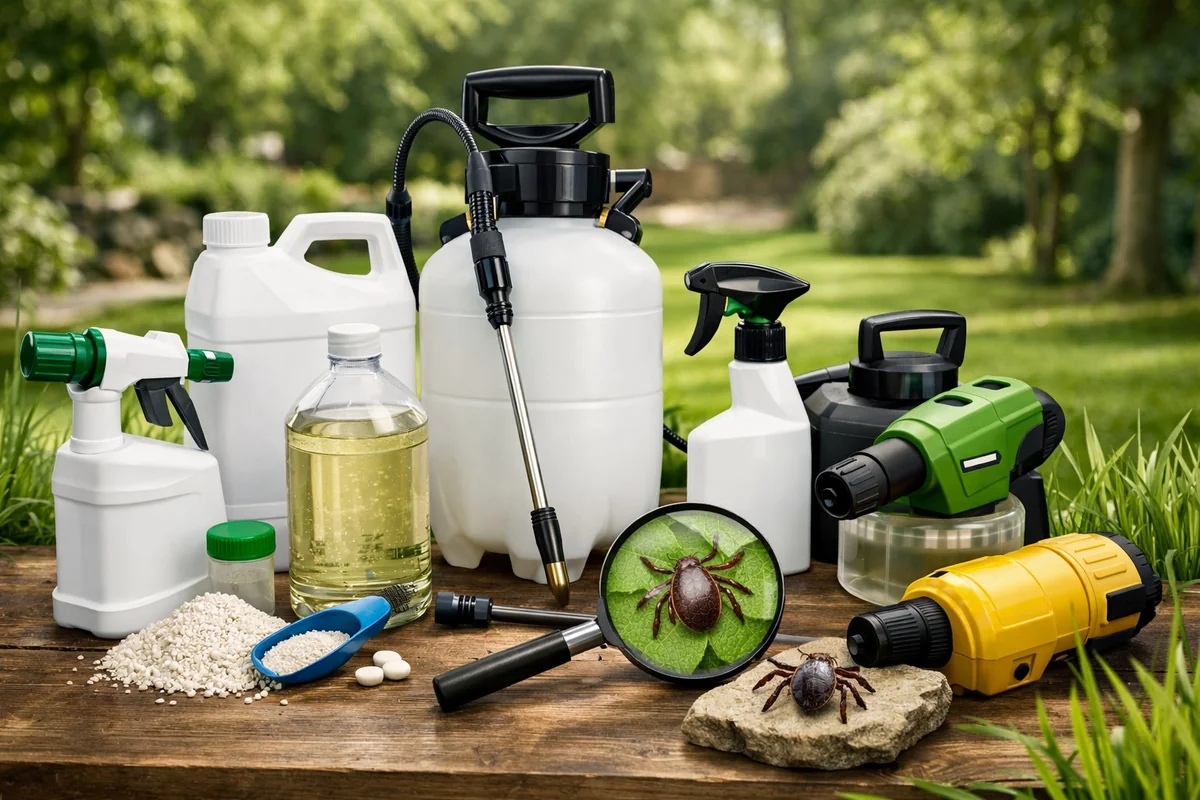
Best Tick Sprays and Yard Treatments 2026: Top Products for Safe Tick Control
Find the best tick sprays and yard treatments for 2026. Compare top tick control products, natural options, and expert tips to keep your yard tick-free and safe for family and pets.
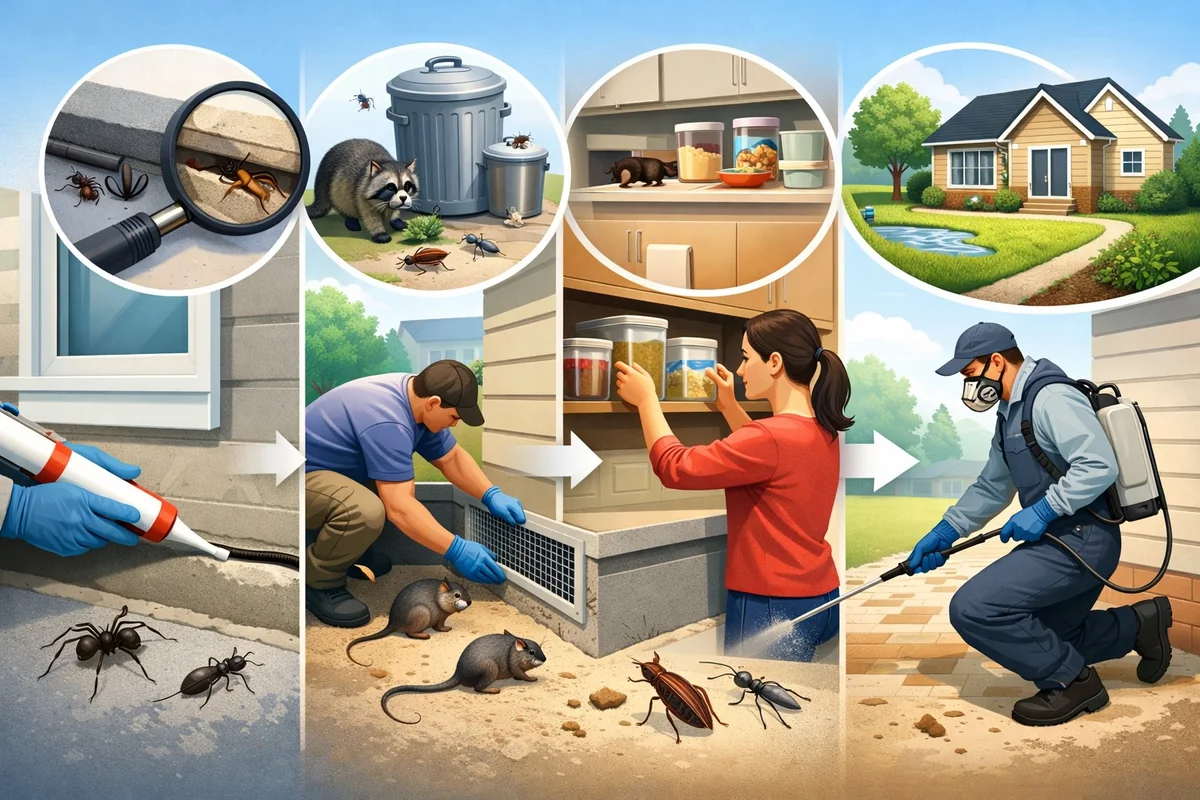
Complete Guide to Pest Prevention in Homes: Stop Pests in 2026
Protect your home in 2026 with this complete pest prevention guide. Discover proven DIY methods, room-by-room tips, safe solutions for families, and expert advice to stop pests before they start.