![Best Protective Gear for Pest Control 2026 [Expert Reviews]](/images/hero/hero_best_protective_gear_for_pest_control_2026_expert.webp)
 Pest Pro Reviews Editorial Team • • 25 min read •
 Best Protective Gear for Pest Control 2026 [Expert Reviews]
Protect yourself during DIY pest control in 2026 with our expert-reviewed guide to the best protective gear. Compare top-rated respirators, gloves, coveralls, and more for safe, effective pest removal at home.
The best protective gear for pest control in 2026 covers every job: the 3M Full Facepiece Reusable Respirator 6800 for chemical sprays, Kimberly-Clark Purple Nitrile Exam Gloves for handling pesticides, DuPont Tyvek 400 Disposable Coveralls for full-body coverage, Uvex Stealth Safety Goggles for eye protection, and Servus Comfort Technology 14" PVC Boots for hazardous sites. Each type offers proven safety for home pest control.
Why Protective Gear Matters for Pest Control
Pest control exposes you to more than just bugs. Chemical sprays, powders, and pest debris carry real health risks, especially in enclosed spaces. Protective gear isn’t just a precaution - it’s a necessity for anyone tackling infestations at home.
Proper gear, like respirators and gloves, blocks pesticides from reaching your skin or lungs. This reduces the chance of allergic reactions, chemical burns, or lung irritation during treatments. Over time, even low-level exposure can cause lasting health problems, so each layer of protection matters.
Skipping safety equipment opens you up to bites, stings, and contact with droppings that can carry diseases. Poor clothing choices leave skin exposed to rashes, direct chemical absorption, or respiratory issues from airborne particles. If you’re a renter, many landlords require documented use of safety gear for insurance reasons.
And if something goes wrong, a lack of proper gear may void your coverage or expose you to legal claims.
For a full breakdown of gear and safety equipment, see our Protective Gear & Safety Equipment resource.
Best Respirators and Face Masks for Pest Control
The right respiratory protection is your first line of defense against chemical sprays and airborne allergens. Not every mask offers the same level of protection, so matching your gear to the job is critical.
Identify your needs and get personalized recommendations
Just starting out with pest removal and need safe, easy-to-use gear
Learning what matters most for safe pest removal and comparing basics
Comparing product features and safety ratings before making a choice
Looking for the best balance of protection, features, and affordability
Has narrowed down options and wants reliable, available gear that fits now
Wants top performance and safety for long-term use, even if it costs a bit more
3M Full Facepiece Reusable Respirator 6800 - Best for Chemical Sprays
The 3M Full Facepiece Reusable Respirator 6800 stands out for serious home pest control. It provides a full-face seal against chemical sprays and airborne dust, thanks to its compatibility with P100 and organic vapor cartridges. This model is a premium choice, but the investment pays off for anyone using concentrated pesticides or foggers indoors.
- Full-face protection: Shields eyes, nose, and mouth from fumes and splashback
- Works with P100/organic vapor cartridges for broad chemical filtration
- Silicone face seal offers a secure, leak-free fit - even during long sessions
- Wide lens offers good peripheral vision compared to most half-masks
- Reusable design with replaceable filters - lower long-term cost for frequent users
- Ideal for attic, crawl space, and basement treatments where ventilation is poor
- Requires regular cleaning and filter changes to maintain effectiveness
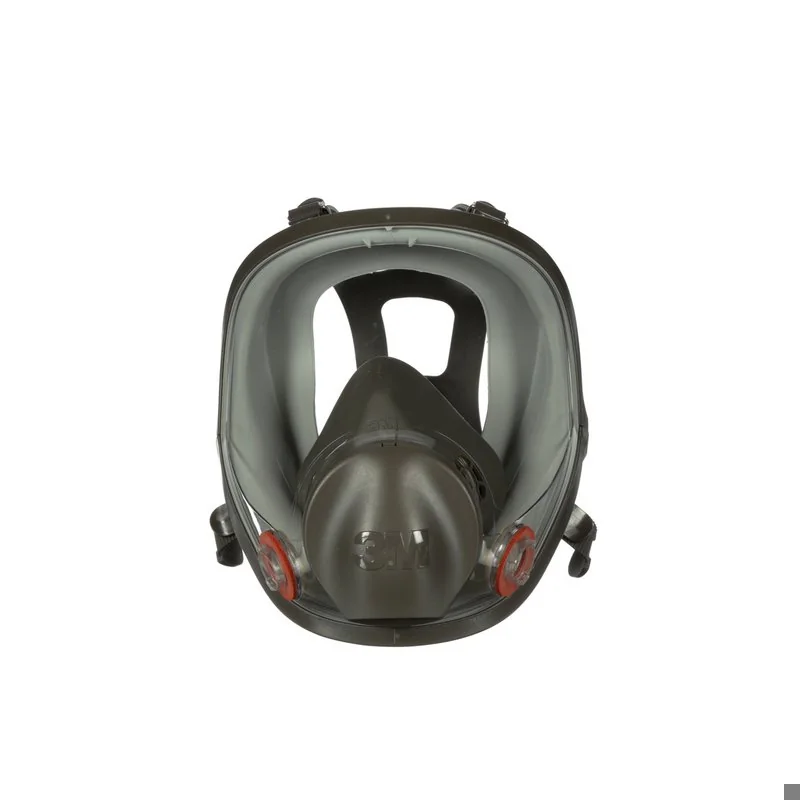
3M Full Facepiece Reusable Respirator 6800
Provides full-face respiratory protection with a lightweight, comfortable design, making it ideal for safe pest control in environments with chemical sprays or airborne hazards. The 3M 6800 features a large polycarbonate lens for wide field of view and is compatible with P100 and organic vapor cartridges. Adjustable head straps ensure a secure fit for extended wear during intensive pest removal tasks.
Why We Recommend This
We recommend the 3M Full Facepiece Reusable Respirator 6800 as the best choice for pest control professionals and serious DIYers handling chemical sprays. Its full-face design and NIOSH approval offer superior protection compared to half-mask options, while the adjustable fit and field-tested comfort make it practical for extended wear. For those prioritizing safety during pesticide application, this respirator stands out as a trusted, field-proven option.
vs Competitors: Compared to half-face respirators, the 3M 6800 delivers wider coverage and eye protection in one unit, reducing the need for separate goggles. Though slightly heavier than some competitors, it offers better visibility and long-term comfort.
Best For:
Professional pest control operators, DIY homeowners conducting intensive pest removal, and anyone needing certified respiratory protection during chemical applications
- Safely applying chemical pest control treatments in enclosed spaces
- Handling pesticide foggers or sprays in poorly ventilated areas
- Full-face coverage with a 180-degree wide-view polycarbonate lens
- Compatible with 3M P100 and organic vapor cartridges (bayonet connection)
- Offers reliable protection against chemical sprays and airborne contaminants common in pest control
- Wide lens provides unobstructed visibility for precise application
- May feel bulky for users accustomed to half-mask designs
- Requires routine cleaning and maintenance after each use
This isn’t overkill for DIYers dealing with strong pesticides, but it’s probably more than you need for casual, occasional spray jobs. If you’re handling anything labeled “restricted use” or working in tight quarters, this is the standard to beat.
3M 8210 N95 Particulate Respirator - Best Disposable Mask for Light Use
The 3M 8210 N95 Particulate Respirator is a classic disposable option for lighter pest control jobs. It filters at least 95% of airborne particles, providing a basic barrier against dust, allergens, and mild chemical mists. This type of mask is lightweight, budget-friendly, and simple to use - ideal for quick tasks like applying diatomaceous earth or inspecting infested areas.
- N95 filtration: Captures particles down to 0.3 microns - enough for dust, pollen, and mild sprays
- Disposable, single-use design - no cleaning or maintenance required
- Comfortable for short sessions thanks to soft interior lining
- Minimal resistance to breathing compared to higher-grade masks
- Lacks chemical vapor protection - NOT suitable for strong pesticides
- Fits under goggles or face shields for combined protection
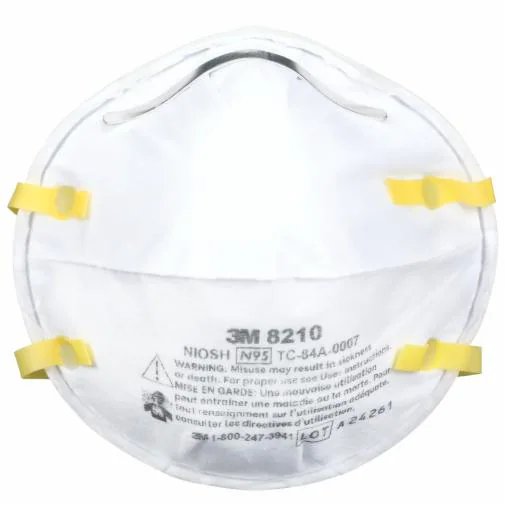
3M 8210 N95 Particulate Respirator
Offers reliable, NIOSH-approved N95 filtration that blocks at least 95% of airborne particles, making it effective for dust and allergen protection during light pest control tasks. The lightweight, contoured design ensures comfort over short wear periods, while adjustable nose clips provide a secure fit for most users. Ideal for quick applications like spreading diatomaceous earth or inspecting infested sites.
Why We Recommend This
We recommend the 3M 8210 N95 for those tackling light pest jobs where dust and allergens are a concern but heavy chemicals are not involved. Its proven filtration, ease of use, and trusted 3M brand make it our top disposable pick for quick, low-risk pest control tasks. For heavier exposures, we suggest upgrading to a half-mask or full-face respirator.
vs Competitors: Unlike reusable half-mask respirators, the 3M 8210 is more affordable and convenient for short-term use, though it lacks the chemical vapor protection of pricier models like the 3M 6200 series.
Best For:
Homeowners, DIY pest control enthusiasts, and professionals needing basic respiratory protection for short-duration, low-exposure pest removal activities
- Applying pest control powders or sprays in residential spaces
- Conducting brief inspections of infested attics, basements, or crawl spaces
- NIOSH-approved N95 filtration blocks ≥95% of airborne particles
- Adjustable nose clip for a personalized, secure seal
- Consistently prevents inhalation of fine dust and allergens during pest control
- Easy to put on and remove, with no maintenance required
- Not suitable for heavy chemical exposure or extended use
- One-size design may not fit all face shapes optimally
Choose this for light dust or allergen control, but don’t rely on it for heavy chemical jobs. The trade-off is convenience for lower filtration - great for infrequent users who want a grab-and-go solution.
Reusable Respirators vs Disposable Masks
Reusable respirators, especially full-face types, provide the highest level of protection for chemical pest control. They block both particles and toxic vapors when paired with the right cartridges. Disposable masks like the N95 are best for dust and minor allergens, not chemical fumes.
Reusables demand maintenance (cleaning and filter changes), while disposables are single-use but waste less for infrequent jobs.
Comfort and Fit: What to Look For
A respirator is only as good as its fit. Look for adjustable straps, silicone seals, and low-profile designs that won’t interfere with goggles or other gear. A poor seal means leaks - negating the mask’s purpose.
Always check for a snug fit before spraying, and don’t settle for a “close enough” seal.
When Respirators Are NOT Needed
Natural pest control (like diatomaceous earth or essential oils) rarely requires a full respirator - dust masks or even no mask may suffice in well-ventilated areas. For brief, open-air applications with minimal aerosol, a basic mask is often enough. But don’t overdo it: heavy-duty masks can cause discomfort or overheating if the risk doesn’t warrant it.
If you want more advice on selecting the right mask for your job, see our How to Choose Pest Control Protective Gear guide.
Top Protective Gloves for Safe Handling
Your hands are the first point of contact for pesticides, traps, and pest waste. The right gloves shield you from both chemicals and biological hazards, but not all materials perform equally.
Kimberly-Clark Purple Nitrile Exam Gloves - Best for Chemical Resistance
Kimberly-Clark Purple Nitrile Exam Gloves have become a staple for both professional and DIY pest control. Nitrile is known for resisting punctures, tears, and a wide range of chemicals - including the harshest pesticides found in residential use. These gloves offer a great balance between protection and dexterity, making them a strong pick for handling sprays, baits, or pest debris.
- Nitrile construction: Superior protection against pesticides and solvents compared to latex
- Powder-free design prevents irritation and allergic reactions
- Textured fingertips for better grip on slippery equipment or bottles
- Sized for a snug, comfortable fit that doesn’t sacrifice touch sensitivity
- Disposable - reduces risk of cross-contamination between rooms or tasks
- Hypoallergenic - ideal for users with latex allergies
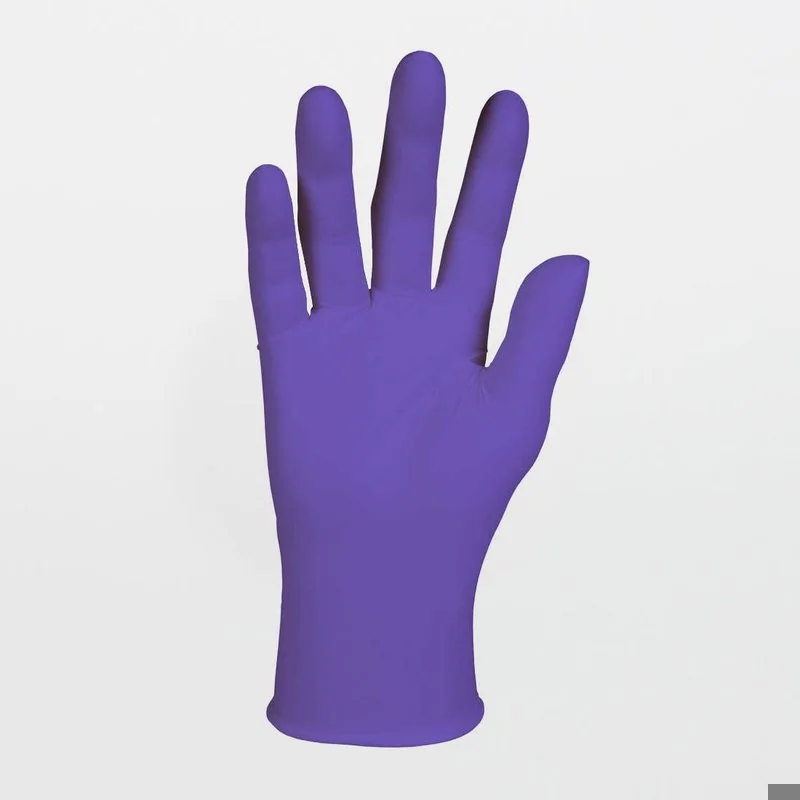
Kimberly-Clark Purple Nitrile Exam Gloves
Provides reliable chemical resistance for handling pesticides, the Kimberly-Clark Purple Nitrile Exam Gloves are designed for pest control professionals and homeowners needing effective hand protection. With a 6 mil thickness and textured fingertips, these powder-free gloves help guard against punctures and exposure to hazardous substances during pest removal tasks. Ambidextrous fit and beaded cuffs ensure comfort and quick changes in demanding environments.
Why We Recommend This
We recommend the Kimberly-Clark Purple Nitrile Exam Gloves for anyone prioritizing safety during pest control tasks. Their chemical resistance and secure grip set them apart in owner reviews, and they’re especially valued by professionals for preventing accidental exposure to hazardous substances. While disposable, their comfort and protection justify the choice over bulkier alternatives.
vs Competitors: Compared to standard vinyl or latex gloves, these nitrile gloves provide better chemical resistance and are less likely to tear when handling sharp pest debris. They are preferred over many inexpensive brands for their consistent quality and tactile sensitivity.
Best For:
Homeowners and pest control professionals seeking reliable hand protection when working with pesticides or pest-infested materials.
- Ideal for mixing, applying, or disposing of pest control chemicals around the home
- Recommended for professional exterminators working in residential and commercial environments
- 6 mil thick nitrile construction for enhanced puncture and chemical resistance
- Powder-free and latex-free to reduce risk of allergic reactions
- Offers superior protection against most common pesticides and pest debris
- Latex-free formula reduces risk of skin irritation and allergies
- Single-use design generates more waste compared to reusable gloves
- Can feel warm or sweaty during extended use in hot conditions
Highly rated for durability and chemical resistance, these gloves are the go-to for anyone spraying, mixing, or cleaning up after pests. The disposable design keeps things safe and sanitary, especially when moving between infested and clean areas.
Nitrile vs Latex vs Neoprene Gloves
Nitrile gloves are the standard for most pest control jobs - they resist both chemicals and punctures better than latex, and are hypoallergenic. Latex gloves offer more tactile sensitivity but break down quickly with solvents. Neoprene gloves are thick and excellent for harsh solvents, but limit dexterity and feel clammy during long sessions.
Reusable vs Disposable Gloves
Reusable gloves are thicker and stand up to repeated use, but they must be cleaned thoroughly to avoid spreading chemicals. Disposable gloves are easier for switching tasks and reduce the risk of cross-contamination, but generate more waste. For most homeowners, disposables are the safer bet - especially for one-off jobs or when handling rodent droppings.
When to Double-Glove or Upgrade Protection
Double-gloving is smart when applying strong pesticides or working in heavily infested areas. For jobs like rodent baiting or attic cleanup, choose gauntlet-length gloves that cover wrists and forearms. Thicker gloves offer more protection but can reduce your ability to handle small objects or set fine traps.
Best Protective Clothing and Coveralls
Full-body coverage keeps chemicals, dust, and pests from reaching your skin or contaminating your clothes. Protective suits range from one-time disposable coveralls to rugged, washable workwear for regular users.
DuPont Tyvek 400 Disposable Coveralls - Best for One-Time Jobs
DuPont Tyvek 400 Disposable Coveralls offer reliable, head-to-toe protection for pest control projects. Tyvek is a lightweight, breathable material that blocks chemical splashes, dust, and pest allergens. These coveralls are disposable, so you can toss them after handling a heavy infestation or working in a contaminated space.
- Blocks dust, spray, and pest debris - ideal for attic, crawl space, or rodent cleanup
- Elastic wrists and ankles help seal out particles and pests
- One-piece design covers regular clothing, reducing cross-contamination risk
- Disposable - no need to launder after dirty jobs
- Lightweight and non-restrictive - comfortable for multi-hour sessions
- Ventilated for breathability but not suitable for repeated, high-exposure use
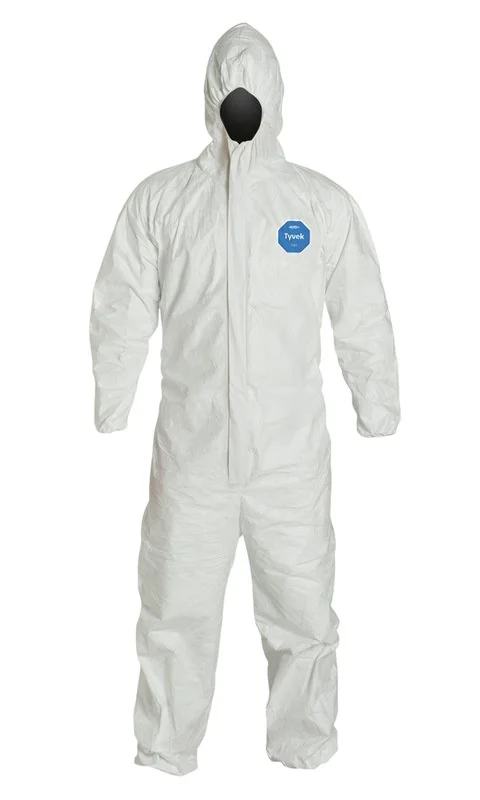
DuPont Tyvek 400 Disposable Coveralls
Provides reliable full-body protection against chemical splashes, dust, and pest allergens for one-time pest control jobs. The DuPont Tyvek 400 Disposable Coveralls feature a lightweight, breathable design with elastic cuffs and zipper front for quick changes. Rated for particulate and light liquid barrier protection, they are ideal for safe, efficient home pest removal.
Why We Recommend This
We recommend the DuPont Tyvek 400 Disposable Coveralls as the best choice for single-use pest control jobs where reliable barrier protection is essential. Their lightweight construction and secure fit offer peace of mind for DIYers handling pesticides or allergens, and the disposable design makes cleanup simple. For frequent or heavy-duty use, consider a reusable alternative.
vs Competitors: Compared to reusable coveralls, the Tyvek 400 offers easier disposal and less risk of contamination, though it's less durable than professional-grade suits for frequent use.
Best For:
Homeowners and DIY pest control users needing reliable, affordable protection for occasional or one-time pest removal tasks.
- Single-use protection during DIY home pest control treatments
- Wearing when applying pesticides or cleaning infested areas
- Made from high-density polyethylene for enhanced particle and light liquid barrier
- Elastic wrists, ankles, and hood for secure fit
- Lightweight design minimizes fatigue during extended wear
- One-piece construction reduces risk of exposure points
- Not suitable for heavy chemical exposure or repeated use
- Limited breathability in high-heat environments
Tyvek suits are the right call for serious infestations or one-off chemical treatments. They’re not especially stylish, but they keep you - and your clothes - safe from whatever lurks in dark corners.
Disposable Coveralls vs Washable Workwear
Disposable coveralls, like Tyvek, are perfect for messy, one-time jobs or when you want to avoid bringing residues into your home. Washable cotton or polyester workwear is more comfortable for regular use and saves money over time, but it can absorb chemicals and may not offer a true barrier. For recurring pest issues, having both on hand offers flexibility.
Breathability and Heat Management
Lightweight, vented coveralls make a huge difference in hot or stuffy attics. Some disposable suits now offer moisture-wicking linings or mesh panels, keeping you cooler during summer treatments. Just remember: increased breathability often means reduced chemical resistance - don’t compromise safety for comfort if you’re using strong sprays.
When Regular Clothing is NOT Enough
Any job involving crawl spaces, attics, or heavy pesticide use calls for full-body protection. Regular street clothes can hold onto pesticide residues, even after washing. Look for coveralls with elastic cuffs and ankles - they seal out pests and particles far better than loose-fitting, everyday clothing.
For more details on suit types, see Top 5 Pest Control Suits for Professionals and DIYers and Disposable vs Reusable Pest Control Suits: Pros and Cons.
Eye Protection: Goggles and Face Shields
Your eyes are vulnerable to both chemical splashes and airborne debris. Proper eye protection isn’t optional - it’s a simple way to prevent serious injuries during pest control treatments.
Uvex Stealth Safety Goggles - Best for Chemical Splash and Debris
Uvex Stealth Safety Goggles are designed to shield your eyes from chemical splashes, dust, and pest debris. Their indirect venting system reduces fogging, even in humid crawl spaces or during long spray sessions. The anti-fog coating and comfortable fit make them a favorite for homeowners who need reliable, all-purpose eye protection.
- Indirect-vented design minimizes fogging and keeps chemicals out
- Anti-fog coating for clear vision, even during warm or wet applications
- Wraparound fit and adjustable strap for a secure seal over prescription glasses
- Durable construction stands up to repeated use
- Lightweight - won’t cause pressure points during long sessions
- Pairs well with respirators and face shields for layered protection
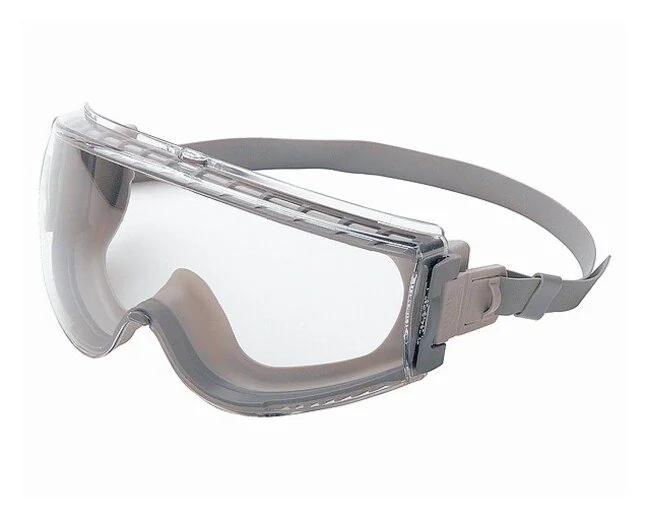
Uvex Stealth Safety Goggles
Uvex Stealth Safety Goggles provide reliable eye protection against chemical splashes and flying debris, making them essential for safe pest control work. With anti-fog coating and indirect venting, these goggles maintain clear visibility during extended use in humid or high-activity environments. The lightweight design and adjustable headband ensure comfort for professionals and DIY users tackling pest removal projects.
Why We Recommend This
We recommend Uvex Stealth Safety Goggles as the best choice for pest control professionals and serious DIYers needing reliable eye protection from chemical splashes and flying debris. Their anti-fog performance and ANSI Z87.1-2020 certification set them apart for demanding pest removal work, especially when compared to basic safety glasses that often lack splash resistance.
vs Competitors: Compared to standard safety glasses, Uvex Stealth offers superior chemical splash protection and a more comfortable, fog-resistant fit, though they are slightly bulkier than minimalist eyewear.
Best For:
Professional pest control operators, DIY homeowners, and maintenance staff seeking dependable eye protection for chemical and debris hazards.
- Protecting eyes during pesticide spraying or dusting in enclosed spaces
- Shielding against debris when removing nests or cleaning infested areas
- Anti-fog Uvextreme® lens coating for clear vision during extended wear
- Indirect venting system reduces lens fogging while blocking hazardous splashes
- Consistently prevents fogging during high-moisture pest control tasks
- Comfortable for long periods, even over prescription eyewear
- Bulkier than standard safety glasses, may feel warm during extended indoor use
- May require periodic cleaning to maintain anti-fog performance
These goggles are a great value for most home users, delivering professional-grade protection without the bulk of industrial gear. For spray-heavy jobs or when working overhead, they’re a step above standard shop goggles.
Goggles vs Face Shields: Which to Choose?
Goggles provide a tight seal, blocking splashes and dust from all angles - but they can fog up during extended use. Face shields cover your whole face, offering protection for the nose and mouth as well as the eyes. However, face shields alone can allow side splashes; pairing them with goggles offers the best of both worlds when using high-pressure sprayers.
Anti-Fog and Ventilation Features
Look for goggles with anti-fog coatings and indirect ventilation. These features keep your vision clear during long or sweaty jobs. Some models offer replaceable lenses for extended life, though for most DIYers, a single good pair will last through dozens of uses.
Best Footwear for Pest Control Safety
Proper footwear keeps your feet dry, safe from bites or punctures, and prevents slips in wet or cluttered spaces. This is a crucial but often overlooked part of pest control safety gear.
Servus Comfort Technology 14" PVC Boots - Best for Wet or Hazardous Environments
Servus Comfort Technology 14" PVC Boots are a top choice for pest control in basements, crawl spaces, or anywhere spills and debris are common. These boots combine chemical resistance with waterproofing and a non-slip sole, making them especially useful for outdoor or heavy-duty indoor treatments.
- Waterproof PVC construction - keeps feet dry even in standing water
- Chemical-resistant material stands up to most pesticides and cleaning agents
- Slip-resistant soles reduce fall risk in wet or cluttered environments
- 14" height protects ankles and lower legs from splashes and pest bites
- Durable enough for repeated use, yet affordable for most homeowners
- Heavier than regular shoes - may be overkill for light, indoor jobs
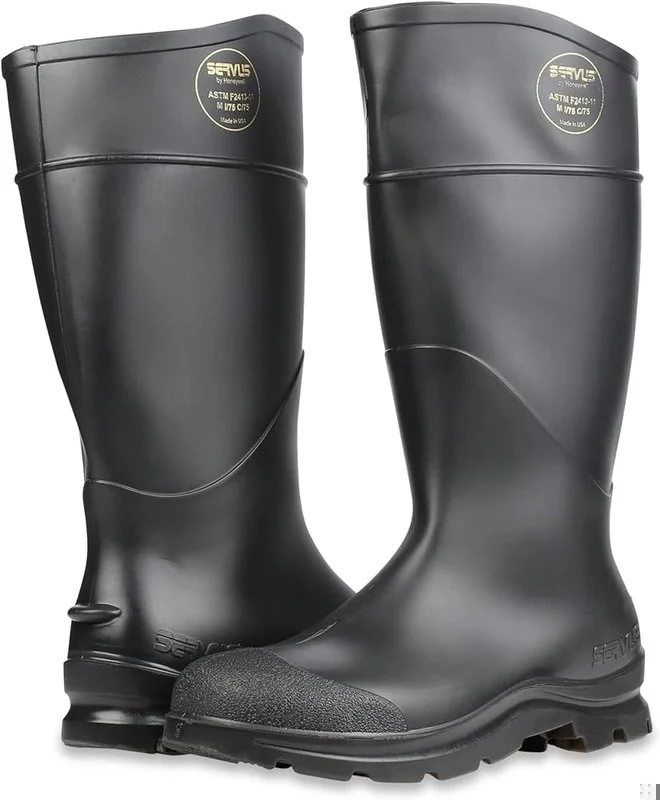
Servus Comfort Technology 14" PVC Boots
Designed for hazardous pest control environments, Servus Comfort Technology 14" PVC Boots provide reliable waterproof and chemical-resistant protection with a 14-inch height to shield against spills and splashes. The slip-resistant outsole ensures stable footing on wet or uneven surfaces, making these boots ideal for professionals handling pesticides in damp conditions or crawl spaces.
Why We Recommend This
We recommend the Servus Comfort Technology 14" PVC Boots as the best value choice for those prioritizing chemical resistance and slip protection in wet pest control settings. These boots deliver industry-standard safety features at a budget-friendly price, making them a practical pick for both professionals and serious DIYers. Our review found the lightweight construction and traction especially beneficial in real-world pest control scenarios.
vs Competitors: Compared to more expensive rubber boots, these offer chemical protection and durability at a fraction of the weight and price, though they lack insulation found in premium alternatives.
Best For:
Pest control professionals and homeowners needing reliable, affordable footwear for chemical and moisture protection during pest removal tasks.
- Ideal for pest control technicians working in wet basements or crawl spaces
- Recommended for DIYers handling chemical sprays or spills during home pest removal
- 14-inch PVC upper for extended leg protection
- Chemical-resistant construction suitable for pesticides and solvents
- Excellent chemical and moisture barrier for hazardous environments
- Slip-resistant sole reduces risk of falls on damp or slippery floors
- Limited breathability may cause feet to sweat in warm conditions
- Not insulated for cold weather use
If you’re crawling into damp crawl spaces or working in unfinished basements, these boots are worth the extra weight. For quick indoor jobs, disposable shoe covers may be easier - but they don’t offer the same protection.
Waterproof Boots vs Shoe Covers
Waterproof boots protect against spills, sharp debris, and bites, and can be reused for multiple jobs. Disposable shoe covers are best for keeping living areas clean, but they offer minimal protection against punctures or chemicals. The right choice depends on the environment - muddy yard work calls for boots, while a quick kitchen spray might only need covers.
Slip Resistance and Traction
Non-slip soles are essential if you’re spraying in wet areas or moving around cluttered garages. Deep treads grip better on muddy or uneven ground. Watch out for budget boots with shallow tread patterns - they may be cheaper, but they increase the risk of slipping.
Hearing Protection for Noisy Pest Control Equipment
Many pest control tools - especially gas-powered foggers and sprayers - can be loud enough to damage your hearing over time. If you’re running this kind of equipment regularly, hearing protection is a must.
Howard Leight Impact Sport Earmuffs - Best Electronic Hearing Protection
Howard Leight Impact Sport Earmuffs are a user-friendly solution for DIYers running loud pest control gear. These electronic earmuffs reduce harmful noise levels while still letting you hear conversations and warning signals. They’re much more comfortable for long sessions than disposable foam earplugs, and the battery-powered amplification makes them practical for home use.
- Electronic noise reduction - blocks loud sounds above 82 dB
- Amplifies voices and background sounds, so you don’t lose situational awareness
- Adjustable fit and padded headband for comfort during multi-hour jobs
- Foldable design - easy to store in a gear bag
- Runs on standard batteries - no need to recharge between short sessions
- Can be bulky when worn with hats or face shields
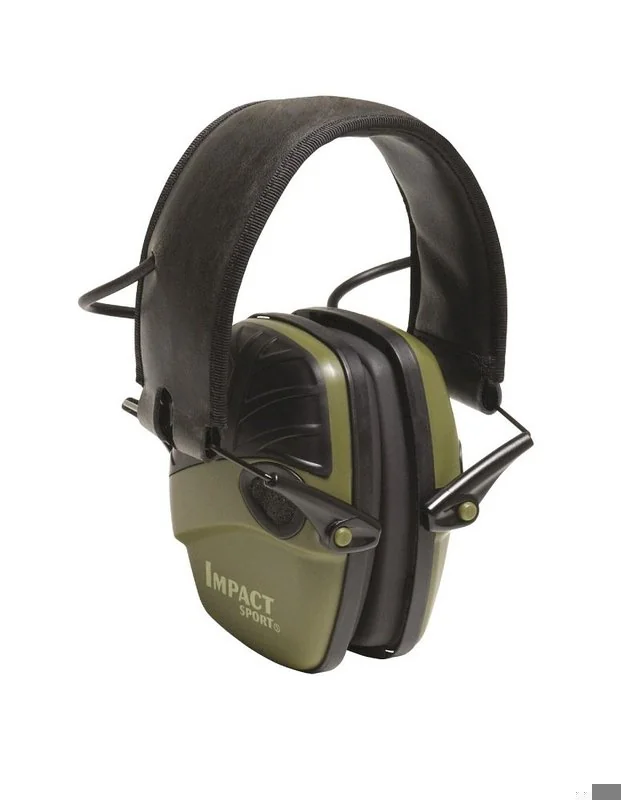
Howard Leight Impact Sport Earmuffs
Howard Leight Impact Sport Earmuffs provide reliable electronic hearing protection by reducing dangerous noise from pest control equipment while amplifying safe sounds like speech and alarms. With a noise reduction rating of 22 dB and lightweight 0.7 lb build, they’re comfortable for extended use during DIY or professional pest removal tasks. Battery-powered audio amplification ensures you stay alert to important cues during noisy jobs.
Why We Recommend This
We recommend the Howard Leight Impact Sport Earmuffs for anyone tackling pest control projects involving loud tools or machines. Their electronic amplification balances safety and situational awareness, outperforming basic earplugs in both comfort and usability. For extended sessions or team work, these earmuffs deliver the best mix of protection and practicality at this price point.
vs Competitors: Compared to standard foam earplugs, the Impact Sport offers superior comfort and ability to hear essential sounds. While more premium earmuffs may add Bluetooth or higher NRR, this model stands out for its balance of value, features, and real-world performance.
Best For:
Homeowners, pest control professionals, and DIY enthusiasts regularly using loud equipment who need reliable hearing protection and situational awareness.
- Operating gas-powered pest control equipment such as foggers or sprayers in residential settings
- DIYers or professionals needing to communicate with team members while maintaining hearing safety
- Electronic noise reduction with 22 dB NRR (Noise Reduction Rating)
- Amplifies ambient sounds up to 82 dB for situational awareness
- Allows clear conversation and warning signal detection while blocking hazardous noise
- Lightweight and comfortable for long pest control sessions
- Not fully waterproof or dustproof - best for dry, indoor, or mild outdoor use
- Requires batteries, which may add ongoing cost for frequent users
These earmuffs are especially useful if you frequently use foggers, sprayers, or even power tools while pest-proofing your home. For occasional, short bursts of noise, disposable earplugs might be enough.
When Do You Need Hearing Protection?
If your equipment is rated above 85 dB, or if it’s loud enough to force you to raise your voice, you need hearing protection. Short-term exposure may not hurt, but repeated use without protection can cause permanent damage over time. Many DIYers skip this step - don’t make that mistake if you work with noisy gear regularly.
Earplugs vs Earmuffs: Pros and Cons
Earplugs are lightweight, disposable, and fit under other headgear, but may not block as much noise as earmuffs. Earmuffs offer stronger protection and are more comfortable for long sessions, but can interfere with hats or face shields. Both types reduce your ability to hear subtle warning sounds, so only use them when needed.
Best Headlamps and Lighting for Pest Control
Pest control often means working in dark, cramped spaces - attics, basements, under appliances - where hands-free lighting is a real advantage. A good headlamp lets you see what you’re doing without juggling a flashlight and a sprayer.
Black Diamond Spot 400 Headlamp - Best for Hands-Free Inspections
The Black Diamond Spot 400 Headlamp is a standout for pest inspections and treatments in dim or confined areas. It offers a high-lumen beam with adjustable brightness, and it’s waterproof - so it holds up to outdoor use or sweaty crawl space work. The slim profile means it fits comfortably under most hard hats or with other PPE.
- Up to 400 lumens - bright enough for attic inspections or under-appliance work
- Multiple lighting modes for focused or wide-area illumination
- Rechargeable battery - saves money over time, but can swap in standard batteries if needed
- Waterproof and impact-resistant - built for real-world, messy conditions
- Adjustable headband for a secure, comfortable fit
- Battery life varies - on high, may need recharging after a few hours
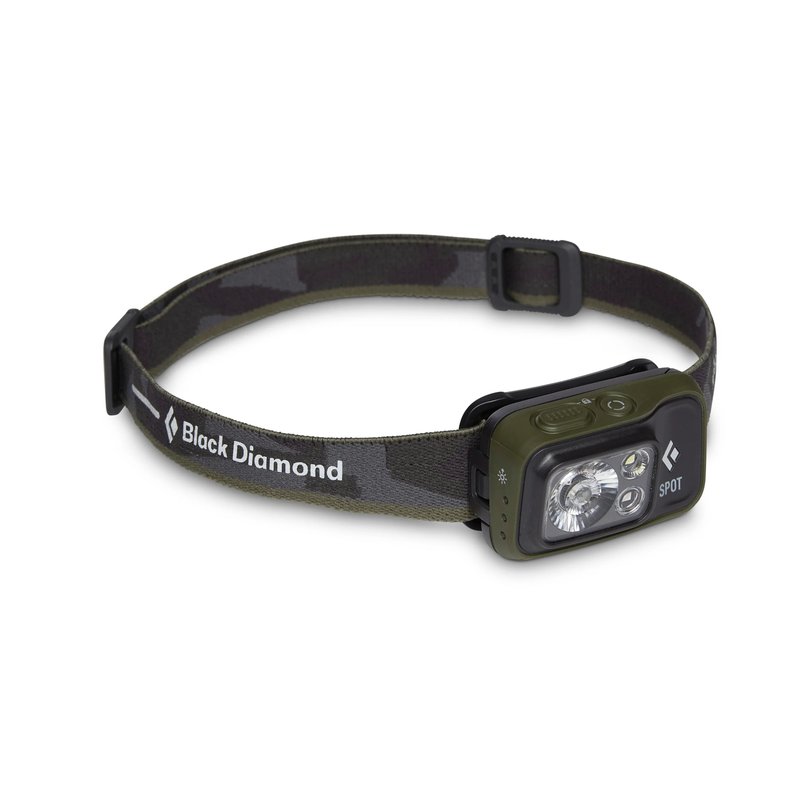
Black Diamond Spot 400 Headlamp
Delivers bright, adjustable illumination up to 400 lumens, making pest inspections in dark crawl spaces or attics safer and more efficient. The IPX8 waterproof rating ensures reliable performance in wet or humid environments, while the slim 77g design fits comfortably under hard hats or with other PPE. Designed for professionals who need hands-free, durable lighting during pest control tasks.
Why We Recommend This
We recommend the Black Diamond Spot 400 Headlamp for pest control professionals who need dependable, hands-free lighting in dark or confined spaces. Its high-lumen output and waterproof rating set it apart for use in damp environments, and the lightweight, slim design is comfortable for all-day wear with PPE. It’s a top performer for those prioritizing durability and practical features over rechargeability.
vs Competitors: Compared to other headlamps in its class, the Spot 400 offers superior waterproofing (IPX8 vs. typical IPX4) and a slimmer profile, though it lacks USB rechargeability found in some pricier models.
Best For:
Professional pest control technicians and DIYers seeking reliable, hands-free lighting for challenging inspection environments
- Ideal for thorough pest inspections in attics, basements, or crawl spaces
- Suitable for nighttime outdoor pest treatments and monitoring
- 400-lumen maximum output with dimming and strobe modes
- IPX8 waterproof certified (operates submerged up to 1.1m for 30 minutes)
- High brightness improves visibility in confined or poorly lit areas
- Waterproof construction withstands damp crawl spaces and outdoor use
- Uses AAA batteries instead of rechargeable power
- Button controls can be difficult to operate with gloved hands
Users consistently praise its reliability, especially in tight crawl spaces or during all-night treatments. It’s a smart investment for any homeowner serious about DIY pest removal.
Hands-Free Headlamps vs Flashlights
Headlamps keep your hands free for spraying, cleaning, or setting traps - making them much safer and more practical than handheld flashlights in most pest control scenarios. Flashlights can be brighter, but juggling a light and a sprayer at the same time is a recipe for spills and missed spots. For most jobs, a headlamp is simply more practical.
Battery Life and Durability
Rechargeable headlamps save money for frequent users, but keep an eye on battery life - some models won’t last a full day on high settings. Water and impact resistance matter if you’ll be working in damp basements or outdoors. Cheaper headlamps often fail or have unreliable switches, so invest in a proven model if you’re dealing with recurring infestations.
| Product Type | Best For | Value | Speed | Safety | Comfort | Key Trade-off |
|---|---|---|---|---|---|---|
| Full-Face Respirator | Heavy chemical use, enclosed spaces | High (for frequent use) | Moderate (setup/cleaning required) | Maximum | Can be hot, heavier | Cost, maintenance |
| Disposable N95 Mask | Light dust, allergens, quick jobs | Excellent | Fast (single-use) | Low (not for chemicals) | Very comfortable | Limited protection |
| Nitrile Gloves | Pesticide handling, pest waste | High | Fast (disposable) | High | Good dexterity | Single-use waste |
| Disposable Coveralls | One-time infestations, dirty jobs | Good | Fast (no cleanup) | High | Lightweight | Not reusable |
| Safety Goggles | Sprays, dust, debris | Excellent | Instant | High | May fog up | Ventilation vs. seal |
| PVC Boots | Wet/crawl spaces, chemical spills | High (reusable) | Quick to put on | High | Heavier than shoes | Weight vs. protection |
| Electronic Earmuffs | Loud equipment, frequent use | Good | Easy | High | Comfortable (for most) | May interfere with hats |
| Headlamp | Dark/low-visibility spaces | Excellent | Fast setup | N/A | Very comfortable | Battery life |
How to Choose the Right Protective Gear
Choosing protective gear isn’t just about grabbing what’s cheapest or most available. Matching your equipment to your pest problem and treatment method saves money, increases comfort, and keeps you safe where it matters most.
Matching Gear to Pest and Treatment Type
For chemical pest control - sprays, foggers, or powders - full PPE (Personal Protective Equipment) is a must: respirator, gloves, coveralls, goggles, and boots. For natural methods, gloves and a simple mask often suffice. Rodent or bird infestations demand biohazard-level protection, including disposable coveralls and double gloving, due to disease risk from droppings or nesting materials.
Balancing Cost, Comfort, and Effectiveness
Premium gear lasts longer, fits better, and offers more comfort - making the upfront investment worthwhile for frequent users or those handling strong chemicals. Budget gear works for small, occasional jobs but may not meet safety standards or stand up to repeated use. Features like breathability, adjustable fit, and easy-on/easy-off designs can make a big difference in comfort, especially during summer or multi-hour jobs.
When to Replace or Upgrade Your Gear
Disposable items (gloves, masks, coveralls) should be replaced after each use - don’t try to stretch them across multiple jobs. Reusable gear must be inspected often: cracks, holes, or loss of elasticity mean it’s time for a replacement. If your equipment is years old or has been stored improperly, check that it still meets current safety standards before relying on it for a major job.
For a broader look at gear, see Pest Control Equipment and Tools: Reviews and Guides which covers everything from sprayers to protective clothing in more detail.
Frequently Asked Questions About Protective Gear for Pest Control
❓ Frequently Asked Questions
What is protective gear for pest control?
What is protective gear for pest control?
Protective gear for pest control refers to specialized clothing and equipment designed to shield users from contact with chemicals, allergens, and pests during removal. The main benefit is reducing the risk of exposure or injury. Examples include chemical-resistant gloves, N95 or P100 respirators, coveralls, and safety goggles.
How do I choose the best protective gear for pest control?
How do I choose the best protective gear for pest control?
To choose the best protective gear for pest control, focus on these key criteria:
- Material: select chemical-resistant fabrics with sealed seams
- Certification: look for EPA- or OSHA-compliant labels
- Fit: ensure a snug but comfortable fit to prevent leaks
- Filtration: respirators should meet NIOSH N95 or P100 standards
Compare several options and read verified user reviews for durability.
What is the difference between disposable and reusable pest control suits?
What is the difference between disposable and reusable pest control suits?
Disposable pest control suits are designed for one-time use and reduce contamination risks but generate more waste. Reusable suits, often made from thicker materials, offer better long-term value and higher durability. However, they require thorough decontamination after each use to maintain effectiveness and safety.
How do I properly maintain my pest control protective gear?
How do I properly maintain my pest control protective gear?
To maintain pest control protective gear:
- Clean after every use with mild soap and water - avoid harsh chemicals that can degrade materials
- Inspect for rips, cracks, or filter wear before each use
- Store in a dry, cool environment away from sunlight
- Replace filters and disposable items as recommended
Regular maintenance helps extend gear life and ensures safety.
Why do I need a respirator for pest control?
Why do I need a respirator for pest control?
A respirator is essential for pest control because it blocks harmful airborne particles, fumes, and allergens released during treatment. For example, N95 or P100 respirators filter out at least 95-99.97% of fine particles, reducing the risk of respiratory irritation or long-term health issues associated with pesticide exposure.
How often should I replace pest control gloves and masks?
How often should I replace pest control gloves and masks?
Gloves used in pest control should be replaced after each session, especially if exposed to chemicals or punctured. Respirator masks require filter changes based on manufacturer recommendations - typically after 8-40 hours of use - or sooner if breathing resistance increases. Regular replacement maintains optimal protection and complies with safety guidelines.
Which type of protective eyewear is best for pest removal?
Which type of protective eyewear is best for pest removal?
For pest removal, safety goggles with side shields or a full-face shield offer the best eye protection. Choose models that meet ANSI Z87.1 standards, as they block splashes, dust, and chemical sprays. Anti-fog coatings and adjustable straps improve comfort for longer sessions, according to most user feedback.
- 3M Full Facepiece Reusable Respirator 6800 is the go-to for chemical-heavy pest control, especially in confined spaces.
- Kimberly-Clark Purple Nitrile Exam Gloves are the best all-around glove for both chemical and biological risk.
- DuPont Tyvek 400 Disposable Coveralls win for messy, one-off jobs or when cross-contamination is a concern.
Key Takeaways: Choosing the Best Gear for Pest Control
For chemical-intensive or high-risk pest control, full-face respirators, nitrile gloves, and disposable coveralls provide the safest, most effective barrier. For lighter, occasional jobs, a quality N95 mask, basic gloves, and safety goggles are usually enough, but don’t skip them - exposure risks add up over time. Each product type on this list was selected for its proven reliability and real-world user feedback.
Match your gear to your specific needs: heavy spraying? Go for a full-face respirator and Tyvek suit. Just dusting with diatomaceous earth?
Nitrile gloves and an N95 mask are plenty. For crawl spaces, prioritize waterproof boots and a powerful headlamp; for noisy equipment, electronic earmuffs protect your hearing without sacrificing awareness. Don’t waste money on gear you’ll never use, but don’t under-protect either - serious exposure can happen fast.
If you need more in-depth comparisons or want to browse by category, check our full archive of Protective Gear & Safety Equipment for side-by-side breakdowns and advanced tips.
Related Articles
How to Choose Pest Control Protective Gear: Safety Guide for 2026
Learn how to choose pest control protective gear for safe, effective DIY pest removal. This 2026 safety guide covers essential equipment, selection tips, and step-by-step instructions for homeowners and renters.
Top 5 Pest Control Suits for Professionals and DIYers (2026)
Looking for the best pest control suits in 2026? Discover the top 5 protective suits for professionals and DIYers - compare features, safety, comfort, and value for your next pest removal project.
Disposable vs Reusable Pest Control Suits: Pros and Cons (2026)
Compare disposable vs reusable pest control suits for DIY pest removal in 2026. Discover protection levels, comfort, cost, environmental impact, and find the best suit for your needs.
Top 5 Pest Control Suits for Professionals and DIYers (2026)
Looking for the best pest control suits in 2026? Discover the top 5 protective suits for professionals and DIYers - compare features, safety, comfort, and value for your next pest removal project.