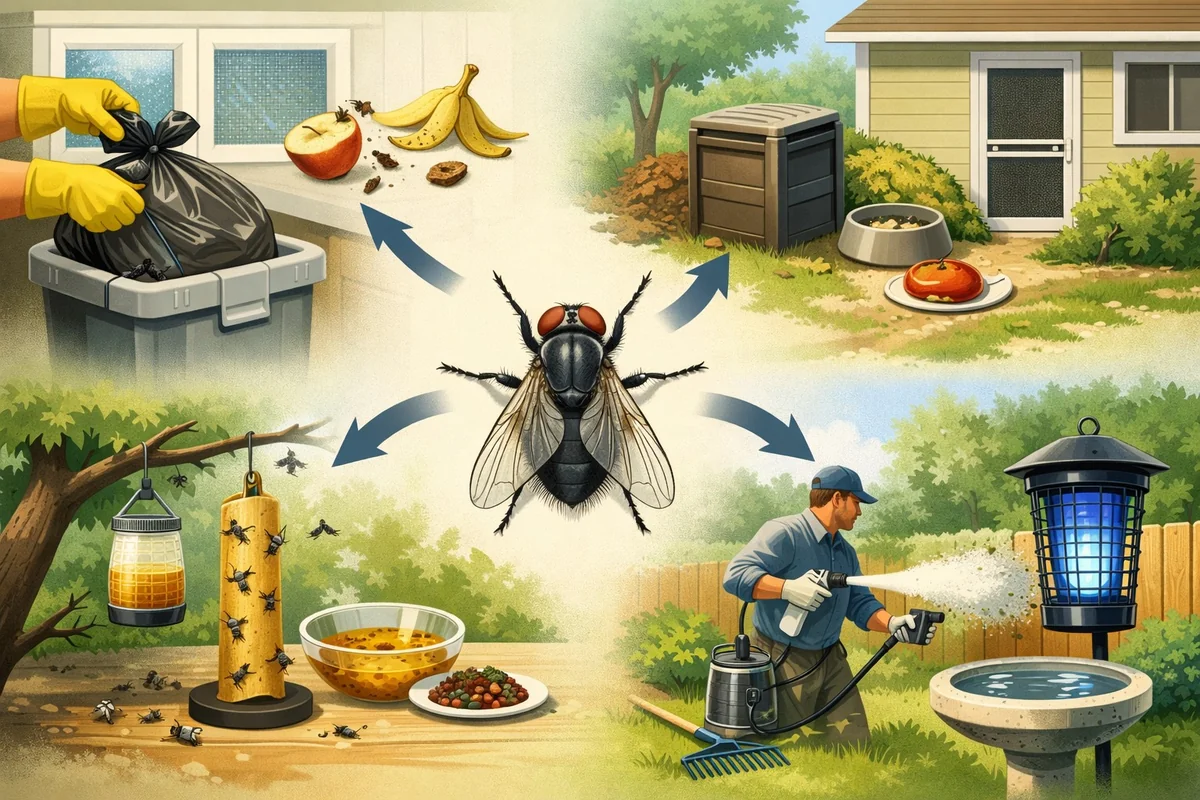

How to Get Rid of Flies: Step-by-Step Guide for Homeowners
Learn how to get rid of flies fast with this step-by-step fly removal guide. Discover proven DIY methods, essential tools, and expert tips to eliminate flies and prevent future infestations in your home or apartment.
To get rid of flies in your home, identify and remove breeding sites, set effective traps, deep clean all possible attractants, and seal entry points. Most infestations clear up within a week if you address the root causes, not just the adult flies. Consistency and thoroughness are key to lasting results.
Why Flies Invade Homes and Apartments
If you're constantly swatting at flies, you're not alone. Flies are opportunists, drawn to easy food and moisture sources - common in almost every home at some point. The good news?
Once you know why they're there, controlling them becomes much easier.
Common Attractants in Living Spaces
House flies head straight for rotting food, uncovered trash, and pet waste. Even crumbs under the fridge or in the toaster can draw them. Fruit flies, on the other hand, are obsessed with ripe produce, spilled juice, and anything fermenting in your kitchen or pantry.
Drain flies thrive where there's moisture and organic buildup - think slow drains, garbage disposals, and overwatered plant pots. If you've had a previous fly problem, lingering scent trails from decomposed material or fly secretions can continue to attract newcomers, even after the visible mess is gone.
How Flies Enter Indoor Areas
Flies need only the tiniest opening. Window screens with gaps as small as 1-2 mm, loose door frames, and gaps around utility pipes are all fair game. When seasons shift - especially as fall and winter bring cooler weather - flies look for warmth indoors, which is why you might see sudden surges in fly activity even if your habits haven't changed.
Leaving a door open for just a minute can let in dozens of flies if conditions are right outside. That's why exclusion is as important as cleaning in any serious fly removal guide. For a broader look at prevention and control strategies, see our Fly Control overview.
Identifying the Type of Fly Infestation
Not all flies are created equal. Knowing whether you're dealing with house flies, fruit flies, or drain flies determines which control methods will actually work. Misidentification is the number one reason DIY efforts fail.
House Flies vs Fruit Flies vs Drain Flies
- House flies: Larger, gray, noisy, and often found near windows or garbage bins. They breed in decaying organic matter, especially trash or pet waste.
- Fruit flies: Tiny (about 1/8"), brownish, and hover near fruit bowls, wine bottles, or compost. They breed in fermenting produce and sugary spills.
- Drain flies: Fuzzy, moth-like, usually found near sinks, bathtubs, and drains. Their larvae develop in the organic sludge inside pipes.
Getting this wrong wastes time and traps. For example, vinegar traps work well for fruit flies but barely touch a house fly problem.
Signs of a Breeding Site
Active breeding sites are the hidden cause behind recurring fly problems. Finding clusters of maggots (fly larvae) near trash, compost, or drains means you need to eliminate the source completely, not just trap adults. If adult flies keep appearing in the same area, there's almost always a nearby breeding spot you haven't found yet.
Watch for foul odors, moist buildup, or sticky residues - these signal organic decay where flies lay eggs. Remove or clean these spots thoroughly, or the infestation will bounce back fast.
Essential Tools and Supplies for Fly Removal
Effective fly removal isn’t just about buying a single spray or trap. The right tools - and knowing how to use them - make the process faster and prevent future outbreaks. Here’s what actually works, based on our research and years of field experience.
DIY Traps and Store-Bought Options
- Homemade traps: Small dishes with cider vinegar or wine lure fruit flies, but house flies are less interested. Cover the dish with plastic wrap and poke small holes for best results.
- Sticky fly strips: These catch a variety of flies and double as a visual infestation tracker. Hang them near trash, windows, or wherever you see the most activity.
- UV light traps: Useful for larger spaces and persistent house fly problems. They don’t attract fruit flies as well, but they’re great for entryways, garages, and basements.
For those comparing the best commercial options, see our complete breakdown at Best Fly Traps and Zappers 2026.
Cleaning Agents and Disinfectants
- Enzyme-based cleaners: Break down organic residues that attract and feed flies. Use these in drains, trash bins, and any area where food or waste accumulates.
- Bleach and strong chemicals: Kill larvae and disinfect surfaces, but overuse can damage plumbing or leave hazardous residues. Use sparingly and rinse thoroughly.
- Natural alternatives: Baking soda and vinegar are safe and effective for mild cleaning, especially with pets or kids around. They won’t kill larvae as fast as harsh chemicals but won’t harm your household either.
Barriers and Exclusion Materials
- Fine-mesh screens: Block most adult flies. Inspect regularly for tears or degraded spots, especially after winter or storms.
- Weatherstripping and caulk: Seal gaps in windows, doors, and utility openings. Even a 2mm gap is enough for flies to enter.
- Physical barriers: Only work when all entry points are covered. Missing one gap is enough to restart an infestation.
| Method | ★Difficulty Level | ★Time Required | Cost Range | ★Best For | Skill Level Required | Effectiveness |
|---|---|---|---|---|---|---|
| Manual Removal (Swatting & Trapping) | Easy | 1-2 hours for typical rooms | Budget-friendly | Small infestations and quick spot treatment | Beginner | Moderate |
| Sanitation & Prevention | Medium | 2-4 hours for thorough cleaning | Low to Moderate | Long-term control and prevention in kitchens or food areas | Beginner to Intermediate | High |
| Chemical Treatment (Insecticide Sprays) | Medium | 30-60 minutes per application | Moderate | Rapid knockdown of large or persistent infestations | Intermediate (requires safety precautions) | Very High |
| Natural Remedies (Vinegar Traps, Essential Oils) | Easy | 1-2 hours setup, ongoing maintenance | Budget-friendly | Homes with pets, children, or chemical sensitivities | Beginner | Moderate |
| Physical Barriers (Screens, Door Seals) | Medium | 2-3 hours installation per entry point | Moderate | Preventing re-entry in high-risk areas or during fly season | Intermediate | High |
Step-by-Step Process to Eliminate Flies
This is where most people go wrong: they attack the flies they see but miss the hidden sources. Follow this process and you’ll break the breeding cycle, not just chase flies around the kitchen.
Step-by-Step Guide
Remove flies from your home efficiently using proven pest control methods. Follow this structured guide to eliminate flies and prevent future infestations using up-to-date, homeowner-friendly techniques.
Total Time
35 minutes
Difficulty
Beginner
Identify and Eliminate Fly Breeding Sites
Locate areas where flies breed, such as garbage bins, compost, or pet waste. Remove organic debris and clean surfaces thoroughly to disrupt their life cycle. This immediately reduces new fly populations and is the foundation for long-term control.
Pro Tips:
- Check under sinks and behind appliances for hidden sources.
- Empty indoor trash cans daily and clean the bin with soap and water.
- Clean up pet waste in the yard every 1-2 days to prevent fly attraction.
Important Warnings:
- Failure to remove breeding sources can cause flies to return quickly, even after treatment.
Required Tools:
- Trash bags (13-gallon or larger)
- All-purpose cleaner
- Disposable gloves
Seal Entry Points and Repair Screens
Inspect windows, doors, and vents for gaps or holes. Seal cracks with caulk and repair or replace damaged window screens to prevent flies from entering. Proper sealing significantly reduces indoor fly populations and improves energy efficiency.
Pro Tips:
- Use silicone-based caulk for weather resistance.
- Check that all window screens fit tightly in frames.
- Install door sweeps on exterior doors for additional protection.
Important Warnings:
- Leaving entry points unsealed makes other control efforts less effective.
Required Tools:
- Tube of silicone caulk
- Caulking gun
- Replacement window screens or screen repair kit
- Utility knife
Set Up Fly Traps and Baits
Place commercial or homemade fly traps in areas where flies are most active. Use sticky traps on windowsills and baited jar traps near entry points. This reduces adult fly numbers quickly and provides ongoing monitoring.
Pro Tips:
- Position traps away from food preparation areas.
- Replace or empty traps when they become full for continued effectiveness.
- For homemade traps, use a mixture of apple cider vinegar and a few drops of dish soap.
Important Warnings:
- Avoid placing traps where children or pets can contact them.
Required Tools:
- Sticky fly traps
- Baited fly jar traps
- Apple cider vinegar (for homemade traps)
- Dish soap
Clean Surfaces and Remove Food Sources
Wipe down counters, tables, and sinks with disinfectant to remove food residues. Store fruits and other produce in sealed containers or the refrigerator. This deprives flies of food, making your home less attractive and supporting long-term prevention.
Pro Tips:
- Clean up spills immediately, especially sugary drinks and fruit juices.
- Use airtight containers for pantry items.
- Rinse recyclables before placing them in recycling bins.
Important Warnings:
- Neglecting to clean food residues can allow fly populations to rebound quickly.
Required Tools:
- Disinfectant spray
- Microfiber cloths
- Airtight storage containers
Monitor and Repeat as Needed
Check traps and problem areas every 2-3 days for activity. Reapply control measures or contact a licensed pest professional if flies persist beyond two weeks. Consistent monitoring ensures lasting results and early intervention if new issues arise.
Pro Tips:
- Keep a simple log to track fly numbers and trap catches.
- Regularly inspect new entry points after severe weather.
- Professional help may be needed for severe or recurring infestations.
Important Warnings:
- Ignoring ongoing fly activity may allow infestations to grow and spread to other areas.
Required Tools:
- Notebook or phone for tracking
- Replacement fly traps
Locating and Removing Breeding Sites
Start by inspecting every likely site: garbage bins (inside and outside), compost, drains, fruit bowls, and recycling areas. Look for moist organic matter or visible maggots - these are active breeding grounds.
Bag up infested materials, seal tightly, and remove from your living space immediately. Don’t just move the problem to another garbage can indoors. After removal, scrub the area with enzyme cleaner or a strong disinfectant to destroy any remaining eggs or larvae.
Setting Up Effective Traps
Place vinegar or wine traps directly where fruit flies are gathering - near fruit, compost, or recycling bins. For house flies, sticky strips near windows, doors, and trash bins work best. UV light traps are ideal for persistent problems in larger rooms or entryways.
Refresh your trap bait and replace sticky strips every 2-3 days. Otherwise, flies will escape or the trap will stop attracting them. Monitor how many flies you’re catching to see if you’re winning the battle or if another breeding site is still active.
Deep Cleaning and Sanitation
Scrub all surfaces with an enzyme-based cleaner - especially kitchen counters, trash can lids, and the edges of sinks or drains. Food residue invisible to you is a feast for flies. Boil water and pour it down drains, followed by a cleaning agent, to break up organic sludge where drain flies breed.
Don’t overlook hidden areas like under appliances, behind furniture, or around pet food stations. Even tiny crumbs or spills can keep a fly population going.
Sealing Entry Points and Preventing Return
Inspect window screens for holes or bent frames. Replace or patch any damage. Check doors for gaps at the bottom or along the sides and use weatherstripping or door sweeps to close them off.
Walk your home’s exterior and look for cracks around utility lines, vents, or foundations - these are common fly entry points. Caulk or seal them thoroughly. Re-inspect every few months, since weather and settling can open new gaps.
Comparing DIY Methods vs Commercial Fly Control
Should you stick with household remedies or bring in commercial products? The answer depends on infestation size, tolerance for chemicals, and how quickly you want results.
Effectiveness and Speed of Results
DIY methods - traps, deep cleaning, and exclusion - are usually enough for minor infestations. If you’re thorough, you’ll see a massive drop in fly numbers within 3-7 days. Commercial sprays or foggers can knock down adult flies fast but rarely solve the root problem if breeding sites remain.
Bigger or recurring infestations may require both approaches. Based on user reports, combining deep cleaning, trapping, and one-time use of a commercial spray (if needed) clears most household fly problems.
Safety and Environmental Impact
DIY options like vinegar traps and enzyme cleaners are non-toxic and safe for kids and pets. Chemical sprays and foggers, on the other hand, can leave harmful residues on surfaces and in the air if overused or misapplied. Some commercial products are eco-friendly, but always check the label for warnings or active ingredients before use.
Cost and Accessibility
Most DIY fly control supplies - vinegar, baking soda, sticky strips - are budget-friendly and often already in your home. Enzyme cleaners and weatherstripping are also affordable, especially compared to repeated purchases of sprays or electric zappers. Commercial traps and sprays cost more over time, especially if you need frequent refills or replacements.
Common Mistakes That Make Fly Problems Worse
Flies are persistent because most people miss a critical step. Avoid these common errors if you want your fly removal to actually last.
Ignoring Hidden Breeding Sites
Killing visible adult flies feels satisfying but does nothing to stop new flies emerging from eggs or larvae you can’t see. If you skip inspecting drains, under appliances, or compost bins, you’ll be dealing with a new wave of flies in 48-72 hours.
Set a reminder to re-check these spots weekly during fly season. Eliminating hidden breeding sites is the only way to break the cycle for good.
Overusing Chemical Sprays
Spraying every fly you see is tempting, but repeated use can breed chemical resistance. Worse, you risk contaminating food surfaces and harming pets or beneficial insects. Heavy reliance on chemicals can also hide the real problem: poor cleaning or missed entry points.
Improper Use of Traps
Traps need to be near the action. Putting a vinegar trap in the living room when the flies are in the kitchen won’t catch much. Refreshing bait every 2-3 days is crucial - stale traps lose their pull. Overcrowded traps can even attract more flies without actually reducing the population.
Expert Tips to Prevent Future Fly Infestations
Once you’ve controlled the current outbreak, prevention is all about denying flies what they want: food, moisture, and entry points. These tips make a real difference, especially during peak fly season or if you’ve had recurring issues in the past.
Best Practices for Kitchen and Waste Management
- Keep all produce sealed or refrigerated - fruit flies can squeeze into mesh produce bags or even closed bowls.
- Empty trash bins daily and always use lids that fit tightly.
- Clean up spills, crumbs, and food residue as soon as possible. Pay extra attention to areas behind appliances or near pet food dishes.
Seasonal Maintenance and Inspections
- Inspect window screens and door seals before spring and summer - fly season ramps up as temperatures rise.
- Flush and clean drains monthly to prevent drain fly buildup.
- Schedule a deep cleaning session every 3-4 months to disrupt breeding cycles, especially in kitchens and bathrooms.
Natural Repellents and Deterrents
- Essential oils like citronella, eucalyptus, and lavender help repel flies. Use them in diffusers or dilute and spray near entry points.
- DIY repellents are safe but require reapplication every few days to be effective.
- Repellents reduce fly entry but won’t solve an active infestation - use them alongside cleaning and exclusion for best results.
Frequently Asked Questions About Fly Removal
❓ Frequently Asked Questions
What is the most effective way to get rid of flies in the house?
What is the most effective way to get rid of flies in the house?
The most effective way to get rid of flies in the house combines sanitation, exclusion, and targeted control. Remove food waste promptly, seal entry points like windows and doors, and use fly traps or indoor-safe insecticides as needed. Most users find that integrated approaches reduce fly problems significantly within a week.
How do I get rid of flies naturally at home?
How do I get rid of flies naturally at home?
To get rid of flies naturally at home:
- Remove all food scraps and keep surfaces clean
- Use vinegar or citrus traps to attract and capture flies
- Place basil, mint, or cloves near windows as deterrents
- Install fine mesh screens on doors and windows
Natural methods work best when combined for ongoing prevention.
What should I look for when choosing a fly trap for home use?
What should I look for when choosing a fly trap for home use?
When choosing a fly trap for home use, consider:
- Safety: non-toxic or indoor-safe options
- Capacity: suitable for the size of your infestation
- Ease of setup: simple installation and maintenance
- Disposal method: hygienic and mess-free
- Cost: balance price with effectiveness
Read verified user reviews for realistic performance expectations.
How often should I clean areas to prevent fly infestations?
How often should I clean areas to prevent fly infestations?
To prevent fly infestations, clean food preparation and waste areas daily. Empty trash bins at least every two days and wipe down surfaces regularly. Most users report that consistent cleaning routines reduce fly attraction and help maintain a fly-free home, especially during warmer months when flies are most active.
Why do I need to seal cracks and windows to control flies?
Why do I need to seal cracks and windows to control flies?
Sealing cracks and windows is crucial because flies enter through even small gaps. By blocking these entry points, you significantly reduce the number of flies indoors. Most users find that weather stripping and fine mesh screens are effective, though complete exclusion may require ongoing inspection and periodic repairs.
What's the difference between electric and sticky fly traps?
What's the difference between electric and sticky fly traps?
Electric fly traps use UV light to attract and electrocute flies, offering hands-off disposal and higher capacity. Sticky traps use adhesive surfaces to catch flies and are chemical-free but fill up faster. Electric models suit larger spaces, while sticky traps are ideal for kitchens and small areas. Both require regular replacement.
How do I safely use insecticides for indoor fly control?
How do I safely use insecticides for indoor fly control?
To safely use insecticides for indoor fly control:
- Choose products labeled for indoor use and follow all instructions
- Apply only in targeted areas, avoiding food surfaces
- Ventilate rooms after treatment
- Store chemicals away from children and pets
EPA guidelines recommend always reading labels for safe application and considering non-chemical methods first.
Key Takeaways for Lasting Fly Control
Effective fly removal is about more than just sprays or traps. The real secret is targeting breeding sites, thorough cleaning, and sealing every possible entry. If you’re consistent, most infestations clear up within a week - without resorting to heavy chemicals.
Don’t get discouraged if you spot a few stragglers after a cleanup. Monitor traps and keep up with inspections. If flies keep returning despite your best efforts, it’s time to double-check for hidden breeding grounds - especially in drains or outside garbage bins.
If you want a fly-free home year-round, stick to a cleaning and inspection schedule, address attractants right away, and keep entry points sealed. For recurring or severe problems, consider consulting a local pest control professional for deep-seated infestations or building-wide entry issues.
Related Articles

Best Fly Traps and Zappers 2026: Expert Reviews for Every Home
Looking for the best fly traps and zappers in 2026? Discover top-rated products, expert reviews, and the most effective fly control solutions for your home - indoors and out.
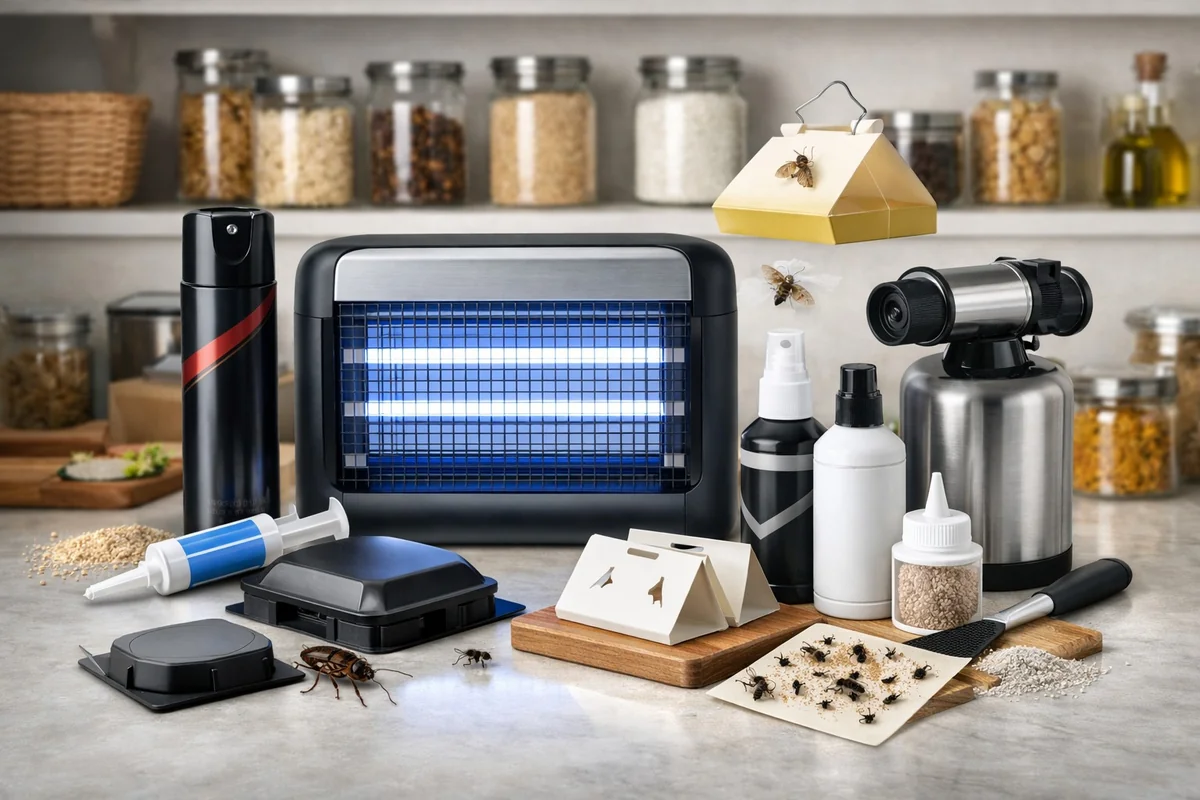
Best Kitchen Pest Control Products 2026: Ant, Roach, Moth & Fly Solutions
Find the best kitchen pest control products for 2026, including safe ant baits, cockroach gels, pantry moth traps, fly solutions, and natural options. Expert advice on choosing safe, effective, and budget-friendly pest killers for food storage areas.
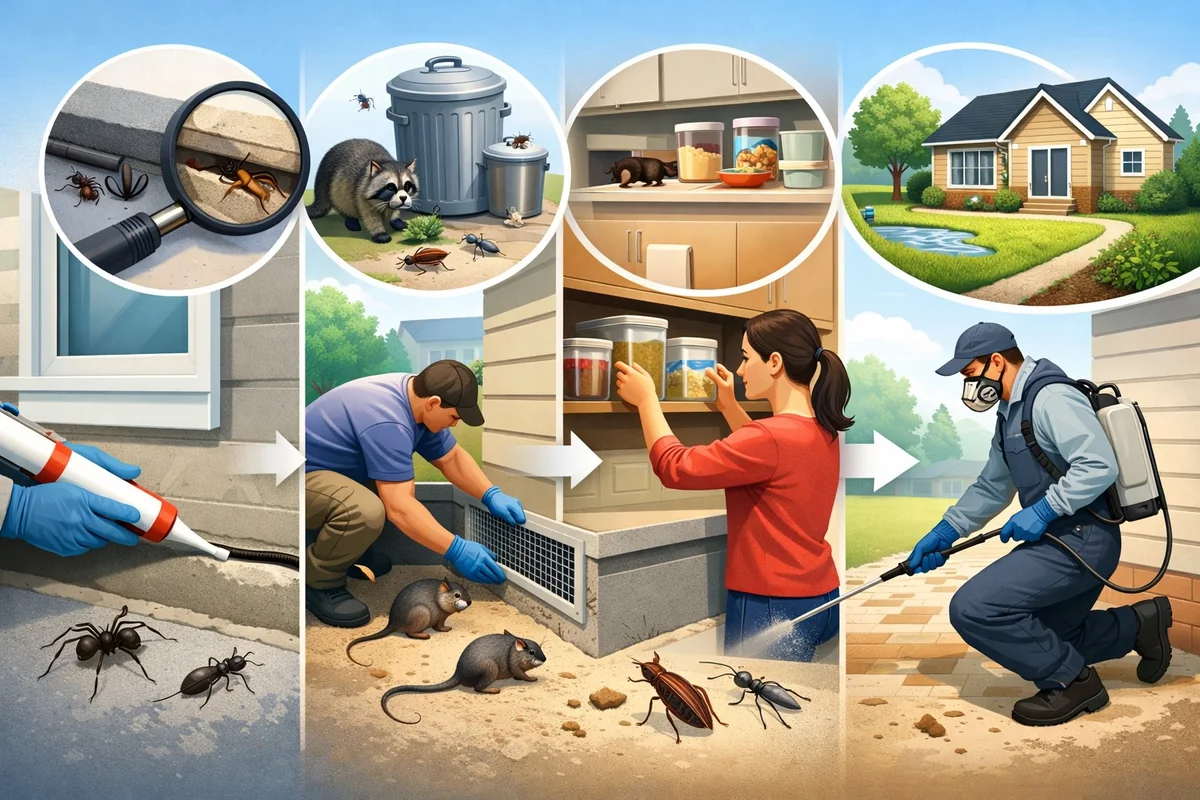
Complete Guide to Pest Prevention in Homes: Stop Pests in 2026
Protect your home in 2026 with this complete pest prevention guide. Discover proven DIY methods, room-by-room tips, safe solutions for families, and expert advice to stop pests before they start.
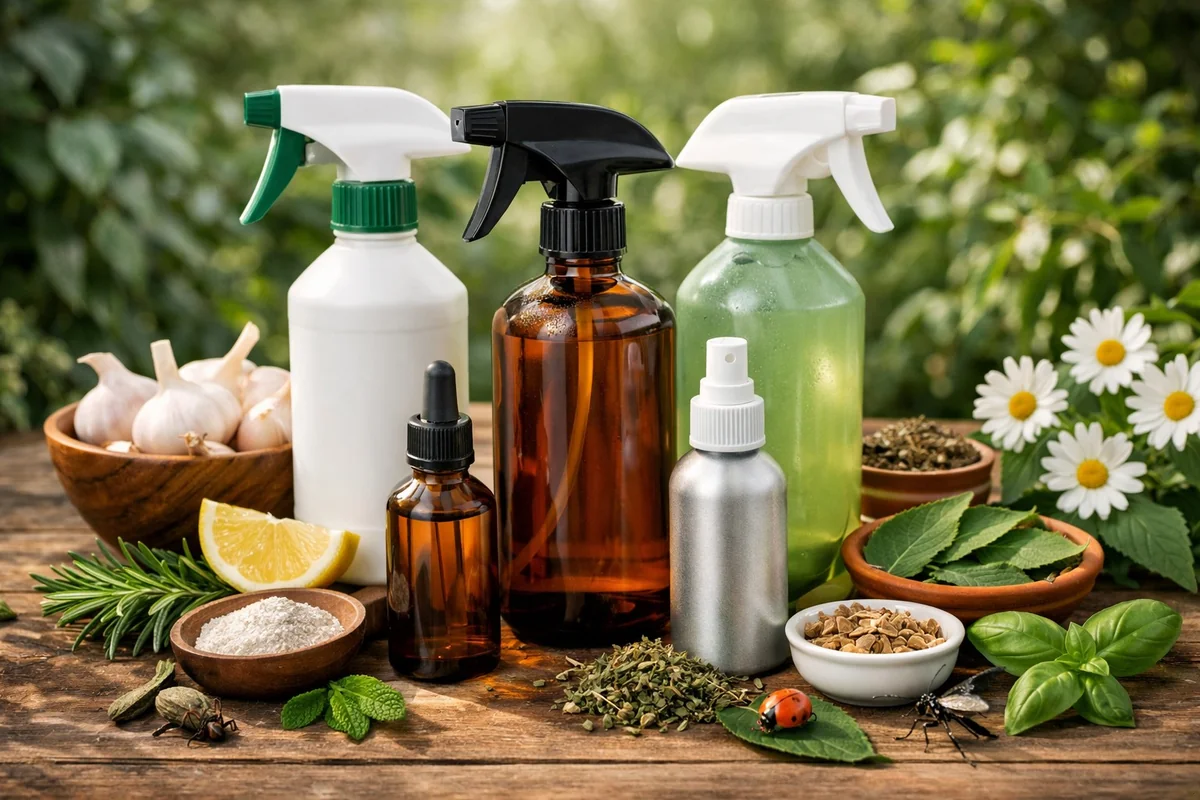
Best Natural and Organic Pest Control Products 2026: Safe, Eco-Friendly Solutions for Every Home
Find the best natural and organic pest control products for 2026. Safe, eco-friendly solutions for ants, roaches, rodents, and more - ideal for families and pet owners.