 Pest Pro Reviews Editorial Team • • 25 min read •
 Best Rodent-Proofing Materials and Products 2026: Steel Wool, Mesh, Kits, and More
Find the best rodent-proofing materials, products, and exclusion kits for 2026. Compare steel wool, mesh, sealants, vent covers, and natural deterrents to keep your home rodent-free with expert DIY recommendations.
For the best rodent-proofing in 2026, choose Xcluder Fill Fabric or Stuf-Fit Copper Mesh for stuffing gaps, DAP Silicone Max for indoor sealing, Amagabeli Hardware Cloth for outdoor barriers, and Xcluder Rodent Control Starter Kit for all-in-one DIY solutions. Door sweeps, vent covers, and Eco Defense Spray round out top options by use case.
What Makes a Material Rodent-Proof?
If you’ve fought rodents before, you know how relentless they can be. Even a tiny gap can become an open door for mice or rats. The key is understanding how these pests break through typical barriers and what materials actually keep them out.
Identify your needs and get personalized recommendations
Just starting out with rodent-proofing and looking for easy, beginner-friendly solutions.
Wants to understand the basics and make an informed first purchase.
Compares product specs closely and wants the best mix of features.
Prioritizes cost-effectiveness and durability for the money spent.
Ready to buy and wants to make sure all key boxes are checked.
Wants the most effective, durable option regardless of price.
How Rodents Breach Typical Barriers
Rodents have powerful incisors capable of chewing through wood, plastic, insulation, and even some metals. They regularly exploit entry points as small as 1/4 inch - that’s about the width of a pencil. Common breach points include gaps around pipes, foundation cracks, attic vents, and door thresholds.
Knowing these weak spots helps you choose the right defense. If you simply fill a hole with foam or plug it with insulation, most rodents will gnaw right through. That’s why specialized proofing materials exist.
Key Properties of Effective Rodent-Proofing Materials
The best rodent-proofing materials share a few critical properties:
- Gnaw resistance: Dense metals or rigid composites are far tougher than wood or plastic.
- Corrosion resistance: Outdoor barriers need to withstand rain, humidity, and temperature swings without degrading.
- Longevity: Some materials last for years outside, while others break down quickly if exposed to moisture or sunlight.
Indoor-only materials can sometimes be softer or more flexible, but anything used outdoors or in damp spaces should resist both gnawing and corrosion.
When Standard Materials Fail
Spray foam, wood, and basic caulk are often used as a quick fix, but don’t expect them to stand up to determined rodents. Foam alone is a speed bump, not a wall. Wood and many plastics can be chewed through in hours or days.
Cheaper materials may save money upfront, but you’ll spend more time and money replacing them. For lasting results, invest in products designed specifically for rodent exclusion.
Best Steel Wool and Copper Mesh Products
Steel wool and copper mesh are classic rodent-proofing materials for a reason: they’re hard to chew, easy to pack into irregular gaps, and work well in tight spaces. But not all products are created equal.
Xcluder Fill Fabric
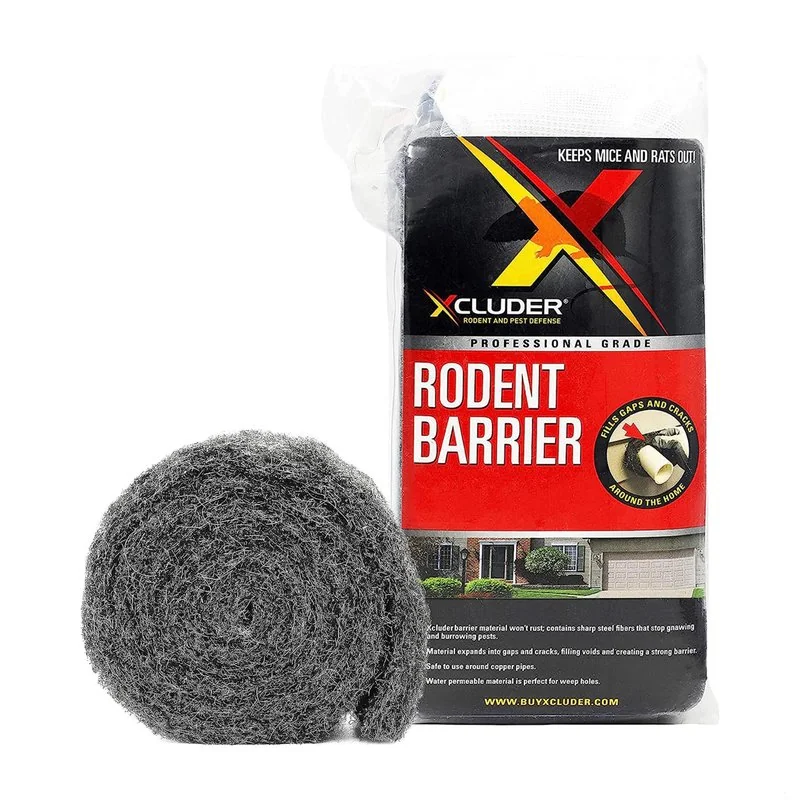
Xcluder Fill Fabric stands out because it combines stainless steel with a poly-fiber blend, making it more flexible and less likely to rust than pure steel wool. This means you can use it indoors and outdoors, even in damp locations like under sinks or around foundation vents. The blend is soft enough to stuff into odd-shaped gaps but tough enough to stop rodents cold.
It’s a strong choice for anyone sealing gaps in walls, floors, or siding - especially if you want a product that lasts longer than basic steel wool. It’s a mid-range investment, but you get a lot of coverage for the price and consistently strong user feedback for durability and effectiveness.
Xcluder Fill Fabric
Xcluder Fill Fabric provides reliable rodent exclusion with its stainless steel and poly-fiber mesh, designed to block entry points as small as 1/4 inch. The 4-inch wide, flexible roll is easy to cut and shape, making it suitable for sealing gaps around pipes, siding, and foundations both indoors and outdoors. Its corrosion-resistant construction ensures lasting performance even in damp environments.
Why We Recommend This
We recommend Xcluder Fill Fabric as the best overall rodent-proofing material for its combination of strength, flexibility, and proven results. Unlike standard steel wool, its stainless steel and poly-fiber blend resists corrosion and is easier to handle, making it especially effective for irregular gaps. It's a top choice for anyone seeking a long-lasting, chemical-free rodent barrier.
vs Competitors: Compared to Stuf-Fit Copper Mesh, Xcluder Fill Fabric offers greater flexibility and rust resistance, making it better suited for damp or outdoor environments, though copper mesh is preferred in situations where metal sensitivity is a concern.
Best For:
Homeowners, property managers, and DIY pest control enthusiasts seeking a durable, professional-grade solution for blocking rodent entry points.
- Sealing gaps around utility penetrations and foundation cracks
- Stuffing holes behind siding, vents, or under door thresholds to prevent rodent access
- Blend of stainless steel and poly-fiber for enhanced flexibility and durability
- 4-inch wide roll, available in multiple lengths for different project sizes
- Easier to fit into irregular gaps compared to traditional steel wool
- Resists rust and weathering for long-term use
- Requires additional sealant for airtight rodent exclusion
- May shed fibers if over-handled during installation
Stuf-Fit Copper Mesh
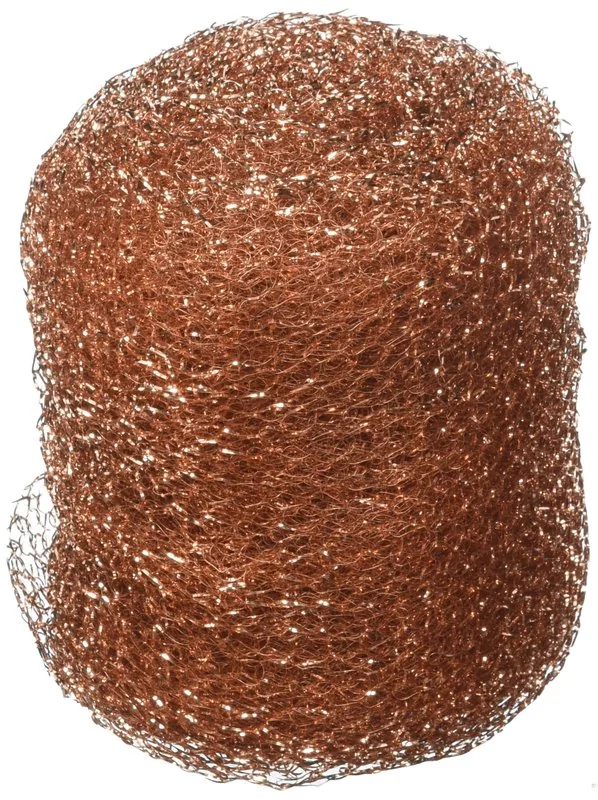
Stuf-Fit’s Stuf-Fit Copper Mesh is a pure copper mesh, so it won’t rust or corrode. That makes it ideal for use in wet basements, around outdoor AC lines, or any place where water exposure is a concern. Rodents dislike copper’s taste and texture, giving you an extra layer of deterrence compared to steel wool.
Installation is as simple as cutting a section and packing it tightly into gaps. It’s a premium-priced material, but the long lifespan and minimal maintenance make it worth it for persistent problem areas or humid environments.
Stuf-Fit Copper Mesh
Blocks rodent entry points using pure copper mesh that resists rust and corrosion, making it ideal for long-term gap sealing. The Stuf-Fit Copper Mesh measures 5 inches wide by 20 feet long, allowing you to easily cut and shape it to fit small cracks, pipe openings, and wall voids. Its flexible construction ensures a tight, tool-free installation in homes, garages, and commercial spaces.
Why We Recommend This
We recommend the Stuf-Fit Copper Mesh for its pure copper composition, which outperforms steel wool in moisture-prone areas by resisting rust and decay. Its flexible, easy-to-install mesh is ideal for DIY pest-proofing and professional use alike. This is a top pick for anyone needing reliable, chemical-free gap sealing in rodent-prone environments.
vs Competitors: Compared to Xcluder Fill Fabric, Stuf-Fit copper mesh offers superior corrosion resistance and is easier to trim for irregular gaps, though Xcluder includes a steel blend that may hold shape better in high-traffic locations.
Best For:
Homeowners, facility managers, and DIYers seeking a long-lasting, chemical-free rodent barrier for residential or commercial properties.
- Sealing gaps around pipes, vents, and foundation cracks to prevent rodent entry
- Packing wall voids and openings in kitchens, basements, and attics during pest-proofing
- Composed of 100% pure copper for maximum corrosion resistance
- 5-inch width x 20-foot length roll (12.7 cm x 6.1 m), easy to cut to size
- Resists rust and corrosion, suitable for humid or outdoor environments
- Easy to install without special tools; can be shaped by hand or scissors
- Requires additional sealant for best results in high-traffic areas
- Can unravel if not packed tightly or trimmed cleanly
Combining Mesh with Sealants for Maximum Effectiveness
Simply stuffing mesh into a gap is good, but rodents can sometimes push it out or work around it. For best results, embed your mesh into a bead of caulk or foam. This locks it in place, prevents air leaks, and makes the barrier almost impossible to bypass.
The trade-off is extra work during installation. You’ll need a caulk gun and some patience, but the result is far more effective than mesh or sealant alone. For a deep dive into when to use mesh versus foam, see Steel Wool vs Foam Sealant for Rodent Control.
Best Rodent-Proof Caulks and Sealants
Gaps and cracks smaller than 1/2 inch can often be sealed with the right caulk or sealant. But not every tube at the hardware store is up to the task. Here’s what actually works for keeping rodents out.
DAP Silicone Max Premium
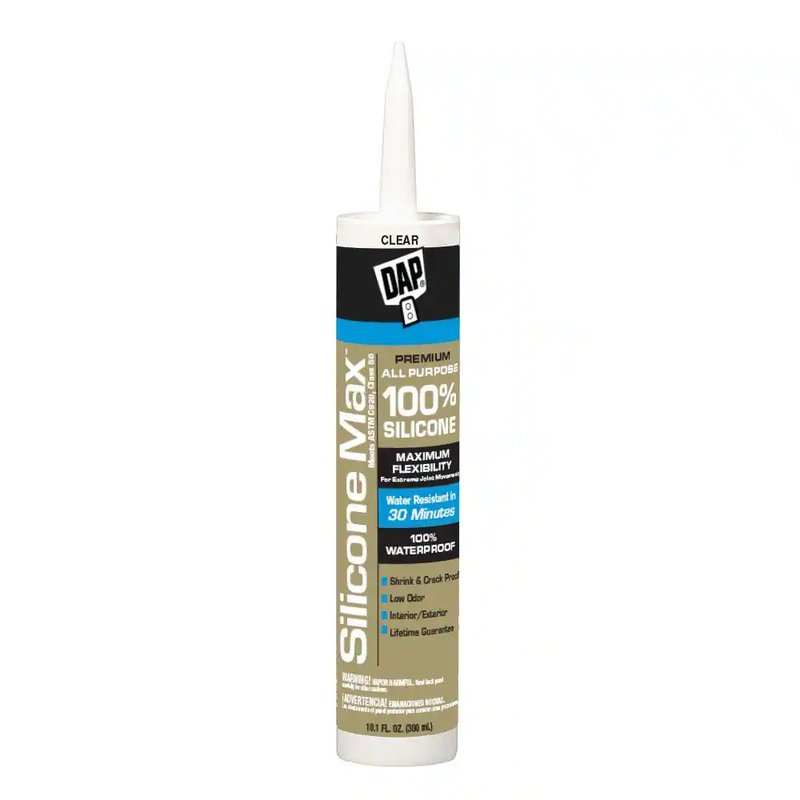
DAP Silicone Max Premium is a flexible, waterproof silicone sealant that’s perfect for indoor cracks and joints. It cures to a tough, rubbery finish that rodents rarely chew through. Because it stays flexible, it’s less likely to crack or pull away from the surface over time - even with seasonal temperature changes.
This sealant is a budget-friendly option for kitchens, bathrooms, and utility rooms. The main limitation is that it doesn’t bond well to dusty, oily, or wet surfaces, so prep work matters. Users appreciate its fast curing and low odor.
DAP Silicone Max Premium
DAP Silicone Max Premium forms a flexible, waterproof seal that effectively blocks rodents from entering through indoor and outdoor gaps. Its silicone formula cures to a durable, rubber-like finish that resists rodent gnawing and remains intact through seasonal temperature changes. Suitable for sealing cracks, joints, and small openings in homes seeking reliable rodent-proofing.
Why We Recommend This
We recommend DAP Silicone Max Premium for those needing a long-lasting barrier against rodents in both residential and light commercial settings. Its flexibility and tough cured finish outperform standard caulks in resisting rodent chewing and surviving seasonal shifts, making it a reliable choice for high-risk entry points.
vs Competitors: Compared to acrylic caulks and general-purpose sealants, DAP Silicone Max Premium offers better resistance to rodent gnawing and weather extremes, though it cannot be painted like some alternatives.
Best For:
Homeowners, property managers, and pest control professionals seeking a durable, rodent-resistant sealant for long-term indoor and outdoor gap sealing.
- Sealing gaps around pipes, windows, and baseboards to prevent rodent entry
- Weatherproofing exterior cracks and joints in garages, basements, or sheds
- 100% silicone formula for superior waterproofing
- Remains flexible from -40°F to 400°F (-40°C to 204°C)
- Effectively deters rodents due to tough, rubbery cured surface
- Maintains flexibility and adhesion despite temperature swings
- Not paintable, which may limit aesthetic options for visible areas
- May require specialized remover for cleanup compared to acrylic caulks
Loctite PL Concrete Non-Sag Polyurethane Sealant
When you need to seal exterior gaps, foundation cracks, or masonry joints, Loctite PL Concrete Non-Sag Polyurethane Sealant is a top choice. Polyurethane caulks are highly weather-resistant, bond strongly to concrete and stone, and remain flexible for years. The non-sag formula is especially useful for vertical surfaces or overhead gaps.
This product falls in the mid-range category and is best for areas exposed to the elements. It can be a bit trickier to apply neatly compared to silicone, but the long-term durability is worth it for critical exterior gaps.
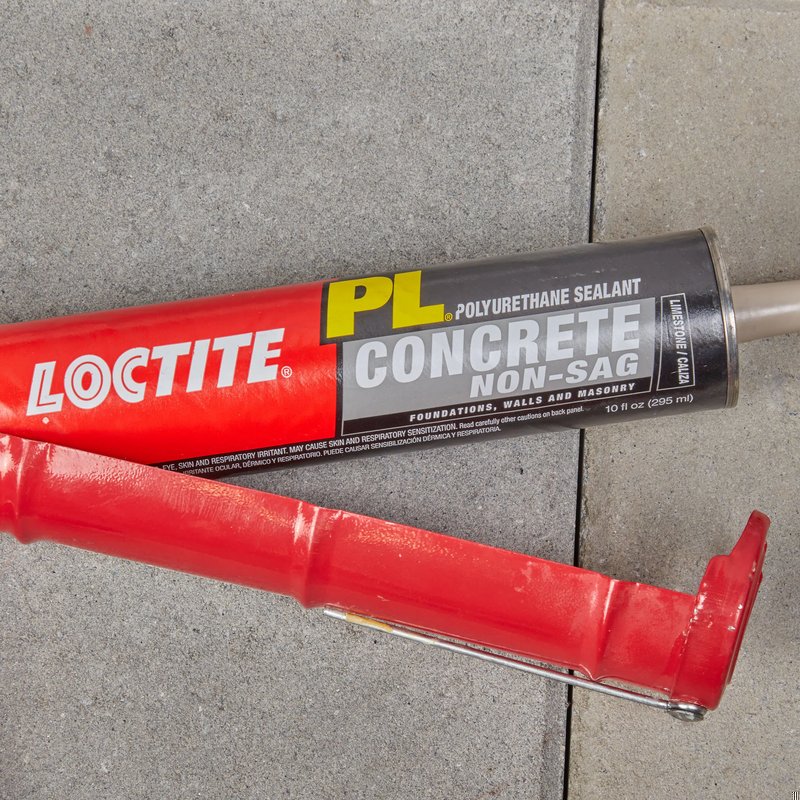
Loctite PL Concrete Non-Sag Polyurethane Sealant
Loctite PL Concrete Non-Sag Polyurethane Sealant provides a durable, weather-resistant seal for exterior gaps, foundation cracks, and masonry joints. Its non-sag formula allows precise application on vertical and overhead surfaces, making it ideal for rodent-proofing entry points in concrete or stone. Remains flexible for years, even in harsh outdoor conditions.
Why We Recommend This
We recommend Loctite PL Concrete Non-Sag Polyurethane Sealant for rodent-proofing because of its superior adhesion to masonry and its ability to resist weathering over time. Its non-sag formula is especially valuable for sealing vertical or overhead gaps where rodents commonly enter, making it a standout choice for challenging exterior repairs.
vs Competitors: Compared to standard silicone or latex caulks, Loctite PL offers stronger adhesion to concrete and better long-term flexibility, though it does require a longer curing period.
Best For:
Homeowners, property managers, and pest control professionals looking for a durable, weather-resistant solution to seal structural gaps and prevent rodent entry.
- Sealing gaps around foundation, masonry joints, and exterior walls to block rodent access
- Repairing vertical or overhead cracks in concrete where traditional caulks may slump
- Polyurethane-based sealant with strong adhesion to concrete, stone, and masonry
- Non-sag formula suitable for vertical and overhead applications
- Highly effective for sealing foundation cracks and exterior gaps against rodents
- Non-sag formula simplifies overhead or vertical repairs
- Requires proper surface preparation for optimal adhesion
- Curing time can be longer than standard latex caulks (up to 7 days for full cure)
When to Use Caulk vs. Mesh or Foam
Caulk alone is ideal for hairline cracks and seams, but not for larger holes. If you’re sealing anything wider than 1/4 inch, combine mesh with caulk for a truly rodent-proof barrier. Expanding foam is tempting for big gaps, but rodents can easily gnaw through it unless reinforced with mesh.
For hands-on instructions sealing problem spots, see How to Seal Gaps and Cracks to Keep Rodents Out.
Best Metal Flashing and Hardware Cloth
For structural protection - especially outdoors - you need metal barriers that can’t be chewed through or pried open. Hardware cloth and flashing are the go-to solutions for these jobs. Here’s how to choose the right one.
Amagabeli 1/4 Inch Hardware Cloth
Amagabeli’s 1/4 Inch Hardware Cloth is a galvanized steel mesh roll that blocks rodents while still allowing air flow. The 1/4-inch openings are small enough to keep out mice and most rats, but big enough for ventilation. The heavy-duty galvanized coating resists rust and is suitable for crawl spaces, vents, gardens, and even foundation repairs.
It’s a moderate investment, but you get enough material for most home projects. Users consistently praise its strength and ease of handling - just be careful with the cut edges, which can be sharp.
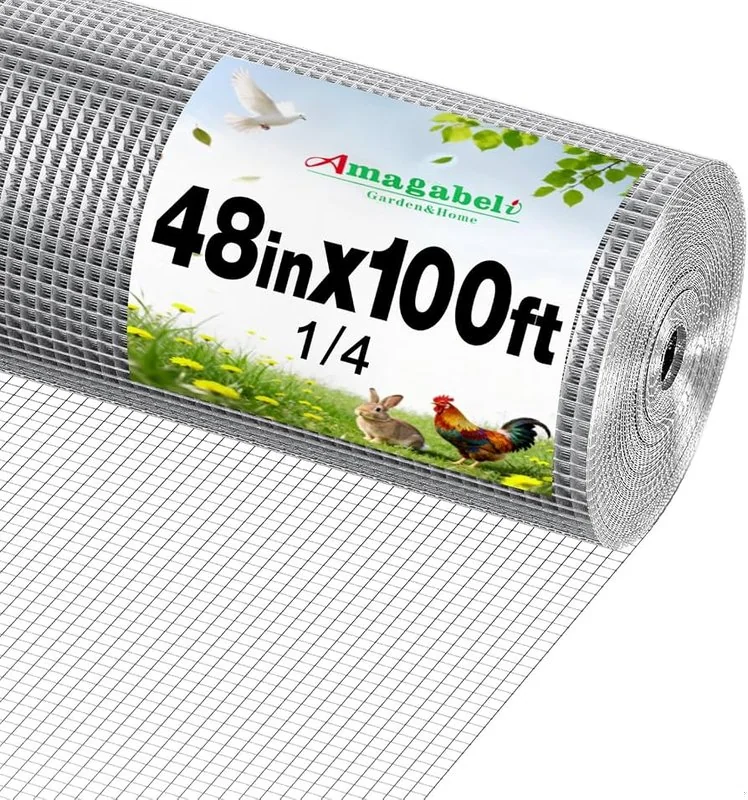
Amagabeli 1/4 Inch Hardware Cloth
Amagabeli’s 1/4 Inch Hardware Cloth delivers reliable rodent exclusion with its galvanized steel mesh and 1/4-inch openings, blocking mice and most rats while allowing airflow. The rust-resistant coating ensures long-term durability in crawl spaces, vents, and garden beds. At 36 inches by 50 feet, it’s practical for both residential and light commercial pest-proofing projects.
Why We Recommend This
We recommend the Amagabeli 1/4 Inch Hardware Cloth for readers who want a proven, durable solution to keep rodents out of critical home areas. Its fine mesh and heavy-duty build offer superior protection compared to lightweight alternatives, making it our top choice for long-term rodent-proofing without compromising ventilation.
vs Competitors: Compared to lighter 1/2-inch mesh brands, Amagabeli’s 1/4-inch openings provide better exclusion for smaller rodents and more consistent rust resistance, though installation may require sturdier tools.
Best For:
Homeowners, DIY pest-control enthusiasts, and property managers seeking a reliable, long-lasting barrier to prevent rodent access in residential or light commercial settings.
- Securing crawl space vents or foundation gaps against rodent entry
- Protecting raised garden beds and compost bins from pest intrusion
- 1/4-inch (6.35mm) mesh openings block mice, rats, and small pests
- Galvanized steel construction resists rust and corrosion
- Small mesh size effective against most rodent species
- Galvanized finish withstands outdoor exposure and moisture
- Requires protective gloves and tools for safe handling and installation
- Not suitable for blocking very small insects or snakes
Amerimax Home Products Aluminum Flashing
Amerimax Aluminum Flashing is a flexible metal roll designed for sealing larger structural gaps. It’s chew-resistant, lightweight, and easy to bend around corners or pipes. While aluminum isn’t as corrosion-resistant as stainless steel, it’s still a solid performer outdoors if installed properly.
This is a budget-friendly way to cover bigger openings or reinforce vulnerable areas like soffits and fascia. It’s harder to cut than mesh, so you’ll need metal snips or heavy-duty scissors.
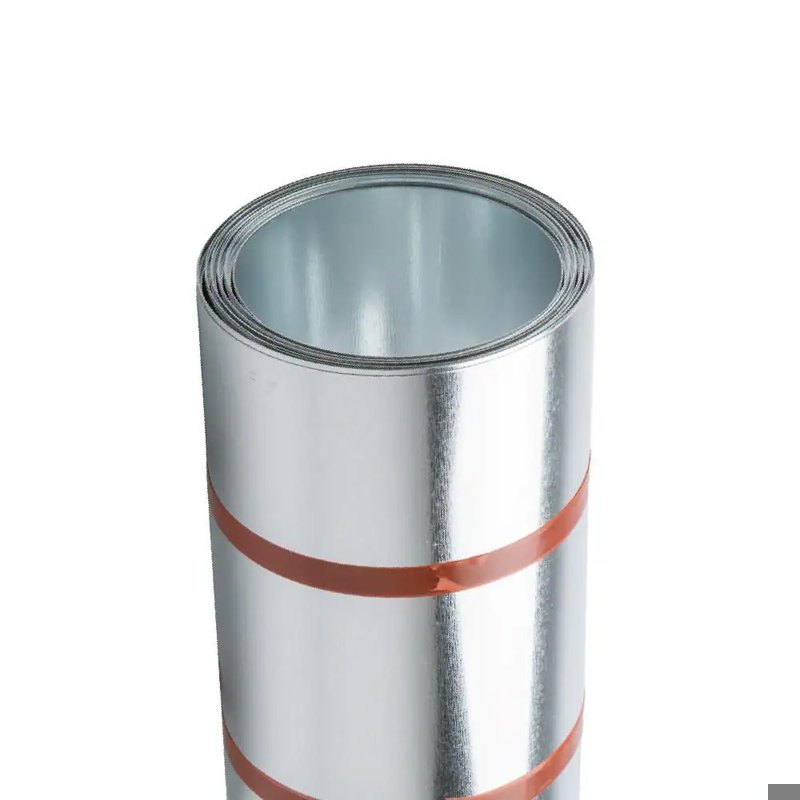
Amerimax Home Products Aluminum Flashing
Amerimax Home Products Aluminum Flashing delivers reliable, chew-resistant protection for sealing larger structural gaps and rodent entry points. The flexible 10-inch x 10-foot aluminum roll is easy to shape around corners, pipes, and foundation seams, making it a practical choice for DIY pest-proofing. Its lightweight design allows for straightforward installation in outdoor and indoor settings.
Why We Recommend This
We recommend Amerimax Aluminum Flashing for those tackling larger entry points where mesh isn't practical. Its flexible, chew-resistant aluminum stands up well to rodent attempts and is easy to work with for most DIY users. While not as corrosion-proof as stainless steel, it remains a top choice for exterior applications when installed correctly.
vs Competitors: Compared to stainless steel flashing, Amerimax offers easier handling and installation at a lighter weight, though long-term corrosion resistance is slightly lower. It outperforms plastic or vinyl solutions in durability and rodent resistance.
Best For:
Homeowners, DIYers, and property managers seeking a practical, cost-effective solution for rodent-proofing larger gaps and structural vulnerabilities.
- Sealing gaps around pipes, vents, or foundation seams to block rodent access
- Wrapping exposed outdoor areas or building corners vulnerable to pest intrusion
- Flexible 10-inch x 10-foot aluminum roll adapts to various surfaces
- Chew-resistant metal construction deters rodents and small animals
- Easily conforms to irregular shapes and gaps for complete coverage
- Lightweight design simplifies installation for homeowners
- Aluminum is less corrosion-resistant than stainless steel, especially in damp climates
- Requires careful installation to avoid sharp edges and ensure full sealing
Choosing Mesh Size and Gauge for Different Rodents
Mice can squeeze through 1/4-inch spaces, so always use mesh with openings that size or smaller. For rats, 1/2-inch mesh may work, but smaller is safer. Heavier gauge wire (19 or lower) resists gnawing and bending better than lightweight mesh.
Don’t overdo it in ventilation areas - finer mesh can cut down airflow and cause moisture problems. Balance exclusion with proper ventilation for best results. If you’re unsure which physical barrier best fits your project, the Rodent-Proofing & Prevention guide provides more examples for different home types.
Best Rodent Exclusion Kits and Multi-Product Solutions
If you’re new to rodent-proofing, all-in-one kits can save time and guesswork. They bundle the essentials - mesh, sealant, gloves, sometimes even tools - so you don’t have to buy items separately. But not all kits are created equal.
Xcluder Rodent Control Starter Kit
The Xcluder Rodent Control Starter Kit is a complete DIY bundle for homeowners and renters tackling rodent entry points. It includes a roll of stainless-steel mesh, gloves for safe installation, and sealant for locking everything in place. The mesh is flexible enough for tight or awkward gaps, but tough enough to stop even determined rodents.
This kit is a good value for small- to medium-sized homes needing thorough exclusion. Some users wish it included more mesh, but for most projects, it covers the basics. Instructions are clear enough for beginners, and you get everything you need in one box.
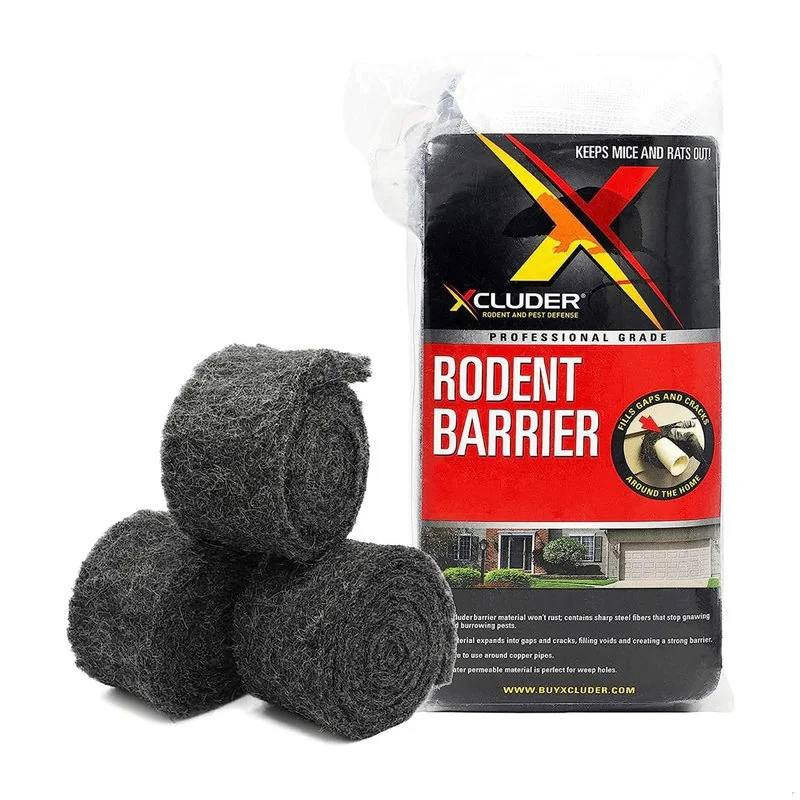
Xcluder Rodent Control Starter Kit
The Xcluder Rodent Control Starter Kit provides everything you need to seal gaps and entry points in your home, using proven steel mesh fill fabric, industrial-grade sealant, and protective gloves. Each kit covers up to 10 linear feet of gaps, making it ideal for DIY rodent exclusion projects in basements, kitchens, and attics. This all-in-one bundle streamlines rodent-proofing for homeowners and renters seeking professional-level results.
Why We Recommend This
We recommend the Xcluder Rodent Control Starter Kit for its proven effectiveness and ease of use, making it an excellent choice for those new to DIY pest exclusion. Unlike basic foam or caulk, the steel mesh and sealant combination meets pest control industry standards, giving you confidence in lasting results. It's our top pick for anyone seeking a straightforward, professional-grade solution without hiring an exterminator.
vs Competitors: Compared to standalone mesh rolls or generic foam sealants, Xcluder’s kit combines both exclusion fabric and sealant with expert guidance, reducing the risk of improper installation and missed gaps.
Best For:
Homeowners and renters seeking a reliable, DIY-friendly starter kit for rodent-proofing residential properties.
- Sealing around pipe penetrations, utility lines, and small wall gaps in kitchens or basements
- Temporary or permanent exclusion for renters or homeowners addressing first-time rodent problems
- Includes 4-inch x 10-foot steel mesh fill fabric roll
- Industrial-grade sealant tube for airtight closure
- All-in-one kit eliminates guesswork for beginners
- Steel mesh resists chewing by mice and rats, unlike foam
- May require additional sealant for larger homes or multiple locations
- Steel mesh needs to be cut to fit, which may require basic tools
Customizing Kits for Home-Specific Needs
Some exclusion kits let you pick mesh size, sealant type, or extra tools. This is ideal if you know your home’s weak points and want to avoid waste. The trade-off is higher cost and more up-front planning, but you’re less likely to have leftover material sitting in your garage.
For a breakdown of the top options, see Top 7 Rodent Exclusion Kits for Homeowners.
When Kits Fall Short: Gaps in Coverage
No kit can solve every home’s problem. If your house has unique entry points or needs heavy-duty outdoor protection, you may need to supplement with extra mesh or flashing. Kits sometimes include generic brands rather than best-in-class products, so check the component list.
Always double-check instructions - complex installations (like crawlspaces or attics) may require more guidance than what’s in the box.
Best Natural and Eco-Friendly Rodent Deterrents
If you want to avoid harsh chemicals or have pets and kids at home, natural rodent deterrents can add a layer of protection. These include sprays, sachets, and plant-based fillers. Here’s what you can realistically expect from these products.
Grandpa Gus’s Peppermint Spray
Grandpa Gus’s Peppermint Spray uses peppermint oil to create a scent barrier rodents dislike. It’s easy to spray in corners, baseboards, and around entry points. While it’s not a magic bullet for infestations, it helps keep curious mice away from low-risk areas while you seal gaps.
This is a budget-conscious option, especially for apartments, garages, or as a backup to physical barriers. The scent is strong but fades over time, so you’ll need to reapply every few days. Users like that it’s non-toxic and safe to use around most pets (but always check for allergies first).
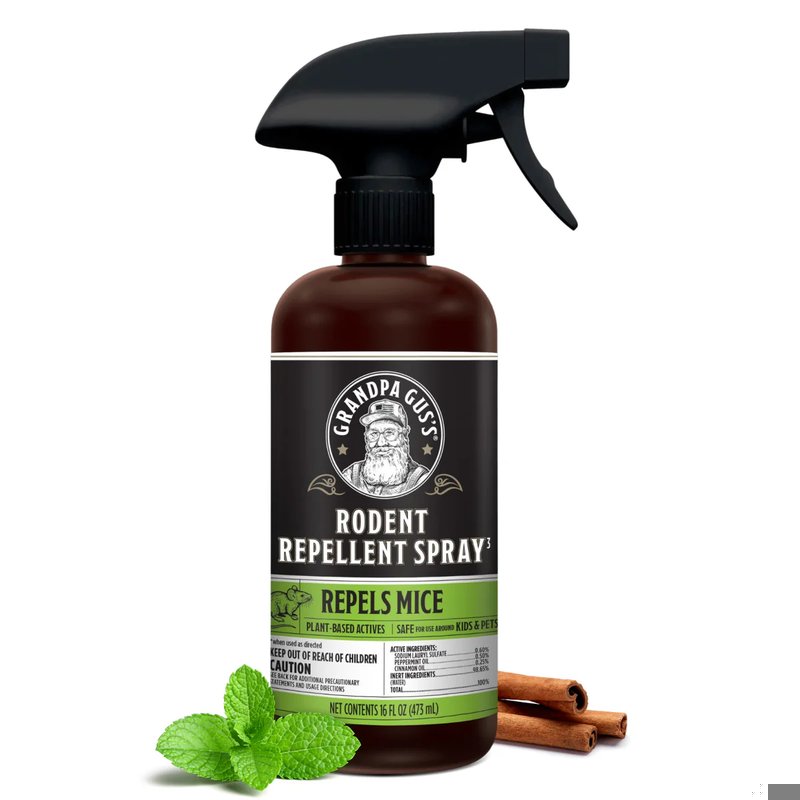
Grandpa Gus’s Peppermint Spray
Grandpa Gus’s Peppermint Spray repels mice and rats using a blend of peppermint and cinnamon oils, offering fast-acting protection for indoor areas. The 8 fl oz spray bottle provides targeted coverage for up to 1,200 sq ft, making it ideal for kitchens, garages, and basements. Its plant-based, chemical-free formula is safe for homes with pets and children.
Why We Recommend This
We recommend Grandpa Gus’s Peppermint Spray for anyone looking for a fast, natural solution to indoor rodent problems. Its essential oil formula is among the safest options according to manufacturer specifications, making it particularly well-suited for families with pets or children. While it requires regular reapplication, its ease of use and safety give it an edge over harsher chemical repellents.
vs Competitors: Compared to Fresh Cab pouches, Grandpa Gus’s offers quicker, more targeted application but needs more frequent reapplication. It is easier to use than Eco Defense pouches for spot treatments in high-traffic areas.
Best For:
Homeowners or renters seeking a quick, pet-safe, and natural rodent deterrent for indoor areas, especially those avoiding chemical pesticides.
- Spraying along indoor baseboards, entry points, or cabinets to deter rodents in kitchens or pantries
- Applying in garages, storage spaces, or basements where mice activity is detected
- Contains natural peppermint and cinnamon essential oils
- Covers up to 1,200 sq ft per 8 fl oz bottle
- Delivers fast, targeted deterrence within minutes of application
- Safe for use in food storage and living spaces
- Requires reapplication every 2-4 weeks for sustained effect
- Not suitable for outdoor use in heavy rain or direct sunlight
Plant-Based Barriers and Fillers
Natural fiber fillers like hemp or jute can block small gaps temporarily. These are best for low-risk, indoor-only situations - think seasonal cabins or rooms where you can check on them frequently. They let air flow but aren’t tough enough for determined rodents or outdoor use.
If you need a natural solution for long-term exclusion, you’re better off combining these fillers with a metal mesh barrier.
Comparing Natural Deterrents to Physical Barriers
The main advantage of natural deterrents is safety: they’re usually safe for homes with kids and pets. But they’re not as reliable as steel, copper, or aluminum barriers. Maintenance is higher, and you’ll spend more time reapplying.
For most infestations, use natural repellents only as a supplement to physical exclusion. For more on these options, see Best Natural Rodent Deterrents for Indoors and Outdoors.
Best Rodent-Proof Vent Covers and Door Sweeps
Vents, ducts, and door bottoms are some of the most common rodent entry points. Specialized vent covers and door sweeps are critical for sealing them off without blocking air flow or daily use.
Xcluder Rodent Control Door Sweep
The Xcluder Rodent Control Door Sweep uses an embedded steel mesh to block rodents from squeezing under exterior and garage doors. Unlike regular weatherstripping, the steel core resists gnawing, so even persistent mice can’t chew their way in. It’s weather-resistant and fits standard door widths.
This is a mid-range investment for homeowners who want a set-and-forget barrier at ground-level entry points. Installation is straightforward with basic tools, and it doesn’t interfere with normal door use.
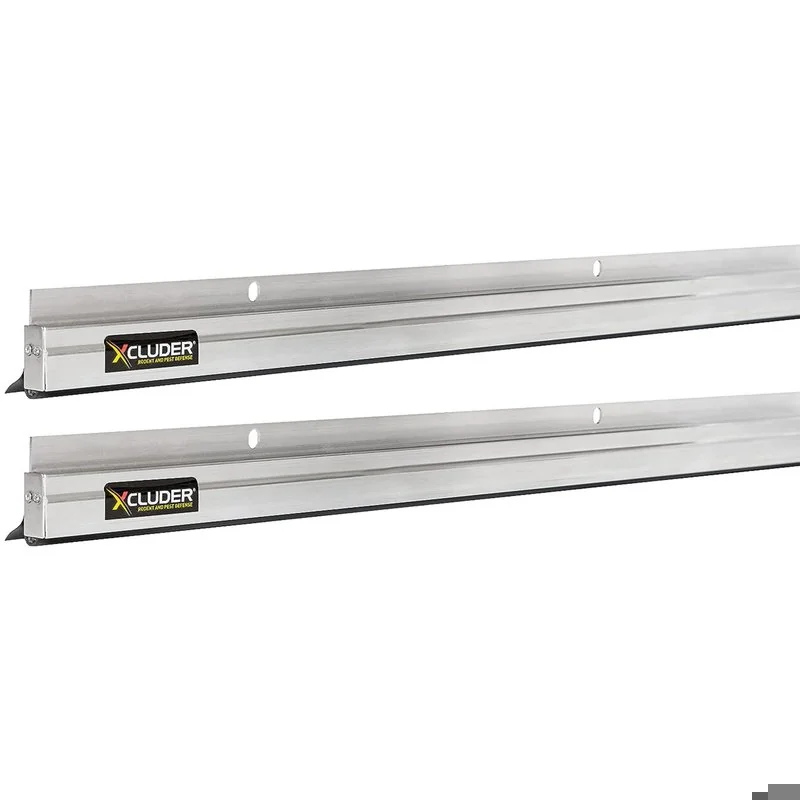
Xcluder Rodent Control Door Sweep
The Xcluder Rodent Control Door Sweep provides a proven barrier against rodents by combining a heavy-duty rubber seal with an embedded steel mesh that mice and rats cannot gnaw through. Designed for exterior and garage doors, it fits standard widths and remains effective in harsh weather conditions. Installation is straightforward, making it ideal for both homeowners and property managers targeting entry-point gaps.
Why We Recommend This
We recommend the Xcluder Rodent Control Door Sweep for anyone serious about preventing rodent infestations at their entryways. Its steel mesh core is highly effective against mice and rats, providing a long-term solution that regular weatherstripping can't match. Based on customer reviews, it's one of the most effective, user-friendly products for blocking access under doors.
vs Competitors: Compared to standard vinyl or silicone door sweeps, the Xcluder’s embedded steel mesh offers superior resistance to gnawing and longer service life, though it may require a slightly higher initial investment.
Best For:
Homeowners, property managers, and facilities maintenance professionals seeking reliable rodent exclusion at door entry points
- Securing garage or exterior doors in homes prone to rodent entry
- Commercial properties needing pest prevention at loading bays
- Embedded stainless steel mesh resists gnawing by rodents
- Weather-resistant EPDM rubber seal for year-round protection
- Blocks rodents where they most commonly enter - under doors
- Steel core prevents chewing, unlike standard weatherstripping
- May require trimming for non-standard door widths
- Not suitable for doors with unusually high thresholds
Defender Security Vent Cover
Prime-Line’s Defender Security Vent Cover is a metal cover designed for crawl spaces, attics, and duct openings. It’s easy to install yourself and lets air circulate while keeping rodents out. The metal design is strong enough to resist chewing and bending from most household pests.
This is an affordable upgrade for vulnerable vents and is especially useful in older homes with oversized or damaged vent openings. Make sure to measure your vent size precisely for a tight fit.
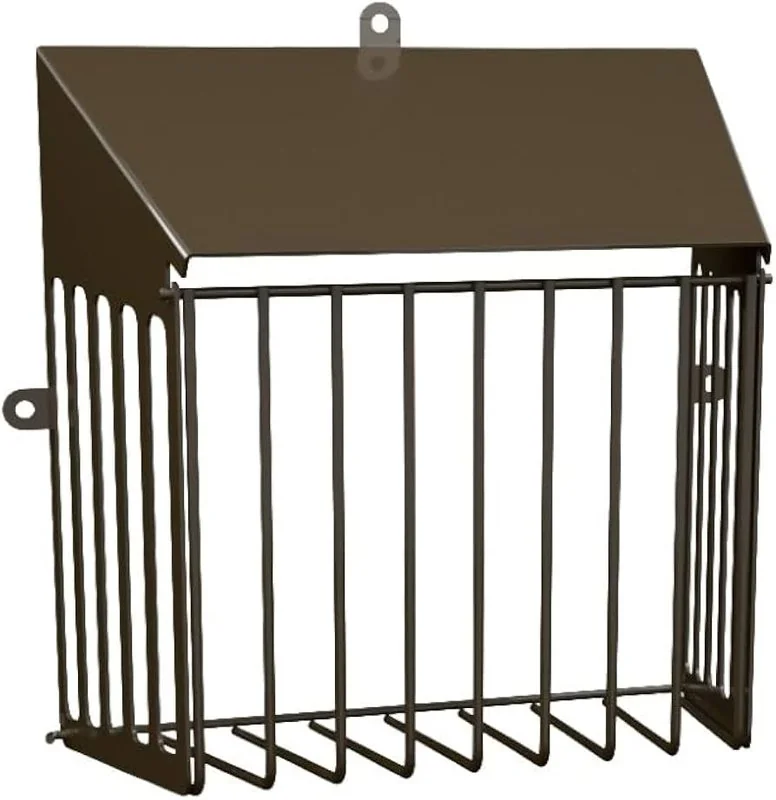
Defender Security Vent Cover
The Defender Security Vent Cover by Prime-Line uses heavy-gauge steel mesh to block rodents from entering crawl spaces, attics, and duct openings while maintaining airflow. Designed for easy DIY installation, it measures 10 x 10 inches and resists gnawing and bending from common pests. Its rust-resistant finish makes it suitable for both indoor and outdoor use.
Why We Recommend This
We recommend the Defender Security Vent Cover for anyone needing a durable, no-nonsense solution to prevent rodent entry through vents. Its steel mesh construction offers proven protection that outperforms lightweight plastic alternatives, and the straightforward installation makes it accessible for most DIYers. This product is ideal for those who want lasting, low-maintenance pest prevention.
vs Competitors: Compared to plastic vent covers, the Defender’s metal construction provides significantly better resistance to chewing and weather exposure, though it may lack the decorative finishes of higher-priced specialty covers.
Best For:
Homeowners, property managers, and DIY enthusiasts seeking reliable rodent-proofing for vent openings in residential or light commercial buildings
- Protecting crawl space and attic vents in older homes from rodent intrusion
- Securing duct openings in garages or basements where pests are common
- Heavy-gauge steel mesh construction for rodent resistance
- Allows air circulation while blocking pests
- Effectively prevents rodents and small animals from entering vents
- Sturdy metal design withstands chewing and bending
- May require cutting or adjustment for non-standard vent sizes
- Metal mesh may block larger debris but not fine dust particles
Selecting the Right Fit for Your Home
Measure gaps carefully before buying vent covers or door sweeps. A poor fit undermines even the best product. Choose materials compatible with your door or vent frame - metal or reinforced brush strips are best for active rodents and heavy weather.
If you want a step-by-step walk-through of sealing common entry points, see How to Rodent-Proof Your Home: Step-by-Step Guide.
Best Expanding Foam Sealants for Rodent-Proofing
Expanding foam is a popular option for sealing large or irregular gaps, but not all foam is created equal - especially when it comes to rodents. Standard foam can be chewed through in hours. Rodent-specific foams add extra deterrents and a tougher cell structure.
Great Stuff Pestblock Insulating Foam Sealant
Great Stuff Pestblock is formulated specifically to block and deter rodents and insects. The cured foam is denser than standard insulation foam, making it harder for rodents to chew through. It’s bright green for easy identification and can be trimmed or painted once cured.
This is a budget-friendly choice for filling gaps around pipes, wires, and foundation openings, but it works best when reinforced with mesh for long-term exclusion. It’s easy to apply but does expand rapidly, so use it sparingly to avoid mess.
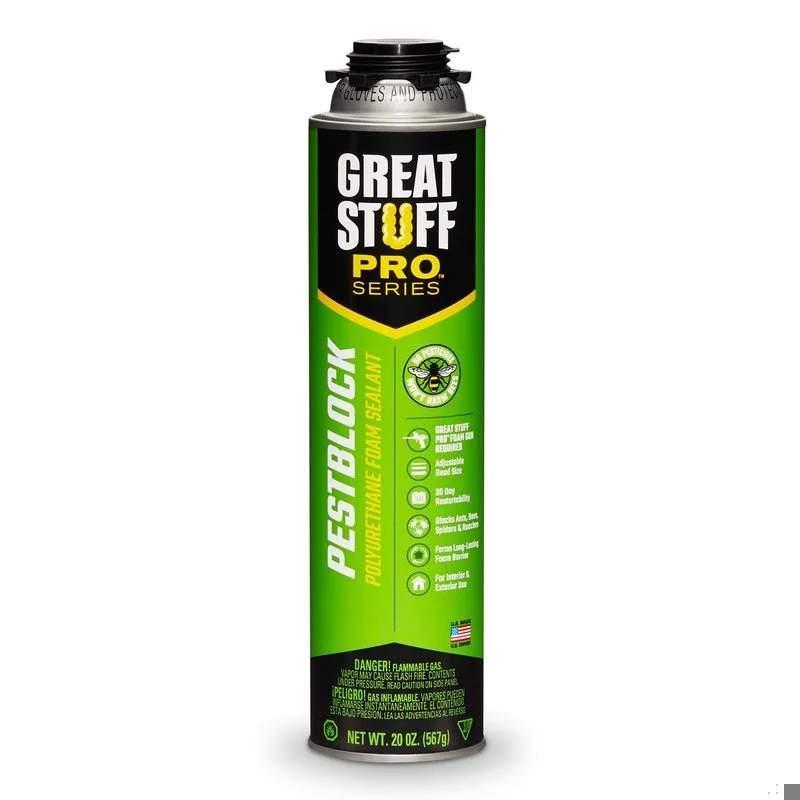
Great Stuff Pestblock Insulating Foam Sealant
Great Stuff Pestblock Insulating Foam Sealant effectively seals gaps up to 1 inch wide, forming a dense barrier that deters rodents and insects from entering your home. The bright green color ensures easy identification during application and inspection, while the foam can be trimmed or painted for a clean finish. Its water-resistant properties make it suitable for both indoor and outdoor use in pest-prone areas.
Why We Recommend This
We recommend Great Stuff Pestblock for anyone serious about long-term rodent exclusion. Its denser, chew-resistant formula stands out compared to standard foams, making it a top choice for closing off common rodent entry points. The bright green color streamlines inspection and reapplication, which is especially helpful for ongoing pest management.
vs Competitors: Compared to generic expanding foams, Pestblock offers superior density and chew resistance, making it more effective for rodent-proofing. While some professional-grade products offer larger coverage per can, Pestblock delivers better visibility and easier finishing for DIY users.
Best For:
Homeowners, property managers, and pest control professionals seeking a reliable, easy-to-use solution for rodent-proofing structural gaps and entry points.
- Sealing foundation cracks, utility penetrations, and gaps around pipes to prevent rodent entry
- Filling holes in attics, basements, and garages where pests commonly infiltrate
- Blocks gaps and cracks up to 1 inch wide
- Dense, chew-resistant cured foam for enhanced rodent deterrence
- Creates a durable, rodent-resistant seal that outperforms standard insulation foam
- Easy to apply in hard-to-reach areas with a precision straw applicator
- Single-use can design may lead to leftover product waste if not used fully
- Foam may expand beyond intended area if not applied carefully, requiring trimming
When to Use Foam Alone vs Reinforced With Mesh
Foam is great for irregular or hard-to-reach gaps, but it’s rarely enough by itself. For persistent rodents, embed a strip of steel or copper mesh inside the foam as you apply it. This combination provides both the seal and the chew resistance needed for lasting protection.
- Xcluder Fill Fabric is best for small to medium gaps indoors or out, especially where rust is a concern.
- Stuf-Fit Copper Mesh excels in wet or outdoor environments needing corrosion resistance.
- DAP Silicone Max Premium is ideal for indoor crack sealing, while Loctite PL Polyurethane Sealant covers tough outdoor jobs.
- Amagabeli Hardware Cloth and Amerimax Flashing are the top physical barriers for vents, crawl spaces, and structural gaps.
- Xcluder Rodent Control Starter Kit is the best all-in-one solution for DIYers starting from scratch.
| Product Type | Best For | Speed | Durability | Installation Difficulty | Safety for Pets/Kids |
|---|---|---|---|---|---|
| Steel Wool / Copper Mesh | Gaps, cracks, irregular holes | Fast (minutes) | Medium-High (months to years) | Easy-Moderate | High if embedded/sealed |
| Caulk / Sealant | Small cracks, joints, seams | Medium (curing time) | High (years) | Easy | High after curing |
| Hardware Cloth / Flashing | Large openings, vents, crawlspaces | Medium (1-2 hours) | Very High (years to decades) | Moderate (requires tools) | High |
| Exclusion Kits | Whole-home DIY projects | Medium (all-in-one process) | High (depends on materials) | Easy-Moderate | High |
| Natural Deterrents | Low-risk, temporary use | Fast (minutes) | Low (days) | Easy | Very High |
| Vent Covers / Door Sweeps | Vents, ducts, door bottoms | Medium (30-60 min) | Very High (years) | Easy-Moderate | High |
| Expanding Foam Sealant | Irregular large gaps | Fast (expands in minutes) | Medium (months) | Easy | High after curing |
How to Choose the Right Rodent-Proofing Products
Choosing the best rodent-proofing materials isn’t just about picking the toughest option - it’s about matching the right product to each entry point and balancing budget, durability, and installation effort.
Matching Product Type to Entry Point
For gaps bigger than 1/4 inch, use mesh or flashing. Small cracks and seams are best sealed with caulk or silicone. Door sweeps and vent covers are essential for high-traffic entry points like basements, garages, and attics.
Using heavy-duty materials everywhere increases costs and isn’t always necessary - focus on the most vulnerable spots first.
Balancing Cost, Durability, and Ease of Installation
Premium materials last longer and require less maintenance but can be harder to install and cost more upfront. DIY-friendly products (like all-in-one kits or sprays) are easier to apply but may need more frequent checks or replacement.
Think about how long you want the solution to last and how much effort you’re willing to put in. If you’re sealing a seasonal cabin, you might prioritize ease of use over long-term durability. For your primary home, it usually pays to invest in tougher materials.
When to Combine Multiple Product Types
Layering solutions - like embedding mesh in caulk or pairing vent covers with sprays - gives you overlapping protection. This is especially important in older homes or properties with multiple vulnerabilities. Complex layouts may require a mix of hardware cloth, caulk, foam, and deterrents to cover every angle.
For a full overview of rodent control options, see Rodent Control: Products, Solutions, and Prevention.
Frequently Asked Questions About Rodent-Proofing
❓ Frequently Asked Questions
What is the best material for rodent-proofing a home?
What is the best material for rodent-proofing a home?
Steel wool is widely considered the best material for rodent-proofing because it resists gnawing by rodents. Its dense fibers deter entry and are hard for mice and rats to chew through. For gaps larger than half an inch, combining steel wool with metal mesh provides extra durability.
How do I rodent-proof my house using mesh or steel wool?
How do I rodent-proof my house using mesh or steel wool?
To rodent-proof your house with mesh or steel wool:
- Inspect for gaps, holes, and cracks larger than 1/4 inch around your home
- Fill smaller holes with steel wool, packing it tightly
- Cover larger gaps with galvanized metal mesh, secured with screws
- Seal around pipes, vents, and foundation openings
Tip: Regularly recheck these areas for new damage.
What is the difference between galvanized mesh and stainless steel mesh for rodent control?
What is the difference between galvanized mesh and stainless steel mesh for rodent control?
Galvanized mesh is coated to resist rust but may corrode over time, especially outdoors. Stainless steel mesh offers higher corrosion resistance and longer lifespan but is more expensive. For long-term, high-moisture areas, most users report stainless steel mesh performs better despite the higher cost.
When is the best time to install rodent-proofing materials?
When is the best time to install rodent-proofing materials?
The best time to install rodent-proofing materials is late summer or early fall, before rodents seek indoor shelter for winter. Sealing entry points early helps prevent infestations. However, rodent-proofing can be done year-round; just check for recent activity before sealing gaps.
What should I look for when choosing a rodent-proofing kit?
What should I look for when choosing a rodent-proofing kit?
When selecting a rodent-proofing kit, focus on:
- Material quality: prefer steel or thick galvanized mesh for durability
- Mesh size: 1/4 inch or smaller to block mice
- Included accessories: gloves, fasteners, instructions
- User reviews: check for effectiveness and ease of use
Choose a kit with all necessary tools for your project size.
How often should I inspect and maintain rodent-proofing materials?
How often should I inspect and maintain rodent-proofing materials?
Inspect rodent-proofing materials at least twice a year, ideally in spring and fall. Look for signs of gnawing, rust, or gaps that may have formed. Most users find checking after severe weather is also helpful. Prompt repairs help maintain effectiveness and prevent new infestations.
Why do I need to use metal rather than foam or caulk to keep rodents out?
Why do I need to use metal rather than foam or caulk to keep rodents out?
Rodents can easily chew through foam and caulk, making them unreliable for long-term exclusion. Metal barriers - like steel wool or mesh - resist chewing and create a physical block. Industry standards recommend metal-based materials for effective, lasting rodent-proofing in both homes and commercial buildings.
Which rodent-proofing product is best for sealing around pipes and vents?
Which rodent-proofing product is best for sealing around pipes and vents?
For sealing around pipes and vents, most users find that a combination of steel wool and metal mesh works best. Steel wool fills irregular gaps, while mesh provides structure. Choose mesh with 1/4-inch openings or smaller for effective exclusion. Secure with screws or appropriate fasteners for lasting results.
Key Takeaways for Effective Rodent-Proofing in 2026
The best rodent-proofing materials in 2026 are those that fit your home’s needs: Xcluder Fill Fabric and Stuf-Fit Copper Mesh for stuffing gaps, DAP Silicone Max for sealing indoors, Amagabeli Hardware Cloth for outdoor barriers, and Xcluder Rodent Control Starter Kit for all-in-one coverage. Each excels for a specific application.
If you need to block a large vent or crawlspace, hardware cloth or flashing is the answer. For sealing cracks or small entry points inside, invest in high-quality caulk or mesh. Door sweeps and vent covers should be your go-to for doors and ducts, while natural deterrents work best as supplemental protection for low-risk areas.
For step-by-step project instructions or deeper product comparisons, check out our dedicated guides in the rodent-proofing and prevention category. Get the right materials, install them with care, and stay vigilant - rodent-proofing isn’t just a one-time fix, but a long-term investment in your home’s health and safety.
Related Articles
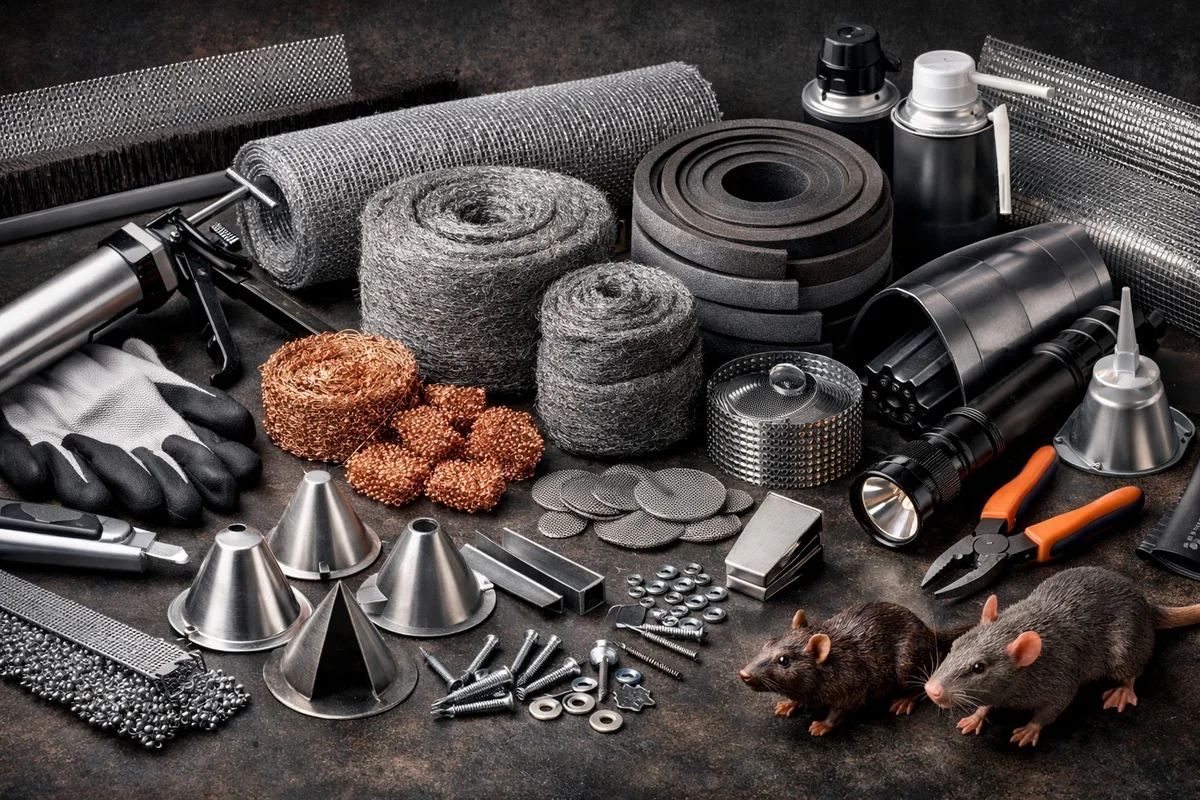
Top 7 Rodent Exclusion Kits for Homeowners (2026)
Find the top 7 rodent exclusion kits for homeowners in 2026. Compare features, prices, and expert advice for the best rodent barrier kit. Safe, effective, and budget-friendly DIY pest control solutions.
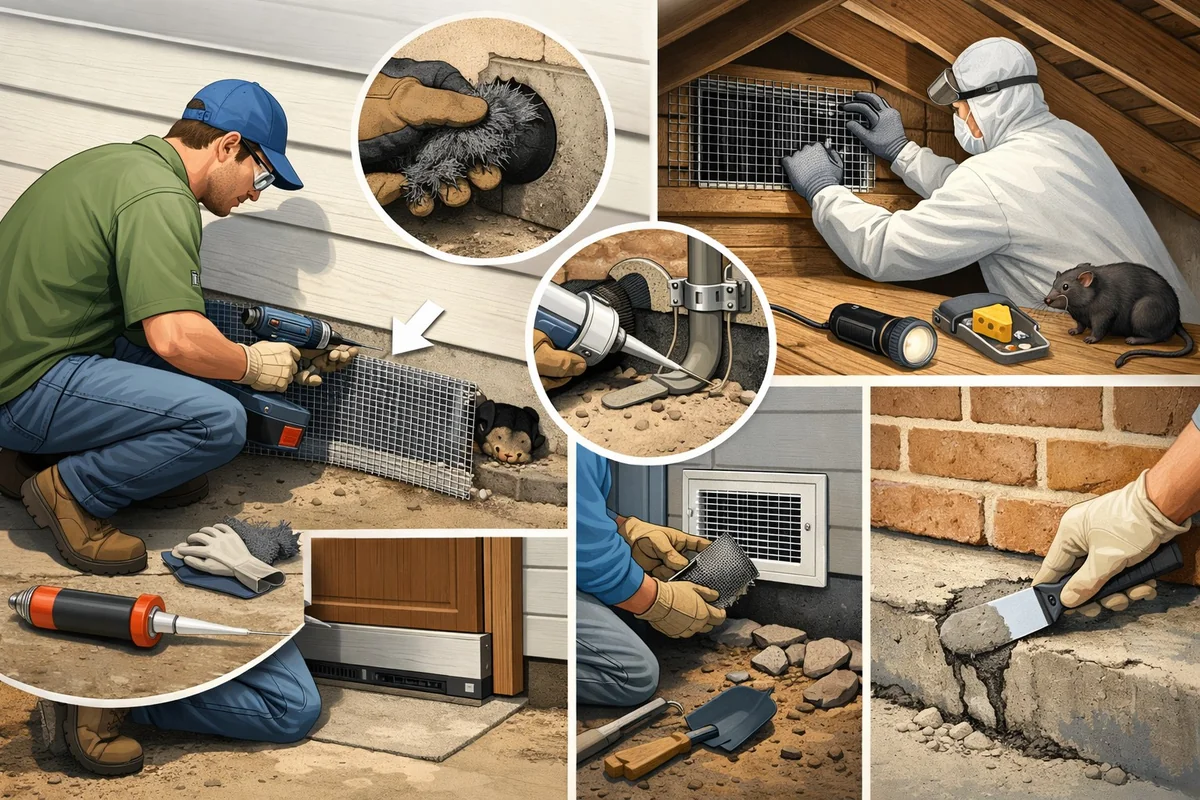
How to Rodent-Proof Your Home: Step-by-Step Guide (2026)
Learn how to rodent-proof your home in 2026 with this step-by-step exclusion guide. Discover proven DIY methods to seal out mice and rats, prevent infestations, and keep your home safe - without hiring an exterminator.
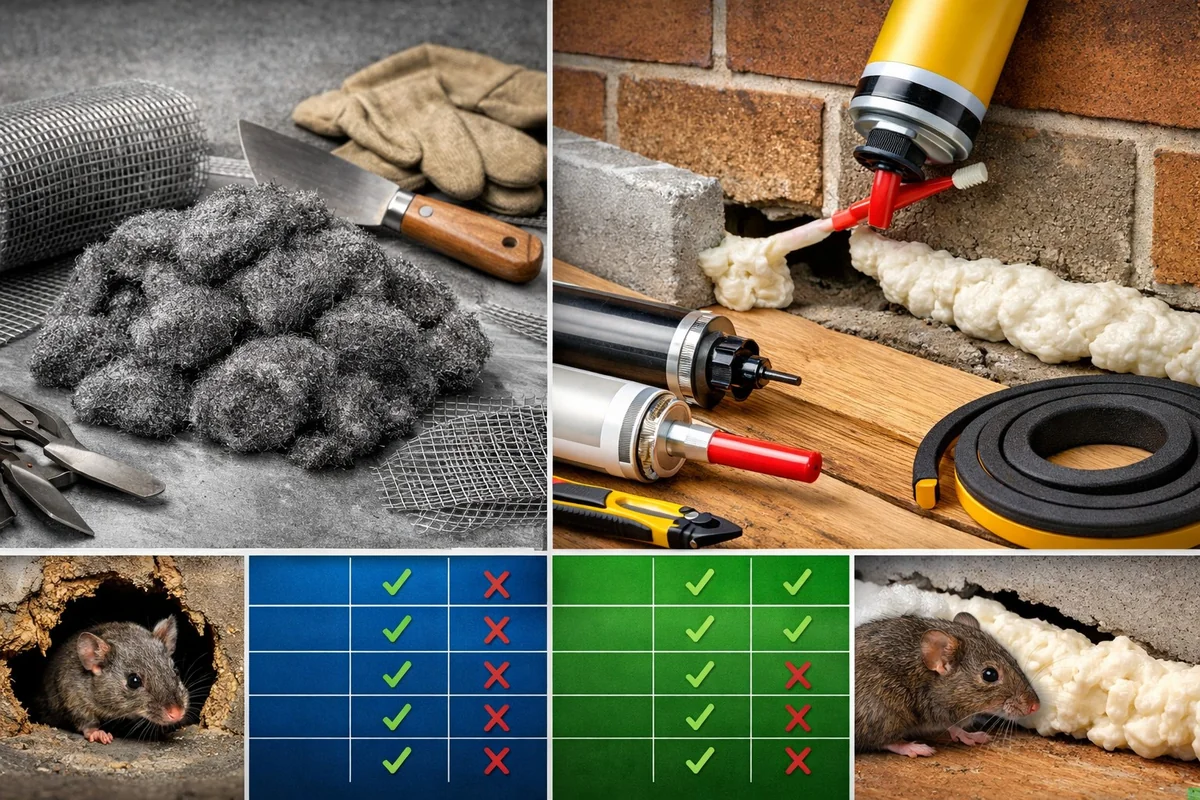
Steel Wool vs Foam Sealant for Rodent Control: Which Is Best for Your Home in 2026?
Comparing steel wool vs foam sealant for rodent control in 2026? Discover which material offers better protection, durability, and value for DIY rodent proofing. See top products, pros and cons, and expert recommendations.
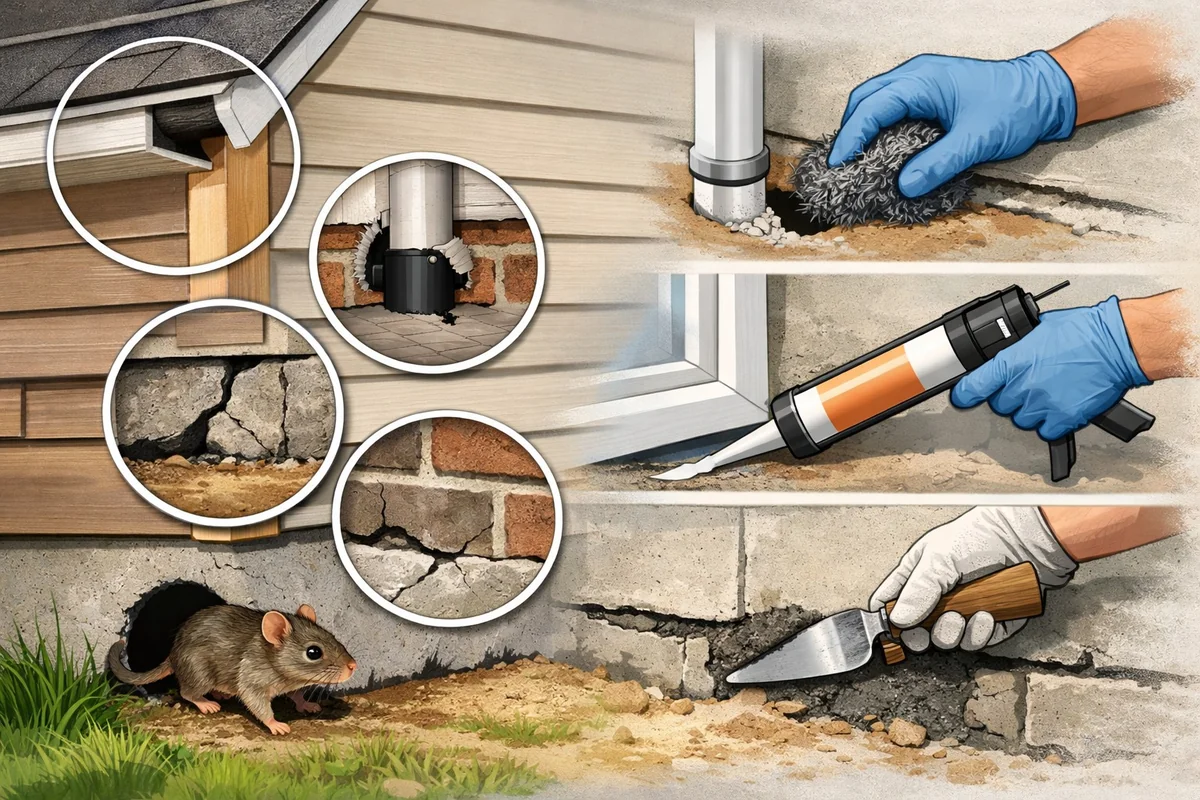
How to Seal Gaps and Cracks to Keep Rodents Out: Rodent Proof Sealing Guide
Learn how to seal gaps and cracks to keep rodents out of your home in 2026. Step-by-step rodent proof sealing guide with tips, materials, and common mistakes to avoid for lasting protection.