How to Get Rid of Mosquitoes Indoors and Outdoors: Complete Mosquito Removal Guide 2026
Learn how to get rid of mosquitoes indoors and outdoors with proven DIY methods. This 2026 mosquito removal guide covers effective traps, sprays, prevention, and troubleshooting for safe, budget-friendly mosquito elimination.
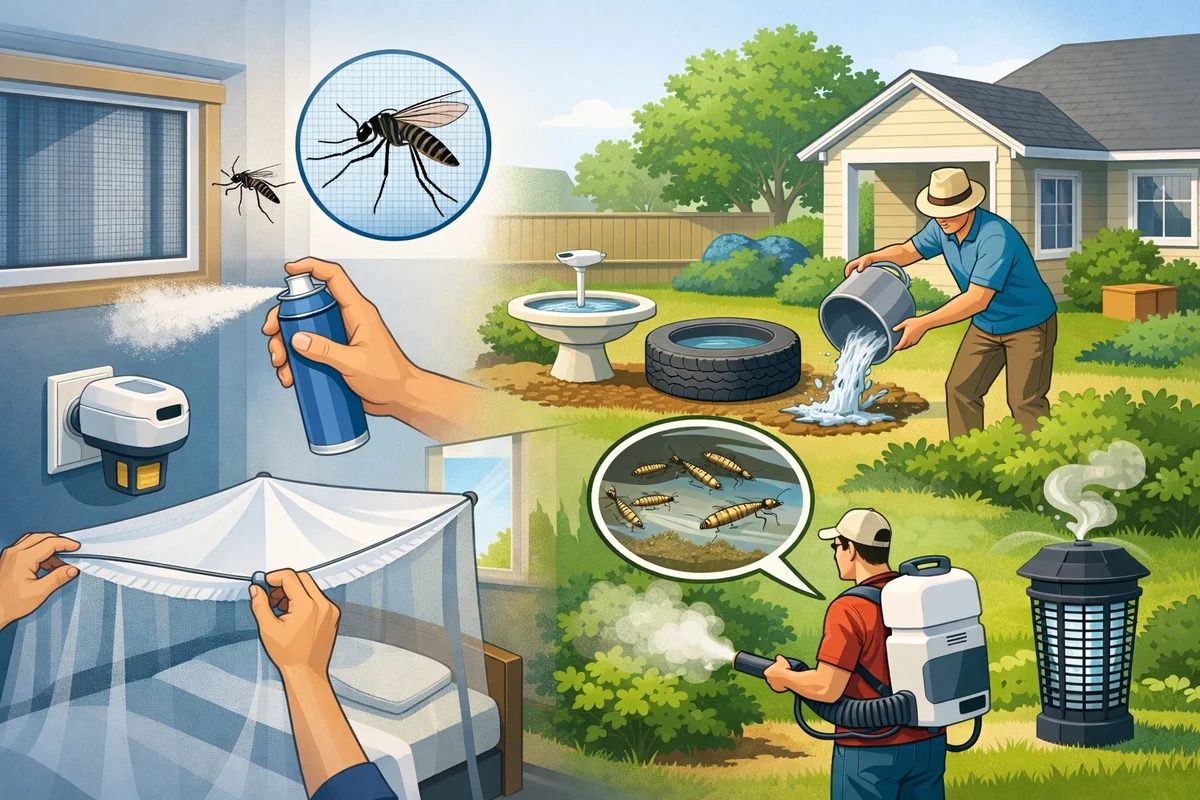
To get rid of mosquitoes indoors and outdoors, eliminate standing water, seal entry points, and use a combination of traps, repellents, and physical barriers. Most infestations require ongoing weekly maintenance and the right tools. Focus on safe, targeted solutions for long-term relief without the need for professional exterminators.
How Mosquitoes Invade Homes and Yards
Mosquito problems aren’t just a summer annoyance - they’re a year-round risk in many climates. If you’re seeing mosquitoes inside or swarming your yard, you’re not alone. Most infestations start with small, overlooked entry points or hidden breeding sites just outside your door.
Common Entry Points Indoors
Mosquitoes can squeeze through gaps as small as 1.2 mm, making loose window screens, cracked door frames, and open vents prime targets. Even a tiny tear in a screen can let in dozens of mosquitoes overnight. Foundation cracks and poorly sealed pipe penetrations are less obvious but just as problematic, especially in older homes or after renovations.
Outdoor Attractants and Breeding Sites
Standing water is the main culprit for outdoor mosquito breeding. Just a bottle cap of water can support hundreds of larvae in under a week. Common trouble spots include clogged gutters, flowerpot saucers, birdbaths, and forgotten toys. Dense, shady vegetation gives adult mosquitoes a place to rest during the day, while outdoor lighting - especially warm or UV bulbs - draws them in at dusk.
For a broader overview of why mosquitoes thrive in certain environments and how to structure your control efforts, see our Mosquito Control resource.
Essential Tools and Supplies for Mosquito Removal
Getting rid of mosquitoes for good means using a mix of traps, repellents, and barriers. Each tool has trade-offs - some work fast, others deliver long-term results, and a few are best for specific situations. Knowing what actually works helps you avoid wasting money on gimmicks.
Types of Mosquito Traps and Their Effectiveness
- CO2 traps use carbon dioxide to mimic human breath, attracting mosquitoes over a wide area. These work best for outdoor use and can noticeably reduce populations within days, but they require regular maintenance and can be a moderate investment.
- UV light traps can lure certain mosquito species inside or on patios, but results vary based on placement and local mosquito types. They’re handy for indoor use if placed away from direct competition with brighter room lights.
- Sticky traps are budget-friendly and passive - they catch mosquitoes that land on them. They’re not a standalone solution outdoors, but work well inside near windows or doors where mosquitoes are most likely to enter.
Choosing Safe Repellents and Sprays
- DEET-based sprays offer the most reliable, long-lasting protection for skin and clothing. They’re effective for hours but can irritate sensitive skin or damage plastics and some fabrics.
- Essential oil repellents like lemon eucalyptus or citronella are safer for kids and pets. They provide moderate protection - typically 1-2 hours per application - and are best for short outdoor stints or sensitive households.
- Pyrethrin sprays (derived from chrysanthemums) kill mosquitoes on contact and break down quickly in sunlight. They’re useful for quick knockdown indoors or under covered patios but require frequent reapplication outdoors.
For a deeper dive into specific repellent brands and their real-world performance, see our Best Mosquito Repellents for Home and Outdoor Use 2026 guide.
Protective Barriers and Physical Controls
- Mosquito nets are a must for beds (especially with infants), camping, or patio seating. Nets are the only guaranteed physical barrier - no chemicals, no fumes, just a mesh wall between you and the bugs.
- Window and door screens with mesh size under 1.2 mm stop most mosquito species. Inspect them monthly and repair rips or loose edges immediately.
- Outdoor fans disrupt mosquito flight by creating turbulent airflow. Even a small box fan on a patio table reduces bites by making it physically harder for mosquitoes to land and feed.
| Method | ★Difficulty Level | ★Time Required | Cost Range | ★Best For | Effectiveness |
|---|---|---|---|---|---|
| Physical Barriers (Screens & Netting) | Easy | 1-2 hours for installation (per 2-3 windows/doors) | Budget | Long-term indoor prevention; renters and homeowners | High |
| Source Reduction (Standing Water Removal) | Medium | 2-3 hours for typical yard; repeat weekly | Budget | Outdoor areas with visible mosquito breeding sites | Very High |
| Chemical Control (Indoor/Outdoor Spraying) | Medium | 1-2 hours per 1000 sq ft; reapply as per label | Moderate | Quick reduction of active mosquitoes; moderate to severe infestations | Excellent |
| Biological Control (Larvicides & Natural Predators) | Hard | 2-4 hours for setup, ongoing monitoring required | Moderate | Larger outdoor properties; standing water that can't be removed | High |
| Mechanical Trapping (Mosquito Traps & Zappers) | Easy | 30-45 minutes setup; ongoing maintenance | Premium | Indoor or patio use in high-traffic areas; supplement to other methods | Moderate |
Step-by-Step Guide to Eliminating Mosquitoes Indoors
If you’re losing sleep to buzzing or waking up with bites, the problem is often easier to fix than it feels. The key is to act on all fronts - sealing, drying, and trapping - rather than just spraying and hoping.
Step-by-Step Guide
Remove mosquitoes from your indoor and outdoor spaces effectively using proven, safe, and modern pest control techniques. This guide covers all key steps for long-lasting mosquito prevention and removal.
Total Time
50 minutes
Difficulty
Beginner
Eliminate Standing Water
Remove all standing water sources indoors and outdoors. Empty, scrub, or cover containers like plant saucers, gutters, and birdbaths every 3-5 days. This step interrupts the mosquito breeding cycle and reduces population growth.
Pro Tips:
- Check rain gutters for clogs and clean them thoroughly.
- Store unused containers upside down to prevent water collection.
- Inspect hidden spots like grill covers and tarps.
Important Warnings:
- Common mistake: Overlooking small items such as bottle caps or toys can allow mosquitoes to breed.
- Never leave pet water bowls unchanged for more than 2 days.
Required Tools:
- Gloves (waterproof)
- Scrub brush
- Bucket
Seal Entry Points Indoors
Inspect windows, doors, and vents for gaps or torn screens. Repair or seal any openings using weatherproof caulk or screen patches. This prevents mosquitoes from entering living spaces and reduces indoor bites.
Pro Tips:
- Use fine-mesh screens (at least 18x16 mesh) for best protection.
- Install door sweeps on exterior doors for a tighter seal.
- Check window AC units for gaps along the edges.
Important Warnings:
- Do not use tape as a long-term fix; it loses adhesion with weather changes.
Required Tools:
- Weatherproof caulk
- Screen repair kit
- Utility knife
Apply Mosquito Repellents
Apply EPA-registered mosquito repellents to exposed skin and clothing when spending time outdoors or in affected indoor areas. Use products containing 20-30% DEET, picaridin, or oil of lemon eucalyptus for up to 6 hours of protection.
Pro Tips:
- Spray repellent outdoors to avoid indoor residue.
- Reapply as directed, especially after sweating or swimming.
- Check expiration dates before use for maximum effectiveness.
Important Warnings:
- Avoid using repellents on infants under 2 months old.
- Keep repellents away from eyes and mouth.
Required Tools:
- EPA-registered repellent spray or lotion
- Hand wipes (for cleanup)
Install Mosquito Traps and Zappers
Place mosquito traps or zappers in shaded outdoor areas, 15-20 feet away from seating, to attract and kill adult mosquitoes. For indoor use, opt for plug-in traps with safe UV bulbs. This step targets mosquitoes that have already emerged.
Pro Tips:
- Empty and clean traps weekly for optimal performance.
- Position traps at least 3 feet off the ground.
- Select traps rated for the size of your outdoor area.
Important Warnings:
- Keep electric zappers away from children and pets.
- Do not use propane traps indoors due to ventilation risks.
Required Tools:
- Mosquito trap or zapper
- Extension cord (for outdoor use, rated for exterior)
Use Natural and Chemical Barriers
Apply larvicides (such as Bti dunks) to water features that cannot be drained. Plant mosquito-repellent herbs like citronella, basil, and lavender near entrances. These methods provide ongoing prevention and reduce future infestations.
Pro Tips:
- Replace Bti dunks every 30 days for consistent control.
- Group potted herbs near doors and patios for added protection.
- Consult local guidelines before applying any chemical treatments.
Important Warnings:
- Do not use larvicides in water sources used for drinking or pets.
- Always follow label instructions to avoid harming beneficial insects.
Required Tools:
- Bti mosquito dunks or granules
- Gardening gloves
- Herb plants (citronella, basil, lavender)
Inspect and Seal Entry Points
Start by checking every window and door for torn or loose screens. Even a small rip lets mosquitoes slip through. Repair or replace screens as soon as you spot damage.
For doors, install weatherstripping or door sweeps to close gaps. Don’t forget attic and crawlspace vents - if the mesh is torn or missing, mosquitoes can enter from above or below.
Remove Indoor Breeding Sources
Empty and dry all plant saucers, pet water bowls, and trays under refrigerators or humidifiers every day. Mosquitoes only need 3-4 days to complete a life cycle indoors if water is available.
Check for puddles under potted plants or along windowsills where condensation forms. Fix leaking pipes immediately and wipe up any drips from air conditioner units.
Apply Indoor-Safe Repellents and Traps
Place plug-in repellents or indoor mosquito sprays in bedrooms, living rooms, and hallways - anywhere you notice activity. For best results, use traps in darker corners or near windows, but away from beds so mosquitoes are drawn away from where you sleep.
Never use outdoor foggers inside - the chemical residue is unsafe and lingers on surfaces. Stick to products labeled for indoor use only.
How to Control and Eliminate Mosquitoes Outdoors
Outdoor mosquito control is all about removing breeding grounds and targeting adults where they rest or feed. Most do-it-yourself plans fail because they miss one crucial spot or don’t maintain treatments long enough.
Drain and Treat Standing Water
- Mosquito larvae mature in as little as 3 days in stagnant water. Drain anything that holds water every week - buckets, plant trays, tires, even bottle caps.
- For water features you can’t empty (ponds, birdbaths), add a Bti (Bacillus thuringiensis israelensis) dunk or granule. Bti kills larvae but is safe for birds, pets, and humans.
- Check gutters, tarps, and pool covers for hidden water after heavy rain. These are classic “missed spots” that allow new generations to appear even if everything else is dry.
Use Outdoor Traps and Barriers
- Propane-powered mosquito traps cover up to half an acre and can dramatically cut down populations over several weeks. They do require ongoing propane and maintenance, so weigh the time and effort against the size of your problem.
- Mosquito netting shelters are excellent for patios or play areas but can make spaces feel stuffy if airflow is blocked. Choose models with wide openings for regular use.
- Fans are a chemical-free trick - point a standard box or pedestal fan at seating areas for instant relief. Mosquitoes simply can’t fly against the current.
Apply Safe Outdoor Sprays and Repellents
- Permethrin-based yard sprays provide up to 4 weeks of control on shrubs and grass but can harm bees and other beneficial insects. Apply in the evening and keep pets away until the area dries.
- Natural sprays like garlic oil or cedar work for a day or two but wash off with rain or heavy dew. You’ll need to reapply after storms or watering.
- Outdoor foggers deliver a quick knockdown of adult mosquitoes but do nothing for eggs or larvae. Use only for special events and combine with standing water management for lasting results.
Comparing DIY Mosquito Control Methods
There’s no magic bullet when it comes to mosquito removal. The best plan combines immediate knockdown for relief with longer-term population control - and the right approach depends on your home, yard, and sensitivity to chemicals.
Traps vs Sprays: Which Works Faster?
- Sprays (both indoor and outdoor) kill mosquitoes on contact, providing relief within minutes. The catch is that effects fade quickly - most sprays last a few hours to a few days, max.
- Traps take longer to show results - expect 1-2 weeks for noticeable population drops. Their real strength is in preventing new bites by breaking the breeding cycle over time.
- For heavy infestations, use both: spray for immediate relief, then rely on traps and water management for the long haul.
Natural vs Chemical Solutions: Pros and Cons
- Natural repellents and barriers are safer for kids, pets, and pollinators. They’re best for mild problems or as a maintenance layer after a chemical knockdown.
- Chemical options provide stronger, longer-lasting protection but require careful handling. Some mosquito populations are already resistant to common insecticides, so rotate products if you notice diminishing returns.
- Always read labels and use the minimum amount needed - more isn’t always better and can harm your environment.
Cost and Maintenance Considerations
- DIY traps, nets, and screens are budget-conscious and effective but require regular cleaning, repair, and monitoring. Neglecting maintenance quickly erases your hard work.
- Chemical sprays and foggers cost more over time with refills and protective gear. Improper use can also lead to resistance or environmental concerns.
- For most households, a mix of low-cost traps and occasional spray applications offers the best value for year-round control.
Preventing Future Mosquito Infestations
Once you regain control, prevention keeps mosquitoes from returning. This means eliminating breeding sites, reducing attractants, and making your home less appealing to stragglers.
Long-Term Outdoor Prevention Strategies
- Landscaping with mosquito-repellent plants like citronella, lavender, and marigold can make a difference, but don’t expect miracles - these plants reduce, not eliminate, mosquito presence.
- Keep gutters, drains, and irrigation systems clear of debris and standing water. A clogged gutter is the most common overlooked breeding site based on common reports.
- Encouraging natural predators - like dragonflies, bats, and some birds - helps, but won’t solve severe infestations alone. They’re a useful support, not a standalone fix.
Indoor Habits to Reduce Mosquito Attraction
- Fans and air conditioners lower humidity and disrupt mosquito flight. The drier and breezier your home, the less inviting it is for mosquitoes.
- Limit indoor plants and water features to reduce breeding opportunities. If you love houseplants, just keep the trays dry and watch for pooling water.
- Store fruit and trash in sealed containers. Overripe fruit and food waste are magnets for female mosquitoes looking for a blood meal.
Common Mistakes and Troubleshooting Tips
Even with a solid plan, mosquitoes can come back if you miss a step - or if your neighbor’s yard is a breeding ground. Here’s what we see most often when DIY efforts fall short.
Why Mosquitoes Keep Returning After Treatment
- Missed breeding sites (gutters, plant trays, toys, tarps) are the #1 reason treatments fail. Even a tablespoon of water can restart the cycle.
- Focusing only on adults (with sprays or foggers) leaves eggs and larvae untouched. In a week, you’re right back where you started.
- Neighboring properties - especially if you share fences or drainage - can re-infest your yard. Sometimes, a polite conversation about joint prevention saves everyone a lot of trouble.
Overuse and Misuse of Repellents
- More spray isn’t better. Overusing repellents can increase chemical resistance in mosquitoes and put your pets and kids at risk.
- Never use outdoor-only sprays inside. They’re not formulated for indoor air quality and can cause health problems.
- Apply repellents and sprays to all likely hiding spots, not just visible mosquitoes. Under furniture, behind curtains, and around vents are common hiding places people miss.
Frequently Asked Questions About Mosquito Removal
❓ Frequently Asked Questions
What is the most effective way to get rid of mosquitoes indoors?
What is the most effective way to get rid of mosquitoes indoors?
The most effective way to eliminate mosquitoes indoors is to use a combination of window screens, sealed doors, and targeted insecticides. Electric mosquito traps and indoor-safe sprays can quickly reduce populations. Removing standing water sources, such as plant saucers, prevents further breeding and significantly lowers indoor mosquito numbers.
How do I get rid of mosquitoes in my backyard?
How do I get rid of mosquitoes in my backyard?
To get rid of mosquitoes outdoors, follow these steps:
- Remove standing water from containers and gutters.
- Use larvicides in ponds or birdbaths.
- Mow tall grass and trim shrubs.
- Install outdoor fans or mosquito traps.
- Apply EPA-registered repellents before spending time outside.
Consistent yard maintenance helps prevent future infestations.
What should I look for when choosing a mosquito trap?
What should I look for when choosing a mosquito trap?
When choosing a mosquito trap, consider:
- Trap coverage area: Larger yards need higher capacity.
- Power source: Plug-in, battery, or solar for convenience.
- Attractant type: UV light, CO2, or pheromones.
- Ease of cleaning: Removable trays help.
- Noise level: Quieter models suit patios.
Compare at least 3 options for best results.
How often should I reapply mosquito repellents?
How often should I reapply mosquito repellents?
Most EPA-registered mosquito repellents should be reapplied every 4-6 hours, depending on the active ingredient and perspiration level. DEET-based repellents typically last 4-8 hours, while natural options like oil of lemon eucalyptus may require more frequent application. Always follow the product’s label instructions for safety and best results.
What is the difference between mosquito foggers and sprays?
What is the difference between mosquito foggers and sprays?
Mosquito foggers disperse fine insecticide mist to cover large outdoor areas quickly, providing rapid knockdown of adult mosquitoes. Sprays are applied directly to surfaces or vegetation and offer residual protection for several days. Foggers are best for immediate reduction, while sprays provide ongoing prevention in targeted spots.
How do I prevent mosquitoes from breeding around my home?
How do I prevent mosquitoes from breeding around my home?
To prevent mosquito breeding, eliminate standing water by emptying buckets, cleaning gutters, and changing birdbath water weekly. Use larvicides in unavoidable stagnant water, and cover rain barrels with fine mesh. Consistently monitor outdoor areas, as even small amounts of water can produce hundreds of mosquitoes in 7-10 days.
Are ultrasonic mosquito repellents effective?
Are ultrasonic mosquito repellents effective?
Research indicates that ultrasonic mosquito repellents have not shown consistent effectiveness in scientific studies. Most users report minimal or no reduction in mosquito bites compared to physical barriers or chemical repellents. For reliable results, the CDC recommends using EPA-registered repellents and proven physical controls.
Key Takeaways for Effective Mosquito Removal
Getting rid of mosquitoes is a multi-step job, but it’s absolutely doable with the right approach. Seal up every entry point, dry out every container, and be consistent with traps and sprays. Don’t let one missed flowerpot undo your progress.
If you’re still swatting mosquitoes after a month of DIY effort, you may need professional help. Stubborn infestations often point to hidden breeding sites, resistant species, or neighborhood-wide problems that are tough to fix alone.
Stick with weekly water checks and regular inspections. The payoff is a more comfortable home, safer outdoor space, and fewer bites for everyone.
Related Articles
Best Mosquito Repellents for Home and Outdoor Use 2026
Find the best mosquito repellents for home and outdoor use in 2026. Compare sprays, lotions, traps, natural options, and devices with expert reviews and buying tips.
Best Pest Control Products for Summer 2026: Baits, Sprays, Natural Options
Discover the best pest control products for summer 2026. Compare baits, sprays, traps, and natural solutions to tackle ants, roaches, mosquitoes, and more - safe, effective, and budget-friendly options for every home.
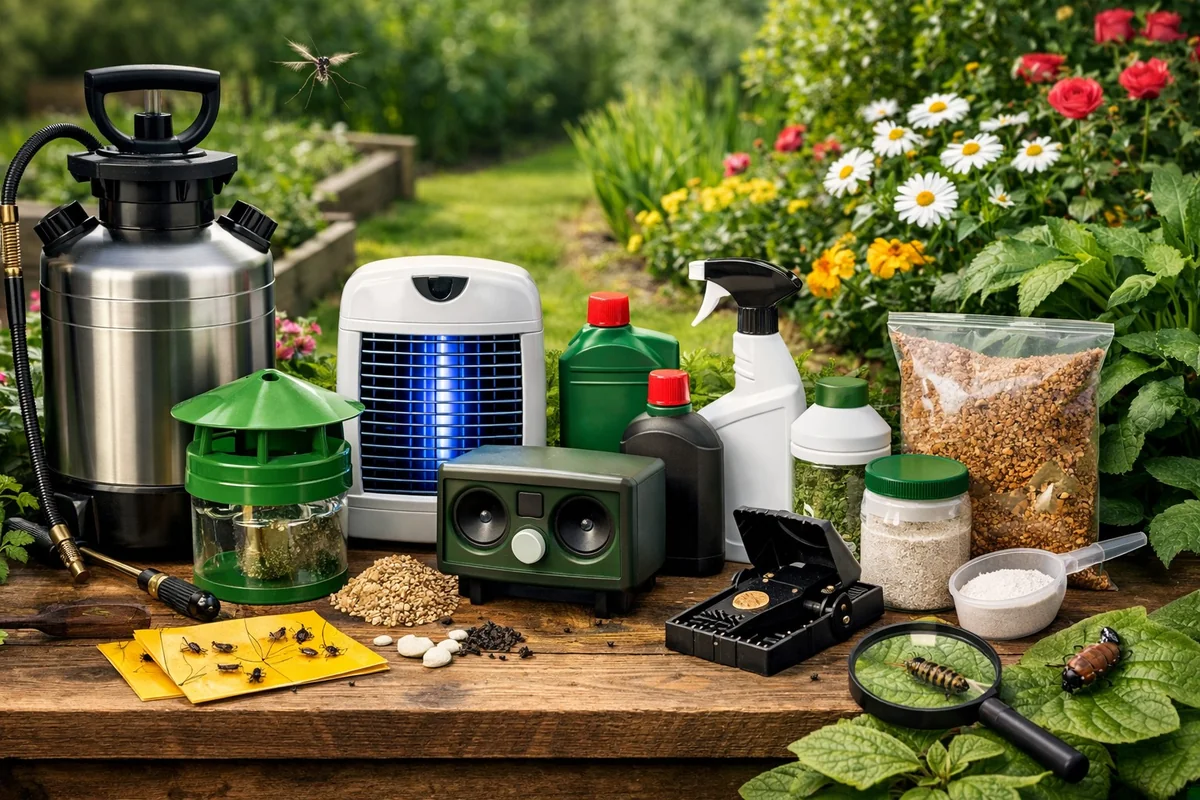
Best Garden Pest Control Products for Yards and Gardens 2026
Discover the best pest control products for gardens and yards in 2026. Compare top-rated sprays, baits, traps, and natural solutions for safe, effective, and budget-friendly outdoor pest removal.
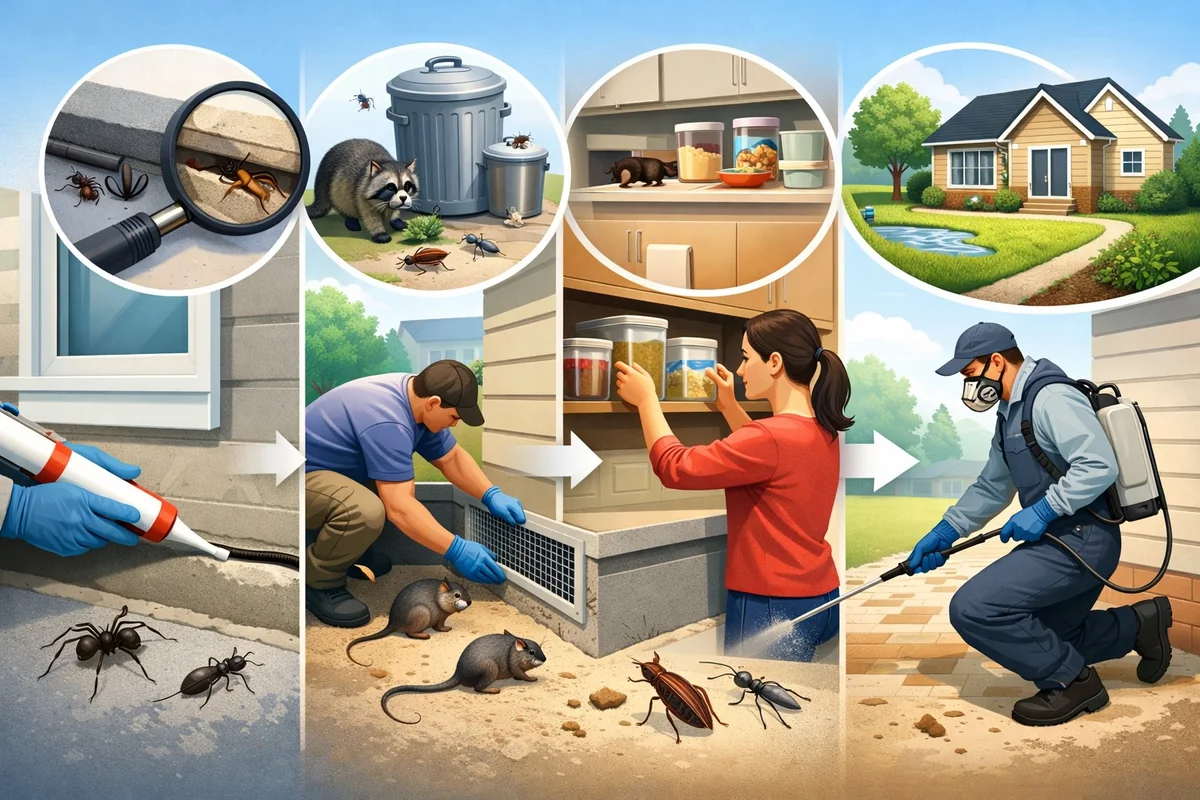
Complete Guide to Pest Prevention in Homes: Stop Pests in 2026
Protect your home in 2026 with this complete pest prevention guide. Discover proven DIY methods, room-by-room tips, safe solutions for families, and expert advice to stop pests before they start.