How to Get Rid of Ticks in Yard and Home (2026 DIY Guide)
Learn how to get rid of ticks in your yard and home with proven DIY methods. This 2026 step-by-step tick removal guide covers identification, safe treatments, prevention, and common mistakes for homeowners and renters.
To get rid of ticks in your yard and home, cut back overgrown areas, treat problem spots with tick sprays or granules, and use pet and personal protection. The process takes 1-2 weeks for visible reduction. Diligent cleanup and regular checks are key to lasting control - don’t rely on one method alone.
How Ticks Infest Yards and Homes
Ticks thrive where hosts and hiding places intersect. They aren’t just a nuisance - left unchecked, they carry real health risks for your family and pets. Understanding how ticks move between outdoor and indoor environments is the first step to breaking their cycle.
Tick Life Cycle and Behavior
Ticks go through four main stages: egg, larva, nymph, and adult. At each blood-feeding stage, they need a host - typically rodents, deer, pets, or people. This is why pets and local wildlife are the most common way ticks find their way onto your property.
Larvae prefer moist, shaded ground-level spots like leaf litter and mulch beds. Nymphs are the stage most likely to bite humans and pets, often hiding in tall grass or low shrubs. Adult ticks climb higher, waiting on the tips of grasses or brush to latch onto a passing host.
Ticks are patient. Their “questing” behavior means they perch with front legs outstretched, sensing heat and carbon dioxide. Knowing this, you can target control measures where ticks are most likely to be waiting for a ride inside.
Common Tick Entry Points and Hiding Spots
Outdoors, ticks collect in tall grass, shaded brush, and leaf piles - especially near wooded edges or animal paths. Unmowed lawns or neglected gardens become prime real estate for ticks.
Once attached to pets or clothing, ticks can enter your home through gaps under doors, torn window screens, or even via laundry baskets set down after yard work. Indoors, they’re drawn to pet beds, baseboards, and soft furnishings where hosts rest.
If you see ticks in laundry, pet areas, or near baseboards, you’re dealing with an active infestation that needs immediate attention - indoors and out. For more in-depth information about tick biology and prevention, see Tick Control.
Identifying Tick Species and Signs of Infestation
Not all ticks are equally dangerous, and spotting the difference matters. Quick, accurate identification helps you assess disease risk and guides where to focus your control efforts.
Visual Identification: Common Tick Types
Deer ticks (Ixodes scapularis), also called blacklegged ticks, are tiny - adults are about the size of a sesame seed. They have a dark shield over a reddish body and are the primary Lyme disease carriers in the U.S.
American dog ticks (Dermacentor variabilis) are larger, with ornate white or silver markings on a brown body. They prefer open, grassy areas and are known for transmitting Rocky Mountain spotted fever.
Lone star ticks (Amblyomma americanum) are reddish-brown, with females showing a single white dot on their backs. They’re aggressive biters and associated with ehrlichiosis. Larvae (“seed ticks”) and nymphs of all species are much smaller - often the size of a poppy seed - so it’s easy to miss them during checks.
Symptoms and Evidence of Tick Activity
Frequent unexplained bites on people or pets - especially in spring and summer - signal a tick problem. Watch for clusters of bites around ankles, waistbands, or where clothing fits tightly.
Finding ticks crawling on pets, in bedding, or on freshly worn clothes is a red flag. Persistent itching, redness, or rashes that don’t resolve may mean ticks are present even if you haven’t seen them directly.
Don’t ignore single tick finds. Even one tick inside can mean more hiding out of sight, especially if you have pets or let them outdoors regularly.
Essential Tools and Products for Tick Removal
Getting rid of ticks for good means using the right mix of outdoor and indoor products - and knowing their limits. Here’s what actually works to eliminate ticks in the yard and home.
Tick-Specific Yard Sprays and Granules
Professional-grade tick sprays with permethrin or bifenthrin are your workhorses for outdoor control. Permethrin binds to surfaces and remains active for up to 4 weeks, while bifenthrin offers slightly longer residual protection but is slower to kill on contact.
Granular insecticides work deeper into mulch and soil, providing residual control for 6-8 weeks. They’re excellent for perimeter barriers and heavy infestations, but take several days for full effect. Sprays give quick knockdown, especially on exposed surfaces, but may require reapplication after rain.
Organic sprays - like cedar oil - provide a safer option for households with kids or frequent pet activity. They offer mild repellency but rarely eliminate a heavy tick population on their own. For a detailed product breakdown and application tips, see our Best Tick Sprays and Yard Treatments 2026 guide.
Tick Removal Tools and Indoor Treatments
Fine-tipped tweezers are the safest tool for removing ticks from skin - grab close to the mouthparts and pull straight out. This reduces the risk of leaving parts embedded, which can cause infection.
For indoor control, look for tick sprays containing pyrethroids (like permethrin or cypermethrin). They kill ticks on contact but require ventilation - never use these around cats, as pyrethroids are toxic to them. Tick traps and sticky pads can help monitor problem areas but won’t clear an established infestation alone.
Personal Protection and Pet Treatments
Permethrin-treated clothing repels ticks and stays effective for up to 6 washes. It’s an excellent solution for anyone doing frequent yard work or hiking in tall grass.
Veterinary tick collars and spot-on treatments (like Seresto or Frontline) provide ongoing protection for pets. Not all products are safe for both dogs and cats - read labels and talk to your vet before starting a new treatment.
Never skip pet protection - untreated pets will bring ticks right back inside, no matter how much you treat your yard.
Step-by-Step Yard Tick Removal Process
Effective tick control in the yard is an ongoing process - not a one-and-done chore. Here’s how to reclaim your outdoor space with a systematic approach.
Preparing Your Yard for Treatment
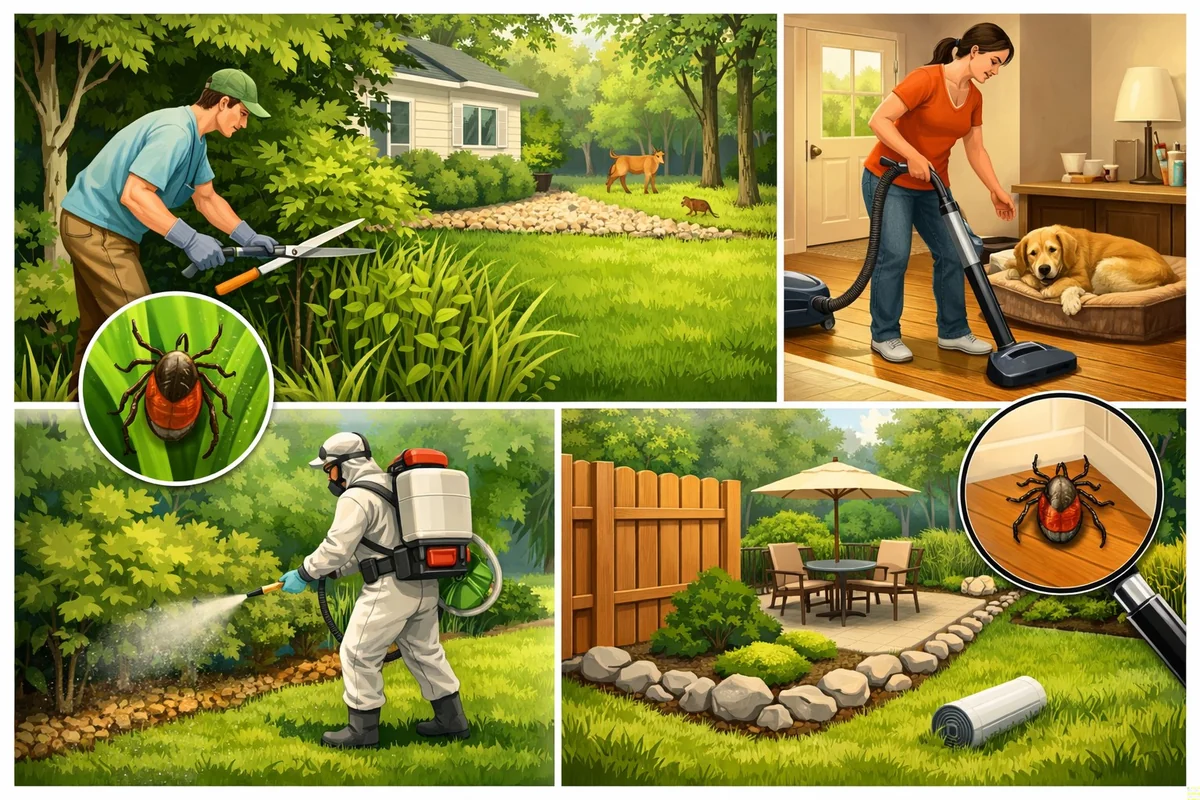
Start by mowing all grass areas short - under 3 inches is ideal. Remove leaf litter, brush piles, and any stacked wood or debris where ticks and their hosts (like rodents) hide.
Trim shrubs and trees so sunlight reaches the ground and air circulates freely. Create a 3-foot barrier of wood chips or gravel between the edge of your lawn and any adjacent woods or brush to discourage tick migration.
Clear clutter from patios, play areas, and pet runs. The more exposed the ground, the less likely ticks are to survive and breed.
Step-by-Step Guide
Follow these steps to remove ticks from your yard and home using safe, effective, and modern pest control methods. Each step maximizes safety and effectiveness, following 2026 best practices.
Total Time
2 hours
Difficulty
Intermediate
Clear Yard Debris and Trim Vegetation
Remove leaf litter, tall grass, and overgrown shrubs in all tick-prone areas. Focus on trimming vegetation to under 4 inches and clearing dense brush. This reduces tick habitats and improves visibility for treatment.
Pro Tips:
- Bag and dispose of debris instead of composting to avoid spreading ticks.
- Trim back branches to let sunlight reach the ground—ticks avoid dry, sunny areas.
- Maintain a 3-foot wide barrier of gravel or wood chips between lawn and wooded areas.
Important Warnings:
- Wear gloves and long sleeves to prevent tick bites while handling yard waste.
- Do not burn debris—local regulations may prohibit open burning.
Required Tools:
- Garden gloves
- Pruning shears
- Rake
- Lawn bags
Apply Targeted Tick Pesticide
Use an EPA-registered tick pesticide (such as permethrin or bifenthrin) and apply according to label instructions. Treat lawn edges, shaded areas, and perimeter zones. Proper application kills ticks on contact and creates a protective barrier.
Pro Tips:
- Choose a pesticide labeled specifically for ticks and safe for pets.
- Apply when no rain is expected for at least 24 hours to ensure effectiveness.
- Reapply according to manufacturer’s schedule, typically every 30-60 days.
Important Warnings:
- Keep children and pets away from treated areas until pesticide has dried completely.
- Always wear a mask and eye protection when spraying chemicals.
Required Tools:
- Tick-specific pesticide (EPA-registered)
- Garden sprayer or hose-end applicator
- Protective mask
- Safety goggles
Treat Pets with Vet-Approved Tick Preventives
Apply veterinarian-recommended tick preventive treatments to all pets. Use topical, oral, or collar-based products as directed. This step prevents pets from bringing ticks indoors and breaks the tick life cycle.
Pro Tips:
- Consult your vet for the most effective product for your pet’s size and species.
- Check pets daily for ticks, especially after outdoor activity.
- Maintain a treatment schedule year-round for best protection.
Important Warnings:
- Do not use dog tick products on cats; some ingredients are toxic to felines.
- Follow dosage instructions exactly to avoid adverse reactions.
Required Tools:
- Vet-approved tick preventive (topical, oral, or collar)
- Comb for tick checks
Vacuum and Clean Indoor Spaces
Vacuum carpets, rugs, and upholstered furniture thoroughly, especially along baseboards and under furniture. Wash bedding and pet areas with hot water (at least 130°F). This removes ticks and eggs from indoor environments.
Pro Tips:
- Use a vacuum with a HEPA filter for maximum efficiency.
- Empty the vacuum bag or canister outdoors immediately after use.
- Wash all bedding and pet blankets weekly during tick season.
Important Warnings:
- Dispose of vacuum contents in a sealed bag to prevent re-infestation.
- Avoid using chemical sprays on bedding without checking safety labels.
Required Tools:
- Vacuum with HEPA filter
- Laundry detergent
- Washing machine (hot setting)
Seal Entry Points and Maintain Yard Barriers
Inspect and repair gaps around doors, windows, and foundation. Install fine mesh screens (at least 1/16 inch) and maintain yard barriers to keep wildlife out. This step prevents new ticks from entering your home and yard.
Pro Tips:
- Use weatherstripping and caulk to seal gaps and cracks.
- Secure pet doors with magnetic closures or self-closing flaps.
- Maintain fencing to deter deer and rodents, common tick hosts.
Important Warnings:
- Check for hidden entry points under siding or decks.
- If you find structural damage, consult a professional contractor.
Required Tools:
- Weatherstripping
- Caulk and caulk gun
- Mesh screens (1/16 inch or finer)
- Screwdriver or staple gun
Applying Tick Control Products Safely
Apply sprays or granules during dry weather - rain can wash away actives before they do their job. Focus on high-risk zones: the yard perimeter, under dense shrubs, beneath decks, and in shady pet areas where ticks congregate.
Wear gloves, long sleeves, and a mask to avoid skin or inhalation exposure when treating. Never use outdoor products indoors - indoor formulations are made for tighter spaces and less ventilation.
Don’t forget to treat hidden transition areas, like fence lines or under bird feeders, where wildlife hosts cross into your yard.
Post-Treatment Maintenance and Monitoring
Reapply products according to the label schedule - usually every 4-6 weeks, or sooner after heavy rains. Don’t wait for bites to return before retreating.
Tick tubes or bait boxes target ticks feeding on rodents, which are a key host for Lyme-carrying ticks. Place these along stone walls or woodpiles to interrupt the tick life cycle at its source.
Regularly check pets and family for new ticks after outdoor activities. Early detection prevents new indoor infestations and nips problems before they explode.
Removing Ticks from Inside the Home
Indoor tick problems don’t resolve on their own. If you’ve found ticks inside, act quickly to stop the spread and prevent disease risk.
Immediate Actions After Discovering Indoor Ticks
Vacuum all carpets, rugs, and upholstered furniture thoroughly. Dispose of the vacuum bag immediately - ticks can crawl out and reinfest if left inside.
Wash pet bedding, linens, and recently worn clothing on high heat to kill ticks and eggs. Isolate infested pets and treat them with a vet-approved product before letting them back into shared spaces.
Targeted Indoor Treatments and Preventive Measures
Apply indoor-safe sprays (look for pyrethrin-based options) to cracks, baseboards, and pet areas. Avoid overuse in kitchens or bedrooms - target only where ticks hide.
Seal up entry points: caulk gaps under doors, repair torn window screens, and close off utility penetrations. This blocks new ticks and other pests from entering.
Sticky traps placed in suspected hotspots - like behind pet beds or in laundry rooms - help monitor activity. They won’t solve an infestation, but do confirm whether your treatment is working.
Preventing Future Tick Infestations
True tick control means staying ahead of the problem. Once you’ve eliminated an infestation, these steps help keep it from coming back.
Landscape Modifications to Deter Ticks
Keep lawns mowed below 3 inches and remove brush piles regularly. This reduces moist, shaded microclimates that ticks love.
Fencing helps keep deer and stray animals - ticks’ main rides - out of your yard. Create sun-exposed zones for children and pets to play, as ticks avoid dry, sunny areas.
Mulch or gravel barriers at the edge of lawns slow tick migration from woods or wild areas into landscaped spaces.
Ongoing Pet and Family Protection
Maintain year-round tick prevention for pets - monthly treatments are far more effective than seasonal dosing. Even winter has warm spells that can bring ticks out.
Train family members to wear light-colored clothing and tuck pants into socks when outdoors. This makes ticks easier to spot and less likely to reach skin.
Perform tick checks after every outdoor activity, especially on children - focus on hidden areas like behind knees, scalp, and armpits.
Common Mistakes and How to Avoid Them
Most DIY failures happen for two reasons: relying on a single method, or misusing products. Here’s how to avoid the traps that keep infestations going.
Overreliance on Single Methods
Don’t trust sprays or pet treatments alone to handle an active problem. Integrated pest management - combining yard, pet, and indoor control - works because it attacks every stage of the tick life cycle.
Neglecting yard maintenance lets ticks rebound quickly after chemical applications. Skipping pet protection almost guarantees repeated re-infestation indoors.
Misuse of Pesticides and Home Remedies
Never use outdoor pesticides inside - formulations for open air are much stronger and can cause health hazards if used in closed spaces. Always check the product label before applying.
DIY remedies like vinegar or essential oils may offer a sense of control but rarely make a dent in a real infestation. Overapplying chemicals creates resistance and can harm beneficial insects like pollinators.
Frequently Asked Questions About Tick Removal
❓ Frequently Asked Questions
How do I get rid of ticks in my yard naturally?
How do I get rid of ticks in my yard naturally?
To get rid of ticks in your yard naturally:
- Regularly mow grass and trim vegetation to reduce tick habitats
- Remove leaf litter, brush, and woodpiles where ticks hide
- Create mulch or gravel barriers between lawn and wooded areas
- Use natural sprays like cedar oil as a repellent
Natural methods require consistent upkeep for best results.
What is the difference between a tick and a flea?
What is the difference between a tick and a flea?
A tick is an arachnid that attaches to skin to feed on blood, while a flea is a small, jumping insect that also feeds on blood. Ticks crawl and are often found in tall grass, while fleas jump and prefer animal fur. Recognizing the difference helps with targeted pest control.
Which tick control product is best for home use?
Which tick control product is best for home use?
The best tick control products for home use generally feature:
- EPA-registered ingredients: ensures safety and effectiveness
- Residual protection: long-lasting formulas reduce reapplication
- Low toxicity: safer for pets and children
- Simple application: easy-to-use sprays or granules
Read product labels for pet and kid safety, and consider professional treatments for severe infestations.
How often should I treat my yard for ticks?
How often should I treat my yard for ticks?
Most experts recommend treating your yard for ticks every 4–6 weeks during active tick seasons, typically spring through fall. Areas with dense vegetation or high tick activity may need more frequent applications. Always follow label directions for reapplication intervals to avoid environmental harm and maintain effectiveness.
Can ticks survive indoors, and how do I eliminate them at home?
Can ticks survive indoors, and how do I eliminate them at home?
Ticks can survive indoors but prefer outdoor environments. To eliminate ticks at home:
- Vacuum carpets, rugs, and upholstered furniture thoroughly
- Wash pet bedding and soft furnishings in hot water
- Seal cracks and entry points
- Use approved indoor tick sprays if needed
Persistent infestations may require professional pest control.
What should I look for when choosing a tick spray for pets?
What should I look for when choosing a tick spray for pets?
When choosing a tick spray for pets, focus on:
- Vet approval: only use sprays labeled safe for your pet’s species
- Active ingredients: look for pyrethrin or permethrin for dogs (never cats)
- Application method: sprays should be easy to apply evenly
- Residual protection: longer-lasting formulas reduce reapplication
Always follow usage directions and dosage limits for safety.
Why do I need to control ticks in my yard?
Why do I need to control ticks in my yard?
Controlling ticks in your yard reduces the risk of tick-borne diseases like Lyme or Rocky Mountain spotted fever for humans and pets. Ticks can transmit these illnesses through bites. Keeping your yard tick-free helps protect your family’s health and lowers the chances of ticks entering your home.
When is the best time of year to treat for ticks?
When is the best time of year to treat for ticks?
The best time to treat for ticks is early spring through late fall, when ticks are most active. Begin treatments as temperatures consistently reach 45°F (7°C) and repeat every 4–6 weeks. Early intervention reduces tick populations before peak activity and helps protect against tick-borne illnesses.
Key Takeaways for Lasting Tick Control
Effective tick removal requires a multi-pronged approach. Tackle the yard, home, and pets in tandem, and don’t let up once the visible ticks disappear. Staying consistent is your best defense against reinfestation.
If you’ve tried multiple DIY treatments and still see ticks, or if you find large numbers indoors, it’s time to consult a professional. High-risk households - especially those with young children or immunocompromised members - should consider expert help for thorough control.
Document your treatment dates and products, keep up with regular checks, and reapply at the start of each tick season. Prevention is always easier (and cheaper) than dealing with a full-blown infestation.
Related Articles
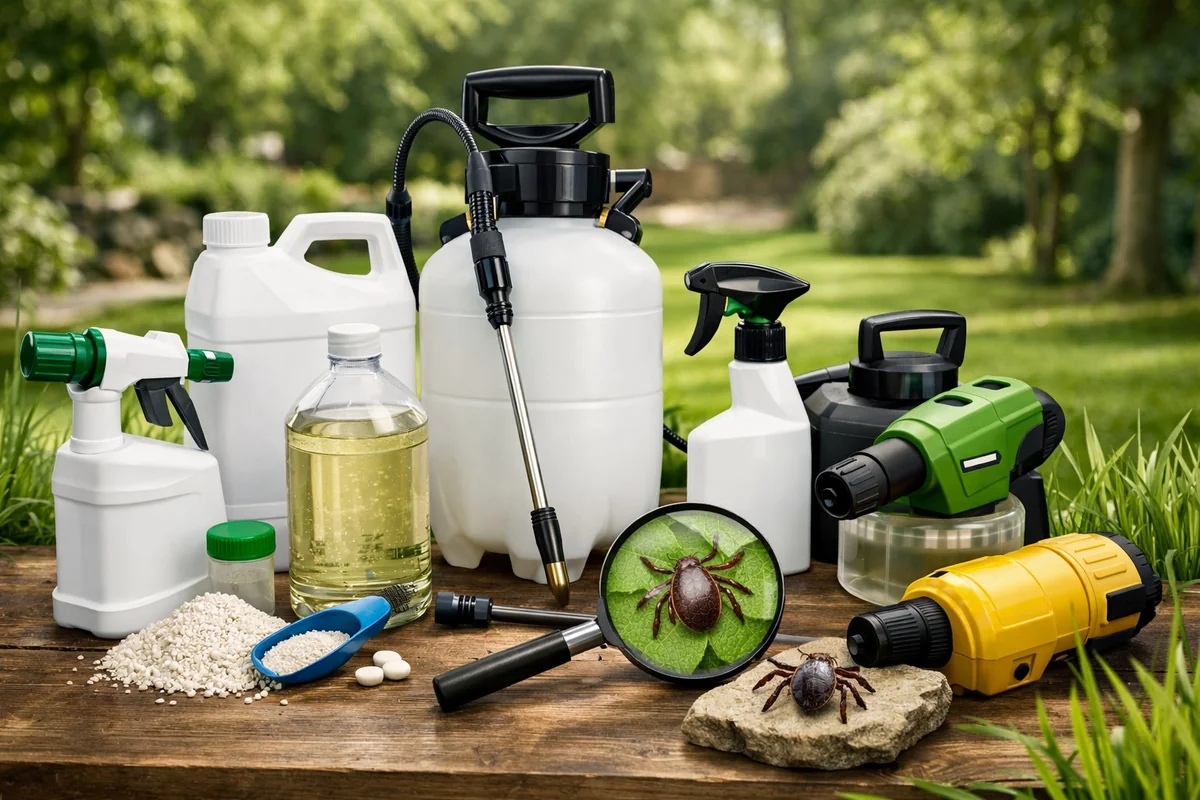
Best Tick Sprays and Yard Treatments 2026: Top Products for Safe Tick Control
Find the best tick sprays and yard treatments for 2026. Compare top tick control products, natural options, and expert tips to keep your yard tick-free and safe for family and pets.
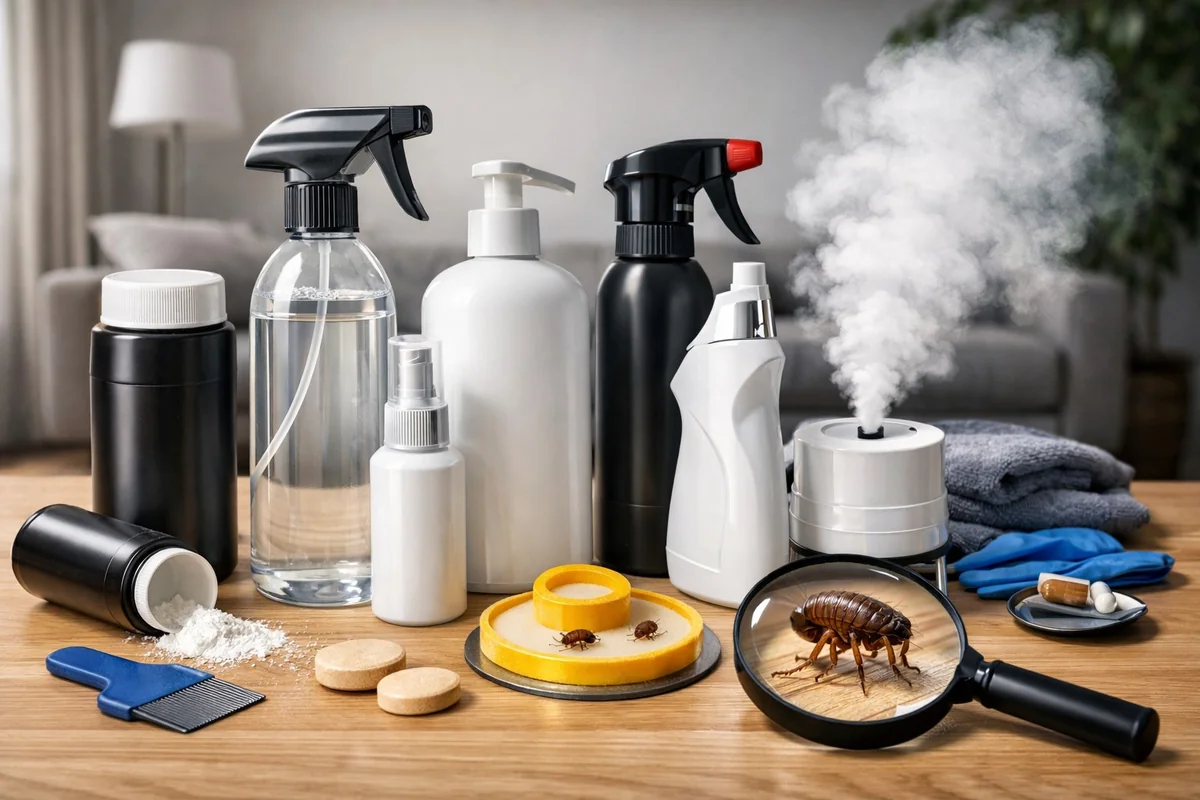
Best Flea Sprays and Powders for Home 2026: Top Picks by Type
Find the best flea sprays and powders for your home in 2026. Explore top-rated, safe, and effective flea control products for carpets, furniture, and pets - plus expert buying tips and FAQs.
Complete Guide to Pest Prevention in Homes: Stop Pests in 2026
Protect your home in 2026 with this complete pest prevention guide. Discover proven DIY methods, room-by-room tips, safe solutions for families, and expert advice to stop pests before they start.

Best Natural and Organic Pest Control Products 2026: Safe, Eco-Friendly Solutions for Every Home
Find the best natural and organic pest control products for 2026. Safe, eco-friendly solutions for ants, roaches, rodents, and more - ideal for families and pet owners.