How to Prevent Pests in Outdoor Spaces: Yard and Garden Pest Tips
Learn how to prevent pests in outdoor spaces with practical, step-by-step yard pest prevention and garden pest tips. Protect your home, garden, and family with proven, budget-friendly DIY methods in 2026.
To prevent pests in outdoor spaces, start by removing food, water, and shelter sources, seal entry points, and use a combination of natural repellents and physical barriers. Most tasks are easy enough for beginners, but staying consistent is crucial. Regular maintenance and targeted interventions will keep your yard and garden pest-free year-round.
Why Outdoor Pest Prevention Matters
If you've battled pests outdoors, you know it's not just about a few bites or chewed leaves - it's about protecting your entire home environment. Outdoor pests often cause health problems, property damage, and turn yards into unusable spaces. Stopping them outside is the most cost-effective way to keep them from invading indoors.
Common Outdoor Pests and Their Risks
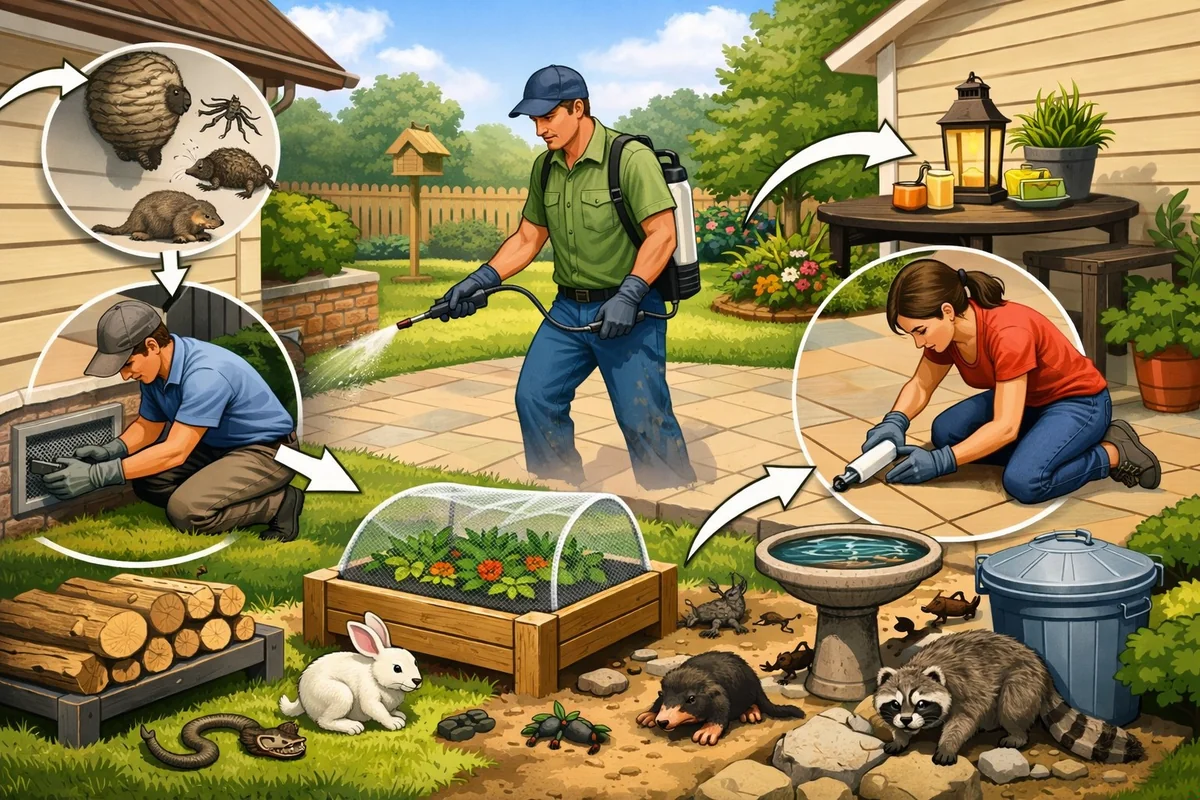
Mosquitoes, ants, ticks, rodents, and wasps are the top offenders in most yards. Each brings its own set of issues: mosquitoes and ticks spread diseases like Lyme and West Nile; rodents chew through wiring and contaminate surfaces; wasps and ants build nests dangerously close to play spaces or entryways. Leaving these pests unchecked outdoors almost always leads to bigger problems inside.
Impact on Gardens, Pets, and Family Activities
Pests don't just annoy - they can wipe out vegetable gardens, ruin ornamental plants, and make patios or lawns off-limits. Pets face risks from fleas, ticks, and accidental exposure to harsh chemicals if you aren't careful. When infestations spike, family gatherings and kids' playtime outdoors often grind to a halt, which is why proactive prevention is so important.
For a deeper look at all the issues pests cause in outdoor environments, check out our detailed Outdoor & Garden Pest Control guide.
Assessing Your Yard for Pest Vulnerabilities
Before you start any treatment, it pays to figure out what’s attracting pests and where they’re getting in. Based on customer reports, the most persistent infestations always have an overlooked harborage area or entry point nearby. A little detective work upfront will save you time and money on products down the line.
Identifying Pest Entry Points and Harborage Areas
Look for gaps under fences, cracks in foundations, loose siding, and dense shrubbery - these are classic entry and nesting spots. Standing water from clogged gutters, leaf piles, or old woodpiles are magnets for mosquitoes, rodents, and termites. Inspect your yard every season because weather and landscaping changes can open up new vulnerabilities.
Signs of Existing Infestations
Watch for ant trails along pavement, chewed plant stems, rodent droppings near sheds, and wasp nests under eaves or branches. Animal tracks, small burrows, or sudden unexplained plant damage signal hidden activity. Spotting these signs early lets you act with targeted solutions before things spread.
If you want to know which products actually work for treating these issues, our Best Pest Control Products for Gardens and Yards 2026 roundup cuts through the noise with real recommendations.
Eliminating Food and Water Sources
Food and water drive pest infestations. Remove these, and you’ll make your yard much less attractive to nearly every pest species. This doesn’t require fancy equipment - just a few habit changes and regular attention to problem spots.
Managing Trash, Compost, and Pet Food
Unsecured trash cans, open compost piles, and leftover pet food are the main reasons wildlife and insects stick around. Raccoons, rats, and flies follow food odors straight to your bins. Ants and rodents love pet food left out overnight, so switch to sealed storage and only feed pets outdoors at fixed times.
Addressing Standing Water and Drainage Issues
It only takes 3-5 days for mosquitoes to go from egg to adult in standing water. Clogged gutters, birdbaths, and plant saucers are prime breeding sites. Low spots in your lawn or poor drainage keep soil damp, which attracts termites and fungus gnats. Empty water containers weekly and fill depressions with soil to cut down on these pest populations.
Landscaping Strategies for Pest Control
Smart landscaping can make or break your yard pest prevention plan. The right plants, mulch, and pruning habits create a hostile environment for pests while making your yard easier to maintain.
Choosing Pest-Resistant Plants and Mulches
Lavender, marigold, and citronella are top picks for gardens because their scents or oils repel insects naturally. Cedar and cypress mulches work well against termites and certain ants, while bark or straw can hide pests if applied too thick. Avoid using dense groundcovers right up to your home's foundation - these hide rodents and insects where you can't see them.
Pruning and Spacing to Reduce Harborage
Keep shrubs trimmed and make sure no branches touch your house - this blocks easy bridges for ants and rodents. Proper plant spacing boosts airflow and cuts down on dampness, which means fewer gnats and fungal issues. Always remove dead wood and leaves right away to prevent pest habitat buildup.
Physical Barriers and Exclusion Methods
Physical barriers are the foundation of yard pest prevention. They don’t rely on chemicals and, when installed correctly, stop most pests before you ever need to spray or bait.
Fencing, Netting, and Trench Barriers
Hardware cloth and fine mesh fencing keep out rodents, rabbits, and many crawling insects. Floating row covers and netting protect crops from flying insects and birds. For burrowing pests like moles and voles, you’ll need to bury barriers 6–12 inches deep - it’s extra work up front, but these are usually one-and-done solutions.
Sealing Gaps and Repairing Structures
Caulk cracks in patios, repair damaged shed doors, and add door sweeps to keep pests from slipping inside. Screen all vents and seal utility holes to block insects and rodents. Outdoor repairs face weather and wear, so plan to re-check and reseal every season, especially before winter.
Natural and Chemical Pest Control Options
Sometimes barriers and landscaping aren’t enough - especially if you already see pest activity. In these cases, you’ll need a blend of targeted natural and, when necessary, chemical controls to knock back infestations quickly and safely.
Organic Sprays and Biological Controls
Neem oil, insecticidal soap, and diatomaceous earth target soft-bodied insects like aphids and caterpillars without killing bees or ladybugs. Beneficial nematodes and predatory bugs like ladybugs or lacewings are effective for grubs and aphids. Keep in mind: organic solutions usually need more frequent applications and work slower than synthetics, but they’re much safer for pollinators and pets.
When to Use Conventional Pesticides Safely
For severe wasp nests or stubborn rodent infestations, EPA-approved pesticides may be necessary. Spot-treat nests or use granular baits and perimeter sprays for rapid knockdown, but always read the label - overuse harms non-target species and can backfire. Limit chemical use to targeted areas, and never spray near edible plants or where pets play.
Step-by-Step Guide: Preventing Pests in Your Yard
Ready to put all this into action? Here’s what you need to get started and how to break prevention tasks down by season. Most jobs require only basic tools and planning, but tackling them in the right order makes a huge difference in long-term results.
Essential Tools and Materials Checklist
- Work gloves for safety and cleanliness
- Pruners or garden shears for trimming plants
- Caulk or weatherproof sealant for filling cracks
- Hardware cloth or fine mesh for fencing or covering vents
- Organic spray (like neem oil or insecticidal soap) for targeted pests
- Rake and yard waste bags for debris removal
- Mulch (cedar or cypress preferred) for pest-resistant landscaping
- Optional: trenching tool or shovel for buried barriers, netting for gardens
Most of these tools are budget-friendly and reusable for annual maintenance. Specialty items, like trenching tools or bulk netting, are only necessary for large properties or heavy infestations.
Step-by-Step Guide
Preventing pests in your yard and garden requires planning, regular maintenance, and targeted actions. Follow these expert-backed steps to keep outdoor spaces healthy and pest-free using proven 2026 best practices.
Total Time
1 hour 40 minutes
Difficulty
Beginner
Inspect and Remove Pest Habitats
Survey your yard and garden for standing water, leaf piles, and debris. Remove or cover items that collect water and clear excess organic matter. This eliminates common breeding spots for mosquitoes, slugs, and rodents, reducing pest populations before they can establish.
Pro Tips:
- Check under pots, tarps, and gutters for hidden water pools.
- Rake leaves and compost them away from main garden beds.
- Trim overgrown shrubs to reduce shelter for pests.
Important Warnings:
- Leaving standing water for more than 3 days can lead to rapid mosquito breeding.
- Neglected debris piles attract rodents and insects.
Required Tools:
- Garden gloves
- Leaf rake
- Trash bags
- Pruning shears
Plant Pest-Resistant Varieties
Choose plants labeled as pest-resistant for your climate and soil type. Select disease-resistant vegetables and ornamental plants, as these are less attractive to common garden pests. This approach lowers your reliance on chemical controls and supports healthy plant growth.
Pro Tips:
- Consult your local extension service for region-specific resistant varieties.
- Mix different species to reduce pest outbreaks.
- Look for varieties marked as 'resistant' or 'tolerant' on seed packets.
Important Warnings:
- Not all 'resistant' plants are immune—monitor for signs of stress or infestation.
- Avoid monocultures, which increase pest vulnerability.
Required Tools:
- Plant catalog or nursery guide
- Garden plan/map
Apply Mulch and Maintain Healthy Soil
Spread 2–3 inches of organic mulch around plants, keeping it 2 inches from stems. Mulch retains moisture, suppresses weeds, and discourages soil-borne pests. Regularly test soil pH (target 6.0–7.0 for most plants) to maintain robust roots that resist pest damage.
Pro Tips:
- Use cedar or pine bark mulch for natural pest deterrence.
- Replenish mulch annually to maintain coverage.
- Test soil biannually for optimal plant health.
Important Warnings:
- Mulch placed directly against stems promotes rot and attracts insects.
- Over-mulching can suffocate roots and harbor pests.
Required Tools:
- Mulch (2–3 cubic feet per 100 sq ft)
- Soil pH test kit
- Garden trowel
Install Physical Barriers and Traps
Set up row covers, netting, and copper tape around plant beds to block crawling and flying pests. Use sticky traps or pheromone traps for monitoring insect activity. These barriers prevent direct plant damage and provide early warning of infestations.
Pro Tips:
- Secure edges of row covers tightly to prevent insect entry.
- Place sticky traps at plant canopy height for best results.
- Replace or clean traps every 2–3 weeks.
Important Warnings:
- Poorly installed barriers may trap beneficial insects inside.
- Check traps regularly to avoid attracting secondary pests.
Required Tools:
- Row covers or garden netting
- Copper tape
- Insect sticky traps
- Scissors
Practice Targeted, Eco-Friendly Pest Control
Apply insecticidal soap, neem oil, or diatomaceous earth only to affected areas, following label instructions. Spot-treat at dusk to protect pollinators. This minimizes environmental impact while effectively controlling outbreaks, ensuring beneficial insects remain unharmed.
Pro Tips:
- Spray underside of leaves where pests hide.
- Reapply after heavy rain for continued effectiveness.
- Always wear gloves and eye protection during application.
Important Warnings:
- Never spray during bloom to avoid harming bees.
- Overuse of treatments can disrupt ecosystem balance—treat only as needed.
Required Tools:
- Insecticidal soap or neem oil
- Hand sprayer
- Protective gloves
- Safety glasses
Monitor and Adjust Regularly
Check plants weekly for pest signs - wilting, holes, or sticky residue. Adjust control methods if pests persist. Early detection and quick response prevent outbreaks from spreading, maintaining a healthy yard with minimal intervention.
Pro Tips:
- Record pest activity and treatment dates in a garden journal.
- Look for beneficial insects, such as ladybugs and lacewings, before treating.
- Rotate crops annually to disrupt pest life cycles.
Important Warnings:
- Ignoring minor pest issues often leads to severe infestations.
- If pests remain after 2–3 weeks of control, consult a licensed pest professional.
Required Tools:
- Notebook or digital garden journal
- Magnifying glass
Seasonal Task Breakdown
- Spring: Clear debris, repair physical barriers, plant pest-repellent species, and inspect for overwintering nests or burrows.
- Summer: Monitor and empty water sources weekly, apply natural sprays as needed, and keep vegetation pruned and spaced for airflow.
- Fall/Winter: Remove all leaf litter and dead plant material, inspect for rodent entry points, add or refresh mulch and check fencing for damage before frost sets in.
Consistent seasonal work is the real secret to long-term yard pest prevention - it’s not about one big cleanup, but regular, manageable tasks.
Common Mistakes and How to Avoid Them
Even well-intentioned homeowners stumble when it comes to outdoor pest control. Here’s what we see most often - and how to sidestep the biggest pitfalls so your efforts don’t go to waste.
Overreliance on Chemical Sprays
Spraying everything in sight sounds effective, but it usually kills beneficial insects and creates resistant pest populations. Surface sprays rarely reach the root of the problem - hidden nests or breeding areas - so infestations bounce back fast. Integrated pest management (IPM), which balances prevention, monitoring, and targeted treatment, works far better for lasting results.
Neglecting Ongoing Maintenance
Skipping debris removal or ignoring small gaps gives pests an open invitation to return. Water buildup or forgotten food sources build up fast, turning last month’s clean yard into this month’s infestation. Set a recurring reminder or checklist for each season so you never fall behind.
Frequently Asked Questions About Outdoor Pest Prevention
❓ Frequently Asked Questions
How do I prevent pests in my yard and garden?
How do I prevent pests in my yard and garden?
To prevent pests in your yard and garden:
- Remove standing water and debris, which attract insects
- Keep grass trimmed and weeds under control
- Use physical barriers like netting for plants
- Apply mulch to deter certain bugs
- Inspect plants regularly for early signs of infestation
Prompt action reduces damage and pest populations.
What are the most common outdoor pests in gardens?
What are the most common outdoor pests in gardens?
Common outdoor garden pests include aphids, slugs, snails, Japanese beetles, and spider mites. These insects and mollusks feed on leaves, stems, or roots, causing visible damage. Regular inspection and prompt removal help minimize harm to plants. Some pests, like aphids, multiply rapidly and require consistent monitoring.
When is the best time to apply pest control in my yard?
When is the best time to apply pest control in my yard?
The best time to apply pest control in your yard is early morning or late evening, when most pests are active. Spring is ideal for preventive treatments, targeting emerging insects before infestations start. Always follow label instructions and avoid spraying during windy or rainy conditions for best results.
How often should I inspect my garden for pests?
How often should I inspect my garden for pests?
Inspect your garden for pests at least once per week during the growing season. Frequent checks help catch early signs of infestation, such as chewed leaves or visible insects. For high-risk plants or known trouble spots, twice-weekly inspection is recommended. Early detection allows for faster, more effective intervention.
What natural methods can I use to control pests outdoors?
What natural methods can I use to control pests outdoors?
To control pests naturally outdoors:
- Introduce beneficial insects like ladybugs or lacewings
- Apply neem oil or insecticidal soap to affected plants
- Use diatomaceous earth around plant bases
- Encourage birds, which feed on bugs
Natural methods reduce chemical use but may require repeated application for persistent infestations.
What should I look for when choosing outdoor pest control products?
What should I look for when choosing outdoor pest control products?
When selecting outdoor pest control products, consider:
- Active ingredients: opt for EPA-registered, targeted formulas
- Safety: confirm suitability for pets, children, and edible plants
- Application method: sprays, granules, or barriers
- Longevity: longer-lasting formulas reduce reapplication
Check user reviews for effectiveness and follow safety instructions closely.
Why do I need to maintain my yard to prevent pests?
Why do I need to maintain my yard to prevent pests?
Maintaining your yard prevents pests by removing hiding places and breeding grounds. Overgrown grass, leaf litter, and standing water attract insects and rodents. Regular mowing, pruning, and cleanup make outdoor spaces less hospitable to pests, reducing the risk of infestations and minimizing the need for chemical treatments.
Key Takeaways for Lasting Outdoor Pest Control
Outdoor pest prevention is about consistency, not quick fixes. Removing food and water sources, using the right landscaping, and sealing up entry points will keep most infestations out of your yard and home. When you do need sprays or baits, use them sparingly and with precision.
Call in a professional when you see signs of severe infestations - like wasp nests near entrances or persistent rodents inside structures. Don’t try to tackle termite or carpenter ant problems alone; these can lead to costly structural damage if not addressed by an expert. And if you’ve tried all the above and still have recurring issues, a professional assessment is the safest bet.
Record what works in your yard and do a seasonal review to catch new problems early. Combine several strategies for maximum effect - no single method will cover every pest or scenario. Stay updated on local pest trends in 2026 and adapt as needed for ongoing protection.
Related Articles
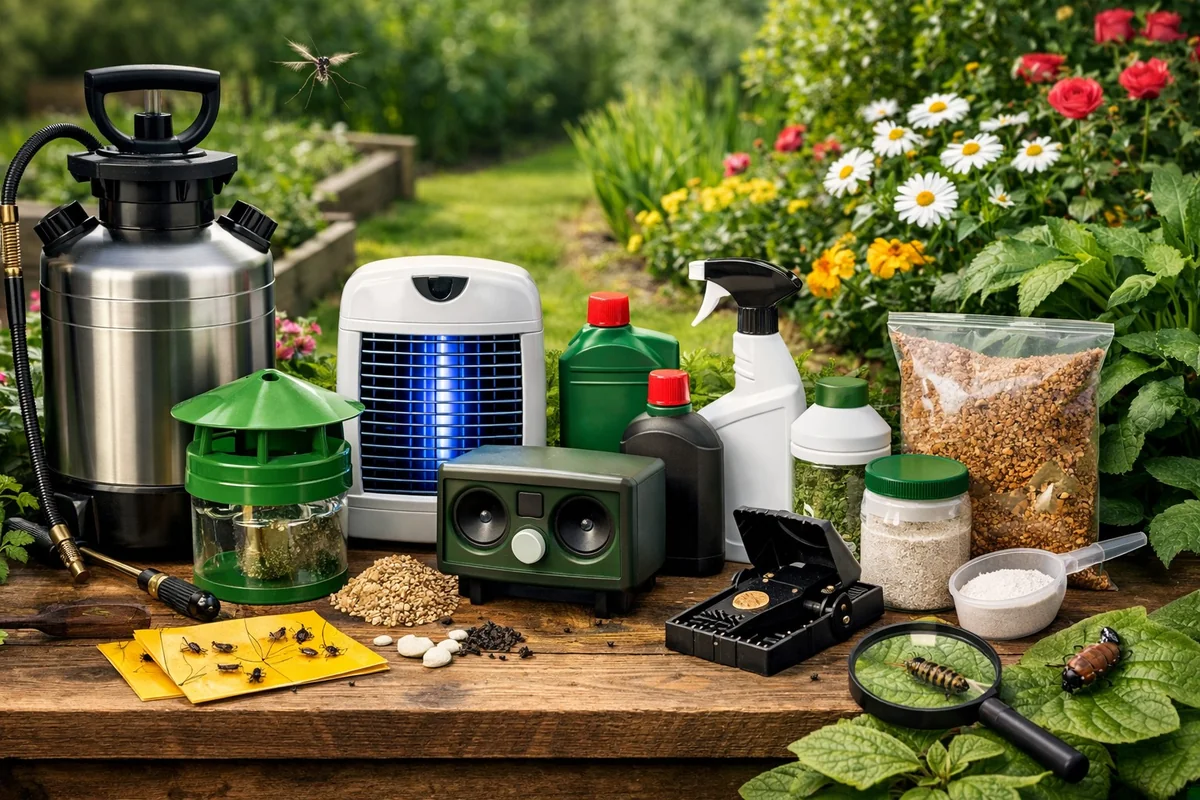
Best Garden Pest Control Products for Yards and Gardens 2026
Discover the best pest control products for gardens and yards in 2026. Compare top-rated sprays, baits, traps, and natural solutions for safe, effective, and budget-friendly outdoor pest removal.
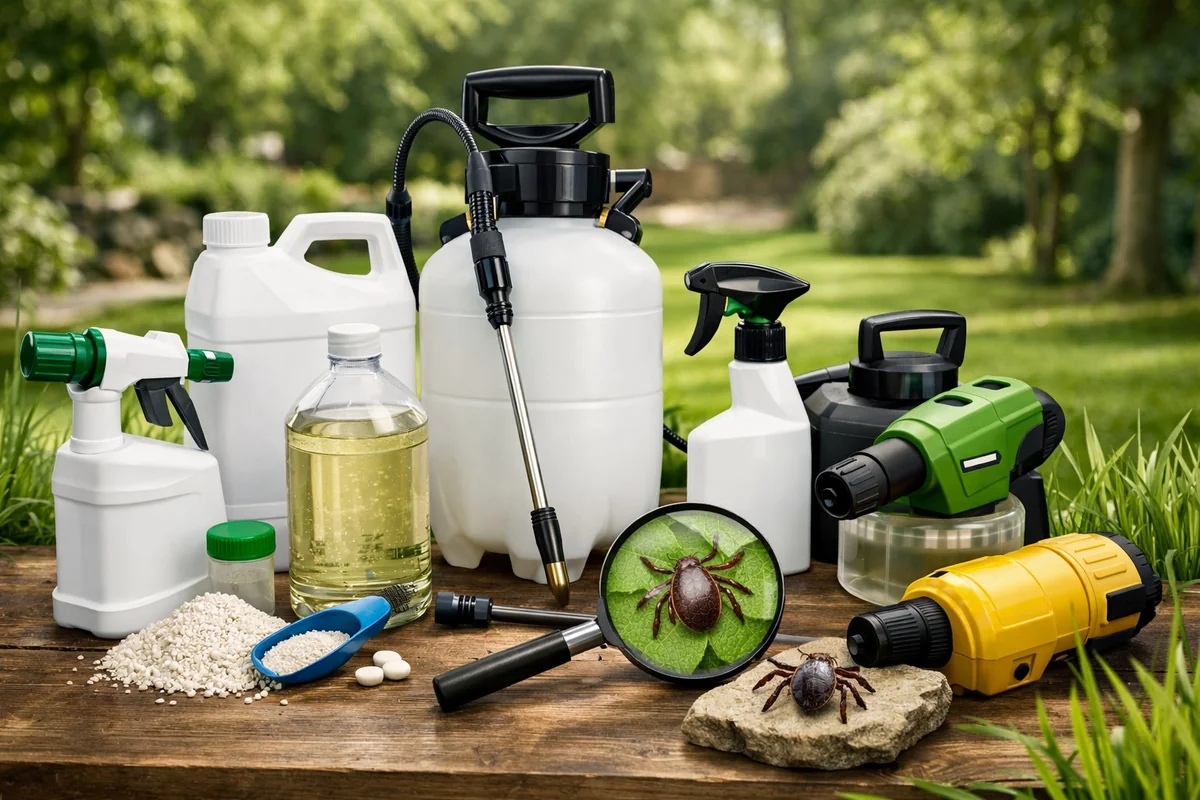
Best Tick Sprays and Yard Treatments 2026: Top Products for Safe Tick Control
Find the best tick sprays and yard treatments for 2026. Compare top tick control products, natural options, and expert tips to keep your yard tick-free and safe for family and pets.
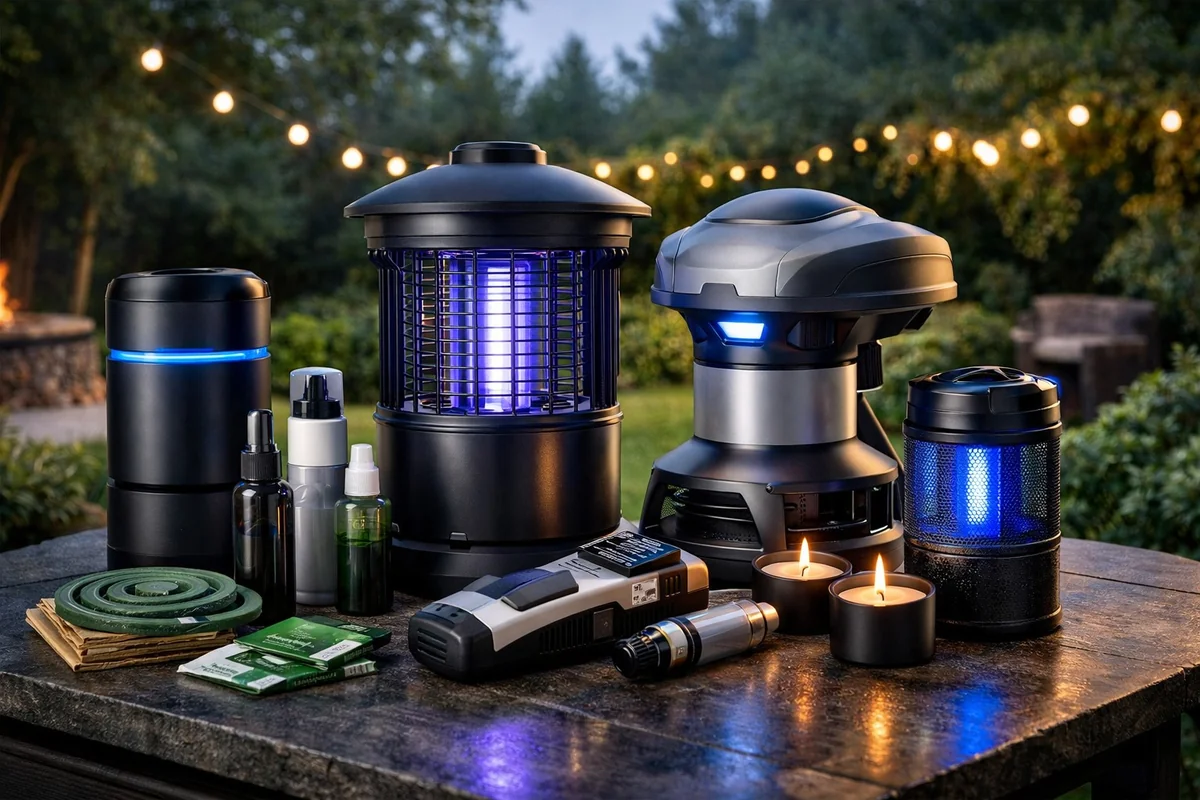
Best Mosquito Repellents for Home and Outdoor Use 2026
Find the best mosquito repellents for home and outdoor use in 2026. Compare sprays, lotions, traps, natural options, and devices with expert reviews and buying tips.
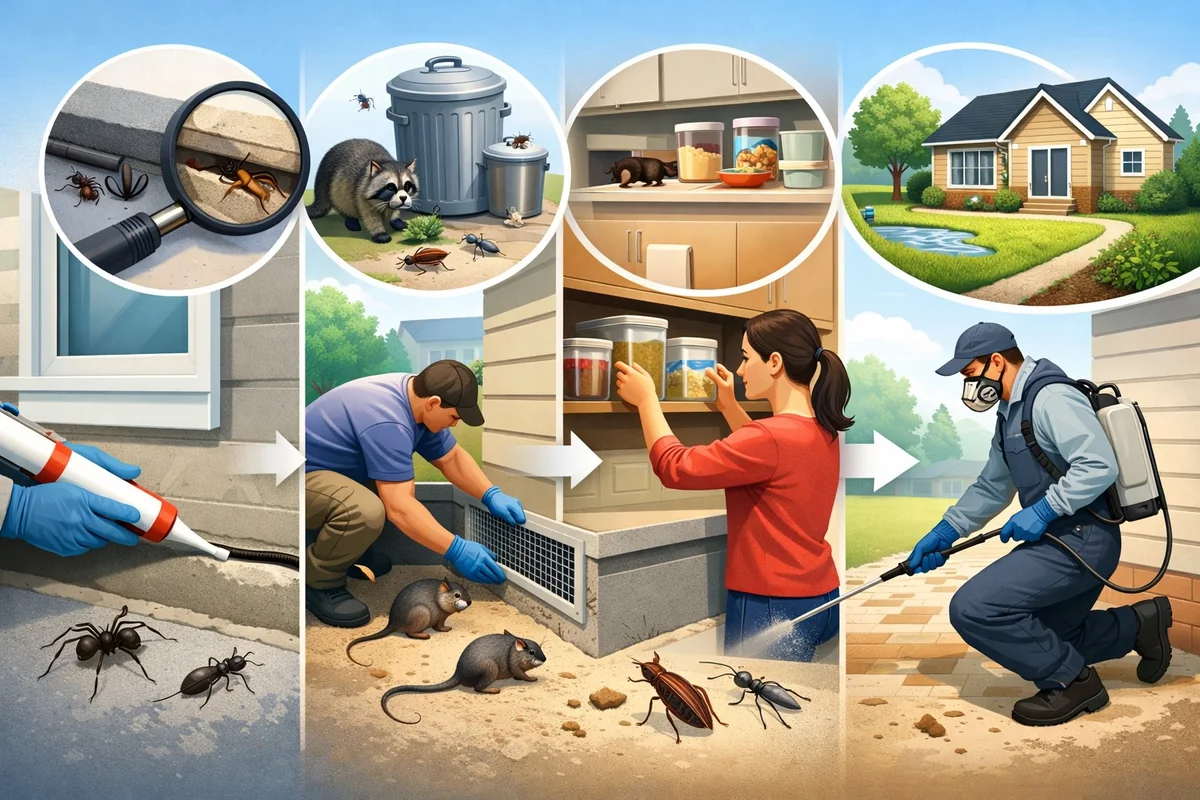
Complete Guide to Pest Prevention in Homes: Stop Pests in 2026
Protect your home in 2026 with this complete pest prevention guide. Discover proven DIY methods, room-by-room tips, safe solutions for families, and expert advice to stop pests before they start.