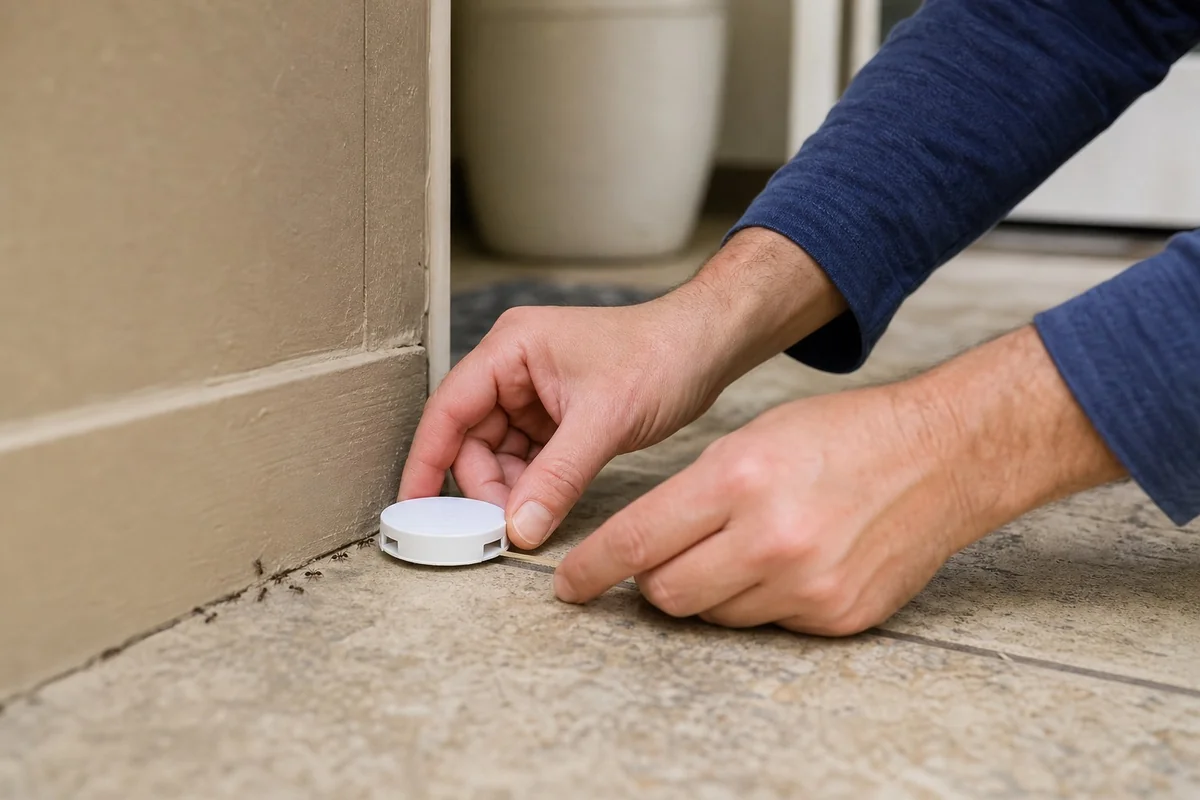

How to Use Ant Bait So Ants Carry It Home
How to use ant bait: pick sweet or protein bait, place it on the trail near the entry, leave feeding ants alone, and know how long to leave it out.
To use ant bait, place it right on the ant trail near where ants enter, choose a sweet or protein bait to match what they are eating, and leave it alone while ants feed and carry it home. Keep food and cleaners away from it, replace it when empty, and expect fewer ants in about 5 to 10 days.
How Ant Bait Works
Ant bait is food mixed with a slow-acting insecticide. Worker ants eat it, carry it back to the nest and share it mouth to mouth with other workers, larvae and queens. That sharing is what lets a bait kill a colony you cannot see, which no spray can do.
The slow action is deliberate. UC IPM's ant pest notes explain that the toxicant must act slowly enough for foragers to get home first, and that control with baits is not immediate and may take several weeks to be complete. That is why you see more ants at a fresh bait, not fewer, for the first days.
Bait is one part of the plan, alongside cleaning trails and sealing entry points; our guide on how to get rid of ants puts all the steps together.
Types of Ant Bait
| Bait Type | How You Use It | Best For | Watch Out For |
|---|---|---|---|
| Liquid bait station | Break the tab or open and set on the trail | Sugar ants indoors | Leaks; replace when dry |
| Solid bait disc | Set flat on the trail | Ants that prefer protein or grease | Ants may ignore it if they want sugar |
| Gel bait | Small dabs in cracks or in a station | Entry cracks, tight spots | Dries out; keep off food surfaces |
| Bait stakes or granules | Pushed into soil or scattered outdoors | Nests and trails outside | Rain and pets; follow the label |
UC IPM notes that prepackaged stations and stakes are the safest and easiest form for home use, and that refillable stations work better for difficult problems because you can check and refill them. The getting rid of ants section links guides to specific products and homemade baits.
How to Use Ant Bait Step by Step
- Watch the trail. Find a steady line of ants and follow it toward where it enters the room or the house.
- Pick the bait type. Sweet liquid bait suits most sugar ants; if ants were in grease or meat, start with a protein bait or offer both.
- Open the station as the label says. Most liquid stations have a tab to snap off or a cover to peel; open them only when you are ready to place them.
- Place it on the trail. Put the bait right beside the line of ants, as close to the entry as you can, not a foot to the side.
- Remove competing food. Wipe up crumbs and spills and seal sweets and pet food, so the bait is the best meal around.
- Leave it alone. Do not wipe, spray or vacuum the ants feeding at the bait; they are carrying it home.
- Check and refill. Look every day or two and replace stations that are empty or dried out.
- Seal the entry when the trail stops. Once no ants have visited for several days, remove the bait and caulk the gap.
Quick Checklist
How to place and manage ant bait so the colony takes it home.
- Warning: Keep away from children and pets
Where to Put Ant Bait Indoors and Outside
UC IPM advises using baits primarily outdoors and indoors only for serious infestations where you cannot find the entry point, because indoor baits can draw ants inside. Do ant traps attract ants from outside? A bait placed in the middle of a room can, which is why placement near the entry, or outside, matters.
- Indoors: on the trail beside the entry crack, under the sink near pipes, behind appliances, along baseboards and window frames.
- Outdoors: beside nest openings, on trails under plants, and along the foundation every 10 to 20 feet, per UC IPM.
- Away from children and pets: behind appliances, inside cabinets or under furniture, not on open floors or counters.
How Long to Leave Ant Bait Out
Leave it until the ants stop coming. UC IPM says it can take 5 to 10 days to see fewer ants and several weeks for complete control, so keep stations stocked for at least that long. Once no ants have visited for several days, remove the baits, seal the entry and keep a station or two outside for the next invasion.
Signs it is working: heavy feeding at first, then fewer ants each day, then none. If ants keep coming in strong numbers after two weeks, try a different bait type or active ingredient, look for a second entry point, and check for food sources you missed.
Common Ant Bait Mistakes
- Spraying near the bait → kills the ants that would carry it home; keep sprays away.
- Cleaning the trail around the bait → erases the route to it; wipe the trail elsewhere, not beside the station.
- Placing bait away from the trail → ants never find it; put it right on the line.
- Wrong food type → ants walk past; switch between sweet and protein baits.
- Letting bait run dry → the colony recovers; refill or replace stations.
- Giving up after two days → baits are slow by design; allow at least a week.
Common Questions About Ant Bait
Which ant bait should I choose first?
Which ant bait should I choose first?
The one the ants are eating. Sweet liquid baits suit most sugar ants, while ants that prefer protein or grease take protein baits. UC IPM notes that low-dose liquid borate baits in refillable stations have the most impact on large Argentine ant colonies.
Where do Combat bait discs go?
Where do Combat bait discs go?
Set the bait discs flat on the trail, close to where ants enter, and leave them in place. Combat discs listed by UC IPM use protein-based baits, so pair them with a sweet bait if ants ignore them, and replace them as the label directs.
Why are there more ants after I put out bait?
Why are there more ants after I put out bait?
Because the bait is working. Foragers recruit nestmates to a good food source, so a busy bait in the first days means ants are carrying it home. Leave them alone; numbers should drop over the following week.
Should I spray the ants crowding around a bait?
Should I spray the ants crowding around a bait?
Not in the same place. Spray kills the workers that would carry bait to the nest and can leave a residue ants avoid. If you must spray a trail, do it well away from the baits, and let the baits do the main work.
Key Takeaways
Ant bait works because ants carry it home and share it with the colony. Place it on the trail near the entry, match sweet or protein bait to the ants, remove other food, and let ants feed undisturbed; more ants at first is a good sign.
Keep baits stocked for at least a week or two, mainly outdoors or by entry points rather than in open rooms, then seal the entry once the trail stops. If a bait goes untouched, switch types the same day rather than waiting.
Today, set one bait on the busiest trail beside the entry, and check it within an hour.
Related Articles
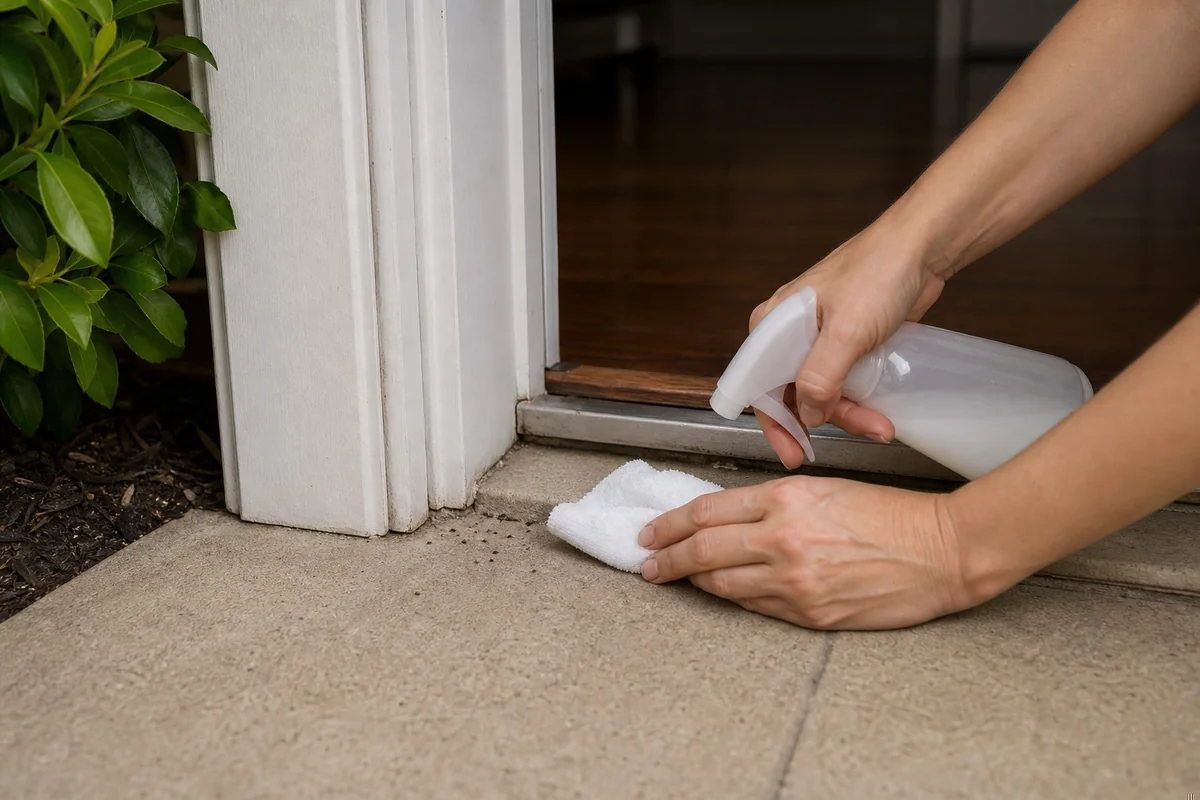
How to Get Rid of Ants Overnight: An Evening Routine
How to get rid of ants overnight: an evening routine that clears the visible trail with soapy water and starts a bait on the colony, plus ants in beds and kitchens.
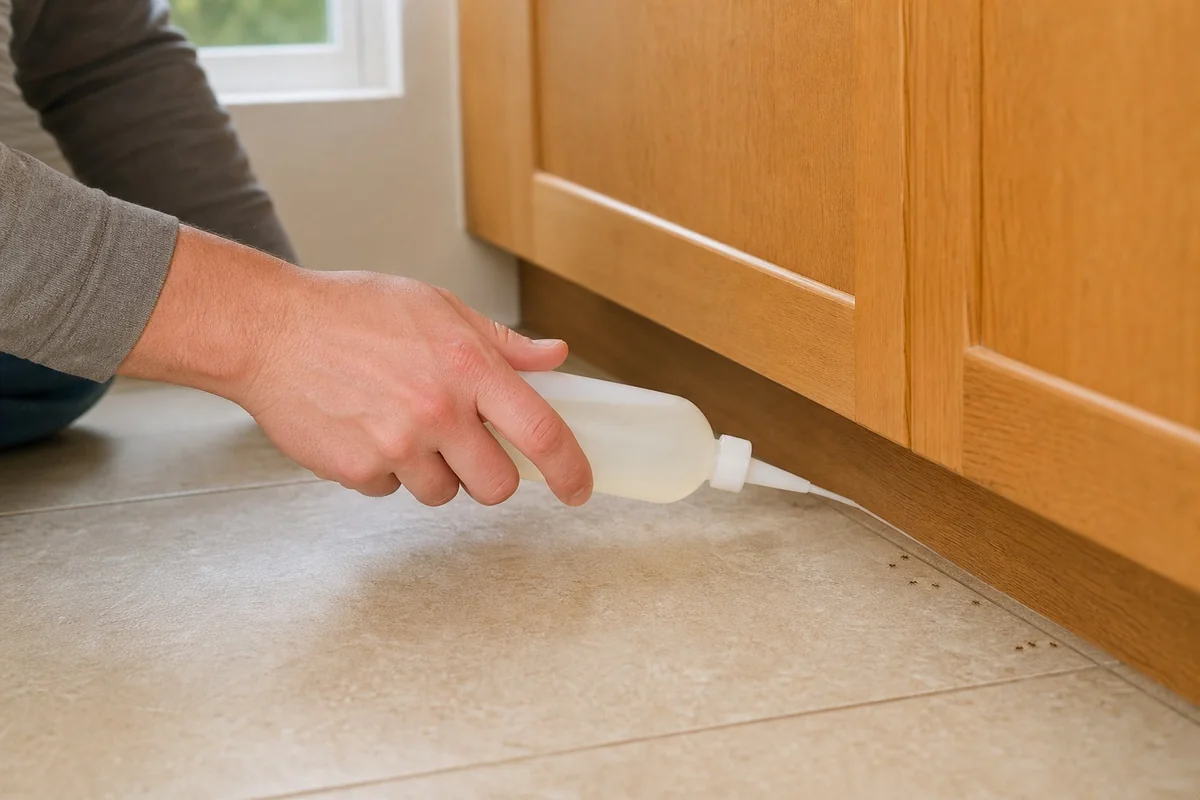
How to Get Rid of Ants in the House, Room by Room
The best way to get rid of ants in the house: follow each trail, seal the entry, store food, bait what you cannot seal, and check walls, windows and potted plants.
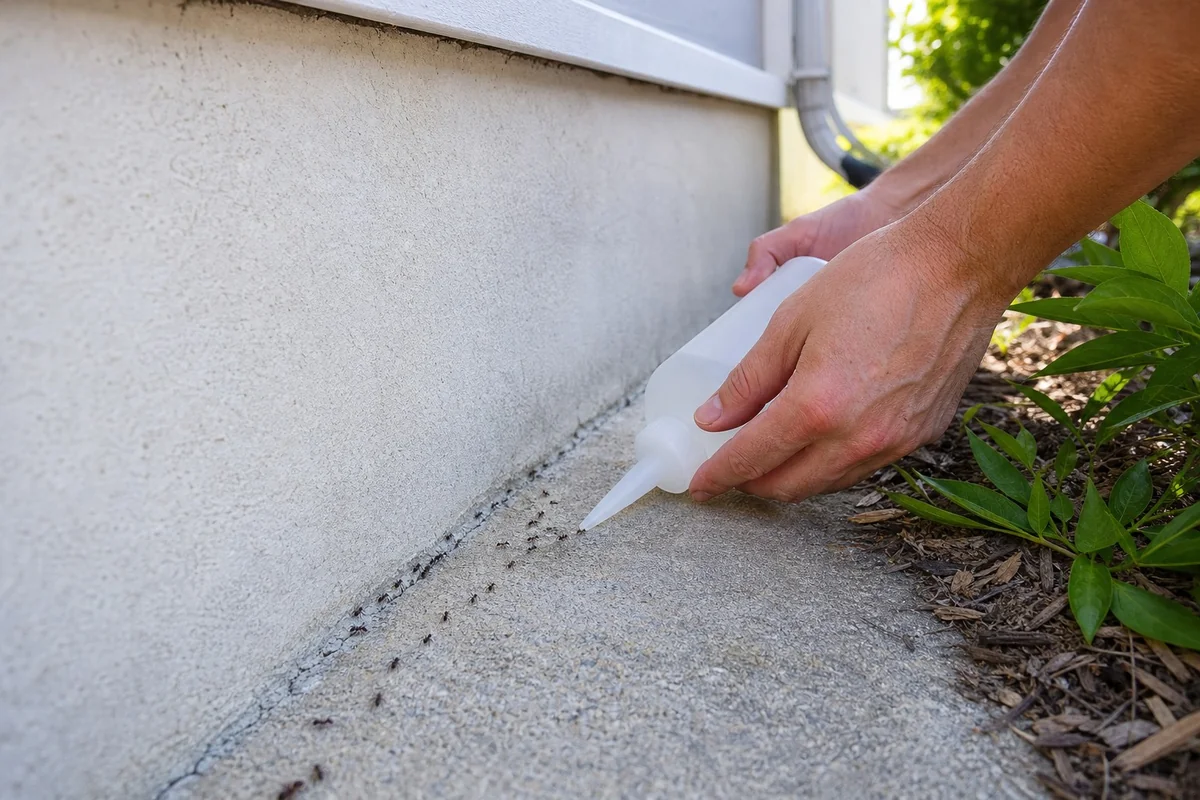
How to Get Rid of Ants: A Plan That Reaches the Colony
How to get rid of ants for good: wipe the trail, seal entry points, remove food and use slow-acting baits that reach the colony; what works in the kitchen and yard.
How to Get Rid of Ants in the Kitchen and Keep Them Out
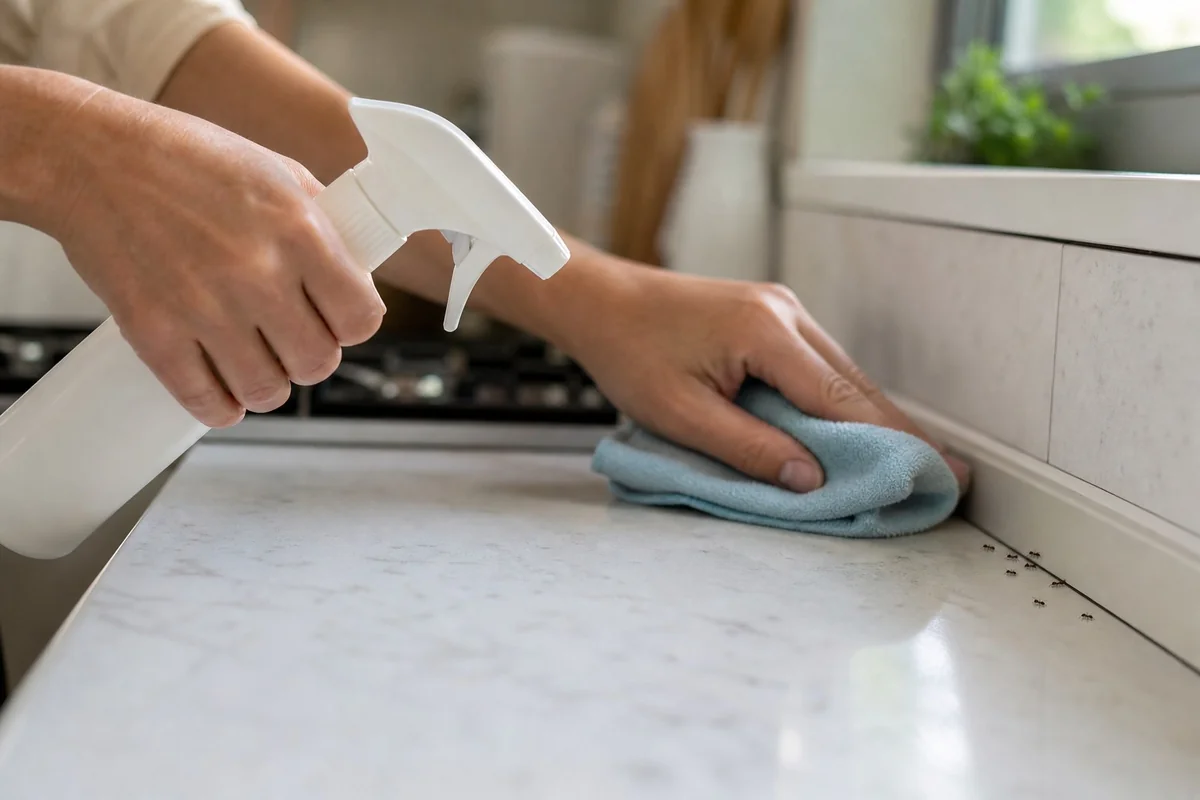
The best way to get rid of ants in the kitchen: wipe and trace the trail, seal the entry, store sweets and pet food, bait near the entry and clean behind appliances.