
How to Use a Pest Control Sprayer: Step-by-Step Guide (2026)
Learn how to use a pest control sprayer safely and effectively in 2026. This step-by-step guide covers sprayer types, safety tips, mixing instructions, common mistakes, troubleshooting, and expert advice for DIY pest removal.
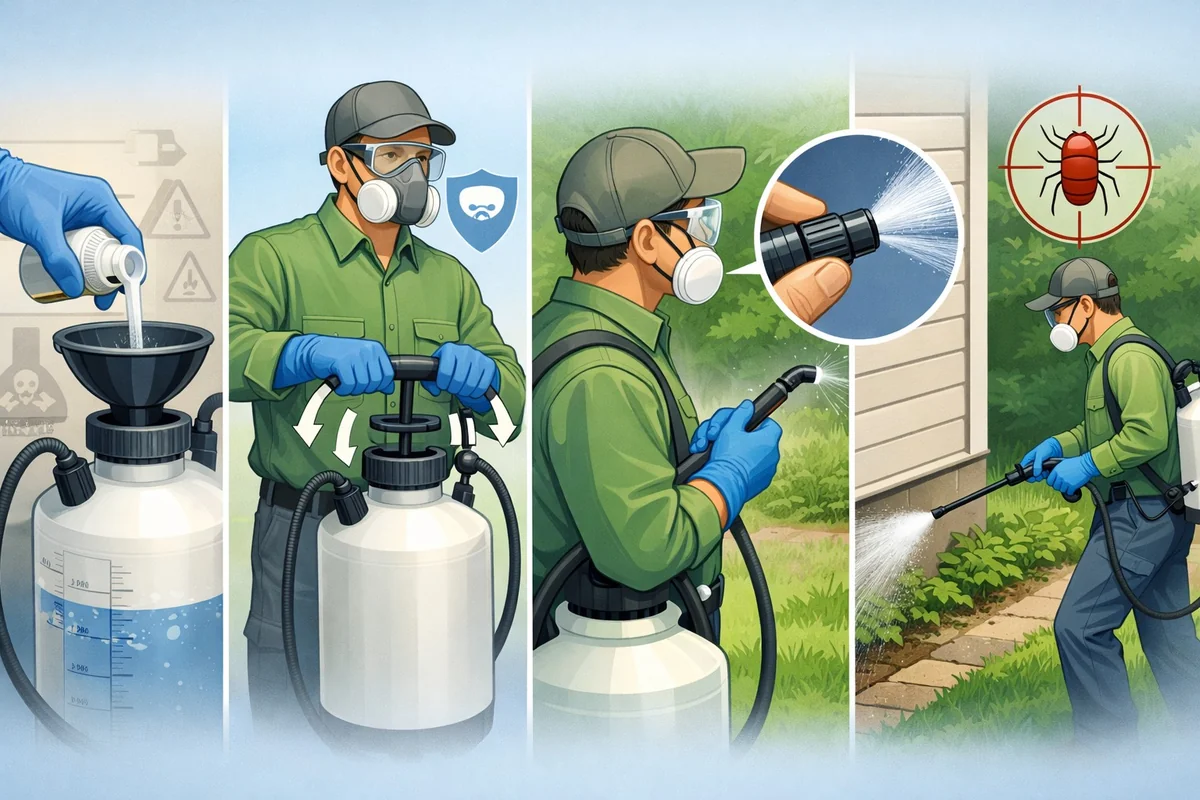
To use a pest control sprayer, choose the right sprayer and pesticide, wear protective gear, mix according to label directions, and apply evenly to targeted areas. The process takes 30-60 minutes for most homes. Always ventilate and restrict access after spraying for safety.
What a Pest Control Sprayer Does and When to Use One
A pest control sprayer atomizes liquid pesticide, letting you apply chemicals directly to surfaces where pests travel, nest, or enter. Sprayers excel at treating large areas quickly and provide targeted coverage you can't get with aerosols or dusts. They're the go-to tool for perimeter, baseboard, and outdoor treatments where even application is key.
Types of Pest Control Sprayers
There are three main types: pump, battery-powered, and hose-end sprayers. Pump sprayers require manual pressurizing by pumping a handle; they're simple, affordable, and suited for small jobs or spot treatments. Battery-powered sprayers use a rechargeable motor to deliver steady pressure, which minimizes fatigue - especially when covering over 1,000 square feet or more. Hose-end sprayers attach to your garden hose and automatically mix concentrate with water, making them ideal for lawns and exterior siding, but less useful indoors due to lack of precision.
Battery-powered models are a moderate to higher-end investment, but if you have a large yard or multi-room infestation, the reduced hand strain and consistent spray pattern often justify the cost. Pump sprayers are more affordable but require frequent re-pressurizing - expect to stop and pump every 2-3 minutes on bigger jobs, which can slow you down.
When Sprayers Outperform Other Methods
Sprayers are the best choice for treating wide, open surfaces - think foundation walls, garage floors, patios, and fence lines. They create a uniform barrier that pests cross, maximizing residual exposure. In contrast, foggers can miss low-lying or shielded areas, and dusts don’t stick well to vertical surfaces.
However, sprayers can’t reach deep into wall voids or electrical outlets - baits and dusts are better for hidden colonies.
If you want even more detail on the differences between sprayer types and foggers, check out our Sprayers & Foggers overview.
For a rundown of the top models this year, see our Best Pest Control Sprayers and Foggers 2026 guide.
Essential Safety Precautions Before Spraying
Anytime you use a pest control sprayer, safety comes first. Even “natural” or organic pesticides can irritate skin, eyes, and airways. Chemical exposure is a real risk - especially in enclosed spaces or around children and pets - so don't cut corners on protection.
Personal Protective Equipment (PPE) Requirements
Wear chemical-resistant gloves, safety goggles, and a mask (N95 or better) to keep spray and fumes off your skin and out of your lungs. Go for long pants and a long-sleeved cotton shirt - cotton absorbs accidental splashes, whereas synthetics can trap chemicals and cause burns. Skipping PPE puts you at risk for acute poisoning (skin rashes, nausea, headaches) and long-term problems like asthma or nerve issues.
Protecting Pets, Kids, and Sensitive Areas
Before spraying, remove or cover pet bowls, toys, bedding, and litter boxes. Block off treated rooms and ventilate with fans or open windows for 2-4 hours after spraying. For aquariums and terrariums, seal with plastic and turn off air pumps to prevent chemical drift. Never spray edible plants unless the label specifically says it's safe - most pesticides are toxic to herbs and vegetables.
Choosing the Right Sprayer and Pesticide for Your Pest Problem
Matching the right equipment and formula to your pest and treatment area makes a big difference. Using the wrong sprayer or chemical can waste time, money, and put your health at risk.
Matching Sprayer Type to Pest and Area
Pump sprayers are best for spot treatments - baseboards, corners, and under sinks. They're easy to control in tight indoor spaces. Hose-end sprayers shine for lawns and exterior walls, letting you treat up to 5,000 square feet quickly. Battery-powered sprayers are a top pick for fence lines, garages, and large perimeters where maintaining pressure matters. Trade-off: the bigger the sprayer, the heavier and less maneuverable it is indoors - most people find a 1-2 gallon size manageable for home use.
Selecting the Correct Pesticide Formula
Residual sprays (often pyrethroids) are the standard for ants, roaches, and spiders, providing up to 90 days of control per application. These are ideal for baseboards, doorframes, and exterior foundations. Organic or natural options - like neem oil, essential oils, or diatomaceous earth - are less toxic but usually need reapplying every 2-3 weeks. Never mix two different pesticides unless the label specifically allows it; some combinations produce toxic fumes or neutralize each other.
Reading and Understanding Product Labels
The label is the law - always read it. Look for dilution rates, maximum coverage areas, and re-entry times. Ignoring label warnings can void your product warranty and, in some states, break the law.
Watch for key terms: “indoor use,” “outdoor only,” “residual,” and “contact kill.” Each tells you how, where, and when to apply.
Step-by-Step Guide: How to Use a Pest Control Sprayer
Using a pest control sprayer safely and effectively comes down to preparation, correct mixing, and smart application. Get organized before you start - have your PPE, sprayer, concentrate, and measuring tools ready. Don’t rush mixing or cleanup; these are where most mistakes happen.
Step-by-Step Guide
Learn how to safely and effectively use a pest control sprayer for home or garden pest removal. This guide covers setup, mixing, spraying technique, and clean-up using up-to-date 2026 best practices.
Total Time
35 minutes
Difficulty
Beginner
Read the Label and Safety Data Sheet
Read the pesticide product label and safety data sheet carefully before starting. This ensures you understand the correct application rate, approved uses, and all safety precautions. Failing to follow label instructions can result in ineffective treatment or health risks.
Pro Tips:
- Check for required personal protective equipment (PPE) listed on the label.
- Identify re-entry intervals for treated areas.
- Look for any restrictions on use near pets, children, or food plants.
Important Warnings:
- Never use a pesticide for a purpose not listed on the label. Misuse can be illegal and dangerous.
Required Tools:
- Pesticide product with label
- Safety data sheet (SDS)
Prepare and Inspect the Sprayer
Assemble and inspect your sprayer. Check the tank, seals, nozzle, and hose for cracks or leaks. Fill the sprayer with clean water to test for leaks before adding any chemicals. This prevents accidental spills and ensures even application.
Pro Tips:
- Use a dedicated sprayer for pesticides to avoid cross-contamination.
- Check nozzle settings for desired spray pattern (fine mist for foliage, coarse for ground).
- Replace worn gaskets for consistent pressure.
Important Warnings:
- Do not use a sprayer previously used for herbicides unless thoroughly cleaned—residual chemicals can damage plants.
Required Tools:
- Pest control sprayer (manual or battery-powered)
- Clean water
Mix the Pesticide Solution
Measure and mix the pesticide according to label instructions. Fill the tank halfway with water, add the required amount of concentrate, then top up to the target volume. Agitate or shake gently for even mixing. Accurate mixing ensures effective control without harming plants or soil.
Pro Tips:
- Use a measuring cup or syringe for precise dosing.
- Always add water first, then pesticide concentrate.
- Mix in a well-ventilated, outdoor area.
Important Warnings:
- Wear gloves, goggles, and a mask when handling concentrates. Skin or eye contact can cause irritation or injury.
Required Tools:
- Pesticide concentrate
- Measuring cup or syringe
- Gloves
- Protective eyewear
- Mask
Apply the Spray Evenly
Adjust the nozzle for the correct spray pattern and maintain steady pressure. Walk at a consistent pace, sweeping the nozzle across target areas 12-18 inches from the surface. Apply during calm, dry weather to avoid drift. Even coverage ensures pests contact the pesticide and reduces waste.
Pro Tips:
- Spray early morning or late afternoon to avoid evaporation.
- Overlap passes slightly for full coverage.
- Keep pets and people away from treated areas until dry.
Important Warnings:
- Never spray upwind or in gusty conditions—drift can harm non-target plants or people.
Required Tools:
- Pest control sprayer (filled and pressurized)
- Protective clothing
- Long sleeves and pants
Clean and Store the Sprayer Safely
Empty any remaining solution and rinse the sprayer three times with clean water. Spray rinse water onto the treated area if allowed by label instructions. Store the sprayer and leftover pesticide in a secure, dry location away from children and pets. Proper cleaning prevents corrosion and cross-contamination.
Pro Tips:
- Triple-rinse containers before disposal or recycling.
- Label storage containers clearly.
- Keep a maintenance log for your equipment.
Important Warnings:
- Do not pour rinse water down drains or into water sources—this can contaminate groundwater.
Required Tools:
- Clean water
- Brush or cleaning tool
- Secure storage area
Preparing the Sprayer and Mixing Pesticide
Measure your water and concentrate exactly as the label instructs. Overdosing doesn't kill pests faster - it just increases the risk of poisoning and can damage surfaces. Underdosing means pests survive and breed.
Always mix outdoors or in a space with plenty of airflow. Check your sprayer for leftover residue - old chemicals can react with new ones, causing clogs or dangerous fumes.
Applying the Spray Safely and Evenly
Hold the nozzle 12-18 inches from the target surface for best coverage. Move methodically from top to bottom on walls and overlap each pass by 30% to avoid missed spots. For outdoors, check wind direction and avoid spraying in breezy conditions. Otherwise, you risk chemical drift, wasting product and harming your landscaping.
Cleaning and Storing the Sprayer After Use
Rinse the tank and nozzle thoroughly with clean water - leftover residue is the #1 cause of clogging and cross-contamination. Let all parts dry completely before reassembling. Store both the sprayer and any remaining pesticide concentrate in a locked, childproof location, out of sunlight and away from food.
Never reuse pesticide containers for anything else - one mistake can cause accidental poisoning.
Common Mistakes with Pest Control Sprayers and How to Avoid Them
Missteps with sprayers can waste effort or, worse, create new hazards. Based on customer reports, most DIY failures come down to over-application, ignoring weather, or skipping equipment checks.
Over-Application and Under-Application
Too much pesticide can stain surfaces, raise toxicity in the home, and even drive pests deeper into walls. Too little does nothing - pests bounce back, and you have to start over. Calibrate your sprayer output by timing how long it takes to empty a set amount of water over a known area.
This helps you apply the right amount every time.
Ignoring Weather and Environmental Factors
Outdoor spraying right before rain, irrigation, or morning dew will wash chemicals away - wait for 24 hours of dry weather for best results. High heat causes rapid evaporation, so sprays dry too fast to work. Indoors, high humidity slows drying and means you need to keep people and pets out longer.
Neglecting Equipment Maintenance
Clogged nozzles cause uneven coverage and wasted product. If you don't rinse the sprayer after each use, chemicals build up and eventually break down seals or gum up the hose. Damaged gaskets or seals leak, exposing you to concentrated chemicals - replace worn parts as soon as you notice drips or pressure loss.
Troubleshooting: What to Do If Spraying Doesn’t Work
Spraying isn’t a magic bullet - sometimes pests persist, or your equipment fails mid-job. Here’s how to diagnose the most common problems and what to try next.
Persistent Pest Activity After Spraying
If you still see pests days after treatment, you may be dealing with resistance (especially German cockroaches). Switch to a different active ingredient if the current one isn’t working. Inspect for missed areas - pests often hide in cracks, crevices, or behind appliances.
If reinfestation keeps happening, consider whether neighboring units, shared basements, or crawl spaces are the source.
Sprayer Malfunctions and Fixes
Losing pressure? Check for worn pump seals or clogged filters - these are easy to clean or replace. Nozzle blockages can usually be cleared with warm water and a soft brush.
Persistent leaks mean you need new seals or gaskets - don’t keep using a leaky sprayer, as chemical exposure is a real risk.
Expert Tips for Effective and Safe Sprayer Use
Maximize effectiveness and minimize risks by tailoring your application and schedule. Sprayers are powerful tools, but a little planning goes a long way in protecting your health and your property.
Maximizing Coverage While Minimizing Chemical Use
- Use a fan or adjustable nozzle to match the spray pattern to the surface (narrow for cracks, wide for walls).
- Spot-treat only where pests are active; avoid blanket spraying whole rooms unless infestation is severe.
- Keep a written or digital log of treatment areas and dates - this helps avoid double-dosing and tracks what works.
When to Reapply and How Often
Most residual sprays last 1-3 months - don’t reapply sooner unless the label allows or heavy rain/cleaning removes the barrier. Over-application breeds resistance and can harm pollinators or pets. Watch for signs of pest return and only re-treat problem areas as needed.
Frequently Asked Questions About Pest Control Sprayers
❓ Frequently Asked Questions
What is a pest control sprayer?
What is a pest control sprayer?
A pest control sprayer is a handheld or backpack device used to apply pesticides or insecticides across surfaces. It enables even distribution of chemicals, improving pest removal effectiveness. For example, homeowners often use pump sprayers to treat lawns or perimeter areas for ants and roaches.
How do I use a pest control sprayer safely?
How do I use a pest control sprayer safely?
To use a pest control sprayer safely:
- Wear protective gloves, goggles, and a mask
- Mix pesticide according to label directions - never exceed recommended concentration
- Fill the sprayer on a flat surface outdoors
- Spray target areas evenly, avoiding wind drift
- Clean sprayer and wash hands thoroughly after use
Always follow the pesticide's safety instructions to minimize risks.
What should I look for when choosing a pest control sprayer?
What should I look for when choosing a pest control sprayer?
When buying a pest control sprayer, consider:
- Capacity: larger tanks (2–4 gallons) suit bigger areas
- Material: polyethylene resists most chemicals
- Pressure: adjustable pressure improves coverage
- Nozzle options: multiple nozzles offer different spray patterns
- Warranty: 1–2 years is standard
Compare at least 3 models and check user reviews for leaks or clogging complaints.
How often should I apply pesticide with a sprayer?
How often should I apply pesticide with a sprayer?
Most users find that applying pesticide with a sprayer every 30–90 days is effective for common household pests. Frequency depends on pest type, product label instructions, and environmental factors. Some infestations may require more frequent treatments, but always follow label directions to avoid chemical overuse.
What is the difference between a pump sprayer and a backpack sprayer?
What is the difference between a pump sprayer and a backpack sprayer?
A pump sprayer is a small, manually pressurized unit ideal for spot treatments or small gardens. A backpack sprayer offers higher capacity (usually 2–4 gallons) and hands-free operation, making it better for larger areas. However, backpack models are heavier and cost more than hand-held sprayers.
How do I maintain a pest control sprayer?
How do I maintain a pest control sprayer?
To maintain a pest control sprayer:
- Rinse the tank and nozzle thoroughly after each use to prevent clogs
- Inspect seals and hoses monthly for cracks or leaks
- Lubricate moving parts lightly every few months
- Store in a cool, dry place
Proper maintenance helps extend the sprayer’s lifespan and ensures consistent performance.
Why do I need to calibrate my pest control sprayer?
Why do I need to calibrate my pest control sprayer?
Calibrating your pest control sprayer ensures the correct amount of pesticide is applied per area, preventing over- or under-application. This improves pest control effectiveness and reduces chemical waste. Industry standards recommend recalibrating after major repairs, nozzle changes, or at the start of each season for best results.
Which nozzle type is best for different pest control tasks?
Which nozzle type is best for different pest control tasks?
For broad coverage, a flat-fan nozzle distributes spray evenly over large surfaces. Cone nozzles are better for targeted applications or spot treatments. Adjustable nozzles provide flexibility for both tasks. Choose a nozzle based on your target area and pest type, and always check compatibility with your sprayer model.
Key Takeaways: DIY Success with Pest Control Sprayers
Using a pest control sprayer correctly means matching the right tool and pesticide to your pest problem, following label directions exactly, and protecting yourself and others with PPE and smart timing. The most common DIY mistakes are over-application, ignoring weather, and skipping equipment maintenance.
If you face a large or recurring infestation, suspect structural damage, or have health concerns, call in a licensed professional - some pests and pesticides are regulated for a reason. For most home and yard pests, a sprayer plus good prevention (sealing cracks, removing food/water sources) is enough to keep things under control.
Keep monitoring for signs of new pest activity, reapply only as needed, and combine spraying with traps or baits for best results. Smart, safe use of a sprayer can save you time, money, and stress in 2026 and beyond.
Related Articles
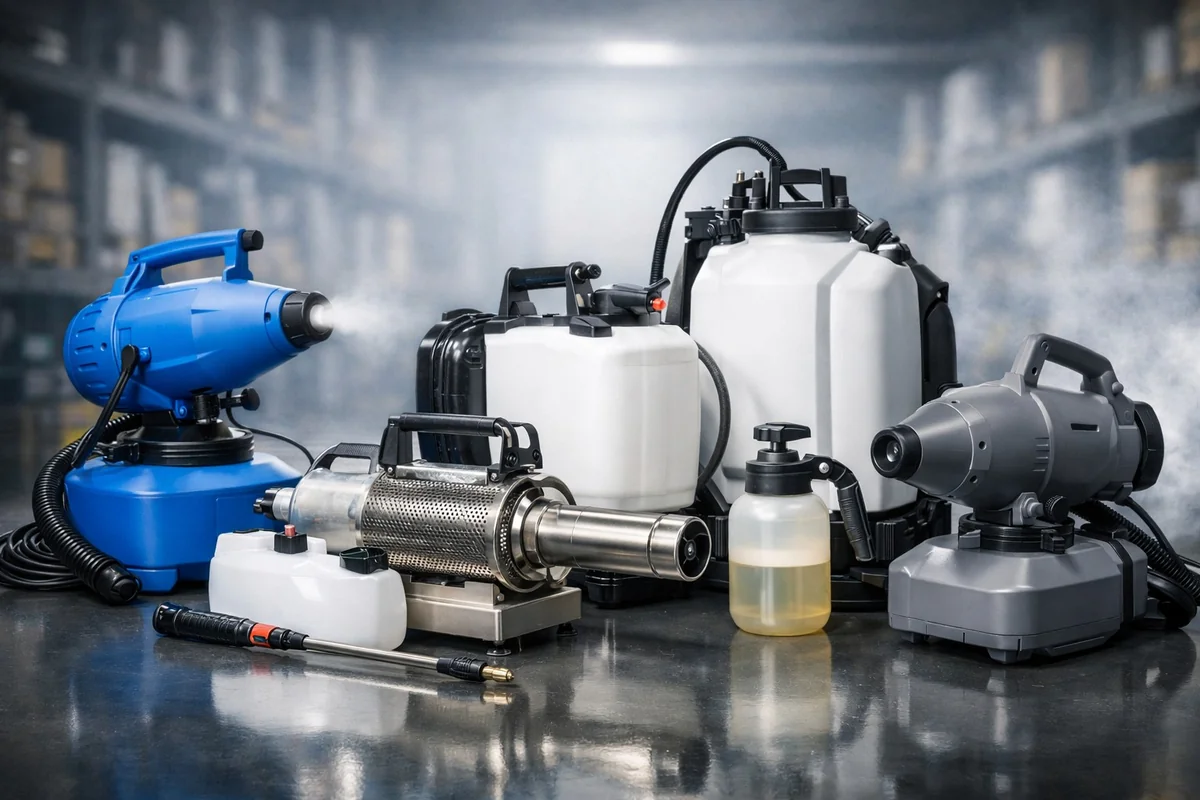
Best Pest Control Sprayers and Foggers 2026: Reviews & Buying Guide
Looking for the best pest control sprayers and foggers in 2026? Compare top-rated products, see real user reviews, and learn how to choose the right tool for your home pest problem - without hiring an exterminator.
![Best Protective Gear for Pest Control 2026 [Expert Reviews]](https://pestproreviews.com/images/hero/hero_best_protective_gear_for_pest_control_2026_expert.webp)
Best Protective Gear for Pest Control 2026 [Expert Reviews]
Protect yourself during DIY pest control in 2026 with our expert-reviewed guide to the best protective gear. Compare top-rated respirators, gloves, coveralls, and more for safe, effective pest removal at home.
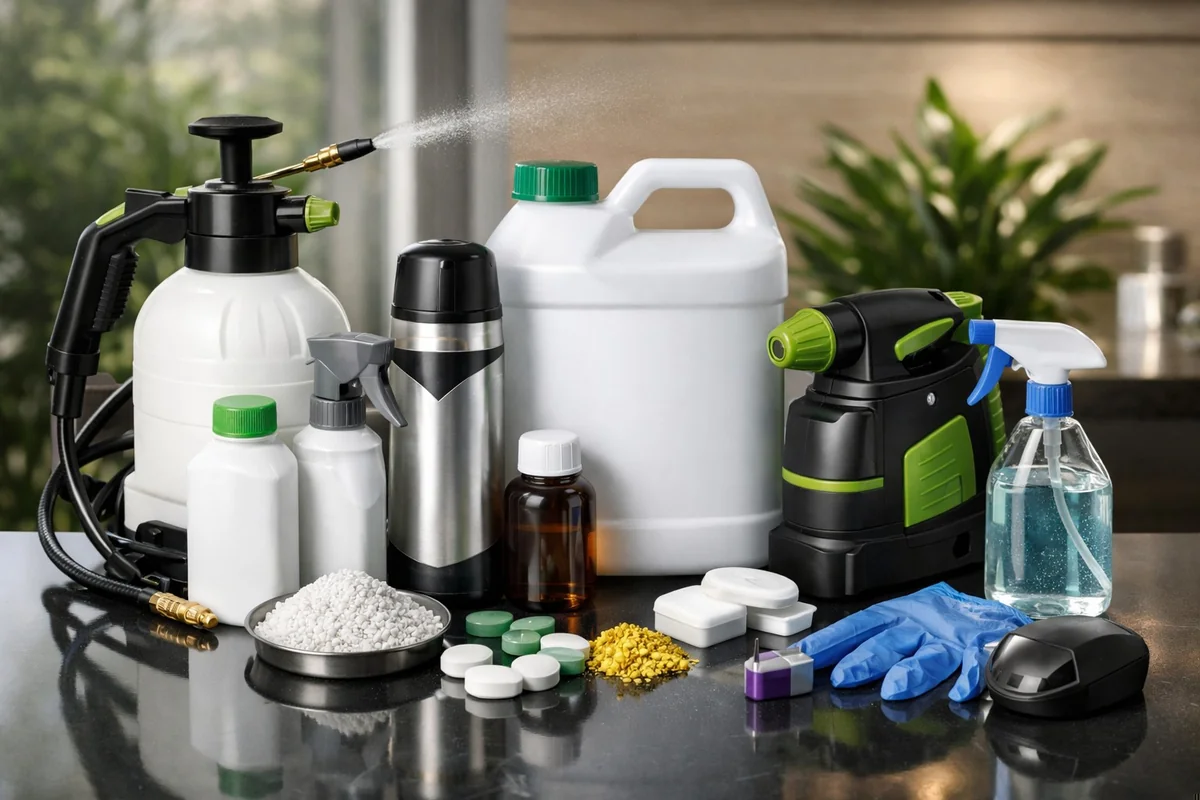
Best Chemical Pesticides for Home Use 2026: Safe, Effective, and Affordable Options
Discover the best chemical pesticides for home use in 2026. Compare top-rated baits, sprays, gels, and natural options for ants, roaches, fleas, and more. Find safe, effective, and budget-friendly pest control solutions for every room.
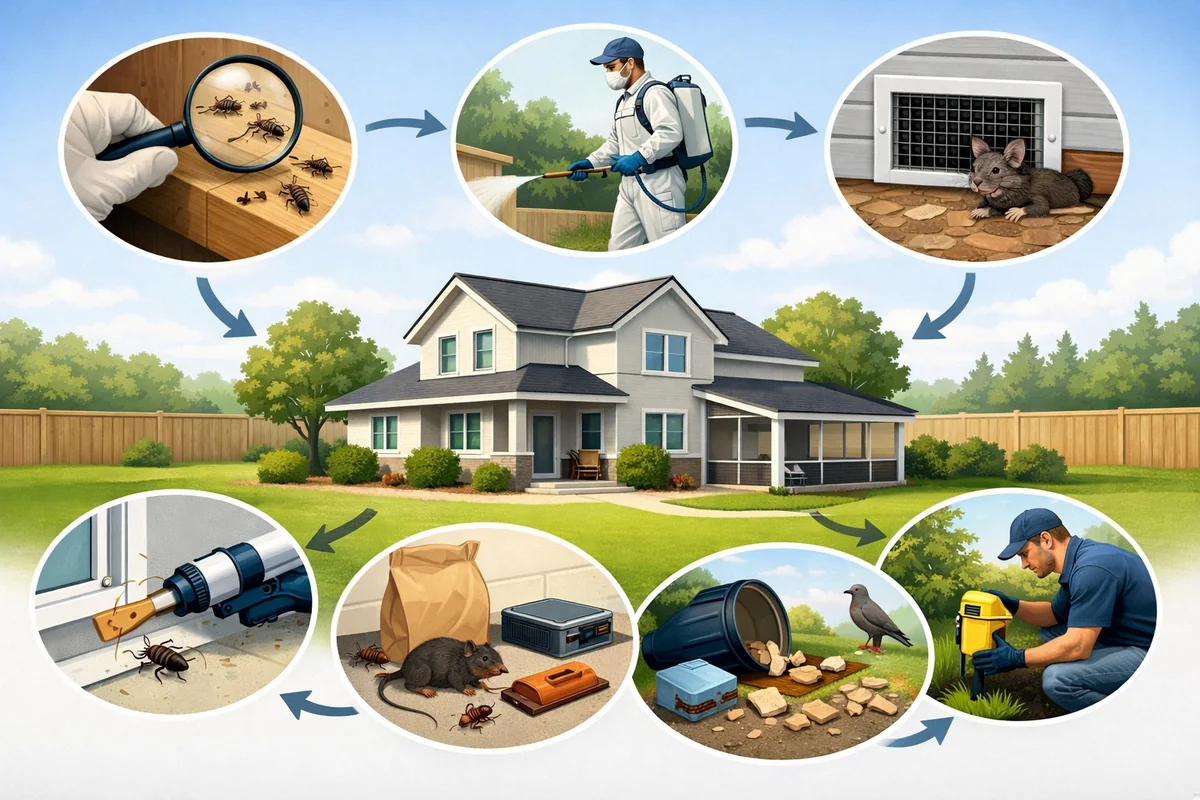
Complete Guide to Pest Control Maintenance: Upkeep Tips & Ongoing Management 2026
Learn how to keep your home pest-free with our complete pest control maintenance guide. Discover expert pest upkeep tips, safe DIY solutions, and step-by-step ongoing pest management strategies for 2026.