
How to Use Moth Traps: Clothes and Pantry Moths, Step by Step
How to use moth traps: tell clothes moths from pantry moths, where to place pheromone traps, how often to replace them and how to clean out the infestation for good.
Moth traps are sticky cards or boxes baited with a moth sex pheromone that lures male moths and holds them on the glue. To use them, first identify whether you have clothes moths or pantry moths, since each trap uses a species-specific lure, then remove and clean the source, place traps in closets or near pantry shelves, date them, check them weekly and replace them about every three months. Traps show you where moths are and catch some, but cleaning out infested clothes or food is what ends the problem.
What Moth Traps Are and What They Do
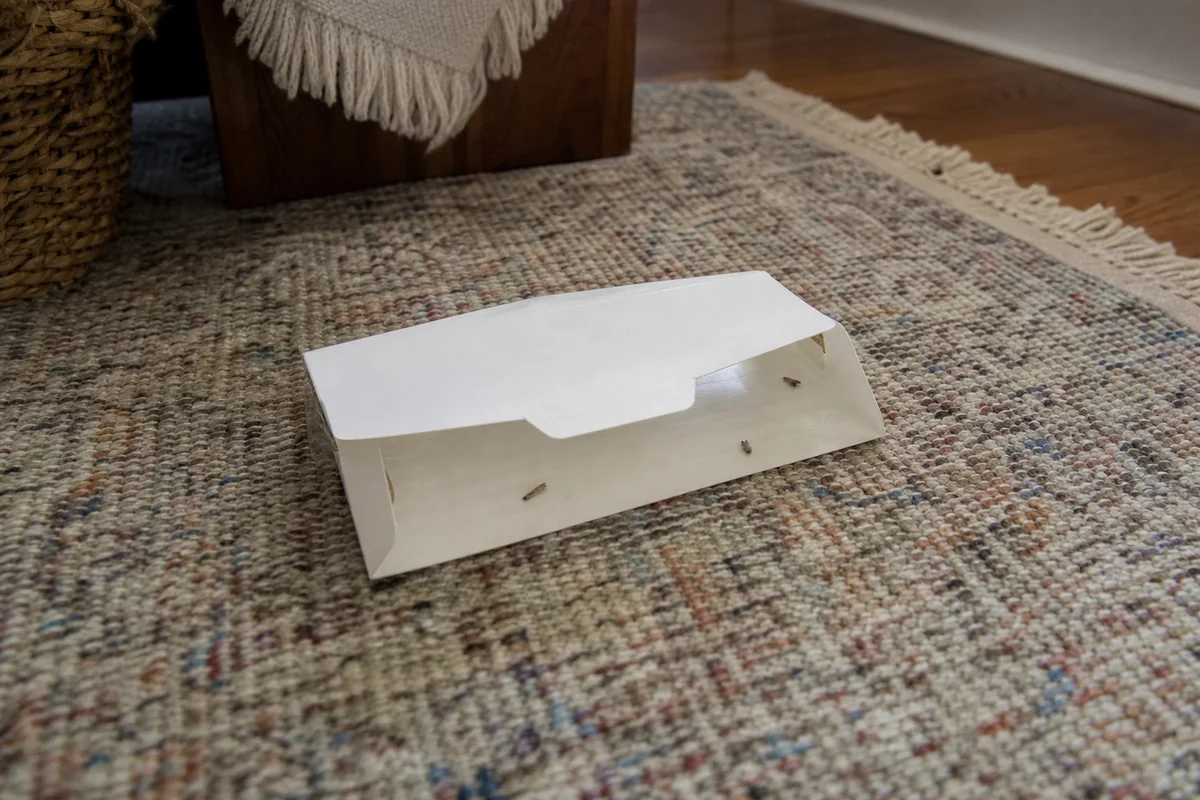
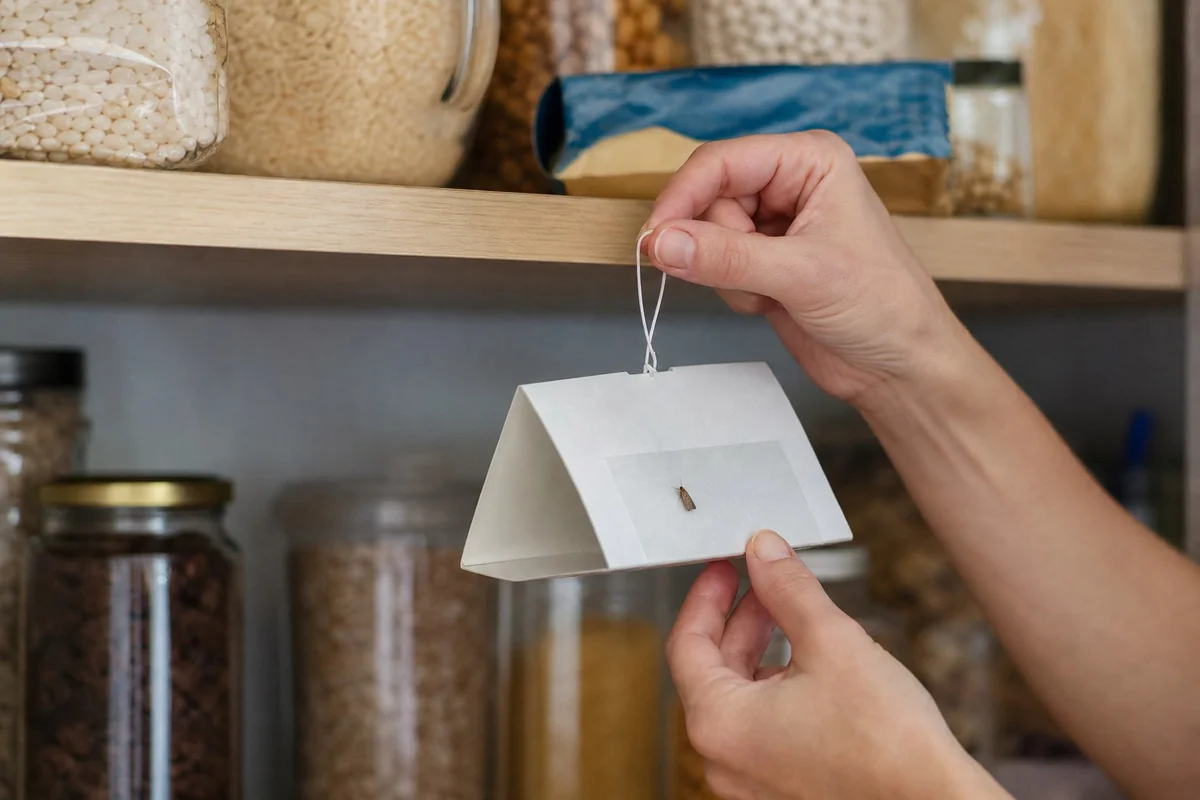
Most household moth traps are folded cardboard or plastic triangles with a sticky inner surface and a small pheromone lure. The lure copies the scent female moths release to attract mates, so males fly in and stick. Females and larvae, which do the actual damage, are not attracted.
That limits what traps can do. University of California IPM's pest note on clothes moths says trapping lets you detect clothes moths and also provides some control. Its note on pantry pests frames pantry moth traps mainly as a way to detect moths that remain after the source of the infestation has been removed. In both cases, traps work alongside cleaning, not instead of it.
Traps come in a few shapes. Triangular “tent” traps sit on shelves and in cupboards, flat cards hang from a closet rod or hook, and small boxes tuck into drawers. The shape matters less than the lure: what decides whether a trap works is whether its pheromone matches your moth and whether it sits close to where that moth lives.
Expect the first catches within a few days if moths are active. A trap that stays empty for weeks in a closet you know has moth damage usually means the larvae are feeding but adults are not yet flying, which happens in cooler months, so keep the trap in place and look for larvae in the meantime.
Our flying insect guides cover fly traps and wasp sprays as well, and the moth trap section collects our guides to traps and repellents for specific rooms.
Identify the Moth First
The pheromone in each trap matches one kind of moth, so a clothes moth trap catches almost no pantry moths and the reverse. Look closely at the moths and where you see them.
- Clothes moths: small and buff-colored with a fringe of golden hairs on the wings. At rest they are only about 1/4 inch long, as the UC IPM note describes. They avoid light, flutter in dark closets and corners rather than around lamps, and their larvae leave holes in wool, silk blends, furs and feathers.
- Pantry moths: mostly Indian meal moths, larger, with forewings that are reddish brown toward the tips. They fly around kitchens and pantries, and their larvae leave silken webbing in cereal, flour, rice, nuts, dried fruit, chocolate and pet food.
- Other moths: moths that fly to porch lights at night are usually harmless outdoor species that wandered in.
Signs of Clothes Moth Damage
Clothes moth larvae work out of sight, so damage is often the first clue. Look for irregular holes in sweaters, scarves and wool blankets, worn patches where fibers have been grazed, and silken tubes or mats on the fabric. The casemaking clothes moth's larvae carry small, cigar-shaped silk cases about 3/8 inch long, according to UC IPM. On furs, hairs clipped off at the base are a giveaway. Damage usually sits in folds, under collars and in items stored for months without being worn.
Signs of Pantry Moths
Pantry moths announce themselves differently. Adults flutter around the kitchen in the evening, and larvae leave silky webbing in flour, cereal, rice and nuts, often with clumps of food stuck together. You may also see small caterpillars crawling up walls or across the ceiling as they leave food to pupate. Any package with webbing should be sealed and thrown out.
Carpet beetles also damage wool and are often mistaken for moth damage. Small, round, mottled beetles and bristly larvae near baseboards point to carpet beetles, which moth traps do not catch.
Step-by-Step: How to Use Moth Traps
- Identify the moth: clothes or pantry, and buy traps labeled for that type.
- Find and remove the source: infested sweaters, rugs, flour or cereal, before setting traps.
- Clean the area: vacuum closets or pantry shelves, corners and cracks, and wash shelves.
- Assemble the trap: fold it as directed, peel off the release paper and place the lure on the glue if it comes separately.
- Place it where moths were: in the closet, drawer or storage area for clothes moths; near the pantry shelves for pantry moths.
- Write the date on it: so you know when to replace it.
- Check weekly: UC IPM advises checking pantry traps in the area of a previous infestation each week.
- Replace on schedule: UC IPM notes most pantry traps remain effective for about three months; replace sooner if the glue is covered or dusty.
Quick Checklist
How to use pheromone moth traps.
Watch the catches over a few weeks. Steady catches in one spot point to a hidden source nearby, such as a wool blanket at the back of a shelf or a forgotten bag of birdseed. Falling catches mean the cleanup worked. No catches at all after a month usually mean the moths are gone, or that you have a different insect, such as carpet beetles.
Where to Put Moth Traps
For clothes moths, place traps in closets, wardrobes and storage areas where wool, cashmere, silk blends and furs are kept. UC IPM advises placing traps in closets and other clothes-storage areas. Hang them at shoulder height or set them on a shelf, and add one in each closet that holds natural fibers, since moths rarely travel far from their food.
How Many Traps You Need
One trap per closet or storage area is a good starting point for clothes moths, and one or two per kitchen for pantry moths. Large walk-in closets, attics with stored wool and long basements may need one trap every few yards of space. Avoid putting many traps in one small room; too much pheromone in the air can make it harder for males to find any single trap, and you learn less about where the moths are coming from.
Rugs and carpets need their own attention. Larvae feed under heavy furniture and along edges where the vacuum rarely reaches, so set a trap low near those spots, and see our guide to the best moth traps for carpets for options designed for floors.
For pantry moths, set traps on a high shelf in the pantry or on top of the cabinets near where you store dry goods, not inside open food packages. Keep traps away from open windows, fans and heating vents, which disperse the pheromone and draw moths in from elsewhere, and away from strong cooking smells.
Clean Out the Infestation
Clothes Moths
UC IPM recommends vacuuming as the best cleaning tool and emptying the bag or canister promptly, since it can hold eggs, larvae and adults. For infested clothing, launder washable items for 20 to 30 minutes in water at least 120°F, or dry clean them. Items that cannot be washed can go in the freezer for several days at temperatures below 18°F, as the same pest note suggests. Store clean woolens in sealed containers or garment bags.
Pantry Moths
UC IPM's advice is to seal infested packages and remove them from the house immediately, then vacuum corners and crevices of cupboards and wash shelves with soap and water. Store flour, grains, cereal, nuts, dried fruit and pet food in containers with tight-fitting lids; plastic bags are not enough. Keeping rarely used flour and grains in the freezer helps prevent new infestations.
| Treatment | Setting | Use For |
|---|---|---|
| Hot wash | 20 to 30 minutes at 120°F or higher | Washable woolens and blankets |
| Freezer | Several days below 18°F | Items that cannot be washed |
| Vacuuming | Empty the bag or canister right away | Closets, carpets, cupboards |
| Discard and seal | Bag and remove immediately | Infested food packages |
| Sealed storage | Containers with tight-fitting lids | Woolens and dry goods |
The settings in the table come from the UC IPM pest notes on clothes moths and pantry pests. Check care labels before hot-washing delicate woolens; freezing is gentler on fabrics that might shrink.
UC IPM notes that in warm weather, Indian meal moths take about six to eight weeks to complete their life cycle, so keep traps out for at least two months after cleaning to catch any that emerge from eggs you missed.
Moth Traps vs Repellents
Traps catch moths; repellents try to keep them away, and most are weaker than they sound. UC IPM notes that cedar contains an oil that can kill small larvae but does not affect large larvae, and that it loses this quality after several years. Lavender sachets have even less behind them. Mothballs and crystals with paradichlorobenzene can kill moths in sealed storage, but UC IPM warns they are toxic and must be kept away from children and pets, and the fumes cling to clothes.
If moth damage keeps appearing after a thorough cleanup, or a large wool rug or a whole closet of heirloom clothing is involved, a professional cleaner or pest control service can treat items that are hard to handle at home. For valuable textiles, a professional conservator can advise on safe cleaning.
The best protection is clean storage: wash or dry clean woolens before putting them away, store them in sealed containers and check them a few times a year. Traps then serve as an early warning that something has slipped through.
Common Questions About Moth Traps
What is the easiest way to get rid of moths?
What is the easiest way to get rid of moths?
Find and remove what they are eating, such as an old wool sweater or a bag of flour, vacuum and clean the area, then use pheromone traps to catch the rest and confirm they are gone.
How long do pantry moth traps last?
How long do pantry moth traps last?
Most remain effective for about three months, according to UC IPM, though a trap covered in moths or dust stops working sooner. Check the maker's label for its specific lifespan.
What time of year are pantry moths most active?
What time of year are pantry moths most active?
Warm months, when their development speeds up; in warm weather they complete their life cycle in about six to eight weeks. Heated homes can host them year-round.
Do moth traps attract moths from outside?
Do moth traps attract moths from outside?
They attract male moths of the matching species within range, mostly from inside the house. Keep traps away from open windows and fans so they draw on indoor moths rather than outdoor ones.
Can I make a homemade moth trap?
Can I make a homemade moth trap?
Simple sticky cards catch a few moths, but without the species-specific pheromone they attract far fewer than commercial traps. For pantry moths, cleaning and sealed containers matter more than any homemade trap.
Key Takeaways
- Moth traps use a sex pheromone that lures male moths onto glue; they detect moths and provide some control.
- Clothes moth and pantry moth traps use different lures, so identify the moth before buying any trap.
- Remove and clean the source first, then place, date and check traps weekly.
- Replace pantry traps about every three months, sooner if the glue is covered, and use one trap per closet or storage area.
- Steady catches point to a hidden source; falling catches mean the cleanup worked.
- Laundering, freezing, vacuuming and sealed storage end an infestation; cedar and lavender only help a little.