 Pest Pro Reviews Editorial Team • • 20 min read •
 Natural vs Organic Pest Control: What's the Difference?
Learn the key differences between natural and organic pest control methods, including effectiveness, safety, cost, and environmental impact. Find out which eco-friendly pest solution is right for your home in 2026.
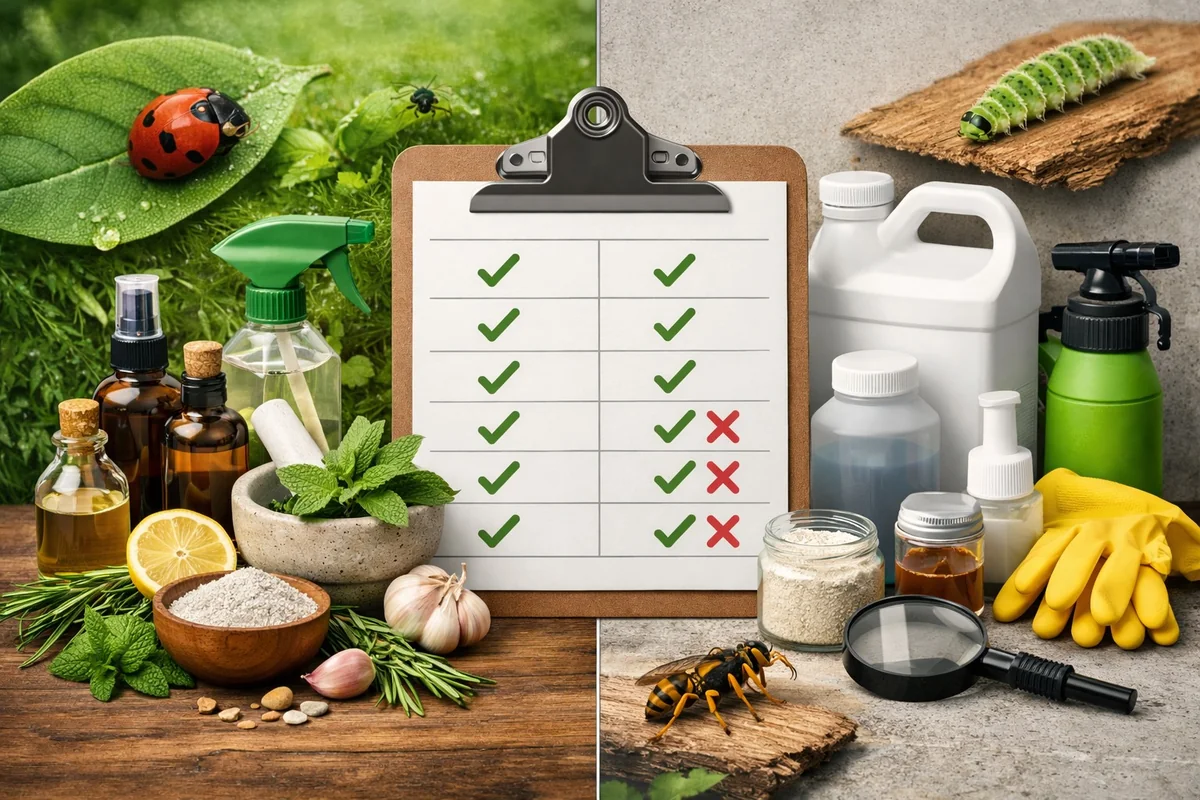
Natural vs organic pest control: Natural methods use substances found in nature, while organic solutions must meet strict certification rules. Natural options work well for quick DIY fixes, but organic products focus on safety and traceability. If you want eco-friendly pest control in 2026, choose natural for budget and speed, organic for verified safety and environmental standards.
- Natural pest control offers broader, faster-acting DIY choices, but may lack certification or consistent safety labeling.
- Organic pest control is strictly regulated and safer for food and gardens, but can be less potent and more expensive.
- Choose natural for immediate, indoor crawling pest problems; choose organic for sensitive environments and food crops.
Natural vs Organic Pest Control: Key Differences
If you’ve ever stood in a garden aisle staring at “natural” and “organic” pest sprays, you’re not alone. Most people assume they mean the same thing, but the differences matter for your wallet, your home, and your peace of mind.
Identify your needs and get personalized recommendations
New to pest removal and wants a safe, simple introduction.
Compares features side-by-side to find the most effective and practical solution.
Focuses on getting the best balance of price, performance, and ongoing costs.
Wants a trusted, effective product for quick results and easy buying.
Looks for high effectiveness and reliability at the lowest possible cost.
Prioritizes the safest, most eco-friendly and advanced solutions regardless of price.
Defining Natural Pest Control
Natural pest control uses substances that exist in nature - think minerals like diatomaceous earth, plant-based oils, or boric acid. These are typically only minimally processed before use. You’ll find options like Safer Brand Diatomaceous Earth Ant & Crawling Insect Killer, which relies on a powdered mineral to dehydrate pests rather than poison them.
“Natural” isn’t a regulated label in pest control. That means some products may include extra additives or synthetic stabilizers and still claim to be natural. Based on user reports, this creates a lot of confusion and sometimes leads to ineffective or unexpectedly harsh treatments.
What Makes a Pest Control Method Organic?
Organic pest control methods must meet formal certification standards - like USDA Organic or OMRI (Organic Materials Review Institute) listing. These rules strictly prohibit most synthetic chemicals, focusing on ingredients derived from plants, animals, or minerals and processed without synthetics. Safer Brand Insect Killing Soap, for example, is OMRI-listed and designed for those who want their pest control to match the same standards as their food or garden inputs.
The trade-off? Organic formulas often skip stronger, faster-acting ingredients to comply with these rules. You may find them a bit slower to work or less effective against tough pests.
Why the Distinction Matters for Homeowners
This isn’t just a label issue - it impacts your safety, the environment, and whether pests return. Natural products may contain potent minerals that can irritate pets or kids if mishandled. Organic products are easier to trust for edible gardens, but sometimes cost more and need more frequent application.
Regulatory differences mean organic claims are easier to verify, while “natural” requires more research on your part.
If you want more context about these differences, our Natural & Organic Solutions overview breaks down regulatory details and consumer pitfalls.
How Natural Pest Control Works
Natural pest control relies on physical or biological mechanisms to target pests. Some methods kill, others repel, but nearly all require repeated applications for best results.
Common Ingredients in Natural Solutions
- Diatomaceous earth: A fine powder made from fossilized algae. Scratches and dehydrates insect exoskeletons on contact, making it ideal for ants and roaches inside the home.
- Essential oils: Peppermint, clove, and citronella oils disrupt insect nervous systems or mask scents that attract pests. These are usually used as sprays or diffusers.
- Boric acid: Targets the digestive system of insects. When pests ingest it, it slowly poisons the colony, making it one of the most effective budget options for roaches and ants.
Safer Brand Diatomaceous Earth Ant & Crawling Insect Killer is a standout for this approach. It’s a powder you can dust along baseboards, behind appliances, and even outdoors - just keep in mind it won’t work if it gets wet or stays in high humidity. Users especially like it for its non-toxic physical action, which means insects can’t build resistance the way they do with chemical sprays.
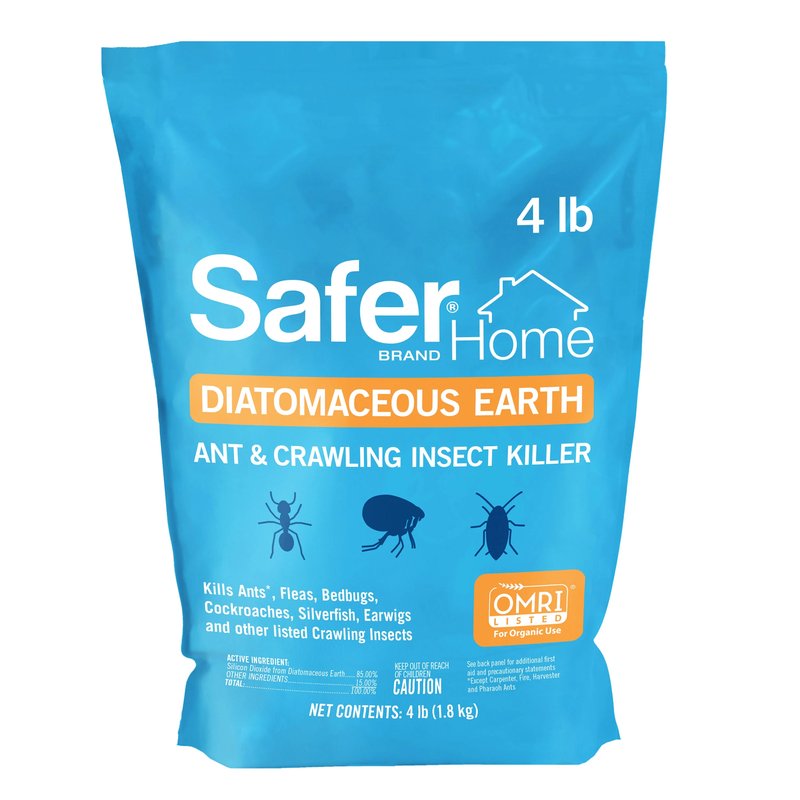
Safer Brand Diatomaceous Earth Ant & Crawling Insect Killer
Safer Brand Diatomaceous Earth Ant & Crawling Insect Killer provides immediate, chemical-free pest control by dehydrating ants, roaches, and other crawling insects. Using food-grade, mineral-based diatomaceous earth, this powder is safe for use in homes with pets and children when applied as directed. Its fine consistency covers cracks and crevices indoors and outdoors for targeted protection.
Why We Recommend This
We recommend Safer Brand Diatomaceous Earth for readers who prioritize non-toxic, environmentally responsible pest control in living spaces. Its mineral-based formulation aligns with natural pest management best practices, and the absence of synthetic chemicals makes it a strong choice for families and pet owners. Compared to conventional sprays, it offers peace of mind with proven effectiveness.
vs Competitors: Unlike chemical-based competitors, Safer Brand’s diatomaceous earth provides a mechanical mode of action, eliminating pests without introducing toxins into the home environment. While botanical sprays offer a faster knockdown, this powder excels in long-term, residue-based protection.
Best For:
Homeowners and renters seeking a natural, chemical-free method to control ants and crawling insects, especially those with pets, children, or sensitivity to synthetic pesticides.
- Applying in kitchen pantries, behind appliances, and along baseboards to control household ants and roaches
- Treating outdoor entry points, patios, and pet bedding areas to prevent crawling insect invasions
- 100% food-grade diatomaceous earth formula
- Targets ants, cockroaches, earwigs, silverfish, and other crawling pests
- Non-toxic to people and pets when used as directed, ideal for households with children or animals
- Odorless and non-staining, suitable for use on carpets, baseboards, and in kitchens
- Powder must remain dry to be effective, so may need reapplication after exposure to moisture
- Visible residue may require cleanup in high-traffic or visible areas
Harris Boric Acid Roach and Silverfish Killer Powder is another staple for DIYers on a budget. It’s a dry powder designed for cracks, crevices, and other hard-to-reach places where roaches and ants travel. Because it acts slowly, it’s effective at spreading through colonies - but you’ll need to keep pets and kids away from treated areas.
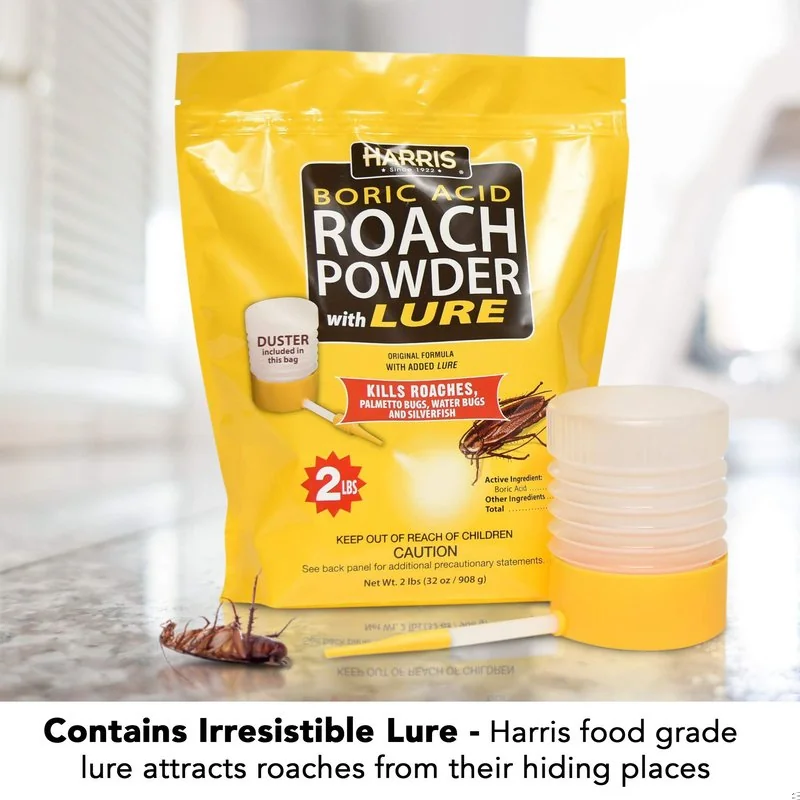
Harris Boric Acid Roach and Silverfish Killer Powder
Targets roaches, ants, and silverfish with a slow-acting boric acid formula designed for cracks and crevices. The powder reaches deep into hard-to-access areas, making it effective for DIY pest control in kitchens, bathrooms, and basements. At 16 ounces per container, it covers multiple entry points for extended colony control.
Why We Recommend This
We recommend Harris Boric Acid Roach and Silverfish Killer Powder for budget-conscious users who want a proven, natural approach to pest control. Its powder formula is especially effective in hidden spots where sprays can't reach, and it's backed by EPA registration for added trust. Users should follow safety guidance to keep pets and children away from treated areas.
vs Competitors: Compared to organic alternatives, this boric acid powder offers broader colony control but requires more caution with placement. It's more budget-friendly than most organic gel baits, though not as pet-safe as diatomaceous earth products.
Best For:
Homeowners and renters seeking an affordable, natural pest control solution for indoor infestations - especially DIYers comfortable with careful application and monitoring.
- Treating cracks behind kitchen appliances where roaches nest
- Applying to baseboards and bathroom crevices for ongoing silverfish control
- Contains 99% boric acid for reliable pest elimination
- Powder formulation reaches deep into cracks and crevices
- Effective at targeting hidden insect colonies in hard-to-reach areas
- Long-lasting residual activity compared to sprays and gels
- Not suitable for use in areas accessible to pets or children until cleaned
- Requires several days to see full results due to slow-acting nature
Effectiveness Against Common Household Pests
Natural dusts and essential oil sprays do their best work on crawling insects - think ants, cockroaches, and sometimes bed bugs. You should expect to see results within a few days to two weeks after consistent use, rather than the instant knockdown of most chemical sprays. For flying insects and rodents, natural products are less reliable as a stand-alone fix.
The main catch is residual action: Most natural powders and oils stop working once disturbed, cleaned, or exposed to moisture. That means frequent touch-ups are necessary, especially in busy homes or humid climates.
Potential Drawbacks of Natural Methods
- Shorter protection window - frequent reapplication is almost always needed.
- Some ingredients (like peppermint oil or boric acid dust) can cause allergic reactions or irritation in sensitive people or pets.
- Large or deep-seated infestations may persist unless you combine natural products with other strategies.
If you want a snapshot of top products for each scenario, check our Best Natural and Organic Pest Control Products 2026 guide for up-to-date recommendations.
How Organic Pest Control Methods Differ
Organic pest control shares a lot with natural options, but not everything that’s natural is organic. The real difference comes down to certification, ingredient sourcing, and how strictly synthetic additives are excluded.
Certified Organic Ingredients and Standards
To be labeled as organic, a product must use only ingredients approved by an organic certification body (like OMRI or USDA). That means every oil, mineral, and carrier in the formula is traceable and free from most synthetic chemicals. Safer Brand Insect Killing Soap is a good example - it’s OMRI-listed and made from potassium salts of fatty acids, which break down quickly and don’t linger in the environment.
Organic sprays and powders also avoid synthetic carriers and preservatives, which can limit their shelf life and potency compared to conventional “natural” products. The upside is you know exactly what you’re getting, and certification adds a layer of consumer protection.
Eco Defense Organic Home Pest Control Spray is another strong entry. It’s a plant-based spray that uses essential oils to repel and kill insects but meets the extra hurdles for organic status. It’s especially popular with parents and pet owners who want peace of mind about what’s in their home air and on surfaces.
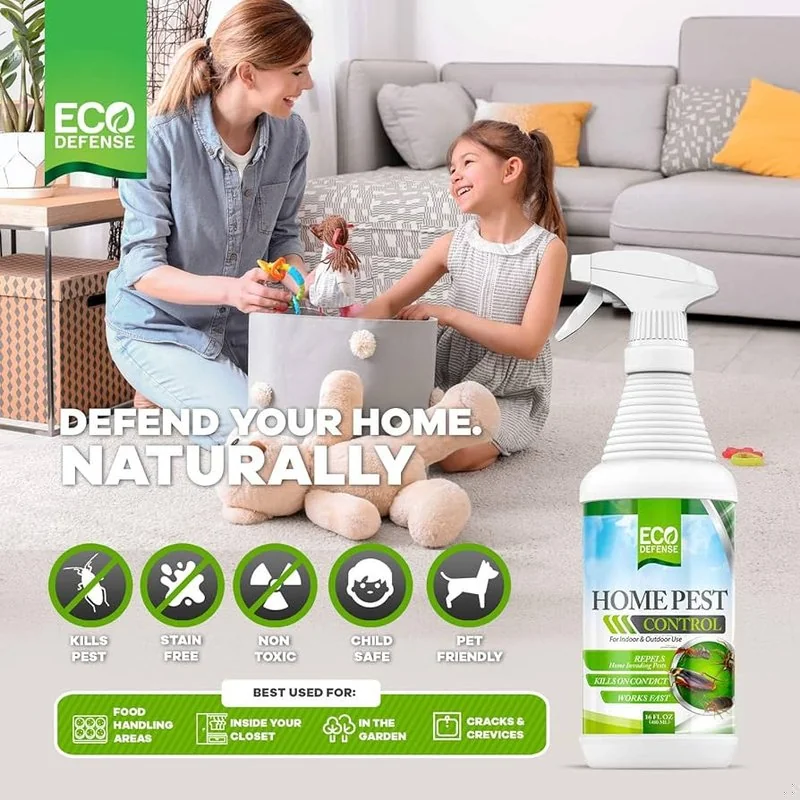
Eco Defense Organic Home Pest Control Spray
Eco Defense Organic Home Pest Control Spray provides fast-acting protection against ants, roaches, and other common wood pests using certified organic essential oils. Safe for use around children and pets, its plant-based formula eliminates insects without harsh chemicals or lingering odors. The 16 fl oz non-aerosol spray makes it practical for targeted indoor applications in kitchens, basements, and living areas.
Why We Recommend This
We recommend Eco Defense Organic Home Pest Control Spray for families and pet owners who want effective insect control without compromising on ingredient transparency or home air quality. Its certified organic formula makes it a standout for those prioritizing stricter safety and environmental standards, although more frequent reapplication is needed compared to chemical-based options.
vs Competitors: Compared to natural products like Safer Brand Diatomaceous Earth, Eco Defense offers the added assurance of USDA organic certification and a ready-to-use spray format, though it may require more applications in high-traffic areas.
Best For:
Homeowners and renters seeking an organic-certified, family-safe solution for light to moderate indoor pest problems - especially those with children, pets, or allergies to traditional pesticides.
- Protecting kitchens, pantries, and food storage areas from insect entry
- Routine pest prevention in homes with children, pets, or chemical sensitivities
- USDA Certified Organic ingredients
- Formulated with natural essential oils including peppermint and rosemary
- Meets strict organic standards, offering greater peace of mind compared to natural-only sprays
- Users report effective elimination of ants and roaches within hours
- Requires reapplication every 2-3 weeks for ongoing protection
- May not be effective against severe infestations or less common pest species
For houseplants and edible gardens, Safer Brand Insect Killing Soap is the go-to. It works best on soft-bodied pests like aphids and spider mites, and since it’s OMRI-listed, you can use it with confidence around vegetables and herbs.
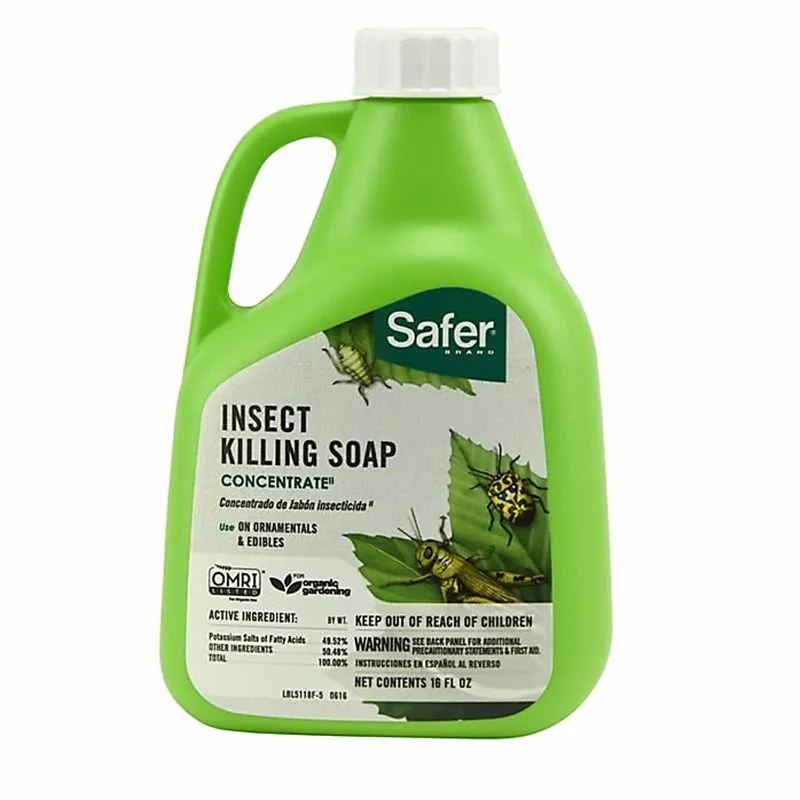
Safer Brand Insect Killing Soap
Safer Brand Insect Killing Soap provides fast-acting, OMRI-listed organic pest control for houseplants and edible gardens. Using potassium salts of fatty acids, it targets soft-bodied insects like aphids and whiteflies without leaving harmful residues. The ready-to-use 16 fl oz spray is ideal for maintaining organic gardening standards at home.
Why We Recommend This
We recommend Safer Brand Insect Killing Soap for home gardeners who prioritize organic standards and food safety. Its OMRI listing and proven effectiveness on common pests make it a trustworthy option in the organic pest control category. For those managing edible crops or sensitive indoor plants, it stands out for its balance of efficacy and organic compliance.
vs Competitors: Compared to conventional insecticides, this soap offers a safer alternative for edible gardens, though it requires more frequent applications and direct contact for best results.
Best For:
Organic gardeners, home growers, and eco-conscious households seeking pest control solutions that comply with organic standards and avoid synthetic chemicals.
- Quickly eliminating aphids and whiteflies on tomato, pepper, or herb plants in home gardens
- Safely controlling spider mites on indoor houseplants without synthetic pesticides
- OMRI-listed for use in certified organic gardening
- Contains potassium salts of fatty acids (1.0%) for contact insect control
- Meets rigorous organic gardening standards, supporting OMRI certification
- Leaves no synthetic chemical residue, safe for edible crops when used as directed
- Requires direct contact with pests for effectiveness, so thorough coverage is needed
- May cause slight leaf browning on sensitive plants if overapplied
Performance in Real-World Home Environments
- Organic pest sprays and soaps are generally most effective on soft-bodied insects (aphids, mites, mealybugs) and minor surface infestations.
- They’re less potent against hard-shelled insects (like adult beetles or roaches) and rarely address full-scale colonies on their own.
- Environmental factors - rain, sunlight, and even regular cleaning - can degrade organic residues within hours or days, meaning you’ll be reapplying more often.
Cost, Availability, and Practical Limitations
- Organic-certified pest control products usually fall into the premium price range due to certification costs and specialty sourcing.
- Selection can be limited at big box stores, so you may need to shop specialty or online retailers for a true organic option.
- DIYers who mix their own organic sprays run the risk of losing certification status if they substitute ingredients or skip a step in preparation.
Comparing Safety: Natural vs Organic for Families and Pets
For most people, safety for kids, pets, and food crops is a top priority. Here’s where the labeling - and your own caution - matters more than the marketing.
Toxicity and Allergen Risks
- Even “natural” options can be dangerous: Boric acid is highly effective at killing roaches and ants but is toxic if eaten by pets or toddlers. Always use with care in areas accessible to children or animals.
- Organic oils (like clove or rosemary oil) can trigger allergies or skin irritation, especially if overapplied. Spot-test before widespread use.
- Labels aren’t always clear about risks to children, pets, or sensitive individuals - so double-check ingredient lists and safety warnings before applying.
Residue and Indoor Air Quality
Natural powders like diatomaceous earth can become airborne if disturbed, potentially irritating lungs or eyes. Use a mask and ventilate the area while applying. Organic sprays, on the other hand, tend to break down quickly but may leave oily residues on surfaces - especially if used in excess.
Cleaning and good airflow will help minimize any lingering effects.
Environmental Impact and Long-Term Effects
One big draw of both natural and organic pest control is a lower environmental footprint compared to synthetic chemical sprays. But “lower” doesn’t mean zero.
Impact on Beneficial Insects and Wildlife
- Broad-spectrum natural and organic sprays can harm pollinators (like bees) and beneficial insects if overused or applied at the wrong time. Always avoid spraying during pollinator activity periods.
- While soil and water contamination risks are much lower than synthetics, runoff can still occur if you overapply in outdoor settings.
- Selective application - only where pests are active - and choosing the right timing greatly reduce non-target impacts.
Resistance and Recurrence Issues
Pests can adapt to repeated use of the same natural ingredient. For example, using only peppermint oil spray week after week may eventually lose its repellent effect for some insects. Organic rotation strategies - switching between different approved ingredients - help delay this resistance, but require more effort and planning for the average homeowner.
The most reliable long-term approach is Integrated Pest Management (IPM), which combines multiple methods and reduces dependency on any single product.
Cost and Value: What to Expect
Cost is a big driver for DIY pest control. Natural solutions often look cheaper up front, but don’t ignore the time and effort involved with frequent reapplications or the risk of accidentally buying a mislabeled dud.
Price Comparison: Natural vs Organic Products
- Natural products like Safer Brand Diatomaceous Earth Ant & Crawling Insect Killer and Harris Boric Acid Roach and Silverfish Killer Powder are generally budget-friendly, widely available, and sold in bulk sizes fit for repeated use.
- Organic-certified sprays and soaps, like Eco Defense Organic Home Pest Control Spray and Safer Brand Insect Killing Soap, fall into the premium or moderate investment category. You’re paying for certification, traceability, and often higher sourcing costs.
- DIY natural methods can save cash, but quality and results may vary if you’re mixing home remedies or using non-certified bulk ingredients.
Effectiveness vs Investment
- Natural dusts and oils need more frequent reapplication, which can offset the initial savings over a season or two.
- Organic products may have lower kill rates, especially against hard-shelled insects, meaning some infestations require supplemental treatments or escalate to professional help.
- For severe infestations - think persistent roaches or repeated bed bug outbreaks - hiring a professional may actually be more cost-effective in the long run.
Product Comparison: Top Natural and Organic Pest Control Solutions
Here’s how the leading options stack up for real-world home use:
Best for Indoor Insects: Safer Brand Diatomaceous Earth Ant & Crawling Insect Killer
This natural mineral powder targets crawling insects like ants and roaches by dehydrating them on contact. There’s no chemical toxicity, so it’s a favorite for homes with pets and children - when used exactly as directed.
It’s most effective in dry, low-humidity areas (think under sinks or behind appliances). Rain, spills, or heavy humidity can reduce its impact to zero. For persistent crawling pest issues in kitchens, basements, or garages, this is a top performer when reapplied as needed.
Most Effective Organic Spray: Eco Defense Organic Home Pest Control Spray
This plant-based, certified organic spray uses a blend of essential oils to repel and kill a wide range of insects. It’s especially useful for wood-dwelling pests and surface applications where you want both prevention and knockdown.
The strong scent is a trade-off - some users find it overpowering, especially in small rooms. But for parents or pet owners looking for an indoor-safe, surface-friendly option with organic credentials, it’s one of the best on the market.
Budget-Friendly Natural Option: Harris Boric Acid Roach and Silverfish Killer Powder
This boric acid powder is a budget staple for eliminating roaches, ants, and silverfish in cracks and hidden spaces. It acts slowly, allowing pests to carry it back to the nest and spread it through the colony.
Easy to apply and widely available, it’s a favorite for renters and homeowners alike. The main downside: It’s toxic if ingested by pets or children, so use caution in food prep areas or anywhere little hands and paws can reach.
Premium Organic Choice: Safer Brand Insect Killing Soap
Safer Brand Insect Killing Soap is OMRI-listed for organic use and breaks down quickly in the environment. It’s best for soft-bodied pests on houseplants, vegetables, and indoor surfaces.
It requires direct contact to work - no residual effect - so you’ll need to spray pests directly. For gardeners and plant lovers who want an organic, food-safe option, it’s an excellent pick for routine use.
- Natural dusts (like diatomaceous earth) win for indoor crawling pests, budget use, and fast DIY applications.
- Organic sprays and soaps win for edible gardens, safe surface use, and certified eco-conscious homes.
Which Pest Control Method Is Right for You?
The best choice depends on your specific pest problem, who lives in your home, and where you’ll be applying the product. Here’s how to narrow it down:
Choosing Based on Pest Type and Infestation Severity
- Natural powders like diatomaceous earth excel for crawling insects (ants, roaches) in dry, indoor locations.
- Organic sprays are best for plants, food prep areas, and homes with kids or pets - especially if you want a verified, residue-free solution.
- For severe, recurring infestations, consider integrating both approaches or escalating to professional help for colony-level control.
Balancing Safety, Environment, and Budget
- If pets or small children are present, stick to products with low residue, certified organic status, and always follow label instructions for placement and cleanup.
- If you’re most concerned about environmental impact, choose OMRI-listed or USDA Organic products - even if that means reapplying more often or accepting a slower-acting solution.
- DIYers and renters on a tight budget may lean toward natural dusts or powders, but should combine these with regular monitoring and non-chemical exclusion tactics for best results.
Frequently Asked Questions About Natural and Organic Pest Control
❓ Frequently Asked Questions
What is the difference between natural and organic pest control?
What is the difference between natural and organic pest control?
Natural pest control uses substances found in nature, such as minerals or plant extracts, to manage pests. Organic pest control specifically follows organic certification standards, avoiding synthetic chemicals and focusing on approved methods. For example, diatomaceous earth is natural, but only certain forms are certified for organic use.
Which is safer for pets and children: natural or organic pest control?
Which is safer for pets and children: natural or organic pest control?
Both natural and organic pest control methods are generally safer for pets and children than synthetic pesticides. However, safety depends on the specific product. Always check labels for toxicity warnings and follow application instructions carefully. Some natural substances, like essential oils, can still cause allergic reactions or toxicity in pets.
How do I apply organic pest control treatments at home?
How do I apply organic pest control treatments at home?
To apply organic pest control at home:
- Identify the specific pest and affected areas
- Select an organic product approved for that pest
- Follow label instructions for mixing and application
- Apply directly to problem zones, avoiding overuse
- Reapply as needed based on product guidelines
Tip: Wear gloves and ventilate rooms after treatment for added safety.
What should I look for when choosing a pest control product for home use?
What should I look for when choosing a pest control product for home use?
When choosing a pest control product for home use, consider:
- Target pests: choose a product labeled for your specific problem
- Safety: check for non-toxic or low-toxicity ratings
- Certification: look for organic or eco-labels if preferred
- Ease of use: sprays and powders are often simplest
Read user reviews for real-world effectiveness before buying.
How often should I reapply natural pest control treatments?
How often should I reapply natural pest control treatments?
Most natural pest control treatments need reapplication every 1–2 weeks, depending on the type of pest and product. Rain, cleaning, or heavy pest pressure may require more frequent use. Always follow the manufacturer's directions for reapplication intervals to maintain effectiveness and minimize risks.
Why do some natural pest control products still carry warning labels?
Why do some natural pest control products still carry warning labels?
Some natural pest control products include warning labels because natural ingredients can still pose health risks if misused. For example, essential oils or mineral dusts may cause skin irritation, allergies, or be harmful if inhaled. Always handle these products with care and store them safely away from children and pets.
Which type of pest control is best for organic gardening?
Which type of pest control is best for organic gardening?
For organic gardening, use pest control products certified by recognized organic standards. Look for OMRI-listed sprays or insecticidal soaps that avoid synthetic chemicals and are safe for edible crops. Organic methods support beneficial insects and soil health but may require more frequent applications and close monitoring.
Our Verdict
For most homeowners trying to tackle common crawling insects, natural pest control is a reliable, cost-effective way to start. Products like Safer Brand Diatomaceous Earth Ant & Crawling Insect Killer and Harris Boric Acid Roach and Silverfish Killer Powder deliver consistent results when used correctly, especially for ants and roaches in dry indoor spaces.
If you have edible gardens, sensitive pets, or want the extra assurance of certified safety, go with organic options like Eco Defense Organic Home Pest Control Spray or Safer Brand Insect Killing Soap. These are especially valuable for food crops, houseplants, and homes where safety beats speed or convenience.
No single approach is perfect for every scenario. Start with your unique needs, check ingredient lists carefully, and don’t hesitate to mix methods - just watch for safety conflicts and always follow label instructions. For a side-by-side look at today’s top-rated picks, our product guide makes it easy to compare natural and organic solutions head-to-head.
Related Articles
Best Natural and Organic Pest Control Products 2026: Safe, Eco-Friendly Solutions for Every Home
Find the best natural and organic pest control products for 2026. Safe, eco-friendly solutions for ants, roaches, rodents, and more - ideal for families and pet owners.
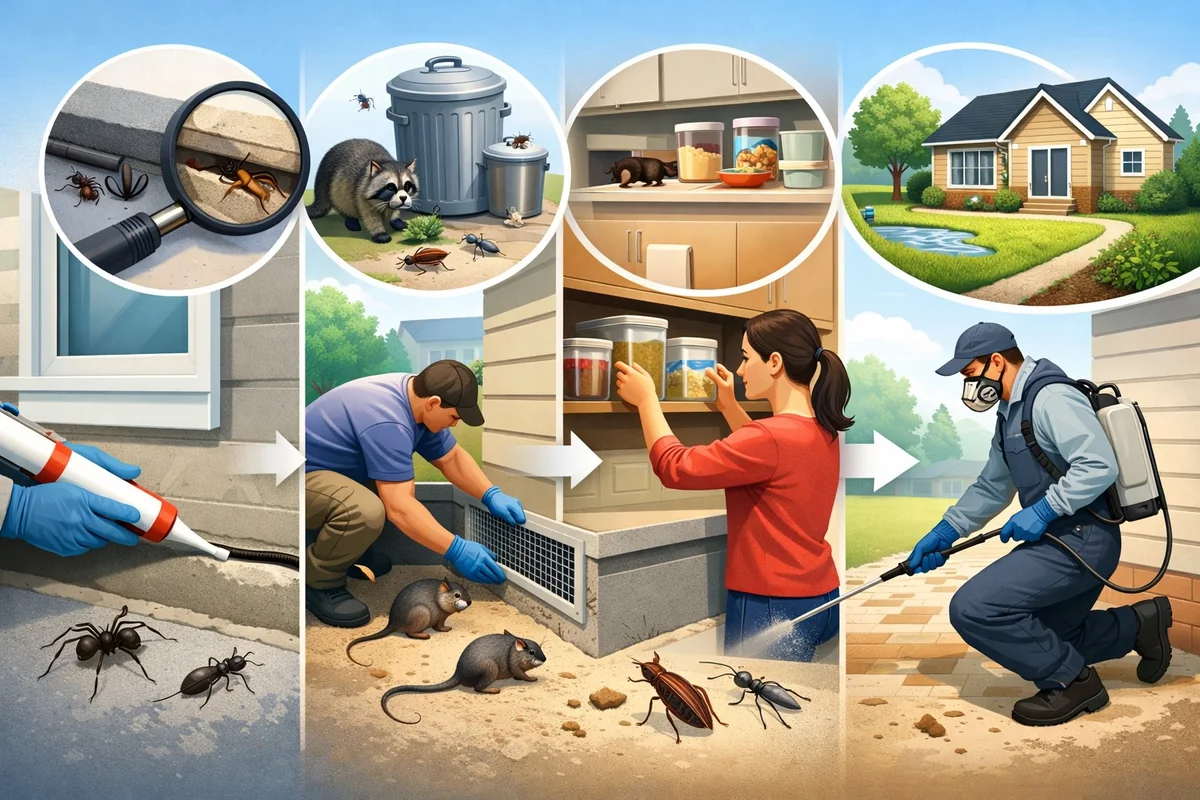
Complete Guide to Pest Prevention in Homes: Stop Pests in 2026
Protect your home in 2026 with this complete pest prevention guide. Discover proven DIY methods, room-by-room tips, safe solutions for families, and expert advice to stop pests before they start.
Best Garden Pest Control Products for Yards and Gardens 2026
Discover the best pest control products for gardens and yards in 2026. Compare top-rated sprays, baits, traps, and natural solutions for safe, effective, and budget-friendly outdoor pest removal.
Best Pest Control Products for Summer 2026: Baits, Sprays, Natural Options
Discover the best pest control products for summer 2026. Compare baits, sprays, traps, and natural solutions to tackle ants, roaches, mosquitoes, and more - safe, effective, and budget-friendly options for every home.