 Pest Pro Reviews Editorial Team • • 19 min read •
 Pesticides vs Natural Solutions: Which Is More Effective? (2026 Comparison)
Compare chemical pesticides and natural pest control solutions for your home in 2026. Discover which method is safer, more effective, and best for your needs - plus real product recommendations.
Pesticides vs natural solutions: Chemical pesticides deliver fast, broad-spectrum results but come with safety and environmental trade-offs. Natural solutions act slower and are pest-specific, but offer safer, sustainable control for homes with children or pets. Use chemicals for severe infestations; choose natural methods for prevention or sensitive households.
- Chemical pesticides provide rapid, broad-spectrum control but pose higher risks to health and environment.
- Natural solutions are safer for most households, but require patience and repeated applications for full effectiveness.
- For urgent or severe infestations, chemicals may be necessary; for prevention or sensitive environments, natural methods are preferred.
Key Differences Between Pesticides and Natural Solutions
When comparing pesticides vs natural solutions, the first thing to understand is how each method actually targets pests. Synthetic chemical pesticides - such as the ingredients found in many household sprays - are designed to disrupt insect nervous systems or other vital processes. That means you’ll often see pests die within hours of application, making these products feel powerful and immediate.
Natural solutions approach the problem differently. Many rely on physical disruption - think of diatomaceous earth, which scrapes and dehydrates insect exoskeletons, or sticky traps that physically capture pests. Others, like essential oil-based sprays, use plant compounds to repel or confuse insects, which means they’re more about keeping bugs away than killing them outright.
The speed and scope of results are where things really separate. Chemical pesticides act fast - sometimes within minutes - and can target a wide range of pests with a single formula. Natural methods, on the other hand, tend to be slower, often taking days or even weeks to see a noticeable reduction. Plus, they’re usually pest-specific: what works on ants may not touch roaches, and vice versa.
Faster knockdown sounds great, but there’s a catch - chemical sprays may miss hidden nests or colonies, leaving the root problem untouched. Natural approaches can be more thorough if you’re persistent, but require patience and repeat effort.
If you want more details on how chemical products achieve these effects, see our Chemical Pesticides resource for a technical breakdown.
Effectiveness for Common Household Pests
How do chemical vs organic pest control methods actually perform against the pests you’re likely battling at home? Let’s break down specific strategies for ants, cockroaches, and rodents, along with when each approach is most effective.
Identify your needs and get personalized recommendations
Just started looking for pest solutions and want something easy to use and safe for beginners.
Learning about pest removal and need educational info to understand what matters most.
Compares detailed features and wants to know trade-offs between options before buying.
Looks for the best balance of price and performance, with an eye on ongoing costs.
Has researched options and wants clear, decisive factors for a confident final choice.
Prioritizes affordable solutions without sacrificing key features or safety.
Ants: Baits, Sprays, and Barriers
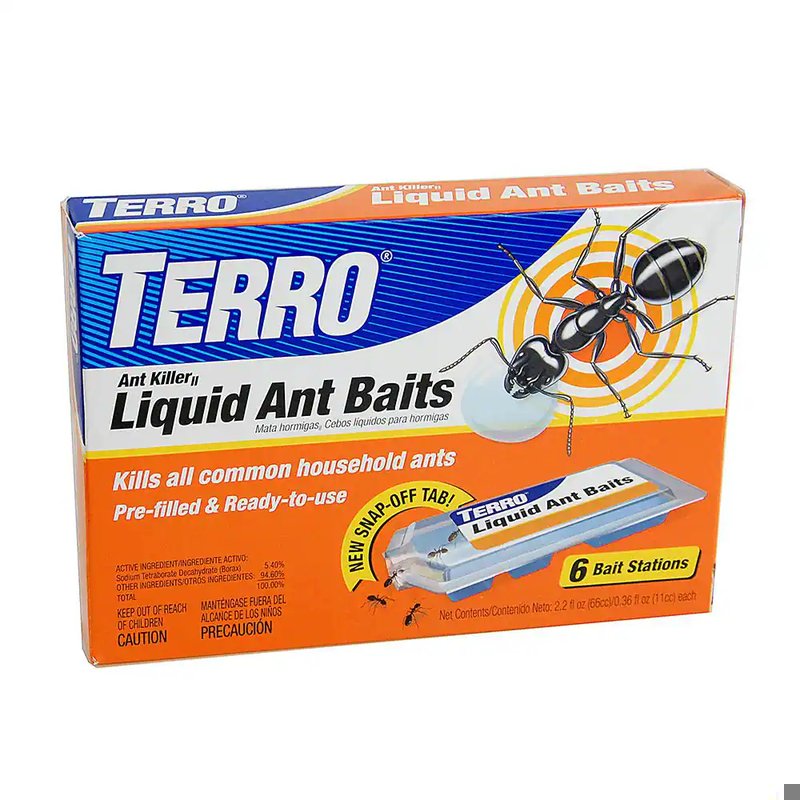
For ants, the battle typically comes down to baiting the colony versus killing visible workers. Borax-based baits are a staple in chemical pest control. The standout in this category is Terro Liquid Ant Baits - these pre-filled stations use a sweet borax solution that worker ants carry back to the nest, eventually wiping out the entire colony from within.
The key is the slow-acting formula, which gives foragers time to share the poison with their queen and nestmates.
Terro Liquid Ant Baits
Terro Liquid Ant Baits deliver targeted colony elimination using a sweet borax solution that worker ants carry back to the nest. The pre-filled stations provide a mess-free setup and a slow-acting formula, allowing ants to share the bait with the queen and other colony members for thorough control. Ideal for tackling persistent indoor ant problems in kitchens, pantries, and entry points.
Why We Recommend This
We recommend Terro Liquid Ant Baits for readers seeking reliable, science-backed ant control with minimal effort. The slow-acting borax formula is especially effective for eliminating entire colonies, making it a better choice than quick-kill sprays for long-term results. It's a staple in professional and DIY pest management thanks to its ease of use and consistent outcomes.
vs Competitors: Terro Liquid Ant Baits outperform most natural ant deterrents in colony elimination and are easier to deploy than gel baits or homemade solutions. While slower than contact sprays, they provide more thorough, sustained results indoors.
Best For:
Homeowners and renters dealing with common household ants who prefer a proven, low-mess baiting solution over sprays or natural remedies
- Ideal for homeowners seeking to eliminate indoor ant infestations without direct chemical spraying
- Useful for kitchens, pantries, or near entry points where ants commonly trail
- Contains 6 pre-filled bait stations (each 0.36 fl oz/10.6 mL)
- Active ingredient: Sodium Tetraborate Decahydrate (Borax) 5.4%
- Effectively targets entire ant colonies, not just visible ants
- Easy to deploy with no need for handling chemicals
- Requires patience - may take up to two weeks for full colony elimination
- Not suitable for outdoor use or severe infestations involving multiple ant species
Terro’s design is particularly good for kitchens, pantries, and anywhere you see ant trails. It’s an excellent value for most homes and especially effective for sugar-feeding species like Argentine and odorous house ants. The main drawback is patience: it can take up to 2 weeks to see the colony disappear, and you’ll likely see more ants at first as they swarm the bait. But for lasting control, this is the right move.
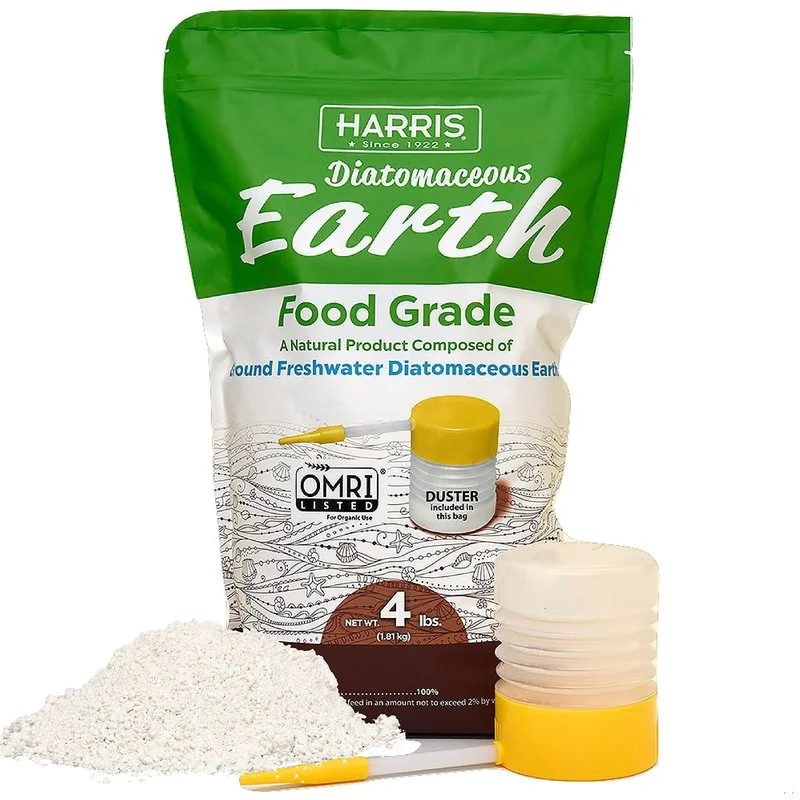
Natural options like Harris Diatomaceous Earth work differently. This powder is scattered along ant trails or entry points and kills by dehydrating ants that walk over it. Unlike baits, it doesn’t reach the nest, so you need to keep reapplying after cleaning or rain.
It’s safe for most indoor use, but requires direct contact to work - meaning if ants avoid it, you’ll get limited results.
Harris Diatomaceous Earth
Harris Diatomaceous Earth creates a long-lasting, natural barrier that kills ants by dehydrating their exoskeletons on contact. This mineral-based powder is safe for use around children and pets when applied as directed, making it ideal for family homes and sensitive environments. Its fine, food-grade particles effectively eliminate ants indoors and outdoors without introducing harsh chemicals.
Why We Recommend This
We recommend Harris Diatomaceous Earth for households prioritizing safety and long-term protection over quick fixes. Its mineral-based action eliminates ant colonies without chemical risks, and the OMRI organic certification gives added peace of mind for families and pet owners. In our assessment, it is especially effective in homes where traditional pesticides are a concern.
vs Competitors: Unlike liquid bait alternatives that use synthetic ingredients, Harris Diatomaceous Earth offers mechanical, residue-free ant control. While it may act more slowly than sugar-based baits like Terro, it excels at providing a persistent barrier and is favored for use in sensitive environments.
Best For:
Families and pet owners seeking a natural, chemical-free ant control solution for homes, kitchens, and yards.
- Lining entry points, baseboards, or pet feeding areas to prevent ant access
- Creating outdoor perimeter barriers for gardens, patios, or play spaces
- 100% food-grade diatomaceous earth, OMRI Listed for organic use
- Fine powder formulation for easy, even application
- Safe for use around children and pets when applied as directed
- Provides long-lasting barrier protection against recurring ant invasions
- Requires dry conditions to remain effective; loses potency if wet
- Visible powder may require cleanup in high-traffic areas
Diatomaceous earth is best for dry indoor spaces, cracks, or hard-to-reach areas where sprays aren’t practical. It’s a solid choice for homes with pets or small children, since there’s no chemical residue if used correctly. Expect to vacuum up dust and reapply as needed.
Chemical sprays like Raid Ant & Roach Killer offer instant kill for ants you see, but rarely eliminate the nest. They’re useful for spot treatments or when you need a quick knockdown, but for colony-level control, baits or dusts will always outperform sprays over the long run.
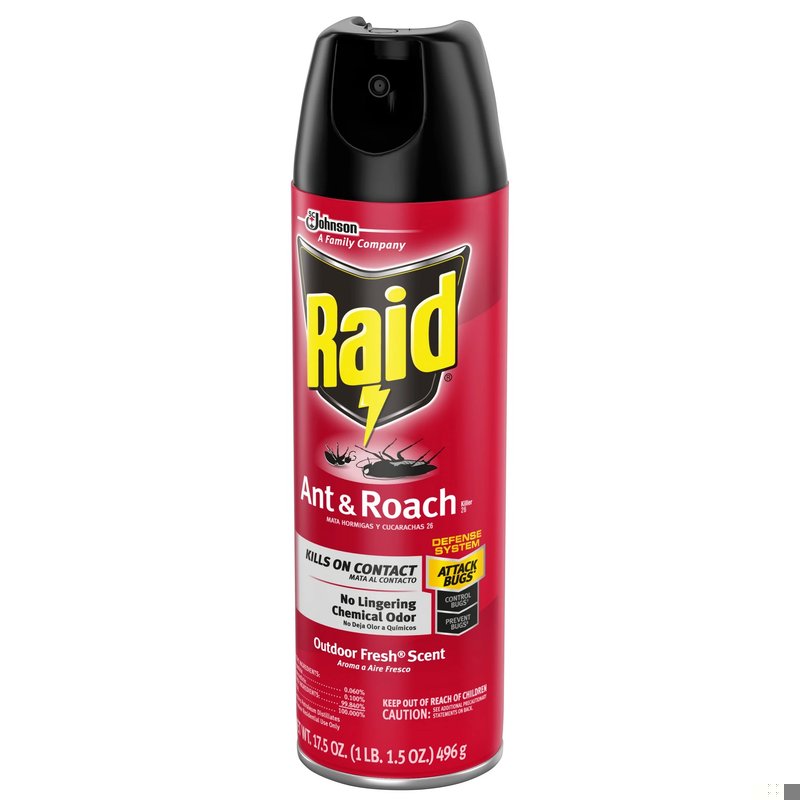
Raid Ant & Roach Killer
Raid Ant & Roach Killer provides rapid knockdown of visible ants and roaches with a synthetic pyrethroid formula. The 17.5 oz aerosol delivers targeted spot treatments indoors, leaving a light residual barrier that controls new arrivals for up to 4 weeks. Ideal for immediate pest emergencies where quick action is needed.
Why We Recommend This
We recommend Raid Ant & Roach Killer for users who need a fast, reliable option to address visible pests on the spot. While it won’t solve underlying infestations, its immediate knockdown and short-term residual make it a practical choice for emergency situations or as a supplement to longer-term pest management methods. Its ease of use and availability set it apart for quick-response needs.
vs Competitors: Compared to gel baits or dusts, Raid offers faster visible results but lacks the colony-level control of those alternatives. It excels for instant action but is best used alongside more comprehensive solutions.
Best For:
Homeowners and renters needing immediate, on-the-spot control of ants and roaches indoors, especially for those dealing with occasional pest sightings rather than severe infestations.
- Quickly knocking down visible ants or roaches in kitchens, bathrooms, or entryways
- Spot-treating high-traffic pest areas between deeper interventions
- Fast-acting pyrethroid formula kills on contact
- 17.5 oz aerosol can for easy indoor application
- Delivers instant results against visible ants and roaches
- Easy-to-use spray format for precise spot treatments
- Does not eliminate hidden nests or colonies
- Roaches may develop resistance to common chemical ingredients over time
Raid’s main strength is convenience: just point, spray, and the ants are gone. However, you’ll need to treat repeatedly, and the residue can linger on surfaces. It’s best reserved for urgent situations or when other methods aren’t practical.
Cockroaches: Residuals vs. Natural Deterrents
Cockroaches are notoriously tough to eliminate, and this is where chemical vs organic pest control differences become stark. The gold standard for chemicals is gel baits with active ingredients like fipronil or hydramethylnon, which remain effective in cracks and crevices for weeks. These baits target hidden populations, not just visible roaches.
For sprays, Raid Ant & Roach Killer again delivers fast results on contact and leaves a short-lived residue to control new arrivals. But roaches are increasingly developing resistance to common chemicals. That means you might see some survive even direct applications - especially in older apartment buildings or homes with repeated treatments over the years.
Natural deterrents like Eco Defense Organic Home Pest Control Spray use essential oils to repel roaches. This plant-based formula is safe for homes with kids and pets, making it a popular choice for bedrooms, kitchens, and nurseries. However, while it may drive cockroaches away from treated surfaces, it rarely kills established infestations or penetrates deep into hidden harborage areas.
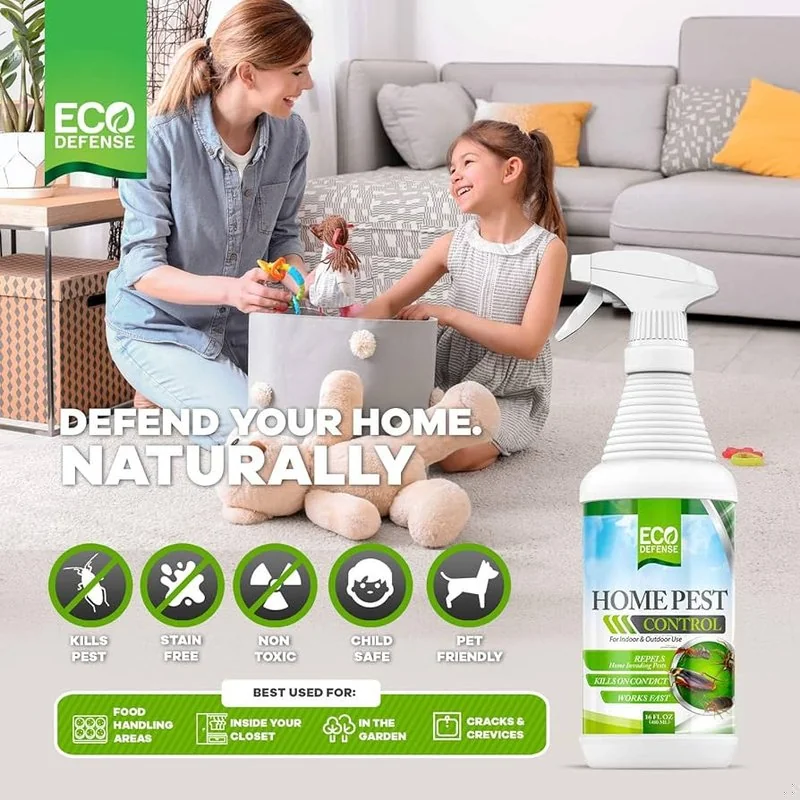
Eco Defense Organic Home Pest Control Spray
Eco Defense Organic Home Pest Control Spray provides plant-based pest deterrence using a blend of essential oils. This non-toxic formula is safe for use around children and pets and is ideal for spot-treating bedrooms, kitchens, and nurseries. While effective at repelling roaches from treated surfaces, it is less suitable for eliminating entrenched infestations hidden deep within walls or furniture.
Why We Recommend This
We recommend Eco Defense Organic Home Pest Control Spray for families and pet owners who prioritize safety and environmental friendliness over aggressive chemical treatments. Its essential oil-based formula is a solid choice for light pest problems or as a preventative measure, though more severe infestations may require professional intervention. This product balances peace of mind with practical efficacy for everyday home use.
vs Competitors: Compared to conventional pesticide sprays, Eco Defense offers a safer and more pleasant user experience but lacks the deep-penetrating kill power of professional-grade chemical options.
Best For:
Homeowners and renters seeking safe, natural pest control for households with children, pets, or chemical sensitivities; especially those dealing with minor pest issues or looking for preventative solutions.
- Spot-treating baseboards, cabinets, and entryways to deter cockroaches and ants
- Preventative use in bedrooms, kitchens, and nurseries where chemical sprays are undesirable
- Plant-based formula with peppermint oil, geranium oil, and cedarwood oil
- Safe for use around children and pets (non-toxic, no synthetic pesticides)
- Non-toxic ingredients make it safe for homes with kids and pets
- Easy to apply directly to problem areas without professional equipment
- Limited effectiveness against severe or hidden infestations
- Requires frequent reapplication for sustained results
Eco Defense works well as a preventative barrier or for light infestations. The main trade-off is persistence: you’ll need to reapply regularly, especially in high-traffic areas. For heavy cockroach activity, chemical baits or dusts are usually required for total control.
Rodents: Poisons vs. Mechanical and Organic Repellents
Rodenticides - chemical poisons - are highly effective at reducing rodent populations fast. However, the risks are substantial: these poisons are dangerous to pets, wildlife, and even children if accidentally ingested. Secondary poisoning can also harm birds and mammals that eat affected rodents.
Natural repellents like peppermint oil sprays or ultrasonic devices claim to drive rodents away, but evidence is mixed. These methods may keep new rodents from entering, but won’t remove those already inside. Mechanical traps - like snap traps - aren’t chemical or organic, but deserve mention because they’re reusable, targeted, and leave no toxic residue.
For most homes, a combination of exclusion (sealing entry points), snap traps, and cleaning is the safest and most effective rodent control strategy.
For more on chemical options for indoor use, see our Best Chemical Pesticides for Home Use 2026 guide for specifics on product selection and best practices.
Safety Considerations for Home Use
Safety is often the deciding factor in the pesticides vs natural solutions debate, especially for families with young children, pets, or sensitive individuals. Chemical pesticides can leave residues on floors, countertops, and other surfaces. These residues may linger for days or even weeks, increasing the risk of accidental exposure.
Improper application - like over-spraying or using outdoors-only products inside - can cause allergic reactions, asthma, or even poisoning. Always read labels carefully, use protective gloves, and ventilate treated areas thoroughly. Some products require you to vacate rooms for a set period; skipping this step isn’t worth the risk.
Natural solutions are often assumed to be completely safe, but that’s not always the case. Essential oils can trigger allergies in sensitive people, especially when used in high concentrations. Mechanical methods, such as traps and physical barriers, avoid chemical exposure but require ongoing monitoring and can pose minor injury risks if mishandled.
Powders like borax or diatomaceous earth are generally low-risk, but ingestion in large amounts can still be toxic. If you have pets or children who might touch or eat applied materials, stick with enclosed stations and mechanical traps.
Environmental Impact and Long-Term Effects
Chemical pesticides don’t just stay where you put them. Many persist in soil and water, sometimes for months, and can accumulate in non-target species - including beneficial insects, birds, and mammals. That’s especially true for broad-spectrum products that kill anything they touch, not just the targeted pest.
Natural solutions break down faster and are less likely to pollute your indoor air or local environment. Diatomaceous earth, for example, is made from fossilized algae and leaves no chemical residue. Essential oil sprays degrade quickly, though they may still affect aquatic life in large quantities.
The more you use chemical pesticides, the greater the risk of pests developing resistance. This is especially true for cockroaches and ants, where repeated exposure breeds generations that shrug off old formulas. Over time, that means needing higher doses or switching to stronger (sometimes more toxic) chemicals.
Natural deterrents, physical barriers, and mechanical traps rarely lead to resistance. They also tend to spare beneficial insects like bees and ladybugs, which help maintain ecological balance in and around your home.
Cost and Accessibility for Homeowners
Budget is a real factor in chemical vs organic pest control. Chemical sprays and baits typically cost more upfront, but their longer-lasting effects mean you use less product over time. A single application can keep pests at bay for weeks or even months, depending on the formula and pest.
Natural solutions, like diatomaceous earth or essential oil sprays, are often cheaper per bottle or bag. However, you’ll need to reapply more often, especially after cleaning, rain, or heavy pest pressure. Over several months, the cost can add up - though you may save overall if you only need spot treatments or prevention.
DIY natural remedies (like vinegar, baking soda, or homemade sprays) are the most budget-conscious choice, but they’re rarely as effective for established infestations. Professional-grade chemical products may be regulated or restricted in some areas, requiring proof of need or special purchase permissions. Natural products are widely available and less regulated, but quality can vary dramatically.
Some states or countries have banned specific pesticides due to safety or environmental concerns. Always check local regulations before buying or applying any chemical product.
Ease of Application and User Experience
For most homeowners, ease of use is as important as safety or speed. Chemical products often require careful mixing, precise measuring, and protective gear - especially concentrates or powders designed for professional use. Many sprays also have strong odors and can stain surfaces if not applied properly.
Natural solutions tend to be simpler. Powders like Harris Diatomaceous Earth are easy to spread along baseboards or cracks, though you’ll need to vacuum up dust and reapply after cleaning. Essential oil sprays like Eco Defense leave a pleasant scent and rarely stain, but need frequent reapplication for ongoing effectiveness.
Traps and barriers are the most hands-off, but require regular checks and emptying. If you want a low-mess, low-maintenance option, enclosed liquid baits like Terro are your best bet - just place the station and let it work.
In all cases, read instructions carefully and don’t assume “more is better.” Over-application can reduce effectiveness and increase risks, regardless of whether the product is chemical or natural.
When to Use Chemical vs Natural Pest Control
Choosing between pesticides vs natural solutions comes down to the severity and urgency of your pest problem, plus your household’s specific needs. For severe, recurring infestations - especially of cockroaches or ants in kitchens - chemical options may be necessary for full elimination. The speed and reach of these products often mean the difference between temporary relief and total eradication.
For early intervention, prevention, or homes with vulnerable individuals, natural methods are the safer choice. These are ideal for light infestations, seasonal spikes, or as a first line of defense before escalating to chemicals. Many homeowners find a hybrid approach works best: start with natural measures, monitor results, and only escalate to chemicals if needed.
If safety is your top priority, stick to mechanical traps, sealed bait stations, and physical barriers. For urgent situations - like stinging insects indoors or sudden surges of ants - chemical sprays can provide fast, temporary relief, but follow up with longer-term strategies to prevent recurrence.
- Chemical pesticides win for: severe, urgent infestations where speed counts
- Natural solutions win for: prevention, light infestations, and homes with kids, pets, or chemical sensitivities
Frequently Asked Questions About Pesticides vs Natural Solutions
❓ Frequently Asked Questions
What is the difference between pesticides and natural pest control solutions?
What is the difference between pesticides and natural pest control solutions?
Pesticides are chemical substances designed to kill or repel pests quickly, often with broad-spectrum effects. Natural pest control uses biological or non-chemical methods, such as introducing beneficial insects or using plant-based sprays. Natural options tend to be safer for humans and the environment but may require more frequent application.
Which is more effective: pesticides or natural solutions for pest removal?
Which is more effective: pesticides or natural solutions for pest removal?
Chemical pesticides usually provide faster and more consistent results, especially for severe infestations. However, natural solutions are favored for long-term prevention and safety, particularly in homes with children or pets. Most users report that combining both methods delivers the best balance of effectiveness and minimal health risks.
How do I use natural pest control methods effectively?
How do I use natural pest control methods effectively?
To use natural pest control effectively:
- Identify the specific pest and their entry points
- Apply targeted solutions such as diatomaceous earth or essential oil sprays
- Introduce beneficial insects if appropriate
- Maintain regular cleaning and reduce clutter
Natural methods often require repeated applications for best results.
What should I look for when choosing a pest removal product?
What should I look for when choosing a pest removal product?
When choosing a pest removal product, focus on these key factors:
- Active ingredients: check for EPA-approved chemicals or proven natural agents
- Safety: consider toxicity, especially around children or pets
- Target pest: ensure the product is specific to your issue
- Application ease: sprays, traps, or baits vary in convenience
Always review user feedback for real-world performance.
How often should I apply pest control treatments?
How often should I apply pest control treatments?
For chemical pesticides, most manufacturers recommend reapplying every 2-4 weeks depending on pest type and infestation level. Natural solutions may need weekly application, especially during peak pest seasons. Always follow label instructions and adjust frequency based on observed results and pest recurrence.
Are natural pest control methods safe for pets and children?
Are natural pest control methods safe for pets and children?
Most natural pest control options, such as neem oil, diatomaceous earth, and essential oil sprays, are generally safer for pets and children compared to chemical pesticides. However, some essential oils can be toxic to certain animals, so always check the specific ingredients and consult with a veterinarian if unsure.
What are the pros and cons of using pesticides for pest removal?
What are the pros and cons of using pesticides for pest removal?
Pros of pesticides include rapid results and reliable pest elimination, especially for large infestations. Cons include potential health risks, chemical residues, and environmental impact. Users often find pesticides effective short-term but recommend integrating prevention methods to avoid repeated chemical use.
Our Verdict: Choosing the Right Approach for Your Home
For most households in 2026, the right pest control strategy isn’t all-or-nothing. Chemical pesticides deliver the fastest, broadest relief - especially for tough infestations. Natural solutions are safer for daily use and prevention, though you’ll need patience and consistency to see full results.
If you want long-term peace of mind and minimal risk, start with natural options like diatomaceous earth or essential oil sprays. Use enclosed bait stations for ants, and mechanical traps for rodents. Escalate to chemical products only if the problem persists or spreads beyond control.
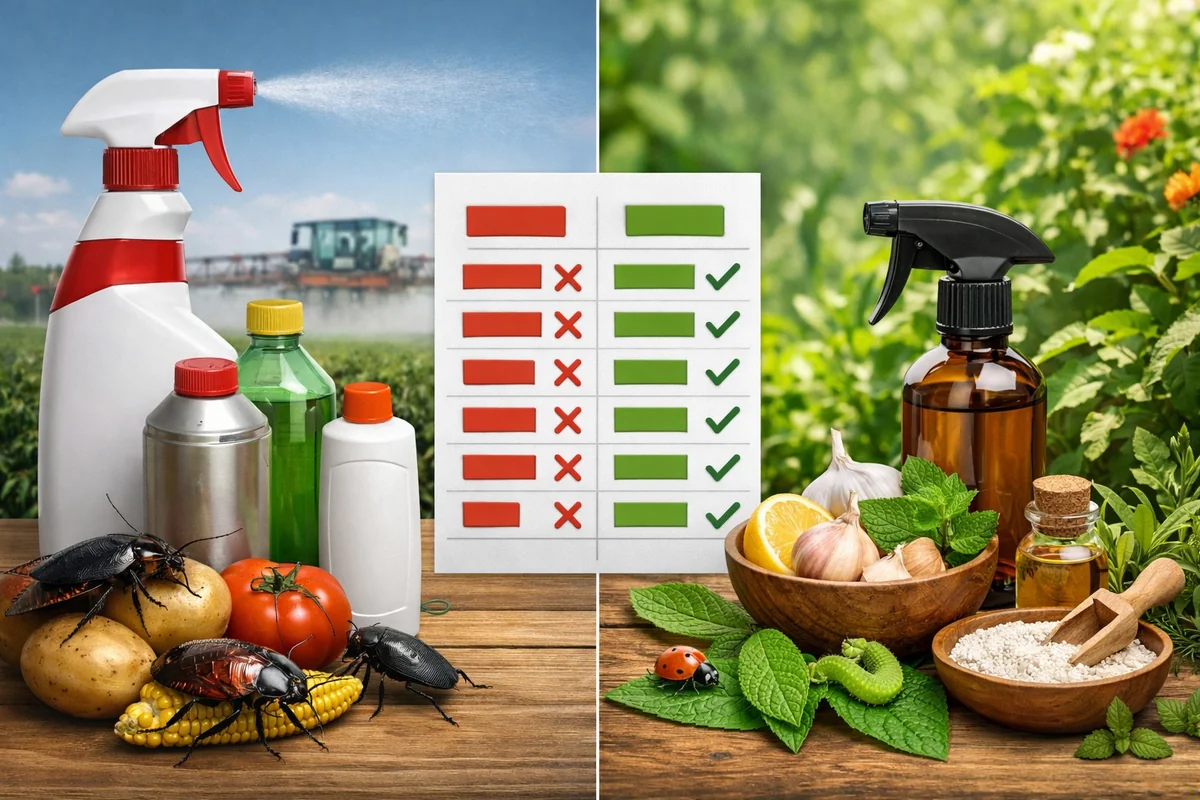
Here’s a snapshot of how the main methods stack up - speed, safety, cost, and environmental impact. Let your household priorities and infestation severity guide your decision. For most people, a balanced, stepwise approach - natural first, chemical if needed - gets the job done with the fewest regrets.
Related Articles
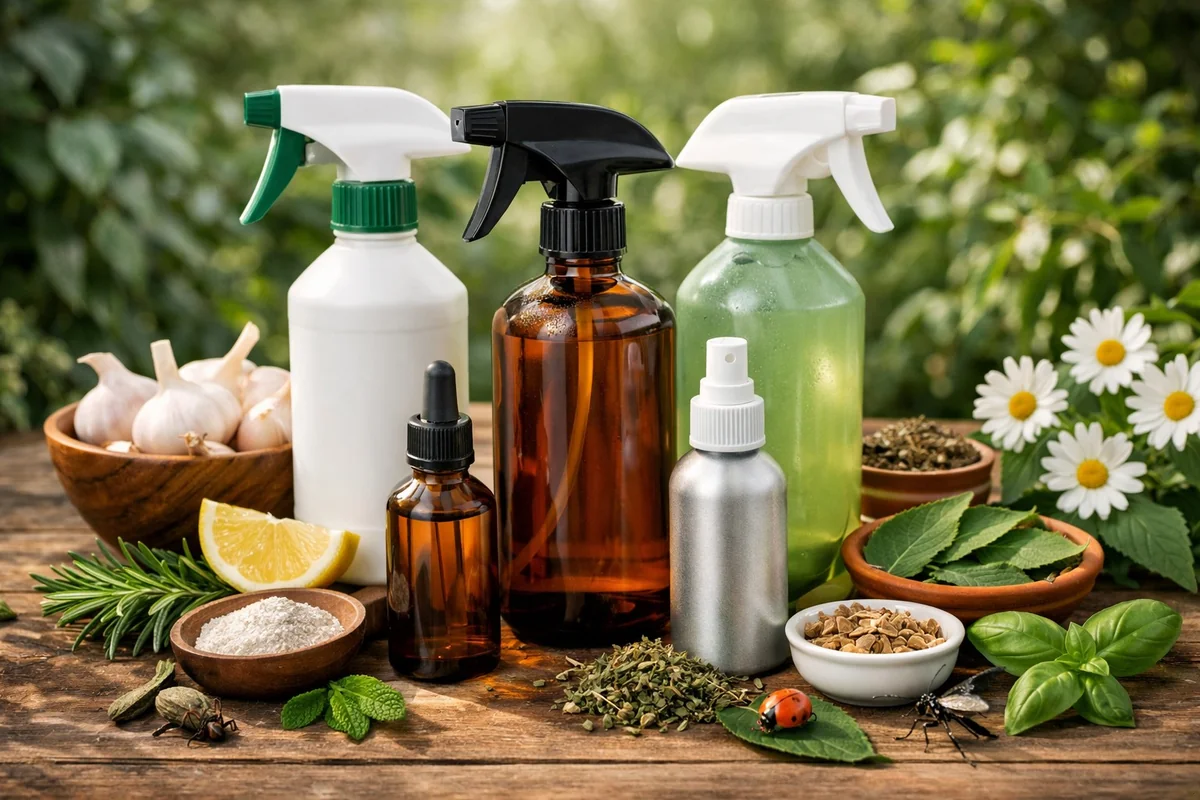
Best Natural and Organic Pest Control Products 2026: Safe, Eco-Friendly Solutions for Every Home
Find the best natural and organic pest control products for 2026. Safe, eco-friendly solutions for ants, roaches, rodents, and more - ideal for families and pet owners.
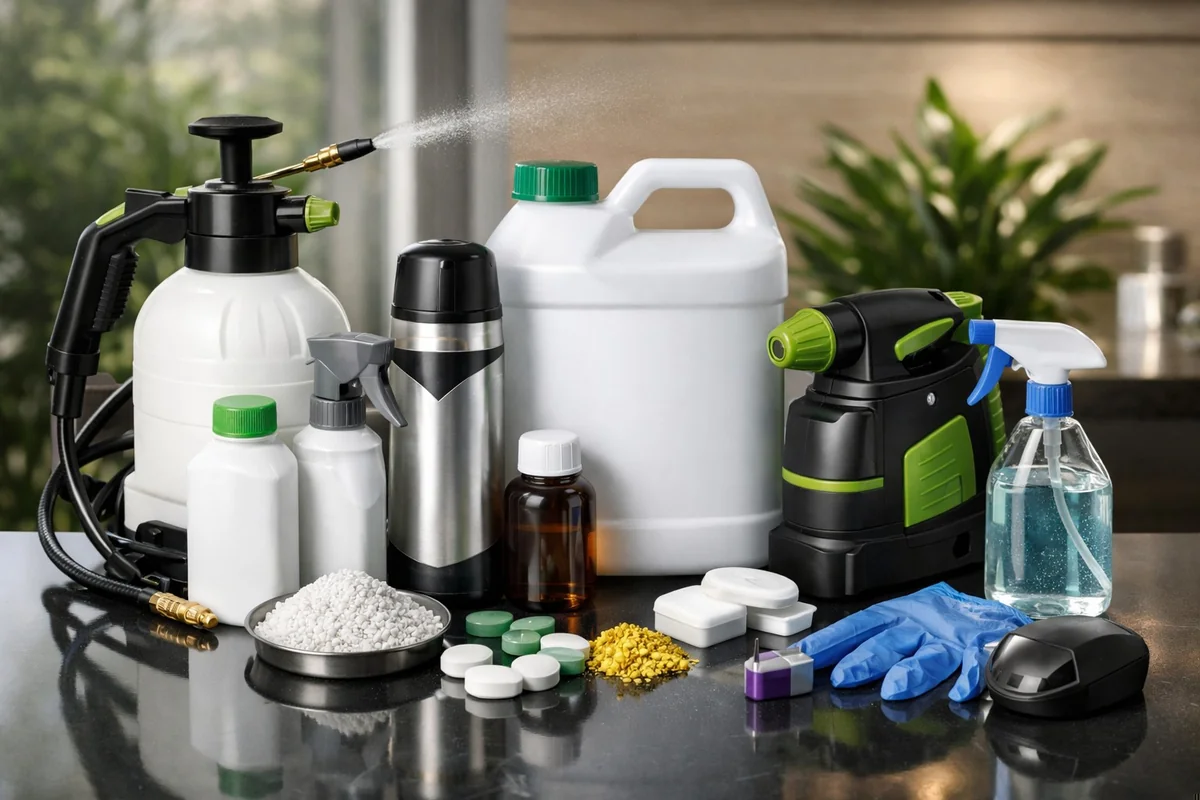
Best Chemical Pesticides for Home Use 2026: Safe, Effective, and Affordable Options
Discover the best chemical pesticides for home use in 2026. Compare top-rated baits, sprays, gels, and natural options for ants, roaches, fleas, and more. Find safe, effective, and budget-friendly pest control solutions for every room.
Complete Guide to Pest Prevention in Homes: Stop Pests in 2026
Protect your home in 2026 with this complete pest prevention guide. Discover proven DIY methods, room-by-room tips, safe solutions for families, and expert advice to stop pests before they start.
Best Pest Control Products for Summer 2026: Baits, Sprays, Natural Options
Discover the best pest control products for summer 2026. Compare baits, sprays, traps, and natural solutions to tackle ants, roaches, mosquitoes, and more - safe, effective, and budget-friendly options for every home.