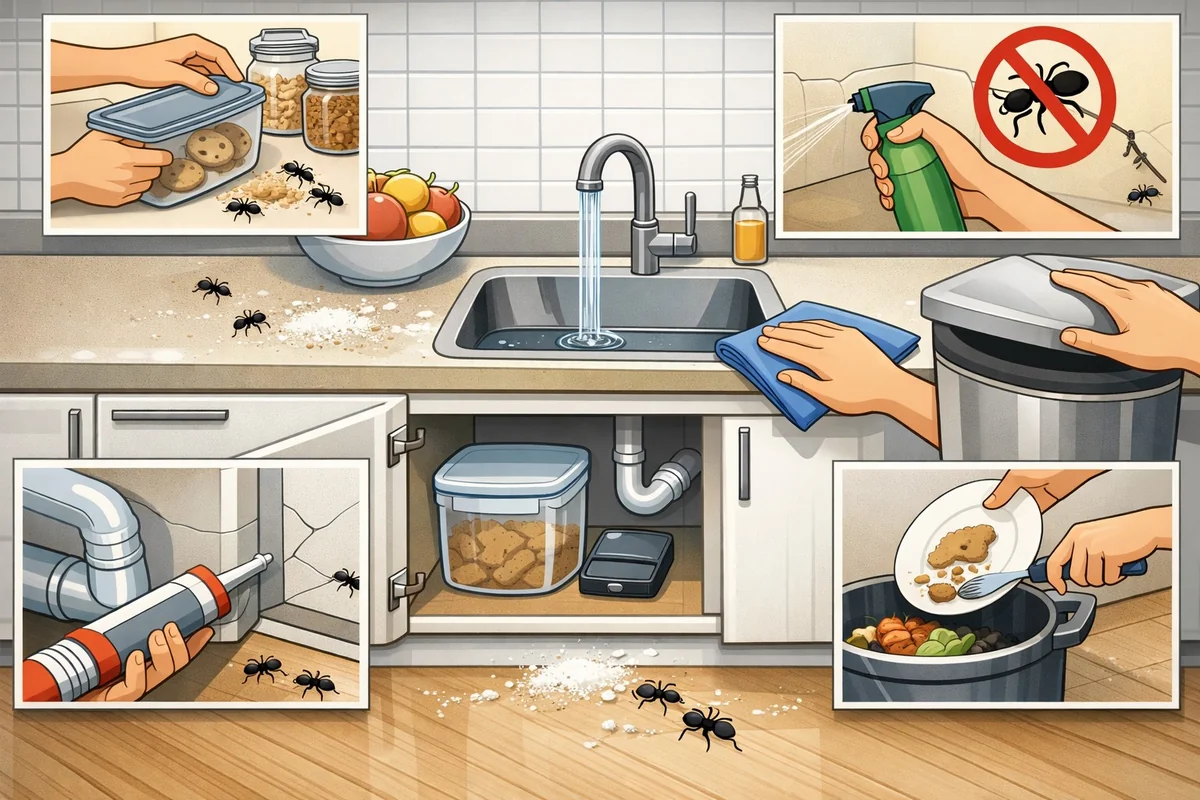

How to Prevent Ants in the Kitchen: Step-by-Step Guide for 2026
Learn how to prevent ants in the kitchen with proven, safe, and budget-friendly DIY methods. Step-by-step instructions, expert tips, and answers to common questions for a pest-free kitchen in 2026.
To prevent ants in the kitchen, keep all surfaces clean, store food in airtight containers, seal entry points, and use ant baits along active trails. This process usually takes under an hour to set up, with visible results in 3-7 days. Focus on eliminating attractants and blocking new access for best results.
Why Ants Invade Kitchens
Ants invade kitchens because they’re drawn to easy food and water sources. Even the tiniest crumbs, sweet spills, or leaking faucets can start an invasion. Customer reports indicate a single drop of juice or a forgotten dog kibble under the stove is all it takes to trigger an ant trail.
Common Attractants in Kitchen Spaces
Sugar is the big one - spilled soda, honey drips, and even traces of syrup on a counter can attract scout ants. Grease splatters, bread crumbs, and fruit left on the counter are nearly as tempting. Pet food is another hotspot, especially overnight or if dishes aren’t washed daily.
What most people don’t realize is that sealed pantry items can still emit odors ants detect. Bags of cereal, snack bars, even chips - if not in truly airtight containers - can draw ants. Moisture sources are equally important: a damp sponge, a slow-leaking dishwasher, or condensation under the sink raises the odds you’ll see ants searching for water.
How Ant Colonies Locate Food Indoors
Ants send out scouts to search for food. When one finds something good, it leaves a pheromone trail back to the nest, basically telling its friends, “This way!” That’s why you’ll suddenly see a line of ants marching to the same spot.
They don’t need much of an opening - tiny cracks around windows, gaps under doors, or holes for plumbing are all easy entry points. If you don’t remove what attracted them in the first place, the colony keeps sending more workers. Even if you wipe up the trail, a persistent colony will keep checking for a new way in unless you break the cycle completely.
For more on ant behavior and control strategies, check Ant Control for in-depth explanations and additional prevention techniques.
Essential Supplies for Kitchen Ant Prevention
Stopping ants in the kitchen is about more than just spraying. You’ll need a few key supplies - both for cleaning and for blocking ants at the source. Here’s what actually works, based on real infestations we’ve seen.
Choosing the Right Cleaning Products
Enzyme-based cleaners are the gold standard. They break down food residues that you can’t see and help erase the scent trails ants use. Vinegar is another strong option - it disrupts pheromones, so ants can’t follow each other to the food, but it doesn’t harm the ants directly.
Bleach works, but it leaves strong fumes and isn’t safe to use around food prep areas. If you go this route, use it sparingly and rinse thoroughly. For day-to-day use, enzyme sprays or a water-vinegar mix are safer and just as effective for kitchen ant prevention.
Recommended Ant Baits and Barriers
Borax-based baits have a proven track record. Ants carry the poison back to their colony, so it reaches the queen and not just the workers you see. Gel baits are even easier to use in tight spots - just squeeze a drop inside cracks or behind the fridge, right where ants travel.
Physical barriers like food-grade diatomaceous earth are good for spot treatments. Sprinkle it along window sills, baseboards, or under appliances; it scratches and dehydrates ants as they cross it. Just remember, you’ll need to reapply after cleaning or if it gets wet.
Safe Tools for Homes with Kids and Pets
If you have kids or pets, use tamper-resistant bait stations. These lock the poison inside, so only ants can get to it. Natural deterrents like cinnamon sticks or citrus oil sprays are non-toxic, but honestly, they’re only effective for mild problems or as a stopgap while you set up real baits.
Ultrasonic repellents are popular, but studies don’t show strong results - some ant species ignore them entirely. If you’re serious about kitchen ant prevention, focus on cleaning, baiting, and sealing, not gadgets that promise miracles.
For a current list of the most effective ant baits and application methods, see our Best Ant Killers for Home Use 2026 guide.
| Method | ★Difficulty Level | ★Time Required | Cost Range | ★Best For | Effectiveness |
|---|---|---|---|---|---|
| Sealing Entry Points | Easy | 1-2 hours for an average kitchen | Budget-friendly | Homeowners seeking a long-term, low-maintenance solution | High |
| Natural Repellents (e.g., vinegar, citrus, essential oils) | Medium | 30-45 minutes per application; requires repeat treatments | Moderate | Eco-conscious users or those with children/pets | Moderate |
| Bait Traps and Barrier Treatments | Medium | 1-2 hours setup; monitor over 1-2 weeks | Moderate | Persistent infestations or high-traffic kitchens | Very High |
| Routine Deep Cleaning | Easy | 2-3 hours, repeated weekly | Budget-friendly | Prevention and maintenance in all kitchen types | High |
| Professional Pest Control Service | Hard | 2-4 hours for treatment; occasional follow-ups | Premium | Large infestations or when DIY methods fail | Excellent |
Step-by-Step Guide to Stop Ants in the Kitchen
Preventing ants in the kitchen isn’t complicated, but you need to follow each step carefully. Miss one, and they’ll be back in a week. Here’s what actually works - no shortcuts, just the process that delivers results.
Step-by-Step Guide
Prevent ants in your kitchen by following these expert-approved steps. Each action is designed for lasting results using modern pest prevention best practices.
Total Time
45 minutes
Difficulty
Beginner
Identify Ant Entry Points
Inspect baseboards, windowsills, plumbing, and cabinets for cracks or gaps where ants may enter. Mark each entry point with painter’s tape for easy reference. Sealing all discovered access points dramatically reduces indoor ant activity.
Pro Tips:
- Use a flashlight to check under sinks and behind appliances.
- Look for ant trails, particularly near food or water sources.
- Pay close attention to corners and wall crevices.
Important Warnings:
- Missing hidden entry points can allow ants to return quickly.
Required Tools:
- Flashlight
- Painter’s tape
Seal Gaps and Cracks
Apply silicone-based caulk to all identified cracks and gaps. Smooth the caulk with a gloved finger or caulking tool for a tight seal. Proper sealing blocks ant access and also prevents moisture-related issues.
Pro Tips:
- Use clear caulk for a discreet finish on visible surfaces.
- Allow caulk to fully cure for at least 2 hours before cleaning nearby.
- Check manufacturer instructions for optimal drying time.
Important Warnings:
- Do not seal over active ant trails—remove ants first to avoid trapping them indoors.
Required Tools:
- Silicone-based caulk
- Caulking gun
- Disposable gloves
- Caulking tool (optional)
Clean Kitchen Surfaces Thoroughly
Wipe countertops, sweep floors, and mop up crumbs or spills using a solution of 1 part vinegar to 3 parts water. This removes food residue and ant scent trails, making your kitchen less attractive to ants.
Pro Tips:
- Pay extra attention to areas under appliances and cabinets.
- Clean food containers and jars before storing.
- Replace dish towels and sponges regularly to remove food odors.
Important Warnings:
- Avoid harsh chemicals around food prep areas—vinegar is effective and food-safe.
Required Tools:
- Microfiber cloths
- Vinegar
- Spray bottle
- Broom and dustpan
- Mop
Store Food in Airtight Containers
Transfer cereals, sugar, flour, and pet food into airtight containers with locking lids. Proper storage eliminates easy food sources, forcing ants to search elsewhere.
Pro Tips:
- Choose BPA-free, stackable containers for efficient storage.
- Label containers with purchase dates to maintain freshness.
- Store fruit in the refrigerator when possible.
Important Warnings:
- Leaving food unsealed, even for a short time, can attract ants overnight.
Required Tools:
- Airtight food storage containers (various sizes)
- Labels (optional)
Set Bait Stations in High-Risk Areas
Place commercial ant bait stations near entry points and along ant trails. Follow package instructions for safe placement. Baits target the colony by attracting worker ants, which carry poison back to the nest.
Pro Tips:
- Choose bait stations labeled for the specific ant species if known.
- Replace bait every 1-2 weeks or as recommended by the manufacturer.
- Monitor for reduced ant activity over 48-72 hours.
Important Warnings:
- Keep bait stations out of reach of children and pets.
- Do not use sprays near bait—this can deter ants from taking the bait.
Required Tools:
- Commercial ant bait stations
Identifying Entry Points and Nesting Sites
Watch where ants enter - follow their trail from the food source back to the wall, baseboard, or window. Check for small piles of soil, sawdust, or concentrated clusters of ants - these can signal a nest nearby. Don’t assume there’s only one entry; kitchens often have multiple gaps, especially in older homes.
Cleaning and Removing Food Sources
Wipe down every surface - counters, floors, cabinet fronts - with an enzyme or vinegar-based cleaner. This erases the invisible pheromone trails ants use to mark the path to food. Store all food, including snacks and baking ingredients, in airtight containers - plastic wrap or chip clips aren’t enough.
Don’t forget to empty trash cans and pet food bowls every night. Even a few leftover crumbs or a sticky spot below the trash lid can keep ants coming back. Clean under appliances and inside cabinet corners, too - these spots are easy to miss but often hide the real attractants.
Applying Ant Baits and Non-Toxic Deterrents
Place ant baits right on the ant trails, but away from where you’ll be cleaning or mopping. You want the ants to find the bait, carry it home, and spread it to the whole colony. Use diatomaceous earth or essential oil sprays at entry points for extra protection - just don’t put them so close to the bait that they scare ants away from it.
Spraying household repellents on active ant trails is a mistake. It breaks up the colony and can make them harder to eliminate. The key is patience - let the ants take the bait back to the nest, even if it means dealing with more visible ants for a few days.
Sealing Gaps and Ongoing Monitoring
Once ants are under control, seal all visible gaps with caulk or weather stripping. This blocks future entry and makes your kitchen far less attractive. After rain or during spring, check for new activity - ant invasions often spike with weather changes.
Monitor bait stations weekly. If bait disappears fast, you’re making progress - replace as needed until ant activity stops. If you still see ants after two weeks, look for new entry points or try a different bait formula.
Comparing DIY vs Store-Bought Ant Solutions
Not all ant prevention methods are created equal. Homemade remedies appeal to budget-conscious DIYers, but there are trade-offs you should know about before you rely on them for kitchen ant prevention.
Homemade Remedies: Pros and Cons
DIY options like vinegar, baking soda, or essential oil sprays are cheap and easy to find. For small, isolated infestations, they can help disrupt trails or mask attractants. But their effectiveness depends heavily on the ant species and how severe the invasion is.
Many natural remedies only repel ants temporarily - they don’t kill the colony or solve the root problem. Some, like baking soda, are more folklore than science. If you want a real solution, DIY can be a start, but you’ll usually need to upgrade to stronger methods for lasting results.
Effectiveness of Commercial Ant Baits
Commercial baits are engineered to match ant foraging behavior, making them more effective for colony elimination. Ingredients like borax or hydramethylnon work slowly - giving ants time to carry poison back to the queen. This is the only way to stop a colony for good.
Store-bought baits come in different formulas and delivery systems: liquid, gel, granule, and enclosed stations. Some work faster (a few days), others take up to two weeks. You need patience and proper placement, but when used correctly, commercial baits are the most reliable way to stop ants in the kitchen for good.
Common Mistakes That Attract Ants Back
It’s easy to undo your hard work with a few overlooked details. The most common mistakes we see are missing hidden food sources and misusing sprays or repellents, which can make the ant problem worse.
Overlooking Hidden Food Sources
Ants will find any crumb left behind, especially under appliances, inside cabinet corners, or in pantry cracks. Sticky spots from honey, juice, or syrup are often invisible but still attract scouts. If your pet food area isn’t spotless, expect ants to return there first.
Misusing Sprays and Repellents
Spraying ant trails with store-bought repellents can scatter ants and drive them deeper into your home. Worse yet, using repellents near ant baits will keep the workers from carrying poison back to the nest - stalling your own efforts. Overusing chemical sprays can even create resistant ant populations over time, making future invasions harder to control.
Tips for Long-Term Kitchen Ant Prevention
Keeping ants out of your kitchen isn’t a one-and-done job. You need ongoing vigilance and a few smart habits to stay ahead of seasonal surges and new colonies setting up shop nearby.
Routine Cleaning and Maintenance Habits
Wipe down kitchen surfaces daily and do a deeper clean once a week - this breaks the cycle of ants finding food. Check for leaks or damp spots under sinks and behind appliances, as moisture is a huge ant attractant. Regularly rotate pantry items so nothing gets forgotten (and moldy) in the back, tempting ants months later.
Seasonal Ant Activity and Prevention
In spring and after heavy rain, expect ant activity to spike as colonies move and send out more scouts. Placing bait stations proactively before these surges can stop infestations before they start. Maintain your yard: trim bushes and branches away from the house, and keep mulch or compost piles well away from the kitchen walls - this reduces outdoor ant pressure significantly.
When to Call a Professional Exterminator
DIY methods handle most kitchen ant problems, but sometimes you hit a wall. If ants keep returning despite your best prevention, or you spot large numbers of winged ants (swarmers), it’s time to call a pro. Multiple ant species, structural damage, or nests hidden in inaccessible areas also call for expert intervention.
What Professionals Can Offer
Exterminators have access to commercial-grade baits and treatments not available to the public. They can identify ant species precisely (key for stubborn infestations) and build a plan that targets nests you can’t reach. Professional follow-up and monitoring ensure the whole colony is gone - not just the workers you see in the kitchen.
Frequently Asked Questions About Kitchen Ant Prevention
❓ Frequently Asked Questions
How do I prevent ants from entering my kitchen?
How do I prevent ants from entering my kitchen?
To prevent ants in the kitchen, keep surfaces clean, store food in sealed containers, and promptly fix leaks. Regularly wipe down countertops and sweep floors. Seal cracks and entry points using caulk. Taking these steps makes your kitchen less attractive to ants and helps stop infestations before they start.
What are the most effective natural remedies for keeping ants out of the kitchen?
What are the most effective natural remedies for keeping ants out of the kitchen?
Natural remedies for ant prevention include using vinegar or lemon juice to wipe surfaces, sprinkling cinnamon or coffee grounds near entry points, and placing bay leaves in cupboards. These substances disrupt ant scent trails. However, effectiveness varies, and persistent infestations may require additional control measures or professional help.
How often should I clean my kitchen to avoid attracting ants?
How often should I clean my kitchen to avoid attracting ants?
Clean your kitchen daily to minimize ant attraction. Wipe counters, sweep floors, and empty trash bins every day. Weekly, deep clean under appliances and inside cabinets. According to pest control experts, consistent daily cleaning is the most effective way to prevent ant problems in kitchens.
Which ant baits work best for kitchens?
Which ant baits work best for kitchens?
Choose ant baits with both sugar-based and protein-based attractants, since kitchen ants vary by species. Look for baits containing borax or hydramethylnon, which disrupt colony growth. Most users report that gel baits are easier to apply near entry points and under cabinets. Always follow label instructions for safe use near food areas.
What should I look for when buying ant repellents for use in kitchens?
What should I look for when buying ant repellents for use in kitchens?
When buying ant repellents for kitchens, check for food-safe labeling, low-toxicity active ingredients, and ease of application (gel, spray, or granule). - Food-safe: Safe for use near food prep areas - Low toxicity: Safer for pets and children - Residual action: Longer protection. Always review user ratings for real-world performance.
Why do ants keep returning to my kitchen even after cleaning?
Why do ants keep returning to my kitchen even after cleaning?
Ants often return due to unsealed entry points, hidden food crumbs, or ongoing moisture issues. Even with regular cleaning, small food residues or unnoticed leaks can attract ants. Reseal gaps, fix drips, and monitor for ant trails. Persistent problems may indicate a nest nearby that requires targeted treatment.
Is it safe to use chemical ant sprays in the kitchen?
Is it safe to use chemical ant sprays in the kitchen?
Chemical ant sprays can be used in kitchens if labeled for indoor and food-area use. Always read instructions and avoid spraying near food or utensils. Most products require thorough ventilation after use. For homes with children or pets, opt for low-toxicity formulas or natural alternatives whenever possible.
Key Takeaways for a Pest-Free Kitchen
Preventing ants in the kitchen takes a mix of thorough cleaning, sealing up entry points, and using baits that target the whole colony. Regular monitoring and adapting your approach with the seasons make a huge difference. The real key is persistence - don’t give up after a few days, and you’ll see lasting results.
If ants return, look for missed crumbs, try a different bait, or check for new cracks or leaks. Sometimes, you need to rotate baits to outsmart a stubborn colony. If nothing works, there’s no shame in calling a pro - especially if you see winged ants or structural damage.
Start with the steps above and stick with them. A pest-free kitchen is possible with attention to detail, a little patience, and the right supplies.
Related Articles
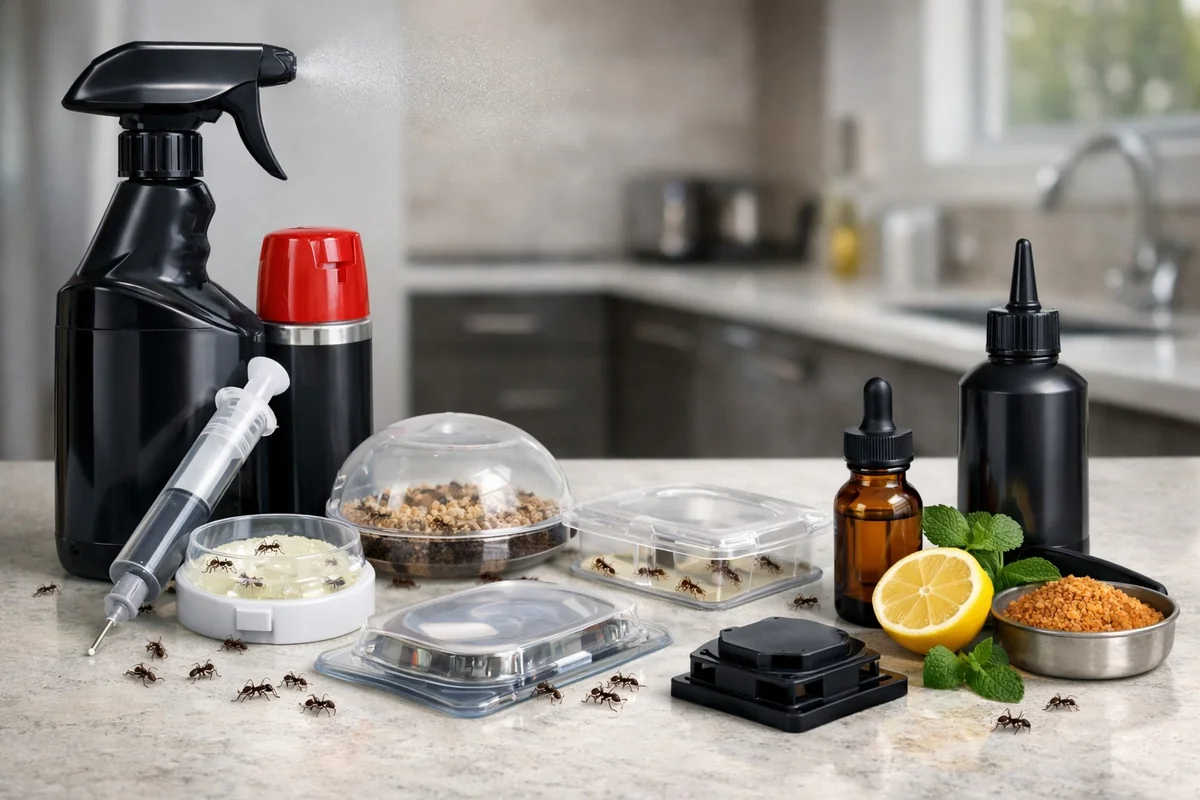
Best Ant Killers for Home Use 2026: Top Baits, Sprays, and Natural Options Compared
Discover the best ant killers for home use in 2026. Compare top baits, sprays, natural options, and expert tips for safe, effective ant control - without hiring an exterminator.
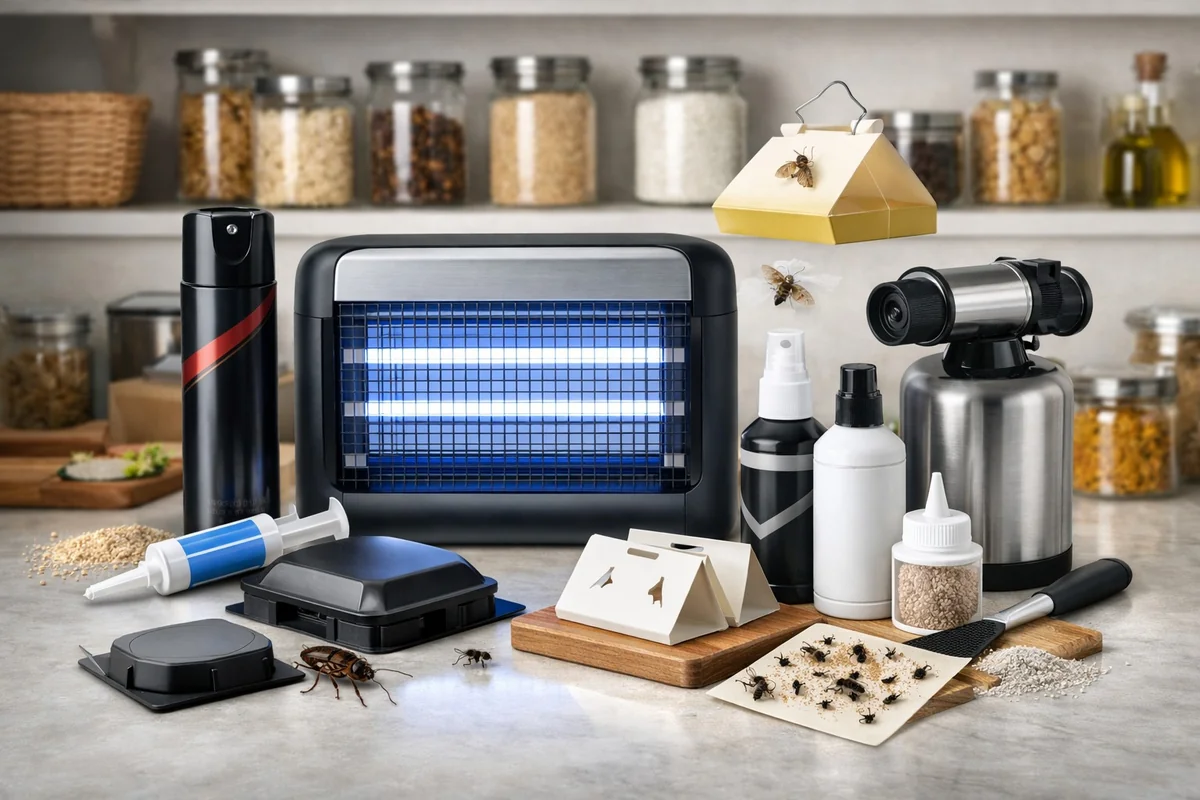
Best Kitchen Pest Control Products 2026: Ant, Roach, Moth & Fly Solutions
Find the best kitchen pest control products for 2026, including safe ant baits, cockroach gels, pantry moth traps, fly solutions, and natural options. Expert advice on choosing safe, effective, and budget-friendly pest killers for food storage areas.
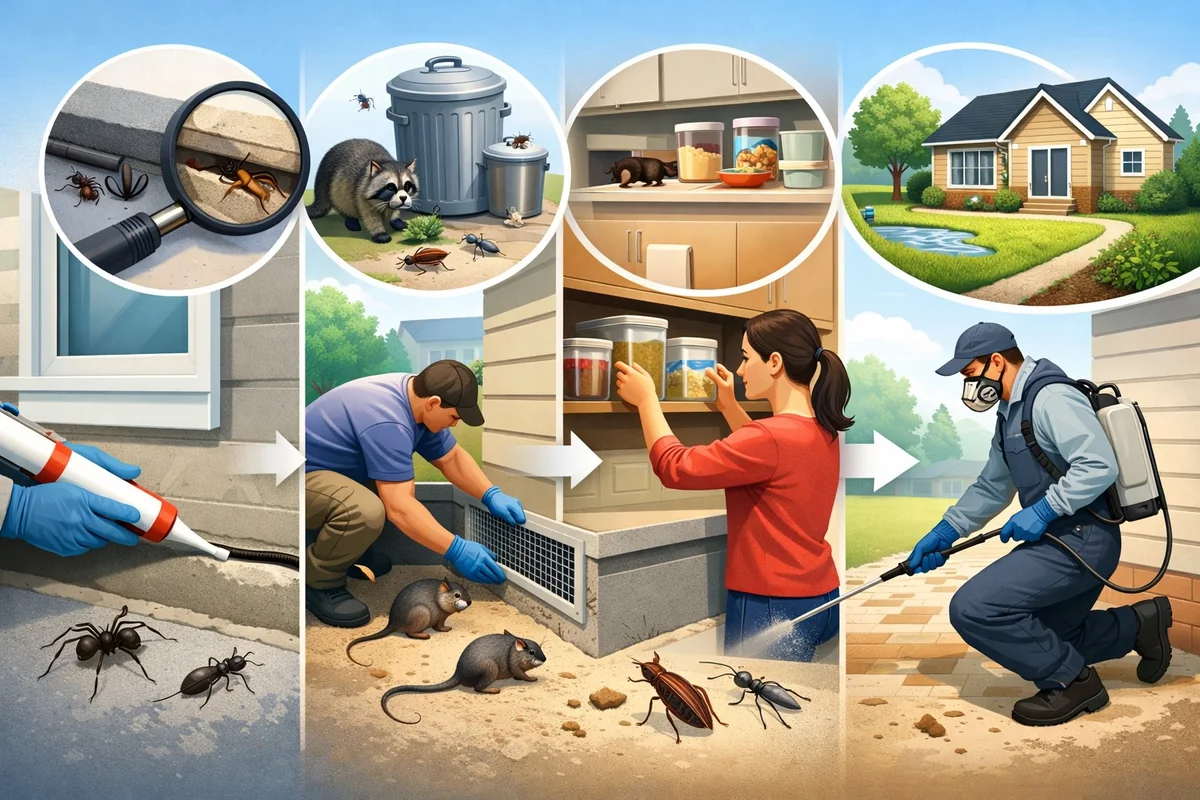
Complete Guide to Pest Prevention in Homes: Stop Pests in 2026
Protect your home in 2026 with this complete pest prevention guide. Discover proven DIY methods, room-by-room tips, safe solutions for families, and expert advice to stop pests before they start.
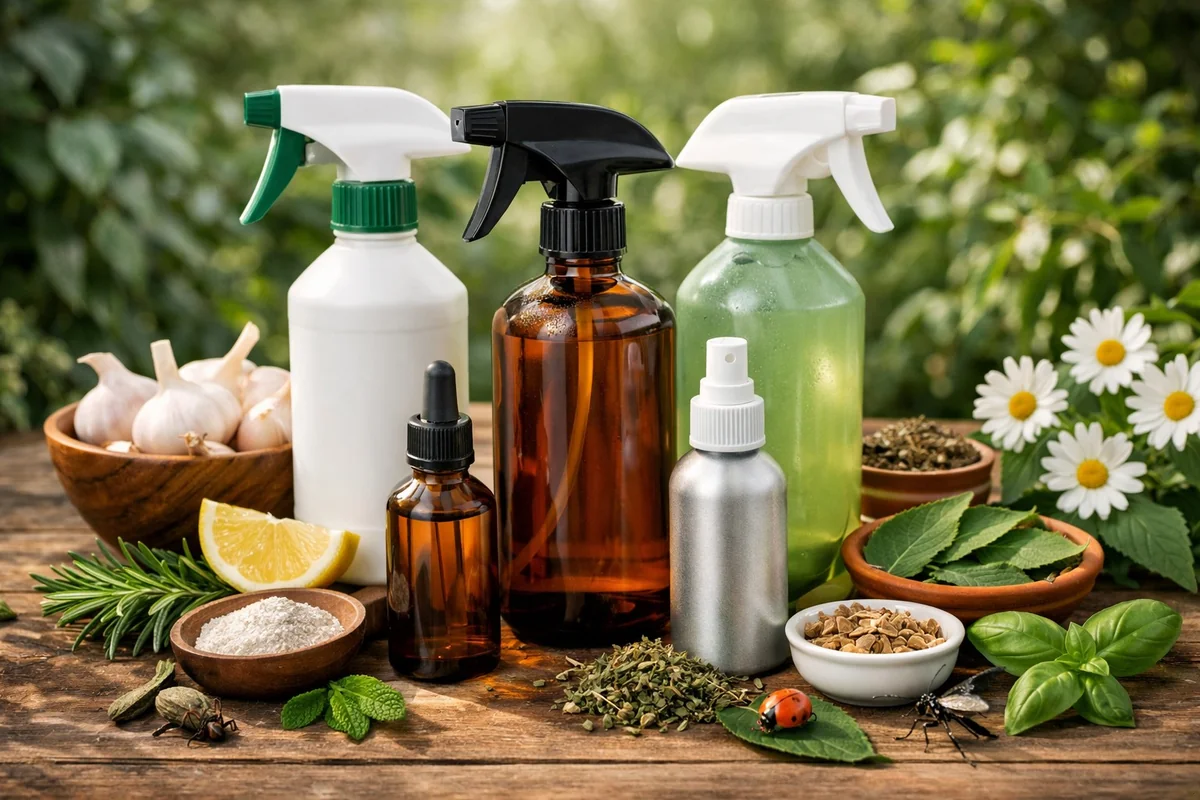
Best Natural and Organic Pest Control Products 2026: Safe, Eco-Friendly Solutions for Every Home
Find the best natural and organic pest control products for 2026. Safe, eco-friendly solutions for ants, roaches, rodents, and more - ideal for families and pet owners.