
How to Prevent Fleas on Pets and Furniture: Step-by-Step Guide for 2026
Learn proven strategies to prevent fleas on pets and furniture with safe, budget-friendly methods. Step-by-step flea prevention tips for homes in 2026 - keep your pets and living spaces flea-free without expensive exterminators.
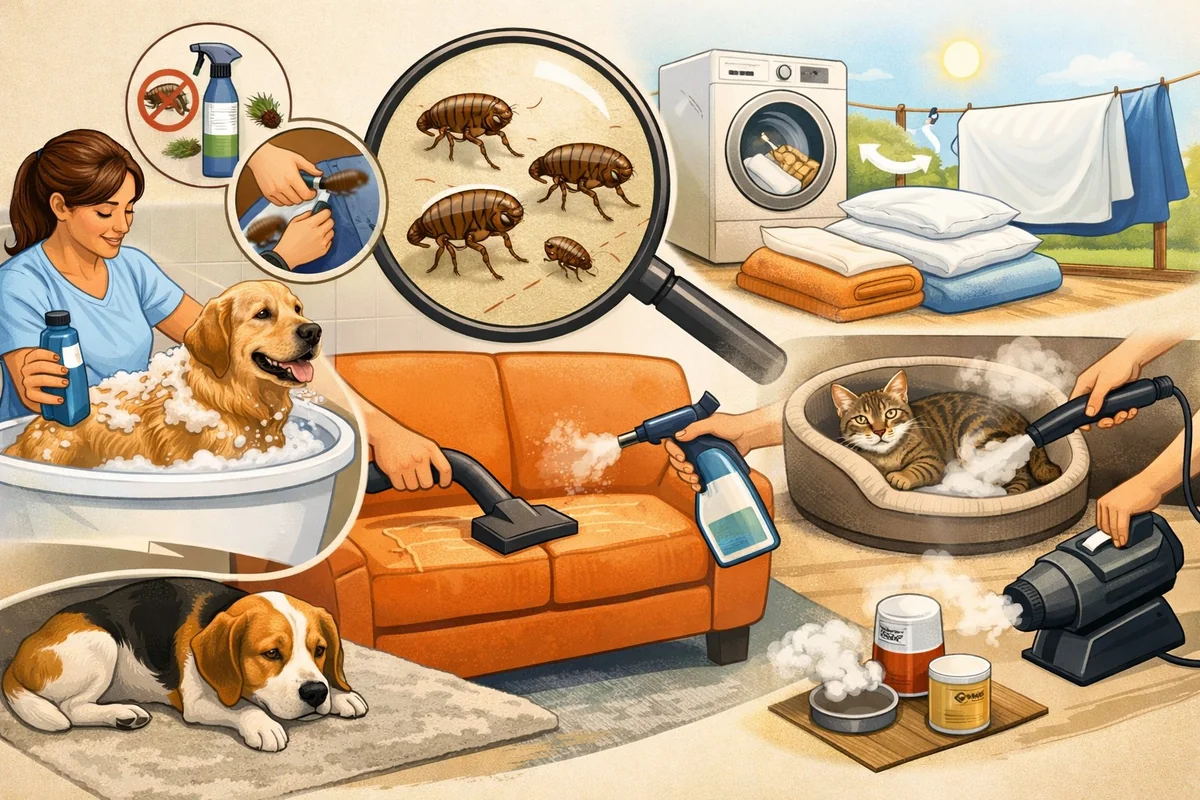
To prevent fleas on pets and furniture, treat all animals with vet-approved flea control, clean high-risk areas daily, and use effective sprays or powders on soft furnishings. The process requires 2-4 weeks of diligence. Consistent, integrated treatment is key - treating only pets or only the home almost always leads to re-infestation.
How Fleas Infest Pets and Furniture
If you’ve ever battled fleas, you know how relentless they can be. Understanding how fleas move between your pets and furniture is the first step to breaking the cycle for good.
Flea Life Cycle and Why It Matters
Fleas go through four stages: egg, larva, pupa, and adult. Adults live mostly on pets, but their eggs and larvae drop off and hide in carpets, bedding, and upholstery. Missing these early stages is the number one reason infestations keep coming back.
When you kill only the adult fleas, you leave behind a hidden army. Eggs hatch within days, larvae wriggle deep into fibers, and pupae can wait dormant for weeks - sometimes longer. That’s why a one-time treatment almost never cuts it.
How Fleas Move Between Pets and Home Surfaces
Once fleas hitch a ride on your pet, they quickly spread to every soft surface: beds, couches, blankets, even the cracks in hardwood floors. Adult fleas jump off when your pet rests, laying eggs that scatter everywhere.
Vibration and body heat from people or pets sitting on furniture trigger new fleas to emerge from their cocoons. That’s why you’ll often see a fresh burst of bites after cleaning or heavy use of a room. Even after treating your pet, untreated furniture can keep seeding new fleas for weeks.
If you want a complete picture of how fleas operate - and why integrated tactics matter - see our in-depth guide on Flea Control.
Essential Tools and Products for Flea Prevention
Stopping fleas requires more than one product. You need treatments that work on your pets and separate solutions for your home’s soft furnishings. Here’s what actually delivers results as of 2026.
Topical Treatments vs Oral Medications for Pets
Topical “spot-on” treatments like fipronil or imidacloprid are applied to your pet’s skin and kill adult fleas on contact. They’re a staple for most pet owners and start working within hours. Oral medications such as nitenpyram (fast-kill) or lufenuron (which inhibits flea development) enter your pet’s bloodstream and can break the breeding cycle from the inside out.
Oral meds are often a better option if you’re worried about chemical residue on fur or furniture. But they demand strict adherence to dosing schedules - miss a dose, and you’ll see fleas rebound within days. Not all pets tolerate oral meds the same, so watch for side effects like vomiting or lethargy.
Flea Sprays, Powders, and Foggers for Furniture
Furniture is a prime flea reservoir, especially during an outbreak. Flea sprays with active ingredients like permethrin or IGRs (insect growth regulators) target eggs and larvae deep in upholstery seams and carpets. Powders such as diatomaceous earth physically dehydrate fleas, but require careful cleanup after use.
Foggers can cover an entire room, but they often miss low-traffic areas like under couches and beds. For the most stubborn infestations, a layered approach is best - start with a targeted spray and follow up with a powder as insurance. If you’re comparing options, our Best Flea Sprays and Powders for Home 2026 roundup covers what’s working this year.
Vacuum Cleaners and Steamers: Mechanical Removal
Vacuuming is not optional - it’s essential. A single session can pick up up to 30% of flea eggs and larvae from carpets, especially when you focus on pet bedding, under cushions, and along baseboards. Upright vacuums with HEPA filters are ideal, but any vacuum is better than none.
Steamers go a step further, killing fleas at all life stages with heat above 120°F. Just keep in mind: steam can damage some fabrics, so always test an inconspicuous spot first. Always empty vacuum bags or canisters outside immediately, as live fleas can escape and start the cycle all over again.
Step-by-Step Guide: Preventing Fleas on Pets
The backbone of flea prevention is regular, effective treatment for every pet in your household. Here’s how to do it right - and what most people miss.
Step-by-Step Guide
Follow this step-by-step guide to prevent fleas on pets and furniture using modern best practices. Each step outlines specific actions, tips, and tools to help you achieve lasting flea prevention and maintain a healthy environment.
Total Time
2 hours 10 minutes
Difficulty
Beginner
Vacuum All Surfaces Thoroughly
Vacuum carpets, rugs, upholstery, and pet bedding with a high-efficiency vacuum cleaner. Focus on corners, under furniture, and along baseboards for at least 10 minutes per room. This removes flea eggs, larvae, and adults before they can multiply.
Pro Tips:
- Empty the vacuum canister outdoors immediately after use.
- Use a crevice tool to reach tight areas.
- Repeat vacuuming every 2-3 days for best results.
Important Warnings:
- Don't skip hidden areas—fleas often hide in cracks and under cushions.
- Avoid using worn-out vacuum bags; they can leak flea debris back indoors.
Required Tools:
- High-efficiency vacuum cleaner (HEPA recommended)
- Crevice tool attachment
- Garbage bags for vacuum debris
Wash Pet Bedding and Fabrics
Launder all pet bedding, blankets, and removable furniture covers in hot water (at least 130°F) and dry on high heat. Hot washing kills fleas, eggs, and larvae, preventing re-infestation.
Pro Tips:
- Wash items separately from regular laundry.
- Check manufacturer instructions before using high heat.
- Wash bedding weekly during flea season for ongoing prevention.
Important Warnings:
- Do not air-dry—heat from the dryer is required to kill all flea stages.
- Avoid overloading the washing machine, as crowded loads may not clean thoroughly.
Required Tools:
- Washing machine with hot water setting
- Dryer with high heat setting
- Laundry detergent (pet-safe recommended)
Apply Vet-Recommended Flea Preventives to Pets
Treat each pet with a veterinarian-approved topical, oral, or collar flea preventive as directed. Use the correct product and dosage for your pet’s species and weight to ensure effective flea control and long-lasting protection.
Pro Tips:
- Schedule monthly reminders for treatments.
- Monitor pets for any skin reactions post-application.
- Consult your vet for combination flea and tick products for broader protection.
Important Warnings:
- Never use dog products on cats—incorrect use can be toxic.
- Follow label instructions exactly; overdosing can harm your pet.
Required Tools:
- Vet-recommended flea preventive (topical, oral, or collar)
- Gloves (for topical application)
- Pet scale (optional, for accurate dosing)
Treat Home with Safe Flea Control Products
Apply a pet-safe, EPA-registered flea spray or powder to carpets, furniture, and pet areas. Follow product instructions carefully, ventilating rooms during and after use. This step targets remaining fleas and prevents new infestations.
Pro Tips:
- Test products on a small area first to check for staining.
- Allow treated areas to dry fully before allowing pets or children to re-enter.
- Consider using insect growth regulators (IGRs) for extra effectiveness.
Important Warnings:
- Do not use products labeled as outdoor-only inside your home.
- Wear gloves and a mask when applying sprays or powders to avoid irritation.
Required Tools:
- Pet-safe flea spray or powder (EPA-registered)
- Protective gloves and mask
- Fans for ventilation
Maintain Regular Grooming and Monitoring
Brush pets with a fine-toothed flea comb every 2-3 days, especially during warmer months. Inspect for live fleas or flea dirt and bathe pets with vet-approved flea shampoos as needed. Ongoing grooming helps catch early signs of infestation.
Pro Tips:
- Comb over a white towel to easily spot fleas or black specks.
- Dispose of any fleas or debris in soapy water to prevent escape.
- Keep grooming tools clean and sanitized after each use.
Important Warnings:
- Do not use harsh shampoos intended for humans—always use pet-specific products.
- If your pet shows skin irritation, consult your veterinarian promptly.
Required Tools:
- Fine-toothed flea comb
- Vet-approved flea shampoo
- White towel for inspection
Monitor and Treat Outdoor Areas
Inspect and treat shaded or damp outdoor areas where pets spend time. Apply yard-safe flea control products to these spots, focusing on under decks, bushes, and pet resting areas for targeted prevention.
Pro Tips:
- Trim grass and remove debris to reduce flea habitats.
- Reapply outdoor treatments after heavy rain as directed by the label.
- Limit pet access to untreated areas until fully dry.
Important Warnings:
- Keep pets and children away from treated areas until products are dry.
- Use only products labeled as safe for pets and wildlife.
Required Tools:
- Pet- and yard-safe flea spray or granules
- Garden gloves
- Lawn rake or trimmer
Applying Preventive Treatments Safely
Always select a flea control product based on your pet’s weight and species - never substitute dog formulas for cats (or vice versa). Overdosing can cause drooling, tremors, or worse, so stick to the label’s instructions. Apply spot-ons directly to the skin, parting the fur so medication soaks in where it counts.
Bathing too soon can wash off active ingredients. Wait 24–48 hours after application before giving your pet a bath, and don’t apply to wet fur. If your pet is prone to allergies, start with a small area and monitor for redness or swelling.
Bathing and Grooming Routines That Deter Fleas
Flea shampoos with pyrethrin or mild citrus extracts can knock down adult fleas quickly, though they won’t prevent re-infestation on their own. Use a flea comb daily - especially around the neck, tail, and behind ears - to physically remove fleas and eggs. Regular grooming helps you spot the first sign of trouble before it becomes a full-blown outbreak.
For long-haired pets, trimming fur around the belly and tail can reduce hiding places. Always dispose of combed-out fleas in soapy water, not the trash - they can jump right back onto your pet.
Monitoring for Side Effects and Treatment Failure
Keep a close eye on your pet for the first 48 hours after starting any new flea control. Signs like skin irritation, lethargy, or vomiting mean you should stop treatment and consult your vet. If you’re still seeing fleas after 2 weeks, it’s time to switch to a different active ingredient - fleas can develop resistance within a single season.
Multiple pets reacting poorly is a red flag. In that case, consult your veterinarian before trying another product, and avoid mixing treatments unless directed by a professional.
Step-by-Step Guide: Stopping Fleas in Furniture and Home
Even the best pet treatments fail if your home remains a flea breeding ground. Flea prevention tips for furniture focus on cleaning, targeted product use, and consistent routines.
Vacuuming and Cleaning High-Risk Areas
Focus your cleaning on where fleas like to hide: pet beds, under couch cushions, and along the edges of carpets. During an active infestation, daily vacuuming can reduce flea numbers by up to 50% in just a week. Don’t forget to empty your vacuum outside each time, or you’ll just be giving fleas and their eggs a free ride back into your home.
Choosing and Applying Safe Flea Sprays Indoors
Look for sprays that include IGRs - these break the flea life cycle by preventing eggs from hatching and larvae from maturing. Always test new sprays on a hidden part of your furniture first to check for staining or discoloration. After spraying, keep pets and kids out of the room until the product is completely dry (typically 2–4 hours).
Read all label directions closely. Never mix sprays or layer products unless specifically recommended, as this can create unsafe chemical combinations.
Washing and Treating Soft Furnishings
Wash pet bedding, throws, and any blankets your pets use in the hottest water your machine allows - 140°F or higher is ideal. Hot water kills all flea life stages, from eggs to adults. For fabrics that can’t be machine-washed, look into professional cleaning or extended time in direct sunlight.
During an infestation, repeat laundering every week for at least a month. Persistent fleas often hide in items you forget to wash, like decorative pillows or stuffed toys.
Common Mistakes That Lead to Flea Reinfestation
Here’s the thing: most recurring flea problems aren’t about the products - they’re about the process. Here’s what trips people up and how to avoid it.
Treating Only Pets or Only the Home
If you treat your pets but ignore the home, eggs and larvae in carpets will hatch and jump right back on. Treat only the furniture, and any untreated pets will re-seed the infestation. Integrated treatment is non-negotiable - both pet and home need attention at the same time.
Underestimating Flea Life Cycle Duration
Flea pupae can survive dormant for weeks or even months, waiting for the right conditions to emerge. Many people stop cleaning or treating too soon, thinking the job is done. Consistent follow-up for at least 3–4 weeks is necessary to break the cycle completely.
Improper Use of Products or Home Remedies
Homemade fixes like vinegar or essential oils may deter fleas temporarily, but they rarely kill all life stages. Misusing chemicals - either by doubling up or applying them too often - can harm your pets and damage your furniture. Always stick to label instructions, and never mix products unless you’ve got expert guidance.
Natural and Non-Toxic Flea Prevention Options
If you’re concerned about chemicals, there are some non-toxic flea prevention tips that genuinely help - but know their limits. These methods work best as part of an overall strategy, not as a standalone fix.
Diatomaceous Earth and Mechanical Barriers
Diatomaceous earth (DE) is a fine powder that dries out fleas’ exoskeletons. It’s safe for most homes, but only effective when dry - humidity or spills render it useless. Apply it to carpets and leave for 24–48 hours, then vacuum thoroughly.
Washable covers for pet beds or furniture can also minimize hiding spots. Just be aware that DE can be messy and may cause lung irritation if you or your pets inhale it - wear a mask during application and keep animals away until cleanup is complete.
Herbal Sprays and Essential Oil Cautions
Herbal sprays with cedarwood or lemongrass may temporarily repel fleas, but their effect rarely lasts more than a day or two. Some essential oils, like tea tree or pennyroyal, are toxic to pets even in small amounts. Use these sprays only on areas pets can’t access, and never on bedding or directly on animals.
If you want a natural boost, stick to commercially formulated products labeled as safe for pets - never DIY essential oil blends unless you’re absolutely sure about safety.
Frequent Laundry and Sunlight Exposure
Washing all pet bedding and throws in hot water is a simple, non-toxic way to physically remove eggs and larvae. Sunlight exposure can dry out and kill flea eggs, but it’s only practical for items you can move outdoors. This method works best in dry, sunny weather and with fabrics that won’t fade or shrink.
When to Seek Professional Help for Flea Control
Some infestations simply outpace DIY efforts. If you’ve stuck to prevention tips and still see fleas, it may be time to call in a professional.
Signs Your DIY Efforts Aren't Working
If your pets are still scratching, or you’re still finding fleas after 4+ weeks of consistent treatment, the infestation may be too severe for home remedies. Widespread bites on people or multiple pets despite following all the recommended steps is another red flag. Recurring problems, even after several rounds of cleaning and chemical treatments, usually mean there’s a hidden reservoir you can’t reach on your own.
Risks of Severe Infestations to Pets and Humans
Heavy flea loads can cause anemia in pets, especially kittens and puppies. Fleas can also carry tapeworms and bacterial infections. For humans, bites can trigger allergic reactions or lead to secondary skin infections from scratching.
Severe outbreaks sometimes require professional-grade insecticides and equipment to fully clear your home.
Frequently Asked Questions About Flea Prevention
❓ Frequently Asked Questions
How do I prevent fleas on my pets and furniture?
How do I prevent fleas on my pets and furniture?
To prevent fleas on pets and furniture:
- Use veterinarian-approved flea preventives on pets monthly
- Wash pet bedding and vacuum carpets weekly
- Treat home and furniture with pet-safe sprays or powders
- Regularly check pets for fleas
Keeping clutter minimal reduces flea hiding spots. Consistent prevention is more effective than treating infestations.
What is the difference between topical and oral flea treatments for pets?
What is the difference between topical and oral flea treatments for pets?
Topical flea treatments are applied to your pet’s skin and offer external protection, while oral treatments are chewable or tablets that work systemically. Oral treatments often act faster but may not repel fleas. Both methods help prevent infestations, but some pets may tolerate one type better than the other.
How often should I vacuum to control fleas in my home?
How often should I vacuum to control fleas in my home?
Vacuuming at least twice per week is recommended to control fleas, especially during peak flea season. Focus on carpets, pet bedding, and furniture. Frequent vacuuming removes flea eggs and larvae, reducing the population. Always empty the vacuum immediately after use, as fleas can survive inside the bag or canister.
What should I look for when choosing a flea spray for furniture?
What should I look for when choosing a flea spray for furniture?
When choosing a flea spray for furniture, consider:
- Active ingredients: look for IGRs (insect growth regulators) to disrupt flea life cycles
- Safety: ensure the product is labeled safe for use around pets and children
- Residual effect: longer-lasting formulas require fewer applications
- Scent: unscented or low-odor options are best for indoor use
Read user reviews for real-world performance insights.
Why do I need to treat both my pets and home for fleas?
Why do I need to treat both my pets and home for fleas?
Treating both pets and your home is essential because fleas lay eggs in carpets, bedding, and furniture - not just on animals. Addressing only one area often leads to reinfestation. Comprehensive treatment breaks the flea life cycle and ensures long-term control. Omitting either step typically results in recurring problems.
Which flea prevention method is best for indoor cats?
Which flea prevention method is best for indoor cats?
For indoor cats, topical spot-on treatments are most commonly recommended for ongoing flea prevention. These are easy to apply and offer up to 30 days of protection. Oral options are available but may require prescription. Ensure any product is specifically labeled for cats to avoid toxicity risks.
How can I tell if my furniture has fleas?
How can I tell if my furniture has fleas?
Signs of fleas in furniture include tiny black specks (flea dirt), red bite marks on people or pets, and seeing small jumping insects. Check seams and crevices of couches or chairs for movement. If unsure, place a white towel on furniture and tap - it may reveal fleas or debris.
Key Takeaways for Lasting Flea Prevention
Solving a flea problem for good means combining diligent pet treatment with thorough home cleaning. Monthly flea control for every pet, plus weekly hot-water laundry and vacuuming, stops most infestations before they start. For stubborn cases, rotate products each year to prevent resistance, and always involve your vet if pets show side effects.
Stay vigilant with regular inspections - look for flea dirt, itching, or bite marks on pets and furniture. Adjust your routine seasonally, as fleas thrive in warm, humid weather. Keeping a calendar for treatments and chores helps avoid lapses that lead to re-infestation.
If you’re starting from scratch, set aside a weekend to treat pets and deep clean your home at the same time. Stay consistent for 3–4 weeks, and you’ll break the cycle for good. When in doubt, don’t hesitate to bring in a pro before things spiral out of control.
Related Articles
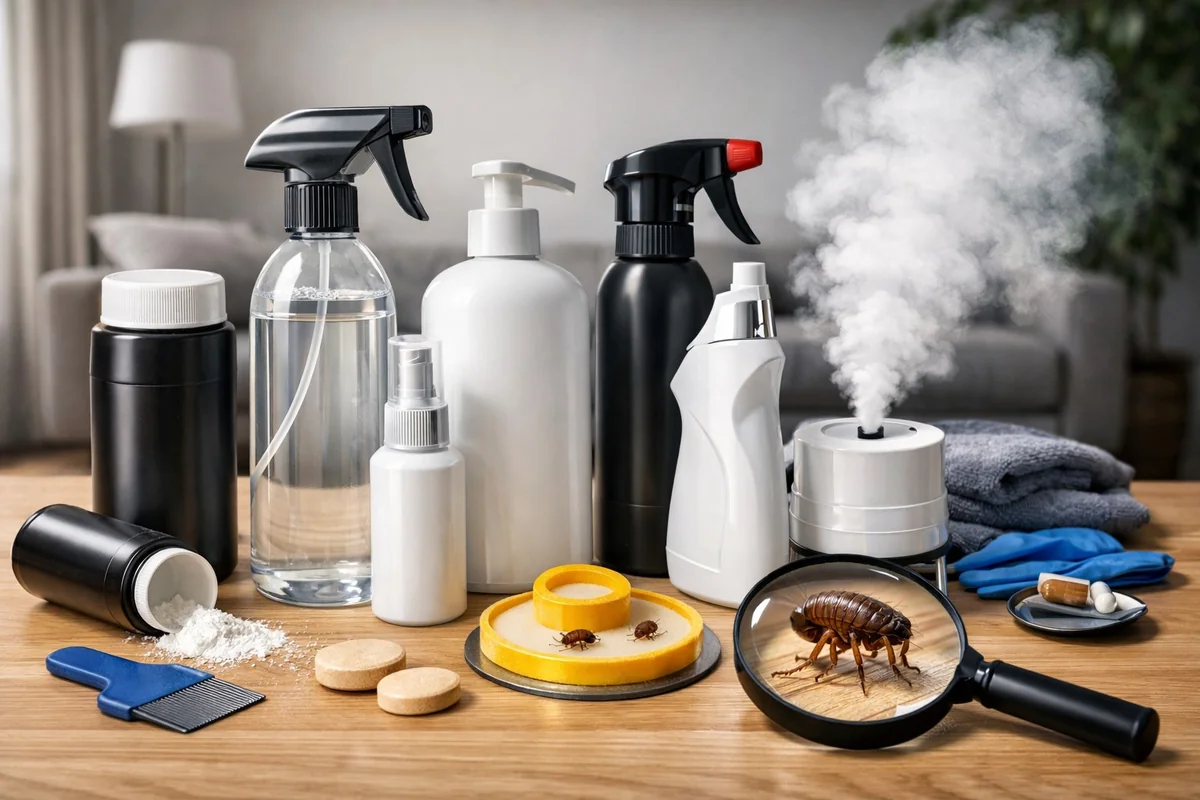
Best Flea Sprays and Powders for Home 2026: Top Picks by Type
Find the best flea sprays and powders for your home in 2026. Explore top-rated, safe, and effective flea control products for carpets, furniture, and pets - plus expert buying tips and FAQs.
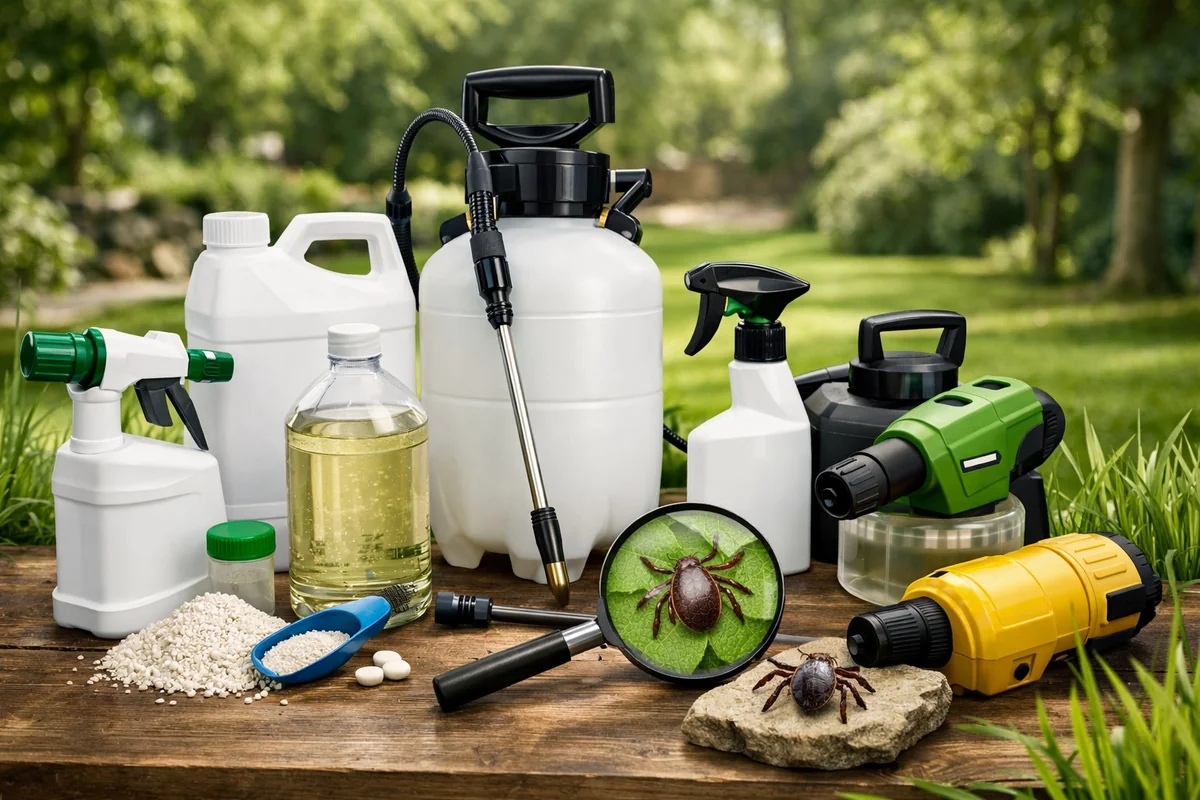
Best Tick Sprays and Yard Treatments 2026: Top Products for Safe Tick Control
Find the best tick sprays and yard treatments for 2026. Compare top tick control products, natural options, and expert tips to keep your yard tick-free and safe for family and pets.
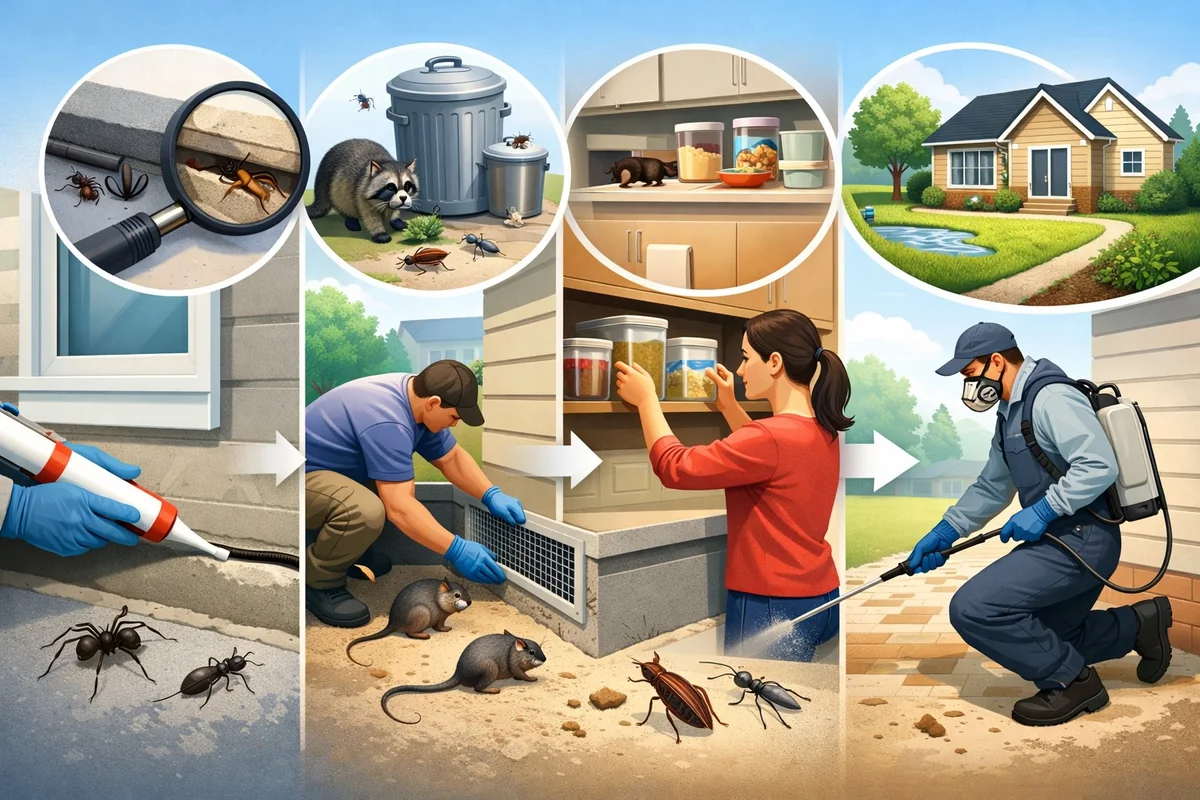
Complete Guide to Pest Prevention in Homes: Stop Pests in 2026
Protect your home in 2026 with this complete pest prevention guide. Discover proven DIY methods, room-by-room tips, safe solutions for families, and expert advice to stop pests before they start.
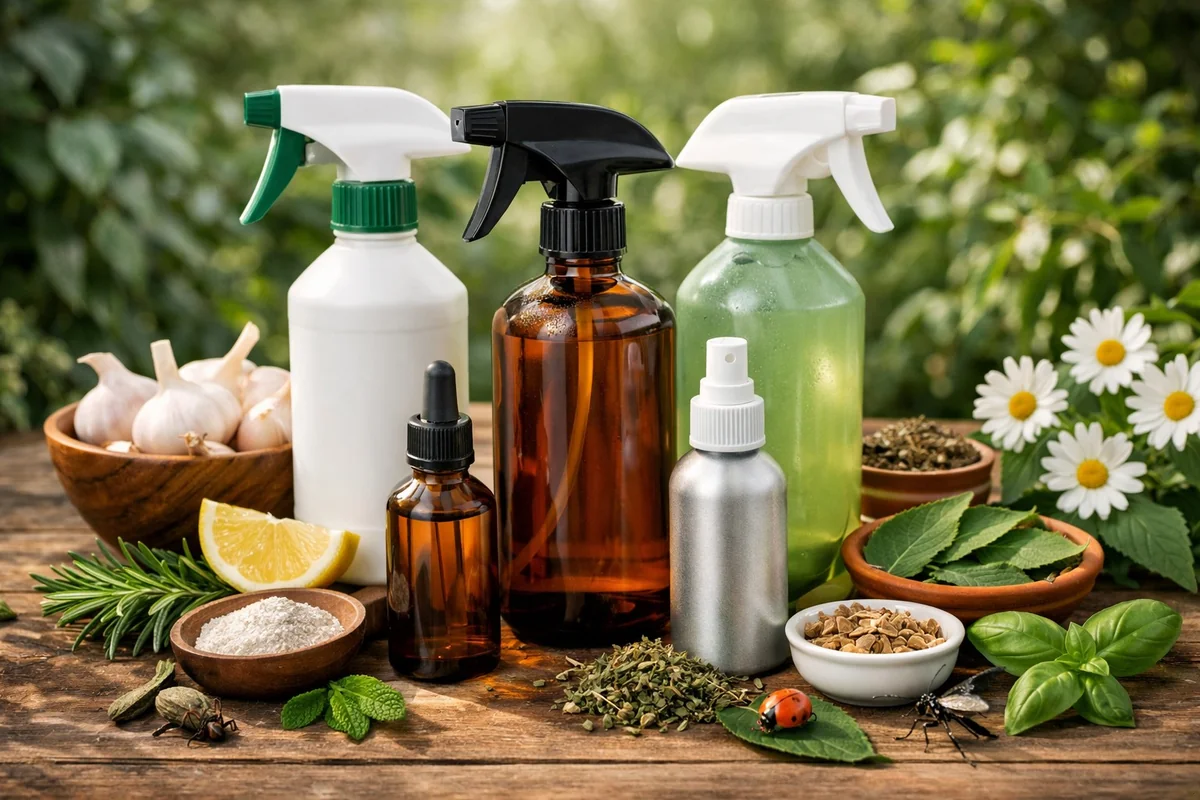
Best Natural and Organic Pest Control Products 2026: Safe, Eco-Friendly Solutions for Every Home
Find the best natural and organic pest control products for 2026. Safe, eco-friendly solutions for ants, roaches, rodents, and more - ideal for families and pet owners.