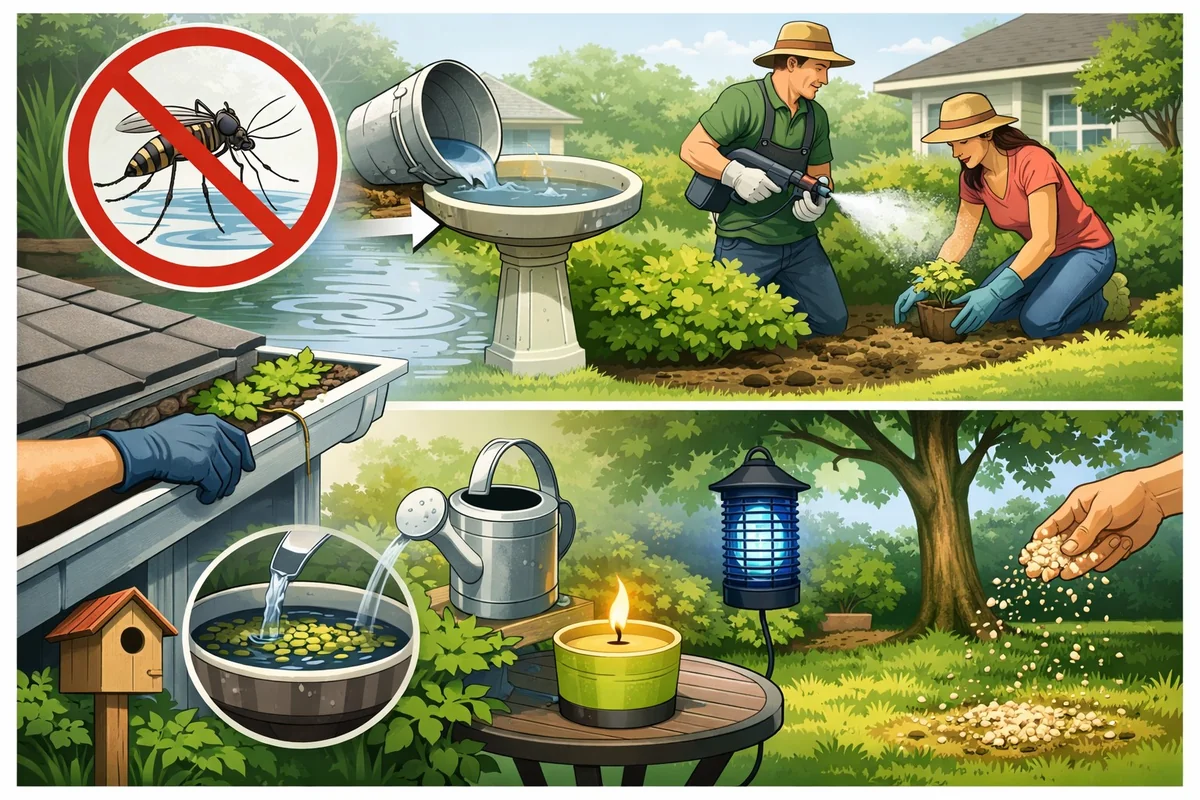

How to Prevent Mosquitoes in Yards and Gardens (2026 Guide)
Learn proven, budget-friendly ways to prevent mosquitoes in your yard and garden in 2026. Step-by-step DIY methods, common mistakes, and expert tips for lasting outdoor mosquito control.
To prevent mosquitoes in yards and gardens, eliminate standing water, trim dense vegetation, and use a mix of barriers and repellents. Weekly maintenance is essential for breaking the mosquito life cycle. Most infestations can be handled in 1-2 weeks with DIY methods and consistent follow-up.
How Mosquitoes Thrive in Yards and Gardens
Mosquitoes are relentless in outdoor environments because yards and gardens offer everything they need: water to breed, shade to rest, and easy access to humans and animals. If you’ve ever felt like you’re losing the battle, you’re not alone. Even well-kept yards can become hotspots if you overlook a few key details.
Mosquito Breeding Habits Outdoors
Standing water is the single most important factor in outdoor mosquito problems. Mosquitoes lay eggs in any stagnant water, and it doesn’t take much - less than a tablespoon is enough. Plant saucers, birdbaths, clogged gutters, and even the grooves in children’s toys can all become breeding grounds.
Shady, humid spots are also critical. Adult mosquitoes hide under dense shrubs, in tall grass, or beneath piles of leaves to avoid heat and dehydration during the day. In warm weather, common garden species like Aedes and Culex can complete their life cycle from egg to adult in as little as 7-10 days, which means new waves of mosquitoes can emerge every week if you’re not vigilant.
Why Outdoor Mosquitoes Are Harder to Control
Unlike indoor pests, outdoor mosquitoes aren’t limited by your property line. Even if you do everything right, mosquitoes from neighboring yards can fly in, especially if your area has a lot of standing water or overgrown vegetation nearby.
There are no airtight barriers outdoors. Physical solutions like screens or netting only work in limited areas, and chemical treatments break down faster in sun and rain. Plus, many well-meaning homeowners actually make things worse by adding water features or dense plantings that attract mosquitoes without realizing it.
If you want a detailed overview of how mosquitoes behave outdoors and which control methods work best, see our Mosquito Control resource for deeper background.
Identifying Mosquito Breeding Sites Around Your Home
Stopping mosquitoes before they start means finding every possible place they can lay eggs. Most people miss at least a few, and that’s all it takes for an infestation to persist. The trick is to think like a mosquito and hunt for tiny, hidden water sources and cool, damp hiding spots.
Common Hidden Water Sources
Every week, scan your yard for containers and features that collect water. The most commonly missed culprits include:
- Clogged gutters and downspouts (often hidden by leaves or debris)
- Birdbaths and decorative fountains without moving water
- Plant saucers under pots - even a thin film of water is enough
- Toys, buckets, wheelbarrows, and tarps that trap rainwater after storms
- Rain barrels and compost bins without tight-fitting lids
Mosquitoes can breed in anything that holds water for more than 4-5 days. Even a forgotten bottle cap can sustain a full breeding cycle.
Landscaping Features That Attract Mosquitoes
Dense landscaping is beautiful but comes with a catch. Shrubs, tall grass, and thick plantings create cool, humid microclimates - exactly what adult mosquitoes crave during the day. Ponds or water gardens without fish or moving water are perfect nurseries for mosquito larvae.
Mulch beds and leaf litter can hold moisture for days, supporting not just mosquitoes but also gnats and other pests. Regular yard cleanup goes a long way toward reducing mosquito pressure.
For a breakdown of the best repellents to use once you’ve identified problem areas, see our Best Mosquito Repellents for Home and Outdoor Use 2026 guide - it’s updated with the top-performing options as of this year.
Step-by-Step: How to Eliminate Mosquito Breeding Areas
Tackling mosquitoes is about consistency, not just a one-time blitz. The following steps, done every week through mosquito season, can drop biting populations by 80% or more in most yards. The process doesn’t require fancy tools - just diligence and a systematic approach.
Step-by-Step Guide
Learn how to prevent mosquitoes in your yard and garden with current best practices. Follow these expert-approved steps to reduce mosquito populations and enjoy your outdoor space safely.
Total Time
1 hour 20 minutes
Difficulty
Beginner
Remove Standing Water
Eliminate all standing water sources in your yard. Empty birdbaths, buckets, clogged gutters, and plant saucers at least once a week. Mosquitoes lay eggs in stagnant water as shallow as 1/4 inch, so regular removal interrupts their breeding cycle.
Pro Tips:
- Inspect hidden areas such as old tires and children's toys for trapped water.
- Drill drainage holes in containers that must stay outside.
- Change pet water bowls daily to prevent larvae development.
Important Warnings:
- Neglecting this step allows mosquitoes to breed rapidly, increasing risk of bites and disease.
Required Tools:
- Garden gloves
- Gutter cleaning tool
- Outdoor trash bags
Install Mosquito-Repellent Plants
Plant mosquito-repellent species like citronella, lavender, marigold, and basil around seating areas. These plants emit scents mosquitoes dislike, offering moderate natural protection when placed densely at key entry points.
Pro Tips:
- Group several repellent plants together for better coverage.
- Choose sun-loving varieties for open areas and shade-tolerant ones for covered patios.
- Regularly trim and water plants to maintain their effectiveness.
Important Warnings:
- Relying only on plants is insufficient—combine with other methods for best results.
Required Tools:
- Trowel or small shovel
- Gardening gloves
- Watering can
Apply Larvicides to Unavoidable Water
Treat unavoidable standing water, like ponds or rain barrels, with a mosquito larvicide containing Bacillus thuringiensis israelensis (Bti). Apply according to label instructions - typically every 7-14 days. Bti targets mosquito larvae without harming pets, birds, or fish.
Pro Tips:
- Use floating larvicide dunks for ponds and fountains.
- Monitor water features after heavy rain for needed reapplication.
- Store larvicides in a dry, cool location to maintain effectiveness.
Important Warnings:
- Never apply chemical larvicides to edible water sources or where runoff can reach vegetable gardens.
Required Tools:
- Bti larvicide dunks or granules
- Protective gloves
Maintain Lawn and Shrubs
Trim grass to under 4 inches and prune dense shrubs regularly. Mosquitoes rest in tall grass and thick vegetation during the day; keeping these areas tidy exposes them to sunlight, reducing their survival rates.
Pro Tips:
- Bag or compost grass clippings to avoid creating new hiding spots.
- Focus on areas near patios and walkways where people gather.
- Maintain a regular mowing schedule during peak mosquito season.
Important Warnings:
- Wear long sleeves and pants to avoid bites when working in tall grass.
Required Tools:
- Lawn mower
- Pruning shears
- Leaf rake
Install Physical Barriers
Set up fine-mesh screens on windows, doors, and patio enclosures. Use outdoor-rated mesh with openings of 1.2 mm or less for effective mosquito exclusion. Regularly check screens for tears and repair promptly.
Pro Tips:
- Seal gaps around doors and windows with weather stripping.
- Consider pop-up screen tents for temporary seating areas.
- Use screen repair kits to patch holes quickly.
Important Warnings:
- Damaged or improperly fitted screens reduce protection—inspect thoroughly after storms or strong winds.
Required Tools:
- Measuring tape
- Screening material (fiberglass or aluminum)
- Screen repair kit
Use Outdoor Mosquito Traps or Repellent Devices
Deploy CO2 or UV-based mosquito traps and plug-in repellent devices in high-traffic areas. Position traps away from seating zones, as they attract mosquitoes. Use EPA-registered devices for best results and safety.
Pro Tips:
- Clean traps weekly to maintain efficiency.
- Read manufacturer instructions for safe placement and operation.
- Combine traps with natural repellents for layered defense.
Important Warnings:
- Keep electrical devices away from water sources and out of children's reach.
Required Tools:
- Mosquito trap or repellent device (EPA-registered)
- Extension cord (for plug-in devices)
Draining and Treating Standing Water
Your first job is to empty, scrub, or cover anything that holds rainwater. Tip over plant saucers, empty toys and buckets, and scrub birdbaths to kill eggs clinging to the sides. Don’t just dump the water - eggs stick above the waterline and survive unless physically removed.
For permanent water features like ponds or rain barrels, use a biological larvicide such as Bti (Bacillus thuringiensis israelensis) - it kills mosquito larvae but is safe for pets, birds, and fish. Apply these products according to the package instructions, usually every 30 days or after heavy rain.
Check less obvious spots: clogged gutters, the folds of tarps, drainage trays under planters, and even tiny depressions in uneven pavement. Every source you miss increases the odds of a new swarm next week.
Modifying Landscaping to Reduce Mosquito Shelter
Take a hard look at overgrown areas. Trim back dense shrubs, mow tall grass, and thin out beds where air can’t circulate. Air movement dries out hiding spots and makes it harder for mosquitoes to rest during the day.
Remove debris piles - leaves, grass clippings, and stacked firewood all trap moisture. If you have a pond, install a small fountain or pump to keep the water moving. Mosquito larvae need still water; even gentle circulation prevents them from surviving.
Best DIY Mosquito Barriers and Repellents for Yards
Physical barriers and repellents are your next line of defense. They won’t replace removing breeding areas, but they’re essential for protecting your skin and making outdoor spaces usable - especially for evening gatherings or backyard dinners.
Physical Barriers: Screens, Netting, and Clothing
Screens on porches and gazebo netting work because they block mosquitoes physically, with no chemicals involved. They’re best for patios, play areas, and anywhere you want to sit without constant swatting. The key is making sure screens are intact and tightly sealed - even a 1/4-inch gap is enough for mosquitoes to slip through.
Mosquito-repellent clothing is another option. Garments treated with permethrin offer hours of protection and are especially useful for kids or anyone spending extended time outdoors. Just remember: the protection only lasts as long as the treatment does - wash cycles will reduce effectiveness over time.
Natural and Chemical Repellents: What Works Outdoors
Natural oil sprays like lemon eucalyptus or citronella provide brief relief on skin and clothing - typically 1-2 hours at best. They need frequent reapplication, especially if you’re sweating or it’s humid. Chemical repellents with DEET or picaridin last much longer and remain the gold standard for exposed skin.
Yard foggers and perimeter sprays can knock down adult mosquitoes for a few hours, but they also kill bees, butterflies, and other beneficial insects. They require repeated applications after rain or irrigation and are best reserved for occasions when you’ll be outdoors for several hours at dusk.
Using Mosquito Traps and Larvicides Effectively
Traps and larvicides can help, but only if you understand what they’re good for - and their limitations. They’re not a silver bullet, but in the right scenario, they reduce biting pressure and catch what other measures miss.
Types of Mosquito Traps for Outdoor Use
CO2-baited traps are among the most effective, luring mosquitoes with a scent similar to breath and capturing them in nets or sticky pads. They need power (battery or outlet) and must be emptied and cleaned weekly to stay effective. Expect maintenance to be part of the package.
UV light traps are popular but less useful for mosquitoes, which are more attracted to CO2 and heat than light. Ovitraps, which lure female mosquitoes to lay eggs in treated water, can help reduce populations - but only if you empty them regularly and replace the attractant as directed.
Safe Use of Mosquito Larvicides in Gardens
Bti is the larvicide of choice for home gardeners. It specifically targets mosquito larvae and is safe for fish, pets, and wildlife when used correctly. Apply only to water sources that can’t be drained, such as ornamental ponds or rain barrels.
Always follow the label, and don’t use more than recommended - overuse can harm other aquatic insects that are part of a healthy garden ecosystem. Monitor for larvae every week and reapply after heavy rain or water changes.
Mosquito-Repellent Plants: Fact vs. Fiction
Mosquito-repellent plants are often hyped as a magic bullet, but the reality is more nuanced. While some species do contain oils that discourage mosquitoes, their actual effect in a garden setting is limited and extremely localized.
How Repellent Plants Actually Work
Plants like citronella, lemongrass, and lavender do produce oils mosquitoes dislike - but those oils have to be crushed or released to have any effect. Just having the plants nearby won’t stop mosquitoes from biting you across the yard. The effect is limited to a few feet from the plant and fades quickly.
Limitations of Plant-Based Mosquito Control
Even the best “mosquito plants” won’t prevent mosquitoes from breeding or biting elsewhere in your yard. At best, they offer a slight boost if placed right next to seating or entryways, but don’t expect them to replace real controls. Some widely sold “mosquito plants” are not even proven effective for the species you’re battling, especially in North America.
Common Mistakes in DIY Mosquito Control
Most failed mosquito control attempts come down to two mistakes: missing hidden water sources and misusing chemicals or gadgets. Both are easy to avoid with a little extra attention.
Overlooking Small or Hidden Water Sources
A single bottle cap or clogged drain can start an infestation if left unchecked. Based on our research, toys, tarps, and planters hidden behind sheds or fences are the most commonly missed spots. Even if you’ve drained the obvious puddles, a few missed items can keep the cycle going all season.
Misusing Chemicals and Devices
It’s tempting to over-spray or fog the whole yard, but this often backfires by killing pollinators and creating resistant mosquitoes. Bug zappers and ultrasonic devices are mostly useless for mosquitoes - they target the wrong insects and may even make things worse by killing beneficial species.
Step-by-Step Guide: Setting Up a Mosquito-Free Yard
Getting rid of mosquitoes outdoors isn’t complicated, but it does require a routine. Here’s a practical weekly checklist and application strategy to keep your yard usable and bite-free throughout mosquito season.
Weekly Yard Maintenance Checklist
- Inspect and empty all water-holding containers, including hidden ones like gutters, plant trays, and toys.
- Mow lawns, trim shrubs, and thin dense plantings to reduce shade and humidity.
- Refresh larvicides in ponds or rain barrels as needed, especially after rain.
- Check screens, netting, and other barriers for holes or gaps.
Applying Repellents and Barriers for Outdoor Activities
- Apply personal repellent (DEET, picaridin, or oil-based) at least 15 minutes before going outside; reapply as directed.
- Set up netting or screens around patios and seating areas before dusk.
- Combine multiple methods - environmental, chemical, and physical - for best results.
Frequently Asked Questions About Outdoor Mosquito Prevention
❓ Frequently Asked Questions
How do I prevent mosquitoes in my yard and garden?
How do I prevent mosquitoes in my yard and garden?
To prevent mosquitoes in your yard and garden, eliminate standing water by emptying containers weekly, keep grass and shrubs trimmed, and use outdoor fans to disrupt mosquito flight. Apply larvicides to water features if needed. EPA guidelines recommend using mosquito dunks for birdbaths. Regular maintenance reduces mosquito populations significantly.
What attracts mosquitoes to my garden?
What attracts mosquitoes to my garden?
Mosquitoes are attracted to gardens by standing water, dense vegetation, and shaded areas. Female mosquitoes lay eggs in stagnant water, while adult mosquitoes seek shelter in tall grass and bushes. Reducing moisture and trimming plants decreases mosquito activity. Adding airflow with fans can also deter mosquitoes from lingering.
How often should I treat my yard for mosquitoes?
How often should I treat my yard for mosquitoes?
Most experts recommend treating your yard for mosquitoes every 3-4 weeks during mosquito season, especially after heavy rain. Treatments include larvicides, insecticide sprays, or natural repellents. Consistent application is key, but avoid overuse to reduce impact on beneficial insects. Monitor mosquito activity to adjust frequency as needed.
What is the difference between chemical and natural mosquito repellents for gardens?
What is the difference between chemical and natural mosquito repellents for gardens?
Chemical repellents use synthetic ingredients like permethrin or DEET for rapid, broad-spectrum mosquito control, but may impact pollinators. Natural repellents rely on plant oils such as citronella or lemongrass and are safer for pets and wildlife, though they require more frequent application and may be less effective in dense infestations.
What should I look for when choosing mosquito control products for my yard?
What should I look for when choosing mosquito control products for my yard?
When choosing mosquito control products for your yard, consider:
- Active ingredient: Check for EPA-registered chemicals or effective natural oils
- Coverage area: Match product size to your yard
- Application method: Sprays, granules, or traps
- Safety: Pet and child safety ratings
Compare user reviews for reliability before purchasing.
Are mosquito traps effective for outdoor use?
Are mosquito traps effective for outdoor use?
Mosquito traps can reduce mosquito populations by attracting and capturing adult mosquitoes, especially in small to medium yards. Effectiveness varies by trap type and placement. CO2 and UV light traps perform best in shaded, wind-protected spots. However, traps alone rarely eliminate mosquitoes and work best as part of an integrated control plan.
When is the best time to apply mosquito treatments in the yard?
When is the best time to apply mosquito treatments in the yard?
The best time to apply mosquito treatments is early morning or late afternoon when mosquitoes are most active and wind is minimal. Avoid treatment during rain or high temperatures for optimal results. Consistent timing ensures maximum contact with mosquitoes while minimizing harm to pollinators and beneficial insects.
Why do I need to remove standing water to control mosquitoes?
Why do I need to remove standing water to control mosquitoes?
Removing standing water is essential because mosquitoes lay eggs in stagnant water, where larvae develop in 7-10 days. Even small amounts, like in saucers or gutters, can support mosquito breeding. Regularly emptying or treating water sources interrupts the mosquito life cycle and greatly reduces infestations in residential areas.
Key Takeaways for Lasting Mosquito Control
Mosquito prevention in yards and gardens is an ongoing process. Weekly attention to water sources and hiding spots is far more effective than any one-time treatment. Most infestations respond to consistent DIY methods, but persistent problems could signal hidden breeding sites or larger neighborhood issues.
If your efforts aren’t working after a few weeks, or if you’re dealing with an unusually large or aggressive mosquito population, it may be time to consult a professional. They can use more powerful treatments and help you find spots you might have missed. Just keep in mind that professional services often rely on the same basic principles - and chemical exposure and cost will be higher.
Keep up the routine through the spring, summer, and early fall, adjusting after heavy rain or heat waves. Take notes on what worked best for your property so you can fine-tune your approach for the next season. Consistency is the real secret to lasting mosquito control.
Related Articles
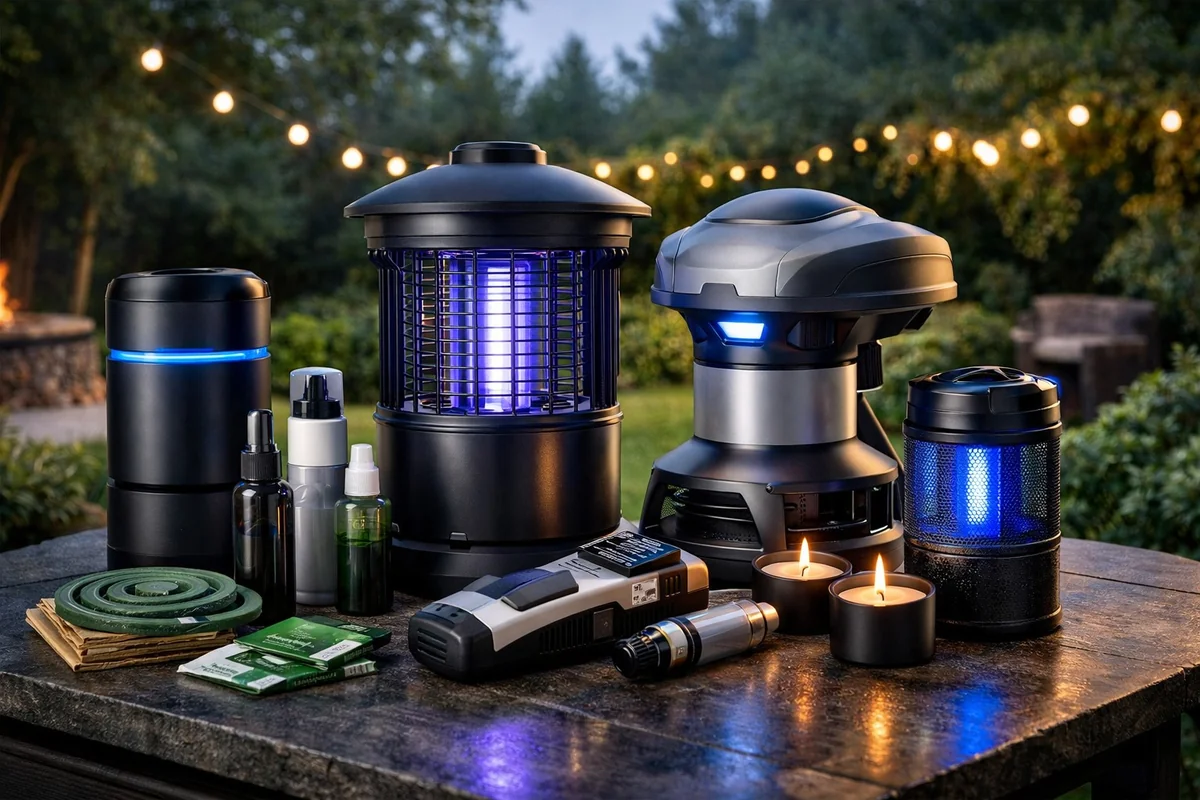
Best Mosquito Repellents for Home and Outdoor Use 2026
Find the best mosquito repellents for home and outdoor use in 2026. Compare sprays, lotions, traps, natural options, and devices with expert reviews and buying tips.
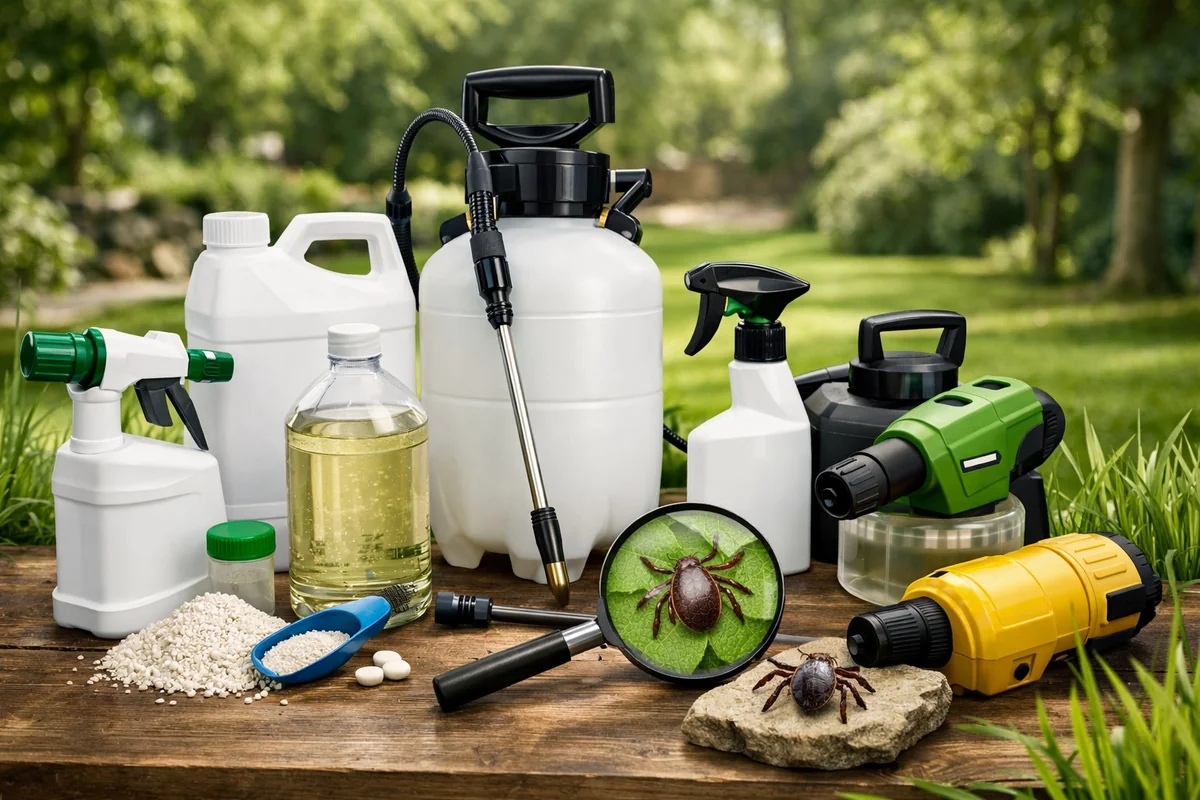
Best Tick Sprays and Yard Treatments 2026: Top Products for Safe Tick Control
Find the best tick sprays and yard treatments for 2026. Compare top tick control products, natural options, and expert tips to keep your yard tick-free and safe for family and pets.
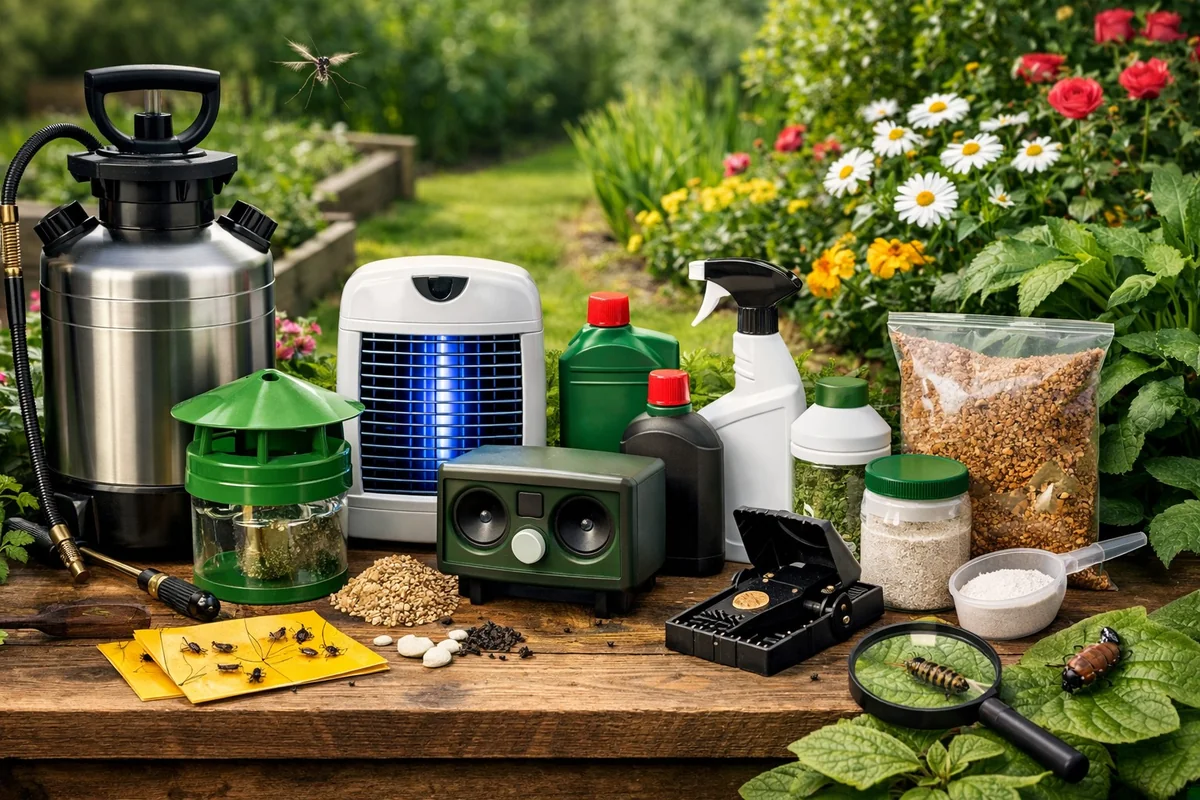
Best Garden Pest Control Products for Yards and Gardens 2026
Discover the best pest control products for gardens and yards in 2026. Compare top-rated sprays, baits, traps, and natural solutions for safe, effective, and budget-friendly outdoor pest removal.

Best Natural and Organic Pest Control Products 2026: Safe, Eco-Friendly Solutions for Every Home
Find the best natural and organic pest control products for 2026. Safe, eco-friendly solutions for ants, roaches, rodents, and more - ideal for families and pet owners.